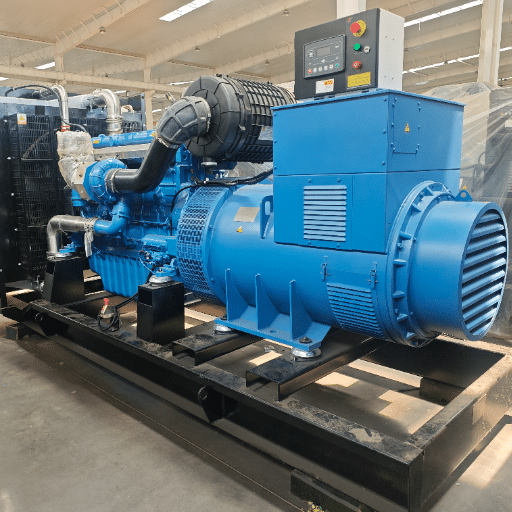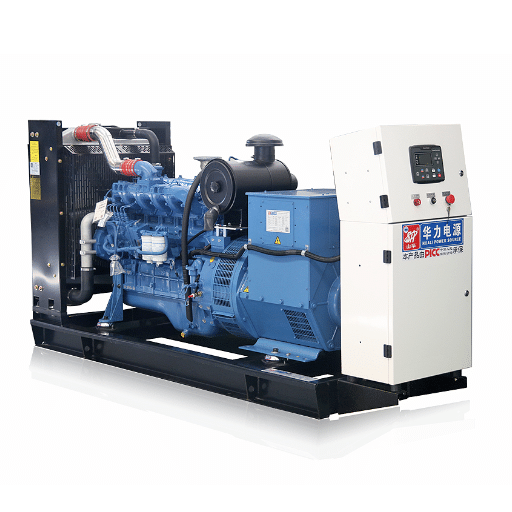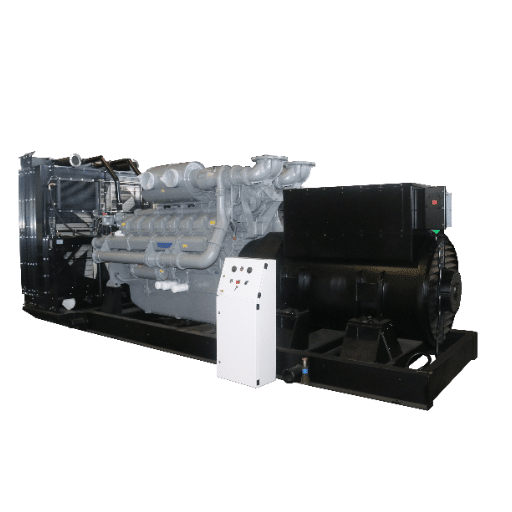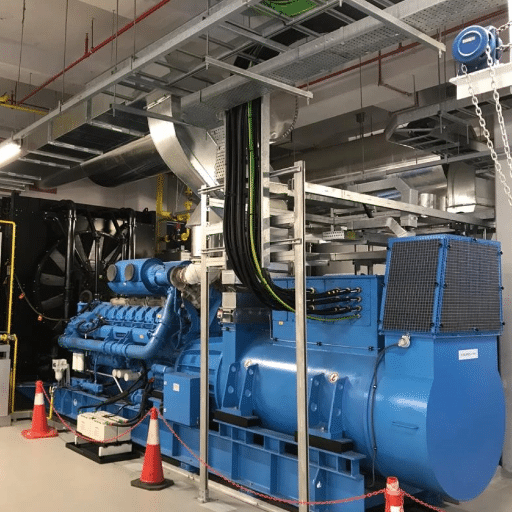


Ever since the backup power system in one of the largest data centers in Singapore encountered trouble during its scheduled exercise last year, it came to light that highest quality of care was not necessarily provided. The generation landscape of the data centre showcased the use of natural gas generators primarily due to the extremely low carbon footprint the natural gas had to offer. In an earthquale simulation scenario, the natural gas pipeline infrastructure faield thus the power to the 12,000 servers was cut off. However, the issue was mainly because of the choice of gas rather than equipment in place that made the system not operate when required.
This example is a common occurrence that frames many procurement managers and engineers in the current world. The selection of the most appropriate petroleum based generator fuel is more of an optimization problem. Efficiency with cost as well as existence/maintenance of infrastructure and legal compliance must be observed. Needless to say, if a wrong decision is made, then it is not only operational costs one may have to incur but also the inability to perform some of the core business activities when the secondary power supply fails.
This guide is a comprehensive analysis of the engineering properties of the major fuels- diesel, natural gas, propane, and heavy fuel oil (HFO)-that are used in industrial generators. It explains the technical aspects, other benefits, and costs of these fuel sources. By the conclusion of the guide, a comparative framework on the tankage fuel supply to be applied to a specific power zone will have been developed.
What Are Petroleum-Based Generator Fuels?
Generators petroleum fuels are by-products found in the processing of crude oil and emissions are distilled. The source of energy needed for the operation of the internal combustion engines and the turbines is the petroleum fueled products by burning them. For example petroleum fuels as compared to their renewable counterparts currently enjoy network availability, power density, operability, and safety and maintenance support applicable for most industrial applications.
The four primary petroleum-based fuel sources for generators each serve specific market segments based on the technical aspects:
- Diesel: The dominant choice for mission-critical and remote applications
- Natural Gas: Preferred for continuous operations with pipeline access
- Propane (LPG): Selected for standby power and clean air requirements
- Heavy Fuel Oil (HFO): Used for large-scale base-load power generation
Fuel Type 1: Diesel

Technical Characteristics
Within the world of liquid petroleum fuels, diesel fuel is able to hold the highest energy content of 138,700 BTUs per gallon. This level of energy, along with the unique operation that happens within a diesel engine, leads to a higher efficiency in operation. In general modern industrial diesel generators prevail with hotel 35-45% thermal efficiency, thus the most part of the potential energy of the fuel that is burned is converted in electrical energy among other petroleum based generators.
Diesel engines have the distinct advantage over gasoline engines due to compression ignition. For engines with a compression ratio of between 14:1 and 22:1, the combustion process, aka auto-ignition, is always feasible and will be capable of generating significant amount of mechanical work from the fuel internal energy. This underlying variance in the systems operation principles is the reason that diesel engine driven gensets are up to 50% more energy-efficient than their gasoline counterparts.
In an efficient system, production costs directly correspond to the mode of operation. Regularly, the functional running related costs of an industrial based diesel engines are computed to be within the range of 0.005 to 0.01 cents per kilowatt-hour and this is the most friendly technology for the sake of high power applications. These machines are not known for their thirst for fuel; on average, a 500 kW diesel generator uses 135 liters of fuel less than that for a liter consumed by a truck over the time. This will enable a business or an industry to plan on fuel costs required for its activities.
Industrial Applications
For non-mission-critical use, diesel has no equal. As per the Study Report of the Market in Power Sector of the PJM, in 2025, based on the same main transmission systems diesel accounts for 84.1% of the capacity of turbo generators, which is about 883.5 megawatts out of 1,050.5 megawatts of the total capacity of standby capacity.
One of the most critical reasons hospitals and emergency facilities select diesel as a reliable source of energy is that the fuel can be stored in the hospital grounds in tanks. This makes the facilities absolutely dependable even if there is no regular electrical grids available on site. This reason figures in the fact that the NFPA 110 standard makes a condition for the provision of a fuel storage system for the emergency generator used in the protection of lives.
With as little as five days of power outage, it is a fair assumption that diesel is the fuel of choice for very many data centers. In this mode of operations a data center in Frankfurt undergoing genocide in the year 2025 used diesel fuel in their turbines which last for three days in the absolute absence of generator. These three days were allowed in the grid maintenance time.
Pros and Cons
Advantages:
- Highest thermal efficiency (35-45%) among petroleum fuels
- On-site fuel storage capability
- Fast start-up and load response (5-10 seconds to full power)
- Proven reliability in harsh environments
- Extensive global supply infrastructure
- Long engine lifespan (20,000-30,000 hours)
Limitations:
- Higher emissions than natural gas (1,700 lbs CO2/MWh)
- Fuel degradation requiring periodic testing and polishing
- Noise levels of 75-90 dB without enclosures
- Risk of wet stacking when operated under light loads
- Complex exhaust after-treatment systems required for Tier 4 compliance
Fuel Type 2: Natural Gas

Technical Characteristics
Natural gas is the primary source of fuel for gas gensets. It is supplied as a pipeline gas or as compressed natural gas (CNG) and liquefied natural gas (LNG). Gas used in systems operates with the calorific value in the range of approximately 37 Therms per cubic foot of milk, which makes it volumetrically larger than its liquid counterpart mediums. Nonetheless, with the current combustion technologies which are gained through the use of gas direct injection and lean burn combustion, the combustion efficiency is able to go up to 95%. This is because the design of such engines is able to compensate for the lower energy density by the more reliable form of combustion.
Efficiency rates for natural gas-fired power plants often hit 35%, exceeding this value in the case of the most efficient stations, which can achieve 45.2%. While not quite the leader in the matter, when translated to pure thermodynamic performance metrics, natural gas is lower than diesel while winning all the points in the competition for operational costs and emission standards. In most cases, natural gas can be refueled for a price of around $2.95 per gasoline gallon equivalent—significantly lower than the price of the liquid fuel.
It must also be noted that natural gas burns clean and the gases released during the combustion process, e.g., 601 kilograms of sulfur dioxide are emitted for every MWh of electricity produced. This 1,135 pounds of CO2 per megawatt-hour, is actually 30% less than that of combustion of diesel oil. Even if it is not a perfect solution, burning natural gas has higher NOx and particulate matter but still the gas is used more often in places with emission limitations.
Industrial Applications
In the case of natural gas, continuous base-load power supply, which is possible with its already developed pipeline facilities, has to be intended. Included in this category are the combined heat and power (CHP) plants, most of the urban commercial entities or industries that have very steady demand, majority of which utilize natural gas that is affordable and above all meets the needed requirements.
Predictable power demand in production sites where power is required daily can benefit from natural gas economic perspectives. In Vietnam, for example, one of the textile factories managed to cut energy expenses by 23% only by replacing diesel generators with natural gas ones required for base load operations. Natural gas, which is suitable for the continuous operation model, was eliminated as a source of costs associated with fuel storage and transportation that was in the form of pipelines.
Urban commercial buildings also tend to go for natural gas nowadays especially for building code conformance. In European cities where air quality directives are very high, natural gas generators for emergency power backup do not emit particulate emissions that would entail enforcement actions such as fines or even imprisonment. The use one is more comfortable in, i.e., natural gas units, in which noise is within 58-69 dB, significantly quieter than that of diesels 75-90 dB.
Heat and power systems of these kinds are used for exploiting the heat energy as well as the electric power. Normally, such combined heat and power modes or cogeneration systems are able to operate with net system efficiency in the range of 80% to 90% which is highly compatible with the electric efficiency of any stand-alone generator technology.
Pros and Cons
Advantages:
- Cleanest burning petroleum fuel (lowest emissions)
- Lower fuel cost per unit of energy
- No on-site fuel storage required with pipeline connection
- Reduced maintenance (no complex exhaust after-treatment)
- Quieter operation than diesel
- Fuel does not degrade during storage
Limitations:
- Infrastructure dependency creates vulnerability during disasters
- Lower energy density requires larger engines for equivalent output
- Higher capital cost (50-100% more than diesel for large units)
- Limited availability in remote locations
- Spark plug maintenance requirements
- Pipeline shutdowns render generators inoperable
Fuel Type 3: Propane (LPG)

Technical Characteristics
Propane or liquefied petroleum gas (LPG) has certain compositions that make it suitable for particular applications in generator field. With an energy density of around 91,500 BTU/gallons, propane is estimated to contain in excess of 70% of gasoline’s energy content and 60% of that of diesel-gas. This lower energy density in turn necessitates higher fuel consumption in propane generators for the same power results.
However, the storage stability is the most outstanding characteristic of propane. Fuel only smells in less than twelve months if it is gasoline or periodic fuel polish is disposed off for diesel but propane retains its properties almost indefinitely. Propane does not deteriorate, become gaseous or collect moisture when stored in pressurized tanks which makes it the most appropriate for use in backup generators that are kept inactive for a long period of time.
The characteristics associated with combustion are such that, they have an inclination towards clean operation. This form of energy generates less CO2 at around 1,560 pounds per megawatt-hour, made by burning propane, having it lower than that of diesel, but slightly greater than natural gas. This fuel, when burnt, engenders very few particulate matter since all the requirements in light of the air quality standards in the places its used is met.
Industrial Applications
Propane serves complementary applications where fuel storage and clean emissions supersede energy efficiency. These are rural and agricultural sectors but mostly small commercial power generation in the end use market.
Most of the time, propane is preferred for use on farmyards as the fuel tanks can be installed above the ground without piping networks. Setting a poultry butchering plant in the Canadian countryside with propane-powered generators as the spare ones inside the building was possible due to the attractiveness of fuel storage on site and not the usual degradability issues existing with gasoline or diesel. In the case of virtually negligible down times, this became an advantage being that the store-and-forget type of fuel, propane, stores indefinitely.
Remote commercial premises in out of the natural gas grid areas are also likely to be advised to consider the use of propane instead of diesel for similar reasons of environmental conservation. Similar thought processes probably prompted the Indian scientist in Antarctica to opt for a propane generator instead of a diesel one, notwithstanding the additional running time and cost of the generator.
Propane is a popular choice for both small commercial and residential generator systems as it can easily be installed in tanks as compared to diesel, which is why its distribution is more “open.” Any generator having a capacity of more than 150 kW is likely to be a propane-fueled one; while based on good economics it is propane that will be used in those large scale projects machines run on other fuels.
Pros and Cons
Advantages:
- Indefinite shelf life (no fuel degradation)
- Clean burning with low particulate emissions
- Portable storage (no pipeline dependency)
- Non-toxic and non-polluting if spilled
- Widely available delivery infrastructure
- Simple fuel system maintenance
Limitations:
- Lower energy density (requires 3x storage volume of diesel)
- Higher fuel cost per kilowatt-hour
- Cold weather performance degradation
- Limited to smaller generator sizes (typically under 150 kW)
- Lower efficiency than diesel
- Vaporization requirements in cold climates
Fuel Type 4: Heavy Fuel Oil (HFO)

Technical Characteristics
Heavy fuel oil is the inappropriate remains of crude oil refining process after it has been stripped off the lighter fractions. HFO will have a varying composition depending on the grade of the crude and the method of refining applied, but one thing is for sure: it utilizes the lowest cost to deliver energy per unit among petroleum products. It, nevertheless, has its shortcomings in terms of its use such as the need for pre-heating to temperatures of between 80 to 120 degrees Celsius in order to reduce its viscosity so that it is pumpable and also combustible.
In some cases, with the help of waste heat recovery systems in modern HFO firing power plants, a thermal efficiency of above 50% is achievable. This has led to the use of the low-sulfur form or the exhaust scrubber systems in substitution of the high sulfur HFO. In addition to the low sulfur marine gas oil policies, the International Maritime Organization also has a 2020 regulation that allows a maximum 0.5% sulfur based bunker oil in the Marine industry. Such restrictions have had an impact on the quality and market base of HFO products.
The global HFO generators market was worth 11.7 billion in 2024 and is set to increase to 14.87 billion by 2032. This robust ten years growth is attributable to the unceasing demand for cheap base-load power for the resource intensive industries as well as emerging nations’ economy.
Industrial Applications
HFO oil has a dominant share among the fuels utilised in power generation stations where the energy produced is mainly governed by the fuel cost rather than fuel-complexity. Activities in mining, cement, and marine sectors rank high as the use of HFO oil extends in these sectors.
In remote regions where mining is prevalent, one often finds an HFO. HFO is mainly utilized for the power stations of the base load that power all the machines. The Fekolo mine in Mali has six caterpillar HFO generators. These generators operate within a 30 MW solar photovoltaic (PV) system and 17.3 MW batteries. In 2024, the use of this hybrid system saved about 13 million liters of HFO and about 38,000 tons of CO2 were not emitted. The continuous running of the cat HFO engines has an added advantage in that in times of less solar generation, they are a reliable back-up.
Coal-fired power plants in low-income countries use heavy fuel oil to maintain the balance on the power grid. POWERCHINA is setting up a 43.65 MW HFO power plant for the Sierra Leone located Tonkolili Iron Mine, complete with waste heat recovery systems and 2500- ton encapsulated storage tanks. As narrated above, the inexpensive use of HFO for the generation of power is seen under projects in Africa and Asia.
Marine industries have traditionally accounted for the most black oil consumption. However, with the current era’s international maritime regulations which prohibit the use of high sulphur fuels, demand of HFO has drastically reduced. For several reasons, it is still less expensive to use HFO in land based power plants at ports although it is a highly environmentally uncompliant fuel, scrubbers being used to meet emissions regulations.
Pros and Cons
Advantages:
- Lowest fuel cost per unit of energy
- Established global supply chains
- High efficiency potential with waste heat recovery
- Suitable for very large power plants (multi-megawatt)
- Proven technology for continuous operation
Limitations:
- Complex fuel handling (pre-heating required)
- Higher emissions than other petroleum fuels
- Storage tank heating requirements
- Fuel quality variability
- Higher maintenance requirements
- Regulatory pressures limiting market growth
Comparative Analysis: Selecting the Right Fuel
Efficiency and Cost Comparison
| Fuel Type | Thermal Efficiency | Energy Density | Operating Cost/kWh | Capital Cost/MW |
|---|---|---|---|---|
| Diesel | 35-45% | 138,700 BTU/gal | $0.005-0.010 | $0.8-1.2 million |
| Natural Gas | ~35% (up to 45%) | 37 BTU/cu ft | $0.007-0.015 | $0.9-1.3 million |
| Propane | 30-35% | 91,500 BTU/gal | Higher than diesel | Similar to diesel |
| HFO | Up to 50% (with WHR) | Variable | Lowest for bulk | $1.0-1.4 million |
Emissions and Environmental Considerations
Unsurprisingly, the emission levels of fossil-fuel plants are significantly different from each other. Among these, natural gas has the lowest levels of CO2 emissions at 1,135 lbs/MWh, propane is next at 1,560 lbs/MWh, then diesel at 1,700 lbs/MWh and the heaviest being HFO. The fuels to be used in the plant are also greatly affected by the air quality demands of the areas within which a plant is to operate.
Runtime and Storage Characteristics
The possibility of running the power plant will be primarily determined by the amount of fuel storage that can be accommodated and the rate at which it is used. Using diesel with standard tank configurations provides a running time of between 12 and 18 hours at a 50% load. With natural gas, depending on the availability of a pipeline, it could operate continuously until the gas resources remain available. The amount of runtime using the propane will depend on the tank to be used but in most cases this will last for more than a day for the large-tank installations. HFO systems will require a lot of storage to ensure they run without any interruptions.
Standby operation involves the use of stationary engines for non-emergency conditions but they are expected to operate as and when needed. Propane, being stored, eternally remains relevant while diesel has to be polished, drained, and refilled every six to twelve months, petrol – in the course of up to a year after refining just spoils, whereas HFO – bedded tanks are necessary even for PU forms due to liquid to pump components.
How to Choose the Right Fuel for Your Application

Decision Framework
Selecting the optimal fuel source requires systematic evaluation of five key factors:
1. Power Requirement and Duty Cycle
Food of propane or diesel is loaded in the tank, as an immediate start of a stationary engine and a standby strain were not consisted by the engine design. For charging-up stations, natural gas or HFO for their competitive prices and high commercial attractiveness of large systems and installations.
2. Runtime Expectations
One can be in the field for weeks on end, that may require excessive fuel consumption, ensuring sufficient combustion of HFO fuels through local storage. On the contrary, such back-up services may not require any fuel storage since they depend on instant starting by any available liquid fuels, whereby propane is generally advantageous as it does not require frequent use.
3. Infrastructure Availability
The presence of gaseous natural gas in pipeline would allow for the usage of stationary engines with clean combustion. If far away from any infrastructure, sash expedites the employment of trucked fuels as either diesel, propane and hfo.
4. Environmental Regulations
It may be required to use natural gas or propane in environmentally responsible air-polluted areas depending on the legislation in place. Be sure to check out specific restrictions when choosing fuel type for new installs.
5. Total Cost of Ownership
Application-Specific Recommendations
Mission-Critical Facilities (Hospitals, Data Centers)
Diesel practicality in the industry remains a standard asset due to fixed storage when stockpiling is feasible and time requirements for dispatch. With the exception of emergency gas supply such as refueling in the event of a shortage, the absence of any fresh infrastructure is an advantage in disaster situations.
Urban Continuous Operations
In the presence of bulk methods of gas transportation, particularly via pipeline, natural gas is always the most economical. Lesser energy expenses and better environmental friendliness are achieved within manufacturing, business, and district natural heating systems.
Remote and Rural Locations
In situations where the efficient storage of fuel is of great importance, propane is the solution for many standby power applications. Be that as it may, agricultural operations, remote research stations, and rural commercial facilities benefit from propane’s indefinite shelf life.
Large-Scale Industrial Power
To begin with, the use of HFO brings about the most economical fuel consumption for fairly large standby power plants supporting load centers in mining, cement production, and resource extraction fields. In other words, the cost of dealing, storing, and utilizing the fuel in the engines, and so forth justifies its usage at these consumption levels.
Conclusion

The four internal combustion engine power sources that are within the scope of this paper each provides suitable to specific needs in operation. Diesel is the most suitable for most applications because of the reliability and the efficiency it offers. The existence of a gas pipeline creates the possibility to utilize gas as an economical sources of power generation. Propane is fit for the application of long term reserve power systems where the fuel stable condition is to be maintained. Heavy fuels are the most economic when spanning over long periods at a time.
There is no one size fits all type of recognition when it come to energy source to be used as the best. Usually, it is the rule of the application of a stringent technique presented within the guide, settling for certain characteristics at the expense of others where the targets are efficiency and ancillary equipment activities support capability especially where costs, reliability and environmental constraints are concerned.
And remember the engineers. When for instance looking for a generator, it is important to do so together with qualified engineers who know and understand the technical differences of each fuel. The principle of a program also suggests the right sizing, design of the systems, location of fuel storage facilicities, period of maintenance and other aspects of the system including its life cycle aspects which assist in providing operational stability of the machines.