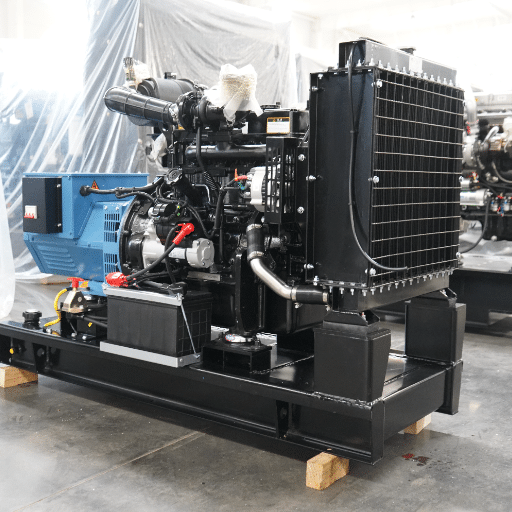


Home backup generators have become an essential expense for homeowners seeking a stable power supply during bad weather, infrastructure issues, or other events that may cause outages. Nevertheless, without proper assistance, understanding the expenses and choices can be pretty baffling. This text will examine the factors that affect the costs of home backup generators, starting with purchase and installation and continuing to upkeep. Furthermore, we will discuss different generator types, their features, and ways to find the one that best meets the specific requirements of your home. If you are considering a small portable generator or a whole-house system, this tutorial will provide the information you need to make a well-informed, money-saving decision.
Factors Affecting Generator Cost

Purchase Price
The size, power output, and brand of a generator are the main features that set its purchase price. The price of small portable generators is usually around $500 to $2,000, while larger whole-home systems can cost $5,000 to $15,000 or more.
Installation Costs
Electrical work, permits, and labor are some of the expenses involved in installation. Installation costs for small portable generators are usually very low or none, but for a standby generator, they are usually between $3,000 and $6,000 due to the need to connect it to your home electrical system.
Fuel Type
The fuel a generator uses—gasoline, propane, diesel, or natural gas—can significantly affect long-term costs. Propane and natural gas generators are cheaper to operate, while diesel units tend to have higher maintenance costs.
Maintenance and Repairs
Regular maintenance includes oil and filter replacements, and paving the operations way more efficiently. The standard cost for the year’s maintenance may range from $150 to $300. As time goes on, more repairs and replacements may be needed, depending on the system’s age and usage level, increasing expenditures.
Power Needs
The size and power requirements of the house determine the generator’s capacity. In contrast, the bigger and more powerful systems that are also ready to supply all power may be even more expensive than a small one designed only for essential appliances. So, to sum up, the most vital point is to keep your power needs as close as possible and avoid unnecessary additional costs.
Initial Purchase Price
Various major factors, such as brand, rating, fuel type, and optional features like noise control or sophisticated control panels, significantly affect a generator’s initial cost. Typically, the price of portable generators ranges from $500 to $2,500, while that of standby generators commonly used for the entire house is usually between $3,000 and $10,000, excluding installation. For the luxurious models that feature high-level surveillance and a high capacity, even exceeding $15,000. Therefore, it is helpful to compare very well before you actually spend your money on a particular unit. Also, stick with the best brand that has the best warranty that is a good investment for the long run and saves even more early repairs and also replacements.
Type of Generator
| Type | Fuel Source | Power Output | Efficiency | Common Use | Price Range |
|---|---|---|---|---|---|
| Portable Generator | Gasoline/Diesel | 1,000–10,000 Watts | Moderate fuel consumption | Camping, small tools | $500–$3,000 |
| Standby Generator | Natural Gas/Propane | 7,000–20,000+ Watts | High efficiency for homes | Backup power for homes | $3,000–$10,000+ |
| Inverter Generator | Gasoline/Diesel | 1,200–4,000 Watts | Highly efficient and quiet | Sensitive electronics | $500–$4,000 |
| Solar Generator | Solar/Rechargeable | 100–2,000+ Watts | Clean energy source | Home and outdoor events | $300–$5,000+ |
| Diesel Generator | Diesel | 5,000–30,000+ Watts | Fuel-efficient, long-lasting | Industrial applications | $5,000–$15,000+ |
| Hydrogen Generator | Hydrogen Fuel Cell | Varies (Advanced Tech) | Zero carbon emissions | Research and specialty use | $10,000+ (early-stage tech) |
Size of Generator
Generator size is a crucial factor that determines a generator’s power and its suitability for different situations. Generator power output is the unit of measurement, indicating the level of electricity generation. Usually, for a household, you will fall into the 2,000 to 10,000 watts range, making a portable generator a sensible choice for powering key appliances — refrigerators, lighting, heating, and ventilation and air conditioning (HVAC) systems — during power failures. Still, for industrial and commercial sectors, sizes will be far beyond 30,000 watts for supporting equipment that runs on heavy-duty power and for operations that run all the time. There are two significant issues to consider when choosing the right generator size: calculating the total wattage requirement of all the intended devices and accounting for startup wattages, which for some devices can be significantly higher than the running wattages. An appropriately sized generator, when put to use, ultimately avoids under-sizing that could cause overloads in the system and over-sizing that would in turn create inefficiency and additional costs.
Types of Home Backup Generators

Standby Generators
These systems are permanently installed and automatically switch on during a blackout. They are physically attached to or integrated with a house’s power system and mostly run on either natural gas or propane. Standby generators provide high power continuity and are a great choice for sustained or periodic outages.
Portable Generators
Portable generators are wheeled units fueled by gasoline, diesel, or propane. They are operated manually and require extension cords or connection via a transfer switch for power to only a few appliances. These generators are best suited to short-term applications and lower power requirements.
Inverter Generators
Inverter generators, with their small size and low noise, are the most popular choice for powering small electronic devices, as they provide stable power. They are mostly powered by gasoline and are the best option for limited power needs or for leisure activities.
Portable Generators
Portable Generators have proven adaptable and well-liked because of their convenience and reliability; moreover, they are widely used across sectors such as residential, commercial, and recreational. The power output of a portable generator can range from 1,000 watts to a stunning 10,000 watts, depending on the electrical load. They are generally powered by gasoline, diesel, or propane, while the dual-fuel portables are poised for a market revolution thanks to their all-around advantages. The latest breakthroughs in technology have brought some amazing features, such as electric start, inverter generators, and carbon monoxide detection systems, all of which are now part of a day’s work, enhancing the safety and user interface of the products.
Based on the most recent market data, portable generators are in high demand during power outages, driven by rising extreme weather and grid instability. In general, a mid-range portable generator can provide consumers with the electricity needed to run the most critical home systems, such as the refrigerator, sump pump, and lighting, for 10-12 hours on one fuel tank. The advances in technology and market trends further underscore the importance of portable generators for emergency preparedness and additional energy needs.
Standby Generators
In the event of a main power outage, standby generators provide a long-term solution for continuous power, making them a vital piece of equipment for all types of properties, whether residential or commercial. They are usually integrated into a building’s power supply and begin running within seconds without human intervention as soon as they detect a disruption in the electrical supply. Standby generators are supplied with regular fuel, such as natural gas or propane, to ensure they operate continuously without manual refueling.
The new standby generators feature the latest features, including a load management system that prioritizes the main circuits to save power during long outages. For household use, generators with a rating of 10,000-25,000 watts are enough to run the whole house, including the air conditioner, refrigerators, and other gadgets. Meanwhile, in the large industrial sector, larger generators might be seen surpassing the 500,000-watt threshold to serve hospitals, data centers, and other large-scale business centers.
Solar Generators
Among conventional power sources, solar generators have emerged as a green and reliable option, making renewable energy the primary source for meeting various power needs. The usual elements of these systems include solar panels, a battery storage unit, an inverter, and a charge controller, and all of them work together to collect light, convert it into energy, and store it in the battery. Hence, the recent versions are highly efficient, with conversion efficiencies up to 22% or more, depending on the technology.
Home solar panel systems are getting better and better at performing essential tasks, such as providing light, heating, and cooling. A solar power system with a 1,000 to 3,000 watt-hour battery capacity and 1,500 to 5,000 watts of continuous power is efficient enough for almost all households to use during short power cuts. It can also be used for off-grid living. On the other hand, large, powerful, and efficient solar panel installations, such as advanced solar generators, can provide power to off-grid facilities, construction sites, and microgrids. One or more units can be connected, and the battery system can be scaled up to integrate the power generation.
Installation Costs for Home Generators

Generator installation expenses for home settings can fluctuate considerably depending on the generator type, size, and installation difficulty. When it comes to portable generators, installation usually involves minimal costs, limited to the purchase of a transfer switch and its professional installation, which is typically between $500 and $1,500. At the same time, the cost of standby generators is higher because they are permanently installed and electrically connected to the house. The average total cost to automate a standby generator ranges from $3,000 to $6,500 and includes the cost of professional setup, electrical changes, and permits. To determine the specific needs of your home and the actual price, you must speak with a properly licensed professional.
Labor Expenses
The cost of installing a generator includes a few main items, such as hiring skilled electricians, preparing the site, and complying with local building codes. The general price range for electrician services is $50 to $100; however, it can be higher or lower depending on the location, the complexity of the installation, and the changes needed to your electrical system. The most common ways to prepare the site for a generator installation are leveling the ground, installing a concrete pad for the generator, and installing fire and safety devices, adding a cost of between $500 and $1,000 to the total labor cost. Besides, $100 to $500 is usually the cost of city permits and inspections to ensure the installation meets all safety standards. When added up, these elements alone can significantly increase the total cost of a generator installation, so you need exact numbers from your service provider before starting the job.
Permits and Regulations
Grants and guidelines are key parts of an installation process that ensure all tasks are aligned with legal and safety standards. Most places need structural improvements. Subsequently, the fees for such permits can range from $50 to $500, depending on local laws and the complexity of the project. It is also likely that, through the zoning laws, a given area might be isolated from noise, and Public awareness may be the only way to communicate with such a zone. The generator companies, in turn, learn the requirements for the generator. Inspection of the work by licensed inspectors is a good practice to ensure that the generator installation and the grid-connected electrical system comply with the electrical code.
Additional Installation Requirements
Exhaust management systems are critical in standby generator installations to operate in accordance with the rules and to handle waste gases safely. These systems are beneficial because they not only direct the output away from occupied areas but also help reduce carbon monoxide emissions. It is equally essential to provide vibration-isolation mounts to ensure the generators are connected so that the building and its parts are not subjected to excessive mechanical vibration that may cause structural or noise problems. Conversely, the adoption of National Fire Protection Association (NFPA) standards, such as NFPA 37 for stationary combustion engines and NFPA 110 for emergency power systems, is a must for both safe and efficient plant setup. However, depending on the location, the issue of additional grounding systems may be raised as a measure to prevent electrical problems. Everything is taken care of by local code requirements and manufacturer specifications that require verification of each component, not only during installation but also in the final phase of the process.
Ongoing Maintenance Costs

The main costs of maintaining stationary combustion engines and emergency power systems over time are usually scheduled inspections, component testing, and part replacements. Gasoline system maintenance, oil and filter changes, cooling system checks, and periodic battery inspections are among the most common ongoing expenses. Following the manufacturer’s service recommendations can help prevent unplanned breakdowns and extend the system’s life. Moreover, the strict compliance with NFPA 110 maintenance standards, on the one hand, aligns these costs with safety and operational needs. Having a precise, planned maintenance system not only reduces downtime but also maximizes overall system performance.
Regular Maintenance Schedule
It is crucial to have a well-planned and consistent maintenance schedule if you want your equipment to perform as desired and not regularly violate the law. First and foremost, identify the tasks that must be performed diligently: fuel system inspections, rock oil application to moving parts, electrical connection testing, and coolant and oil quality examination. It is better to plan the work based on operating hours, the plant’s location, and the manufacturer’s recommendations. By way of illustration, changing the oil and filter typically occurs every 200 to 250 hours of operation, but this depends on the load and location stress.
Upgrading your maintenance system with cutting-edge diagnostic devices and software can significantly improve accuracy. The said tools handle performance details such as temperature, voltage, and pressure, thereby helping forecast maintenance needs and anticipate problems. Further, keeping a complete record of the jobs executed and the points checked is not only a good operational methodology but also, in many cases, a legal obligation. These records are intended for monitoring performance over time and ensuring that maintenance is done proactively, rather than after a fault has occurred.
Common Repairs
It’s a fundamental provision to identify and treat the typical disturbances in industrial and mechanical systems to maximize sustained capability. Frayed bearings are the number-one troublemakers. If a prompt replacement isn’t made, the consequences are extraordinary friction and overheating. Belts and chains that have moved from their proper place will often cause a loss of efficiency or even the complete failure of the mechanisms if they are not attended to. In the same way, losing your seals in hydraulic or pneumatic systems results in fluid leaks and pressure losses, thereby undermining operational performance.
Circuit breakers that fail, terminals that corrode, and sensors that malfunction are common problems that can cause the automation system to stop. These components need preventive maintenance, which typically includes checking contacts, performing amperage-loading tests, and checking sensor alignment. At the same time, sticking impellers and pump cavitation are the predominant problems in fluid systems, particularly in cases of very high sediment or debris in the surroundings. Fixing these problems will require a dedicated timetable for inspection and cleaning, ensuring the systems do not wear out.
These areas should be strictly monitored, and the use of diagnostic tools should help identify inefficiencies, enabling the systems to continue operating and reducing downtime. Processional training and keeping up to date with the latest trends in technology will go a long way toward helping handle these problems very effectively.
Service Contracts
Maintenance service agreements are the maintenance power tools of complex systems. These contracts are documents that specify the maintenance, the time to be spent on servicing, and the types of professional interventions that will be necessary to minimize the risk of system failure. The service providers can use predictive maintenance methods and condition monitoring devices to find potential problems that could be minimal and give them time to fix them before the become big problems that can stop the system completely, this will lead to decreased repair costs and downtime.
It is common practice for modern service agreements to include complete data analysis and performance monitoring. In such cases, the parties involved can monitor the most critical performance indicators, such as uptime percentages, response times, and cost-effectiveness. New figures from the industry stress that the trend is towards more varied, and thus client-oriented, service contracts that cater to the client’s very operational needs. This is a guarantee of precision and the best possible use of the resources. System-specific services enable the operators to operate a malfunction-free system in an environment that continuously facilitates and structurally solves the problems.
Choosing the Right Generator for Your Home

To ensure a sustainable backup generator for your home, the first step is to consider the power output, fuel type, and runtime. This process starts by gathering wattage data for everything you plan to run during a power failure and adding them up. The calculation will set the criteria for a portable generator, which usually powers between 3,000 and 10,000 watts, and a standby generator capable of delivering 20,000 watts or more for a whole-house supply.
The next step is to consider the fuel type—gasoline, diesel, propane, and natural gas are among the most common choices. Propane and natural gas are by far the best in terms of cleanliness and reliability in the long run, while gasoline and diesel are more common and thus easier to acquire in small quantities. It is essential that the generator’s runtime during outages matches your expectations, and that larger fuel tanks mean a longer operating period.
In the end, factors such as an automatic transfer switch, noise levels, and ease of maintenance should be considered and assessed. The priority should be given to safety-certified generators and to a brand known for its quality, guarantees, and credibility.
Determining Your Power Needs
Determining the power you need is an essential step when choosing a generator. The first thing to do is gather all the necessary equipments and devices you want to keep working when the power is out, such as fridges, air conditioning systems, medical equipment, and lights. Each device will state its wattage requirements, which are usually available on the product labels or in the documentation. One big list should include both starting (surge) and running wattages, as some equipment occasionally needs higher wattage temporarily during start-up, such as air conditioners or pumps.
If you want more precise numbers, you can use even the internet wattage calculators to calculate it, or hire an expert who will be willing to do this task for you, so that you do not have to do the calculations yourself. To accommodate unforeseen power needs or variations of 20-30%, add your margin of safety. The next step is to match your total wattage and starting surge to a generator with the correct capacity. Moreover, one must remember that getting a generator with a bit of extra capacity will prevent overloading, last longer, and make it easier to add more machines later.
Evaluating Space and Location
One of the critical factors to consider when deciding on the space and location for the generator installation is safety, efficiency, and adherence to the regulations in place. The generator should be placed in a well-ventilated spot, away from windows, doors, and vents, to avoid carbon monoxide build-up. It is more appropriate to mount it on a leveled area that is not only stable but also strong enough, such as a reinforced concrete pad. Sometimes local laws and the manufacturer’s guidelines stipulate minimum distances, usually to ensure sufficient fresh air and reduce the risk of fire. Also, it is essential to position the electrical panel close to the fuel source, which can reduce installation complexity and costs. The noise so far mentions no relation to the distance. Still, especially where the location is residential or the place is sensitive to noise, an optimal noise level should be considered to reduce disturbance while the operation is productive. These aspects, when viewed collectively, are conducive to the reliability of the generator’s performance and to the long-term success of its deployment.
Consulting with an Installer
A critical part of making a generator system a safe and functional addition to your property is to consult with a reliable installer. Professional installers stay up to date with the latest industry standards, building codes, and technological developments so that they can recommend the most suitable solutions for your specific needs. For example, they will study factors such as expected power loads, site-specific issues, and compliance with local laws, as these are prerequisites for a sound installation plan. Furthermore, installers who have already worked on numerous projects can offer their expertise on the most efficient and long-lasting generator models developed recently, as well as those with the best performance metrics. Their professionalism ensures that every detail, including wiring and grounding and fuel system integration, is done with accuracy, which in turn minimizes the risk of operational failures and extends the equipment’s lifecycle.
Reference Sources
A Technical and Economic Study of Sustainable Power Generation Backup
Key Findings: This study examines the Latvian generator market, focusing on the availability and affordability of 100 kW generators. It highlights the economic feasibility of these generators for backup power in construction and residential settings.
Life-cycle cost analysis of electricity backup solutions: a South African case study
Key Findings: This paper compares the life-cycle costs of standby generators and photovoltaic solar systems. It concludes that diesel generators, while effective, have higher long-term costs compared to solar solutions.
Frequently Asked Questions (FAQs)
What is the average cost of a home generator?
Home generators can vary significantly in cost depending on several factors, including the size of the generator you want and the brand you choose. When a house generator can cost from $5000 to $15000, it’s because of its capacity and features. Generac and Kohler are two of the most well-known brands that provide reliable home standby generators. And this is not the only thing to keep in mind, as the cost of installation can range from $1000 to $3000. One of the things homeowners should do is figure out which appliances and equipment they cannot do without during a power outage at their place, so they know exactly how much power the generator they are purchasing should produce.
What factors affect the installation cost of a whole home generator?
The total cost of a home generator installation can vary depending on several factors. The factors that have a considerable impact are the generator’s size—powerful enough for your home’s critical loads—, the site where it will be installed, and the cost of the local labor force. For example, the requirements for installing a 20kW generator might be different from those for a 10kW model. The one will also require more or less comprehensive cabling and installation of the transfer switch (ATS), for which homeowners need to allow extra funds. Moreover, the device’s fuel source and whether it will be connected via piping or a tank will also affect the overall cost, in addition to the generator’s size and configuration parameters. It is in homeowners’ interests to obtain valid quotes from experienced installers to fully understand the actual costs.
What are the common generator FAQs for homeowners?
Generator FAQs that people often ask a lot about include the generator’s capacity for a particular residence and the most recommended brands. A typical client question is whether the household generator installed differs from a weather-resistant portable generator. A whole-home generator powers the house during power outages, while portable models are likely to be used only for limited purposes. Also, a good number of them consult on the minutiae of generator maintenance, such as checking the fuel and ensuring the enclosures remain resistant to harsh weather conditions. Furthermore, knowledge of the general price of both the purchase and installation alone can greatly influence homeowners.
What is the cost of a whole-house generator?
The price of a whole-house generator varies by capacity, and for models, prices range from $5,000 to $15,000. The installation costs are another point to be paid attention to, which could add $1,000 to $3,000 to the total investment. Just to mention a few, the generator’s power capacity, the generator’s brand, and the complexity of the installation process are factors that play an essential role in determining the price. Homeowners considering the cost should also have an eye for its long-term benefits; that is, homeowners with a reliable power source, regardless of the up-front cost, should take this very seriously.