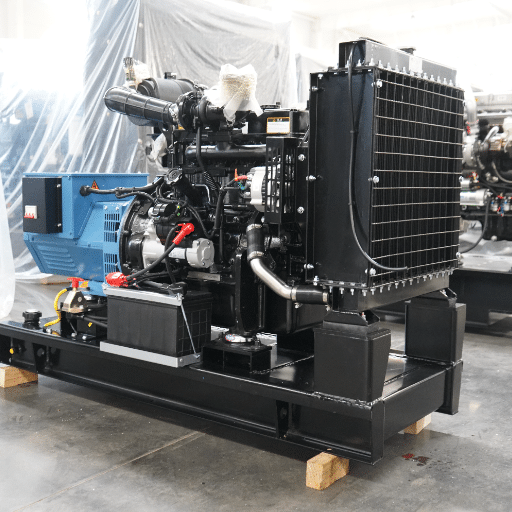


Portable generators are handy devices that provide a reliable backup power supply during power outages and are used for a wide range of applications, from construction sites to recreation. Nevertheless, portable generators, like any mechanical equipment, can face problems that limit their performance or even shut them down. This detailed tutorial provides the big picture and specific solutions for the most common portable generator problems you can address and benefit from. The issues can include a generator not starting, insufficient power, or unusual noises; we will cover the most common troubleshooting cases, offering step-by-step guidance and technical recommendations. You will be able to figure out not only why your generator fails, but also fix the issues safely, keeping your equipment in good condition and ready to perform when needed.
Understanding Portable Generators

Portable generators operate by converting mechanical power into electrical power using a motor or engine and an electric generator. We have the motor that powers the generator with fuels such as gasoline, diesel, or propane. The electric current is produced by means of a magnetic field, which is formed by the alternator that is moved by one of the parts of the engine. The current after generation is then handled by the generator’s outputs, powering it for external use while ensuring a consistent electrical supply to tools, appliances, or other devices when the outlet is not powered. As additional safety measures, circuit breakers and grounding systems are installed to prevent overloads and protect the user.
What is a Portable Generator?
A portable generator is a small, self-contained unit designed to provide electrical power for a short period. It mainly consists of an internal combustion engine powered by gasoline, propane, or diesel and connected to an alternator. These machines come with various plugs that are able to connect specific devices or tools directly to the generator. Contemporary portable generators often feature innovative inverter systems, such as ultra-clean, stable power, which suits sensitive electronic devices like laptops and medical equipment. They are commonly used during power blackouts, during construction, or at outdoor events when access to the regular power supply is severely restricted. Furthermore, many recent models are designed to be more energy-efficient, with lower noise and emissions, conforming to environmental standards and meeting users’ demands for greater practicality and sustainability.
How Inverter Generators Work
In total, three steps: inverter generators produce a steady supply of high-quality electricity from the engine’s raw power. Initially, the generator produces high-frequency AC (alternating current). This AC electricity is converted to DC (direct current) by a rectifier. Finally, the same DC is converted into a clean, stable AC output by an advanced inverter module with microprocessor control. This AC sine wave is similar to that from the traditional grid, making it a viable power source for sensitive electronics, with no incidents caused by surges or drops.
The construction of the latest inverter generators incorporates high-tech microelectronics in a compact form factor, greatly enhancing mobility and overall efficiency. Also, variable engine-speed technology in new engines adjusts engine output to match electric power demand, which means less fuel is consumed, operating noise is kept to a minimum, and emissions are well below the standard. Hence, these generators have been given a prominent place on the list of clean, efficient, and dependable power sources for various applications.
Compare Portable Generator with Other Generators
| Parameter | Portable Generators | Standby Generators | Solar Generators | Inverter Generators |
|---|---|---|---|---|
| Power Output | 1,000 to 10,000 watts | 7,000 to 20,000+ watts | 500 to 3,000 watts | 1,000 to 7,000 watts |
| Portability | Highly portable | Permanently installed | Portable but depends on solar panels | Compact and portable |
| Fuel Type | Gas, propane, diesel | Gasoline, natural gas, propane | Solar energy | Gas, propane |
| Noise Level | Moderate to loud | Moderate | Quiet | Very quiet |
| Cost Range | $300 to $2,000+ | $2,000 to $20,000+ | $300 to $5,000+ | $500 to $4,000+ |
| Run Time | 8 to 13 hours | Continuous while fuel is available | Limited by sunlight | 6 to 12 hours |
| Maintenance Requirements | Moderate, regular fuel and oil checks | High professional servicing needed | Low, minimal maintenance | Low to moderate maintenance |
| Emission Level | Standard, high | High | Zero | Low |
| Power Quality | Standard | High, steady | Limited | Clean, stable |
| Application | Temporary, outdoor | Residential backup | Eco-friendly, off-grid | Sensitive electronics |
Common Generator Issues
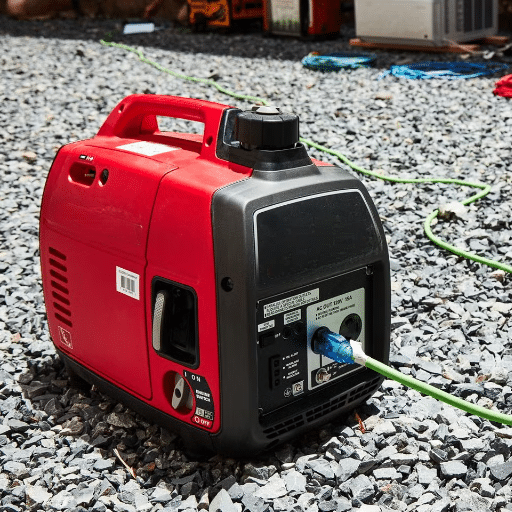
Starting Problems
A generator can disappointingly fail to start due to an empty fuel tank, old fuel, or a dead battery. The best way to avoid this is to perform regular fuel tank checks and use fresh, stabilized fuel. Also, keeping the battery charged and ensuring the right connections are crucial.
Overloading
It is not a good idea to exceed the generator’s rated wattage, as it could overheat the internal components or damage them. The best advice is to calculate the total wattage of the devices to be connected and keep it within the generator’s rated limit.
Fuel System Blockages
When the fuel lines are blocked or the carburetors are dirty, fuel flow can be interrupted, which can affect performance. It is possible to reduce the problem by cleaning or replacing the filter and periodically maintaining the fuel system in good condition.
Oil Levels Too Low
The safety features can shut the generator down if the oil level is below the required level. It is crucial to verify and maintain the oil levels as recommended before using the generator to avoid potential stoppages.
Voltage Fluctuations
An alternator that is not functioning correctly or poor engine performance is mostly the cause of inconsistent power output. Making time for regular maintenance keeps internal components in check, thereby ensuring a uniform generator voltage output.
Starting Problems
Frequently, the problems that generators present at the beginning of their life are due to a mix of mechanical, electrical, and environmental factors. A battery that is not in good condition or is flat is the primary cause, as the ignition system does not have enough power to cause a self-detonation. Keeping up with the first and second instances will be very challenging, and maintenance will need to be performed at a high frequency. It is an obvious conclusion that the health of the block electrical machinery, including the electrical ignition, will not be optimal for the generator because of the earlier cases; hence, a technician should immediately check it as part of the inspection and ensure the alternator is charging the battery to a minimum of* volts. By this time, any faulty battery would be discovered.
Another factor to consider is the environment; for example, in very low temperatures, the generator may experience thickened engine oil or less efficient batteries. The problem can be reduced by using low-temperature oil and installing block heaters. One more thing to be aware of is fuel degradation from pollution or prolonged storage, which can make it difficult to start. The use of fuel stabilizers and proper fuel storage are necessary measures to prevent such problems.
Generator Runs but No Power Output
One reason a generator is on but not supplying power could be a number of technical issues. A significant source of the problem is the demagnetization of the alternator of the generator. For this to take place, there should not be any residual magnetism left in the core of the generator. Also, this can happen immediately after a long period of idleness. The standard way to resolve the issue is to re-energize the alternator via field flashing. A different problem might be the circuit breaker or the control room. If the breaker trips, power will not be distributed. In addition to resetting the breaker, ensure there is no damage to the wiring in the control room. Poor wiring or loose connections can ruin the power flow.
Moreover, the Automatic Voltage Regulator (AVR) may not be functioning correctly. The AVR, which is essential for maintaining voltage stability, when it is faulty or fails, the output power will be zero. Examining the AVR and replacing it if it is defective remains a viable solution. At the end, there may be internal problems in the alternator’s stator or rotor windings that are causing the operational issues. Such components may be affected by insulation degradation or wear over time, which is why the electrical part ultimately fails. Running insulation checks and repairing or replacing damaged windings will resolve this. A step-by-step examination of these components will ultimately yield a reliable power supply.
Voltage Fluctuations
Voltage changes usually occur when the power supply or demand deviates from the expected values. Therefore, these changes can happen suddenly and may vary in direction- up or down. Overloading circuits with electrical current is one of the most common causes. In this case, the system’s demand exceeds its supply, and the voltage will drop. Voltage can also go up when large loads are switched off. The supply voltage is another major factor. The capacity of power generation can be unstable when it varies with intermittent energy sources such as solar or wind, depending on weather conditions. Distribution grid issues, such as malfunctioning transformers, aging infrastructure, or loose connections, can exacerbate them.
Step-by-Step Troubleshooting Process

Inspect the Power Supply Source
The stability and integrity of the power supply should be verified. You have to look for any changes in voltage or current that, at times, are caused by the upstream generation equipment, especially when renewable energies are the main contributors to the grid.
Evaluate Load Connections
The system should be examined to determine its performance under sudden load changes. Make sure that loads are added or removed gradually to avoid transient voltage peaks.
Examine Key Components in the Distribution System
Inspect transformers, breakers, and wiring for signs of wear, damage, or looseness. Replace or repair any faulty components to restore stability.
Monitor Voltage Levels
If you want to monitor how the voltage changes over time, use a voltmeter or a similar tool and record readings alongside those specified in the system specs.
Identify Environmental Interference
Environmental factors such as significant increases or decreases in temperature, which could directly destabilize the renewable generation grid or the system, should also be monitored.
Consult Manufacturer Guidelines
Ruling out environmental conditions as the cause, the next step is to consult the equipment manuals and manufacturer guidelines to determine whether similar issues have been reported before.
Implement Incremental Fixes
Each identified fault should be addressed separately, and system performance should be verified after each correction to confirm stability before proceeding to the next step.
Diagnostic Tools for Generator Issues
- Multimeters – Multimeters are needed to measure electrical parameters such as voltage, current, and resistance in the generator’s electrical components. They can detect wiring problems, short circuits, or unstable power outputs.
- Vibration Analyzers – These instruments monitor the bearing, rotor, and shaft vibration patterns of mechanical components. The presence of odd vibration frequencies may indicate wear, misalignment, or impending mechanical failure.
- Infrared Thermometers and Thermal Cameras – The two aforementioned pieces of equipment are best used to identify overheated components in the generator’s electrical or mechanical systems, such as loose connections, circuit overloads, and deteriorating insulation.
- Load Bank Testers – A load bank applies a controllable electrical load to the generator, simulating operating conditions and allowing the performance metrics such as voltage regulation and frequency stability.
- Fuel Quality Test Kits – Poor fuel quality can cause combustion inefficiencies or clogging. Test kits analyze parameters like water content, particulate contamination, and fuel stability.
- Oscilloscopes – Crucial for assessing waveform quality and harmonic distortion, oscilloscopes enable comprehensive scrutiny of electrical output integrity, especially for generators powering sensitive equipment.
- Diagnostic Software – High-tech software products support the connection of modern generator control systems that can record performance data, error code monitoring, and give warning signs of future failures.
When to Consult a Professional
A professional’s opinion is needed if the generator issues are complex or the requirements exceed standard maintenance practices. Topics such as panel errors, irregular voltage outputs, or noise that operators cannot explain always require a professional to evaluate the generator and identify the needed repairs. Experts have the necessary training and tools to assess the situation and provide the right solution. If, for example, fuel contamination is suspected, using the latest filtration systems on the fuel tank is one way to address the issue with high precision. Also, for an expert to handle the engine’s health solely through basic user troubleshooting is usually impossible. Moreover, professionals are the primary actors who can perform load testing using a load bank to ensure performance under full-load simulated conditions is normal, especially for critical applications such as hospitals and data centers. The interaction with a professional is a commitment to follow procedures for setting operational safety and protecting sensitive equipment that requires the generator to be in operation.
Troubleshooting Inverter Performance

Insufficient Power Supply
Make sure the inverter receives the required voltage from the source. Low and fluctuating input may result in unstable output or even shutdowns. Hence, some checks must be done on the power source & its related wiring for any discrepancies.
Overloading the Inverter
The connected load must be checked to ensure it never exceeds the inverter’s rated capacity. Overloading can cause the inverter to overheat or malfunction. The correct action taken goes a long way toward reducing the loss.
Faulty Connections
Every cable and terminal must be inspected for loose or damaged connections. Inefficient operation, unexpected breakdowns, and increased wear on components are among the disadvantages of poor connections.
Battery Issues
Battery-dependent systems should regularly monitor the battery’s state of charge and state of health. Unserviceable or undercharged batteries increase the likelihood of issues. Under the prevailing circumstances, the users must either replace or recharge batteries.
Environmental Conditions
Make sure the inverter cools properly and is placed in a well-ventilated area. If the inverter overheats, it may gradually degrade performance or automatically shut off power to protect the equipment from damage.
Unique Issues with Inverter Generators
Even though inverter generators portray advanced technology and detailed power accuracy, they still have their own set of issues. An example of a problem that arises around it is the delicate state of the inverter’s electronic components. Those components can be severely affected by power surges or drops caused by generator misuse or external electrical disturbances. Regular maintenance, in addition to using surge protectors, helps minimize this problem.
The second problem concerns poor fuel quality and low fuel efficiency. Yes, inverter generators are designed for maximum efficiency; however, using poor or contaminated fuel can damage the carburetor and other internal components. The fuel system should be routinely inspected and cleaned, and the correct fuel should always be used to ensure the generator operates properly.
Maintaining Your Inverter Generator
Oil Changes
The most basic for the well-being of your engines is to change the oil regularly. Per the oil label and your dealer, select the oil type and change intervals. It is better to change the oil every 50 to 100 hours of use, and at least once per season for heavy use. Always check the oil level before starting the generator.
Air Filter Maintenance
Swap the air filter as often as possible. The air filter inspection process should be performed a few times, and the air filter should be cleaned or replaced if it becomes too dirty. The exact process may need to be performed more frequently for heavy-duty applications or when the machinery operates in a dusty environment to prevent debris accumulation.
Spark Plug Inspection
Spark plugs play an essential role in engine operation. Checking the spark plug for erosion or fuel deposits after 100 hours of use, and replacing it if needed, is all there is to it. The spark plug must correspond with the manufacturer’s recommendation.
Fuel Storage and Quality
Generator fuel must always be fresh and comply with the engine requirements. If the generator is not in use for an extended period, the tank should be drained, or a suitable fuel stabilizer added, to maintain quality. Stale fuel can cause carburetor blockage and, hence, starting problems.
Cooling System Checks
The cooling system is designed to keep the engine from overheating during operation. Make sure the ventilation grilles and cooling fans are free of dirt or dead leaves. Poor ventilation can cause engines to shut down prematurely due to oil degradation from overheating, and the situation can escalate into a potential engine failure.
Battery Maintenance (if applicable)
If the inverter generators have a house and an electric start system, the battery should be checked periodically. Also, ensure the terminals are always clean, so the current has a clear path. If the battery doesn’t get accounted for, the bottom line is to buy a new one.
Power Output and Management

Generator maintenance and efficiency depend on power output strategy and load management. Ensure the generator has sufficient wattage to power all devices and appliances that will run on it. Be watchful for high-wattage running and starting appliances as they can overload the system. The generator must be tested periodically to ensure its capacity is realistic and to verify that safe connections are established and maintained. Moreover, it is advisable to use a voltage regulator or surge protector to prevent power fluctuations and surges, thereby ensuring proper operation of the equipment and the generator.
Understanding Generator Output Ratings
Generator yield evaluations are crucial indicators of a generator’s ability and performance across different operating conditions. These evaluations are typically rated in watts (W) or kilowatts (kW) to indicate the generator’s power output. They are divided into two main types: continuous running watts (or rated watts) and surge watts (or starting watts). Continuous running watts indicate the generator’s sustained power output over extended periods. In contrast, surge watts describe the temporary power increase required to handle the starting inrush current of motor-driven equipment, such as an air conditioner or a refrigerator.
Evaluating both types of ratings is essential when choosing a generator to meet the total power needs of connected appliances and devices. In the case of high-powered devices, they generally draw much more power during startup than their continuous power demand, so it is critical not to overlook this aspect; otherwise, the generator may be overloaded or undersupplied. Consequently, the generator may not meet its stated ratings because the power supply depends on the combined effects of these factors, including those mentioned above.
How to Manage Load on Your Generator
One of the most critical aspects of effective load management is ensuring the generator operates efficiently, which includes eliminating unnecessary component wear and avoiding potential damage to the running unit. The first step in load management is to calculate the total wattage demand of all connected items. When both the running and surge wattages are known, it is often found that most devices with electric motors or compressors, such as air conditioners and refrigerators, have higher surge wattages at start-up.
Once the total load requirements are known, prioritize the most essential devices to prevent overload. Evenly distribute electrical loads over a transfer switch or through multiple circuits to be able to operate in the event of a failure of one of them. Keep the load at around 70-80% of the generator’s rated capacity while running; this ensures smooth operation without interruptions and allows it to handle unexpected peaks.
Equally essential to watch voltage and frequency levels during operation. The occurrence of voltage fluctuations and frequency changes may indicate that the generator is overloaded and/or that there is a problem with the load. To help detect such dangerous situations, most modern generators provide load meters and alert systems. In addition, maintenance activities are regularly carried out (e.g., cleaning air filters, checking the fuel system), which are essential to the machine’s operation for each of the mentioned loads.
Beyond this, it is essential to account for the operating conditions of the equipment. Generators may be less efficient at high altitudes and temperatures; this should be accounted for in load design by following the manufacturer’s derating guidelines, so the generators’ capability is proportional to the environmental conditions. The whole process of discussing and screening between actual conditions and data will be robust and reliable across different scenarios, from voltage to frequency data.
Reference Sources
Elements of Generator’s Selection, Sizing and Maintenance in Nigerian Industries:
Summary: This paper discusses the critical aspects of selecting, sizing, and maintaining generators in industrial settings.
Electric Throwing Wheel from Repurposed Bucket, Ceiling Fan Motor, and Sewing Machine Regulator for Pottery Demonstration:
Summary: While not directly about portable generators, this paper explores the innovative use of repurposed materials to create an electric throwing wheel.
Frequently Asked Questions (FAQs)
❓ Why won’t my portable generator start even though it’s full of fuel?
To begin diagnosing a no-start problem with a gasoline generator, first check the fuel quality and ensure the fuel valve is closed—bad-quality gasoline and a closed valve are common causes. Additionally, the carburetor could be the culprit if it has a paint-like substance and the fuel lines are obstructed due to improper use; at the same time, a leaky carburetor or an obstructed inline filter may impede fuel flow. Make sure the spark plug is not clogged and that the gap between the spark plug tips is correct; if any of the above conditions are present, replace the spark plug. Low engine oil level and oil sensor switch are the parameters to be verified, as many generators have low-oil shutoffs. Last but not least, the battery and starter (if electric start) should be checked, and the choke and air filter should be inspected to ensure proper operation and airflow.
❓ How do I fix surging or unstable RPMs during portable generator troubleshooting?
RPM swings, or hunting, can often result from issues with fuel, air, or load on your RV generator. First, inspect the carburetor for a clogged jet or a stuck float, then clean or rebuild it to restore normal fuel flow. As common sense suggests, the air filter can be replaced or cleaned to maintain consistent airflow, while the intake gaskets and hoses should be checked for vacuum leaks. The generator may be overloaded, so disconnect nonessential appliances and check stability at lower load levels. Last but not least, the governor linkage must be well adjusted and in proper condition; don’t forget to check the spark plug and ignition timing.
❓ How can I troubleshoot an overloaded portable generator safely?
When faced with a portable generator overload, the first step is to reduce power demand by disconnecting non-essential appliances to see whether the generator stabilizes. It is a good idea to always stay within the generator’s rated wattage; therefore, the total consumption of all connected appliances that are running or starting should not exceed the limits. Make sure to use and position the transfer switch or heavy-duty extension cords correctly, and that circuits are entirely separate and do not feed into the house’s electrical panel. There are many ways to protect your generator from overloading such as having its own circuit breaker or automatic shutting down—always make sure only to reset these after the load is significantly lowered.
❓ Why is my portable generator not producing full voltage during troubleshooting?
One thing you should always consider is troubleshooting a portable generator. The cause of the low or inconsistent voltage might be a faulty voltage regulator, slackened alternator brushes, or loose electrical connections. It also happens that corroded or loose wiring terminals and proper earth or ground connections play a role, most often. But how can you know that it’s really the line that’s causing the trouble? You can do this by measuring the output with a multimeter under different conditions, i.e., with no other loads connected and with high loads connected. There will definitely be a need for a new voltage regulator or an alternator, in addition to other issues, if the output is oscillating or low, even when the generator is well-maintained.