
When the subject is maintaining the reliability of the power backup, one of the most critical decisions is to replace a generator that is either old or nonfunctional. However, the cost of creating a new generator is one of the first issues that most likely comes to mind. And the answer to this question can be asked one after another until it is finally asked as an estimate. One of the main reasons is the rarity of the generator that best matches the functional requirements, the complexity of the plant distribution, and whether the user is in a remote area. This article will discuss in detail the costs associated with replacing an existing generator and the main points to consider. Readers are encouraged to gain a better understanding of the financial and operational aspects of the process when the goal is to be more efficient, expand power capacity, or ensure the energy supply stream is not affected. They must evaluate the factors that affect generator replacement costs and eventually decide.
Understanding Generator Types

Diesel Generators
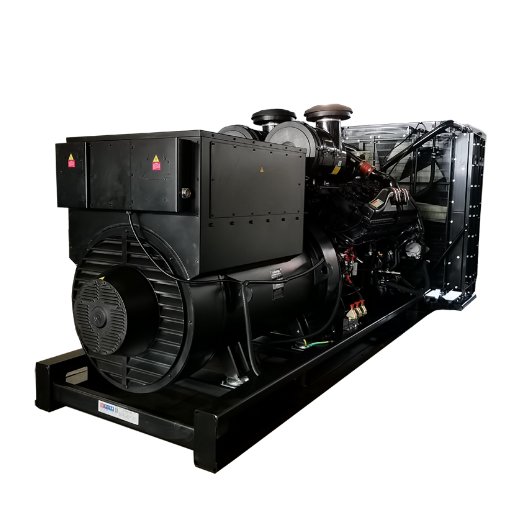
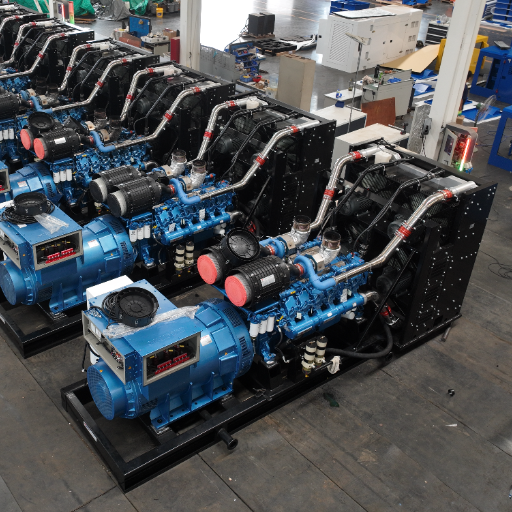
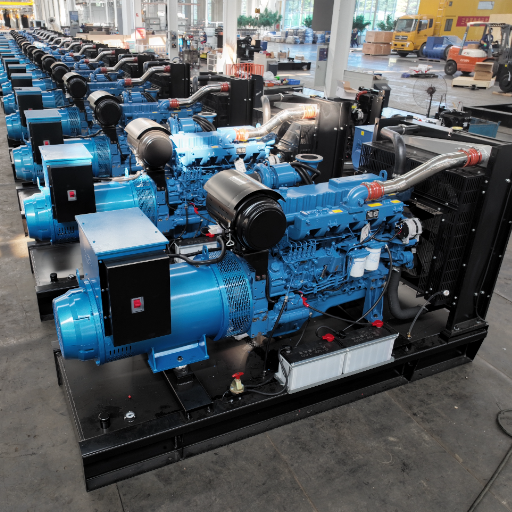
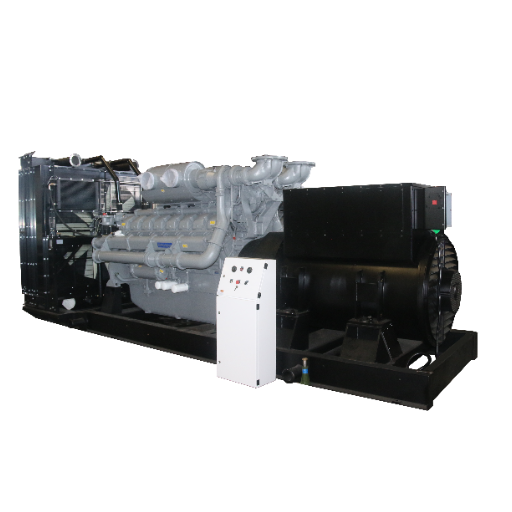
Diesel generators are both dependable and tough, and are usually the first choice for heavy-duty work and continuous usage. Because they are so efficient and don’t die easily, diesel generators are most commonly used in industrial or backup power applications.
Natural Gas Generators
These generators are very cost-effective and environmentally friendly, as they use the most readily available natural gas source. They are for domestic purposes and continuous work, subject to the condition that there would be no problem with the gas supply.
Portable Generators
To mention, portable generators designed and manufactured for mobility are a good option for instant electricity, suitable for a very short time, such as when needed in open areas or during an emergency power cut.
Standby Generators
Systems already installed that automatically turn on during an outage are best suited for homes, businesses, or facilities that require an uninterrupted power supply.
Solar Generators
The best environmentally friendly solar generator is one that runs on energy captured and stored from solar panels. It is the most suitable option for both low-power applications and sustainable energy use.
Whole House Generators
Whole-house generators are robust electrical solutions designed to provide three-phase power to a whole house during a power outage, allowing critical appliances and utilities to run normally. Such generators are usually powered by natural gas, propane, or diesel, and once they become a part of a house’s power system, they run nonstop. Nowadays, high-tech whole-house generators come with remote monitoring, automatic load management, and fuel efficiency improvements as standard. Reports and technological advancements have mentioned that they are built to be reliable, scalable, and require less maintenance. When people buy whole-house generators, they are concerned with power output, fuel type, noise levels, and installation requirements, and they do so to achieve the best performance for their household.
Modern Standby Generators
State-of-the-art technology has been incorporated into the construction of modern standby generators, making them a primary choice for most customers in the event of a power outage. Not only are these hybrid gen sets ready to run in a split second without human intervention, but they also come with a touchscreen for added convenience. Diesel generators have always been the most fuel-efficient type of generator, consuming the least, but as technology advances constantly, many machines now come with a feature that cuts diesel consumption. With the economy being the primary driver of businesses, especially power-consuming ones, this is especially important. The industry still prefers natural gas and propane, but this trend is expected to shift toward bi-fuel. At the same time, the main reasons for the low noise, which is highly desirable for residential areas, are soundproof closets and a silencer. Besides the primary mechanism, several other techniques can maintain the failure rate at its natural rate while increasing the genset’s power output and stability.
Compare Types of Generators
| Parameter | Portable Generators | Standby Generators | Inverter Generators | Solar Generators |
|---|---|---|---|---|
| Power Source | Gasoline/Diesel | Natural Gas/Propane | Gasoline/Diesel | Solar Panels/Batteries |
| Power Output | 2,000-10,000 Watts | 5,000-50,000 Watts | 1,800-4,000 Watts | 500-3,000 Watts |
| Portability | High | Fixed Installation | Moderate | High |
| Noise Levels | 65-85 dB | 60-75 dB | 50-65 dB | Silent/Low Noise |
| Run Time | 8-12 Hours | Continuous (with fuel supply) | 4-10 Hours | Varies with sunlight |
| Fuel Efficiency | Moderate | High | Very High | Infinite (on sunlight) |
| Maintenance Needed | Regular Refill/Cleaning | Professional Service | Low Maintenance | Minimal |
| Suitability | Home/Outdoor Use | Whole-Home/Business Backup | Sensitive Electronics/Small Loads | Eco-Friendly/Off-Grid |
| Installation Cost | Low | Very High | Low-Medium | Medium |
| Environmental Impact | High | Moderate | Low | Minimal/None |
Average Costs of Generator Replacement

The cost of a new generator replacement varies depending on the type, size, and installation of the machine. The price for a portable generator replacement project averages between $500 and $2,000 and covers the generator set itself and basic installation services. The cost range for replacing standby generators for houses and businesses runs considerably higher, starting at $5,000 and going up to $20,000 or more, depending on the power output and other installations like transfer switches; the cost could be even higher. A replacement for a solar-powered installation could be more expensive at the outset, but operating it would be cheaper, and the range is $2,000 to $10,000. It is recommended that customers consult a qualified installer to assess specific needs and get an accurate quote.
Cost of Installing a Whole House Generator
Many factors can increase the cost of installing a standby energy source, including, but not limited to, those mentioned in the market. The power and size of the generator, which are often expressed in kilowatts (kW), are usually the key factors. A large-capacity generator that can power large houses and heavy appliances naturally comes with high installation costs. Moreover, the complexity of installation is a significant factor, as homes that require substantial electrical work, such as changes to the electrical panel or total rewiring, will cost more.
Another essential factor to consider is the fuel the generator uses. Natural gas and propane are two common types of fuel generators that are often installed because they are reliable, but installation costs may increase when no fuel lines are nearby or when a dedicated fuel tank needs to be built. Besides that, extras such as ATS or remote monitoring systems not only make life easier but also raise the system’s price.
With regard to current industry data, the cost of installing a whole-house generator averages $10,000 to $25,000. This encompasses the generator’s cost itself, which is usually between 50% and 75% of the overall expenditure, as well as the incidence of labor and materials. Obtaining permits according to code and inspections during installation are two instances where extra charges may apply. Thus, a correct estimate that best fits your place and is provided by an expert would be ideal.
Backup Generator Installation Costs
Many factors contribute to the high cost of backup generator installation. Among these factors, the capacity of the generator, measured in kilowatts (kW), is crucial – it is generally the high-power units that are required to support big homes or businesses, which in turn cost more. Another critical factor is the complexity of the installation, which directly relates to the need for numerous electrical modifications or deep trenching to connect to gas or electricity, thereby contributing to the mounting labor and material costs. Besides, the site’s location also contributes to the project’s cost, as it affects labor rates and permit fees within a region. On top of that, the choice of fuel – whether natural gas, propane, or diesel – affects not only the installation needs but also the long-term running costs. Finally, items such as automatic transfer switches and upgraded panels may be considered part of the overall investment.
For homeowners who wish to get an estimate of the cost of generator installation, a smaller 7-10 kW unit that runs essential home appliances can start at $3,000 and reach $6,000 for the unit alone. On the other hand, larger systems with a capacity of over 20kW and thus able to provide almost all of the electrical energy consumed by the house might require an initial payment of $10,000 before the installation fees. Methodical organization and discussion with licensed specialists are key factors in obtaining a power supply specifically designed for your use and tailored to your financial situation.
Comparison of Home Generator Costs
The overall cost of using home generators is influenced by factors such as generator type, power output, fuel source, and installation requirements. In terms of initial cost, portable generators are the least expensive of the three choices, with small units providing 2-4 kW of power starting at $500. Portable generators are commonly used for short-term use or during emergencies. They are indeed the cheapest option, with the lowest prices for the lowest power output within the given range. Standby generators, in contrast, are meant to be installed permanently and to operate automatically during a power failure. They are more costly; prices typically range from $2,000 to $20,000, depending on the household’s required power capacity.
The price of fuel is another element that deserves mention, as it can vary significantly. Generators that run on natural gas or propane are usually pricier up front, but the long-term savings from fuel efficiency and direct hookups still outweigh the cost. Diesel generators are the most durable and efficient; however, they may need a higher upfront investment and could become even more expensive over time if the maintenance costs rise. Moreover, there is the option of solar-powered backup systems with battery storage, which are growing steadily and usually start at $10,000 and offer sustainable, environmentally friendly energy sources.
The same level of importance also applies to installation and maintenance costs, which can raise this total number by a few thousand dollars. Most of the time, professional installation services adjust costs based on the local labor rate, the integration of the generator with the household electrical system and its complexity, and the site preparation required, taking into account that each of these factors is reflected in the service’s cost quotes. The experts’ opinion on this issue is that by taking all these factors into account simultaneously, and also by having the certification in mind as a criterion for the experts one should be looking for, the ultimate goal of obtaining the best choice can be achieved through the way of the least resistance in terms of both energy need and money.
Choosing the Right Generator for Your Home
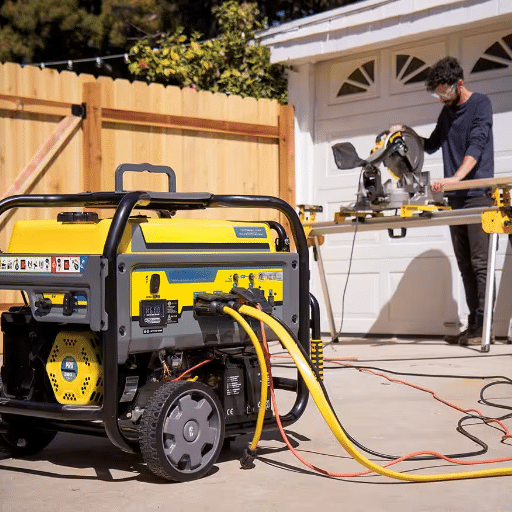
Power Needs
The first thing you need to do is determine your house’s energy usage by designating the appliances or systems you want powered during a power failure. After that, assess your wattage needs and ensure the generator has sufficient capacity to be safe.
Fuel Type
The second issue you will need to resolve is the type of fuel, which can be one of the more common ones, such as gasoline, propane, natural gas, or diesel. Each one has its own considerations regarding running efficiency, availability, and storage facilities.
Generator Type
Either choose portable generators, the easiest to move and most versatile, or opt for standby generators installed permanently with automatic power outage activation.
Size and Capacity
One way to determine your home’s power needs and the generator’s compatibility is to find a direct match in size or capacity for the appliances and systems. Undersized units will experience overflow, and overly large generators could consume more gas.
Noise Levels
In terms of noise disturbance, especially in areas with noise restrictions, the generator’s decibel rating should be a concern.
Brand and Warranty
Whichever generator you pick, it would be wise to choose one from a branded manufacturer that prioritizes product quality and the technical support they offer.
With such criteria, along with the long-term reliability targets, you can then identify the best alternative relative to the energy load that you have at the time.
Assessing Your Power Needs
Determining your power requirements for the location is one of the most essential parts of choosing the right generator that fits your needs. The starting point is noting down all the must-have appliances and devices you expect to operate during a power outage or in off-grid conditions. Then, the total power in watts should be calculated. It is essential in this summation to include both running and starting power requirements—surge watts is another common name for it. For example, a refrigerator generally requires a continuous supply of 600-800 watts but may require as much as 1,200 watts during turn-on. Moreover, check whether your power demand differs under different conditions, such as seasons or operational modes, where more cooling or heating systems may be required.
For ease of calculation, most manufacturers provide wattage tables or load calculators to help users estimate their total energy consumption. It is advised that one allocate an extra amount of power above their estimated total so they can easily handle unexpected surges or add more machines when the first ones are working. Properly assessing your power demands ensures your generator runs effectively without overloading, extending its life while meeting all energy requirements without interruption.
Evaluating Home Backup Options
When assessing home backup solutions, it is imperative to consider a mix of power output, fuel type, runtime, and the system that best suits your home’s electrical configuration. In terms of power, generators are grouped by watts, ranging from the low thousands for portable generators to 20,000 watts or more for powering a house. In a scenario where power requirements are low or coverage is limited to small houses, a mid-level portable generator might be the answer. In contrast, for big mansions with high requirements, a permanently installed generator running a standby system would be very beneficial.
Moreover, the choice of the correct fuel type is a critical factor. The most commonly used ones are gas, propane, natural gas, and diesel. Gasoline generators are easily accessible and portable, but storing fuel can be a problem. On the other hand, the use of propane and natural gas not only results in a more eco-friendly engine operation but also provides a long shelf life. Diesel generators are the most common; they are the most fuel-efficient and durable. The most crucial issue to consider when using a diesel generator is the quality and cleanliness of the fuel it will run on.
After all, the last thing to be examined is the runtime and the maintenance required. The grade of the latter inevitably determines how long a generator can function nonstop before a refuel or a check is necessary. This will also tip the scales in favor of the unit’s capacity to provide continuous battery power during lengthy blackouts. Additionally, the addition of automatic transfer switches and the use of intelligent monitoring systems will ensure an uninterrupted power supply. Therefore, the homeowner’s comfort and the power company’s reliability will be improved. These factors must be taken into consideration when choosing a residential backup power solution.
Installation Process for Generators

Site Selection and Preparation
Begin by selecting a well-ventilated area that is most preferably found outside the building, and away from this matter, any open windows, doors, and flammable objects. The site location should comply with local safety and health regulations. You will need to make the area clear and level for the generator to be placed perfectly.
Mounting the Generator
Place the generator on a pre-existing concrete foundation or on a base approved by the manufacturer for stabilizing the equipment. Fasten the unit adequately to prevent any movement during the operation.
Electrical Connections
Now you can be sure that transferring power back and forth will no longer be a concern, as you have made all the necessary electrical connections between the generator and the main panel in your home.
Fuel Supply Setup
A compatible fuel source, such as natural gas, propane, or diesel, will power the generator. Make sure that you use the correct connection fittings and inspect the supply lines for leaks or defects.
Testing and Calibration
Carry out a basic test to ensure the shaping is logically laid out as expected. To this end, it is necessary to inspect all electrical and fuel connections and set the settings, such as voltage output, to meet the household’s needs.
Inspection and Finalization
Ensure a verified professional inspects the installation to comply with all local regulations and safety standards. Then complete the setup by checking the operation manual and safety procedures.
Permitting and Codes
Every time there is an installation, it is mandatory to comply with local protection and zoning regulations and secure the property in accordance with the code. It should be noted that the rules in force and restrictions vary by district; however, most local officials require a permit before commencement of installation work, particularly for systems that entail connecting electrical lines or fuel. The most important factors are to keep up with the National Electrical Code (NEC) guidelines regarding wiring and, at the same time, ensure that the building regulations are followed through proper ventilation and appropriate clearance distances.
Moreover, a few areas might even mandate an inspection or two during the installation’s early stages to ensure compliance with the design scheme and safety requirements. If the installation of your newly chosen system must follow the country’s energy-efficiency guidelines, the homeowner and installer would have to check that as well, especially for items like the generator or solar system. By staying on top of current local and national code changes, one can ensure the installation is both functional and legal, thereby reducing exposure to fines or dangerous situations.
Hiring Professional Installation Services
When customers avail of professional installation services, they are wowed by the level of expertise and precision, and the project is completed impeccably. Installers who have been licensed undergo the most recent and thorough training, gain a deep understanding of all industry codes, and can use the best and most advanced tools and technologies. The installation of the right person with the right skills will also minimize costly errors due to inexperience or lack of knowledge, and such potential accidents in the future.
For example, a solar power system installation by a professional electrician who is a licensed contractor will take into account factors such as local weather, panel orientation, and energy usage patterns to maximize system performance and efficiency. Moreover, professionals can provide warranties so that the homeowner is assured and protected against potential problems. The use of professional installers with expertise not only improves the quality of the installation but can also save money by reducing overall energy consumption while remaining 100% compliant with all local and national laws.
Long-Term Considerations and Maintenance Costs

When solar panel systems are considered and evaluated over the long term, the factors influencing them should include expected maintenance levels and the associated costs. As an example, periodic maintenance means washing panels regardless of the reason being dirt, debris, or snow, aimed at ensuring maximum efficiency. Such work can be annual or more frequent than that if the climate does not favor it.
Moreover, to maintain optimal energy output, the system’s performance should be regularly monitored to detect even the slightest drop that may go unnoticed due to inverter or wiring problems. It is not uncommon for solar panels to last 25 to 30 years, and they usually come with extended warranties that cover both performance and material issues. Nevertheless, the lifespan of inverters is generally shorter than that of the entire system, typically 10-15 years. The cost of a new inverter is between $1,000 and $2,000, depending on the system type.
Another benefit is that by sticking to the manufacturer’s recommended maintenance schedules, not only can the solar system have a longer lifetime, but also the profits from energy output and savings will be much higher than the maintenance costs. Although maintenance costs are just a fraction of the total bill in the long run, a reserve for the occasional component change is crucial to maintaining the efficient functioning of the whole system.
Regular Maintenance for Generators
Good generator maintenance should be a priority to ensure they are reliable and last long, particularly in special situations. Periodic checking of fluid levels, such as oil, coolant, and fuel, among other fluids, is required to avoid system failures during operation. The usual manufacturer-recommended oil change interval is every 100 to 200 hours of operation, but the interval varies depending on the generator type and usage conditions. Furthermore, changing the fuel filter and inspecting the air filter for signs of blockage are among the primary measures to avoid engine strain.
The battery is one of the most essential parts of generator maintenance. A weak battery can cause the starting mechanism to malfunction, so it is advisable to check the battery voltage regularly and clean the battery terminals. In the case of standby generators, a system that is operated for 15-30 minutes every month keeps the parts from becoming inactive and allows them to be used if needed.
Periodic maintenance of the exhaust system to address leak growth and check connections for wear or corrosion is a safety-critical task. Besides that, resetting the control panel and ensuring the alternate is functioning correctly helps maintain optimal power delivery. Abiding by the manufacturer’s recommendations for servicing and using experts for advanced diagnosis not only shortens the lead time but also reduces the cost of unexpected repairs.
Fuel Costs Over Time
Multiple factors contribute to changes in fuel expenses. Among these, geopolitical events, production levels, seasonal demand, and the development of alternative energy sources play a significant role. Crude oil prices have historically been in flux, and other factors, such as warfare or trade actions, are what cause a price recession or a cutback. In addition to all those, the emergence of more fuel-efficient cars, together with people’s growing acceptance of renewable energy sources, are factors responsible for slowly pushing the fuel consumption data into a downtrend. Based on numerical data, energy costs have been gradually increasing since the era of inflation, and energy demand has increased in the past few decades. However, the progress in electric and hybrid cars of today might soften the impact of fuel and, hence, the need for it in the long run.
Estimating Total Cost of Ownership
When one calculates the complete cost of owning a particular object, the total cost of ownership for vehicles comes to mind. Furthermore, it is essential to consider and evaluate other aspects of vehicle ownership beyond the initial purchase price. Among these factors are fuel and maintenance and repair costs, insurance premiums, depreciation rates, and, of course, charging infrastructure for electric vehicles (EVs). One example is that gasoline-engine cars usually have higher long-term refueling and maintenance costs than EVs, which have fewer moving parts and thus lower operational energy costs.
Market trends that are noticeable at the moment also indicate that wear and tear, especially in the early years post-purchase, remains a significant part of the overall ownership cost. The most recent research shows that alternative-fuel and fully electric cars generally experience a lower drop in value than petrol cars in their respective classes, thanks to the new models’ grace with a novel power source. Vehicle insurance premiums are yet another significant factor in the total cost of ownership (TCO) equation, heavily dependent on the car make, model, and safety technology choices, and subject to considerable diversification across different market segments. Both consumers and corporations, by taking into account the most up-to-date data on fuel pricing, electric vehicle technology, and the impact of government regulations, will be able to carry out a highly complex TCO assessment and purchase vehicles that are within cost and environmental goals over the entire lifetime.
Reference Sources
-
University of North Carolina Facilities Services: A project brief detailing the replacement of existing generators, including specifications and project scope. Read more here.
-
University of South Carolina Purchasing Department: A project manual for emergency generator replacement, including construction cost ranges and project descriptions. Read more here.
-
University of Central Florida Facilities Planning: A detailed document on replacing a generator and related electrical components, including project descriptions and costs. Read more here.
Frequently Asked Questions (FAQs)
How much does it cost to replace an existing generator?
To buy a new generator and have it installed at an existing location, you’ll spend anywhere from $3000 to $15000, as prices vary widely by size, brand, and installation requirements. The factors influencing the final price are the power of the new generator, whether you require a transfer switch upgrade, and the difficulty of electrical and fuel connections. The specified cost includes the generator and installation costs, but do not hesitate to request a detailed quotation that clearly identifies the prices for labor, permits, and materials.
What factors most affect the generator replacement cost?
Several variables come into play when changing a generator, including the generator’s size, the complexity of the installation, and the local fees associated with the permits. Generators are usually accompanied by the purchase of a transfer switch and possible major upgrades to the electrical distribution panel, which further increase the costs involved. The need for fuel lines or for a new fuel tank will also make the process costlier. These are some of the factors that determine the labor rate of the location. The replacement price is also dependent on whether a similar-sized generator is being replaced or a different-sized generator is being installed.
Is it cheaper to repair my generator or replace it entirely?
The decision between repair and replacement depends on the unit’s age, failure rate, and the cost of repairs versus the cost of a new generator. If the repair costs are within 50% of the price of a new unit, then the replacement is likely to be a more economical decision in the long run, given warranties and efficiency. Also, take into account the generator’s remaining expected lifespan and upcoming maintenance needs, and examine options. Take into account as well the installation cost differences if a new generator requires upgrades to the transfer switch or fuel system. A professional evaluation, including projected maintenance plans and lifecycle costs, can serve as a guiding statement.
How do fuel type and generator sizing impact replacement prices?
The fuel type, which is either natural gas, propane, or diesel, can both cause the equipment cost to rise and the installation to be more complex, with the diesel generators sometimes costing more in comparison to the initial price, along with the need to have a fuel tank with it. Another issue is the right size of the generator for your house’s load; small generators mean you can’t get through the power-outage period, while large generators are not only expensive at purchase but also inefficient. Transfer switches and wires for large-capacity generators must also be more powerful and thicker, respectively, which will increase installation costs.