

In the event of an unexpected power outage, you may face many problems in your daily life, home safety may be compromised, and there may be significant inconveniences. Whole-house generators provide a specific solution for such situations, and you can still have power in all the rooms during emergencies. Anyhow, the whole process of understanding the cost of buying and installing a whole-house generator is very sensitive, as you must have complete information about the available types and installation specifications. This guide covers the issues to consider when discussing the costs of buying and installing a whole-house generator, as well as the costs associated with variations in the installation position. The article not only supports people in choosing the best generator for storm preparation but also provides different sources and tips for power security.
Factors Influencing Generator Cost

Generator Type
One of the vital decisions that affects overall cost is the type of generator you select. Portable generators are generally cheaper but have limited power output and require manual setup. However, standby generators, even though they are more expensive, offer higher power capacities and automatic operation during outages, making them a suitable choice for the whole house.
Power Capacity
Generators are often rated by output wattage, as is the case with most manufacturers. A unit with a higher wattage that can support the same average energy demand will be more expensive. Thus, it is essential to estimate your home’s power requirements to choose a generator of adequate size that prevents overspending.
Installation Complexity
The difficulty of installation can vary greatly. For example, factors such as connection to existing electrical systems, permitting requirements, and modifications to gas lines or fuel sources may add to the expenses. Additionally, more complex installations may generally require licensed professionals, further escalating expenses.
Fuel Type
Generators are very flexible and can run on a range of fossil fuels, including natural gas, propane, and diesel. Standby generators are ubiquitous with natural gas and propane systems, yet there can be recurring fuel costs. Diesel engines, though very reliable, are more expensive upfront and are not as commonly used in residential applications.
Maintenance Requirements
Generators will require continuous maintenance and repairs, such as replacing the oil, filters, and parts, among others, and these costs will add up to the expected life of the equipment. Not all generators require the same level of maintenance, and some may need professional service, which can influence long-term costs compared to more universally serviced models.
Size and Power Capacity of Home Generators
The right size and power capacity of a home generator are based on the specific needs of the particular household. Smaller generators, which usually have a power output of 5-10 kW, are primarily found in houses because they can power only a few appliances at once, such as fridges, lights, and key devices. Prominent examples of homes that use such portable backup generators are small homes and apartments.
Generators ranging from 15 to 25 kW are most suitable for medium- to large-sized households, as they can provide a continuous energy supply and support additional appliances such as air conditioners. Whole-house generators with a power rating of over 25 kW are the most suitable for large properties or situations that require all appliances and critical systems to run continuously. Adding all appliance wattages and factoring in the safety margin is vital for determining the right generator size.
Furthermore, advances in generator technology have led to the introduction of dynamic units that can adjust power output as needed. These units improve fuel economy, thereby reducing the overall operating cost. Moreover, it is worth noting that the total power should be specified in starting watts, and HVAC units usually demand much more power during startup than during regular operation. Therefore, an accurate load estimate is significant for the continuous functionality and the prevention of circuit overload.
Compare Different Fuel Types for Whole Home Generators
Types of Whole House Generators

Diesel Generators
Diesel generators are often described as very powerful and efficient. The generators handle all weather conditions and ensure a constant power supply, which is essential for long-term applications. On the other hand, they produce high emissions, which is a negative aspect, and tanks for storing fuel are required at high elevations for safety.
Gasoline Generators
Gasoline generators are the quickest to get and the easiest to obtain. Being characterized by moderate efficiency, they need to be refueled more often and put out more emissions than their diesel counterparts. They are the best for short-term use or as stand-by units.
Propane Generators
Propane generators are the most environmentally friendly among the three. They are the cleanest-burning and least emission-generating of the three, but also offer the user flexible storage options. Besides, they keep working perfectly regardless of the weather, yet propane availability may not be constant in all areas.
Natural Gas Generators
A continuous supply of natural gas powers these machines when they are connected to a utility line. They are handy, have fewer emissions, and are suitable for areas with natural gas availability. On the other hand, they are not ideal for areas without a dependable gas connection.
Solar Generators
Renewable energy powers the solar generators, which produce no emissions. Such generators require solar panels and batteries for operation. Initial costs can be very high, but once the solar generators are up and running, there are almost no operational costs. Their affinity for solar energy is limited, and they must be present in daylight. Hence, performance is restricted in regions where the sun does not shine enough or at night.
Standby Generators
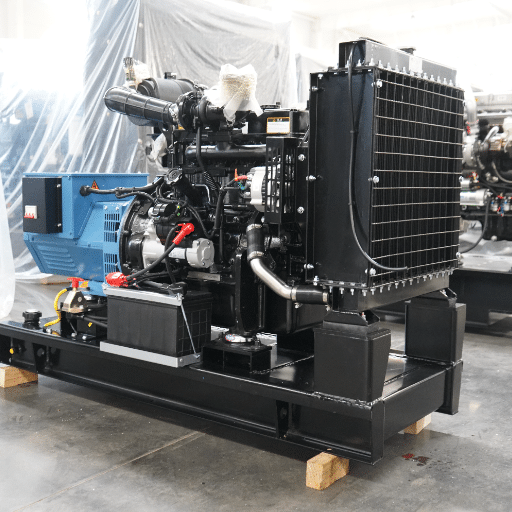
Generators on standby are permanently installed solutions designed to provide an uninterrupted power supply from a reliable source. The most common fuel-powered standby generators are diesel, natural gas, and propane, wherein the fuel dictates the maintenance and operational aspects. The gen-sets automatically at the first sign of power failure – ensuring that the supply of electricity is within the shortest time span to the critical systems and appliances, therefore the disruption is minimized as far as possible. Recent innovations in this technology sector are not limited to reduced fuel consumption but also include quieter machinery and smart home applications for the monitoring and control of superpowers. Manufacturers of generators select the number of their products based on the power demand criteria. Standby generators are chosen accordingly, from 7-kilowatt residential use to 150-kilowatt commercial installations. A certified electrician is always required for on-site installation. The generator is connected to the electrical system and the fuel line, which increases the financial payback but makes the generator’s overall reliability worth it for both the household and the business.
Portable Generators
Portable generators are convenient power sources for short-term use and are versatile, from recreational activities to emergencies in the event of a power failure. Most of the time, depending on the brand and use, the power output ranges from 1,000 to 12,000 watts. Present-day portable generators have many alluring features; we could mention, first, inverter technology, which makes them most suitable for electronic devices that are not hardy, and, second, fuel-efficient engines, which reduce running costs and emissions. The outlets can vary by model. The noise produced is also minimized by the application of noise-reduction technology in most cases, making them even more acceptable for residential or recreational use. To thoroughly enjoy the advantages and the portability of portable generators, proper use is a must. This includes adequate ventilation during operations, which, in turn, will address the risks associated with carbon monoxide and overheating.
Comparing Common Types of Whole Home Generators
Installation Costs for Whole House Generators

The expenses associated with installing whole-house generators can vary depending on the unit’s scale, the type of fuel, and the specific location. On average, installation prices start at about $3,000 and can go up to $6,000, including wiring, fuel connections, and the transfer switch. The bigger and more sophisticated a device is, the more likely it is that the price will be more than just the device’s cost. Factors that determine price include, e.g., the installation’s simplicity, local electrical codes, and changes to the utility grid that might be necessary. It is essential to have the installation performed by a qualified professional so that safety and reliability standards are not compromised.
Labor and Permits: What to Expect
The installation of a generator usually includes labor costs that can range from $500 to $2,000, depending on the region’s labor rates and the complexity of the installation. It refers to the fees paid for the services of licensed electricians or contractors whose primary job is to ensure that installations comply with safety standards and local regulations. Generator installations often require permits to meet municipal building codes and electrical standards. The license fees vary widely by location and can range from $50 to $500. While permits are being processed, inspections by officials may also take place, thereby prolonging the process and increasing costs. The careful treatment of labor and permitting is the way to a safe and efficient installation with fewer chances of any operational issues or liabilities in the future.
Electrical System Upgrades and Their Costs
Upgrading the electrical system is a frequently necessary step when installing a generator, especially in older households or buildings where the existing infrastructure may not be adequate to handle the extra load. One is to set up a transfer switch, another is to change the circuit breakers, and the third is to change the wiring. The cost of these needed changes can vary widely depending on the size and complexity of the change. For instance, the price of a transfer switch installation is usually between $500 and $2,000, whereas replacing part of the electrical system with new, updated wiring can raise the cost to $3,000 or more, depending on the required wiring and labor.
Moreover, households with a small electrical panel might need a total panel upgrade, which could cost $1,500 to $4,000. In addition to enhancing safety and making the home generator-compatible, these changes might also contribute to the house appreciating in the long run by bringing the electrical layout up to date. The local building codes and compliance checklists actually set the requirements exactly, as they are responsible for electrical load management safety norms. Thus, inviting a qualified electrical specialist is indispensable, as only they can make a precise assessment of the system’s needs and ensure all upgrades meet the required standards.
Average Installation Cost Breakdown
The average cost of installing a backup power supply may vary widely depending on factors such as the generator size, fuel type, and site-specific installation requirements. Portable generators, though smaller and very common among consumers, may incur installation costs averaging $500 to $2000, which are generally sufficient for limited electrical changes and basic installation. Permanent standby power supply is about $5000-$15000, which includes the cost of the generator, installation, wiring changes, and making the system safe per local regulations.
Primary factors affecting the overall cost are the generator’s rated wattage, with larger units requiring more extensive installation labor, and the technology of the transfer switch that connects the grid feed to the generator’s output. Apart from this, site work, such as setting up concrete pads for fixed units or complying with specific zoning laws, can also contribute to the cost. Anticipating these factors and, therefore, hiring capable professionals can lead to more precise installation cost estimates.
Installation of Home Generators

When it comes to home generator installation, the first step is to determine your power requirements, then choose a generator accordingly. Check the maximum wattage for all the appliances you need to keep running when the power is out. Then the following steps are determining whether you should get a portable or a standby generator, depending on your financial situation, the space you have available, and the level of comfort you expect. The installation consists of obtaining the necessary permits, preparing the installation site, and ensuring the generator is at a safe distance from the house, in compliance with all safety regulations.
For standby generators, it is essential to have a reliable transfer switch so that power transitions are seamless and nothing is interrupted. Lastly, the grid-tied utility must be done by an electrician or authorized installer. This is to ensure that all the wiring is safe and it does not interfere with any other power source. A proper installation will also be beneficial, as the generator set will operate according to the manufacturer’s specifications, thereby reducing the risk of failure and improving overall performance.
Generator Installation Process
Site Assessment and Permits
Generator positioning starts with a full-site checkup to select the best spot. The checkup includes factors such as proximity to utilities, ventilation availability, and compliance with local codes. Getting the required permits is usually the next step to ensure that the generator is installed in compliance with the area’s building and safety requirements.
Foundation Preparation
The unit will not be stable or operate properly without a firm base. Usually, that is achieved by either making a concrete slab or using a precast base that ensures the generator’s weight and operational vibrations are well-handled. Proper leveling will have a much greater impact on the foundation than any other possible wear and tear.
Electrical and Fuel Connections
Starting with the electrical connections, the process begins with installing an automatic transfer switch (ATS) to provide uninterrupted power to the connected devices. A selection of fuels is possible, including natural gas, propane, and diesel. One must ensure that the chosen fuel supply is correctly connected and checked out, and that no leaks exist, to maintain the same performance under varying loads.
System Testing and Configuration
When the setup is fully complete, a full system check is performed. Part of this exercise is to simulate a power cut to verify that the ATS is working correctly, that the fuel supply shows no fluctuations, and that the overall generator power output remains stable. The load tests confirm that the facility or home setup is unlikely to exceed the generator’s power generation capacity.
Maintenance Schedule Setup
To sustain a high level of operational performance, the most crucial matter is to adopt a maintenance plan. Periodic maintenance checks of the engine, fuel systems, and electrical connections should support this functionality. Changing oil, replacing filters, and applying software updates (if necessary) are recommended practices to help the generator last longer and more reliably.
Choosing the Right Installer
Selecting the proper installer for the generator system is essential because it directly impacts the unit’s safety, reliability, and operation. The installation must be performed by a certified installer who has already installed many generator systems. He must have the necessary licenses and insurance to meet local building codes and safety regulations. To assess whether the installer is indeed an expert, you should look at the projects he has done and the customer testimonials he has received thus far; this will help you be confident that he has a good record of similar installations to yours.
It’s always a good idea to consider the installer’s awareness of contemporary technologies and standards as well. An installer who fully understands how to incorporate the latest monitoring systems into the existing facility, or who can smoothly operate a very sophisticated generator with remotely automated control, may provide better operational outcomes. Moreover, consider their availability for post-installation services. Reliable installers are professionals who not only install equipment according to the latest specs but also regularly monitor its performance and detect potential issues long before they become real problems. Service stability and thus system reliability over operational years are the main characteristics of comprehensively supported setups. Therefore, it is not surprising that investigations and specialized reports on equipment performance are the usual support offerings for large industrial markets, offered every quarter, halfway, or once a year.
Maintenance and Ongoing Expenses

Efficient maintenance, along with a management plan for ongoing expenses, is essential to the long-term life and operation of a system. Some of the regular maintenance tasks to be done include routine inspections, cleaning, and system testing to detect and rectify potential issues before they become major. Ensuring a budget for periodic updates to the system’s main components, or even their replacement, is also of utmost importance, as it will prevent unforeseen costs. Moreover, setting up a very detailed maintenance schedule and partnering with a trusted service provider that offers transparent pricing and is always available for help can also be very important. By following these steps, you can make your system more efficient while keeping operational costs within the expected range.
Regular Maintenance Tips for Longevity
Follow Manufacturer Guidelines
It is widely accepted that a longer lifespan for your system can be achieved by following the manufacturer’s maintenance and usage guidance. According to studies, systems that are kept exactly as recommended by the manufacturer can be used for up to 25% longer. Always refer to the owner’s manual for step-by-step service directions.
Implement Scheduled Inspections
Make a routine check-up of your system to inspect for wear and tear, leaks, and malfunctions in the parts. A good example is to inspect the system quarterly, which has been found to reduce the likelihood of major component failures by up to 40%. The check-up should be conducted by examining all essential parts and subsystems in detail.
Monitor Key Performance Indicators (KPIs)
Keep an eye on KPIs like temperature, pressure, and output efficiency. When the numbers exceed the established ranges, the problem may require attention. By switching to monitoring systems that provide real-time data, not only can overall downtime be reduced by 30% or more, but predictive maintenance can also be vastly improved.
Lubrication and Cleaning
It is emphasized that every moving part must be well lubricated and free of debris. Using an inadequate lubricant can increase friction, leading to mechanical failure. In the same way, when dirt accumulates, it impairs the ability to dissipate heat. According to the study, the failure rate of the part decreases by nearly 15% with a proper lubrication schedule.
Replace Worn Components Promptly
It is very common that replacing worn components, like belts, filters, and seals, at certain intervals also causes significant harm. The most passive way of all is replacing worn parts before they break, which, in general, is not even acknowledged by most people, reduces the risk of breakdown, and belongs to the group of strategies that deliver maintenance cost savings of up to 20% each year.
Test Safety Systems and Backup Mechanisms
Everyone should check ever so often if their emergency and backup systems are still working correctly so that they can actually be there when they are most needed. The event of a system overload or an emergency power cut would not be a big problem if proper control systems or safety regulations were in place, which means their reliability would be pretty high; these features should be checked at a minimum every six months. The check is considered a safety regulation and a major contributor to the plant’s reliability.
Fuel Costs and Efficiency Considerations
The amount spent on fuel is one of the most significant factors in the geological budget, especially for industrial sectors that depend entirely on machinery and transportation. With the introduction of efficient fuel technology, the need to be more interactive and to adopt a system that would give out less but operate more became all the more urgent. To explain, the most finely tuned engines and hybrids achieve energy efficiency of up to 30%, which aligns with the latest reports from industry analysts. Moreover, the switch to alternative fuels like biodiesel or hydrogen generally reduces reliance on conventional fossil fuels for power, and this is where both financial and ecological benefits come in.
Another factor that has a significant impact on fuel costs is strategic fleet management. By using data-driven monitoring systems, operators can trace fuel usage patterns, identify potential weak spots, and optimize routes to reduce unnecessary consumption. One of the determining factors in fuel efficiency is proper vehicle maintenance. If the engine is poorly maintained or the tires are underinflated, fuel consumption can increase by 10–20%. Through the cooperative efforts of high-tech gadgets and futuristic approaches, the interrelated functions of operational fuel costs and sustainability can be successfully addressed.
Reference Sources
- Regulatory Issues for Distributed Generation
Source: Penn State University Libraries - Wind Power Generator Design for the DC House Project
Source: California Polytechnic State University - Applications of Small Wind Turbines Emphasizing the Economic Viability of Integration into a Home Energy System
Source: University of Kansas ScholarWorks
Frequently Asked Questions (FAQs)
What factors influence the cost of whole home generators?
Several factors determine the total cost of a new whole-house generator: the unit price, installation labor, and the generator size suitable for your home. Fuel choice and fuel consumption rate are other significant factors, as they affect the purchase price and monthly running costs, with gas and propane variants having different impacts on price. There may be a need for additional items, such as a transfer switch kit, an automatic transfer switch controller, or an electrical panel upgrade, for the customer to purchase, which would significantly increase installation costs.
How much does installation add to the cost of the whole-home generator?
Installing a home generator can be costly, with installation one of the significant components of the generator’s cost. It usually ranges from a few hundred to several thousand dollars, depending on the complexity of the installation. If the installation requires a transfer switch, major electrical upgrades, or long fuel line runs, the labor and materials will increase. Site preparation, such as concrete pads or sound-attenuating enclosures, will add to both the time and the expense. Permits and inspections required by local authorities are also a significant part of the final bill.
How do generator size and capacity affect the cost of whole home generators?
The overall cost of home generators is composed of a portion directly related to the generator’s size and capacity, where larger kilowatt units are more expensive to buy outright. Sizing has to be done in such a way that it fully covers peak loads, such as HVAC startup and essential circuits, and oversizing can lead to needless expenditure, while undersizing can result in running short of power. Furthermore, fuel infrastructure may have to be made heavier, transfer switches larger, or the mounting more robust for larger units, all of which will increase installation costs. At very different loads, the machines’ efficiency can vary, which is a significant determinant of running costs.
What maintenance and warranty costs should I plan for in the whole home generator costs?
Maintenance plans and extended warranties are crucial to the total investment cost of whole-home generators, as they safeguard against the unexpected expenses of repairs. Regular and planned maintenance includes changing the oil and filter, checking the battery, and running the generator in a program, all of which have service fees due at annual or semi-annual intervals. Extended warranties frequently cover all significant parts, but the length and scope of their coverage depend on the policy, which pushes the buyer toward favoring the purchase, the seller, or both. Also, the replacement of the battery, belt, and other wear items over time affects total lifecycle costs.