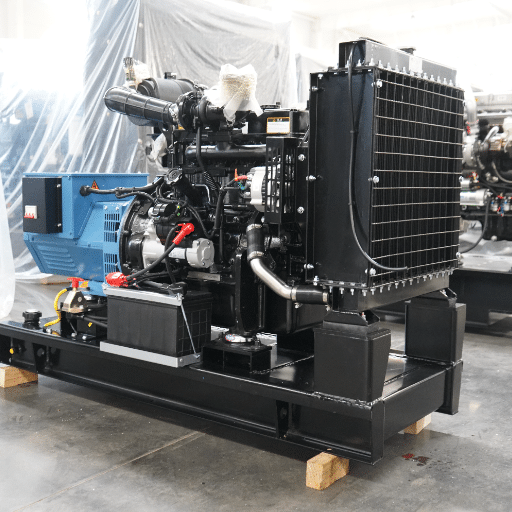


When considering home resilience and energy independence, a built-in generator is a top necessity for contemporary households. Power interruptions, whether caused by natural disasters, grid failures, or accidents, will at some point force people to stop their daily activities, thereby compromising their comfort and safety. The aspects of a built-in generator installation cost, and the proper guidance of the corporate user, through the upfront, maintenance, and savings range, are the main focus of the article. The article will certainly be an expert source of information for those who are either concerned about the aftermath of power outages and the need for a generator, or want to increase the market value of their property. You will be prepared to be aware not only of the costs involved but also their benefits and other considerations, thus making empowered decisions for your home.
Introduction to Home Generators

A home generator is a backup power solution designed to supply electricity during an outage. It ensures the continued operation of critical equipment such as fridges, heaters, and medical devices when the main power supply is interrupted. The two major categories of home generators are portable and standby. Portable generators are small, fuel-driven units that can be used manually in case of emergencies. On the contrary, standby generators are automatic, meaning they are permanently installed and become operational during a power outage. Both types of generators and the power sources used for electricity production (gasoline, propane, or natural gas) offer homeowners the same level of energy reliability during unpredictable outages.
What is a Built-in Generator?
A home generator, commonly known as a standby generator, is a dedicated automatic system that provides power to a house or facility during an electrical outage. These units are part of the building’s electrical circuit and are usually powered by natural gas or propane, which does not affect manual operation. The generator comes with an automatic transfer switch (ATS), which senses when utility power is unavailable and starts the generator in seconds to supply power. Nowadays, integrated generators are frequently equipped with features such as remote monitoring, load control, and noise-reduction technology, which elevate their reliability and efficiency. Their power can be from a few kilowatts for residential use to hundreds of kilowatts for commercial or industrial use; thus, they are considered one of the main factors in energy resilience.
Benefits of Whole Home Generators
- Uninterrupted Power Supply
Home generators can eliminate power outages efficiently. According to industry reports, the number of power outages in the U.S. has risen by 64% over the last 10 years, making residents and businesses increasingly dependent on this power source due to its reliability. - Protection Against Power Fluctuations
Whole-home generators protect by maintaining stable voltage and frequency, which, in turn, safeguard plugged-in electronic devices and home appliances from potential harm caused by power surges or fluctuations during blackouts or during the restoration of grid power. - Weather Resilience
Severe weather accounts for over 70% of power cuts. Thus, cities and households totally rely on generators. Generators made to withstand the elements will survive even in extreme conditions, such as very cold or hot temperatures, strong winds, or heavy rain. - Enhanced Safety and Convenience
Thanks to the generators, one doesn’t have to worry about genset fuel or manual switching, as an automatic power backup system takes care of it and activates right away during a blackout. To put the icing on the cake, in addition to the regular safety measures, like overload protection, carbon monoxide monitoring, etc., these systems come with built-in safety mechanisms as well. - Long-Term Cost Efficiency
The initial cost of installing a whole-house generator may seem high. Still, in the long run, savings can be realized by avoiding unintentional machine damage, spoiled food, and lost time during extended power outages. - Customizable Power Output
Generators are available in a variety of sizes, ranging from 10 kilowatts to 150 kilowatts or more, allowing energy output to be tailored to the specific needs of a residence. The ability to scale is regarded as one of the main features that supply even the most powerful systems, such as HVAC units, with power during an outage.
Why Consider a Home Standby Generator?
A home standby generator tops the list of the most reliable and convenient options for a sudden power outage. The latest data reveals that power cuts are occurring more frequently and for longer durations than before, and this may be due to aging grids, harsh weather conditions, and ever-increasing power demand. In the event of an outage, a standby generator automatically starts to power critical systems and appliances in the house, ensuring power recovery within seconds. This ability is essential to keep operations running, protect perishable goods, and ensure safety during emergencies.
Standby generators incorporate state-of-the-art technology, including automatic transfer switches and remote monitoring, which enhance performance while reducing human intervention. The majority of models operate on fuels such as natural gas or propane, which are available; thus, they are both efficient and financially reasonable in the long run. Moreover, the cost of the standby generator is offset by the long-term savings that the premium charges will eliminate—downtime, property damage, and resulting food spoilage.
Further, such generators ensure they and their users meet the highest safety standards and comply with local regulations, providing the homeowner with peace of mind. With flexible power ratings, they can be adjusted to accommodate both small and large families and meet unique energy needs. Taking all this into account, one could argue that a home standby generator is not only a luxury but also a wise and practical investment in today’s era of an increasingly unpredictable power supply.
Understanding Generator Cost

Several important factors affect the price of a home standby generator, including size, power capacity, and extra features. Together with the price of the energy produced by a gas or light propane unit that feeds less than half the house, the cost of installation makes the market price of generators very dynamic. The electrical installation is another major cost factor, primarily influenced by site preparation, labor, and the electrician’s skill in connecting the unit to the house’s power. The regular servicing costs may include maintenance and fuel, depending on the type of fuel applied – natural gas, liquid propane, or diesel. These factors help the homeowner estimate the overall investment required for the purchase and installation of a generator.
Factors Influencing Generator Cost
It’s the category and power of a generator that primarily determine the total cost. Portable generators, which are mostly the choice of users who need to be on the move and are easy to handle, are likely to be the most appealing type. Their prices range from $500 to $2,500 and largely depend on capacity in watts and the brand. Standby generators that keep the house running when power fails are higher-output but more expensive. Starting prices for such generators are around $2,000, and costs can reach $10,000 or more, especially for models designed for large residential or commercial applications.
On the other hand, inverter generators are priced between $1,000 and $4,000 and are known to be fuel-efficient and compact. Besides the fuel type, noise levels, and techy upgrades like remote monitoring and innovative controls, which also define the list of the most expensive ones, the buyer’s specific requirements and the budget limit are significant factors to consider. New market trends point to a growing consumer demand for a green, environmentally friendly approach, driving the development of new technologies and product costs and prices.
Average Costs of Whole House Generators
The typical range for entire house generators is “$5,000 – $25,000,” but the price is influenced by power, fuel, installation, and additional features, among other factors. Smaller houses or those requiring minimal power back-up can manage with generators costing $5,000 – $10,000. Installation costs alone can range from $3,000 to $6,000, depending on how complex the electrical and fuel connections are. There are also the costs of generators equipped with cutting-edge features, including innovative load management, Wi-Fi control, or, say, a fuel cell with a high power-to-weight ratio. These features may add up to the cost, but in the long run, they still make sense.
On the other hand, technology and, thereby, prices are moving fast to “green” energy sources and solar-integrated systems, for example, are already here. The point of them may be just to change the way you see it. At the moment, even though these systems are more expensive than grid-connected systems, they must offer significant long-term price reductions in terms of both energy independence and the cost of environmentally friendly living.
Comparing Generator Types
| Generator Type | Fuel Type | Initial Cost | Maintenance Cost | Efficiency | Environmental Impact | Best Use Case |
|---|---|---|---|---|---|---|
| Diesel Generators | Diesel | Moderate | High | High | Moderate emissions | Industrial and backup power |
| Gasoline Generators | Gasoline | Low | Moderate | Moderate | Higher emissions | Portable and emergency use |
| Natural Gas Generators | Natural Gas | High | Low | High | Lower emissions | Residential and light industrial use |
| Propane Generators | Propane | Moderate | Low | High | Lower emissions | Off-grid and remote areas |
| Solar Generators | Solar panels | High | Very low | Varies by sunlight | Zero emissions | Sustainable and eco-friendly solutions |
| Hybrid Generators | Multiple fuels | Very high | Moderate | High | Flexible, depends on fuel | Versatile for varying environments |
Installation of Whole Home Generators

- Site Selection
Please select a site outside your home that meets the manufacturer’s clearance requirements, is well-ventilated, and is easy to reach for service. It should not be located near windows, doors, or vents to prevent exhaust from entering the house. - Electrical and Gas Connections
A professional electrician is a must-have for connecting the generator to the house via the transfer switch, ensuring a smooth changeover and power during outages. If the generator runs on natural gas or propane, a first-class gasfitter is required for the fuel connection, so the house meter is left in the right hands as per the gas code. - Permits and Inspections
You are requested to obtain a permit from your local authority before the installation. Always, most of the time, a generator inspection is needed to confirm that it meets the required standards. - Testing and Maintenance
After you have installed the generator, there should be tests to assess its efficiency. For long-term reliability, keep up with routine maintenance, such as changing oil and checking the air filter.
Installation Costs for Home Standby Generators
There are various influencing factors involved in the computation of total expenses for a house standby generator installation. Usually, the costs for the general household should fall between $5000 and $15000, including both equipment and installation. Very often, it is the generator that accounts for a relatively high share of the total expense, and its price depends on size and power delivery—small units (7kW to 10kW) typically range from $2,000 to $5,000. In contrast, big ones (>20kW) can be over $10,000.
Typically, the installation expenses cover workers’ wages, electricity costs, and foundation preparation. The worker cost alone averages $1,500 to $5,000, depending on local labor rates and the project’s complexity. There are other factors to consider too, like the location and the type of work being wholly or partly underground – e.g., switching the electrical source, and other infrastructure changes. As for the different layers, you will have to pay the electricians who will dig, reopen, and repair the road/lawn at a later time. The cost could be as high as $2,000-$ 5,000 or more.
Choosing the Right Size Generator for Your Home
It is of utmost importance to determine the proper generator size for your home by first calculating the total wattage required for all your critical appliances and systems to operate. One must start by itemizing devices such as refrigerators, HVAC systems, lighting, water heaters, and other necessary equipment. Usually, each device’s wattage is listed on its nameplate or in the user manual. When measuring wattage, consider both running and surge wattage, as some appliances, e.g., air conditioners or pumps, require extra power at startup, and it can be pretty drastic.
Standby generators for houses typically have a power rating of 7 kW to 22 kW. A smaller generator may have a power output of 7 to 10 kW; it is sufficient to power essential systems, including lights, a refrigerator, and a few other small appliances. On the other hand, larger generators with a power rating greater than 20 kW are ideal for homes with higher power demand, such as multiple HVAC systems or other high-demand equipment. For accurate sizing, major manufacturers offer online tools or worksheets to determine the generator’s load requirements. The selected generator is being checked by an expert electrician or contractor to make sure that the power needs of your home are being met in an efficient manner and to make sure it complies with the local electrical codes as well.
Process of Installing a Whole Home Generator
- Assessment and Planning
The first step in the installation process is selecting the generator site, where the site itself is suitable for the generator and its power requirements are under control; otherwise, failure to do so will result in a transformer loss. As in the above case, the transformer may fail due to low temperatures at high altitudes. It becomes difficult for the oil in the transformer to circulate at decreased viscosity, which would otherwise increase power draw and heat from the transformer core. - Selecting the Generator Location
Selecting the right spot is of utmost importance to make safe, efficient, and code-compliant generator installation. One of the recommended spots is the one where the generator will be placed on a raised and hardened surface to reduce the risk of flooding. It must also be a spot that excludes the generator from furniture, curtains, and, most importantly, human activity, as indoor generator-related CO poisoning is still a common cause of fatalities in the US, in accordance with the National Fire Protection Association (NFPA) regulations. - Ensuring Proper Permits
When installing a generator, obtaining permits is a necessary procedure. The possible requirements for the different items to be installed are either at the primary source or at the consigned point at the station. Permits for onsite installations are seldom required these days, the electric utility’s transformer being the most common exception. Muscling through the licensing process as a contractor or electrician can, on their part, save the owner a great deal of headache, as they are the ones who know how to handle permits and what the requirements are. - Installing the Transfer Switch
A transfer switch is a necessary component for a secure, smooth transition of your home’s electrical loads to the generator during a power outage. There are two types of transfer switches—manual and automatic —and automatic transfer switches (ATS) are the best choice for whole-house generators. ATS would detect the power outage and automatically start the generator for a seamless operation. - Connecting the Generator
A licensed electrician or contractor is responsible for the generator wiring to the transfer switch and the electrical panel. And this involves carefully following the electricity route, grounding, and fuel line installation. For natural gas or propane generators, the technicians are licensed and certify the secure connection to the existing fuel supply or the installation of the most suitable-sized tank. They also comply with all safety laws and regulations. - Testing and Commissioning
After installation is complete, the system will be thoroughly tested. The extensive process will include checking the generator’s ability to start, inspecting the transfer switch for proper operation, and performing load tests to verify the generator’s power requirements. The master contractor also finalizes the homeowner training and will maintain the power system for the life of the product. - Regular Maintenance and Inspections
The last and most important factor contributing to the generator’s longevity and dependability is clinical care. This includes oil changing now and then, checking the fuel, and loads of other routines, including testing the battery and electrical connections. Many manufacturers recommend that the certified technician perform the generator’s annual maintenance to maintain the high generator efficiency continuously.
Long-term Maintenance and Costs

For homeowners who want to keep their emergency generator in good working order for years to come, it is worth maintaining a regular maintenance schedule. It involves changing oil and filters every 100–200 hours of operation or a year, whichever comes first, and performing regular checks of the fuel system, battery, and electrical components. The cost of long-term maintenance depends on the type of generator and its frequency of use. For example, the annual maintenance cost, which includes, among other things, oil changes and inspections by a certified technician, averages around $200–400. Besides, certain parts, like the battery, might need to be replaced every 2–3 years, with costs usually $100–$300. Moreover, for gas, the homeowners have to bear the expenses depending on the size of the generator and the hours of running it. Preventive maintenance is a must for reducing repair bills and extending the unit’s life.
Maintenance Requirements for Standby Generators
An essential thing is to take a close look at lubrication, filters, the cooling system, and so forth, at regular intervals. Different generators have different oil change regimens, but, as a rule, this operation should be performed every 100 to 200 hours. If overheating does not become a significant issue, it is always better to regularly refill the coolant and inspect the system pressure. By changing the air filters, long-term engine strain can be reduced, and airflow can be maintained at an optimal level. Besides that, you need to frequently check the generator’s control panel and the battery’s voltage to ensure the unit starts and runs when needed.
Regular load bank tests can maintain and ensure the performance quality of the generators over the long term. When this is done, the equipment’s operating conditions will be subjected to simulated ecological loads during tests, which will, in turn, help technicians pinpoint and eliminate problems such as carbon buildup in the engine. Last but not least, to keep the generator clean and free of dirt, particularly in the ventilation area, wear and tear will be reduced, and operational efficiency will increase. As a result of these measures, not only is the operation during emergencies ensured, but the equipment’s lifespan is also prolonged.
Long-term Cost Benefits of Whole House Generators
Investing in a whole-house generator can be lucrative; the entire process is long-term. The homeowners in areas frequently subject to power outages will benefit immensely from this. Among the main benefits is the decrease in costs for emergency accommodations. When power is out for a long time, families are, in most cases, compelled to leave their homes, which can quickly leave them in debt to get accommodations. However, if there is a whole-house generator, they don’t have to spend on it, since the generator will provide them with electricity, enabling them to continue with life as usual and use appliances and systems such as air conditioning, cooling, and security.
Moreover, the nonstop power source prevents unwanted risks from happening to high-value equipment. For example, a power cut can result in sudden power surges when electricity is restored, thereby damaging the equipments or the user’s sensitive electronics. One way a generator handles this scenario is by providing an always-on, reliable supply of energy. Also, properties equipped with whole-house generators are typically valued higher because they are believed to be more appealing to potential buyers, thereby giving them an advantage in the real estate market.
Another consequence is a gradual decrease in operating costs through regular maintenance and energy-use optimization. The new generators are manufactured to be more fuel-efficient, i.e., they distribute power and its consumption so the user saves on fuel. When the possible scenarios are blended—emergency expenditures slashed, equipment protected, the property’s value maintained, and proper operation done in the least costly way—the investment in a whole-house generator can yield a clear return over several years.
Choosing the Right Generator for Your Needs

- Power Requirements
Evaluate the wattage for the necessary equipment and systems to operate during the electricity shortage. Start with high-demand devices such as HVAC systems, refrigerators, and medical equipment. - Fuel Type
The choice of fuel type must be made between natural gas, propane, and diesel based on factors such as availability, storage requirements, and environmental considerations. It is also possible that a generator model will have a dual-fuel system, which in turn, provides flexibility. - Generator Size
Adjust the generator size to your power requirements. The massive generators operate smoothly and reliably to provide backup power for all the systems in a house, while smaller portable units can only be used for a short time. - Automatic vs. Manual Operation
Determine whether you need an automatic generator that kicks in as soon as a power cut occurs, or a manual one that the user has to start. - Budget and Maintenance
Find the right middle ground between acquisition costs and long-term maintenance and fuel expenses. Paying the premium price for a trusted name that offers warranties and service support is getting better value in the end.
Pros and Cons of Different Fuel Types
| Fuel Type | Advantages | Disadvantages |
|---|---|---|
| Gasoline | Readily available High energy efficiency |
Short shelf life Highly flammable |
| Diesel | Fuel-efficient and reliable Longer shelf life |
Louder operation Emits more pollutants |
| Natural Gas | Continuous fuel supply via pipelines Cleaner emissions than diesel/gasoline |
Requires pipeline access Reduced power output at lower pressures |
| Propane | Long shelf life and eco-friendly Stable performance |
Requires separate tanks Higher initial installation cost |
| Solar | Renewable and sustainable Silent and emission-free |
Depends heavily on sunlight High initial setup cost |
| Biogas | Eco-friendly and renewable Low emissions |
Limited availability globally Requires specific equipment |
| Hydrogen | Zero carbon emissions Abundant and renewable |
High production cost Limited infrastructure |
Energy Efficiency Ratings Explained
Energy performance ratings are essential factors that define a system’s performance by communicating how well energy is used and how waste is minimized. One of the factors that determines these ratings is energy input vs output, the equipment’s operational design, and also environmental factors, which could ultimately affect the machine’s performance. Standard rating systems like SEER (Seasonal Energy Efficiency Ratio) and R-value for insulation provide standardized metrics for comparison.
There has been significant technological development that has enabled the manufacture of machines and systems with remarkably higher energy efficiency. For example, heat pumps with inverter technology are the new norm because they deliver greater energy efficiency by adjusting compressor speed to the specific situation. On the same token, modern building materials have high thermal resistance, which ultimately results in residential and commercial buildings performing better in terms of energy efficiency.
By tracking energy efficiency ratings, it is possible to pinpoint areas of the manufacturing process that can be optimized. In addition, promoting the use of eco-friendly products and solutions will contribute to reducing running costs and, at the same time, protect the environment. Knowing such numbers helps choose the best systems that are also in harmony with global energy-saving goals.
Reference Sources
- U.S. Energy Information Administration (EIA): Provides detailed cost data for electric generators, including installation costs and trends.
Visit the EIA website - Bogleheads Forum: A well-regarded community discussing financial and investment topics, including real-world costs of whole-house generators.
Visit the Bogleheads Forum
Frequently Asked Questions (FAQs)
What does a built-in generator for a home cost?
Typically, the cost of a built-in home generator highly varies depending on the type that is picked, i.e., either small backup unit or whole house generator where prices could start at a few thousand and above twenty thousand dollars. The pricing consists of generator size, installation cost, and necessary components such as an automatic transfer switch and a concrete pad. The type of fuel used—natural gas or propane—is both an amplifier of the purchase cost and of operating expenses in the long run. The price of the transfer switch and any required electrical upgrades can significantly increase a buyer’s initial costs. Procure the permit and have the cable professionally connected; this is a tip to estimate the budget for the whole operation.
What factors most influence the installation cost of a built-in generator for a home?
There are multiple elements that have an impact on the installation expenses like the large generator that will be needed to handle the most crucial circuits or the whole house, the local labor costs, and the complications that might arise when linking the new system to the already existing electrical panels, and so forth. When comparing the standby generators plus the automatic transfer switches to the portable ones, one can quickly notice that there is a significant difference in the total costs that involve both parts and labor. The same is true when considering the complexity of fuel hookup; the costs of materials and permits vary depending on whether you are installing a propane tank or connecting it to the natural gas supply of your locality.
Is adding an automatic transfer switch worth the extra money?
In general, an automatic transfer switch is an expenditure that pays for itself, because it not only assures a continuous supply of power during outages but also protects sensitive electronic devices from the malfunctions that may occur due to manual switching errors. The automatic transfer switch is a great help for those homeowners who are planning to install a generator that can supply the whole house with power or a standby generator. Generally, a whole-house automatic transfer switch system is designed to operate with the generator control to manage generator size by prioritizing the critical circuits. The initial cost of the automatic transfer switch can, however, be offset by the savings from reduced downtime and less risk of improper connections.
How does fuel choice affect the long-term cost of a built-in generator for a home?
For instance, take the first four words of the paragraph—fuel choice, the factor which can elevate the total cost in the long run. The fuel’s volatility, storage capacity, and availability during the outage are the major concerns. The natural gas connection supplies uninterrupted power to the equipment thus eliminating the necessity of refueling on-site and making it a low-maintenance operation. Nevertheless, the gas hose installation may prove to be more difficult. Along with its flexibility and non-requirement of storage, propane can also be considered a more conventional fuel in that you have to fill the tanks after long outages that are experienced in high-demand situations. The fuel efficiency varies according to the generator model and size so it would be best to compare runtime per gallon or per cubic foot to get an idea of running costs.