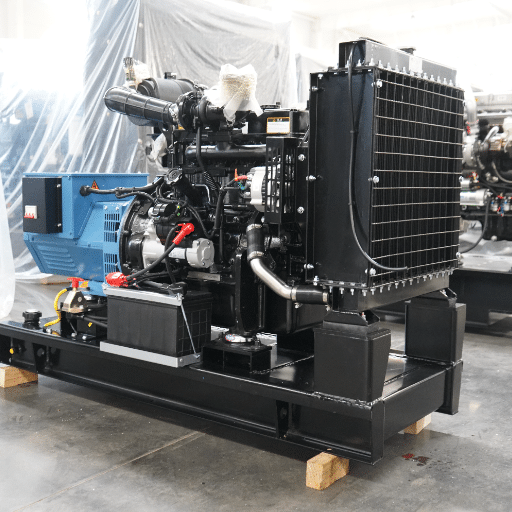


Installing a generator is a substantial investment and offers peace of mind to ensure your house or business remains uninterrupted during outages. However, contemplating the ins and outs of the cost of installing a generator can be quite overwhelming. There are just so many variables to consider: prices from the therapeutic generator pieces to install labor, permit consents, and conversion into the load of your electrical system. Break out these tools, so you will be able to make some intelligent choices. Whether you are in search of a backup device for your household or a power supply for your business, the rest of this article should help define some things to look for in estimating the installation costs associated with generator use.
Understanding Generator Installation

Setting up a generator involves three distinct stages: choosing the optimum generator that would be sure to meet your power requirements; seeing to it that the generator gets approval under the laws applicable to the location; and securing the services of fully licensed professionals for the actual installation of the equipment. Evaluate the generator’s performance to know the configuration and size of the generator you need to select in line with the amount of power you need to guarantee a continuous supply. Getting permits and approval from the concerned authorities happens with respect to inspections and compliance with zoning laws. Certified electricians and installers will have, just like the electrical contractor, the authority to handle the setup to make sure everything is safe, reliable, and in compliance with the codes. Good planning and good execution while setting up the generator can help increase efficiency and longevity of the system.
Types of Generators
Generators are broadly classified based on design and use to cater to various operational needs. The main ones are portable, standby, industrial, and inverter generators.
Portable Generators
Portable generators are designed for temporary electrical power supply and are often used for outdoor functions like camping. They usually run on gasoline or diesel, have small dimensions, and can be easily transported to various places. They are more than necessary to power tools and small kitchen gadgets. However, they are quite noisy and usually require manual operation.
Standby Generators
Standby generators are out-of-the-box systems that kick-start power when calamity strikes. Most units are fueled by natural gas or propane and can be wired into a building’s electrical system. Their continuous output powers up critical loads throughout a residence, business, or medical facility. However, standby generators require professional installation and regular maintenance.
Inverter Generators
The Inverter generators are famous for their efficiency and quiet operation and are enhanced versions of portable generators. They deliver clean, steady power for utilization with electronic appliances like computers and smartphones. This kind of generator is compact, cost-effective, and great for the outdoors, but usually has less output than other types.
Industrial Generators
Industrial generators are heavy-duty systems used under big power loads and moderate, continual operation. Mostly used in factories, construction, and large commercial operations, industrial generators are engineered for reliability while withstanding high-demand requirements. They operate on a range of fuels, namely diesel and natural gas, and need to be expertly installed and maintained.
Key Takeaway: For assured enhancement and compatibility, the selection of the correct generator is immensely contingent upon specific power capacities and reliability specifications for particular generator applications.
Choosing the Right Generator Size
Correct generator size determination is essential for matching power needs without undersizing the equipment or wasting resources. To size a generator properly, you must determine the following factors:
- Figure Out Power Requirements: Identify all appliances, systems, or devices that the generator should run and sum up their starting wattage & running wattage while prioritizing essentials such as HVAC, refrigeration, and lighting. The surge watts are always greater than running watts due to initial loads at boot-up.
- Application and Usability: If the generator will serve as a backup power source during power outages or if the demand is strictly continuous and on job sites or industrial operations, then. Backup duty would require a smaller generator than that required for heavy equipment or essential infrastructure.
- Source For Future Growth: In case projected power needs could be more than the current need, make sure your power device has slightly more capacity, thereby allowing for over 10% but up to 20% extra load without the generator becoming overloaded.
- Using Online Generator Sizing Calculators: Many manufacturers and suppliers provide calculators to make putting in the right generator in any situation the easiest step of the process. Input your loads and power requirements, and obtain an assessment that matches your actual requirements.
Important: Make sure that the provided power, resulting from a careful consideration of all the factors or professional help, operates the power efficiently and stands as error-proof, avoiding serious consequences from any missed technical or operational requirements.
Key Components of Installation
To ensure safe and efficient operation, careful planning must be put into use in the process of installing a generator. Here are the components that should be looked at in the installation process:
1Site Picker
Ensure to set it up in an efficiently ventilated and level place, just about accordance with local requirements for safe distance. Avoid exposing the generator to too much moisture; hence, it should be well spaced so that maintenance and air can go on without a grind.
2Foundation or Base
Widely recommended is some solid concrete to take care of any possible risk; thus, the generator won’t vibrate excessively and become leveled for a favorable operation level. This will prevent too much wear and tear on the generator, thus extending its life.
3Fuel Supply System
Follow the generator’s manual criteria, and get it a suitable fuel supply system (e.g., natural gas, diesel, or propane). Take care of the connection and leaking prevention measures, like flexible hoses and shut-off valves.
4Wire Connection
Attach the generator to the electric panel with heavy-duty cables and an ATS (Automatic Transfer Switch). The ATS switches the generator in when switching to backup power during a power failure.
5Exhaust System
Exhaust systems must safely exhaust into unauthorized areas in compliance with environmental codes. Have insulated pipes to prevent burning anyone who might hold their hand on the pipes.
6Grounding
Properly grounding the generator is important for the prevention of electrical issues and to meet code compliance. The local building codes should provide the direction for the best grounding practice in the area.
7Weatherproof Enclosure
An outdoor-rated enclosure is recommended to guarantee outdoor weather protection for the generator. These types of enclosures often have a degree of sound attenuation and are capable of being fitted with climate control for better performance.
8Test and Commission
After completion of installation, the system must be tested thoroughly to ensure that all components function as desired. This includes load testing and ensuring that the automatic transfer switch (ATS) is operating properly. Testing provides secure operation during an actual shutdown of the power supply.
Success Tip: By integrating these components correctly and adhering to best practices, you can ensure a safe, efficient, and reliable generator installation. Always consult a certified electrician or installation professional for particularly ambitious attempts that may not always go right.
Cost Factors for Installing a Generator

The amount of cost on the installation of installing a generator completely depends on several key factors:
| Cost Factor | Description |
|---|---|
| Generator Type | Portable generators are comparably cheaper than standby generators, but they serve ends with less power output and require manual handling. Standby generators, on the other hand, are expensive but provide automatic power backup and are fixed. |
| Power Capacity | Larger generators with higher wattage capacities are more costly to have. This would depend on securing an appropriate generator type to use in case of power outages, in correlation to the financial resources of the householder. |
| Installation Costs | The standby generator is installed professionally and needs services such as the establishment of the site, labor costs, and connection of the generator to the home’s electric power system. The installation may lead to a major price variation. |
| Supplementary Materials | Other items such as transfer switches, concrete pads, or supplementary wiring can increase the cost all the more. |
After examining the factors carefully, you would have all the clues needed for estimating the total cost to install a generator specific to your requirements and under your circumstances.
Average Cost to Install a Whole House Generator
The cost of installing a whole-house generator is normally $5000-$15,000, and it heavily depends on the size of the generator and the installation complexities, along with any materials needed. When you talk numbers, a small generator could reach the $500 range, while it is not unusual for a larger unit to charge north of $10,000 for accommodating the whole house. Installing the generator typically may cost $3,000 to $6,000 overall, including labor, site work, and electrical connections; an extra transfer switch and other materials may add an additional $500 to $2,000 to the overall total. In order to nail down specifics, a licensed professional should be consulted to come around and evaluate any one person’s exact needs.
Cost Breakdown of Generator Installation
The overall cost of a generator installation is influenced by several key factors, including generator size and type, labor costs, and any other extra appendages required for efficient installation of the generator system. Prices often range from up to $500 (for the small portable ones) up to $2,500, depending on their capacity and functionality. Standby generators for whole-house use, on the other hand, could run from $2,000 to $20,000 or more.
Typically, installation costs range between $3,000 and $6,000, covering all tasks related to setting up the site, deployment of factory-installed equipment, and electrical connections. On the cost front, the cost of these things, such as the automatic transfer switch, on $500 to $2,000 do come in. Additional cost to consider might be from permitting issues; what is normally allowed is upwards of $100 or so, and up to $500 again for complex locations. Terrain requirements like the proximity of a fuel source — such as natural gas or propane — can make a difference too, as is often the case with the specific local code requirements.
Professional Recommendation: To avoid inaccurate estimates when securing installation packages, it is recommended that you seek advice from a professional contractor. A certified contractor performing the type of installations desired shall examine your specific needs, give correct throwaway quotes, and provide some suggestions as to how to proceed from there.
Additional Expenses to Consider
When thinking about the installation of a generator, many additional costs must be taken into account. Among these are substantial costs for electrical wiring and related upgrades–rewiring the home circuit panel and installing a transfer switch to ensure a trouble-free connection is particularly helpful. Sometimes, costs connected with excavations can increase when trenching needs to be undertaken to connect fuel lines or electrical conduits, especially when working at sites of complex land with substantial reach from utility connections.
Permitting costs and inspections also help inflate the overall costs since almost all jurisdictions require obtaining legal permits before installations are undertaken. Other operational or recurrent expending items–such as delivering upon fuel supply (gasoline, propane, or natural gas, to name a few) and periodical maintenance–should not be overlooked; all will endeavor to keep the generator at its best functionality and efficiency. By the same token, a modest consideration for enhancing the generator’s silence by enclosing it or by procuring an extended warranty could imply more outlay of money but could go a long way for long periods of gratification and trust.
Installation Process of a Whole-House Generator

Installation of a whole-house generator assumes a series of procedures to guarantee proper working and to conform to safety norms. Firstly, a professional will visit the home to review power needs and select a location for the unit, grammatically speaking, outside, away from any door or window. The mounting of a permanent foundation or pad supports the generator, and generator cords will be connected to the run generator to the transfer switch responsible for safe division of power, laying down an important connection in terms of efficiency during power failure. The other thing yet to be done is the link the power source, which could be natural gas or propane, and any other environmentally compatible source. The last step wants emphasis placed on having a trial run during installation, where the generator will have to field-test through conditioning to prove its reliability in an actual power failure. Always follow local codes and the manufacturer’s guidelines.
Steps to Install a Whole House Generator
Site Evaluation and Permitting
The very first step to making this dream a reality is to try to secure the best possible location for your generator. The property should conform to local regulations, allowing enough open space around the buildings, and should afford easy access for maintenance. Once an area has been found, apply for the necessary permits. Most jurisdictions will certainly require permission to conduct generator installations.
Generator and Transfer Switch Selection
Choose a generator that satisfies your house’s power requirements, which a load study will have determined. Option: Pairs the generator to an automatic transfer switch that will engage during a power blackout or to a manual switch that could be initially engaged by an individual to start the generator and put it into service.
Preparation of the Installation Site
Excavate and prepare the laying-out site for the generator. A foundation should then be installed that can have a concrete or prefabricated base to sit on and bear the weight of the generator while lessening vibrations.
Integrating the Electrical System into the System
Connect the generator to your home’s electrical system. Install the transfer switch near your main electrical panel. Be certain that the wiring and connections comply with both the National Electrical Code (NEC) and any applicable local regulations. This will ensure safety against hazards.
Fuel Supply Connection
This is tying the generator to a reliable fuel source, such as natural gas, propane, or diesel. Procure the services of qualified professional fuel contractors to put in the fuel lines in a manner that assures proper sizing, secure connections, and compliance with safety standards.
Testing and Inspection of the System
Generator and the other associated systems undergo complete testing to the end. Simulate a blackout scenario to ascertain the behavior of automatic start and transfer switches. Schedule an inspection to ensure adherence to the code of installation and the manufacturer’s requirements.
A Maintenance Program
You ought to install a maintenance program to preserve the generator in excellent working condition. You will find that downtime would be avoided by its periodic checking of fluids, along with the cleaning of all the pipe connections, in order to replace filters at the appropriate times as indicated. Remember, maintenance timings are strictly as suggested by the manufacturer.
Final Note: However, found here, if these very simple steps are combined with expertise, a complete and perfect installation shall be achieved by the energy needs of your own.
The Role of a Transfer Switch
A central player in any full home backup generator system, the transfer switch acts as a conduit between the grid supply and the generator. Its principal function is safely switching the power source from the utility grid to the generator during an outage and then back to the utility power when service is restored. This switching unit prevents backfeeding, threatens utility workers, and can destroy items’ electrical circuits. Two types of transfer switches exist: manual and automatic. For manual switches, human intervention is required to complete the switch; in fact, an auto-transfer switch can determine whether an outage exists and change sources absolutely automatically by putting minimal irregularity in the process. A proper setup and following of the requisite electrical codes is critical for a transfer switch to operate safely, and again, it must be matched in capacity and system needs to the generator it is servicing.
Hiring a Professional vs. DIY Installation
A lot of things come into play when making the decision of whether or not one should hire an electrician or attempt to do the installation oneself. When done by an electrician, there is a guarantee that he complies with the electrical code as well as the safety standards for his work. It is a single integrated unit for a generator and therefore, if configured improperly could greatly end up being less effective. A professional electrician has the expertise to tell if the system can power the electrical load that is needed for the day. This fully known information minimizes the risk of power overloads, which could cause undue outage and damage to each electrical component, as the electrician will take the electrical insulation factors into account when doing his electrical wiring.
For those one or two steps short of becoming licensed electricians and with the right tools in hand, constructing it alone could be a source of appeal. The caveat to this is an in-depth understanding of wiring diagrams, electrical specs, transfer switch operations, and interested parties’ state and local codes. Mistakes in the installation could end up in code violations, defects in material, or somehow set the stage for safety hazards. Here, the general rule is a recommendation for a professional installation: most importantly, reliability and long-term safety in a number of instances are brought into play, especially in intricate electrical scenarios.
Choosing Between Backup and Portable Generators

Backup generators are fixed installations, rendering them the best set up for homeowners concerned about a constant supply of power for priority systems during outages. Such installations are generally wired to gas or propane storage to ensure optimal performance without the need for frequent refueling.
Portable generators, on the other hand, can be the proper choice in cases of an emergency in terms of affordability and flexibility. Its installation will require on-site intervention, but these are generally less powerful and are fueled by gasoline due to their necessity to power themselves, while the electricity supply is off.
The choice should depend primarily on the specific power needs, cost, as well as an indicator of how often outages might be expected. Backup generators are more expensive but are definitely more dependable, whereas portable generators fit the pocket and output requirements.
Pros and Cons of Backup Generators
Pros
- System Reliability: In times of power outages, backup generators immediately come to life, guaranteeing that the critical system is not left in darkness.
- Enough Output Capability: Such systems also run quite a few devices in a short time, which is something necessary for whole-house support, an office backup, etc.
- It Comes Easily and Automatically: After all the work, backup generators come online automatically and, without human intervention, are instantly ready for use.
- Various Fuel Choices: A good number of backup generators can be run by natural gas and propane, which are readily accessible to one and all, while the need to replenish them rapidly declines.
Cons
- High initial cost: The expense involved in purchasing and setting up the backup generator sometimes runs very high, especially in the case of whole-home backup.
- Proper Service and Maintenance: Maintenance services will be a necessity to avoid troublesome upkeep. Oil changes and other system checks are critical.
- Ability to Create More Noise: There are dreadfully noisy systems out there, which may not be appropriate for several environments.
- Limited Mobility: Backup generators are meant to be stationary, so they are not appropriate for temporary or portable functions.
If you are reviewing a backup generator, take into account the pros and cons when it comes to your particular electrical needs, the budget available, and the reliability expected.
When to Consider a Portable Generator
Although portable generators are suitable for temporary or mobile power supplies, they are ideal for short-term power blackouts, outdoor events, or working in remote areas without grid access. Portable generators are more geared for maneuverability as they come with wheels and handles for better transportation. Such a type of generator is also more affordable and helps in taking care of the essential appliances, tools, and systems for small-scale setups.
Nevertheless, users are expected to consider the power needs of their respective appliances and the conditions of their work before settling for such a portable device. There are very basic considerations that should be thought through, such as fuel type, running time, wattage capacity, and noise level, all of which are needed to make the unit perform at its best. Along the same lines, knowing how to operate the unit in a safe manner is vital both in itself as well as for the unit to have a longer usable life free of any safety hazards, including carbon monoxide poisoning.
Cost Comparison: Backup vs. Portable Generators
When one would like to decide on the costs of backup versus portable, a number of issues must be considered – initial costs, installation costs, generator maintenance, fueling, etc. In fact, backup or standby generators are generally on the pricier side, costing a base price of $5,000 to $10,000 plus installation charges ranging between $2,000 and $6,000, depending upon how complex the setup is. These units were installed as a permanent setup, and their installation must be followed by a service connection to residential supply lines. écial Clutch Autoswitching Transfer Panels in most cases.
Portable generators, in contrast, are far cheaper, ranging between $300 and $2,000. There are additional costs of installation, which makes the equipment require extension cords, auxiliary controls, and a manual transfer switch for connecting to essential home circuits. The running cost of portable generators rises quickly due to the lower power consumption and small fuel tanks, which are in need of frequent refills.
While year-to-year maintenance of the standby generators is very high–for oil, filters, and an inspection–anywhere from $150 to $300. A portable setup could not be burdened with such high costs, but since they are elementary and modifiable, maintenance, when needed, goes very easily. If a consumer chooses not to self-incidentally suffer the awkward power outages that these standby generators bring forth, then good for them.
Overall Summary: Standby power generators are more reliable and convenient for long-term power needs, especially when residents of areas affected by frequent and prolonged power shortages are taken into account. As a more cost-effective solution, portable generators are intended for short-term and occasional needs for power.
Maintaining Your Generator After Installation

For continuity and long life, maintenance of the generator is very important. It will start with checking the oil at the set intervals, which is usually every 50-100 hours of operation, and may consider an oil change. The air filters start to get dirty when they clog, so replace them promptly. Make sure all connections, such as fuel and electrical lines, are tight with no sign of wear or corrosion. Test for functionality by using it under load conditions regularly. Moreover, yearly professional servicing can get rid of possible mechanical or electrical problems. Use the prescribed maintenance operation for best results.
Routine Maintenance Tips
Follow a structured generic maintenance schedule backed by the generator industry:
Sump Oil and Climatic Usage
Check sump oil and fluid levels on an occasional basis, topping up where necessary. Change engine oil and filter every 100-200 hours of running, wherever directed by the manufacturer.
The Use and Maintenance of Batteries
Check the battery for corrosion and make sure the physical battery connections are tight and secured. As mentioned previously, conduct a load test on the battery every now and then to check that it retains charge.
The Quality of Fuel and the Filtering Process
On no account use dirty and poorly graded fuel. This always leads to clogging of the fuel lines. Replace the fuel filter after every 200-300 hours of running.
Load Filter Use
Go for checking the filters at each possible opportunity, and so replacing them whenever they get dirty-market clean filters. Filters should help retain the correct air-fuel mixture rather than being a drain on the engine.
Exhaust System and Cooling
Watch for leaks in the exhaust system and ensure adequate ventilation in the cooling system. Proper ventilation alongside proper airflow is essential in preventing the generator from overheating and exhaust gases from collecting in pockets of suffocation.
Performance Under Load
Utilize the generator while under load for a minimum of about 30 minutes on a monthly basis to ensure proper operation. This will prevent wet stacks and cause mechanical components to operate properly.
Maintenance Tip: By incorporating these steps into a routine maintenance system, one can guarantee a long life and reliability of his generator set. For more comprehensive help, seek advice from the generator manufacturer’s guidelines.
Signs Your Generator Needs Repairs
If generator issues need to be repaired, some pointers come to mind to keep an eye on. Vacuuming or slugging signals internal mechanical nuisances, any of which accompany the machine during its operation. Meanwhile, a sudden power drop—especially if the generator fails to start now and then—or lack of compression would likely suggest mechanical or electrical problems, with leaking fuel oil, excessive smoking, or unusual odors staring back from beyond the glass, indicating some value for broken machines. Rapidly deteriorating things may make fuel consumption rise or cause the machine to frequently shut down, flags of a sign that the machine is not performing as it should. I have learnt to look at the signs and act so that breakdown costs can be avoided.
Maximizing Generator Lifespan
It is very important for a generator to be continuously maintained for optimum performance and a long, trouble-free life. The generator oil should be checked and replaced on a regular basis per the manufacturer’s instructions so as to keep oiling the internal components properly. The air and fuel filters should also be checked and replaced to prevent harmful debris from entering the system and damaging it or reducing engine efficiency. The battery should be regularly checked for status and should be free of corrosion during any cleaning.
Battery corrosion should be averted so that batteries remain fully chargeable for a reliable power source to start the generator at any given time.
Moreover, running the generator once in a while while not in operation will prevent such problems as fuel degradation or moisture development in the system. Top-quality fuel should be used, supplemented with fuel stabilizers to avoid deposits of varnish on engine components that would obstruct their operation. Dirt, dust, and moisture should be kept out of the generator as they increase wear and tear. Finally, storage of the generator should be to keep it out of environmental harm in a place where it stays dry, properly ventilated, and not too cold.
Reference Sources
-
Mississippi State University Extension: October Extra – Portable Generators – This source provides insights into the costs of portable generators based on quality and options.
-
University of Massachusetts Amherst: On the Feasibility, Cost, and Carbon Emissions of Grid – This document includes cost estimates for natural gas generators, providing a detailed academic perspective.
-
University of South Carolina: DM12 Coker Emergency Generator Replacement – This project manual outlines the construction and installation costs for emergency generators.
Frequently Asked Questions (FAQs)
How much is a whole-house generator installation going to cost me?
It costs anywhere between $8,000 and maybe more up to $25,000 to supply the whole house with an emergency generator, depending on the number of other factors of the generator system type, generator-power units in kW, whether it is fuelled with natural gas or diesel (which is not included in the generator cost), as well as working wages of the region where it is installed. Moreover, such prices would depend very well on the complexity of gas lines or fuel hookups (if not already present), any electrical upgrade that is needed, and any permits that might be needed because the price will change greatly if a generator is going to sit on a cement pad, or if it is going to feed through the transfer switch, or otherwise. A pretty good estimation to have if a generator and installation would lie between the two folio prices.
What capacity (kW) of generator do I need to power my house during a power failure?
The right kilowatt rating choice reflects the amount of power you wish the generator to provide. Between 8 kW and 20-plus kW is the typical generator capacity for houses or large homes up to roughly about 20–45 kW. Calculate how much power you need by finishing the wattage of the essential appliances and HVAC, then add a margin to account for differences. After this initial step, it takes a lot of power calculus and a detailed discussion with the installer to make sure the critical circuits are covered by your generator and that the generator size matches your household backup needs.
Does the type of generator affect the overall cost to employ and the installation proceedings?
Yes, the kind of generator affects the cost of the generator, along with the overall installation effort. Natural gas generators sometimes require a gas line, but no fuel storage, whereas diesel generators might always require a fuel tank and additional maintenance. Solar- and fuel-powered portable generators were cheaper to purchase at inception and easier to relocate by comparison, but are full replacements for some of the alternatives at the end of the day. For the whole-house natural gas generator installation, one will also have to work with the gas company and an electrician for installing a transfer switch.
Is buying generators by square foot or grocery appliance a safe bet?
It is a rule of thumb to generally allocate 3 to 5 W/sq. ft. for all basic power-unit needs while determining generator capacity. However, the size varies widely for a more precise estimate, adding the actual wattage from major machines, e.g., HVAC, refrigerator, well pump, and then selecting a generator with excess capacity. For home applications, the 10-20 kW generator size is common. Consult the services of a generator installer to cite the correct electricity the machines consume so that the generator installed will efficiently serve the machines.
Would I also need to get my electrical panel updated to include additional supplies for installing a whole-house generator?
Most certainly. Expenses such as panel upgrades, new circuit labeling, or a transfer switch will be imperative for a permanent home generator installation. The installation team will thus have to evaluate whether the load can be supported by your current panel and whether supplies and subpanels are included. Fuel tanks will also be required for diesel, while gas generators need gas line extensions. These upgrades will escalate installation costs, but they are mandatory to ensure that the generator functions well and keeps your home protected.
How do long-term backup generator costs depend on maintenance and fuel type?
Long-term operations cost considerations for worst-case-scenario operations arguably may involve fuel and contingent labor, parts, and equipment. Maintenance costs, fuel costs, and breakdown situations need to be addressed, also. The cost of a diesel generator is considered higher, along with more extraordinary storage plans. In contrast, maintenance and fuel for a natural gas generator are cheaper, as a gas line controls fuel logistics. Routine care includes oil changes, load tests, and battery replacements. Professional service programs must be figured into your total expense picture when calculating the benefits of an emergency power system versus roll-your-own arrangements such as portable or solar generators.