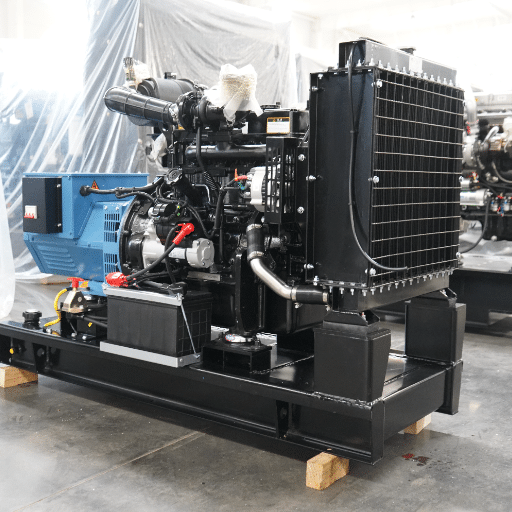


The rising importance of sustainable and cost-effective power solutions has forced us to prioritize efficiency and greenness. The industrial and individual consumers who want to cut their energy consumption and budget at the same time have started to opt for generators with high efficiency. These are not only arranged in such a way that they can operate at peak while being fuel greedy, but are also connected as they are members of the energy world to the earth-ecology system, with only a minimal effect. This post discusses the qualities of top-notch generators and also describes the benefits and areas in which these generators are typically used, with the main purpose of revealing why they are of great importance in the world of energy reliability and sustainability. No matter if you are setting up the backbone of power consumption or just keeping your house running during blackouts, the explanation of these new systems will give you the upper hand in understanding and choosing wisely in the present-day energy market.
Understanding High-Efficiency Generators

High-efficiency generators represent an innovative energy paradigm focused on the principles of extracting the utmost power while using the least amount of fuel and having a minimal impact on the environment. All this is achieved by an improved engine technology, by an optimized fuel combustion, and by having sophisticated control systems that regulate power generation in real time. These machines are normally of a higher thermal efficiency than the conventional ones, which means they convert more of the fuel to usable energy. The primary benefits are the mitigation of greenhouse gas emissions, lower operational costs, and being more dependable, all of which are a must for the industries that require substantial and continuous energy supply, like the healthcare industry, data centers, and the integration of renewable energy. The introduction of these generators is a big step towards achieving both the energy and environmental sustainability of energy production.
What is a High-Efficiency Generator?
A highly efficient generator is a system for generating energy whose design is advanced to such a degree that the fuel is converted into electricity at the highest rate possible and with the least energy losses. Such systems are often provided with cutting-edge technologies such as advanced thermodynamic cycles, precisely manufactured components, and modern control systems that optimize performance. By way of illustration, some high-efficiency generators use combined heat and power (CHP) systems, which not only help to recover the waste heat but also benefit the efficiency as a whole. In some cases, the efficiencies of the most recent designs exceed 90%, which is a significant improvement over the usual efficiency levels that traditional generators operate on. Generators like these are in high demand in manufacturing, healthcare, and data centers, among other sectors, where the supply of reliable and cost-effective energy is a critical issue. Moreover, their role in cutting fuel consumption and emissions makes them part of the global goals of carbon reduction and sustainable energy use.
Key Features of High-Efficiency Generators
1. Advanced Energy Efficiency
State-of-the-art technologies play a major role in high-efficiency generators, implementing the use of advanced inverters and precision-engineered components, giving the generator an efficiency level of more than 90%. These generators decrease energy losses from conversion substantially. They are estimated to be 10-30% more efficient than the conventional modes of operation which normally produce heat only in the range of 60-80% efficiency.
2. Lower Fuel Consumption
These generators consume less fuel per unit of electricity produced, partially because of their small size and the great efficiency of their parts. For instance, a high-efficiency generator could consume 30% less fuel than a traditional generator with the same power output, hence, adding to cost benefits and less reliance on fossil fuels.
3. Reduced Carbon Emissions
The fuel efficiency of these generators has improved, resulting in them producing less greenhouse gas per kilowatt-hour of energy output. According to various studies, the provision of high-efficiency generators can reduce CO2 emissions by as much as 25%, and this step will take us closer to achieving sustainability goals and improving air quality at the same time.
4. Enhanced Durability and Reliability
These generators are made of the finest materials and have the most advanced cooling systems. Also, they are very good at working under very severe conditions for a long time and they do not lose any of their performance. The average life of a high-efficiency generator goes beyond 25 years if they are properly maintained and, therefore, they are a very good solution for the most critical operations.
5. Scalability and Versatility
Hence, the high-efficiency generator are designed for multiple use cases, and their flexibility is shown through the different configurations to be established in a particular way. Therefore, using and having access to the energy source of these units is not only affordable but also a very common thing at the same time. These generators are easily compatible with renewable energy sources and thus, they are perfect solutions for the coming years.
6. Intelligent Monitoring and Control Systems
On the other hand, there are lots of high-efficiency generators that are very new in the market but have been widely available since the early millennium, and that includes those that are highly technologically-oriented, particularly in the manner of power monitoring. These new systems of power conversion are normally already designed to be modular, and the security of each unit is ensured through the system, which is backed up using a high-speed data connection.
How High-Efficiency Generators Work
High-efficiency generators work by transforming mechanical energy into electrical energy by using innovative design and technology. The alternator is the key piece in the jigsaw that generates electricity through electromagnetic induction with the utilization of a magnetic field and a conductor rotating. The most common power source for these generators is a fuel such as natural gas, diesel, or renewable energy which is then driven by a combustion engine or a turbine, and henceforth the system is powered.
Variable speed technology has been applied in modern advances, aiming to make the load less performance optimized but bringing about remarkable fuel economy and energy waste reduction. Another cooling way introduced is different from those in the past, but it helps speed up the process of heat dissipation, so the machine can still work even under heat pressure for a long time. Furthermore, the latest kind of generators with power inverters built in them is a big step forward in taking care of the output and at the same time a great help in meeting the requirements of the most delicate electronic instruments. The three different yet similar units are now on the list for both diverse and critical applications as they are not only the most cost-effective means in the former, but also the most reliable in the latter.
Benefits of Using High-Efficiency Generators

1. Reduced Fuel Consumption
High-efficiency generators use less fuel than conventional ones; hence, they are more economical and environmentally friendly.
2. Enhanced Reliability
High-efficiency generators come with the latest components and that makes them work without fail and be a perfect fit for the purpose requirement.
3. Lower Operating Costs
Since they operate optimally and are of the best construction, the high-efficiency generators need lesser maintenance and have more lifespan, which means that the overall costs are reduced at the end.
4. Environmentally Friendly
Fuel-efficient power plants produce less emissions thus allowing them to meet more planet-friendly power generation criteria on a global basis.
5. Versatility Across Applications
The high-performance generators are applicable to numerous industries like the monitoring and provision of emergency power supply, thereby not losing their, “one size fits all” feature, which is being user-friendly.
Fuel Savings and Cost Efficiency
High-performance generators are machines built to use fuel in the most effective manner by means of advanced technologies like precise fuel injection systems and automated load regulation. This design helps in the saving of unnecessary fuel and producing extra energy. As an example, the latest models show fuel savings by about 30% to their traditional counterparts and thus operating expenses are significantly reduced. Eventually, these savings can amount to thousands of dollars, especially in the case of industries that rely heavily on a steady or large power supply operation.
Moreover, the transition to engines that carefully use energy is in keeping with the increasing costs of fuel, giving good protection for the variability in the expenses. Apart from economic gains that would come shortly, the lower consumption of fuel lessens the reliance on resources that will eventually be exhausted, thereby making the path for the propagation of economic and environmental stability more open and longer. The two-fold victory of cheap bills and lessened use of resources gives the right place to high-quality generators as a required investment for the companies that focus on both financial returns and sustainable practices at the same time.
Reduced Environmental Impact
High-efficiency generators play a crucial role in the prevention of environmental degradation. Compared to traditional generators, their use of the most advanced technologies makes them create significantly fewer greenhouse gases, thus running in compliance with the stringent global emission standards such as those set by the EPA (Environmental Protection Agency) and EU regulations. Moreover, the latest discoveries in this field have brought about significant improvements in fuel combustion efficiency, which in turn has enabled the prevention of the harmful particulates and nitrogen oxides (NOx) emissions into the air. The data analysis of emissions indicates that this decrease is a direct support to the clean-air and climate change slowdown mitigation, making the Earth’s temperature rise more slowly. Moreover, many of the models made are able to use alternative fuels, e.g., biodiesel or natural gas, thus aiding the shift to renewable energy resources and at the same time avoiding dependence on the use of conventional fossil fuels. Such a move will undoubtedly help in the mitigation of global warming, besides being a step closer to compliance with sustainability objectives and putting the spotlight on technological innovations as the key to lowering environmental footprints.
Emissions Comparison with Traditional Generators
There is a significant difference when measuring pollution emissions between old generators and the modern, highly efficient ones. The primary sources of power for the traditional generators included diesel and gasoline, which are types that highly emit nitrogen oxides (NOx), particulate matter (PM), and carbon dioxide (CO2). These pollutants contribute much to the environmental deterioration process, and they also contribute to global warming at the same time. For example, diesel generators are usually found to produce an average of 2.7 kg of CO2 per kilowatt-hour (kWh) of electricity that is produced.
On the other hand, the use of high-efficiency generators, mainly those equipped to work with hybrid or renewable energy, has brought about a considerable decrease in the emission rate. A large number of these power plants employ state-of-the-art combustion methods or run their units with cleaner fuels, such as natural gas and biodiesel. These changes are said to cut the amount of CO2 released by 40% in comparison with the standard models. Besides, the modern designs are mostly equipped with catalytic converters and particulate filters, which greatly cut down on NOx and PM emissions. It goes without saying that in the context of the tough environmental regulations, these changes are somehow a must, and at the same time, the best possible alternative for the heavy energy-consuming sectors to comply with the sustainability criteria.
Applications Across Common Industries

It is becoming common practice in the industry to use eco-friendly sources of energy to lower the cost, alongside the reduction of the environmental impact. In the field of transportation, hybrid and electric vehicles are leading the industry, and they are already outdoing gas-powered cars, emitting much less greenhouse gas. More and more frequently, we see even big manufacturing plants buying and using green power to reduce the use of oil and other fossil fuels. Besides, the construction business has started to adopt high-energy-efficient eco-materials and is leaning towards combining them with renewable sources of energy to put up houses that are known as “green buildings” with very low energy requirements. All these technological changes are proof of the shift from unmindful industrial growth to a model of sustainability that is based on the use of renewable energy, hence protecting nature.
High Efficiency Generators in Healthcare
Power supply in modern healthcare installations has become more and more dependable with the use of high-efficiency generators as one of the most critical and necessary factors in the case of even momentary outages of power. These generators are designed very accurately in order to provide the same and reliable power at all times among the most vital branches in the healthcare facilities – the field of medicine and the electrical and electronic aspects of it. Operating costs are now minimized since cutting-edge systems have already integrated fuel-efficient technologies including the use of cogeneration units to provide heat and power at the same time. These practices have the effect of using energy more efficiently on the whole.
Recent data indicates that certain configurations of high-efficiency generators may reach operational efficiencies as high as 90%, which results in significantly lower fuel consumption and greenhouse gas emissions in comparison with traditional systems. Hybrid energy solutions are also good for healthcare facilities; they consist of a mix of the regular fuel-based generators and one or more renewable sources, like solar or battery storage, and as a result, the operation is both sustainable and resilient. Moreover, these improvements do not just make the healthcare services more reliable; they also satisfy the centralized sustainability targets by mitigating the environmental footprints, plus making electricity generation cost-effective at the top of the list.
Data Centers and Reliable Power Needs
It is the data centers that act as the real foundation of the current digital economy and support all the cloud computing, enterprise operations and huge data storage and processing needs. It is crucial for these facilities to have a continuous power supply to avoid downtimes that can be equally costly and disruptive. The analysis carried out by the industry suggests that a typical data center may even use between 10 and 50 megawatts of power, which is the same as the consumption of a small town. Thus, the facilities have been going for the most modern energy solutions like uninterruptible power supplies (UPS), voltage regulation technologies, and hybrid energy systems. Furthermore, data centers are now but to better the planet by making solar and wind power a part of the backup systems supplemented with fuel cells and battery storage in a bid to get away from the traditional power grid. The new technologies and operations not only keep on offering the high-quality and scalable services, but also tackle issues of great importance both in terms of operation and the environment – they are vital if the world is to go on being driven by data.
Construction Sites and Their Power Requirements
Construction sites are very busy and active places and they use power of different types such as turning the heavy equipment on or giving power to smaller tools and facilities on site that are essential. These construction sites tend to use temporary power solutions most of the time because of their nature and the demands that are always changing. The Diesel generators have, from a historical perspective, been the primary power source principally because of their ease of transport and the power output. Nevertheless, the concerns surrounding emissions and prices of fuel have been increasing, and this has made the companies engage in the search for new and cleaner energy sources, which are renewable too.
The integration of hybrid energy systems that use renewable sources like mobile solar panels and battery storage systems is a common sight in construction sites nowadays. Apart from that, these systems are not only a substitute for diesel but are also enhancing the energy efficiency by optimally using power and avoiding its wastage. To explain, the day-saving capacity of the battery systems through solar energy storage, even in the hours without high electricity demand, assures a constant supply without the need for extra fuel. Besides, sophisticated energy management technologies give an easy way to control and balance the load in real-time, therefore guaranteeing the business operations run smoothly and at the same time reducing environmental impact.
Being able to fulfill the energy needs of different construction works is only possible if the safety and regulatory norms are closely complied with. The problems of voltage instability, grounding faults and overloading should be addressed in a very precise way in order to provide the safety and health of both human beings and machines. In addition, the sites for the construction industry use the very best and sustainable energy sources that are being offered. While they are being built, they will need to do so at that time to meet their operations goal and at the same time be in line with all the environmental protection and safety standards. This transformation is a part of the bigger trend in the industry of making the whole system more efficient and, at the same time, lessening the carbon footprint for the financial sector.
Comparing High-Efficiency Generators to Traditional Generators

The generation systems that are super-efficient are always designed so as to use up the fuel as minimally as possible and, at the same time, produce the maximum energy; that’s how they bring about big savings. It’s common for them to be supported by advanced technology, such as the variable-speed operation and insulation systems of the best quality, and the excellent fuel utilization and energy losses that are minimized by the insulation systems. Eco-friendly characteristics that significantly reduce emissions are generally part of the generators made in this way, conforming to the global environmental standard restrictions as well.
The traditional ones, which have been considered more cost-effective to purchase from the beginning, very often have older technology embedded in them and, therefore, are more prone to fuel wastage and negative environmental consequences as a result of emissions and/or the release of gases. The other factor that also contributes to the generators being quite low in their respective initial costs is the fact that they have not been employed in the recent past, and thus, their designs are less refined and therefore require less frequent maintenance.
It all boils down to the demands of a particular project when choosing between these two options. For an extended period of time where fuel economy and eco-friendliness are the main objectives, high-efficiency generators are the best option. Nevertheless, in cases where expenditures and short-term use matter a lot, ordinary generators might suffice.
Key Differences Between High-Efficiency Generators and Traditional Generators
Maintenance Requirements
In general, high-efficiency generators, when compared to conventional models, need less maintenance of less intensity and less often, simply because of their state-of-the-art design and use of updated materials. Among the other possible features, these generators are frequently equipped with self-diagnostic capabilities to be monitored in real time, thus alerting the user to electricity output irregularities or heating in advance. Moreover, they are set to function in such a way that the mechanical components will not get overworked and consequently be damaged. So, the usual tasks involved in the maintenance of these generators include checking all the connections, changing filters, and even the installation of new software by their providers, as such self-protection measures are preventive. On the other hand, it has also been noticed that the use of this kind of scheme, which includes the installation of a fan, blocks the situation of replacing the parts on a regular basis or eliminates it from long-term cost calculation.
Choosing the Right High-Efficiency Generator
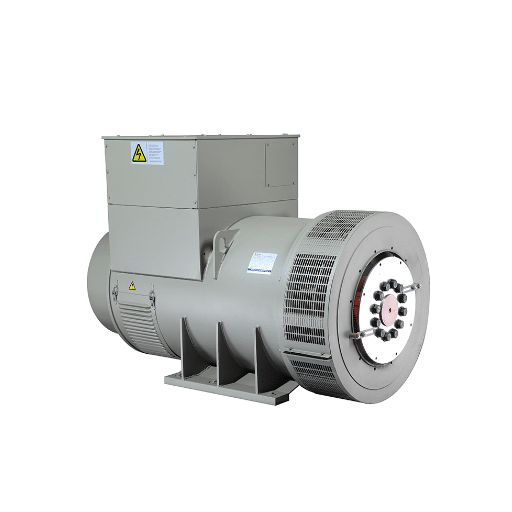
When you opt for a unit that is most likely to be very effective, working with models that appropriately sit with your unique power requirements, as well as the location, is key. To start, you should evaluate the generator’s wattage capacity so that it can track the peak load demands of your gear or facility. The models that incorporate the advanced inverter technology will be the ones to go for because this feature increases fuel economy and reduces noise levels, making them suitable for use in both residential as well as commercial. It is highly important to look out for the factors of reliability as well as timelessness when one is choosing the generator. In this regard, the generators that are supported by a very good reputation for their long life, and are further made attractive by the good coverage of warranty and positive customer reviews, are normally the best investment. It is suggested that one should also go for the models that require the least maintenance, like, for instance, the ones that have brushless alternators, among other things.
Key Features to Look For
1. Fuel Type and Efficiency
It is a fact that a modern-day generator goes with various fuel choices, among which are gasoline, diesel, natural gas, and propane. Many consumers prefer the diesel-powered ones because of their minimal fuel use, tidy emissions, and longer operational period. It is essential to reckon energy consumption on the same power generation level as it helps in choosing the cheapest option in the long run.
2. Power Output and Load Capacity
Another area to look at alongside is the power demand of the application for which the generator is going to be used and whether the power output of the generator is adequate. Evaluate models on the basis of their standby and peak power output to make sure that they can not only carry the constant loads but also handle the sudden start-ups caused by the inductive loads of HVAC systems or power tools.
3. Noise Levels
Noise is a crucial factor, especially in residential or event contexts where low noise is a top priority. Generators with acoustically advanced components like mufflers and sound insulation or those with inverter technology, which is a kind of internal combustion engine, thrum more gently and greatly help lower the noise level.
4. Portability and Design
One vital element for the less permanent and the transient power needs is portability. This is why lightweight models with attached wheel sets, as well as models with ergonomic handles, should be the first stop for a potential customer. The small size also contributes to a model’s being easy to store and transport.
5. Safety Features
Effective safety measures are the ultimate requirement for the sake of both the machine and the user. Overload protection, low oil shutoff, and a case of surge protection serve as a three-in-one system that ensures proper operations while at the same time filtering down the chances of mishap or damage.
6. Smart Monitoring and Connectivity
Modern generators are no longer just simple machines but also smart devices. Generators can be easily controlled and monitored from anywhere, thanks to the connectivity to the Internet of Things. As a result, the generators can collect real-time data like fuel levels and load outputs, while also giving maintenance alerts, which helps the owner to manage the system better and to detect faults even before any disorder occurs.
Inverter Technology and Load-Sensing Capabilities
Modern inverters in electrical equipment that are also portable now produce remarkably high power quality by minimizing the existence of harmonics, and this is an ideal case for the presence of extremely sensitive electronic devices like mobile phones, tablets, and medical apparatus. This comes while the clean, uniform current that is generated by means of high-grade electronics and microcontrollers turns the noisy electric power into a safe and steady form. Besides, a particular kind of technology, which senses the load and then adjusts the engine speed accordingly, lowers the fuel usage and thus the noise. Moreover, the other function that takes place is that the throughput of the generator is extended, while the ruggedness of the machine’s parts is decreased, which is like.
Reference Sources
- High-efficiency control for a wind energy conversion system with induction generator
IEEE Xplore - Thermoelectric generators for efficiency improvement of power generation by motor generators – environmental and economic perspectives
ScienceDirect - Designing high efficiency segmented thermoelectric generators
ScienceDirect
Frequently Asked Questions (FAQs)
What are the advantages of a linear generator for ultra-low emissions and saving fuel?
With linear generators, we are able to reach nearly zero emissions and enhanced fuel efficiency by simplifying the systems’ kinetic elements, and the combustion breakthrough that usually reflects in fuel saving and less fuel potentially used over hours-long operation. These generators may come into existence as cascaded in the microgrids, which would let them emit the power in the same way as large grid operators do. Their high energy efficiency benefits make linear generators an indispensable candidate for a variety of stationary applications. The units can be made uninterruptible if required for mission-critical applications.
How can fuel efficiency improve home backup use?
When it comes to fuel efficiency, one advantage is that the runtime is directly extended for both home backup systems and RV applications, thus less fuel will be required for longer periods of reliable power during outages or camping. The availability of dual-fuel and fuel-efficient inverter options empowers property owners to strike a balance between budget and power efficiency, thus drastically cutting the need for fuel, and the operating expenses are significantly reduced as well. For the case of home backup, fuel efficiency is not only about better resistance but also about the ability to meet the critical load demand without the overly-sized generator in terms of kW.
Can a fuel efficiency strategy reduce inefficient generators and improve affordability?
A strategy to enhance fuel efficiency results in the withdrawal of inefficient generators if a priority is under the models with eco mode, high runtime per gas gallon, and precise control over load requirements. Through a reduction in gallons of fuel consumed, operational costs get lower, and this in turn means the purchasing of backup power gensets or camping generators for RV and off-grid applications will become more affordable. Through the strategy of changing over to inverter gensets, using dual-fuel systems, and/or opting for units with remote electric start and smart load management, the achievable fuel cost savings can be stipulated.
Why choose a linear generator over a gasoline generator for dispatchable microgrid applications?
Linear generators can be an essential component of dispatchable microgrid applications because of their predictable synchronous output and ability to adjust output according to the requirements of the load power, which might be a difficult task for many gasoline generator designs. They are also generally more fuel-efficient, which results in decreasing the gallons of fuel, thereby also decreasing the total cost of the system, while the critical loads can be continually supplied. In case of a need for low emissions and ultra-low noise from a microgrid, linear generators often may exceed the performance of traditional gasoline generators, and they can even run for a longer time with fewer refueling cases.