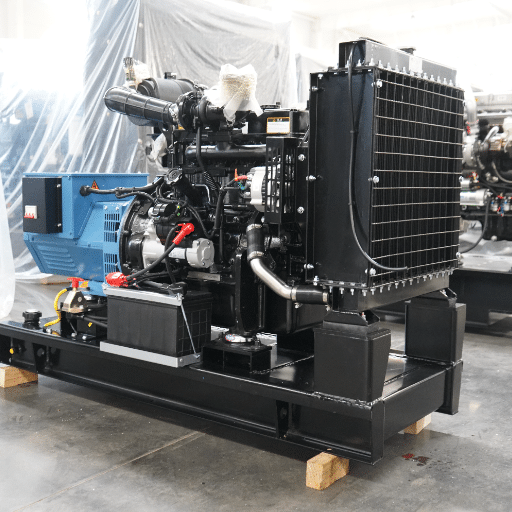


Selecting the appropriate generator demands consideration of more than just the power source; it demands a profound understanding of how efficiency, cost, and performance differ in diesel and gas generators. In this blog post, we will discuss the biggest difference in the efficiency of these two types of generators, more specifically focusing on such factors as fuel consumption, energy output, maintenance requirements, and environmental impact. Whether you require a generator for commercial applications, home backup power, or business continuity, professional awareness of these aspects can provide you with the understanding necessary to reach a proper conclusion. The final outcome of this study will be a better vision of the generator that will be the right fit to your operational needs, and will be within your financial reach.
Introduction to Diesel and Natural Gas Generators

Diesel and natural gas generators are two of the most widely used power sources for energy backup and primary energy needs. Diesel generators work by using the diesel fuel that has the highest energy content; thus, these generators become energy-efficient and reliable for industrial applications. In contrast, natural gas generators consume natural gas, which is, most of the time, the cheapest and cleanest fossil fuel because of the small amount of gases released.
The main distinct features among the aforementioned sources regard the price, efficiency, and upkeep. The Diesel generators are supposed to present themselves as the champions not only in terms of strength but also in the way they perform, particularly the ones for heavy loads, and thus they are mostly required in industrial settings. Yet generators using natural gas are the choice in areas the availability of the natural gas is good and without interruption: they have the progress of operation being clean and the impact on the environment as less as possible. Apparently, the selection of the kind as per the need, availability of fuel is and the operational goals will make it a necessity.
What is a Diesel Generator?
A diesel generator is a piece of equipment that converts the chemical energy stored in diesel fuel into electrical energy by a meticulously planned process. It is basically an internal combustion engine where diesel is injected into the combustion chamber and ignited by the high-pressure air resulting in the generation of mechanical energy. This mechanical energy is the force responsible for turning the rotor and the alternator connected to it, thus producing electricity. To generate power systems and to be a backup power source in these applications, diesel generators are becoming more popular due to their capability to operate for long periods with heavy loads. The efficient and reliable running of the equipment being the crucial factor, modern diesel generators are provided with the latest technology features like automation, load management systems, and emission control devices to comply with the ever-stricter environmental rules, and at the same time meet the efficiency and availability requirements.
What is a Natural Gas Generator?
A natural gas generator is one of the power systems that use natural gas as the main fuel. The major part of these generators is the engine, the prime mover of the generator, burning the natural gas and the engine produces mechanical power which is converted to electric power by the generator. The reason behind the popularity of natural gas generators used in residential and industrial sectors is due to the power they provide, the consistency of the operation, and the environmentally friendly nature of the system, which is more environmentally friendly compared to the diesel one.
The latest natural gas generators come equipped with sophisticated features such as live monitoring, if need be, start-stop system and environment-friendly exhaust systems which are in line with very strict environmental rules and regulations. They are especially appealing due to their more environmentally friendly operation, since burning natural gas results in a much smaller amount of nitrogen oxides (NOx), sulfur oxides (SOx), and particles being released into the atmosphere. Moreover, natural gas is found through readily available pipe networks and is hence a source of power that is both cost-effective and easy to access for the purposes of a stable power supply or just as a backup.
Overview of Fuel Types
Efficiency of Diesel vs Gas Generators

Diesel generators, more often than not, offer a higher fuel efficiency rate than gas generators. This is primarily due to the fact that diesel is a more energy-dense fuel. The diesel engine is made to operate at higher compression ratios that reduce the size of the fuel volume and increase the engine’s efficiency. It is a common practice for diesel generators to convert about 40–50% of the energy of the fuel into electrical power, while the ratio for the gas-powered ones is in the range of 30–40%. Still, gas generators may be more suitable if the availability of the fuel, emissions, or the cost of purchase are the main concerns. The question of which one to select from diesel and gas generators should largely be based on the user’s needs and the environment.
Fuel Consumption Rates
Fuel consumption rates differ a lot for diesel and gas generators because of the variation in fuel energy density as well as engine efficiency. One of the main reasons for lower fuel consumption when the power output is the same is the fact that diesel, with a higher energy content of around 35.8 MJ/L, is used compared to gasoline, which is just about 32 MJ/L. Thus, for example, a diesel engine with power transmission efficiency in the range 40-50% might consume anywhere from 0.2 to 0.4 gallons of diesel fuel per hour per kilowatt of power that is produced in the plant, depending on the load and environmental conditions. Conversely, gas-powered generators with efficiencies in the same 30-40% range might perhaps consume about 0.3-0.5 gallons of gasoline per kilowatt-hour in the same conditions. These numbers are affected by the size of the generator, the operating load, and the maintenance practices, all of which have an effect on the overall performance and the consumption of fuel.
Operational Efficiency Metrics
Operational efficiency in power generation systems is also established by factors like the type of fuel, the temperature outside, and how modern the power generators are designed. A tangible case for this is the use of diesel generators that come with the most recent electronic fuel injection systems that can also manage to have the highest fuel delivery precision possible, thus ending up with the performances above their best end as close as possible. Also, combined heat and power (CHP) systems, which are known to produce heat during operations, make power at the same time, and thus the heat is used, can yield efficiency over 70%, which is quite economically attractive for industries.
Environmental conditions are another factor that is equally important. The higher up you go, the lower the air density will be, making the combustion inside the engine less efficient, and that will lead to more fuel being consumed for the same amount of energy produced in kilowatt-hours. On the other hand, engines with turbochargers may get rid of this problem by also compensating for the performance decrease linked with the altitude. It is equally important to keep the engine service, minimize idling, and have clean air filters and injectors. Environmental conditions at high altitudes can have positive effects on the performance of fuel cells and this is due to the lower water pressure. The injecting, compressing, heating, and reacting, which are related to the operation of a fuel cell.
Real-World Performance Comparisons
Various issues related to examining the real-world performance of power generation systems are introduced such as fuel consumption rates, emissions output, and operational stability, which become the main factors to evaluate the efficiency of the system. Diesel generators, for example, when operated at sea level, usually show the highest fuel efficiency because of the best air density, while those operating at higher altitudes might present a significant decrease in output if not used along with modern technologies like turbochargers.
The most recent breakthroughs in hybrid technology are also showing the possibility of cutting down fuel consumption by up to 50% while keeping the output stability at maximum. For example, the solar or wind power units coupled with conventional engines in the same system have achieved a notable decrease in fuel usage under high demand periods. Besides, the evidence suggests that the dual systems issue emits 30% less greenhouse gas to the atmosphere, thus supporting sustainability and at the same time being reliable under different environmental conditions.
Environmental Impact of Diesel vs Gas Generators

The impact of the environment is a major comparison between Diesel and gas generators. Primarily, Diesel generators contribute to the highest amount of nitrogen oxides (NOx) and particulate matter emissions that contribute to air pollution and health hazards. Despite that, the Diesel generators are still the first choice in more cases because they are always more fuel-efficient than gas generators and hence have lower carbon dioxide (CO2) emissions per kilowatt-hour of energy produced. On the other hand, Gas generators produce less NOx and no particulate matter emissions; however, they can be a source of methane, an important greenhouse gas, especially if the generators are not maintained properly. It is interesting that the choice of gas generators versus diesel generators according to environmental considerations depends on the use case and priorities of each user, e.g., air quality improvement or greenhouse gas emission restriction.
Emissions and Pollution
A lifecycle analysis presents a full comprehension of environmental impact from production to disposal when one is looking at emissions and pollution. Refining and combustion processes play a major role in the carbon footprint of diesel generators which on average have a higher carbon emission due to these two stages. Specifically, the combustion of diesel fuels causes 2.68 kg of CO2 per liter burned in addition to noticeable amounts of nitrogen oxides (NOx) and particulate matter (PM). On the other hand, gas generators, even if they are emitting less CO2 during operation, around 1.92 kg per cubic meter of natural gas, might still be partially responsible for methane leakage during the extraction and transportation stages. Methane, which is over 25 times more potent in global warming than CO2 over a 100-year period, is a major issue in the gas generator supply chain.
Moreover, technology is evolving so as to remove the pollutants. The gas generators generally also use catalytic converters to lower NOx emissions further, while diesel generators can also use particulate filters to reduce PM output. Still, the whole issue is whether the plants (or the systems) are being well taken care of with the necessary regular maintenance and adherence to the regulatory standards, which is a requirement for the equipment to be efficient. Therefore, the life cycle concept points to the need for operating efficiency to be balanced against the environmental trade-offs on a global scale.
Long-Term Environmental Considerations
The critical environmental consideration for the long term is the shift to the use of renewable and low-carbon energy rather than conventional generator equipment. According to the new studies, the hydrogen fuel cells and solar-powered systems can be very promising and environmentally friendly options due to the low emission of greenhouse gases from their operation. Besides the battery storage technology progress, the renewable source becomes practical because of the possibility to store energy and have a steady supply of energy in situations with variable conditions.
Another area is about the impact of using generators and assessing their environmental impacts over the years. Over the years, even the smallest fuel combustion inefficiencies or lapses in maintenance could add up to become big carbon footprints in the long run. Moreover, the disposal of the waste from the generator, such as the Lead-Acid batteries or the worn-out filter, is hazardous as it can lead to the contamination of soil and water if recycling protocols are not complied with.
In order to overcome these difficulties, the market is being affected by the emerging policy frameworks like carbon pricing and the mandatory emissions reporting system. Innovations in design, like the modular generator systems, result in a better scalable product with less resource wastage. Therefore, it is the combined efforts of technological advancements and regulatory measures that will direct industries towards more sustainable ways.
Cost-Effectiveness and Maintenance

Generator systems can be costly for the company’s budget if the company does not pay attention to the three sources available to the company: energy efficiency, design durability, and resource use optimization. These are the areas where the well-advanced models would first focus on minimizing the cost of the operations by lowering the fuel usage and incorporating automatic features to prevent the need for manual intervention. The modular type of system design makes maintenance expenses relatively low in the long term because one can work on one unit or even replace one unit rather than overhauling the whole system.
These answers are just a part of the story, so be loyal in making the best decision that fits your company. It is really important to the suppliers that regular visits are made to their sites. The same goes for monitoring wear-prone parts like filtering materials, bearings, and cables. To spot potential problems ahead of time, the right tools are always at hand. For instance, sensors and analytical software are quite helpful in the monitoring field. It is a win-win situation when all the mentioned practices are put side by side; running costs are cut dramatically, yet system performance is still maintained.
Initial Costs of Diesel vs Gas Generators
There are various points that need to be taken into account when stating the initial costs of the gas and diesel generators – cost of purchasing, installation specifications, and infrastructure involved. The purchase and setting up of a diesel generator can be more costly at the time of purchase due to the fact that it usually has more robust construction and therefore higher fuel efficiency capabilities appropriate for industrial use. This is contradictory in the case of gasoline-driven generators, which are mostly of a lower cost at the time of purchase, thus making them perfect for applications of low scale or even residential use.
Moreover, diesel generators often justify their high setup costs because of the need for specific noise reduction and ventilation technologies to work well. Gas generators, on the other hand, may be very basic construction-wise but they could require the building of a pipeline for connection to a constant natural gas supply, which can make the installation much more costly, especially in areas with no existing gas infrastructure. Detailed cost analyses have shown that even though the up-front cost of diesel generators is much higher, they still may be more cost-effective because of the greater strength and very long operation life expected from them, thereby becoming the best choice of energy source in case of high levels of demand over a long time period.
Maintenance Requirements and Longevity
Being critical for longevity and making sure that the operational reliability of diesel, as well as gas generators, is maintained, proper maintenance should not be overlooked. One of the reasons diesel generators are popular is their solid quality and the fact that they can handle extensive use for long periods. The most common methods of maintenance for diesel generators are oil changes, changing fuel filters, air filter checks, and conducting system diagnostics to avoid carbon build-up on top of other things. Regular maintenance activities can keep a diesel generator running at an affordable price for approximately 15,000 to 20,000 hours or even more if the maker and usage intensity are taken into account.
While gas generators are known to run much cleaner and therefore don’t need to be serviced as often, they still have needs that must be taken care of. These needs often include spark plug replacements, ignition system checks, and fuel line cleaning from time to time. Gas generators can be fussy about fuel quality and environmental conditions, with this aspect affecting their performance in the long run. Still and all, a gas generator that receives regular maintenance can reach a life span of about 10,000 to 15,000 hours, although the figures may differ depending on the type of unit and resource consumption.
Comparative figures suggest that gas generators, though needing a bit less attention for the short term, still do not compare to diesel generators, which are recognized for better endurance and operation. Industries that need to have a constant supply of electricity are more inclined to use diesel systems because of the longer time between services and the better performance through the heavy-duty cycles.
Operational Costs Over Time
When evaluating the expenses related to the normal operation of machines that generate electricity through a specific method, it’s a combination of several important factors like fuel usage, required maintenance, and the cost of purchase at the beginning of one’s venture. Nevertheless, on the upside, diesel generators are the best option for a long-term, full-time, or heavy-load usage situation, as they usually have high fuel efficiency rates. Besides, diesel engines are characterized by low requirements for maintenance in terms of less or no need for lubricating oil and their robust construction.
Gas generators still hold the reputation of having lower initial costs, thus creating the attraction of them being the chosen option for as long as they are used for a few weeks or months. Yet by using a cheaper and less-efficient gas source resulting from this and due to the fluctuations in the price from region to region, the cost of fuel can still be very different from one year to the next.
Additionally, it is necessary to acknowledge that the progress in the design of the generators, with the Tier 4 emissions standards usage, and the introduction of the automated energy management systems would lead to the improvement of the operational efficiency for the diesel as well as the gas models. These innovations can play the role of further influencing the cost-effectiveness of the generators with various types of applications. This can be a very motivational factor that will lead to a more thorough financial analysis before deciding on the best system of all.
Practical Applications and Use Cases

Diesel generators are a common sight in industries, such as hospitals, data centers, and manufacturing plants, that need a steady and reliable source of emergency power. It is thus that they are loved like nobody else when it comes to the power supply. The other side of the coin is gas generators. This type is much more efficient in places like households and business establishments where the issues of quietness and environment are given priority. On the other hand, their operation is very quiet and environmentally friendly, so you would probably not notice your neighbor has one until you see the power being out for a long time and being the only one to have the lights on. In addition, these systems are perfect for gas-infrastructure areas since with them, it is possible to save tremendously on the fuel storage cost.
Residential Use: Which Generator is Right for You?
The very first thing you need to do when choosing a generator for residential purposes is to evaluate the power demand of your home. By figuring out how much power the refrigerator, air conditioning, plus medical devices are using in total, you will be able to infer the power rate needed by the generator. Standby generators are the best alternative for houses wanting backup power during an outage. These are installed for good and will be automatically switched on at the time of the power cut, giving power ranging from 7-24 kilowatts, all depending on the model.
While the portable generators, on the other hand, are to be set up as a more convenient and cost-effective option to portable fuel cells for small-scale tasks or temporary use. They have power ratings in the range of 2-8 kilowatts and are therefore appropriate for the provision of power to a limited number of appliances. One major inconvenience with them is that they need to be manually switched on and off and placed in a well-ventilated area so as not to produce carbon monoxide.
For improved efficiency and durability, home occupants can consider inverter generators. These units are quieter, less consuming, and more green, clean energy-producing for sensitive electronics. The comparison of the noise level, the type of fuel (e.g., gasoline, propane, or natural gas), and the runtime can also help in narrowing the list of suitable generators. In this case, the choice of a modern generator is fortified by the presence of tools like remote monitoring and automatic load management, which provide more comfort and control for the house residents.
Considerations for Businesses
When it comes to generators for business applications, evaluating operational needs and giving priority to reliability to support the systems that are truly important are among the most important considerations that have to be made in the generator selection process. The companies should evaluate their peak power needs and the manufacturer’s capability to keep the essential operations going, should the power outages occur. Among the criteria are fuel efficiency, maintenance costs, and proper emission requirements compliance, these last ones being especially important for industries with strict environmental regulations. Certainly, the advanced technology of modern generators also includes automatic transfer switches (ATS), which are a great help in powering things that otherwise can’t function at the exact moment of power loss, as well as supervise power quality and generator status.
Reference Sources
- Variable Speed Diesel Electric Generators: Technologies, Benefits, Limitations, Impact on Greenhouse Gases Emissions and Fuel Efficiency
Access the article - The Impact of Diesel/LPG Dual Fuel on Performance and Emissions in a Single Cylinder Diesel Generator
View the research - Increasing the Efficiency of a Diesel-Generator Power Plant
Read the article
Frequently Asked Questions (FAQs)
Which has lower fuel consumption?
Unlike gasoline models, diesel generators are known to control fuel use more effectively per kilowatt-hour because the thermal efficiency of diesel engines is typically higher. For this reason, when speaking in terms of continuous or heavy-load applications, a diesel generator will usually use less fuel to produce the same amount of power, therefore, improving the engine’s fuel performance generally. The gasoline engine might not be as efficient during continuous use and may consume more fuel per unit of power. Fuel consumption is also influenced by load factor, engine tuning, and maintenance; thus, it is always recommended to run any generator at the most efficient load to get the benefit of maximum efficiency.
How does the runtime compare between a diesel and a gas generator?
Runtime heavily relies on the capability of the fuel tank, cargo weight, and the efficiency of the engine; the same load size and fuel tank capacity may still lead to a prolonged runtime in the case of a diesel-powered generator, since they consume less fuel per kW. Diesel units are among the most commonly used power backup systems for prolonged power failure occurrences simply because they have bigger possible tank sizes and more economical fuel consumption in the first place. On the other hand, though gas-powered generators are perhaps more portable and more affordable, in most cases, they have to be refilled more often in order to deliver the same amount of energy.
What are the maintenance differences when comparing a diesel vs a gas generator?
One of the reasons that diesel-powered generator repairs cost more when they are new is that the maintenance requirements of some of the fuel injectors and turbochargers of the components are too high. Diesel generators have certain advantages for maintenance in the long run because they have no ignition system like gasoline engines, and therefore less frequency of spark plug and carburetor servicing is needed, albeit this might be challenging during the initial startup; moreover, though the fuel may be more expensive and the operation of the diesel engine a bit noisier. However, the convenience of the gasoline models is the main argument for their purchase, as gas generators can be fueled up at a gas station during any blackout, and their operation is much quieter while also being less expensive than diesel.
How do emissions and environmental impact compare for a diesel vs a gas generator?
Diesel generators typically produce higher emissions of nitrogen oxides (NOx) and particulates than gasoline-powered generators. However, currently, diesel engines that implement aftertreatment systems have their emissions considerably reduced. Gas-engine generating units typically produce lower particulate emissions, but they may emit more carbon monoxide under certain conditions. Besides, efficiency has an impact on emissions per kWh: while more efficient diesel units can cause less overall emissions for the same amount of energy supplied compared to less efficient gasoline units, gasoline generators can be the cleaner option among the two.