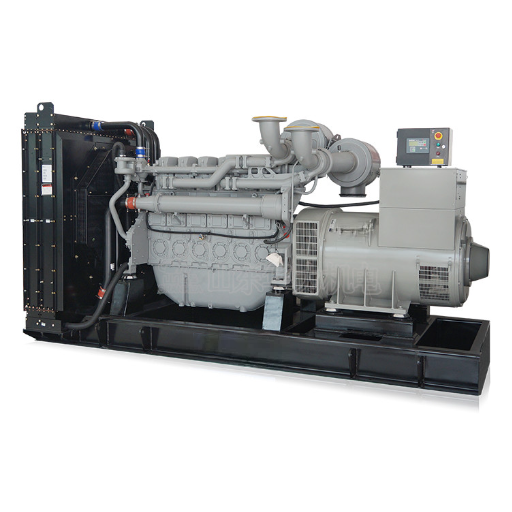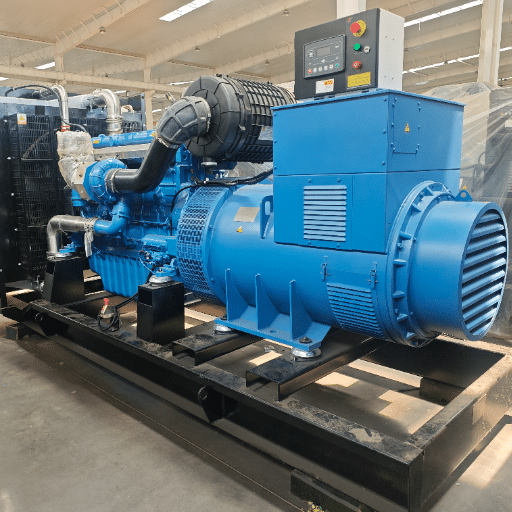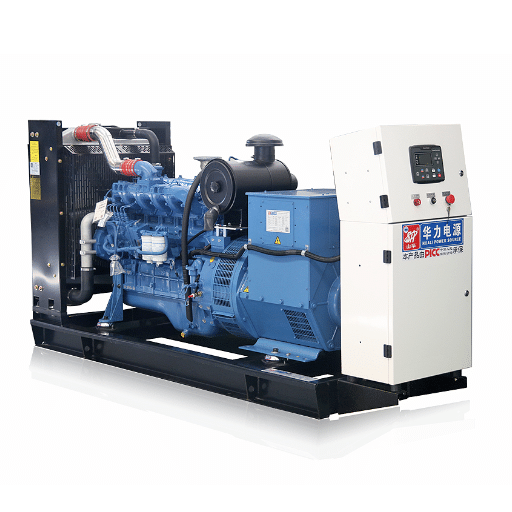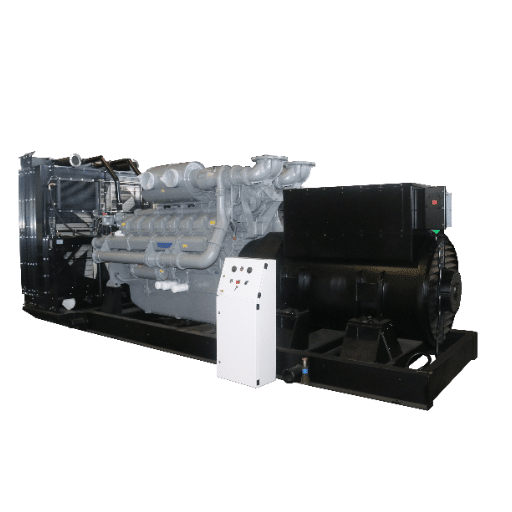


In this Internet era, industrial generators are crucial to power requirements across many sectors: from healthcare to manufacturing, real estate, and data centers. The buying behavior in industrial generators has greatly changed due to global industries’ increasing demands for reliability, efficiency in energy, and sustainability. Today, a buyer is looking for more than power output-they are evaluating other advanced features: fuel flexibility, compliance issues tied to emission standards, and intelligent monitoring capabilities. This narrative will seek to unravel the latest transformer trends in the industrial generator business, identify the leading players of innovation in this market, and offer insights on what businesses need to consider while choosing a generator that fits their specifications. Whether you are an engineer or an office executive seeking power backup solutions, this book will provide you with some practical tips for staying abreast of the quickly changing market scene.
Overview of Industrial Generators

Industrial generators are essential systems that need to be able to function where there is an insufficient primary energy source or any interruption. They are used in almost every industry, from manufacturing, healthcare, and construction to data centers. These units convert mechanical energy into electric power, and they can be categorized according to the type of fuels that they use, e.g., diesel fuel, natural gas, or bi-fuel. Moreover, even recent models have shown improvements in efficiency or emissions suppression and have become equipped with control and monitoring systems. Therefore, these gensets in portions and are more active for the environment. The proper selection of a generator depends on the ability to provide the needed power, the operating environment, and long-term costs.
What is an Industrial Generator?
An industrial genset is a heavy-duty mega-machine manufactured to produce power for hardy or consequential applications. Firms such as those in manufacturing, health-related businesses, data centers, and construction, which badly require an uninterrupted power supply, would use such engines, machines, or systems. Industrial generators have many mechanical devices that convert mechanical energy generated by some sort of internal combustion engine or a turbogenerator into electrical energy by an alternator. They are made big to grant electrical output conditionally for a very long-lasting dwelling period, supporting their usage under unforgiving operational conditions. Supported foils add fuels that can be operated by the generator, such as diesel, bi-fuel, or natural gas, each with its own set of advantages primarily related to analytical efficiencies, operational availability, or running expenses. In addition, modern Industrial generators also utilize advanced technologies to serve a variety of purposes, including automatic monitoring systems, emissions-reduction systems, and real-time monitoring, all developed to comply with established environmental initiatives while ensuring even greater reliability from machinery. Consequently, to clearly understand how industrial generators can be considered useful under different specified capacities regarding operational requirements, fuel economy, and the maintenance obligations over the long term.
Importance of Industrial Generators in Various Industries
Industrial generators are indispensable about industries for their copious generation of stable power during outages, emergencies, or areas plagued with unstable grids; this helps ensure the consistent industrial processes, and hence, they are heavily relied upon to maintain such demands as in healthcare facilities, manufacturing lines, data management centers, or in installing large-scale constructions by avoiding costly interruptions to work, damage or loss of machinery, or the interruption of strategic infrastructures or life-critical processes.
- Healthcare: A hospital’s value just cannot be well envisaged without its life machines, including life support systems, cryogenic equipment embedded with various gadgets for patient monitoring, and emergency lighting, which hugely depends on power generated through a diesel genset during sudden power failures. It is the lifeline for many patients undergoing critical conditions.
- Manufacturing and Production: Breakdowns like power surges will not only see a breakdown in the production line but will also inappropriately affect the production workforce, with a likely huge or hefty financial stake. Industrial gensets hence produce the ultimate solution for a smooth operational system and continuity for production, maintaining the required power for the manufacturing systems and automated systems as well.
- Data Centers and IT: The data centers require a continuous power supply, as even momentary outages can corrupt data, disrupt service, and result in serious downtime. Backup power generation is mostly used in the form of industrial generators and is installed to keep servers and IT systems operational.
- Construction: Many remote construction sites are de-energized and not connected to the electrical grid. Since the generator is the single most common power source, heavy machinery, tools, and lighting for engineering purposes are provided by industrial gensets for project efficiency and safety.
Key Insight: By addressing sector-specific requirements, industrial generators contribute to economic resilience through reliable power solutions, which have become indispensable to modern infrastructure and industry.
Types of Industrial Generators
There exist distinct types of industrial generators that can satisfy different applications by their layouts, power supplies, and main activities. The main considerations among them are:
- Diesel Generators: Diesel generators are very popular on account of their durability, high energy efficiency, and reliability. The generator is designed for both prime and stand-by power applications, so it is expected to be popular in places where industries need the generator to be always ready to function in all conditions.
- Gas Generators: Those generators are working using propane or natural gas; gas generators offer fewer emissions offered by diesel fuel. Gas generators are designed for areas where a low-cost fuel line is consistent and, therefore, may be used within economies geared towards environmental pollution.
- Portable Generators: They are smaller and can be moved around; portable generators provide temporary power solutions meant for smaller establishments and during emergencies when they must be run for a stipulated period. They cannot be run for a long period but are a perfect selection for light-duty jobs and short-term power requirements.
- Industrial-grade standby generators: These were designed exactly for incidents like these. Engineered to deliver automatic backup power systems, these deliver continuous output to back up main stations of power like data centers, hospitals, and facilities needing emergency backup power.
- Renewable energy generators: These are backed by solar energy, wind energy, or hybrid technology. Meanwhile, they serve purposefully but less frequently in the grand design of the subject because of current incremental advances in producing, storing, and recycling electrical energy.
So, the various types of generators fit well in the various rungs of the environment to serve desired energy reliability as specific to industry mandates.
Leading Generator Manufacturers

Within the industrial and commercial applications, several globally renowned manufacturers stand out for their innovation, reliability, and comprehensive power solutions:
Caterpillar (CAT)
Globally renowned, Caterpillar (CAT) is best equated with highly diesel and gas-operated generators delivering reliable power solutions.
Cummins: A Reliable Choice
Cummins enjoys a worldwide reputation for making unquestionably reliable, robust generators adapted to many applications. They are specialists in generating sets of diesel and natural gas for small loads and huge industrial requirements. These generators are designed with thorough technology, thus they boast top efficiency, minimal emissions, and excellent compatibility due to their proper integration with an existing installation. Cummins not only offers a supreme backdrop of essential services to customers but also provides upkeep, heads with parts, and offers technical expertise via its global network center. Above all, these are products in which the quality cannot be compromised and is the first consideration, alongside robust design and endurance. These are some of the factors that have boosted customer demands in the health sector, particularly data centers of today, and utilities too.
Generac: Innovations in Power Solutions
Generac is a prominent manufacturer of energy technology and power generation systems, renowned for creating innovative products and solutions to cater to high-end residential, commercial, and industrial requirements. The products range from standby generators, appliances that are useful for a variety of needs and circumstances, to modernized back-up energy systems small enough to fit into the abode. The energy storage system designed by Generac is ruggedly efficient and scales to meet the demands of a rapidly evolving energy era. Generac offers alternative energy configurations, such as natural gas, propane, and bi-fuel, in a bid to provide the best instruments once sustainable homes or commercial buildings are considered. Generac’s smart grid technology advances, using customized software control, and adaptive demand in response to demand channeled into its variety of feed-in systems with a suite of technologies and backup technical support. From renewable energy solutions to transmission, Generac is at the pinnacle of energy solutions, dealing with bold solutions with the promise of premium performance, reliability, and value.
Kohler: Quality and Performance
Kohler is a renowned provider of generators known worldwide for their state-of-the-art technology that offers consistent, high performance throughout residential, commercial, and industrial applications. Engineered with the best technology, Kohler generators provide critical on-demand power with minimum downtime due to better propulsion. Generators by Kohler almost always come with an array of top-quality components: heavy-duty engines, environmentally corrosion-resistant enclosures, and a modern control panel designed to all meet for seamless installation and operation as well as durability. Deep product testing generally supports all of Kohler’s generators to meet the industrial guidelines, thus making sure nothing ever goes wrong for further on-site installation. Propane, natural gas, renewable energy sources, and fuel-efficient generators drive the environmental agenda as the main strategic point. A history built on innovation and exceptionalism continues to place Kohler in the highly esteemed past, and it is an equally reliable brand for generating power the world over.
MTU (Rolls-Royce Power Systems)
Providing very solid and efficient generator equipment, MTU strives to support product applications in areas for large-scale operations, such as data centers and crucial infrastructures.
Industry Leaders: These firms are household names in terms of generation, offering solutions for reliable power for diverse consumer needs.
Diesel Generators: The Backbone of Industrial Power

As backup power solutions in industries, diesel generators constitute critical infrastructure equipment. Their robust construction as well as torque characteristics, make them the ideal choice for heavy working conditions, starting from manufacturing plants to construction sites. Diesel engines are characterized by fuel efficiency and durability, with minimal maintenance hours. They can sustain longer operating hours. Modern-day diesel generators are characterized by features like automatic load management, noise reduction technology, and emissions control systems. They adhere to globally recognized standards like ISO 8528.
They are highly scalable to be used from small installations to powering entire grids in periods of prolonged blackouts. Because they have a lower cost per kilowatt, their overall cost makes them a judicious choice. More diesel generator options are utilizing hybrid systems and integrating efficiently with renewable energy sources for achieving energy sustainability. In this context, without losing much-needed output stability.
Advantages of Diesel Generators
Durability and Reliability
Diesel generators are known for their durability and reliability, even facing high loads and adverse environmental conditions. Reliability is higher in comparison with most generator types because a lower number of operational failure points can occur with solid simplicity, supporting the operation of a continuous power system whenever it is needed in most critical-period circumstances.
Fuel Efficiency
Diesel engines are more fuel-efficient than gasoline engines because they have better fuel consumption, especially when running at high loads. This results in lower fuel consumption per kilowatt-hour cost for fuel, hence reducing costs in the long run.
Long Life and Low Maintenance
Diesel power generators can run for several decades if cared for. They require less servicing than other types because of their solid internal components or lower combustor temperatures, reducing wear and tear in operation.
High Energy Efficiency
Diesel generators produce solid, reliable power, which makes them ideal for applications that range from residential backup to large and complex industrial and commercial applications needing extensive power outputs.
Safety and Fuel Availability
Diesel fuel is less volatile than gasoline, which enhances the safety of its usage and storage. In addition, diesel is quite common and very easily accessible in emergencies.
Compatibility with Hybrid Systems
Nowadays, many modern diesel generators are capable of being integrated into renewable energy systems, such as solar and wind, to produce good hybrid system solutions. These combinations can create sustainable power systems, which are synonymous with reliability and sustainability as well.
Summary: Within various applications, diesel generators have proven pivotal in maintaining a balance between cost, reliability, and performance in power systems worldwide.
Comparison of Diesel and Gas Generators
For proper use, one must also examine other determining factors in favor of diesel or gas generators; notably, are diesel generators more fuel-efficient?
Fuel Efficiency
The former of the diesel generators turns out to be diesel efficient, with gasoline generators lagging, especially under load. This is attributable to the higher energy density of diesel fuel and its inherent series diesel-combustion combustion-engine push-ignition procedure. Gasoline generators, while a bit inefficient in general, might get the upper hand if the supply of natural gas were properly maintained or economical.
Cost of Operation
Due to the relatively low cost of diesel fuel, the overall running costs would be less for diesel generators because diesel fuel consumption is not so great in dependency upon load. Also, their rugged ability for use and lower maintenance frequency saves some money. Gas generators, conversely, could be used within reasonable fuel costs, especially in those areas where the cost of gas is low, but they will also need maintenance more frequently.
Need for Maintenance
The lesser number of components and simpler mechanics in diesel generators make repair easier. Gas generators, on the other hand, have to go through more routine maintenance, experience higher temperatures, and are given a much higher likelihood of carbon buildup in the generators.
Environmental Impact
Comparatively, gas generators pose a lesser risk to shared air than diesel about the of emissions of nitrogen oxides (NOx) and particulate matter (PM), thereby encouraging environmentalism. Diesels, however, have begun to mitigate their environmental emissions, employing forms of selective catalytic reduction systems for air pollution control.
Performance and Reliability
The diesel generator is, first of all, one of the most rugged and dependable units, not to mention its ability to run for decent periods; hence, its complete relevance to industrial and emergency backup. Gas generators are most suited for light industrial buildings or residential areas, in particular those where gas is supplied without constant.
Fuel Availability and Storage
Diesel fuel is more available in remote locations and easier to store for a more extended period with minimal degradation. Gas generators rely on a direct gas supply, which might lead to pipelines or large storage solutions, thereby making it inefficient for off-grid sites or emergency use.
Conclusion: In the end, the choice between gas and diesel generators comes down to individual applications, with factors like load requirements, environmental considerations, budget constraints, and fuel availability contributing to the decision-making process. Each type has very specific advantages, and careful weighing is mandatory before making the appropriate choice.
Top Diesel Generator Brands
Considering some reputed diesel generator brands, the following names are commonly recognized as reliable power generators because of their excellent performance, durability, and technically advanced features:
Caterpillar (CAT)
Caterpillar is a well-established leader when it comes to providing reliable diesel gensets worldwide, which is touted as versatile and robust, designed in a way to provide good performance in both prime and standby applications. And the steady power output is indeed the quality they have. More essential, Caterpillar gen-sets have distinguished themselves through sophisticated controls, thereby following the most stringent emission norms.
Cummins
Cummins diesel systems are a renowned maker of top-quality power generator sets that harness the power of technology to increase energy efficiency and performance. They come with well-integrated intelligent control panels and thrifty consumption of the fuel in either–varied–industrial and commercial setups. Cummins speaks highly of reliability and the low cost of operation for catering to the different demands of the market.
Kohler
Kohler is more favored for its power systems, most especially in critical power needs, over any other in its diesel generator class. Kohler gensets are designed with the capacity to withstand the varying loading conditions that may transpire with time, and are further constructed for optimal performance. Indeed, noise reduction and environmentally-friendly operations are but a keystone to Kohler’s extremely reputable status.
Selection Tip: All of these brands have a set of strong advantages in the market, rendering them the best choice when consistent diesel-based solutions are required for business and industries. We have to make our choice by factoring in the specific power capacity required, load demand, and the operating environment.
Trends in Industrial Generators for 2026

In 2026, the main areas the industrial genset arena shall focus on are the sustainable measures, connectivity, and a greater focus on energy efficiency. Manufacturers have looked for good ways to incorporate renewable energy resources into their generator systems, which call for different hybrid systems. Basically, in combinations of solar-diesel technology to reduce greenhouse gas emissions and boost the efficiency of the power generation systems. Industry adoption of connected and smart initiatives, enabled by IoT, will provide control over the performance optimizations—maintenance schedules, diagnostics, and run-time monitoring in real-time. Furthermore, growth in interest has become visible, with the potential of a modular and scalable solution that may help businesses to run more flexibly in response to their fluctuating power demands. These trends are fairly indicative of a transition in the industry towards professional innovation and an ever stronger consideration for the environment.
Emerging Technologies in Generator Design
The new generation of motor designs is already underway, becoming game-changers with their high efficiency, flexibility, and sustainable use. Advanced power systems today can marry renewables like solar and wind with conventional fuels to create hybrids. It is through hybrid power systems that these new systems help reduce emissions and energy dependence by managing power through a digitally controlled smart energy management system to maximize power distribution and storage. More advanced options include AI and IoT technologies that facilitate real-time diagnostics and machinery monitoring, and solutions for predictive maintenance. Through the use of impending failure warning and restoration of a possible hazard (i.e., real-time!), this keeps the reliability statement on board. Furthermore, modular and scalable concepts of design are now looked upon as futuristic, which may hence enable any industry to continue with the design in the expediency of investment-adjudged better optimum optimization, and hence more operational opportunities. Such advancements emphasize the urgent requirements needed for a green milieu of resilient electric generators.
Sustainability and Eco-Friendly Solutions
Sustainability in power generation depends on minimizing environmental impact but also delivering energy with utmost efficiency. A couple of key solutions are renewable energy sources, i.e., solar, wind, and hydropower, which reduce greenhouse gas emissions to a far lower degree than that of conventional fossil fuels. In addition, better battery storage systems, such as those in lithium-ion or solid-state technology, would integrate renewables nicely with the grid and keep the grid running with good energy from times of lower production. Energy efficiency is therefore paramount, with innovative technology like the smart grid and energy-efficient appliances serving to minimize energy consumption as a whole. And some other attempts to mitigate emissions from already-built power plants come: carbon capture and storage, or CCS. Collectively, these remedies thus transform the energy sector by making it more compatible with global sustainability while preparing for a cleaner, more resilient energy future.
Market Demand Projections
The energy market is expected to enjoy a significant demand growth in the following decades, arising from worldwide population expansion, urbanization, and technological advancements. Cost-effective sources like solar, wind, and hydropower are in favor of consideration, along with a few special government incentive schemes, as per the public’s mounting cry for sustainable alternatives. With the given level of growth, the global trend in the green energy sector is anticipated to run at a CAGR rate of approximately 8-10% to 2030, with a major part of this coming from solar photovoltaics (PV) systems. In addition to this, the increased use of energy storage and EVs will create additional space for real growth in clean energy demand in an economical manner, implying several utilities for grid integration and smart energy solutions. Thus, in virtue of these happenings, an underlying drive is coming up to shift the energy market toward an era of decarbonization and resilience in words that underlie economic, environmental, and policy persuasion.
Choosing the Right Industrial Generator

| Factor | Description |
|---|---|
| Power Requirements | Determine the total power load requirement by considering the load ratings of all equipment and systems that the generator will support. This includes both starting and running watts. |
| Fuel Type | The most logical fuel source to utilize should align with the available operational priorities. The types commonly used are diesel, natural gas, and propane, each offering an advantage in terms of efficiency, cost, and storage. |
| Run Time and Efficiency | Inspect the generator to evaluate its energy efficiency and tank capacity, guaranteeing that the generator can run the entire duration without requiring constant refueling. |
| Environment and Location | Check into environmental considerations for ventilation, noise restrictions, and climate for the installation of the generator so that it fits properly. |
| Reliability and Maintenance | Select a generator from a brand that is renowned for its reputation and has less downtime. Good after-sales service and less maintenance also weigh in. |
Key Takeaway: By carefully evaluating these factors, one can opt for a generator model in industrial usage that meets operational requirements, is efficient, price-friendly, and comes with reliability as a key characteristic.
Factors to Consider When Selecting a Generator
How can I specify the right generator size?
In order to choose a generator correctly, you need to calculate the total wattage for all the devices and appliances you would like to have running at the same time. Another important thing to calculate is the surge rating, or otherwise, the wattage the appliance would need in its startup mode. One can further his calculations by using a generator-size tool online or just step to an electrical engineer to confirm his calculations.
What fuel type should I go for?
Fuel types do compete unequally when compared; nevertheless, it is necessary to look out for availability, cost, and environmental issues. For the most part, a diesel generator can be largely considered an efficient source of energy with longevity. Cleaner emissions come primarily from natural gas. Propane gas is likely to be an option that is flexible and constant. Make plans to ensure that the drilling and refueling logistics are in line with your operational policies.
How can my facility’s infrastructure be certain that it is compatible with the generator?
Be sure to match the generator’s voltage, phase, and frequency specification with your facility’s electrical system. Also, the mechanism for interfacing with such things as existing transfer switches, load-shedding systems, and electrical panels might need to be considered. This way, smooth running and avoiding any snags during power transitions would be ensured.
Important: Look into the general concepts listed above-such information can help accelerate the process of making a decision, eventually causing the generator selected to match your power requirements and operational constraints.
Tailored Solutions for Specific Needs
I assess the power needs of my equipment and systems, making sure of the potential match between generator capacity and load fluctuations under operational conditions. Identification of the compatibility of the machine vis-à-vis my facility’s power spec and an appraisal of how a generator might fit in with my projected electrical use case are of utmost importance example, safeguards, transfer panels, and load management. Granted, it will certainly help me in making selections that maintain continuity in power with no hiccups for primed integration within marketing availability.
Future-Proofing Your Power Supply
If you want your power backup to be competent for the future, the first step is to understand all loads, as they exist over time, plus whatever other loads might occur for future expansion. Run the existing and peak loads together to find out what you want and compare it to the specifications for that specific engine. Their capacity will be matched to the voltage and frequency requirements of the facility so that the system can run as it should with maximum efficiency. Mismatched requirements will lead to hanging systems and lots of maintenance, as usual.
When reviewing integrated capabilities, consider transfer switch compatibility as well as load management capability and any automation features the generator might have. Preferably, the system must be scalable, accommodating upgrades in capacity with growth. Fuel type, availability of fuel, estimates on the cost of operation, and dependability should be considered. Additionally, a remote-monitoring facility, predictive maintenance (PM) capabilities, and advanced control systems for modern generators translate into long-term benefits.
Serious consideration should be given to matching the power source system with one that can bear long service.
Reference Sources
Title: “A Battery Charging System from a Spinning DC Generator”
Title: “The potential market applications of distributed generation of electricity”
Naval Postgraduate School (NPS) Archive
Title: “Small-scale air-driven generator”
Frequently Asked Questions (FAQs)
What are the key upcoming industrial generator trends of 2025, and why are they considered important?
The primary industrial genset trends of 2025 are focused on enhanced efficiency, with even more emphasis on an integrated and modular power architecture with highly effective remote monitoring capabilities. As the generator sector continues to grow amidst numerous product and application verticals, it has become necessary to have the capabilities that mean unique value to the end-users. Higher demands for flexible power and high-capacity gensets will be seen due to grid power instability, along with increased applications for emergency power or prime power. For industrial facility managers and operators, scalability and reliability are key, and market trends thus will continue toward digital control options and cleaner fuel options, and modular architecture that will help businesses grow with minimal downtime.
What should a facility manager focus on when looking for a generator set for emergency power supply?
Facility managers will need fuel type (diesel is widespread) as a major priority for an emergency generator, particularly few other considerations would including KW size, desired response time, automatic transfer switch compatibility, and remote supervision. An attractive feature that shall guarantee efficient hook-up to future enlargements is system scalability with a generic modular design, which needs to be maintained as per a well-defined, scheduled plan for the generator to start promptly in the event of a power failure in the grid. The customer should judge whether such a generator is for backing up the main power supply or for running this building in the normal course of affairs, as some allied regulations will always govern system build and parts-supplier access.
Used Generators for commercial power? Can reliability be assured?
From this way of phrasing, the cost-return rule prefers the husky set if it has been fully examined, serviced, and witnessed. For minor asks only, in the backup demand additional capacity; certain vitally important businesses demand the power delivered by locally authenticated service models and warranties. The incumbent entity must bid for the floating deck of the remaining running hours and emissions compliance, in addition to the interface installation; so lightweight adjustment and expansion adjust the addition to remote monitoring systems. Many facility managers turn the complexity of diligent cost containment over the long run into their efforts.
How will industrial generators evolve by 2026 with a changing power grid?
Plants will, by 2026, be more connected to the grid through intelligent control and hybrid arrangements that can support grid stability and commercial power. Trends show a move toward flexible power systems capable of operating in parallel with the grid power, providing black-start capability, and running with renewable power sources. The industrial generator market will largely pivot to remote monitoring, modular designs, cleaner diesel gensets, and other alternative bullet points. All this is important because this framing is necessary to meet customer demand and regulatory requirements.
What are the greatest demand drivers for industrial generators in data centers, hospitals, and the manufacturing sector?
The most severe short- and long-term emergency and continuous duty situations could attract the most demand for safe emergency power, corporate-sheltering assurance, and scalable power contingency provisions. The critical care, data center, and intense heavy industrial facility sectors are uniting reliable starting conditions due to which they have an increased demand for adequate kilowatts, with maintenance and service support. Anyway, concerns about the fluctuating powers from the grid and the need for business continuity plans are boosting the need for generator brands featuring system monitoring, modular power, scalability, and long-term maintainability.
How about modular generator set solutions that help in expanding scalability and long-term operational efficiency?
Modular generator set solutions offer the advantage of growing capacity level, allowing for the organization of business expansion without major capital investment or downtime. This flexible and adaptable power supply concept brings improved redundancy possibilities for mission-critical applications and ease of maintenance through standardized modules. Remote monitoring and control are often included in modular designs’-that also ensures the overall reliability of the system and eases the balance between the use of prime and emergency power systems and the overall performance over its life.