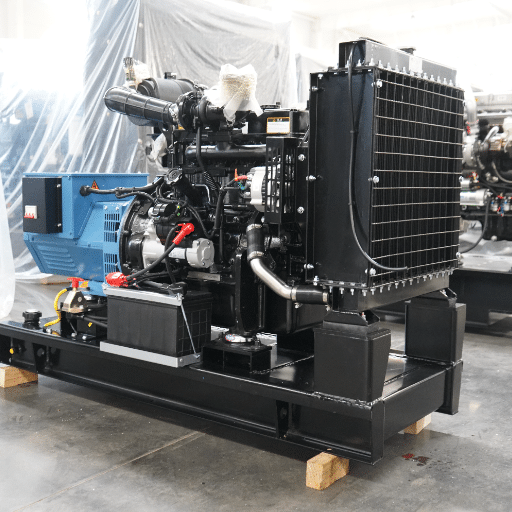

When it comes to selecting a backup or portable generator, how it is fuelled is one of the most important factors that determine its efficiency, cost-effectiveness, and overall performance. There are a lot of different elements that need to be carefully taken into consideration when opting for some of the most common fuel options—propane and natural gas. It is the aim of this text to give a comparison between propane and natural gas generators on a broad scale so that users can have a precise decision-making process by considering the availability of the fuel, the influence on the environment, the initial and operating costs, and the long-term reliability. Whether you’re a long-time homeowner who is ready for power outages or a business owner who needs energy security, this manual will provide you with the tools to make a wise generator choice that fits your needs the most.
Understanding Generator

Generators are machines that change mechanical energy into electrical energy to supply power during blackouts or in places that are off the grid. They run by means of an internal engine which is usually run on fuel such as propane, gasoline, diesel, or natural gas, and this engine is coupled to an alternator. The alternator, in turn, produces electricity by creating an electric current as the mechanical parts spin. Generators are of different sizes and capacities, which makes them fit for use at home, in business, and in industries as well. Knowing the kind of fuel that your appliance needs and the power consumption that it requires is a fundamental thing while selecting the right generator.
What is a Generator?
A generator is a piece of equipment that takes mechanical energy in and converts it into electrical energy through the principle of electromagnetic induction. A generator starts the electricity-making process when an engine or other mechanical means puts a rotor into motion inside the generator. This rotor is put in a moving magnetic field when it spins inside the stator, which is a group of coils of wire which are not moving. The rotor’s magnetic field change is what causes an electric current to be induced in the windings of the stator, hence producing electricity that can be used. Modern generators are usually equipped with such automatic devices as the automatic voltage regulator, for instance, automatic voltage regulators (AVRs), which guarantee the voltage and frequency output regardless of the load connected to the generator. Their efficiency and reliability depend on the engine’s condition, the kind of fuel, and the extent of maintenance they get, hence making them indispensable in various applications, and from the household this time to the industrial operation which is large-scale.
Types of Generators
Common Applications of Generators
1. Emergency Power Supply
It is the case that generators are essential for residents to get a backup power supply during outages. In hospitals, they are the means of power supply that ensures the smooth working of the medical equipment. In data centers, they are used to keep the network connection alive and the data stores safe. And in the residential area, they are necessary for the normal functions of the house. Diesel and natural gas generators are the main choices due to their reliability in emergencies.
2. Construction Sites
Mobile and reliable power sources which can cater to the heavy machines, lighting systems, and tools play a significant role in construction sites. Portable diesel generators are the ones that are most commonly used as they give the best performance in the case of heavy machines in remote locations or off-grid, with less to no downtime.
3. Agriculture and Farming
Generators are of great support in the agricultural sector by powering irrigation systems, water pumps, grain silos, and other crucial equipment. Biogas generators are considered as alternatives in rural farming spaces as they use the organic waste to produce energy and create sustainability.
4. Renewable Energy Integration
Wind turbine generators and hydrogen generators are very important in renewable energy systems. Among the main components of the generators themselves, while being connected to the power grid network, they offer a good and sustainable source of energy, and simultaneously, and additionally, they are diversifying the energy mix and reducing emissions.
5. Recreational and Outdoor Activities
Portable generators are devices that provide power in the absence of the main electrical supply. This is very much true, especially in remote locations where there are no power lines to service the area. Thus, they are used for the basic needs of the users, such as mobile phone charging.
6. Industrial and Manufacturing Facilities
Industrial plants are the biggest clients of generator suppliers, so it can be seen that the most serious applications of generators are here. Generators are responsible for keeping the production line going when there is a power cut or a sudden peak in the energy demand.
Fuel Sources for Generators

🛢️ Diesel
Diesel is a widely used product because it is easy to find all over and the fact that it is efficient, diesel is always ready to provide power to both the small-scale and the industrial generator. It is well known for its operational reliability.
⛽ Gasoline
For those who are using portable and residential generators using gasoline, it will be riskier as compared to the use of diesel at the same time making it the easiest to get. Gasoline is significantly less efficient and not durable for prolonged or heavy use like diesel.
🔥 Natural Gas
It is widely accepted that natural gas is a renewable and cost-effective source with features like clear burning, and it is a very common choice for the standby generator installation in areas already having gas lines.
🏠 Propane
Backyard is here the main market for this fuel, which allows for both clean combustion and long shelf life, making it the one for back-up generators in residential settings thus offering them security even without direct natural gas access.
💧 Hydrogen
Go green is the message that hydrogen as power generation fuel is sending. This is because industries that are currently using Hydrogen as energy are very few and the majority of the production is being used as a secondary process.
Overview of Propane as a Fuel Source
Propane, a liquified petroleum gas (LPG), is an extensively used solution that has the most versatility, efficiency, and environmental advantages. As it can be combusted in a clean manner, producing much fewer greenhouse gas emissions when compared to gasoline or diesel, it makes it an apt option for the two sectors, residential and industrial. The density of propane is enough to have an energy content of around 91,500 BTUs per gallon, so propane is an excellent, efficient, and suitable fuel. It has the same power as one gallon of gasoline; one-third of a gallon of propane can heat enough water for the whole family.
One of the advantages of propane is its security and long shelf life. It remains unaltered with time, which means it is good for the stand-by power generation that is only operated every so often. Furthermore, the propane storage options are various, i.e., it can be safely kept in sizeable pressurized tanks like the ones used by residents, or one of the sizes for industrial industries, and industrial plants. Its wide availability is combined with the efficient distribution of networks, which makes refueling operations safe even in the most isolated areas, and so propane is also safe, becoming a reliable energy source in the end.
In terms of environmental impact, propane emits much lower levels of carbon dioxide, particulate matter, and other pollutants than other fossil fuels. It is still the cleanest fuel under the U. S. Clean Air Act, which is why it can be used in the most ecologically friendly applications. Also, the possibility of propane as a sustainable energy source of the future is becoming greater because of such technological drives like high-efficiency engines and bio-propane.
Overview of Natural Gas as a Fuel Source
Natural gas is a fossil fuel that is used in large proportions all across the globe because of its being an equitable and relatively cleaner fuel compared to the other two: coal and oil. Typically, it consists of a lot of methane, and during the combustion process, it throws up smaller amounts of carbon dioxide (CO₂), nitrogen oxides (NOₓ), sulfur dioxide (SO₂), and particulate matter, which makes it possible for the gas to be the green choice in the energy sector.
Natural gas has the advantage of being easily scalable and its general usefulness in multiple applications, like in homes, in the form of electricity, or even as a fuel for vehicles by using Compressed Natural Gas (CNG) or Liquefied Natural Gas (LNG). In modern times, one of the main events in the industry when the introduction of natural gas extraction by means of horizontal drilling and hydraulic fracturing was done is really an eye-opener, because it resulted in a massive volume of supply availability which in turn led to the constantly growing popularity of natural gas as an energy source. In addition, the concept of combined-cycle natural gas power plants has been realized, which has greatly improved the machines’ performance from the point of view of efficiency, and the conversion of natural gas energy to electricity is over 60%.
In spite of the numerous benefits they bring, there is still a great deal of difficulty associated with the extraction and transport of natural gas, mainly because of the release of methane, the most powerful greenhouse gas. Technologies whose purpose is the minimization of methane leaks and emissions capture are currently giving it a try to stick with that problem. Furthermore, the emergence of renewable natural gas (RNG) templates the energy mix by organic waste provides a sustainable and promising way. The method is such that it is setting an alternative to the use of fossil natural gas, but at the same time, is related to waste management and the economy.
Liquid Propane vs Natural Gas
Benefits of Propane Generators

- 1. Clean Burning: In comparison to petrol or diesel, propane generators are environment friendly due to lesser emissions.
- 2. Fuel Efficiency: Propane is an effective fuel and it can be kept for prolonged periods without losing its quality which means that when you need it, it will perform flawlessly.
- 3. Versatility: The range of applications suitable for these generators begins at residential off-grid power and ends with large-scale commercial and industrial power use.
- 4. Safety and Reliability: The fact that the systems are using propane as a fuel, make them safer and eliminate concerns related to fuel contamination and storage.
- 5. Cost-Effective Maintenance: Propane facilitates a lesser extent of engine wearing and deposits, thereby leading to a longer generator life span, and thus requiring less maintenance cost.
Efficiency and Performance
One has to look not only at the benefits of the cost of fuel but also at the efficiency factor that helps in the reduction of the power unit costs. The propane fuel has a high energy density that significantly contributes to the overall power output making it a reliable fuel for the needs of both continuous and peak demand applications. The new generation of propane-fuelled power generating units that come with advanced injectors are being widely used as they are associated with the cleanest emissions and least fuel consumption when compared to the older technology types or some of the diesel ones, but running at similar load circumstances.
Moreover, propane formation is one of the most efficient and environmentally friendly ways to power an engine. Not to mention, research has found that propane generators have significantly reduced emissions of greenhouse gases and thus proved that they support an eco-friendly plan. Also, the generators are known for their uptime. This feature makes them an excellent choice for the critical infrastructure and emergency backup systems.
Portability and Storage
Propane-powered generators are manufactured considering the fact of being portable, which not only caters to residential but also commercial demand. A lot of the models include features like user-friendly handles and ultra-sturdy, all-terrain wheels that would make life easier when moving the generator. The portable propane generators’ being compact also allows the generators to be stowed away in garages, sheds, or in some storage rooms for easy access. As propane fuel is available in a number of standard cylinder sizes, a user can, without much struggle, carry and store the fuel wherever he or she would like. Moreover, propane is known to have a far longer shelf life than gasoline, which means that the chances of fuel getting spoiled during long periods of storage are lessened. This is especially the reason why propane generators have the upper hand in disaster readiness, camping, or construction sites that demand the most out of accessibility and readiness.
Environmental Impact
There is a broad agreement that propane is an environmentally friendlier fuel than the usual gasoline and diesel. The combustion of propane produces far fewer greenhouse gases and air toxins, such as carbon dioxide (CO2), nitrogen oxides (NOx), and particulates. The U. S. Department of Energy has reported that the combustion of propane typically results in 12% less CO2 than gasoline per unit of energy and 17% less than diesel. Besides, propane combustion is free of soot or ash residues, which are considered harmful and, at the same time, the major contributor to atmospheric particulate pollution.
Another advantage of propane is its lack of toxicity, making the soil or water less likely to be contaminated. When compared to liquid fuels, liquid propane evaporates quickly and does not leave a puddle, thus reducing the clean-up costs and leak risks related to environmental pollution. By integrating propane generators in places where the sensitivity is high, the risk of fuel spills can be at least somewhat reduced as well. Propane is not completely free from emissions, but instead, it is a greener solution as the applications that demand power sources that are portable and not very infrequent can have this sustenance.
Benefits of Natural Gas Generators
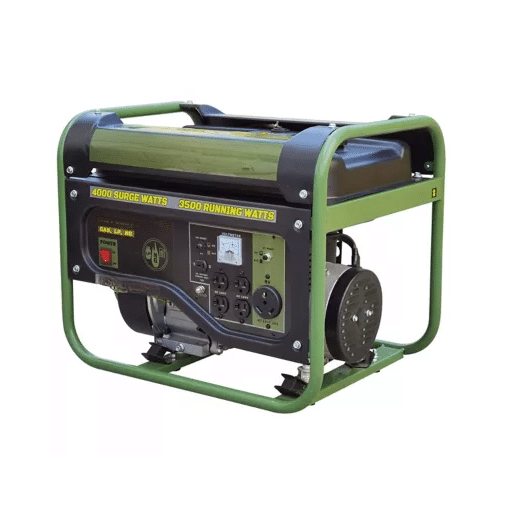
- 1. Fuel Efficiency: It is often cheaper to get natural gas as an energy source among the other possible ways. As a result of the fact that it contains a lot of energy in a small volume, the gas-powered generators use less fuel per unit of electricity compared to other fossil fuels.
- 2. Reduced Environmental Impact: In comparison with the other types of fuel, natural gas bears a cleaner sky when combusted, by and large. It is a good demonstration of green energy since it releases CO2 in the range of 50% to 60% less than coal and 25% less than oil due to the combustion process.
- 3. Reliable and Consistent Supply: Natural gas industry, which consists of a vast network of pipes and storage units, is taking care of the people’s energy needs by providing the it in a continuous way. Also, one more big advantage of natural gas in terms of infrastructural setup is that it can be easily transported through existing pipelines and is stored.
- 4. Low Maintenance Requirements: The Natural gas generators work with and produce cleaner combustion, which results in both the environment and the inside of the engine being free of residues. Consequently, less depreciation is supposed to take place, making the generator last a longer period before it needs maintenance and before it becomes inoperable.
- 5. Versatility Across Applications: Natural gas generators are very flexible and can be used for different purposes, for example as backup power for residential buildings, industry, healthcare facilities, and data centers respectively.
Cost-Effectiveness
Natural gas generators offer significant cost advantages when compared to other fuel-based alternatives. It is no secret that the availability of natural gas supplies makes the cost lower and more stable over time in relation to diesel or gasoline which are highly volatile in the market. Besides, the natural gas generators are usually more efficient from the viewpoint of energy, thus converting the fuel to electricity with a higher percentage. This efficacy therefore cuts the overall costs of operation, and turns them into the first choice economical option for both short-term and long-term use. Moreover, the overheads on repairing are in many cases near nonexistent because of the nature of the combustion of natural gas which does not wear the engine as much, cuts down the frequency of repairs and also increases the life of the vital parts of the engine. For industries requiring that power be on all the time, these savings in costs, along with the reliability of the generators, together ensure a natural gas generator is a clever investment.
Continuous Fuel Supply
Natural gas generators can be easily refueled because they are directly connected to utility pipelines, which eliminates the need for on-site fuel storage or frequent refueling. This direct connection to the utility pipelines makes it possible to supply the generators with gas all the time, and this includes times when a generator is on for long hours or during emergencies, thereby making these sustainable options for places with a sensitive demand for power like hospitals, data centers, and industrial plants. On top of that, the use of natural gas is less likely to be affected by a scenario of a chain of supply disruptions than when using liquid fuel, which means that even more security in terms of the power source is achieved. And even further, increasing demands are met because of natural gas having an open and reliable fuel price, which is not the case in the liquid fuel market. To sum up, natural gas generators ensure that they are a successful and competitive choice as a backup power supply provider.
Reduced Emissions
Many people consider the potential of natural gas to be the main tool in the reduction of greenhouse gas emissions, especially when compared to other companies that produce coal and oil. If one uses natural gas for electricity generation, it emits around 50-60% less carbon dioxide, depending on the location, which makes natural gas a greener option for satisfying energy demand and at the same time lessening environmental impact. Additionally, the use of state-of-the-art combustion technology, including combined cycle power plants, is a step towards improving thermal efficiency; thus, a further reduction of emissions is achieved. Along with this, another major issue is the methane leakage that occurs during the process of extraction and transport, and it is one of the matters for which the detection and regulation of it are now taking place.
Making a Proper Decision

Considering all the options for energy sources, which have different environmental, economic, and other factors, is of utmost importance. Natural gas is getting more popular as a short-term solution for reducing CO2, even though it is a fossil fuel because it produces less of the damaging gas compared to coal and oil. Also, the enhancement of the science behind it is one of the factors that helps to diminish the chances of any negative side effects of the energy source happening. Yet, looking at both sides, renewable sources such as wind and solar are very much becoming a thing, and they are already offering a very good deal when it comes to cost as well as environmental issues for a long time indeed. Thus, the momentary energy needs and the blueprint of the sustainability goals to be achieved in the future should be put in a proper balance when selecting the most suitable source of energy.
Choosing the Right Generator for Your Needs
Finding the best generator for your needs is a tough job and requires taking many aspects into account and making a close study of each of them. The great thing about generators today is that they can be grouped by the way and where they are used—for living in houses, business, or in energy-intensive industries, with any intended purpose determining the power rating of the generator necessary. Residential generators will usually have a capacity from 5kW to 20kW, while commercial and industrial generators may require even more powerful machines, up to 100 kW or beyond.
Fuel quality is an extra compound that must be thought of. If the expectations are great, diesel generators will offer quite a lot of energy at quite a large outflow, whereas natural ones will give out cleaner emissions and also cost less over the next several years. There are currently more and more choices for those who are looking for eco-friendly solutions with third-generation generators that use green energy and, in addition, solar, which is increasingly available.
Moreover, the consistency and lifetime of the generator should coincide with the energy needs you have. During prolonged periods of power outages, the types of generators with big fuel tanks or advanced features, such as automatic transfer switches, provide an uninterrupted energy supply. The loudness of the generator, maintenance hassle, and regulatory compliance also matter, especially for residences and neighborhoods that are not easily accessible or environmentally regulated.
To sum up the evaluation, you can look at the generator’s scalability and compatibility with future energy needs, as well. Select those units that possess modular capabilities or the ones that provide sophisticated monitoring systems to meet power demands that alter or to integrate seamlessly into smart grids. A well-thought-out analysis of these aspects will give you a basis for a decision, only resulting in the fulfillment of your specific requirements.
Future Trends in Generator Fuel Options
🔋 Hydrogen-Powered Generators
The development of fuels for generators is thankfully beginning to change, thanks to the innovations in the areas of sustainability, economy, and at the same time, diversification of energy resources. The widespread use of hydrogen as a generator fuel is quite a noticeable sign of the change in the industry. Hydrogen-powered units are able to make use of a fuel cell technology that allows them to create electricity without any harmful emissions at all, thus they become a perfect choice for those industries that are looking to cut their carbon dioxide emissions.
🌱 Biofuel-Compatible Generators
One more groundbreaking advancement is the emergence of biofuel-compatible generators. Biofuels are those that come from organic materials like plant material that goes to waste and algae, offering an environmentally friendly alternative to traditional diesel and gas. The engines of the generators are being designed, or they are being upgraded, so that they can function using biodiesel mixtures which are close to diesel, and hence, will be at the same performance level of the fuel used, but will have suffered some of the side effects of greenhouse gases.
⚡ Dual-Fuel Generators
Furthermore, the dual-fuel generators are becoming more and more popular, as they grant a sort of freedom to the operators to use a mix of different types of fuels like typical and alternative fuels, and the unique thing about it is that it can work on demand. Fuel availability is one of the greatest concerns in many applications; dual-fuel systems, in fact, may become a cost-saving and emissions control advantage in all cases.
🔌 Hybrid Generator Systems
In the end, the developments in battery storage technology are driving the hybrid generator systems. These systems, with a combination of traditional fuel-based generators and high-capacity batteries, are able to efficiently use fuel and emit less during the time of low-demand load. Both separately and combined, these are signs of more environmentally friendly, more technology-oriented, and more natural gas-based generator fuel in the future.
Reference Sources
- National Renewable Energy Laboratory (NREL)
A Comparison of Fuel Choice for Backup Generators - Alternative Fuels Data Center (AFDC)
Propane Basics
Frequently Asked Questions (FAQs)
❓ Which fuel type is better for a generator?
It has to do with your preference and electricity production measurement, whether you consider propane or natural gas for a new generator. Propane is a typical alternative in the form of liquid petroleum gas and is most commonly seen in areas for cooking and heating. It is very convenient if you are not only going to store the fuel but also like to move around in the event of a power cut situation and use it. By connecting the generator right to a natural gas line, natural gas-powered ones are available for niches where there is no power for days. Though discussing the energy content of propane per volume that is likely more than that of natural gas, natural gas burns more cleanly and is the lesser of the two products from natural gas refining.
❓ How does a propane generator compare to a natural gas generator?
Propane generators are a significant source of backup power for many people and one of the reasons that people choose them as backup generators is that propane can be stored in tanks and lasts a long time with no degradation, unlike a natural gas line that provides constant fuel but is dependent on infrastructure. Propane is likely more of a mess than a buffer in case of a utility power outage that lasts longer than a day if the pipeline of the utility is still holding. The process of obtaining gas is likely more tedious in terms of manpower, while the technical weight of the objective is reduced. Thus, presents the first indirect obstacle to utility workers in the form of the lack of heavy machinery in utility piping. Compared to natural gas, propane is a cool-running, compact fuel that requires a simpler storage process.
❓ What are the differences between propane and natural gas?
One of the biggest differences between propane and natural gas as a fuel source is that it can have a big impact on running costs – normally, natural gas will be cheaper per energy unit because it is delivered through the pipeline; moreover, propane is more expensive as liquefied petroleum gas. Propane prices may often be very different; it is common for propane to be sold by the gallon, in which case, being able to project costs by gallons of propane per hour is quite easy. The amounts of energy per unit and energy per unit volume are among the metrics that help to understand why it would take fewer gallons of propane to produce approximately the same power as natural gas does, but, cost-wise, one also has to consider the extra cost of the by-product treatment, delivery, and storage.
❓ Are propane and natural gas generators different in performance?
From a technical point of view, a distinction between propane and natural gas is made the basis of the different amounts of energy produced and the diverse combustion peculiarities, as a result of which the functioning of a generator and the pollution caused by it totally depend on the type of a gas used: gas is cleaner to burn and delivery of the unit fuel to the customer is bigger in case of propane. Propane is needed for using both portable and standby generators and is kept in tanks, whereas gas piping is laid for natural gas generators, which are the ones using the gas infrastructure for their feed.