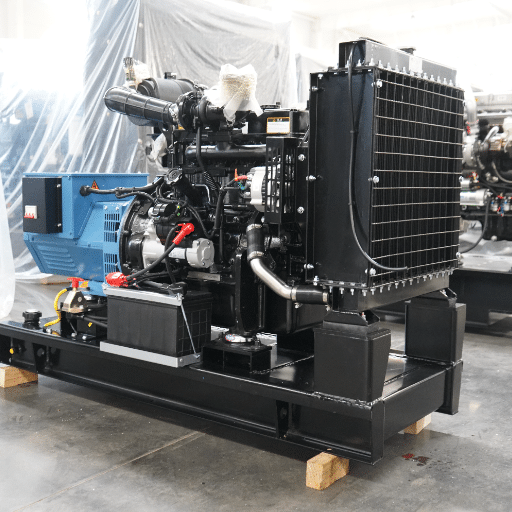

Providing a nonstop electricity supply is among the major worries of educational establishments, especially during unforeseen events or power cuts. By having a generator as a backup, the campus will still be operating normally, maintaining essential systems, and safety will also be provided for the entire community of students and staff. Conversely, generators are complex machines and need constant maintenance plus professional servicing to perform reliably at their peak when they are most needed. The article details the major factors of preventive generator maintenance, which include the primary maintenance practices, the technicians’ methods, and the tips for maximizing the unit’s efficiency. If you are the one who is in charge of running the campus facilities or just interested in the topic of backup power mechanics, this guide will give you a thorough understanding of how to keep the campus systems strong and powered without any interruption.
Importance of Generator Maintenance

Power outages can occur without prior notice and can be quite a nuisance. Therefore, it is very important that the generators are maintained well to ensure a continuous power supply. A properly maintained generator will also have fewer breakdowns, which, in turn, will reduce the risk of failure during crucial periods. Complete maintenance will not only extend the life of the generator but also improve its fuel efficiency, thus resulting in a gradual reduction of costs over time. Periodic check-ups enable minor problems to be found and fixed quickly, thereby avoiding the need for expensive repairs. Moreover, maintenance is the one thing that guarantees the main power supplies are working as they should; thus, the processing would not have to stop at any time, and, consequently, fewer power cuts would be experienced.
Ensuring Reliable Power Supply
A continuous supply of electric power will be guaranteed only if a combination of preventive measures along with routine system improvements, is applied. Most importantly, daily actions are necessary for the maintenance of power generation systems. These actions comprise such activities as checking the quality of the fuel, inspecting the generators, and testing the batteries to avoid catastrophes. Periodic load testing confirms that the machines are working at their full capacity under the expected conditions, while the monitoring system provides real-time diagnostics that are useful for quickly finding and fixing the faults.
Having backup power systems with redundancy is another way of eliminating the power failure risks. This could be achieved by utilizing multiple generators or uninterruptible power supplies (UPS) that would make the transition from one power source to another smooth. Besides, a properly designed system, for instance, proper wiring and load distribution, not only helps but also improves the reliability even more.
Alongside these, advanced monitoring technologies such as SCADA systems have significantly enhanced the operations control area through automatic data collection and analysis. The Predictive Maintenance algorithms notify about an anomaly and even set a repair day beforehand of the breakdown, thus cutting downtime to a minimum. Adhering to industrial standards and performing regular audits are also vital for recognizing vulnerabilities and sustaining superb performance. These approaches together will enable companies to survive the power cuts with less impact.
Preventing Unexpected Failures
Initially, organizations aiming at avoiding unanticipated downtime should implement a complex solution grounded in best industry practices and data-driven ways. The very foundation of this approach lies in the installation of an advanced predictive maintenance mechanism that not only captures the condition of the assets through sensor data but also utilizes machine learning algorithms for failure prognosis. To prevent outages, regular maintenance and gradual replacement of old infrastructure are other necessary actions. Moreover, the companies should have already invested in monitoring systems that allow very fast identification of deviations from ideal conditions, hence enabling quick responses. Also, the company will be able to prevent one of the leading causes of unplanned outages, which is human error, if they enforce strict safety regulations and train their employees intensively. The combination of new technologies with maintaining a regular practice, properly managing the workforce, and engaging in preventive maintenance will not only make businesses more reliable but will also lead to longer equipment life and very significant reductions in the possibility of interruptions in operations.
Cost-Effectiveness of Regular Service
The long-run operation costs are significantly cut down through regular maintenance since it will be, among other things, a major failure of the equipment and unplanned downtimes. According to industry research, timely service increases the machines’ lifespan and consequently costs for replacements and repairs are lower. Regular checks on the machines can detect the minor problems sooner, so they can still be fixed at a low price instead of having to suffer the huge damage. Furthermore, systems that are maintained properly will require less energy, and therefore,e the electric bills will not be so high. Companies that have adopted regular service will often see their productivity go up as the interruptions are reduced and the equipment’s trustworthiness is augmented. This financial scheme will, ultimately, provide the largest return on investment and simultaneously guarantee continuity of the operations.
Key Components of Backup Generators

| Component | Description |
|---|---|
| Engine | Engines are typically powered by diesel or natural gas to create the machine power necessary to produce electricity. |
| Alternator | So to explain, a solenoid is a mere electric switch in which the rod would move to connect the terminals of power situated at a distance. |
| Fuel System | For a machine to run continually while providing fuel, a fuel system would be needed, which would consist of fuel tanks, pumps, and lines. |
| Voltage Regulator | The voltage regulator is involved in giving a constant voltage to the generator to keep the flow of electricity regulated within the limits of reliability. |
| Cooling System | Generators that are used as standby power sources are installed permanently alongside a cooling system, either air or liquid, to prevent the generator’s overheating while it is operational. |
| Control Panel | The generator’s monitoring and control are the primary duties of the control panel. It also shows important information like power output, battery status, and the working condition of the generator. |
| Battery | The battery is the source of power for the starter motor, which triggers the engine’s operation when backup power is needed. |
| Exhaust System | The exhaust system plays a crucial role in the safe release of emissions that occur during operation and thereby guarantees compliance with environmental regulations. |
The listed components are all essential for the reliable functioning of backup generators, and therefore, they can provide uninterrupted power in case of outages or emergencies.
Understanding Generator Components
Maximizing the machine’s potential involves addressing the questions surrounding its different parts and maintenance beforehand. Attached is an abbreviated form that considers the best sources:
How often should the maintenance be done for a generator?
Preventive maintenance actions, at least, should be conducted every 6 months or after 200 hours of operation, whichever comes first. Oil checking, filter changing, battery filling, and coolant level checking will be included in routine maintenance.
What is the main reason generators fail while in use?
The principal reasons that power plants stop working are often identical to one another and consist of interruptions in fuel supply, batteries not charged, and maintenance schedules not adhered to. One of the frequently mentioned issues is very often considered to be the following: bad fuel, drained batteries, and blocked air filters.
What are the rules to be followed for the safe use of generators?
Preventing carbon monoxide poisoning is very much related to proper generator placement where there is ample ventilation. Let power outages caused by short circuits occur no more than once by frequently switching on the automatic transfer switch, refueling with new fuel, and having the connections checked regularly.
When should parts like the alternator or exhaust system be replaced?
Each year, alternators are subject to performance testing representatives, while exhaust systems are inspected after 1,000 hours of usage to remove any corrosion or blockage.
By adhering to these recommendations, users will not only alleviate the risks involved but also gain the maximum benefits from their backup generators. One best practice is to refer to the manufacturer’s instructions for maintenance and troubleshooting, which will provide details about their specific schedules.
Role of Each Component in Operation
A backup generator is made up of numerous components, and each one of them is crucial for the seamless operation of the machine and its reliability. The engine is the power source, which relies on fuel and converts it into mechanical energy, which is subsequently transformed into electrical energy. When it comes to engine upkeep, it involves oil changing and filter replacement. The engine’s mechanical energy is allowed to pass to the alternator, where it is converted to electrical energy. The alternator is the main reason for the inconsistency in electricity supply; therefore, its performance must be tested regularly to prevent such situations.
The fuel system takes charge of storing the fuel and subsequently feeding it to the engine, thus preventing the generator from going off during power outages. It has to be checked for possible leaks and blockages on a constant basis, and the fuel has to be either replaced or treated in order to keep it fresh. The control panel is considered to be the most important part of the generator because it not only controls but also monitors and provides diagnostic information for troubleshooting and fixing problems. The exhaust system, in the end, takes care of the gases that are produced by burning and guarantees that the environment is free of any smoky pollution that is harmful. The system must be regarded as a preventive measure and, as such, requires regular inspection for any deterioration and blockage of its parts.
The various components act in concert to deliver uninterrupted power, and the performance of each component contributes to the total power. Routine checkups and strict adherence to the manufacturer’s recommendations are very important to the system’s performance.
Common Issues with Generator Components
Generators are considered trustworthy machines, but it is not uncommon for them to experience issues that keep on reappearing and, in turn, lead to a decrease in performance. Here is a quick overview of some of the most frequent issues encountered:
- Fuel System Malfunctions: The generator issues that occur most frequently are attributed to the fuel that was contaminated. This might cause complete blockage of fuel filters or injectors, resulting in bad engine performance. Furthermore, fuel in the tank may be either very old or mixed with water, which would hurt the melting process of the mixture.
- Battery Failures: A non-functioning or depleted battery is one of the important or unimportant reasons for the generator not to start. Along with battery defect, some factors like corrosion on the terminals, loose connections, and it being poorly maintained could also be the causes that have made the battery unreliable through the years.
- Cooling System Problems: Overheating can be caused by a shortage of coolant, a radiator that is obstructed, or a hose that is ruptured hose. The coolant circulation system needs to be checked regularly to prevent the generator components from suffering heat damage.
- Damaged Alternator: In case of a defective alternator, power output may vary, or even worse, there might be a complete stop of electricity generation. The main reasons for such a breakdown are usually bearing wear, short circuit of the windings, or a malfunction in voltage control.
- Exhaust System Obstructions: The exhaust system might be reducing the gas flow and causing a very high pressure that is unsafe, and at the same time, making the system less effective. The usual culprits behind this are corrosion, foreign matter, or a wrong fit.
- Control Panel Issues: Wrong readings, triggers, or shutdowns could be the result of faulty wires or faulty sensors. Therefore, the regular testing and software updating performed on the control panel for electrical faults are crucial for proper monitoring.
By consistently maintaining, inspecting, and following operational agreements as a way of tackling these issues in advance, you will guarantee that your generator is reliable during the most critical times and runs at peak efficiency.
Preventative Maintenance for Campus Generators

- Routine Inspections: Conduct routine visual inspection of the equipment to ascertain its condition, detect any leakage of fluids, and determine if any component needs replacement. Pay special attention to belts, hoses, and connections, and inspect them carefully.
- Scheduled Oil and Filter Changes: Whether it’s oil changing or filter replacing, always follow the manufacturer’s instructions to keep the performance at its best and prevent any contamination.
- Battery Testing: Always test the voltage in the battery since the terminal’s cleanliness is the cause of many starting problems during power outages.
- Coolant System Maintenance: Verify the coolant level and inspect for any possible leaks to prevent an engine overheating scenario. Stick to the flushing timetable that has been given and recommended.
- Fuel System Care: Contamination must be avoided in the fuel tanks, and the filters should be replaced regularly so that there is a proper flow of fuel. For long-term fuel storage, use fuel stabilization.
- System Load Testing: Performing load testing is necessary to verify that the generator is working efficiently under the expected demand conditions.
All these measurements would maintain the good condition of the campus generators for them to be reliable, reduce the duration of the downtime, and provide power during emergencies.
Scheduled Inspections
Scheduled inspection is the most important part of the maintenance of generators, which also assures the long-term efficiency and reliability of the unit. Inspections must be carried out continuously, usually every month for routine checks and every year for thorough evaluations, although the exact time frame can be changed according to the recommendations of the manufacturer and daily operational requirements. The major items of inspection are as follows:
- Visual Checks: The examination of the generator’s physical state should be done with utmost caution, as it might reveal some damage, leaks, rust, or corrosion. The connections along with the cables and terminal,s must be scrutinized thoroughly to detect any sign of wear and looseness.
- Fluids and Lubricants: In case any of the five positions catch your interest and you consider yourself a qualified candidate, do not hesitate to communicate your interest through email or call right away.
- Battery Assessment: Before testing the battery’s voltage and charge level, as well as checking the connections for cleanliness and tightness, the battery must first be in good condition. Dead batteries should be exchanged for fresh ones.
- Controller and Indicator Test: Initially, verify that the controls of the parameters, indicators, and alert systems operate properly, and then detect any failures that might occur due to the proper operation, but should still be eliminated in the process anyway.
- Air and Exhaust Systems: It is necessary to inspect the air filters to see whether they need cleaning and also to check the exhaust system for any obstructions or damage that could reduce the airflow.
It is necessary to have complete documentation of all inspections since this will be an assistance in maintaining the history of the maintenance and the legal demands being met. Besides, these inspections are a preventive measure that helps in spotting and solving such complications that might otherwise result in operation failure, at a very early stage.
Routine Checks and Maintenance Tasks
Routine maintenance is a standard procedure comprising frequent checks and services that ensure equipment remains in its optimal functioning condition and safe for use. The main activities are as follows:
- Visual Inspections: Routinely check machines for any signs of wear, rust, loose parts, or broken areas. If anything strange is found, take care of it immediately so that it doesn’t get worse.
- Lubrication of Moving Parts: Properly Apply the Right Types of Lubricants to Bearings, Gears, and Other Moving Parts to Reduce Friction and Consequently Increase Efficiency. Always Use Manufacturer’s Recommended Products Only and Observe the Specified Intervals.
- Electrical System Assessments: You should inspect the wires, the connections, and the electrical panels for any signs of damage, burning, or wear. Make sure to check the voltage and the circuit so that power outages can be avoided.
- Fluid Levels and Quality: Keep an eye on motor oil, coolant, hydraulic fluid, and other necessary liquids. If the levels of these fluids are not adequate, either top them up or replace them accordingly to avoid overheating or system breakdown.
- Critical Component Testing: Inspect brakes, safety interlocks, sensors, and control systems to assure their proper functioning. In case of a fault detection, the fault must be immediately dealt with.
The reliability of the campus generators would be ensured by all these measurements, and their downtime would be significantly reduced, thus making it possible to supply power during emergencies.
Documenting Maintenance History
One of the main reasons that maintenance history documentation, which is effective and current, is ranked highly among the factors for optimizing asset performance, fulfilling the regulations, and making preventive maintenance strategies possible, and so on. A comprehensive maintenance log should comprise the following components:
- Asset Identification: Properly write down the details of the specific asset, such as model number, serial number, and location. This helps in tracing the assets and keeping records accurately.
- Maintenance Activity Details: Record the service type done (e.g., inspection, repair, or replacement) and describe the work that was done. State any parts removed, adjustments done, and fluids refilled.
- Dates and Timelines: Write down the precise dates of the maintenance activity, together with the timeline for the activity. Have future inspections or service dates as well, so as to keep up with the maintenance.
- Personnel Information: Name the technicians or workers and their functions who carried out the maintenance. This gives accountability and a way to communicate in case follow-ups are needed.
- Observations and Outcome: During the inspections, the findings were recorded. They included wear and tear, anomalies, or potential issues, which were all noted down. The measures taken to resolve the issues were highlighted, and it was confirmed that the asset was put back into optimal working conditions.
- Verification and Sign-Off: A verification process is to be followed, whereby a person authorized to do so reviews the maintenance work and signs it off, thereby validating the accuracy and completeness.
If all these particulars are put together and kept in one place as a centralized maintenance history system, one can conclude that there is transparency, improved resource planning, and decision-making based on data. Besides, digital solutions like Computerized Maintenance Management Systems (CMMS) are an essential part of the entire process of data entry, tracking, and retrieval, thus turning maintenance management into a highly advanced and effective process.
Operational Best Practices for Schools

In order for the schools to run smoothly and efficiently, a preventive maintenance schedule has to be established. Regular inspections enable the detection of possible failures in advance and thus prevent them from turning into expensive repairs. Regular inspections of key systems like HVAC, plumbing, and electrical will help to control the systems through preventive measures. A centralized system for reporting issues by staff should be encouraged so that response times are minimized, and a safe environment for the students and faculty is maintained. Besides that, the money set aside for regular maintenance implies that the necessary resources for major repairs are always present, thus cutting down the duration of the shutdowns and interruptions to daily activities.
Training Staff on Generator Operation
Safety, reliability, and efficiency during power outages will be ensured only if proper training on generator operation is done. The generator user manual should be the first reading for the staff, who will also get acquainted with the fuel system, control panel, and safety devices. The training must take the full startup and shutdown procedures with emphasis on load management in order to avoid overloading or damaging the generator system.
In addition, the personnel who are operating the generators should be well-versed in conducting regular checks on fuel level, oil condition, and air filters, as their responsibility to keep the machines running at their best. The emergency plans should cover the troubleshooting of the simple problems, such as low fuel or tripped circuit breakers; the staff should be trained enough to solve these issues so that the downtime in critical situations is kept to a minimum. Regular practical drills and role-playing are very effective ways to make sure that the staff can perform the generator operations confidently and competently, even in the real world. Keeping and periodically updating the training materials in the documentation is a commendable practice because it not only conforms to safety standards but also provides the staff with the necessary knowledge for proper generator management.
Emergency Procedures for Power Outages
Power outages create an urgent need for appropriate and structured actions taken to minimize risks and downtime. The following are thorough and expert recommendations to follow:
- Immediate Assessment and Communication: Evaluate the situation by checking if the outage is only in your building or a larger issue involving the grid. Speak with your utility company to know the situation and how long it would take to fix the problem. Use backup communication systems if necessary to inform key people in the organization, stakeholders, and the team about the matter.
- Activate Backup Power Systems: Follow the proper power-up procedure as planned in the facility’s emergency preparedness plan and switch to generators or alternative energy sources. The generator that is fueled properly, connected, and loaded to capacity should be functioning. Conduct quick inspections and check for any visible issues like oil leaks, sensor errors, and deal with them right away.
- Protect Critical Equipment and Data: To protect sensitive electronics from power surges, either disconnect them or connect them to Uninterruptible Power Supplies (UPS). Start data backup processes to protect operational and sensitive information. If prolonged power interruptions are anticipated, ensure IT systems are powered down safely.
- Implement Pre-Defined Safety Protocols: In any case, follow evacuation or shelter-in-place procedures to ensure safe personnel first. Then, if the outage poses any environmental hazards, such as elevator failures or poor ventilation, resolve these risks first.
- Monitor Environmental Conditions: Keep an eye on the temperature, humidity, and air quality levels in critical areas constantly, especially in data centers, laboratories, or healthcare facilities. Activate portable cooling or heating systems as needed to maintain operational integrity.
- Post-Restoration Procedures: Power has been restored. Inspect the systems before reactivating the equipment to be able to detect damage or malfunctions. Restart the alarms, HVAC systems, and any other infrastructure that might have been interrupted. Record and discuss the incident to enhance future preparedness and response plans.
Thorough planning and strict compliance with these emergency procedures are necessary to reduce interruptions and, at the same time, secure the safety of people, equipment, and operations during power failures.
Integrating Generators into Campus Infrastructure
The integration of generators into campus infrastructure needs meticulous planning to avoid and manage power outages through reliable and efficient processes. The selection process opens up with a careful evaluation of the power needs of the campus, which also considers the very important systems like lighting, HVAC, IT servers, and laboratory equipment. Another very important aspect of choosing the right generator size; if you have an undersized unit, it will probably not support the essential loads, or if a generator is oversized, there will be high operational costs.
Installation must be done in accordance with local regulations and the appropriate code, taking into account things like venting for the exhaust systems, controlling noise pollution, and protecting against harsh weather. A very important part of the infrastructure is transfer switches, which provide smooth transitions between grid power and generator power. Automatic switch transfer (ATS) switches are the most effective as they facilitate quick response to power outages with little or no human intervention.
Generators must regularly undergo maintenance, load testing, etc., to keep them in working order. Another important aspect of this is the choice and storage of fuel—diesel and natural gas are common, but diesel may have the higher storage costs as well as the longer runtime disadvantage. Moreover, the installation of generators within the campus energy management system can significantly improve performance through constant monitoring of load, power, and fuel in real time.
Most importantly, adherence to environmental and safety regulations is a must. Controls for emissions and safety measures are in place to ensure that the generator does not become a source of air pollution or pose a risk to the staff. By considering all these aspects, it is possible for campuses to effectively include generator systems to support their operations during power cuts.
Operational Efficiency of Campus Generators

The operational effectiveness of on-campus generators is mainly influenced by proper maintenance, quality fuel, and effective load management. Regular checks and maintenance eliminate the possibility of breakdowns and prolong the life of the equipment. Load balancing done in a proper way leads to generators running at their most efficient based on the power they can deliver, thus getting the most out of them and at the same time reducing their aging. Using good fuel lessens the accumulation of residue, which makes clean burning and constant performance possible. If these practices are adopted, then the campus will enjoy dependable and low-cost energy from generators.
Monitoring Generator Performance
It is vital to monitor the performance of generators so that optimal functioning can be assured, and also to reveal the potential problems before they blow up. Fuel consumption, load factor, electrical output, and temperature levels are to be considered as the most important performance indicators (KPIs). By collecting and analyzing these data points regularly, it would be possible to detect issues such as increased fuel usage or lower output, which should then be considered as indications for maintenance. The state-of-the-art monitoring systems can do this task automatically, giving real-time data and alerts for anomalies like overheating or voltage irregularities. The use of Internet of Things (IoT) technology offers even more benefits for performance monitoring, as it provides remote access to generator performance metrics along with predictive maintenance capabilities. The management of the generator, together with good maintenance, will ensure fewer breakdowns and operational costs, while the life span of the equipment is increased.
Tips for Optimizing Generator Operation
Generator operation optimization is at the forefront of my endeavors through the introduction of a regular maintenance schedule where every component is to be inspected and serviced if the case may be. High-quality fuel and lubricants are also prioritized to lower the rate of wear and raise the efficiency of the machine. Moreover, I keep an eye on the load capacity so that the generator is always running within its rated limits in order to avoid putting extra stress on its parts. With the help of high-tech monitoring systems, I not only track the performance metrics but also quickly tackle any irregularities spotted. To finish off my approach, I pair it up with predictive maintenance tools that allow me to discover potential issues ahead of time, thus cutting down on the downtime needed for repairs and at the same time ensuring the reliability of the operation.
Emergency Procedures for Generator Failure
In the event of a generator failure, it is very important to have the proper plan in place to respond and restore the functionality of the generator quickly. Here is a brief outline of the emergency procedures:
Safety First:
- Shut down the generator immediately if it is safe to do so, and disconnect all loads to prevent further damage and hazards.
- Look at the whole area for visible problems like fuel leaks, and tell-tale sounds, and smoke, etc., and make sure that any safety risks are eliminated immediately.
Identify the Issue:
- Verify the status of the fuel by examining the levels and making sure the lines are not blocked or leaking.
- Make sure that the circuit breakers or fuses are functioning correctly.
- Check the starter system, battery voltage, and connections for any problems.
- Watch for error codes or diagnostic lights from the control panel that will tell you about the specific fault.
Take Quick Measures:
- If urgent power is required, then turn on redundant generators or move the load to a different power source as per existing continuity plans.
- Make use of spare parts and tools available to fix the minor problems temporarily until a complete repair can be done.
Notify Key Personnel:
- The facility and maintenance teams are to be informed immediately about the breakdown of HVAC.
- If it is necessary, contact the generator manufacturer or a certified technician for advanced troubleshooting or repairs.
Document and Prevent:
- Failure details, such as time, duration, and suspected causes, should be recorded to make future response measures more effective.
- A post-incident evaluation should be conducted, and preventive maintenance schedules should be updated, directing attention to the areas of vulnerability exposed by the failure.
Following these steps, the equipment and personnel safety are guaranteed with minimum downtime.
Reference Sources
University of Minnesota Conservancy
While focused on traffic, this document provides insights into campus infrastructure and its impact.
This report includes details about diesel emergency generators used for campus steam loads.
ERIC (Education Resources Information Center)
This study highlights the use of emergency generators for energy conservation and peak load management on campuses.
Frequently Asked Questions (FAQs)
What is the procedure I need to follow for inspecting a campus generator system to verify its functionality?
The regular inspection is the primary generator care activity on the campus. Schedule inspections of the mechanical and electrical parts to check the working of the generator source, fuel lines, control panels, batteries, and cooling systems. A detailed checklist would be helpful that includes visual inspection, load tests, battery voltage, oil and coolant levels, and any signs of leaks or corrosion. Maintaining proper documentation during each interval not only helps in the coordination of systems with multiple units but also minimizes the risk of sudden power failure.
What would your suggestions to me be regarding the maintenance of standby generators that take care of the entire building?
By following a preventive maintenance program, you can keep standby generators that provide power to buildings running efficiently: change filters and oil according to the manufacturer’s instructions, operate units under load, test automatic transfer switches, and check fuel quality. Whether for a megawatt-scale backup-power installation or smaller campus units, performing periodic load testing and planned inspections will make you confident that the generators will provide continuous service and, thus, you will have peace of mind.
How does the installation process influence the long-term maintenance and reliability of campus generators?
Proper installation is the basis for reliable campus generator care. Check that the installation conforms to the electrical codes and the manufacturer’s recommendations, provides proper ventilation, soundproofing, and secure fuel connections, as well as having easy access for maintenance. A proper installation cuts down the incidence of failure due to installation and guarantees that the generator will perform as a reliable source during power outages.
How can I inspect and coordinate multi-unit standby systems without causing downtime?
When coordinating multi-unit standby systems, scheduling inspections and maintenance in staggered intervals helps to keep at least one generator available all times. Besides, load-shedding strategies or temporary power transfers during service can be used. Lastly, document handover procedures. Coordinating multi-unit tests guarantees the good working of load-sharing controls and synchronizing equipment, which in turn reduces the chance of loss during maintenance.
What are the electrical and mechanical checks to rely on during routine maintenance?
Air conditioning and cooling systems are critical for the longevity of generators; therefore, they must be checked regularly along with oil lines, battery condition, and starter motor function. Electrical and mechanical checks should be performed on the automatic transfer switch, control logic, alternator output, insulation resistance, etc. Also, control firmware and alarms should be checked, cooling and exhaust systems confirmed, and preventive replacements made if necessary. These checks will maximize your use of the generator and minimize unexpected failures.
How often should I run load tests and other interval maintenance tasks?
Load tests and other interval maintenance tasks are usually scheduled once a month, quarterly, and once a year. This schedule depends on the manufacturer’s recommendations and on the machine’s usage. Monthly or weekly exercise runs prevent the build-up of dirt and keep the components lubricated; quarterly inspection may include fuel sampling and battery load testing; annual preventative maintenance usually includes oil and filter changes and full-load testing. Following the intervals ensures that the generator care program on the campus is providing you with peace of mind and minimizing the risk of loss.
Is it possible for the campus generator care program to provide megawatt-scale backup power for the industry?
Definitely, a skilfully planned campus generator care program can offer the megawatt-scale backup power that is necessary for an industrial manufacturing operation. However, such big systems do require proper specialized planning for things such as fuel storage, paralleling switchgear, synchronization controls, and strict maintenance of electrical and mechanical subsystems to ensure continuous operation and that the generator delivers the required capacity during the critical events.
What action should I take if I find an issue during the inspection to ensure the generator is back in operation as soon as possible?
In the event of an inspection revealing a problem, firstly, isolate the fault, then refer to the manufacturer’s troubleshooting guide to make the necessary repairs or replace the defective parts immediately. It is also prudent to have spare parts for common failures, keep records of corrective actions, and do retesting under load. Quick response and well-defined procedures will not only reduce losses but also allow for the fast restoration of services and the assurance that the standby system is reliable when needed.