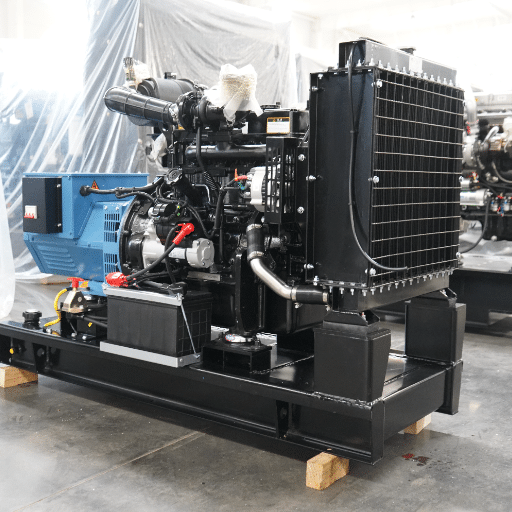


Having an emergency source that ensures an unbroken flow of electricity is a must during unforeseen blackouts, for this reason, the knowledge of the distinctions among emergency and standby generators is vital. These machines are made to be the source of backup electric power but there is a huge gap in their applications, capacities, and rules. Selecting the wrong type of generator can greatly affect the whole efficiency and safety aspects of the facility operators’ and organizations’ problems. The discussion in this text goes over the details that make emergency and standby generator setups different from each other, giving you the information based on which you can comfortably make the right choices for your power management strategies. Management of a building, planning for residential use, or participation in large-scale industrial operations are a few categories in which this all-around manual could assist in shedding light on the best options for your needs.
What is a Generator?

A generator is a machine that converts mechanical energy into electrical energy, thus providing a stable power supply when the main electricity grid is not available or not sufficient. Generators are generally based on electromagnetism to run the engine that, in turn, drives the alternator producing electricity. The appliances are very necessary since they aid in uninterrupted energy supply during outages or in off-grid areas, no matter if it is residential, not being able to have power, or large factories that have to keep their critical operations running.
Types of Generators
| Generator Type | Fuel Type | Application | Advantages | Disadvantages |
|---|---|---|---|---|
| Portable Generator | Gasoline, Diesel | Residential/Outdoor | Easy to transport | Limited power output |
| Standby Generator | Diesel, Natural Gas | Backup power for homes/businesses | Automatic operation during outages | High installation cost |
| Inverter Generator | Gasoline | Sensitive electronics and camping | Quiet and fuel-efficient | Expensive and lower power capacity |
| Solar Generator | Solar Energy | Off-grid or eco-friendly applications | Renewable, low maintenance | Dependent on sunlight availability |
| Industrial Generator | Diesel, Natural Gas | Manufacturing and large-scale operations | High power capacity | Large size and high fuel requirements |
| Hydrogen Generator | Hydrogen | Clean energy applications | Zero carbon emissions | High cost of hydrogen fuel |
| Wind Generator | Wind Energy | Regions with consistent wind flow | Renewable and sustainable | Dependent on wind conditions |
Importance of Backup Power
One of the most important aspects in ensuring the continuity of operations and decreasing the chances of risks related to power failures is the backup power systems. The bottom line is, potential economic losses, data being corrupted or systems not working, anything can happen when there is a sudden break in the power supply. In the case of data centers, research shows that the unscheduled downtime of a critical load can be as high as $9,000 per minute, thereby signaling the call for a dependable backup power system.
One primary advantage of the modern backup power systems is the flexibility and scalability they offer, enabling the organizations to go for the power facilities that are in line with their power needs and also the environmental mission of the company. There are a number of renewable energy power options out there such as solar or wind generators that are paired with battery storage, and it is said that these are being chosen in ever-increasing numbers mainly because of their low environmental impact and the savings that their long-term cost efficiency brings.
Moreover, it is an inevitable requirement of the public safety that there must be kept backup power systems. Among the critical infrastructures are hospitals, er cells and transport systems, all of which need electricity round the clock to be functional in crisis situations. Combining backup power with energy management systems can not only help in enhancing the operation but also provide reliability which will place it as a harmonious part of a robust electrical framework where sustainability and grid stability are the impeding factors.
Emergency Power Systems

Emergency power systems are one of the most common solutions to crisis power supply into the urban areas. Their main functions are to serve in the background to enable all the essential facilities like hospitals, data centers, communication networks, and public safety infrastructure. Emergency power systems not only keep things going smoothly by providing instant power and saving all the systems but also protect the people by providing safety during emergencies. Consequently, reliable power protection emergency power systems provide while minimizing the chances of power loss and thus, keeping the critical services reliable.
Definition of Emergency Power
In case of the primary power source failure, emergency power comes into play as a kind of energy back-up. These power systems mostly constitute generators, storage batteries, or uninterruptible power supply (UPS) systems that are intended to give immediate and dependable power to essential loads. Emergency power units nowadays come to work with the help of the newest technologies together with automatic transfer switches (ATS) and real-time monitoring to ensure that there is no interruption of service during the outages. They are controlled by the standards like NFPA 110 and IEEE 446 that ensure performance, safety, and dependability. It is also witnessed to have a greater number of solar and wind blending with power storage being a popular emergency power system energy source due to the efficiency and green factor it brings.
Applications of Emergency Generators
1. Healthcare Facilities
Emergency generators are crucial in all kinds of medical facilities and buildings like hospitals, clinics, and medical research centers. They are there to sustain life support and surgical tools, climate control, and also refrigeration for vaccines or medicines. The NFPA 99 standard certifies these kinds of buildings and asks for power interruptions to be mitigated by strict secondary power systems, so patients are safe.
2. Data Centers
Data centers are one of those business entities that can hardly exist without a stable power supply and, therefore, there is a need for emergency generators to power cooling systems, and the IT environment in general. Power interruptions may cause important data loss and a lot of money. Industry data put the cost of global data center outages at an average of $740,357 per incident, thus confirming the emergency generator’s essential role.
3. Telecommunications
The need for emergency generators is also felt in the case of natural disasters or power failures since in such events the communication lines are cut off. Emergency generators are used to the safety of the people, as they hold up the radio towers, network hubs, and data transmissions, which are essentials of maintaining connectivity and public safety.
4. Commercial and Industrial Facilities
Different industries like manufacturing plants, warehouses, and retail businesses use emergency power when there are emergencies so as to shorten the time of production stoppage, keep the stock in the proper environment, and make the workers safe. A case in point is the research report by EPRI which observed that power failures in the industrial sector can generate loses of $150,000 or more per hour.
5. Government and Military Operations
Emergency backup systems are a must-have for government facilities, which includes administrative offices, and military bases, and they are essential to various aspects of security, relief operations, and necessary governance processes.
6. Transportation Infrastructure
Airports, railways, and seaports are important and need to have back-up sources of power in case of the main power source being cut off. The functions of control towers, communication systems, and lighting systems are examples of components that have to be supported by emergency generators.
Benefits of Emergency Power Systems
1. Uninterrupted Operations
Emergency power systems protect the costly downtime through the immediate provision of backup during the power failures, says a report by the Electric Power Research Institute (EPRI). Moreover, the report further states that a downtime of 60 minutes in the manufacturing sector alone could result in a loss exceeding $5,000 per minute, depending on the size of the industry.
2. Enhanced Equipment Protection
The equipment easily gets damaged by power outages and voltage fluctuations will need backing up. Emergency power systems that have excellent surge protection functions play a vital role in the protection of items such as servers, medical devices, and industrial machinery.
3. Support for Critical Services
The necessity of these systems also can’t be overemphasized when there are situations that put lives or national security in risk, like hospitals, military operations, and emergency response centers. For instance, a study in 2022 pointed out that the percentage of hospitals using backup generators for life-support equipment during outages is very high, that is 90%.
4. Compliance with Regulatory Standards
According to the government and safety regulations, a lot of sectors had to have emergency power systems. Perhaps the best-known example is the National Fire Protection Association (NFPA) codes, which call for emergency power for the public building’s fire alarms and evacuation systems.
5. Operational Resilience During Natural Disasters
The power infrastructure outages caused in most cases by extreme weather like hurricanes, earthquakes or others can last for a long time. The utilization of emergency generators and UPS (uninterruptible power supply) systems in the facilities permits the provision of basic services, thus reducing the time required for the recovery process.
6. Energy Efficiency Advances
The modern emergency power systems are for the most part built with the consideration of fuel economy and sustainability. Among the technologies that lead the way with efficient energy usage are the cogeneration system and others that use Combined Heat and Power or CHP. These technologies enable the systems to attain up to 80% energy efficiency through the cutting of fuel usage and reduction of the environmental footprint.
Standby Power Systems
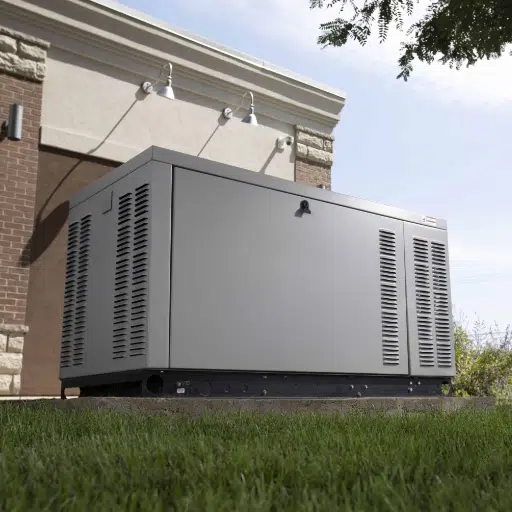
Continuous operation during power disruptions is ensured with the essential utilization of standby power systems. The systems which consist of generators and automatic transfer switches are the ones that are necessary in such situations by immediately restoring when the utility power fails. With power systems, their major responsibility is to back up loads in critical sites like lighting, medical equipment, data centers, and safety systems, thereby averting operational shut down. Reliable standby power systems are usually the ones that come with the highest quality and are supported by redundancy and regular maintenance. And they are intended for use in different situations. But these systems also bring the new technological advances in the remote monitoring of almost all types of issues that affect the system’s performance.
What is a Standby Generator?
A backup generator is a secondary electrical system that has as its main purpose to provide the user with a reliable source of power in case the main power namely fails. The partial operation of the generator is done through an automatic transfer switch (ATS) which will detect power cutoffs from the main source and signal the generator to deliver electricity to specified critical loads. The fueling of these generators is typically done through diesel, natural gas, or propane, thus providing flexibility based on the application and availability of resources. The most advanced backup generators have been created for ease of use and long life, with elements like sophisticated control panels, weatherproof enclosures, and noise reduction technologies. Different types of users from the industrial sector, the healthcare system, IT and others up to residential consumers are using the backup generators in these applications to have continuous power, thus saving tiny but delicate operations and limiting the possible loss caused by power interruptions.
How Standby Generators Work
Backup generators are a functional source of electricity, with their power delivery being routed through the system conceived to happen in an absolutely unnoticeable way. Accordingly, the procedure is initiated by the Automatic Transfer Switch (ATS) here whereas its operation is continuous to monitor the voltage supply coming from the grid and supplying the equipment. At the moment the ATS indicates a power outage, it orders the generator to start, and the generator, tripping by diesel, natural gas or propane, goes to the operating mode. After the generator is in a stabilized supply mode, the ATS breaks the connection with the utility power line, and thus, the power from the generator will be transmitted to the building or facility.
The machine’s inside generator is the one that takes the engine’s mechanical energy and then converts it into electrical energy, that way making the constantly changing voltage suitable for the different purposes. Nowadays, most systems have pretty high-level voltage regulation in order to even the smallest fluctuations that could destroy sensitive equipment. What is more, there are a lot of backup generators that have self-diagnostic systems and remote monitoring so that a technician can check and fix the operation before the failures occur. When the utility power is up again, the ATS will then move the supply back to the main grid in harmony mode and at the same time, shut down the generator. The whole dealing is planned to happen automatically at the earliest time with minimum stoppage and the reliability for critical infrastructure is assured through it.
Advantages of Standby Generators
1. Uninterrupted Power Supply
There are standby generators that provide continuous and instant power supply during power outages. They do this by automatically sensing power loss and then starting within seconds. The result is the minimization of downtime risk. This is a very important feature, especially for the operations of hospitals and data centers, where the business “must go on” no matter what.
2. Enhanced Reliability
The efficiency of modern standby generators is due to their highly reliable control systems and sturdy construction. This high availability rating has made them a solid choice for the most critical applications, and they are generally seen in buildings with the public’s welfare in mind.
3. Power Capacity and Scalability
Standby generators come with a plethora of options regarding their power ratings, starting from 7 kW for domestic use to over a couple of megawatts. A good number of the models can also be put in parallel to give the user more power hence no demand limit is there for you.
4. Fuel Efficiency and Options
These devices are equipped to enable the most use of fuel leading to a reduction of operational costs. They are normally fueled by natural gas, diesel, or propane, offering the choice, based on the availability of the local resource and the cost factor, to select the most desirable. As an example, natural gas generators can be a trouble-free and more eco-friendly and cost-efficient solution as they don’t require storage at the site.
5. Automatic Transfer Switch Integration
The process of transferring power through standby generators is made easier and quicker by the use of Automatic Transfer Switches (ATS). The ATS works through changes in the power supply quite naturally and smoothly from the main source to the generator by bypassing the human factor and carrying out the whole process automatically.
6. Improved Safety Features
The latest standby generators provided with self-testing, protection against short circuits, as well as steps to reduce emissions, do everything possible to use the safety of operations as a top priority. These systems are even capable of a two-engine cutover during maintenance, to lead to a power outage during the process.
Differences Between Emergency and Standby Generators

Emergency generators are dedicated to extreme conditions where the absence of a power supply could generate catastrophes or dangerous situations, with the main users being hospitals, data centers, and industrial facilities. They start working immediately after power cut off supplying electricity to the systems and operating equipment that are considered vital. In most cases, the use of these generators is not a matter of choice but is actually a legal obligation. The equipment is subject to strict regulations and is put through a lot of testing and maintenance so as to be completely dependable when the need arises.
Standby generators are less critical engines in residential, commercial, or similar conditions, whereas they can also be primary. They are used for power backup purposes during unscheduled outages at any place, like urban or rural areas, and even though they lack the power of an emergency generator per se, they are still in total compliance with the regulations and standards of the day and consequently fit for the job.
Compare Emergency with Standby Generators
| Aspect | Emergency Generators | Standby Generators |
|---|---|---|
| Primary Use | Critical power during emergencies | Backup power for non-critical needs |
| Activation Time | Instant or very rapid | Brief delay after outage |
| Regulatory Standards | Strict codes and regulations | Less stringent requirements |
| Power Reliability | High and consistent | Reliable but less critical |
| Fuel Type Options | Diesel, natural gas, or dual-fuel | Diesel, natural gas, or propane |
| Maintenance Frequency | Frequent inspections and servicing | Moderate servicing required |
| Usage Duration | Extended, continuous during crises | Intermittent or short-term use |
| Automatic Transfer Switch | Essential for seamless operation | Common but not always mandatory |
| Operation Noise | Typically louder | Quieter for residential areas |
| Cost | Higher due to specialized needs | Lower, cost-efficient for homes |
Installation and Maintenance Considerations
Generator installation and maintenance are essential to the safety and performance of the units. The installation of the device always has to fit the local building code standards and many other electrical standards; therefore, licensed electricians or specialized and certified installation experts often need to be hired. Factors like ventilation, the fuel line, and the distance from the buildings must be precisely thought of in order to minimize risks such as carbon monoxide accumulation or fire hazards.
The periodical maintenance of the generator will depend on its use and type but most of the time it consists of oil changes, air filter replacements, and the checking of the critical systems. However, since the stationary generators operate for long periods, batteries need to be checked and load bank testing is required under the maximum load to ensure the equipment works properly. The routine inspection of fuel quality, cables, and grounding will also be non-negligible.
Both the installation and maintenance shall be completed as the manufacturer’s directions to reinforce the reliability and durability for the generator. It is highly advisable to enter into professional service agreements or equilibrium maintenance contracts, especially for such and when the fuel of choice is standby generators during emergencies, as they will guarantee the following of the best practices, and the possibility of sudden failure during critical times is low.
Cost Implications
The very cost implications of installing and maintaining the generator are inclusive of all the upfront and long-term expenses. Primarly, the first expenses are the generator buy price, equipment as the warranty switch, and also the installation services. These points can widely vary depending on the generator’s size, capacity, and attributes. To explain, for instance, the small-sized portable generators may cost around a few hundred dollars; however, the industrial-grade standby units’ prices may start from $5,000 to $20,000 or higher, depending on the specifications.
Adding to the investment stage, the costs of operating the generator need to be taken into account. A major operation cost to look into is the fuel consumption rate, which varies with the kind of generator that is in use. Diesel gensets are the more fuel-efficient of the options but the cost of the fuel and the need for storage can have an effect on their affordability. Furthermore, the standard repair expenses such as part changes, oiling, and professional checks needs to be included in the list of the crucial things to do in order to avoid wrong turn generator breakdowns. During a generator’s lifespan, these day-to-day expenses could account for equal to 10% to 15% of the initial purchase cost.
The incremental load of power and infrastructure upgrades may also have a long-term cost impact, particularly for companies wanting to increase their size. Finally, state and federal tax incentives and financing options could be the reason behind the reduced costs, when there is the case of simplicity through a region’s regulation or the particular program targeting the renewable or high-efficiency generator models. Looking at all these aspects as a whole leads to the making of an informed decision and being financially prepped.
Which Should You Choose?

There are a number of things that have to be taken into account when choosing a generator – The specific use of the generator and the amount of power that is needed being the two most important factors. Emergency generators are for instance very suitable for certain occasions where a quick, not a long-term, non-breakdown power source is necessary. Such generators are typically of the portable and less expensive type, restricted to powering only important appliances and machines such as the medically prescribed ones.
On the contrary, standby generators are perpetually installed schemes that opportunistically start working when there is a loss of power. The former is the kind of machine which will give you electrical power in a consistent and integrated way and is ideal for places that need electricity all the time. They are not cheap, however, their dependability is unparalleled for long periods of time during power failure, and they are also large in terms of electrical capacity and have the necessary links with vital systems.
On the other hand, one should have a look at their wallet, how much electricity they need, and how often the power outage occurs in their area to be able to decide properly. For commercial and residential units that require power without interruption, a standby generator is going to be the smarter choice as opposed to people who need generators for emergencies only once in a while for a short time.
Assessing Your Power Requirements
One of the first and most important things to do when deciding on the right amount of electricity you need is to make a list of all the necessary pieces of equipment and the systems that should still be working in case of a power cut. Be sure to include not only the large appliances such as refrigerators and HVAC systems but also the medical devices and electronics you cannot do without. The wattage of a device is the power it needs, which can be found either stamped on the label or in the user manual. By adding up these figures, an initial guess is made of how much energy is needed for the home or business.
Furthermore, it helps to take a look at the cases of maximum use. High power needs occur at the beginning of the operational cycle for many appliances, like the power needs of air conditioners and refrigerators being higher during startup than during continuous operation—a situation often labeled as surge wattage. Do not overlook this factor when doing the total energy requirements calculations so that you will not take a too small a generator.
Besides thinking of the typical outage duration of your place and the related fuel consumption, you have to note that generators do not only differ in terms of fuel type but also in terms of operational capacity, which is a function of load and efficiency. When you consider portable or standby generators, the right match of the output capacity of your generator with your estimated needs will ensure the highest performance without any additional stress on the system. This full-scale approach is an assurance of the availability of power during a crisis, thus serving safety and comfort.
Making an Informed Decision
To decide between an emergency and a backup generator, one must evaluate, among other things, the level of electricity needed, the complexity of installation, and the regularity of operation. Portable, temporary generators are the ones designed for electricity shortages in the case of emergency. They are accompanied by a manual set up and can perform for just a short time, providing power only to the most essential appliances. This makes such generators a low-cost solution for just about any situation when temporary power is required. On the other hand, backup generators are permanently fixed and hooked to the electrical system of a building. They switch on during outages automatically, offering power in a smooth and constant manner for both urgent as well as heavy requests.
The data analysis reveals that in general, the backup generators provide more electric power and are much better for long term use in different kinds of electricity failures for domestic, business, and industrial purposes. Moreover, the quality and the price of the fuel, which are the other substantial factors, are natural gas or propane for the standby unit, as opposed to gasoline or diesel for the emergency model, determining the total energy prices and the ecological effect. The decision of noise, the orders of maintenance and adherence to the codes laid down by the local authorities are the items that can also be an essential back-up for the decision of your investment. With the aid of the generator, it has now been made possible to keep close to a specific energy demand and, at the same time, circumvent logistical glitches, be it an interruption in the power supply or not.
Reference Sources
- Standby Generators for Emergency Power
Read more here - Standby Electric Generators
Read more here
Frequently Asked Questions (FAQs)
What is optional standby and how does it differ from an emergency system?
Optional standby is a power solution that is not mandatory and that is usually cheaper than emergency systems. In contrast, an emergency system is one that has a general design of providing backup power to critical loads, and usually regulations require them for the sake of human life and life safety. A system of optional standby may cater to unimportant loads like HVAC, whereas life safety equipment is the load that emergency systems have to support, and so they are designed very well. The decision between one of them is made by whether the power solution is a matter of the law or just a wish for comfort.
How does the power equipment affect human life?
Selecting the correct power apparatus is crucial as emergency power systems are of utmost importance for life safety and also as they can provide power to vital life safety systems such as emergency lighting and medical equipment. Although a standby system could be set up to provide backup power during operations, it might not have the necessary wherewithal in case of emergency and may not meet the criteria for standby installations required by the code. Emergency or legally required standby power systems must be specified in instances where the systems are indeed critical to life, so as to ensure human safety. One must carry out generator services alongside testing of both emergency and standby power systems to keep both of them in a ready state.
When are legally required standby power systems necessary in a building?
Legally mandated backup power systems are a must in buildings where certain life-saving or emergency services equipment is located for human life support in order to be provided by power even when there is a power outage. These types of systems frequently refer to emergency power and standby power and are subject to the requirement of fulfilling the standard of a level 1 emergency power system whenever it says so in the code. Places such as hospitals or some public safety centers must have generators provided with power for the critical systems and human life protection. The standby power, which is regulated to be furnished to life support systems, is maintained by regular generator maintenance and generator services being available.
What are the types of standby, and how do they relate to emergency power systems?
Standby power types consist of optional standby, legally needed standby, and emergency systems, with each catering to various significance levels and regulations. Emergency power systems are essential for life safety and are typically classified as a level 1 emergency power system if they are lifesaving circuits like emergency lighting. Optional standby power systems feed non-critical loads and are usually not as much regulated or required by law. Knowing the distinction between emergency and standby systems is very important in the selection of the most suitable power equipment and complying with the standard for emergency and standby installations.