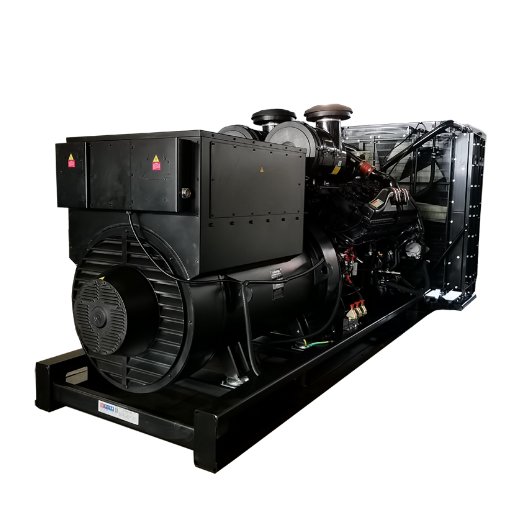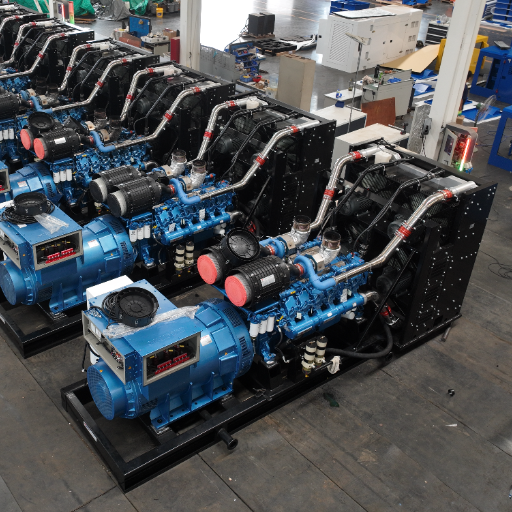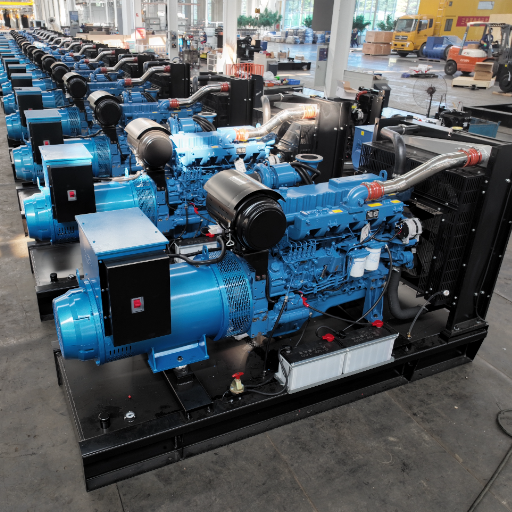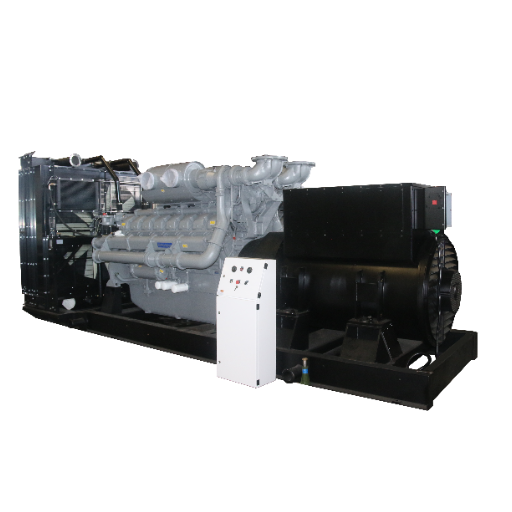

When you decide to get for a generator, to buy a brand new one or a used generator is one of the biggest decisions you may be facing. It is not a straightforward call to make, as it depends on numerous factors, including budget constraints, operational needs, and long-term reliability. Both the new and Used generator comes with its own set of benefits and potential disadvantages- hence you must have to choose very carefully. Our aim is to give you complete factual information of these generators in order to assist you in the decision-making process. Our day-to-day yearning is to decide on which route is to be followed, whether buying newly or used generator and favorable for your needs and for the consequent supply of power to your home, workplace, or program at all costs.
Introduction of Generators

Generators act as electricity producers for the use in external circuits where the generation of electrical energy from mechanical energy is broadly defined. Backup power is a survival necessity. Using portable backup generators, however, provides an excellent alternative to remote or off-grid settings. The two common types are portable and standby generators. Portable generator units are less likely to yield an operation that exceeds 8 hours as they are given for intermittent and nonprofessional use, while standby generators pass over nodes are installed automatically, providing backup power during a blackout. Choosing a suitable generator demands taking a number of factors into consideration, including wattage requirements, fuel type, and maintenance demands-all of which contribute to the reliability and efficiency of operation.
What is a New Generator?
Modern generator concept boasts awry supras for ever-evolving generator techno-logy to meet current energy raze on up-scale engineered products, improved customization in very many directions and safer equipment that is state-of-the-art in operation. Such generators can be distinguished in relation to their fuel consumption, emissions levels, and noise in contrast to older models, or in terms of the connectivity they offer. This means that control of performance or power output horizontal option could be made through apps, control units, or any interfaces present in the device. Material advances with design options have allowed the building of increasingly compacted models and yet strong and more robust units being operational in different environmental settings. While considering prospects of purchase due diligence would require potential-buyers to look up the dimensions of the generator in question marked in compliance with industry standards to ensure maximum productivity and minimum extent to environmental aggressors.
What is a Used Generator?
A used generator, it refers to the power generation device that has been utilized and old on grounds of it being available for use; it undergoes massive wear and tear prior to resale. These generators are often refurbished or subjected to inspection to ensure that they function. The extent of the operational performance and hence life span differs depending on a number of factors, such as previous usage conditions, maintenance history, and original build quality. Generally, users often exploit the cost-effectiveness of a used generator rather than buy a new one as they prove to be a good investment for both businesses and individuals seeking efficient power solutions that ask for lower initial capital expense. Key considerations when purchasing a used generator include its operating hours, service records, age, and compatibility with today’s industry standards or applications. In the market, it is observed that many used generators are available in various configurations intended to meet a given requirement. One may, for instance, choose from diesel, natural gas, or hybrid-powered models.
Types of Generators: Diesel, Natural Gas, and More
| Generator Type | Fuel Source | Efficiency | Common Applications | Maintenance | Emissions | Power Range |
|---|---|---|---|---|---|---|
| Diesel Generator | Diesel | High for continuous use | Industrial and backup power | Regular oil checks | Emits higher pollutants | 10 kW to 3000+ kW |
| Natural Gas Generator | Natural gas | Moderate to high | Residential and commercial use | Light maintenance | Lower emissions | 20 kW to 4000+ kW |
| Gasoline Generator | Gasoline | Lower efficiency | Portable and small-scale uses | Frequent refueling needed | Moderate emissions | 1 kW to 10 kW |
| Propane Generator | Propane | Moderate efficiency | Emergency and remote areas | Longer fuel storage life | Cleaner-burning fuel | 5 kW to 30 kW |
| Solar Generator | Solar energy | Sustainable power source | Off-grid and eco-friendly use | Minimal maintenance | Zero emissions | 0.5 kW to 20 kW |
| Hybrid Generator | Multi-fuel sources | Flexible and efficient | Versatile for varied needs | Maintenance depends on type | Reduced emissions (varies) | Varying outputs |
| Hydrogen Generator | Hydrogen | Advanced efficiency | Emerging clean energy solutions | High setup maintenance | Zero carbon emissions | 1 kW to 2 MW |
| Wind-Powered Generator | Wind energy | Dependent on wind speed | Sustainable large-scale energy | Turbine maintenance | Zero emissions | Varies widely |
New Generators

In the consideration of the integration of new generators, an important step is to think of the power sources, efficiency, ecological impact, and maintenance context. Among the emerging technologies can be recognized the tidal generator technologies, which are capable of using ocean currents to form a potentially renewable source of energy. Such technology produces low emission during operation, but with a requirement for the hugely expensive installation of very many infrastructures. The protection of these systems through regular maintenance is an indispensable factor, as they have to endure extremely severe marine conditions.
Apart from this, moreover, solar generator systems continue to develop, with a view of improving photovoltaic efficiency and battery storage capabilities. These systems have the advantages of low operability maintenance, emissionless operation, and measurability for residential and industrial applications. However, their effectiveness depends on the availability of sunlight and is hence best used in areas having a high solar presence.
Benefits of Buying a New Generator
1. Improved Efficiency and Performance
Some of the electric generators are more efficient than before and remain instrumental in cutting operational costs and reducing waste. Reports say that fuel efficiency has improved to almost 30% compared to a bonded unit, offering a great advantage that can be capitalized upon over time.
2. Enhanced Reliability
New generators have in place advanced technology with intelligent control systems and additional security systems to make them reliable even under adverse conditions. This drastically reduces unexpected losses and downtime, which are particularly critical in industries, such as emergency power supply.
3. Lower Maintenance Requirements
New models need less maintenance now, thanks to design improvements and high-grade materials. Maintenance intervals are longer allowing users to focus on all other important aspects while saving them all those hours in the future.
4. Compliance with Environmental Standards
Modern-day generators maintain strict compliance with the latest stringent environmental standards, such as EPA Tier 4 standards. This guarantees that these generators emit minimal greenhouse gases and have minimal environmental impact and provides a sustainable solution for power generation needs.
5. Improved Safety Features
Advanced safety measures, such as overcurrent protection systems, overload cutouts, and real-time performance overseers, were then integrated in new generators, which reduced the risks of accidents and the likelihood of equipment wear during operation.
6. Integration with Smart Technology
Many new generators carry other IoT features, thus allowing remote monitoring and management via a dedicated application. This functionality makes troubleshooting easier, monitoring real-time performance, and practicing energy conservation.
Features of New Generators
1. Enhanced Fuel Efficiency
The new designs have an advanced fuel system to reduce fuel consumption by as much as 25% compared to previous models. This guaranteed better fuel delivery by the system, and fuel injectors and control modules gave savings with high precision.
2. Noise Reduction Technology
The new generator has significantly low noise level owing to noise insulation materials and exhaust cover/new muffler design, with many operating at 50-60 dB under average loads. This makes such models suitable for residential, commercial, and outdoor applications with minimal disturbances caused.
3. Automatic Voltage Regulation (AVR)
These generators have state-of-the-art AVR systems for maintaining constant output voltage to protect sensitive electronics against voltage fluctuations. The new regulation achieves minimal variation of voltage within ±1%, delivering stable power.
4. Parallel Operation Capability
Many of the new generators have optional parallel operation, enabling the user to connect multiple units to increase power output-a big scalability and failsafe feature needed in critical applications such as hospitals and data centers.
5. Eco Mode Functionality
The mechanism of eco-mode automatically adjusts the engine speed depending on load conditions to save fuel and excess emissions. In tests, the eco mode has demonstrated fuel and emissions reduction capability of up to 20% in low-load situations.
6. Improved Durability and Reliability
With the application of the most recent materials and engineering arrangements, the new gensets present themselves in corrosion-resistance configurations, alloyed for high-temperature components, sealed internal mechanism for long operational lives, and due operation performances in extremities.
Used Generators

Second-hand generators are quite useful and they might provide a cost-effective solution most particularly for companies or people that are working under a tight budget. The machines are usually sold at a significantly lower cost than brand-new models which is why they are usually chosen for temporary or not very frequent use. Nevertheless, the buyers must properly check the age, usage, and maintenance of the generator to be able to rely on it and expect good performance. Another important thing is to get the second-hand generators from reliable dealers who would carry out checks on the equipment, repair and provide warranties when possible. Certainly, while the money you will save will be considerable there is an additional factor that people must think about and that is the getting the machine broken or the declining in performance in the long run.
Benefits of Buying a Used Generator
1. Cost Savings
It is undeniable that one of the prime benefits that come with buying a used generator is the investment that gets reduced at the start. When compared with the new units’ prices, used generator prices can be 30-70% lower, and the amount relies on the brand, model, and condition of the unit. This fact alone presents used generators as a much cheaper option for rational considerations, especially to those businesses that are tight on their budget or having a power shortage only for a limited time period.
2. Immediate Availability
Used generators are often immediately available for purchase and delivery, unlike the new models, which are subject to waiting lead times due to the manufacturing and shipping processes. This quick access can be of a great help especially in the case of an emergency or when one has to meet tight project deadlines.
3. Proven Reliability
A great number of used generators have already been proven to be highly reliable by performing their work satisfactorily, but only when properly taken care of. The most powerful way to ensure the operational efficiency of a model is to buy a second-hand one that has the record of documented services and undergone performance tests. In addition, established brands which are known for very durable products will provide the same even if it is in the used market for quite some time.
4. Flexibility in Selection
The range of older models and the specifications that may no longer be produced new can be found in the used market. This is the reason why buyers can still get the equipment that does not only meet but also fit their special requirements. As an example, some industrial areas may want generators with very exact voltage, phase, or RPM features that are not used in new ones.
5. Sustainability
When a used generator is bought, it not only lessens the human impact on nature but also cuts down on environment pollution. The long life of factory equipment is another positive effect because it manages to cut down on the energy and material that are used in the production of new machinery, which is in step with environmental protection and the decrease in the carbon footprint.
6. Depreciation Benefits
Cars and generators have similarities with regard to their depreciation rates with the latter having the biggest depreciation hit during the first few years. This is where a used generator buyer can benefit by avoiding the hitting of the curve. The value of a second-hand generator that has been properly taken care of does not depreciate fast even over time; thus, it remains a good investment in the case of resale.
Factors to Consider When Buying Used
1. Operational History
It is imperative to be aware of the past operations of the generator. Its total hours of operation, the types of loads it was exposed to, and its previous use—be it for continuous, prime, or standby power—are significant facts to consider. Generators that have been subjected to either tough continuous loads or bad maintenance practices may show a substantially higher level of wear and tear.
2. Condition of Components
A deep examination of the generator’s main parts is obligatory. The engine, alternator, control panel, and cooling system should be studied in a particular way. Indications of significant corrosion, overheating, or oil leaks can be symptoms of poor maintenance or future failure requiring expensive repairs.
3. Service and Maintenance Records
You should ask for a very detailed history of maintenance activities from the seller. Maintenance logs showing not only preventive but also breakdown repair actions should be asked for. Generators that follow the periodical service recommendations of their manufacturers are usually much more reliable in the long run.
4. Age and Hours of Operation
By the way, age is a factor that should never be disregarded, yet more often than not, the running time of the generator would be a very good indicator of the general condition in more cases. A new unit that has operated incredibly high hours might have been abused; on the other hand, an old unit with fewer hours could mean light and regular use.
5. Load Test Results
When someone is buying a generator, load testing is one of the tests that should not be missed. Load testing is the process where the generator is run at the rated capacity to ensure it is not generating too much noise, overheating, or fluctuating power. Being able to perform well under load is a definite sign that the device is in good working condition.
6. Availability of Replacement Parts and Support
One of the things that you should verify is that the parts that pertain to the model of your generator are very easy to get. Well-known brands sometimes have suppliers for spare parts and support networks that are more spread out and so having the parts available is very crucial for future maintenance or even unplanned repairs.
Factors to Consider When Choosing

1. Power Requirements
Determine the primary wattage needed for running the appliances you consider as the most important. Choose the generator that has both the necessary starting and running power.
2. Fuel Type
Among the primary fuel types, only gasoline, diesel, and propane can be named as the ones most commonly and conveniently found in the market. Use your power switch according to whichever is most easily obtainable in your city. You will be able to save a lot of money and be more efficient and safe regarding power supply through this step.
3. Size and Portability
Assess the physical measurement of the generator and the importance of portability. The compact and easily transported units are great for short-term or moving around, but the larger and fixed units are more suitable for permanent power needs.
4. Noise Levels
Check out the decibel ratings on the generators and make sure you do not end up with a louder unit than you are willing to put up with or are allowed to use in your area. Residential areas and recreational places are places where silent models come very handy.
5. Runtime and Fuel Efficiency
You should consider finding a generator with the right size of a fuel tank so that you do not have to fuel it up too often. Fuel-efficient models are more suitable for long-running hours of use.
6. Durability and Build Quality
Smart generator engineering is the key, so make sure the generator is located safely on any side, in extreme temperatures, or under heavy performance, even during transportation. Models with steel enclosures or materials resistant to corrosion are more permanent.
Assessing Your Power Needs
In order to accurately appraise your power requirements, you have to begin with the total wattage needed for running the devices and equipment you wish to run with the generator. Make a list of all the equipment, including of course the very necessary things like the refrigerators, lights, HVAC units, and electronic devices, as well of any other needed things like extra tools or appliances. Usually, every device has two power needs to be taken into account— starting watts (surge power) and running watts (continuous power). Starting watts are the higher, temporary power levels required to start a motor or other part of the equipment, whilst running watts are the maintained energy usage during the operational process.
Aggregate the running watts of all the gadgets to have a common base. After this, locate and select the highest starting wattage of all the devices and combine it with the total running watts to figure out your power need. It is advisable to provide a buffer zone of 10-20% over the total for surges or other loads that might unexpectedly occur. With this ephemeral, you are assured of getting a generator that will serve you efficiently and that will not go into overload or impair performance, as long as it has the required power.
Evaluating Reliability and Performance Expectations
In order to identify how reliable and efficient a generator is, one needs to consider a few important features about it to make sure it will perform when needed. The evaluation process should start with the review of the generator’s load management capabilities, not limited to the power capacity to be managed during peak demand and the power delivery without fluctuations of voltage only. Get every possible data from the product specs to do the analysis of the key metrics of the generator such as total harmonic distortion (THD) that reflects the power quality level—low THD values are the best for delicate electronics.
Moreover, one should also pay attention to built quality and the materials the device is made of, because these two factors significantly determine the durability and the length of the product life. The reliability of a piece of equipment could be measured by the testing process, which might involve evaluation standards like the performance at different workloads and the behavior of the equipment when the power is cut off and comes back on in a very short time. Regarding the long-term performance, the considerations of maintenance, fuel consumption, and the capacity of buying original replacements may have the greatest influence. By considering all of these aspects as a part of your evaluation system, you will be able to not only choose the right system for yourself that currently fits your demand but also the one that would remain as such even in the future.
Making the Right Choice
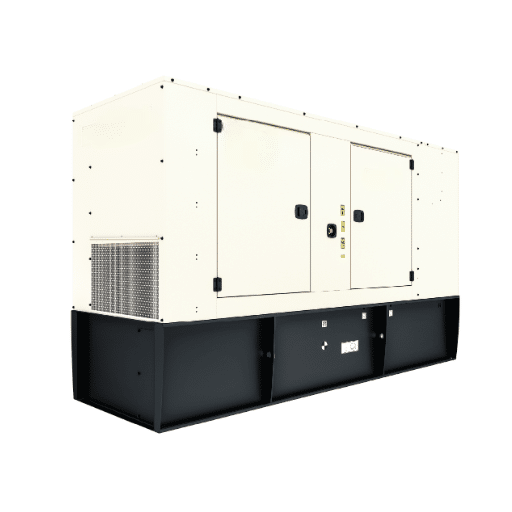
First power solution must offer a blend of reliability, efficiency, and cost-effectiveness to its proper functioning. Determination of power requirements and including peak loads and duration is the beginning phase to get enough capacity. The next step is the search for solutions which have been in use for a good time and that have well-performing models and the least downtime. From the availability, operating costs, and environmental impact groups among other such strategies, a comparison of fuel options—such as diesel, natural gas, or battery-based systems— will most probably be the next task. Last but not least, bet on products that have a bundle of warranties and give the best support in maintenance and repair. These are the best steps to be taken in order to get a power solution that is indeed reliable, practical, and not lost among your long-term goals.
Actionable Tips for Buying a New or Used Generator
1. Assess Power Requirements Accurately
Total wattage required can be calculated by adding the power requirements of all the devices and systems that the generator is going to backup. A household standby generator usually needs between 5kW and 20kW, but a factory genset can draw over 500kW. You have to account for a 20-30% margin when planning for the future.
2. Evaluate Fuel Options Based on Use Case
- Diesel: The best and most reliable fuel if you have a heavy-duty job. The average operating costs of diesel generators are 30-50% below those of gas-powered units when they are used in an industrial setting.
- Natural Gas: The perfect choice for locations where pipeline facilities are readily available, it offers a sustainable and eco-friendly energy alternative with little pollution. Even though the set-up cost could initially be more expensive, running costs are usually lower when the system is used for a prolonged duration of time.
- Battery-Based Systems: The type to use for cyclical power demands or environmentally friendly cases. On one hand, battery-driven systems diminish the pollution; on the other, the up-front costs are usually high and you have to schedule the battery banks’ maintenance occasionally.
3. Inspect Build Quality and Key Components
Check the core components namely the engine, alternator, and control systems, for high quality materials and robustness. Features like solid steel enclosures and finishes that are resistant to corrosion are must-haves for the applications that are outside or in harsh environments.
4. Research Brand Reputation and Customer Feedback
Choose the brands recommended by their reputation for building durable machines. For example, Cummins, Caterpillar or Generac. Further investigate technical publications, industry reports, user feedback to verify the hardiness of the equipment under a long-term perspective.
5. Evaluate Load Management Capabilities
Cutting-edge generators today have a provision known as load shedding, which is a method of power distribution that favors vital systems in case of an outage. Thus, the features will make it possible to use the system to its fullest but at the same time will save it from overloading situations.
6. Compare New Versus Used Models
For the used equipment, one must ask for a complete maintenance history and make the generator pass the function tests at almost full capacity. This will highlight weaknesses that can be addressed by making investments in refurbishments or upgrades. On the other hand, in the case of the new generator, it is necessary to obtain a certificate showing compliance with the EPA Tier 4 emissions standards for the latter to be released on the market without any problem of regulatory adherence.
Final Thoughts on New vs Used Generators
Having to choose between the two, a person buying a generator must take into account the need and the cost. Meanwhile, the new versions usually have the newest technology for saving fuel, controlling emissions, and monitoring from far away, and this is in line with the modern ecological goals and those of the government as well. On the other hand, the initial cost still remains as the downside of buying a new generator. On the contrary, used generators can be quite a money saver, especially for small businesses, and are fast backup power solutions. But you should also remember to buy the pre-owned generator which has gone through the necessary checking like load bank testing and emissions evaluation as this is vital to get a generator that you can rely on. Furthermore, it is also important to take into account the availability of warranties or service contracts which can be useful in reducing the risks associated with the purchase of a used equipment. By associating these three aspects with specific and detailed requirements one can take the financial as well the performance objective into consideration.
Reference Sources
- Electric Generators and Motors: An Overview
Link to source - Materials Use in Electricity Generators in Wind Turbines – State-of-the-Art and Future Specifications
Link to source
Frequently Asked Questions (FAQs)
How do I choose a commercial generator for my business?
Deciding whether to go for a brand new or a second-hand commercial generator is mainly determined by your power requirements, budget, and how much downtime you can stand. Commercial generator units are generally sold in the form of standby power or continuous use mechanisms, and therefore, select appropriately the generator that is most suitable for the generation type and load that is supposed to be generated. The new diesel and natural gas generators are the models that come with the newest controls and emissions compliance, whereas the used ones are feasible for a starting point to the cost, provided that the operations are small-scale in the first place.
Are used diesel generators reliable for long-term use?
Second hand diesel generators that have been taken care of can be anticipated to be dependable machines that can last for an extended period of time especially if they have been used in industrial or commercial settings and come with a good repair record. In the case of used or surplus diesel generators, make sure to check the maintenance logs, running hours, and whether the engines were properly treated with diesel. It’s a fact that buying used is less costly than the new items, however, the refurbishment of their parts or even immediate servicing of the generators could be needed depending on the age. If you are uncertain, buy from a dealer who has a good name and offers testing and warranties that last for a short time.
Is a new diesel generator worth the higher price tag?
A new diesel generator offers state-of-the-art fuel efficiency, emission controls, and the assurance of a warranty by the manufacturer so that the increased price tag can be easily justified for most purchasers. Furthermore, when you buy a new generator, you will have the benefit of brand new technology, as well as the ability to configure the generator as per your specific power requirements. Still, new sets may be expensive in the beginning, however, it is better to look at the upfront cost in the context of lifetime maintenance and risk of downtime instead of straightaway property investment. For the most critical of the installations, it’s often the best choice as one can rely on a new generator for its power being there when needed.
How do natural gas generators compare to diesel for standby power?
Natural gas generators have cleaner emissions, and so they can be best for moderately used sites where gas is readily available, while for prime power and industrial generators, diesel engines are the typical choice as they offer higher energy density. Generators are destined to a certain task – the one of the standby power, for instance, lies on diesel’s side due to the fact that it is more moveable and can be rapidly deployed, but at the same time, natural gas gensets take away the need for fuel storage and handling. Your choice of generator should depend on the fuel availability type of generator you need and long-term operating costs.