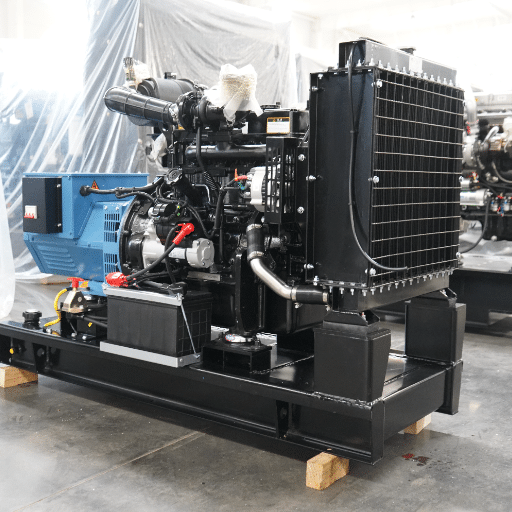


Gas generators have become a necessity in industrial and residential sectors because they provide the assurance of a power supply that can be used during blackouts or in areas where electricity is not available. However, gas generators, like other machines, have their drawbacks, and these limitations will directly affect the performance and efficiency of the unit. This troubleshooting guide has been written and is being presented to you as a way to provide you with the best methods for diagnosing and fixing common gas generator issues. None of the problems are too small—whether it is a starting issue, an irregularity in power output, or a fuel system issue—this article will provide you with the necessary technical knowledge and methods in a step-by-step manner to ensure that your generator runs without problems. By the time you finish the troubleshooting, you will be able to identify the problems quickly and apply the correct solutions, which will not only shorten the time the generator is off but also keep it always running at its best.
Understanding Gas Generators
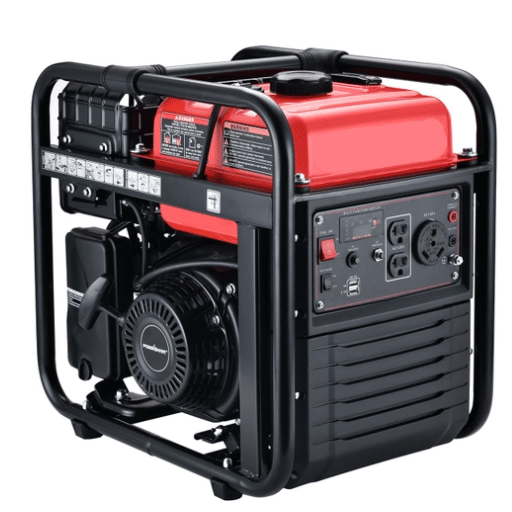
Gas generators are power-generating machines that function by converting the internal combustion of a particular fuel, usually gasoline or propane, into mechanical energy and then transforming it into electrical energy through the process of transformation. The combustion of the fuel in the engine is what generates the power that the mechanical alternator requires to produce electricity, which is then transferred to the grid. The adaptability of gas generators has granted them the title of the fastest and most dependable power recovery source during blackouts, which is why they are set up as power alternatives in homes, offices, and even in areas where heavy machinery is in use. To ensure continuous service for a long time, it is essential to learn how to operate and maintain the generators.
What is a Gas Generator?
The gas generator function is to change the primary fuel energy, which is normally either natural gas, propane, or gasoline, into mechanical energy and then into electrical energy. The internal combustion engine starts the combustion process, rotating the engine parts, then driving the alternator connected to it, which is the procedure for converting the chemical energy of the gas generator to electric power. It is the production of electricity—engine driving, parts movement, alternator power generation—that the gas generator may be considered an operation. Gas generators thus become a very important component of the power supply system, and they can be installed as power sources in off-grid regions as well. Their high performance, low complexity, and technicality for continuous operation have led the three areas of residential, commercial, and industrial applications to be strong users of them. Regular maintenance, which includes fuel management, oil changes, and component inspections, is necessary to ensure the gas generators’ citizenship or performance and to reduce the chances of breakdown.
How Gas Generators Work
Gas generators are machines that produce electricity by first changing the chemical energy of a fuel source, such as natural gas or gasoline, into mechanical energy and then finally to electrical energy. The whole process starts with the fuel burning inside the generator’s internal combustion engine. This burning pushes one or more pistons that are connected to a crankshaft, which in turn produces the motion that can be transformed into electricity. The crankshaft’s motion is then passed on to an alternator, which has two main parts, the rotor and the stator. The alternator functions on the principle of electromagnetic induction and results in a current that can be used for powering different devices and systems with electricity.
The generator is operated through a control panel that controls the performance parameters by regulating the voltage, frequency, and fuel flow. Furthermore, the most advanced gas generators incorporate intelligent safety features that are comprised of automatic shut-off systems that prevent fire hazards from fuel leakage, overheating, or electric overload. Knowing the interconnection of these parts is very important for the management of a high degree of reliability and efficiency during both emergency and continuous operations.
Common Uses of Gas Generators
Gas generators are classified as multifunctional and reliable power sources; hence, they can support an extensive variety of applications. A blackout situation over a residential or commercial area or an industrial power outage is the primary application of gas generators that allows the most critical systems to keep operating, and this is their biggest use point. They also serve in the construction sector, where power is needed for the machines and electrical tools in places where there is no grid supply. emergencies of the gas generators, such as the case of lighting, cooking, and communication, might be the campsites or farms where they are ling conditions that power various sources. Also, manufacturing facilities tend to use gas generators as the preferred power source, which means factories using them consume a lot of energy, and they operate on a specific timetable. Utility companies often face the dilemma of choosing between the two operational modes, which puts them in the situation of having to risk power disruptions. The different uses of gas generators are a clear indication that they are not only essential in various human activities but also in dissolving barriers between different industries.
Common Issues in Gas Generators

| Issue Type | Description | Prevention Method |
|---|---|---|
| Fuel Supply Issues | Inconsistency or poor quality of fuel can create problems for the generator, ranging from partial breakdowns to total shutdown of the operation. | The adoption of fuel regular inspection and clean storage practices is not just recommended but is a requirement of the industry. |
| Engine Deterioration | A machine running without a break is a contributory factor in the subtle degradation of the engine that influences performance and leads to a higher likelihood of failure. | The reduction of wear is the path to the elimination of costs and wastage of time that would otherwise be spent on routine inspections and timely maintenance. |
| Cooling System Malfunctions | High temperatures resulting from the cooling system failure may ruin generators, and such failures may result from leaks in the coolant or improper airflow. | Maintenance of proper coolant levels and ensuring adequate ventilation, which have been mentioned above, are the two methods that prevent overheating problems. |
| Battery Failures | Either battery failure or its deficiency can stop the generator from working. | It is only through battery testing and periodically changing the batteries that the starting capacity of the generator is guaranteed. |
| Wire Connections | Loosened or corroded connections can cause power loss in the generators, and worst of all, electric fires can occur. | This problem can be easily solved by regular inspection and tightening the connections. |
Important Note: The gas generators’ reliability and extended operation will be possible for the operators while overcoming the earlier-mentioned difficulties.
Engine Not Starting
When a gas generator engine refuses to turn over, there are several possible reasons for this. The most prevalent reasons are a lack of fuel delivery, a blocked carburetor, or a faulty spark plug. Before anything else, it is advisable to place fresh gasoline in the fuel tank and, at the same time, to make sure that the fuel valve is open. The old fuel or the fuel that has become unfit for use should be removed and replaced. Afterward, examine the carburetor for blockage, as dirt or other particles will often be the cause of the fuel flow being stopped, and unblocking it may help. The spark plug should also be checked for cracks or any signs of wear. If it is the latter, it is better to replace it to restore normal firing. You should now check whether the generator’s choke is set according to the starting procedure. Good upkeep practices, such as frequent inspections of the fuel and parts, can go a long way in avoiding starting problems.
Generator Runs but No Power Output
If a generator were to be positioned but not used, then the following causes and solutions might be considered:
Loss of Residual Magnetism
The residual magnetism is very important in the voltage generation of the generator. If the generator, for some reason, has not been used for a long time, then this magnetism might completely disappear. The only way to solve the problem is to do a field flash, which will apply a small voltage through the field winding to the rotor and make it alive. It is advisable to consult the generator manual for detailed steps.
Tripped Circuit Breaker
The circuit breaker of the generator must be inspected. If it has tripped, resetting would be one way to bring about power generation. A tripped breaker could be an overload situation; thus, it is important to check that the loads being used are less than the output of the generator.
AVR (Automatic Voltage Regulator) Failure
The AVR’s main function is to maintain the voltage of the generator constant. In case it malfunctions or is not in good condition, then the power supply for the entire area might get shut down. A multimeter can be used to check the AVR, and if the reliability of the AVR is doubted, then a new one must be installed.
Wiring and Connection Problems
The whole wiring should be thoroughly checked, and connections should be made stronger to eliminate the possibility of loose terminals or broken wires. Poor connections can lead to reduced power supply or even total interruption.
Faulty Rotor or Stator
The rotor and stator are the most important parts of the electricity generation process. Among the problems that come up are burnt windings, shorts, or other mechanical damage. Although they are very common, they still result in no output situation. Only skilled technicians can determine the necessity for inspection and the replacement of the components.
Warning: If the devices are neglected, they will be the reason for the extension of downtime, and vice versa, regular maintenance and timely inspections will make the opposite happen. The manufacturer’s instructions are the main reference for the specific troubleshooting and repair procedures.
Excessive Noise or Vibration
When the power-generating units usually have huge issues like mechanical or operational problems, the noise or vibration might be the first signs of these problems if they are excessive. One of the indicators is the rotor and stator misalignment, loose or broken bearings, and the swinging of rotating parts. No properties may also be the sources of noise, like regions with insufficient lubrication, areas with foreign debris, or worn-out components that generate heat through friction.
In such circumstances, it is highly recommended to switch off the machine and conduct a comprehensive inspection. Looking for loose bolts, checking the shaft alignment and its correctness, and checking the bearings for any indication of wear or damage are the steps to be taken. Begin by ensuring all parts are balanced properly and the system is free of debris. Also, what about the lubrication? Is it sufficient and done according to the manufacturer’s instructions?
The use of continuous monitoring paired with vibration analysis is a very effective approach for early detection of problems. Following the maintenance schedule for the equipment is a good practice as well, and consulting the installer’s manual for diagnostic and repair instructions specific to the equipment is also beneficial. Adopting these practices will not only reduce noise and vibration but will also contribute to extending the life and efficient functioning of the equipment.
Generator Troubleshooting Steps

1Check Power Supply
First of all, the generator should have a very good power supply with suitable wattage. Next, the connections and cables of the generator should be inspected carefully for any signs of wear and tear or disconnections.
2Inspect Fuel Levels
The generator must receive the exact type of fuel, and there has to be quite a considerable amount of it. You can refill it when necessary, but always ensure that safety precautions are being followed.
3Examine the Air Filter
Remove the air filter and inspect for blockages or dirt build-up. If the filter is dirty, you can either clean it or purchase a new one so that no hindrance will be caused to the airflow.
4Assess Oil Levels
Using the dipstick, check the oil level and make sure it is in the recommended range. If the oil in the engine is low or is dirty, add fresh oil or replace the oil.
5Test the Battery
Before anything else, it is important to make sure that the battery is completely charged, and at the same time, the battery terminals must be checked for any signs of corrosion. However, if the battery is not able to keep up with the charge, it will have to be taken out and replaced with a new one.
6Inspect Fuses and Circuit Breakers
The first thing to do is to check if any blown fuses or circuit breakers have been tripped, and then quickly fix the issue that will allow the power to be restored.
7Listen for Unusual Noises
Generator starting up, and if any unusual sound is heard, then it should be reported, especially if it is a sound similar to knocking or grinding, as it could be an indication of the need for further internal examination that would eventually lead to the discovery of what the generator has been producing noise for.
8Consult the Manual
Consult the manufacturer’s manual for potentially applicable specific error codes and also for the possible recommendations regarding dealing with the recurring issues.
Key Insight: If these steps are taken methodically, the detection and rectification of a significant number of generator malfunctions will be done efficiently.
Initial Checks Before Troubleshooting
Diagnosis and repairs of generator issues should only be performed after doing the necessary checks first. These checks are mandatory because they make it easier to find the existing problems quickly:
Check Fuel Levels
First, check the fuel; the generator must not run without fuel. Additionally, let us know if the fuel is of a good standard. Bad fuel can lead to a generator malfunction; it should be drained to avoid clogging the fuel line.
Battery Check
Just check the battery condition, and see if there is any corrosion that has developed, or if the terminals are loose, or if the battery has not been charged sufficiently. A non-functional or low-charge battery is a common reason why the generator does not start.
Evaluate Oil Levels and Filters
Using the dipstick, measure the oil level and add more oil if it is below the level that is recommended. Additionally, inspect the oil filter for contamination or blockages because poor lubrication may lead to the destruction of the engine.
Examine Airflow
Dirt or blockages in the air filter should be looked for and cleaned or replaced if it is necessary. Airflow limitation may have a bad impact on the combustion process and thus the generator’s efficiency.
Look Over Circuit Breakers and Connections
Check circuit breakers and external connections for indications of damage or tripping. Also, make sure that all the connections are tight and no electrical faults exist.
Result: These initial checks performed can prevent a lot of operational trouble and, thus, help in more effective troubleshooting.
Using a Troubleshooting Guide
A troubleshooting guide is a systematic device that facilitates the user in detecting and fixing generator problems with minimal effort. The first step is to look at the manufacturer’s user manual for any recommended troubleshooting procedures. If the generator fails to start, the first things to determine are fuel supply, oil level, and battery. Measures such as cleaning or replacing the fuel filters, checking the spark plugs for faults, or resetting the circuit breakers can be solutions to problems such as fluctuating power output or unexpected shutdowns. It is sensible to double-check the error codes displayed on the generator with the manual to determine the exact faults.
Furthermore, the Internet is a vast source of information and can also help to clarify the issue. The leading support sites, for example, almost always validate that checking the load on the generator and ensuring that it is not overloaded are among the very first reasons reported for operational difficulties. Besides, these sites frequently direct attention to the alternator and the voltage regulator as the components to be inspected for possible wear or malfunction, since these would lead to a decrease in performance. By utilizing these avenues and through adequate troubleshooting, many inconveniences can be encountered without needing a technician’s help.
Identifying Fuel-Related Problems
Generators frequently experience problems related to fuel, which are usually traced back to very few causes. First of all, old or impure fuel can cause the proper combustion to be blocked and the engine to misfire or even not start at all. A very good remedy for this problem is the periodic replacement of the fuel, coupled with the application of fuel stabilizers. Furthermore, the situation where the fuel filters are clogged will be another reason for the fuel not getting to the engine, thus causing a reduction in performance or even no burning at all, and the checking and replacing of the filters will be regularly required. In addition, a failed fuel pump, indicated by either leakage or breakdown, can cut off the fuel supply, and thus the pump should be checked for wear or damage or replaced. Also, there can be air locked in the fuel lines, or there might be a system with improper sealing, causing fluctuations in the operation, which means that it is very important to keep the system’s integrity. The presence of fuel-related problems can be eliminated, and consequently, the extremely efficient generator might be put off very frequently.
Maintenance Tips for Reliable Power

Continuous Inspection
Frequent visual inspections are to be carried out to spot any signs of damage, rust, or leaks. Resolving the issues at the onset will prevent any major problems from developing.
Changing Oil and Filters
Engine oil and filter replacements should be done according to the manufacturer’s schedule in order to maintain the lubrication in perfect condition and minimize the wear of the parts to the lowest.
Battery Care
It is very important that the battery be clean, that it be fully charged, and that it be properly connected. Its good performance should be confirmed by regular testing.
Coolant System Inspections
The coolant must be checked, and the hoses and connections must be checked for leaks or signs of wear. The only coolant allowed is the one specified by the manufacturer.
Fuel Quality Control
Store the fuel in such a way that contamination is not possible and that its quality is maintained. Check the stored fuel for water or sediment and use stabilizers if necessary.
Important: If these habits are followed rigorously, there will be a reliable generator operation and a longer period of new equipment. In addition, the manufacturer’s instructions must be followed in the case of maintenance requirements.
Routine Maintenance Practices
1. Regular Inspection and Cleaning
It is very hard to imagine a completely worn-out, rusted, dirty, and full of debris generator, but such a daily comprehensive visual inspection will subject the machine to its daily life. In case of any blockage, the air intake and exhaust systems will be cleaned professionally. The engine, battery terminals, wires, and connectors will be inspected thoroughly for any physical damage or wrongly connected parts.
2. Oil and Filter Maintenance
Only when the oil filter is changed, the engine oil and oil filter have to be checked and changed in accordance with the manufacturer’s specifications or after every 100 to 200 hours of operation, whichever comes first. Re-lubrication is done using the oil with the required viscosity that meets the specifications, so the engine life is prolonged.
3. Cooling System Maintenance
The coolant in the radiator or the cooling system should be checked regularly, and the manufacturer-recommended mixture should always be used to top it up. Hoses, connections, and the radiator cap should be inspected for leaks or damaged areas. The flushing of the cooling system and coolant replacement should be done per the schedule given in the generator’s manual.
4. Fuel System Maintenance
The generator’s fuel system should be inspected for any contaminants, which might include water, sediment, or microscopic organisms. Fuel tanks have to be maintained in such a way that they are clean and securely closed, and if the fuel is going to be kept for a long time, then it is necessary to use stabilizers.
5. Air Filter Changing
Have the air filters frequently checked and cleaned to ensure that they are in good condition. If the filters are very filthy or broken, they should be promptly replaced. This will not only eliminate the extra strain on the engine but also prepare the ground for a more economical operation.
6. Battery Care
Regular checks should be done on the battery’s charge level, and terminal cleaning should be done in order to keep the starting power’s reliability. Cables and connections that are loose should be tightened and secured.
7. Testing and Load Running
Running the generator under load every now and then keeps it working and, at the same time, checks its performance. Also, it is to prevent moisture accumulation in the system and to ensure the combustion process. Simulated load testing might also be conducted to reveal potential operational issues before they escalate.
Conclusion: Carrying out these comprehensive maintenance procedures will not only assure the generator’s effective operation but also prevent drastic failures. Always check the manufacturer’s manual for the specific maintenance intervals and suggested procedures.
Importance of Regular Checkups
Regular check-ups have great significance in terms of revealing possible issues with the equipment’s functionality as well as ensuring the machines are functioning at their best. Thorough inspections give the technicians a chance to detect the weakness, fix the minor problems before they become really expensive, and thus shut down the machines for a shorter period. The machine examination most of the time includes checking the fluid levels, watching over the main parts like belts and filters, and evaluating the whole system’s performance. Also, routine check-ups would confirm that you are following the manufacturer’s guidelines, which in turn will make your equipment less likely to break down and safer for use. By consistently scheduling these evaluations, you are not only minimizing the machines’ downtime but also increasing their performance and reliability even in the most critical operations.
How to Maintain Fuel Quality
Quality-fuel maintenance is a process that lowers pollution of the fuel through proper storing, monitoring, and controlling. The fuel should be placed in clear, temperature-stable, and airtight containers in order to remove the airborne germs, moisture, and dirt sources that might eventually spoil its quality. The optimal place for diesel and gasoline to be stored is in places that have no temperature changes at all because extreme heat or cold will create moisture as well as promote the growth of bacteria. In such cases, especially when the usage is infrequent or seasonal, the fuel can be treated with stabilizers or additives that slow down oxidation and chemical breakdown, thus making the fuel last longer during storage.
The next step is to establish a quality inspection protocol that would entail performing periodic checks on the fuel’s quality. Fuel testing kits that can give instant results on whether or not there is water, microbial activity, or sediment forming (all of which are signs of contamination that could lead to the equipment’s poor performance, thus should be addressed beforehand) can be incorporated into the quality check-up. Regular sampling and testing by certified labs for compliance with industry standards and prompt identification of potential problems are some of the methods that can be applied to large-scale storage tanks.
Lastly, pollution control measures should be taken. Storage tanks have to be cleaned often, leakage should be watched, and filters and seals should be replaced according to the specified times. Filters or separators may have to be used in case the water and dust coming from the fuel supply are to be reduced to almost zero. The combination of carrying out these activities according to the planned frequency and applying correct handling methods assures fuel quality preservation.
Power Solutions for Persistent Problems

Prolonged power-related troubles usually point to a particular issue, which then leads to the crafting of the most effective solution. If the power supply is of poor quality, it is the right time to invest in a top-quality generator or an uninterrupted power supply (UPS) system that will keep on working with you during the outages. For areas that are prone to frequent blackouts, the installation of solar-powered inverters along with battery storage will be the most recommended option for clean and trustworthy energy. To cope with the unstable voltage, voltage regulators or surge protectors can be used to ensure that no equipment gets damaged. Have the power infrastructure, including wiring and connections, at its best by performing regular maintenance to prevent any occurrences of system failures or reduced efficiencies. These particular solutions, when taken altogether, guarantee that the critical operations will always have a power supply that is both uninterrupted and reliable.
Upgrading Your Generator
In the case of a generator upgrade, reliability, uninterrupted operation, and matching to your power needs are the main areas that need to be looked at so that the benefits are accepted. It is paramount to ascertain the power output specifications of the generator first, and then these are expressed in kilowatts (kW). It must be emphasized that the generator can handle both peak and continuous loads of all connected devices. Then, fuel type considerations must come next—diesel and natural gas powered generators are primarily used because of their efficiency and good supply, meanwhile, the latest development in hybrid and renewable-powered systems might still offer you unconventional but good options.
The introduction of such elements as automatic transfer switches (ATS), intelligent monitoring systems, and advanced noise-cancellation technologies may have a considerable positive impact on the operational efficiency and the user-friendliness. In addition to this, it is suggested to inquire with the local authorities regarding the regulations imposed by the law to obtain the permits, which will allow you to operate in a non-polluting manner. It is best to pick a generator that has a powerful and dependable engine, is of a reputable brand known for its trustworthiness and long-term support, for maximum performance. In addition to the manufacturer’s recommendations for regular maintenance, preventive measures will also need to be considered if the goal is to have the equipment last longer with the least amount of downtime.
When to Consult a Professional
In case you are uncertain about the essential matters of installation, the adherence to the regulation, or if your equipment has a difficult problem needing to be fixed, then without hesitation, I would recommend booking a professional appointment. The professionals are knowledgeable enough to make sure that the entire process will be safe, smooth, and follow the rules, thus it will not only take you less time but also give you the advantage of not having to pay more money in the future because of mistakes.
Alternative Power Solutions
The phrase “alternative power solutions” generally refers to technologies capable of partially or completely replacing conventional grid electricity. There are various types of these technologies, and among them, solar power, wind power, and battery systems with their wide access and application are the chief ones. The photovoltaic cells can be described as those systems converting sunlight into electric energy, thus making solar power systems the most environmentally friendly option, where cost is going down, and performance is improving. Small wind turbines are considered clean and reliable power sources since wind energy is produced in places with a constant flow of wind. Battery storage systems like lithium-ion batteries are crucial in managing the energy flow from solar power plants or wind farms during the non-producing period, thereby providing the required energy during low solar or wind conditions.
It is recommended to consider rather carefully your area, power needs, and the trade-off between the initial investment and the total energy savings, in order to select the most suitable option. For example, in regions with abundant sunshine, solar panel systems will be very attractive economically, while wind turbines in windy areas will take some time to start yielding good results. Besides, the integration of solar panels, wind turbines, and battery storage gives rise to great stability and flexibility and therefore an uninterrupted power supply. Consulting experts or checking local regulations can make the decision-making process easier by aligning the energy solutions with the specific requirements and environmental conditions.
Reference Sources
Massachusetts Institute of Technology (MIT) – DSpace Repository
Title: Use of performance-monitoring to improve the reliability of emergency diesel generators
Texas A&M University – OakTrust Repository
Title: Gas Turbine Blade Failures-Causes, Avoidance, And Troubleshooting
University of Kansas – KU ScholarWorks
Title: The Optimization of Data Acquisition, Fuel Flow, and Spark Timing Control for a Synthesis Gas-Engine-Generator System
Frequently Asked Questions (FAQs)
Generator maintenance: Why isn’t the engine of my generator starting when it is in the starting process?
When the generator does not start the engine, the first and main reasons are a dead battery, a broken pull-start cord, a closed fuel shut-off valve, wrong throttle and ignition settings. For the electric-start generators, a multimeter can be used to measure the voltage at the battery and the starter during the start attempt to dismiss the weak battery or bad terminals as possible causes. Also consider that the filter could be clogged, the oil could be low, or the carburetor could be flooded with new gas/stale fuel. Have the manual on hand for specific instructions before starting the repair activities.
Gasoline: Is it possible that my generator’s poor performance or failure to start is due to stale gas?
No doubt about it. Most likely, stale or old gas is the culprit for hard start, rough running, or total failure to start. If the fuel is over 30-90 days old, then it is the best option to drain the fuel tank and carburetor, refill with fresh gas, or add storage stabilizer. It is highly suggested to empty the fuel tank if you are aware that the generator will not be used for a long time. After the old gas has been completely replaced with the new one, make sure that there are no clogged fuel lines or carburetor buildup requiring cleaning.
Generator maintenance: Troubleshooting, ignition, and spark plug replacement in a small engine
Ignition troubleshooting involves removing the spark plug and examining it for fouling, damage, or wear. If it’s cracked or if the electrodes are worn, then use a new one. If not, then clean it and return it. The visible spark can be checked by taking out the plug, connecting the threaded shell to the engine, and trying to start it. If no spark is seen, then check the ignition coil, kill switch, and wiring, and refer to the manual for specific instructions before replacing any parts.
Gasoline: What to do when the generator doesn’t start but the battery is in good condition?
In case the generator is not starting despite a completely charged battery, check if the terminals are clean, there is no corrosion, and the starter motor is not stuck. A lot of wisdom can lie in checking the fuel shutoff valve; checking if the oil levels are low, the oil sensor has triggered the shutoff, etc., can be overwhelming the way. Besides, check for mechanical obstruction. If the starter is drawing voltage but not activating, then maybe the starter solenoid or the starter needs replacement. Any repair work has to be done along with the safety procedures and the manual for specific instructions.
Generator maintenance: How can I determine that the air filter is clogged or oil levels are low if I have trouble starting the generator?
An air filter that is clogged will hinder the flow of air and result in poor acceleration, rough idle, or even failure to start; therefore, it should be removed and checked for dirt. If it is dirty, replace it. When there is less oil, the small engine safety cutoffs are triggered- hence, check the oil dipstick and either top up or replace the oil as per the instructions. Maintenance of the generator through regularly scheduled cleaning, replacing the air filter, and oil checking enhances the performance and quality of the equipment and also saves one from common problems.
Gasoline: When should I replace the battery or terminals if they are clean, but the unit still struggles to start?
If the voltage with a multimeter reads below the manufacturer’s specified resting voltage or the battery fails under load, then the battery should be replaced. Even though the terminals are clean, internal battery sulfation or damage will prevent reliable starts. Replacing the battery and ensuring terminals are tight and free of corrosion helps restore dependable startup and backup power readiness.
Generator maintenance: What are the steps that I have to take so that the generator is kept in the right way, has a long lifespan, and works at its best?
Proper storage also includes draining the fuel tank or adding fuel stabilizer to new gas to prevent varnish and clogged jets, if recommended fogging—disconnection and removal of the battery, or ensuring that it is always charged—cleaning and drying of the unit, and keeping it in a cool and dry place. If the time for generator maintenance comes before it is stored, which includes checking oil, replacing the spark plug if needed, and cleaning filters, it will definitely prolong the service life and make it ready for use in power outages.
Gasoline: What should I do if the generator does not work even after I have replaced the spark plug and battery?
In case the spark plug and battery replacement do not solve the issues, the very first thing to do is to check the fuel system for any blocked lines or troubles with carburetors, the next step is going to be the starter and ignition coil inspection for any damage or wear, then make sure that the fuel shutoff valve is open, and finally check sensors like the low-oil cutoff. For detailed troubleshooting instructions, always refer to the manual and consider measuring the output voltage with a multimeter to see if the alternator is producing proper voltage or not. If you are not certain or find out about internal damage, it is best to have a trained technician evaluate your situation before any repair is done.