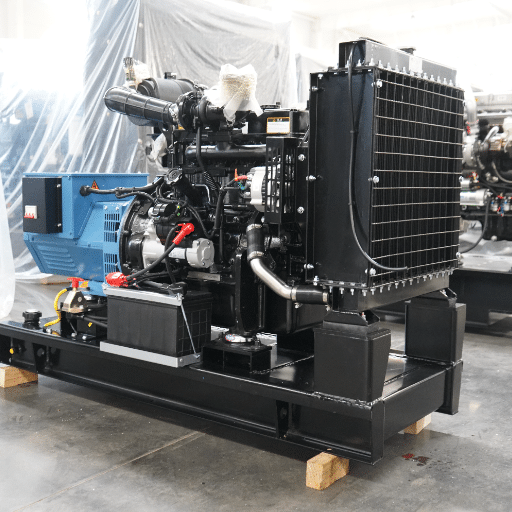


As the winter cranks up in the Midwest, it causes inclement weather, the type of which is not only rare but also causes a series of blackouts. Most inhabitants of such houses and apartments must be able to overcome such situations, carrying out their normal activities at least in the meantime. Several key things will be discussed in this article on winter generator preparation in the Midwest. Covering basis from – how not cram into a shelter with your loved ones whenever there is a blackout – to catering for the technicalities involved for maximum performance of the generator, this will include the needed information on how to keep the home lights on when the surrounding lands are devoid of power.
Understanding Winter Generator Preparation

Check the Generator as Routine Maintenance
Before the winter season, thoroughly assess the generator to determine any damage or wear. Inspect the spark plugs, air filters, and oil level, and replace and clean if and as required.
Frequently Test the Generator
Start the generator and check to see if it runs correctly. Load testing aids in identifying any problems that may arise before a blackout hits.
Add the Proper Fuel Only and Do not Store it carelessly
Make sure that the generator is fueled with the right type of fuel as specified, and the gas is not stale. Any extra fuel should be stored in safety-approved containers, in a cool, well-ventilated area far from fire sources.
Proper Attitude Towards Using the Generator
Safety First: Run the generator either outside or in an area with proper ventilation to avoid carbon dioxide intoxication. Don’t use the generator anywhere around the home, including the garage.
Purchase a Winter Kit
The extreme temperatures can affect the use of the generator, starting, and operation in the cold unless special kits for cold weather and battery warmers with an engine block heater are used.
Power Plugging Cords Properly and Ensuring Safety
Household connections can be made to the generator using strong extensions or connection switches. Inspect the power cords for any cracks or tears and make sure that they are suitable for outdoor usage.
Key Takeaway: With these preparatory measures implemented, you can be assured of your winter generator preparation in the Midwest without compromising your home energy and safety.
Importance of Generator Readiness
Ensuring the locomotives are fit for purpose through time is a task that has to be carried out by people who offer power, or when there are storms. Proper maintenance of generators consists of checking a few essentials, such as fuel, ensuring there is no need for any oil or filter change, and testing it on load-bounding. Also, fuel has to be stored in proper tanks as the particular region dictates, together with the manufacturer, to avoid degradation wasting or explosive hazards.
As important as all of the above is, you have to control how big the generator is for a specific task. This implies that you need to establish how much power the generator’s limits have in the context of the house or office load for important zones. Insufficiently powered generators can also cause a range of problems, such as overloads, while, on the other hand, larger-sized generators are highly inefficient and can be very expensive to run.
To finish off this discussion, it is imperative to bear in mind that readiness ensures continuity of operations regardless of threats posed. Users can take measures such as installing CO alarms, creating a safe distance from buildings by placing the generator outside, or consulting the manufacturer’s handbook. Rehearsing readiness methods assists in maintaining the effectiveness of the generator and, more importantly, the vital systems and services provided by the home appliances during a power blackout for a long time, so that there shall be no or fewer inconveniences caused in the case of an outage.
It is specifically important for the region of the Midwest to elaborate on winter generator preparation in the Midwest.
Common Winter Storm Challenges in the Midwest
Winter months are harsh in the Midwest with numerous challenges that affect people in many respects, from their infrastructure to their safety. First of all, the cold weather can drop to levels and intensely freeze, causing injuries like frostbite and hypothermia, along with tremendous heating bills. These low winter temperatures are compounded when enhanced by the presence of snow deficit or excitatory deposition, which may lead to terrible car accidents on the roads or some victim cases, thus moving either unsafe. Furthermore, after these interruptions follow hours of frustration, as such storms usually cause many to be without electricity as wires drop off due to the weight of ice attached to them and fast winds shaking them. And still water pipes too are a problem, as the problem is half solved with temperatures as low as the water freezing point, whereby water expands and bursts the pipe, which results in repair expenditure besides the water waste. In other words, suitable insulation and heating services, close-off access to household items in case of an emergency, should be available for winter generator preparation in the Midwest.
How Power Outages Affect Your Home
Having a blackout in your home has many negative consequences, including issues with some vital systems and disruption of social and domestic routines. In the absence of power, heating and air-conditioning systems cannot operate, which leads to unbearable temperatures in the building during odd temperature and, depending on the weather, can cause health complications. It is impossible to preserve food items in refrigerators and freezers that stop working within minutes. Also, security devices such as alarms and cameras can stop working, hence exposing the home to burglary or any form of insecurity. Furthermore, a lack of enough power could make water pumps and garage doors inoperable, thus limiting access to essential amenities. If the power is cut off for a long time, one has to bear in mind the possibility of this equipment being damaged by the voltage after the power returns. One of the mitigation strategies includes the availability of alternative power supplies, such as winter generator preparation in the Midwest houses, protecting the core systems.
Selecting the Right Generator for Winter

In preparation for using a generator in the winter, it is A general guideline to have all your Energy requirements and Temperature expectations on the weather beforehand. The first thing you will have to know is how much wattage is necessary to support your basic needs. These include heating, Heating, and air conditioning. Portable Generators are perfect for houses that are Kinda big or for just powering some very important equipment at home. Standby Generators, on the other hand, will give you immediate power by starting themselves without intervention, even if enhancements get more and take more time.
The second consideration is whether or not it is adapted to the cold. This report should include low-temperature start-up ability, a decent battery, and a fuel system in prime condition to function at reasonably low temperatures. It is also advised to pick harsh winter-proof fuels such as propane or any of the other fuels, i.e., diesel. And this is because availability will not be a problem, especially in the Midwest.
For final precautions, place an outside generator – be reminded this should be done at a ventilated outdoor region – and take the necessary measures to shield it properly by kurosha: maintenance regularly. These aspects, while choosing a generator, will ensure a comfortable and warm ambiance in the house during the winter.
So the whole idea of winter generator preparation in the Midwest involves these particular issues.
Types of Generators Suitable for Cold Weather
Selecting a generator for cold climates should be informed by locally available options that work in cold weather. A variety of such generators exist, and they include the following:
Standby Generators
Standby generators are permanent installations that automatically power on during power interruptions. They are designed to be extremely reliable and generally come equipped with cold-weather items such as battery heaters and oil heaters to keep them operational at temperatures below zero. They usually run on either a supply of natural gas or a tank of propane, allowing homes or businesses to have uninterrupted power, among other things.
Portable Generators
If you ever tried to move a generator around, for instance, before winter generator preparation in the Midwest, you know how tiresome it is.
Transportable generators have a wide range of applications, such as running vital appliances during blackouts. If they are to be used in cold climates as well, purchase those that incorporate enhanced kicker systems, accept winter oils, and allow electric starting for effortless operation in very cold weather. Gas is also mostly the fuel of choice for these types of units, but there are also dual fuel systems, which can run on gas and propane as well, for users who need more coverage.
Generadores Inversores
Inverter generators are a great option for compact power supply and are often oversized due to the use of intricate devices such as a laptop or even a medical device during winter generator preparation in the Midwest. Numerous ice-buildup-specifically designed models come with improved control of the engine and teeming function to enhance how the engine works in colder weather. They are quite economical, with gasoline or propane fuels used for operation, and the noise levels are low due to the domestic use forestallment.
Based on the different power requirements and circumstances of each user, these three types of generators, in particular, are useful in this case because they are consistently reliable even during winter and afford adequate power for many hours.
Power Needs: Stationary Power only provides stand-up or upright generators for winter generator preparation in the Midwest power outage scenario.
Fuel Options: Propane vs. Diesel Fuel
In some cases, it can be either propane or diesel that goes into the generator since the two fuels possess unique features that make them suitable for specific applications. For instance, propane is preferable for the environment since it produces far less pollution than internal combustion engines driven by diesel fuel. Moreover, the main advantage of storing it is its perpetuity, which is useful to avoid the breakage of the piece of equipment outside of one’s disposal. A propane-powered generator works differently from other generators that freeze at cold temperatures since it does not have the risk of freezing fuel; however, because propane is less energy efficient than diesel, it may need a bigger fuel tank.
The Diesel engine is efficient and gives good mileage. Diesel engines have higher efficiency in fuel consumption per gallon, thereby assuring reliable operation even during long hours of heavy-duty use. Furthermore, diesel engines are also inbuilt in diesel generators, making them suitable for extreme usage. One drawback of diesel, on the other hand, is its easier degradation, and sometimes adding stabilizer in cold weather to prevent gelling is necessary. Pollution is another problem with diesel machines, which makes them unsuitable for environmentally sensitive operations.
It is to be noted that the propane or diesel option also rests on other parameters needed to assess the operation, such as usage duration limits, environmental and packing acceptance, and cold climate conditions. With the right generator, these fuels, too, will serve their purpose without any problems.
Generator Performance in Extreme Cold Temperatures
Winter is getting colder with each passing year, especially in the Midwest, where harsh weather conditions are an annual occurrence. This is what causes the basic principles of Generator operation to shift, starting with large temperature fluctuations to poor fuel quality or another cause that adds greater “consumption” of exhaust gases. For such cases, winter generator preparation in the Midwest involves a broad scope of thinking and operating power plants in a stable state.
There are a few practical ways to mitigate these problems. For example, in very cold climates, it is necessary to have kits available that contain block heaters, battery warmers, and fuel line heaters. This allows the use of the unit regardless of temperature. Alternative fuels such as, for example, winter fuel diesel or propane must also be employed as they do not gel/freeze easily. Unlike diesel, propane can be used in very cold weather because it does not change its gaseous state.
Routine service is another important issue to consider. The generator should be checked to ensure that no damaged seals are being replaced, lubricants are changed, and there are no components that are likely to freeze.
Attempts to “stock above heating area” by keeping out the generator will reduce the time the generator is exposed to ambient air.
In general, avoidance and mitigation of the burning environment are necessary for effective usage of generators in a very icy climate. Doing so will make certain that power is available throughout the duration of operation and that the machinery does not overheat when it is lemonade time.
Steps to Prepare Your Generator for Winter

-
Inspect and Test the Generator
Do an evaluation of the generator by looking for potential areas of wear and tear, damage, and other problems that may affect its performance. Put the machine to the test so that you do not have a problem with generator failure when it is required and it is snowing.
-
Perform Routine Maintenance
Include oil, filters, and spark plugs in the routine maintenance if needed. To avoid fuel being blocked by the cold weather, make sure the fuel lines are clean and working.
-
Use a Cold Weather Kit
Assemble and attach a cold-weather kit, which may comprise block heaters, oil heaters, and battery warmers to facilitate operation in winter.
-
Choose the Right Fuel and Additives
For diesel generators, use only winter fuels or fuel blends with additives that do not gel. These will help the fuel to flow freely and cause no fuel restriction.
-
Inspect Seals and Lubricants
Confirm that all seals are in place to avoid water from intruding inside the machine. To avoid thickening, use appropriate lubricants that do not thicken with cold temperatures.
-
Ensure Proper Storage and Protection
Locate the generator in an enclosed, warm space to minimize the threat of snow, ice, and extreme cold. Utilization of a tightly fitted cover can be employed if the generator is to be stored outdoors
-
Develop a regular testing cycle
Different states of the generator must be checked at regular intervals in the winter for functional purposes in order to make the unit available whenever required.
Remember: These measures will help in reducing the chances of failure and increasing the performance of the generator, even in extreme winter conditions.
Winterizing Your Generator
1. What makes generator winterizing crucial?
The harsh, cold months are the times when blackouts are very common, so it is essential that your generator can be used during these months. Winter generator repairs involve various actions such as changing the type of fuel, ensuring adequate battery life, and taking care of any other mechanical problems associated with the cold.
2. How will I protect the fuel system of my generating set during winter?
Use a good stabilizer in your fuel so as to treat the trouble of gelling or breaking down. In the case of a diesel generator, one can make use of winter diesel or even the gels that stop gelling, which are special products for diesel in the cold. Additives can also be less effective in preventing gelling. When intended for use in a cold climate, ensure aviation gas is stored without any water and check its quantities regularly.
3. Is it permissible to leave the generator in the house? Or is it supposed to be left outside?
It is preferable to keep portable generators inside a well-ventilated but weather-protected place, but portable generators must always be operated outside the building to avoid the inhalation of carbon monoxide. Applying the machine’s cover and storing it in a weatherproof place, especially during snow, ice, or rain, is the only alternative available in the case of outdoor storage. Space the unit enough to allow adequate air flow around it.
4. If there is a battery in the generator, then how do you ensure it’s working in winter?
The battery puts extra workload in a cold climate. Keep monitoring the charge level and also use a battery maintainer or a trickle charger to maintain its power. Changing the old battery before winter avoids one disappointing day when it fails on the day it is needed the most.
5. What is the recommended procedure to be undertaken for maintenance?
Develop a program of maintenance activities. For example, changing the oil and filters for those that are designed for cold temperatures, or examining belts and hoses to ascertain if they are frayed. Drain all the generator’s fuel if possible and exercise them every so often to avoid stiction in the moving parts.
To make sure that the generator continues to function properly when the cold season arrives, clear clouds in your face, and do the winter green generator preparation much more than just the average household.
Maintaining Fuel Quality in Cold Weather
When it comes to diesel fuels, the chemistry of the product and the cold weather changes require that more consideration be given to storage and preparation for cold weather. Cold weather cuts to the chase after the fuel contents; the products, hence a call for winter-type diesel in diesel generators. Winter grade diesel is such that it is configured with additives to ensure that the fuel does not gel or fog in any way at below zero degrees. Make sure that all the storage tanks are checked for water infiltration, since water can easily freeze, causing problems inside the fuel tanks. Drain out water that is likely added inside the fuel holding tanks and piping more regularly, as those types of conditions encourage condensation. Use of a fuel stabiliser or anti-gel, aside from enhancing their usefulness in the cold, more importantly, performing better during winters, is also recommended.
Note: This is also applicable in colder months when it comes to winter generator preparation in the Midwest.
Perform routine inspections from time to time to assess the state of the fuel that is stored for use, especially when it is to be stored for a long period. Diesel fuel is known to have a shelf life, and its quality and stability depend on the state of the weather unless otherwise stated. For best methods, store fuel in a clean environment and at appropriate temperatures following the manufacturer’s instructions on fuel safety and storage design.
Protecting Your Generator from Ice and Snow
Prop the generator up in a heavy duty weather resistent encosure before winter, to keep it dry and minimize exposure to wind and rain. Such an enclosure is fitted with barriers to enhance heat distribution and does not allow water to reach the generator’s inner systems. Always remove any snow that might cover the side walls, concaved vents, and grates. Since the air passages serve the purpose of dog help extracting hot air from the inside of the generator, ensure they do not remain closed off for long, otherwise the generator will overheat, or its efficiency will be compromised.
In addition, cold-weather kits ensure the generator is well-functioning once temperatures hit below zero. They usually contain devices such as the car battery warmers and the heaters for the engine blocks to facilitate easy engine starting. Ice and snow shall be avoided by over elevations as they tend to deteriorate the generator on direct exposure. In addition to them, some include checking every electric joint and every seal to ensure that no water leakage can affect any part of the apparatus. It thus remains essential in the sense that no matter how the weather may be, these steps enable the user to have the generator running.
Safety Measures During Winter Power Outages

Please Read and Follow Instructions
Critical Safety Warning: In connection with the operation of portable generators, please note that you should always start the generator outside the home and away from any windows, doors, or openings to the building to avoid any risk of carbon monoxide. Most importantly, generators must not be operated in confined areas surrounding a building, particularly garages, without detailed exclusion management physicist level safe extraction systems.
Control Risk of Electric Shock
A good practice would be to plug in the appliances directly to the generator with manufacturer-recommended cables to avoid overheating circuits. Also, fail to avoid using broken cords, and care should be taken that all connectors should be kept wet.
Keep Warm with Safety
Use only heater spacers that conform to regulation and due to fire risk, place them no closer than three feet from anything that can burn. Do not use heaters left unattended, and adhere strictly to the use of the equipment according to the manufacturer’s instructions.
Organize Food in the Fridge Carefully
Minimize the frequency of opening the refrigerator and freezer doors whenever possible. With any perishable items, check with a thermometer and eat or discard only if it is safe (this means below 40°F for refrigerators and 0°F in the case of freezers).
Compile a Survival Kit
Everybody must have a prepared kit mainly containing flashlights, several spare batteries, bottled water, dry foods, and, wherever applicable, medications. There should also be blankets and radiocommunication equipment with backup batteries.
To these guidelines, accompany the batteries using some analog insulation that will improve the effectiveness of winter protection during a time of power cut.
Assessing your environment and climate is necessary for appropriating indoor installation and winter generator preparation in the midwest for instance.
Preventing Carbon Monoxide Poisoning
The danger of carbon monoxide poisoning is quite great during the cold months of the winter season and in the absence of electricity. Therefore, for every household having any of the heating appliances that use fuel, such as furnaces, cookers, or generators, preparing for the safe use of such appliances is very important. Do not allow yourself to use a portable generator or charcoal briquette inside a house, the garage, or the premises because this will cause a rapid build-up of harmful odourless gases in the surrounding.
Place a carbon monoxide detector on each level of your residence, particularly near the bedrooms, and ensure that it works properly by conducting regular testing. Change the batteries once every year and the device itself as per the manufacturer’s instructions. Moreover, heat sources should not be kept or utilized in improper places, and this should be done only in compliance with the manufacturers’ provisions. Also, cars should not be left running inside garages. If there is any indication of CO poisoning, like a headache, lightheadedness, or an upset stomach, it is advised that you get out of the house fast and seek appropriate medical attention. Following these methods greatly lessens the possibility of getting exposed.
Using Heaters Safely with Your Generator
Safety practices should be adhered to when using heaters with the generator to avoid risks that could lead to carbon monoxide poisoning, igniting a fire, or even damaging equipment. It is advisable to use the generator outside the house, preferably away from the house rather than within 20 feet of it, with the exhaust directed far from any doors, windows, or ventilation. Carbon monoxide can kill because generators shouldn’t be used inside the house, garage, or any other enclosed area. Bear in mind that the generator should only be connected to a heater that will operate within the generator’s available power, and do not exceed the power limit. Otherwise, the generator might get damaged, and the system won’t work.
It’s easy to keep warm with a winter generator preparation in the Midwest as long as you follow the next simple rules. Only use heaters specifically designed for and tested to be safe indoors, and follow all the manufacturer’s instructions in relation to correct ventilation procedures. For space heaters, you must make sure that they come with safety features such as tip switches and carbon monoxide detectors. Heaters should be placed only on flat surfaces and not within three feet of anything that can catch fire, such as furniture and drapes; finally, routinely check the condition of cables, plugs, and the magnifier itself. This is done by inspecting cords, plugs, and generators and ensuring no thin or damaged cords or connectors are used. Combine all the above measures, and you will be able to use heaters with your generator without any problem.
Staying Warm During Winter Emergency Situations
Wintertime calls for a good strategy on how to stay warm when there’s an emergency of that nature. The first thing that needs to be done is that of heating the house and not letting the heat escape into the outside –cover any drafty windows or doors using weatherstripping or towels, for example. If heating is necessary, ensure that only one or a centrally located room is heated to save on energy; the rest of the rooms, if not in use, should be shut, and the heated room may have heavy blinds or clothes for walls, as this will serve to help contain the warmth within. Clothing of natural fibers such as fleece and/or wool should be worn in layers since they are good insulators even when moistened.
If there is a generator available, remember to always use it outside in a ventilated area to prevent CO poisoning. Power space heaters that have self-regulating shut-off functions and position them in such a way that they do not come into contact with any inflammable objects. However, in the absence of electricity, there are other ways to keep warm in an emergency, such as using electric heaters with backup supports, indoor safe propane heating units, and individual heat pads. Lastly, gather enough supplies like blankets, wood (in case there’s a fireplace), plus long-lasting foods, anticipate cases as long as they may take, and keep an additional check on fuel and battery levels in cases of prolonged periods for heating safety and efficiency.
Managing Energy Solutions and Costs

Managing energy solutions and cost control involves increasing energy efficiency and reducing consumption unnecessary consumption. The first step is to cut down on the power-consuming devices and replace them with Energy Efficient Appliances, using, for instance, those having ENERGY STAR ratings, which ensure the usage of little power without deteriorating performance. For heating and cooling systems, smart thermostats should be installed for more precise control over temperature fluctuations to avoid any wastage of energy. Close any open windows and doors, or observable crevices, to avoid energy leakage caused by drafts. When it comes to lighting, abandon incandescent lamps in favour of LEDs that have greater longevity and consume less energy. Checking and researching different energy providers’ rates and exploring the option of renewable energies, such as the use of solar panels, can save time this time of year. The last but not least thing is to ensure heating and cooling equipment has regular check-ups for its performance, which also helps in avoiding utility bills that are wasted away for no reason.
Understanding Your Energy Bill in Winter
In the cold season, the cost of energy rises because there is a lot of demand for heat energy. Specifically, the basic elements of an energy tariff can be the cost of electricity or of gas, supply charges, and other usage charges. Most of the energy is used for heating purposes since it takes a great deal of energy to keep the room warm and cozy. However, old and inefficient insulation, as well as obsolete appliances or extensive use of the heating systems, all contribute to the increased expenses.
Establishments that strive to save on costs should commence with the load distribution analysis to determine the peaks, which will translate into different time structures and hence different rates for the amount of energy consumed. With these patterns in mind, one can delay the use of energy to more sustainable times when the charges are reasonable. Assessment of chapel insurance should also include the determination of whether there is excessive heat leakage or whether the appliances can become more efficient. Examination of their bill to figure out mistakes, fraudulent charges, and opportunities for rebates, or to handle the issue of billing wrongly, is also important. Equipped with these guidelines and curious to learn, one is able to save even during winter when the expenses increase more than proportionately.
In the winter, generator preparation in the midwest haviaebly focuses on the political changed dynamic.
Strategies for Efficient Energy Use During Outages
In times when power is out, my main concern is utilizing the available energy, though not wasting it. I mainly focus on switching on only those devices that are required, replacing the use of electricity with battery or solar items when applicable, and cutting out the energy that is not really needed. With the use of the power consumption of the household, I isolate and heat the living space, and other things to be done are the insulation with blankets and the wearing of layered clothes. It is also important to keep in mind that gasoline generators should only be regulated and safety measures must always be observed to make efficient use of this equipment.
Planning for Potential Winter Outages
When the goal is to get ready for the power outages that winter usually brings, it is most advisable to already have plans in place for the event of an emergency, such as a kit, resource deployment, and the safety measures that one has to go through. One should move forward with putting up an emergency pack that is made up of the most basic needs like batteries, flashlights, non-perishable food, water, and a first aid kit. In the same way, it is just as important to make the house well-insulated- the use of weatherstripping and fixing the gaps around windows and doors to stop the loss of heat in the place.
Changing the subject to the heating system, think of other heating methods like propane heaters or wood stoves rather than the regular forced air type, while making sure that they are in a well-ventilated room to avoid the emission of carbon monoxide, among other hazards of being overheated. Simultaneously, keep having the highest level of safety on the operational part by having the carbon monoxide detectors working as they should and having them placed at strategic points inside the house. It would also be a good idea to make the plumbing system ready for the winter by insulating the pipes and by letting the faucets drip lightly during the very cold days so that the chance is lower for the pipes to freeze and then burst and, in that manner, the house to flood.
It is crucial to have strong communication during times when there is no power. Make sure your mobile phone is charged fully charged before the outage, and keep a battery-powered weather radio to know the latest weather updates. The backup power solutions, like the generators, should be up and running and tested before starting the winter season, following the manufacturer’s instructions to avoid any mishaps during operation.
Reference Sources
MRO Generator Winterization Program
This program by the Midwest Reliability Organization (MRO) focuses on best practices for generator winterization and cold-weather preparation.
PJM Generation Resource Cold Weather Preparation
A detailed guideline by PJM Interconnection on preparing generation resources for extreme cold weather, including checklists and operational strategies.
LinkedIn Article: Winter Generator Preparation in the Midwest
A professional article discussing industry-specific challenges and solutions for generator preparation in Midwest winters, including the agriculture and manufacturing sectors.
Frequently Asked Questions (FAQs)
What is the impact of getting my generator ready for winter on it before the winter in the Midwest?
Getting the generator ready for the cold weather involves doing a winter check on it well before the time the temperature goes below freezing: this includes the checking of the oil and coolant levels, oil change if oil becomes thicker in cold weather, making a visual inspection of the control panels for the presence of corrosion, battery testing and replacing in case of weak batteries, and the absence of leaks or clogs in the fuel lines. Installing block heaters and battery warmers, if so advised, as well as running a load bank test to ensure that the generator can handle the expected loads, are also recommended actions. Additionally, an emergency kit with non-perishable food, flashlights, and a NOAA weather radio needs to be prepared so that you can be safe and warm in case the winter weather hits.
Which of the filters will prevent blockage & icing?
Make sure to perform an inspection of the air and exhaust filters, fuel filters, and oil filters, and change them on a regular basis in order to prevent clogging and build-up. Clogged air filters result in reduced airflow; thus, poor combustion would normally be the outcome, if not voltage drops. And the winter season just makes it harder with the ice buildup around the intakes, thus, instead of being in the cold, the engine has to use more power to push air, and when it gets serious, you may have the same effect as the distance becomes too large.
How do I prepare for Midwest winter power outages when using a generator?
In what the midwest winters are genererally identified with tough situations like power shortages particularly with using a generator, preparations will be like: increased fuel usage and general management; having a local fuel supplier whose team is in place for immediate top-ups, ensuring that the transfer switch is in proper working condition for avoiding backfeed instances, carrying out the full load test, ensuring that a proper selection and positioning of the generator to the outside with positioned exhaust to avert the carbon monoxide gas getting into the living room or outbuilding. It is important that you use extension cords that are strictly rated for outdoor use, due to the fact that using an indoor extension cord to power a charger on a power tool left outside will create a fire hazard.
Are propane heaters safe to use when a backup generator is operating?
Propane heaters are a perfect way to keep warm and safe, but they should be used with precautions when a backup generator is operative. To avoid the accumulation of carbon monoxide, make sure the place is well ventilated, look for leaks, and do not operate indoor propane heaters without proper ventilation. The CO detector should be operational, always follow the manufacturer’s guidelines, and if you are unsure about the safe connection to your generator setup, then consider calling a professional.
What are the methods that guarantee the absence of voltage drops and the safety of electronic devices through a central United States winter storm?
The voltage drops can be prevented by conducting a load bank test, distributing loads across phases evenly, and employing the same for surge protection or UPS for sensitive devices. Moreover, it is also essential to test the Automatic Voltage Regulator (AVR) of the generator to be sure it is working correctly, and finally, to prevent salt or moisture build-up, the generator control panels should be kept dry. Regular, proper maintenance will help in the prevention of unexpected failures when the temperature drastically drops.
How to prepare fuel, coolant, and oil for the winter so as not to deal with any issues because of the low temperatures coming?
It is recommended to convert to the winter-grade oil and antifreeze-formulated coolant to prevent the oil thicken and the coolant from freezing; to stabilize diesel or gasoline with fuel additives to avoid gelling or clogging the filters; and to place fuel in approved containers away from direct cold exposure if possible. It is good to test the generator regularly so that you may be able to quickly spot leaks or decomposed fluids, way before a long period without electricity.
What should be in my emergency generator kit in order to be safe in the cold winter climate of the Midwest?
A kit for emergencies must contain more fuel, extra filters, a battery charger, warm clothes, dry food, a weather radio, basic tools, and replacement batteries for the central control panels and life-saving detectors. Also, besides the mentioned things, sealing materials for windows and vents, the guide on proper usage and operations to make sure that you will not freeze and remain safe, should be in the kit.
When is there a necessity for a professional or my local generator source team to be visited during winter generator preparation?
Seek a professional or local generator source team for such tough work as setting up a transfer switch, regularly diagnosing voltage drops, working on leaks, and also for help with block heaters and battery warmers. The professionals can carry out a thorough winter check-up, provide advice on the management of loads, and test the system for compliance with the local codes in order to curtail fire risks and guarantee the system’s readiness and performance.
In what ways can I stay operational with the power generator and still avoid troubles such as fire hazards and ice-related failures?
One way to prevent fires is to follow three steps: make sure that the generator has nothing flammable near it, use the correct extension cords, and check the fuel lines for leaks regularly. Shielding the air intake and the exhaust system from ice and snow buildup, keeping the generator elevated if necessary, and running short cycles before a major winter storm are examples of the actions that could be taken to avoid ice-related failures.