

Acquiring a generator is essential for a reliable power supply, for industrial sectors, for emergency purposes, or even for a faraway area. Diesel generators and natural gas generators have always been major choices because they both have proved their worth, although both of them also have certain drawbacks. So how do you decide which is more appropriate for you? In this in-depth article, I will explain the main distinctions in terms of diesel vs natural gas generators – their power, economy, costs, effects on the environment, etc. By the conclusion of the article, you will possess all the information necessary to make the best possible choice on an efficient and reliable power supply system.
Overview of Diesel Generators

History and Development
The origins of diesel generators can be traced back to some 200 years ago, when they were developed by Christiaan Huygens back in the 16th century. However, it is the installation and running of the mechanism coded today as the diesel engine launched by Rudolf Diesel in 1893 that marked the true beginning towards power production efficiency. Diesel tried to create an engine that was better, in terms of thermal efficiency, than the steam engine, and his creation is what brought out the invention of modern diesel technology that uses diesel. There is every indication that even before 1900, there were those doing manufacturing.
Over the years, each advancement in technology has significantly enhanced the performance and reliability of diesel generators. One of the main advancements is the now automated connection of a controller to the generator. This is known as an electronic control system. Through this, the unit can match global standards concerning engine efficiency and emissions. It is estimated from the recent market data that the global diesel generator market was estimated at about $20 billion in 2022. A projected compound annual growth rate (CAGR) of around 5% From 2023 to 2030. It indicates that this growth is ascribed to active usage in various industries, hospitals, data centers, etc., as a means of a standby power system, which is crucial.
In the effort to mitigate the impact of diesel generator systems on the environment, new solutions have been pursued. These include engines with more efficient and advanced emissions control and after-treatment techniques, diesel particulate busters, and many others. According to the emission factors study on diesel generator combustion conducted in California, the industries are already beginning to reduce reliance on large diesel-powered generators. These are large power generators that are attached to a specified region and are either complete capitally or comply with the appropriate emission limits in a given region.
Naturally, when there is a demand of any kind, the market will come up with a solution to that demand.
Types of Diesel Generators
Generators working in diesel vs natural gas generator variants are useful pieces of equipment and, depending on their size, usage, and portability, are divided into certain categories. In light of technological improvements and the emergence of new customer needs, boiler types are typically classified as follows:
1. Portable diesel generators
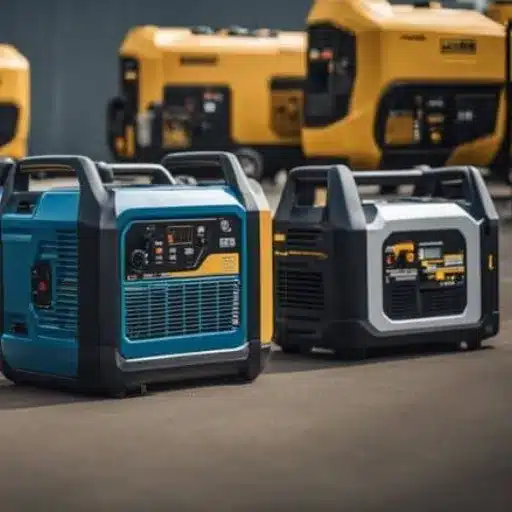
Portable generators are these small-sized devices that can be easily carried from one place to another for those temporary power needs. They can be used for outdoor occasions or for construction purposes, as well as for blackout emergencies by filling in the gap. These generators have power output somewhere in the range of 3kW and 10kW, hence they are appropriate for uses such as these. Improvements have also been made in their consumption of fuel as well as sound levels in comparison to those older designs.
2. Industrial Diesel Generators
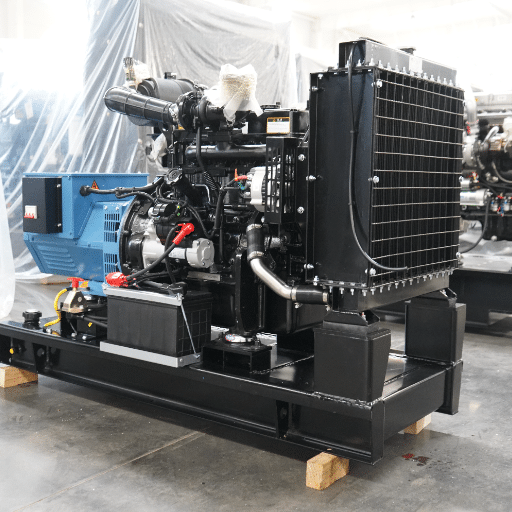
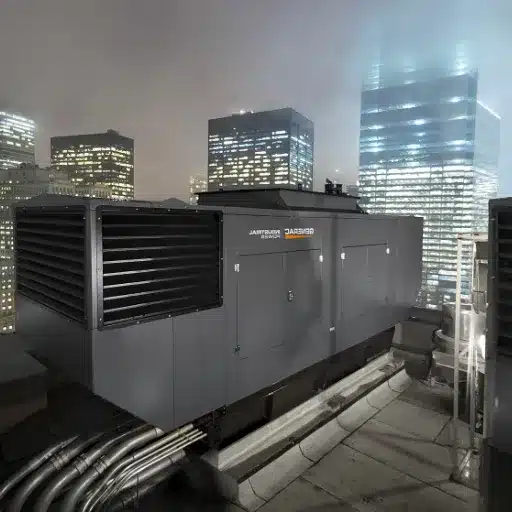
Industrial diesel systems are large-scale equipment primarily used for supplementary or standby electricity generation as well as in heavy industries such as production, health, and information technology, among others. The load such generators carry varies drastically, ranging from 50kW to 3MW and above. Very strong; built to accommodate very high-weight masses over a long period of time during which industrial operations are kept on course, and in particular, even when the power is cut out from the main supply. Diesel engines have come a long way as they were embodied into diesel vs natural gas generator developments, and currently, one of the most performance-oriented yet most environmentally friendly equipment mower engines in existence today exists.
3. Standby Diesel Generators
The standby generators are continually fixed to a particular spot and respond to a loss of power supply by instantaneously coming on. They’re broadly made use of within homes, as well as administration structures or essential infrastructure, and only provide electricity until the power is restored. Such generators come in all sizes from 5kW up to 150kW for use in homes and even more than 3MW for big complexes. Today, some of these units even come with installed smart sensors, which allow one to perform timely monitoring as well as servicing warnings.
4. Prime Power Diesel Generators
Prime power generators are manufactured to be used continuously;y hence, they are found in infrastructural development, which is not connected to a power supply like mining areas or countryside locations. The output ranges between 10kw and several kilowatts. This is because the need for power is constant, and thus models are well endowed with components that enhance performance for longer periods of time. This is evidenced even by current market patterns, for example, there are a lot of efforts to reduce fuel consumption and also promote the use of hybrid technologies, which result in minimizing the emission.
5. Silent Diesel Generators
Noise levels are very concerning for urban areas, which has led to the manufacture of generators equipped with soundproof enclosures. The silent diesel generators are installed inside a noise-free cover or integrated with noise-reducing exhaust, making them run at an extremely low noise level of around 55-70 dB. The generators are of different sizes for houses and commercial use, which makes them over and above almost every other environment, including hospitals, schools, and homes.
Drivers for the diesel vs natural gas generator market show that the market is expected to skyrocket above 25 billion USD by 2030, owing to heated technological developments in the backup power solutions industry. Each solution supports certain benefits, enabling them to be positioned in specific situations, thus focusing on the changes due to the state of the environment and the state of power supply in the world.
Key Features and Specifications
- Fuel Economy
The high fuel economy of diesel engines for powering gensets is attributed to the energy content of diesel fuel. The typical current diesel generator uses about 0.4 liters of diesel fuel for each kilowatt hour generated, which is economical when it comes to fuel consumption during long running durations. While there are power generating sets, for example, natural gas powered engines, which are known for lower carbon emissions due to relatively clean combustion, as only 117 lbs of CO 2 is produced for one million B. T. U. of energy produced from natural gas, as against diesel, which emits 161lbs of CO 2 per million B. T. U. - Power Rating
With applications requiring heavy power output, say 5kw to several megawatts, diesel power generators are regarded as the most appropriate alternative. Carrying lighter loads and the need for power in smaller installations (electricity requirement in the order of 20 – 400 KVA capacitors of similar or higher ENERGY rating in residential/small commercial buildings), will make natural gas generators more attractive. - Environmental Influences
There is a difference in consideration of the harmful gases emitted to the atmosphere due to the usage of unleaded petrol and the emissions of exhaust gases by diesel vs natural gas generators; It appears that machines that make use of natural gas cut down their emissions of polluting gases, such as NOx and particulates, almost twice as much as compared to machines running on diesel fuel. This is conducive to organizations that have more stringent ecological measures. - Fuel Supply and Technology Availability
There is an ease associated with the installation of diesel generators in those areas with not much developed infrastructure, since diesel can be found anywhere around. Natural gas, on the other hand, is the type of gas that generators such generators basin, which supply the gas basins supply and do not need any other means of carrying the gas through pipes, avoiding the laying of gas pipes within city semi city areas. - Servicing Interval
In addition, diesel vs natural gas generator needs more care, and activities involving such maintenance might be performed more frequently due to the presence of deposits, soot, or oil stains. Contrarily, natural gas generators are not as dirty as diesel engines, help sustains a longer maintenance cycle and therefore less expenses accrued for equipment downtime. - Longevity
In the diesel vs natural gas generator discussion, the former is normally said to be more durable as it has between 15,000 and even 20,000 hours of operation before the first major maintenance is required, and can therefore be employed in extreme working environments for some duration of time.
This range of characteristics represents a model of progress of power generation technologies, comprising efficiency enhancement as well as innovative technology targeting the existing demand and environmentally friendly policies in place.
Overview of Natural Gas Generators

History and Development
Natural gas generators have a long and rich history. This owes to the improvements in energy science and the ever-increasing demands in terms of efficient utilization of energy. During the 1800s, with the introduction of gas engines by the likes of Etienne Lenoir and subsequent improvement by Nikolaus Otto, the petroleum industry began using natural gas as a fuel. The architecture established in such designs culminated today in the modern generator of natural gas for electricity that works upon both combustion and mechanical energy.
These practices evolved, and the technology that involved natural gas generators was greatly enhanced over the previous eras, mainly as a result of the desire to achieve less pollution and environmental destruction. In modern times, natural gas generators are famous for their high performance and low pollution compared to the age-old coal and diesel generator systems. The Department of Energy and Natural Resources, for example, states that modern CHP (combined heat and power system) installed with natural gas fuels can increase energy conversion efficiency up to 80%.
Recent decades have witnessed an exponential increase in the generation of natural gases as well. As per the figures from the International Energy Agency, natural gas generated close to 23% of electricity in the world in 2022, indicating that it features prominently in the energy sources of many countries. The spread of new technologies such as micro gas turbines and mini generators allows natural gas generators to be applied in many areas, including the industry as well as homes.
Such progress not only indicates the long way development of natural gas generator technical means has taken, but also emphasizes the role of such generators as a clean, efficient, and dependable way of power generation, especially at these times when the world moves towards more environmentally friendly power generation options.
Types of Natural Gas Generators
The categorisation of natural gas generators is largely influenced by a combination of the design, purpose, and particular operational features of each. Examples of the most popular natural gas generators shall be covered in this brief exposition.
- Portable Natural Gas Generators
Such portable natural gas generator sets are small, lightweight, and can be transported quickly, which makes them suitable for any temporary load as needed. High-power natural gas genset can be used for many purposes, including emergency standby power source and servicing an outdoor activity, as well as a construction site. Generally, the portable natural gas genset output ratings lie between 1 kw to 10 kw. The market for portable natural gas generators is expected to expand in the coming years due to the growth of about 6% from 2023 to 2030, which is fueled by the increased emphasis on disaster planning. - Standby Natural Gas Generators
Usually operated as a reserve source and more recent light natural gas turbines, backup natural gas generators are embedded in the building’s power system. These generators’ main function is to become operational when the electrical power supply fails, guaranteeing the uninterrupted usage of domestic power, that of industrial establishments, as well as essential facilities like healthcare services. Furthermore, the generators in current times can be noted for being more energy efficient and come with various power capacities from 7KW to approximately 130 select KW levels, depending on their scale and use. Presented activities, including but not limited to the above, make way for an alternative form of drought and diesel naturally aspirated power generators for less congested areas. - Industrial Natural Gas Generators
Industrial Natural Gas Generators are characteristically very large power systems used to supply power in plants, data centers, and other large commercial establishments. They are known for their impressive engine output ratings starting from 100 kW and running into thousands of kWs in the case of manufacturers such as heavy engineering and metal manufacturing. Moreover, the gensets are integrated into the combined heat and power (CHP) system for efficient energy use of energy units. Information gathered shows that industrial natural gas gensets are highly rated, as the recent growth of natural gas gen-sets illustrates what has been done in the energy market, as these devices are used in most of energy intensive industries. - Prime Natural Gas Generators
Remote environments or areas without any local electrical grids often require a reliable source of power, which is provided by the gas generators operating on fuel. These generators are built to last for a long period of time and can operate under any load constraints. Thanks to these features, they are utilized for off-grid development projects, your mining projects, and also in rural areas on more than a few occasions. In addition, the cost of fuel usage and maintenance, combined with emission regulation policies, make these generators suitable for long term power generation. - Natural Gas Microgrid Generators
A distinct and upcoming market, gas microgrid generators are important aspects of microgrid power systems, where distributed energy generation facilitates reliability and resilience. These systems are especially suitable for areas prone to natural disasters and cities under the global energy self-sufficiency movement. As they are easily adjusted to the addition of renewable energy systems such as solar and wind, these systems form mixed and reduced carbon footprint solutions.
There has been a rise in the use of natural gas in engines over the years. Many people now think that it is better to use natural gas than diesel in generating engines due largely to its cheapness and effect on the environment. The demand for these engines will also keep on increasing because of highly environmentally conscious consumers and the latest technology. Natural gas generators have a great advantage over other generators in that their applications are quite broad because they can be used either at home or in industries, as the case may be.
Key Features and Specifications
Being one of the most common sources of power and being used in both residential and industrial places, the natural gas generators are equipped with a number of functions that distinguish them from the rest. Below is a list of some of those characteristics:
- Fuel Efficiency: One notable quality of natural gas as opposed to diesel is the fuel consumption metrics. The comparison of the two generators shows that the natural gas emits far fewer amounts of toxic wastes and is always continuous, implying that it is environmentally friendly. For instance, the combustion of natural gas produces approximately 50-60% less Carbon Dioxide (Co2) compared to the combustion of coal.
- Lower Operating Costs: Natural gas, as opposed to diesel or even gasoline, is usually cheaper; thus, the operational expenses reduce with time. The presence of huge reserves of natural gas and the consistent pricing thereof add up to its cost-effectiveness.
- Power Output and Range: Generators that run on natural gas are made in various sizes depending on the required power level, so it is possible to get one with a power output ranging from less than five kilowatts to over five hundred kilowatts, which suits small home use and industrial applications. Such large operational capacities are necessary, especially when essential services such as hospitals, data centers, or production plants are involved.
- Green Technology: The engines of these generators are also capable of producing significantly less greenhouse gases, particulates, and sulphur oxides, and even the balance is suitable because they comply with the environment. Power generation through the use of natural gas can also result in a reduction of emissions of nitrogen oxides by 80% (NOx) compared with that of using diesel. This statement was provided by the U. S. Environmental Protection Agency.
- Operational Noise Level: The innovation in technology of acoustic insulation allows for ensuring that current natural gas generators have one of the lowest noise levels, which makes it possible for them to be installed in environmentally sensitive zones, especially those zones with a lot of people, like residential or urban areas.
- Auto ON/OFF Feature: Many of the natural gas powered generators come with automatic transfer switches and frames, which are important components that all these appliances do not lack, which enables them to co- and off automatically when the electric power is not consistent or not there at all, thus ensuring that even during these down times we have got permanent power supply which is very important because it’s a time whereby down times were so familiar.
- Durability and Extended Life: These generators are made with components that can stand the test of electricity production throughout the better part of their lifetime and also after any repair or long-time storage (as in clearly, they require much less maintenance than the normal alternatives). With regular service carried out, these can be exploited over periods running to thirty years.
- Digital Enhancement and System Integration: For instance, the monitoring of advanced natural gas generators usually includes, but is not limited to, live remote diagnostics, mobile application-based remote monitoring systems, or real-time mobile monitoring, and even incorporation with more advanced home automation equipment.
These advancements underscore the attributes that position natural gas generators as one of the most dependable resources for critical infrastructure. The trend is attributed to the need for having power options that do not contribute to pollution and remain useful to their users.
Performance Comparison: Efficiency and Power Output

Fuel Efficiency Metrics
When comparing natural gas generators, efficiency of energy consumption is one of the important factors, as it determines costs as well as carbon emission levels. The use of natural gas engines is preferred over the use of diesel or gasoline engines because the combustion of natural gas is very efficient. This engine has a fuel consumption of 35 to 45%, due to its thermal efficiency, as per the latest data available on natural gas engines. With the inclusion of other mechanisms such as a combined cycle, the efficiency rises to 60% approximately, thus becoming an effective competitor of other power-generating technologies.
Another metric of energy efficiency is the heat rate, which measures how much fuel energy is necessary to generate a particular amount of electricity. Typically, energy-efficient gas generators have a heat rate of 7,000 to 10,000 Btu/kWh. It may vary depending on how the system is designed and the generator size. Furthermore, fuel efficiency is driven further by the era of super gas turbines and gas engines, characterized by variable-speed capabilities and robust automatic control systems. This is because fuel usage is cut down in times of lower demand.
If we consider diesel power plants, their thermal efficiency is usually between 30% and 40%. In contrast, such high levels of efficiency are not diesel vs natural gas generator myths; they actually exist to generate such levels of savings for consuming sectors while at the same time realizing the sustainable development goals that seek to minimize emissions of gases that trap heat and warm the atmosphere.
Power Output Capabilities
One of the most interesting advantages that a natural gas engine generator unit has to offer is its stability and power output that can easily be scaled up or down to match the needs of the application. Today, the range of power outputs of most natural gas generators is 20 kilowatt (kW) when used for small or residential purposes and many megawatts (MW) when used for industrial purposes and even for utilities. For instance, high-end industrial models typically have capacities of over 10 MW and can be installed in expansive premises or supporting power grids as backup solutions.
With the progress in generator design, power generation facility capabilities are improved significantly. Large turbines as well as improved engines and cooling systems are designed whose performance is able to be raised to the most effective power per unit. An example is some combined cycle natural gas plants with efficiencies of up to 60% managed to produce comparatively more electricity in relation to fuel consumed against conventional systems; these are just a few more capabilities of the natural gas generators in that they can still fit the current energy requirements without necessarily increasing operational costs or damage to the environment.
Operational Reliability
The significant reliability of natural gas generators makes them very popular as a source of energy in the present times. With these generators, the customer knows that the electricity can be there when needed most, including peak load or normal load. New information shows that the reliability rating of modern-day gas turbines systems is up to 99%, which guarantees maximum operation time without any energy carrier losses. Such factors as materials technologies, rigorous system architectures, and maintenance practices that are now enhanced with artificial intelligence (AI) mean engine failures have declined in significant proportions.
For example, the HA series turbine by General Electric has a reliability rate that exceeds 98.5%, revealing the estimation and confident assumption of technical skills. Furthermore, the presence of a natural gas generator enables quick build-up and breakdown, important for the incorporation of intermittent renewable energy like wind and solar. These characteristics improve the system’s reliability and are also of utmost importance during active outages or interruptions when there is a need for emergency power supply back-up.
Additionally, such systems, with the capability of monitoring events in real-time, will reduce the likelihood of surprise failures and will assist in prolonging the working period of the most essential parts of the generators. In conclusion, this improved reliability and endurance propel gas generators into a sphere of energy production where the diesel vs natural gas generator is a moot point because both sectors will exist in the coming years.
Availability and Infrastructure Considerations
Fuel Storage Requirements
The option of fuel storage is one of the most important considerations to look for when natural gas generators are integrated within the scope of energy solutions. This is because, unlike fuels in a liquid state, such as diesel, most natural gas is distributed through pipelines, which often eliminates the need for having an on-site fuel storage, which would otherwise be very large. On the contrary, in areas with limited or no pipeline access, it is crucial to provide storage tanks for compressed natural gas (CNG) or liquefied natural gas (LNG).
Containers that maintain high pressure, ranging from 3000 psi to 3600 psi are used to store CNG, which proves effective for emergency or short-period use but consumes large spaces. On the other hand, its liquid form, LNG, is in one form or the other cooled to cryogenic temperatures at and around -260 degrees Fahrenheit (-162 degrees Celsius) due to its ability to help avoid space consumption in its gaseous form, which is CNG. Longer energy storage in LNG tanks is suitable and used in the past in industrial or out-of-reach areas.
The Research indicates that compressed Natural Gas has a Lower Energy Density than liquefied Natural Gas. The Composition of Energy in CNG per gallon is equal to around 20,000 British thermal Units, which is almost two times lower than the Composition of Energy in LNG per gallon. Within the context of its structures and operations, liquid natural gas is more desired for long-term back-ups and bigger operations. More infrastructure eg. O. T. C.’s (obviously not a container) retail units, chemical tanks, is necessary for working with LNG, and that will translate into bigger initial capital outlay.
Most effective storage solutions cannot be recommended without considering the façt that the requirements are specific to a particular condition of the client, e.g., the genus of natural gas, storage volume, cross plot Dias’ location, etc., to Image the situation and space better. Sophisticated monitoring devices, which can detect leakage or change of tension in real time, are advised. As far as the diesel vs natural gas generator is concerned, the natural gas generator is more beneficial due to economic reasons and is the most preferred engine by many operators.
Pipeline Accessibility for Natural Gas
When choosing the best means of transport for natural gas, one has to consider the fact about the safety and potential of the network of natural gas pipelines. Natural gas pipeline systems comprise long and low-pressure tubes most often constructed underground, and are the main way – sometimes the only way – to move natural gas from the production field to consumers. To date, about 2.1 million miles of natural gas pipelines are known to exist in the world, with the United States having over 3 million kilometers (1.9 miles) of both transmission and distribution pipelines.
Regions greatly differ in the availability of pipelines. Such that, densely populated areas as well as those with intense industrial activity have better infrastructure of pipelines than rural areas or relatively poor areas. Like in the US, Texas has an extensive pipeline system, and Pennsylvania and Louisiana do as well. These states have a lot of natural gas production. However, there are countries in Africa and some parts of Southeast Asia where there are no pipelines because of the underlying limitations.
The improvement of pipeline connectivity is also restrained by certain issues such as the environmental legislations, acquisition of land, and, in most cases, opposing/ disintegrating populations. New technologies such as underground pipelines and advanced monitoring systems are making pipeline networks more accessible and more secure. Meanwhile, compressed natural gas and liquefied natural gas are quickly being adopted to complement the use of pipelines in distribution, where accessibility to such networks is a problem.
According to detailed information from a reputable international energy monitoring body and the U. S. EIA, greater pipeline accessibility allows for minimum haulage costs, offers minimum costs in terms of carbon emissions ( fuel transportation using pipelines compared to using other means), and enhances security of supply. Hence, investment in the extensional development and improvement of the pipeline infrastructure becomes a key factor to any country’s energy strategic planning, given the current trends in the world energy supply and consumption.
Backup Power Solutions
The demand for efficient and reliable power backup systems is on the rise owing to the increased usage of power-consuming infrastructure. These centers come in handy on the occasions of power failure, whether on account of bad weather or calamities, in which case this enables operations in hospitals, networks, or datacenters, healthcare and service industries, or maintaining factories, among others. Some forecasts said MC 6.1% CAGR in the market of backup power devices due to advanced energy storage technologies and energy resilience issues from 2023 to 2030.
Here are a few considerations when comparing the diesel vs natural gas generator, and we have to say that the term Brent Crude will be used as a pricing benchmark to illustrate typical commodity price ranges for Gas Hobs.
These days, having backup electricity in place is no longer limited to generators or other fossil fuel-based sources. Such practice has expanded to renewable energy or even battery power backup systems. Shifting to the diesel vs natural gas generator market is more preferable because they are the most reliable and they provide all possible dimensions. However, lithium ion based batteries systems are gaining popularity as green energy solutions. Various aspects of solar amalgamation hybrid energy systems were explored in the study, many of which extol the good values of green technologies since both types manage to perform domestic and corporate functions without greenhouse gas emissions as well as efficiently.
To use the modern-day conspiracy, it is highly likely they will say that some basic level of microgrids and energy management systems is an elementary requirement for today’s standards. This system supports multiple energy sources, thereby, in case of a blackout, usage of grid electricity and backup systems is optimized. In this regard, significant research has been conducted by companies such as Amazon to focus on this capability and create reliable microgrids to support the green data centers. Prices are falling, and technology is reaching new heights, but it is not bicycle wheel approaches energy systems across the globe without the integration of diesel vs natural gas generator backup power into the overall system design.
Suitability for Different Applications
Industrial Applications
The utilization of microgrids is on the rise, especially, this is because of advanced technology and low pricing. Market share in micro grid industry is anticipated to increase from $27.3 billion in 2021 to about $63.2 billion by 2026. This represents a CAG Rate of about 18.6 percent. Among other companies, having used microgrid solutions within their green data centers and, in particular, solar and wind energy/capacity, respectively, 90 percent of the working time in data centers is carbon-free, suggesting that microgrids can support heavy rain without adverse ecological consequences.
Aside from that, microgrids make it possible to fend off power disruptions much more easily, through reliable backup power sources in case of outages. They are plants like the manufacturing and chemical units, which run non-stop and indeed make use of microgrids, with some case studies showing a measure of up to 50 per cent reduction in downtime when put to good use. Such scenarios push for the fulfillment of these power functions minus the gaps and are driven to cut down on the costs in the event of breaks. With the use of new technologies, minerals, analysis of information instead of fossil sysems for instance, diesel vs natural gas generators, the idea of microgrids is an economical aspect that has been tailored to suit these industries on one side, as well as their effectiveness on the other.
Residential and Commercial Use
Microgrids are steadily making waves in both commercial and residential uses because of their versatility and affordability. As the world embraces renewable resources and seeks out sustainable energy solutions, microgrids take an individualized perspective when it comes to energy usage. In 2022, the global market for microgrids was pegged at $26 billion, and it is anticipated to increase by 11.7% between 2023 and 2030. The growth is attributed to developments in renewable energy integration, battery storage improvements, and demand for stable electricity in isolated regions.
One advantage of roamer networks is to provide independent power from the large networks to the users. Thus, there is no doubt about the availability of power supply. In the case of household users, this means that even during harsh weather conditions, as well as in the case of natural disasters, there is no need to worry about power cuts. In the case of commercial users, this means that there is a benefit in minimizing the use of the grid and generating power whenever it is cheaper.
The functionality of microgrids is improving, thanks to technological advancements in installations such as Smart meters, Energy management software, and data analytics in real time, among other features. For instance, a commercial facility installed with a rooftop PV connected to a controlled battery storage system can benefit from adjusting its power usage patterns. Also, the use of gas-powered generators has shown the benefits of gas-powered turbines over diesel vs natural gas generator examples by increasing the benefits associated with reducing diesel use and thus emissions.
Microgrids, as an emerging dominant technology, are steadily becoming imperative to the contemporary energy infrastructure because they not only are adaptable to the specific requirements of household and business sector users but also help with environmental issues worldwide.
Emergency and Backup Scenarios
The significance of microgrids comes into play when there is a need for a reliable source of power in an emergency situation or in a situation where there is a need for a backup power supply. Reports indicate that power grids across different parts of the world, especially in the United States, were significantly affected due to various causes in the year 2022, which saw over 1,500 major power outages in the US. Microgrids address these problems by facilitating the generation of power at a local level where decentralization is necessary to ensure that hospitals, emergency response units, and other essential facilities remain functional during emergencies.
California, with its current situation of power cuts caused by fires that the whole state is facing, is a case study of how flexible settings can be introduced to a great effect. Current literature finds that the downtime in emergencies is reduced by 98% when using microgrids that are based on renewable resources rather than a centralized grid system. Additionally, new storage energy systems such as lithium-ion batteries aid in the better functioning of the microgrid by providing more backup solutions and a faster restoration in case of a power outage.
Power stability can be ensured by microgrid systems through advanced real-time monitoring and foresight analytics that predict the likelihood of grid failure, as a preventive action. Given this relatively advanced functional output, the importance of diesel vs natural gas generators to the improvement of public safety by ensuring appropriate backup in case of exigencies becomes apparent.
Reference Sources
- Natural Gas vs. Diesel (PDF)
A detailed document that explores issues like fuel quality and operational challenges, such as “wet stacking” in diesel generators.
Read more here - Total Cost of Ownership Diesel vs. Natural Gas Generators
This whitepaper discusses the reliability, cost, and operational differences between diesel and natural gas generators.
Read more here
Frequently Asked Questions (FAQs)
What are the main dissimilarities between a diesel vs natural gas generator?
Between diesel and natural gas generators, the differences can be observed in the type of these sections, such as fuel source and the efficiency or operations of the generator. Most diesel generators tend to operate on diesel fuel, which is more efficient due to its higher energy content. They are also reputed for longevity and stability due to their sturdy design and construction, thus preferred for industrial use. However, in contrast, natural gas generators apply natural gas or propane, therefore providing and producing a cleaner burning operation and emissions, respectively. It is possible to connect them to a gas line; however, they offer lower operational costs for the environment.
Which generator has run out of its utility faster or slower?
And then it is important to understand whether any generator allows for longer periods of use, and so it is cost-effective. For instance, some generators rely on diesel, which comes out much cheaper to purchase and does not require much upkeep; however, diesel charges are not fixed. In contrast, natural gas generators, unlike most other ones, are more expensive in the short term; nevertheless, such circumstances do not make economic costs within and as such cultures’ operations for a very long time. It is important to factor in initial costs and operational costs when making such a decision between these two.
What are the reliability differences between diesel and natural gas generators?
Depending on the scenario, one can be more reliable than the other. When compared to any other type of power generator, it is the mechanical diesel generator is the most common and demanded machine all over the world. This is because they are very easy to start and can be used anywhere, such as far away from the town where there is no access to gas pipelines. Natural gas generators, with enough fuel, can be considered reliable, but the problem arises in the absence of availability of infrastructure. Both of these generators, diesel vs natural gas generator, are specifically recommended from a location-sensitive standpoint where the generators may have to run for long periods of time, with regard to environmental reasons.
How do Diesel and Natural gas generators affect the environment?
Compared to the use of diesel engines, pollution from diesel generators is high. Nitrogen oxides and fine particles in diesel fuel cause much more air contamination in diesel generators. The evolution of the modern-day technology has, however, introduced cleaner diesel cross-fluid engines with minimal carbon footprint. Opposite of these are natural gas generators that are understood to have less damage to the environment. It is so because they cause less water or air pollution and water consumption, other than fossil fuel reliance. When looking at a diesel vs natural gas generator to serve a green purpose for a business or even in a home, the natural gas generators are preferred.
Which of the two has easier maintenance: Diesel or Natural Gas Generator?
There is a common belief that the maintenance of diesel generators is less frequent compared to the maintenance of their counterparts. However, tasks such as the replacement of filters and fuel quality monitoring are necessary in order to keep the generator running. Diesel has a more stable and less volatile fuel, which tends to increase the lifespan of components. On the other hand, natural gas generators have an advantage over diesel generators in terms of inspections. This is because the sophisticated nature of the fuel supply system components, including gas lines and valves necessitate more frequent inspections. Due to their clean-burning characteristics, their engine components wear less, hence reducing some aspects of the maintenance work needed.
What generator is ideal for homes and businesses?
There is a risk that this may not be true. For homes, people prefer generators fueled by natural gas, which are cleaner, quieter, and can be easily connected to the gas line. However, diesel generators provide superior power and a prolonged period of usage for commercial and power outage applications. Various systems have different levels of power consumption due to the availability of fuel and other reasons, including environmental conditions.