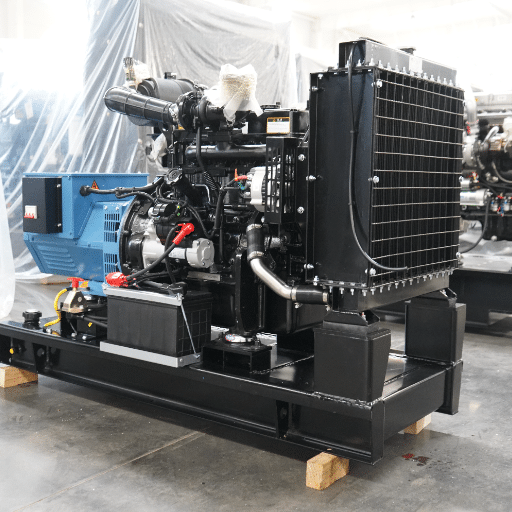


People need to understand single-phase and three-phase power systems because these systems power residential areas, commercial spaces, and industrial facilities. The two generator types provide distinct advantages, but users must understand their operational characteristics and suitable use cases to select the appropriate generator. The blog illustrates how single-phase and three-phase generators differ by showing their power distribution systems, efficiency, and optimal operating conditions. The article will provide you with complete information to help you select the best option for your specific electrical needs.
Introduction to Generators

Definition of Generators
The generator functions as a machine that converts mechanical energy into electrical energy. The generator uses electromagnetic induction, which Michael Faraday discovered through his experiments on electric current generation by moving conductors in magnetic fields. The generator system includes essential components that function as an engine to produce mechanical power and an alternator to create electrical power, a fuel system, a voltage regulator, and a control panel.
Modern generators come in various sizes and capacities, which range from portable models that produce kilowatts for residential needs to industrial generators that generate multiple megawatts for major commercial operations. The typical residential backup generator delivers power between 5 and 20 kilowatts, while industrial generators can produce over 2 megawatts. The current data shows that industrial facilities and commercial businesses prefer three-phase generators because they operate at higher efficiency levels while handling heavy electrical loads, but residential customers and small enterprises use single-phase generators. The solar-powered and hybrid generator designs that emerged from renewable energy research provide eco-friendly products to environmentally conscious consumers while decreasing the need for standard fossil fuel sources. The development of new materials along with smart technology integration has resulted in modern generators that operate at lower noise levels and consume less fuel while achieving high reliability standards, which makes them essential for use in multiple industries throughout the globe.
Importance of Generators in Various Industries
The industrial sector depends on generators because these machines supply power during electrical outages and provide electricity to remote areas that lack electrical grids. Hospitals and medical facilities use generators to ensure emergency power, which allows them to maintain essential medical equipment during severe health emergencies. Backup generators provide electricity to critical medical equipment during blackouts, which includes ventilators and imaging equipment, and surgical devices that require a constant power supply.
Construction sites need generators because they use these machines to power construction equipment, which needs electricity in locations that lack grid power access. Research and Markets discovered that construction operations require portable generators, which have become essential to their work because these machines are portable. The global generator market will reach a value of 27 billion dollars by 2030, which includes construction operations that now account for a major portion of the market, according to Research and Markets.
Organizations that run data centers require continuous power because their operations need both computing resources and data storage capabilities. The industry uses diesel and natural gas generators because these systems deliver nonstop power operations during electricity interruptions. According to the Uptime Institute report, 60% of data centers operate advanced backup power systems, which indicates their strong need for generators.
Generators supply essential electrical power to all agricultural equipment, including dairy facilities and irrigation systems. Farmers can decrease their operational costs through new solar-powered and hybrid generator technology, which also supports sustainable farming methods. The International Energy Agency study shows that renewable-powered generators are becoming more popular for developing smart, eco-friendly agricultural practices.
The rising need for generators in industrial settings shows their vital importance to workplace functions. The demand for generators will increase because of ongoing innovations that include better fuel efficiency, eco-friendly technologies, and intelligent monitoring systems, which make generators more important in a world that depends more on energy.
Recent Advancements in Generator Technology
The power industry needs dependable power sources that can sustain operations without interruptions, thus resulting in generator technology advancements during the past several years. The hybrid generator systems now operate their power grid through wind power and solar power, renewable energy sources. The hybrid generators, which use traditional fuel engines together with renewable energy systems, achieve a 40 percent reduction in fuel usage, which results in major reductions of both emissions and operational expenses. The latest technological advancement has developed smart monitoring and control systems, which now function as essential technologies. The Internet of Things IoT sensors now combine with real-time data analytics systems in modern generators, which allow operators to perform remote equipment monitoring while conducting predictive maintenance activities. The global smart generator market, which MarketsandMarkets studied, is expected to expand rapidly until it reaches a value of 1.7 billion dollars by 2027. The systems establish operational efficiency because they can find upcoming problems before they unfold, which decreases operational time and improves energy production.
Fuel technology development serves as a primary force that drives technological progress in the world. Hydrogen fuel cells have begun to replace conventional fuels because they produce no carbon emissions during their entire operational period. Major industrial companies such as Cummins and Siemens have started funding hydrogen-powered generator prototypes, which promise to create major changes in the power generation sector. The development of battery storage technology reached a new level in its development because lithium-ion and solid-state batteries now deliver superior energy storage capabilities, which support residential and industrial generator systems.
Researchers continuously show interest in developing new sound control solutions, which have become an important research field. The latest generator models now include soundproofing technology, which allows them to reduce noise output to 60 decibels, which makes them appropriate for use in residential and urban environments. The generator industry demonstrates ongoing technological progress through these advancements, which help to achieve worldwide goals for sustainable development, operational efficiency, and dependable performance.
Understanding Single-Phase Generators

What is a single-phase generator?
A single-phase generator is an electrical generator that generates power through a single alternating current (AC) waveform. The system functions properly in locations that need less power than what homes, their associated small businesses, and their mobile equipment require. The generators produce electrical power through their unique design, which consists of one winding system that maintains a steady voltage throughout the process. The equipment serves people who need power for their lighting systems and small appliances, and basic electrical devices that require low energy consumption.
Single-phase generators typically operate at standard voltages like 120V or 240V, and their frequency is often set at 50 Hz or 60 Hz, depending on the region. The systems reach their highest performance level when operating between 5 kW and 10 kW load conditions according to the latest operational information. People select their basic power needs from the affordable solutions that their basic design provides.
Single-phase generators require less space than three-phase generators because they have simpler maintenance procedures and easier transportation methods. The equipment proves unsuitable for applications that need continuous power at high levels in industrial settings. Current environmental regulations require fuel efficiency and emission reductions, and single-phase generator technology has developed into flexible modern solutions that meet user needs.
Typical Applications of Single-Phase Generators
The design of single-phase generators enables their usage in multiple applications because they can be moved between locations and operated with minimal expenses. The subsequent section shows the primary uses of single-phase generators, which researchers have validated through their collected evidence and expert knowledge.
- Residential Power Backup
Single-phase generators serve homes as backup power sources during electrical outages. Market research shows that residential generators account for approximately 60 percent of the global portable generator industry because single-phase generators work with typical home appliances, including refrigerators, air conditioning units, and lighting fixtures. - Construction Sites
Single-phase generators supply electricity to small construction sites that require power for the operation of their drills, lights, and mixers. The equipment can be used for smaller projects because of its compact design and lightweight nature. Research shows that 40 percent of construction workers who use portable generators choose single-phase systems for their work with light and moderate energy requirements. - Outdoor Events and Recreational Use
Single-phase generators supply critical power to equipment that functions at wedding events and parties, and outdoor musical performances. The equipment also serves as a common power supply for camping, tailgating, and RV travel. The current market trend shows an increasing demand for inverter-based single-phase generators, which deliver stable, silent, and fuel-efficient power according to recent trends. - Small Businesses and Retail Operations
Small businesses that operate as cafes, retail stores, and workshops use single-phase generators to maintain operations during power outages. The devices effectively power low-energy equipment, which includes cash registers, computers, and lighting systems. The data shows that small businesses drive the demand for single-phase generators in urban and semi-urban regions throughout the world. - Agricultural Applications
Single-phase generators power irrigation systems and milking machines, and livestock shelter lighting systems on farms. The solution serves small-scale agricultural operations because it combines efficiency with straightforward operation.
The development of digital monitoring systems, better fuel economy, and reduced noise levels has enabled single-phase generators to support more applications than before. The global market for single-phase generators will experience a compounded annual growth rate of about 5 percent between the years 2023 and 2030, according to market projections, which show their ongoing importance in various business sectors.
Advantages and Limitations of Single-Phase Generators
Advantages
- Cost-Effectiveness
Single-phase generators operate at lower costs than three-phase generators because they require less money to buy and keep running. Their simpler design leads to lower upfront costs, making them an attractive choice for small businesses, homeowners, and agricultural users. - Ease of Transportation and Installation
Single-phase generators can be moved and set up more easily because of their smaller size and lightweight design. The equipment can be moved to any location because it has been made to work in areas with limited space and to be used in places like construction sites and outdoor events. - Versatility for Low Power Needs
These generators are designed to support smaller loads, which makes them suitable for running home appliances, personal tools, and small commercial equipment. Single-phase generators power irrigation pumps and small motors, and lighting systems for agricultural operations. - Enhanced with Modern Technology
The latest single-phase generator technologies provide digital monitoring systems, energy-efficient operation, and silent performance. The new technologies improve operations while generating lower environmental emissions. The current models achieve fuel efficiency improvements that reach 15 percent, which results in decreased operational expenses throughout their lifespan.
Limitations
- Limited Power Output
Single-phase generators cannot power industrial machinery or large equipment because of their restricted operational capacity. The equipment can produce power between 1 and 25kW, which fails to meet the power requirements of heavy-duty use. - Efficiency Drop for Long-Distance Power Transmission
Single-phase systems experience power losses that decrease their efficiency when they transmit power across extended distances. The limitation prevents its use in large facilities that require extensive power distribution throughout their operational areas. - Lack of Scalability
Single-phase generators cannot provide the same scaling capabilities as three-phase power systems. An organization should choose a three-phase generator to prepare for its future power needs when its operational capacity requires additional electrical power. - Higher Voltage Fluctuations
Single-phase systems experience voltage regulation issues that produce load-dependent voltage fluctuations. The system fails to function properly with sensitive equipment, which includes advanced electronics and medical devices.
Market Data and Trends
The demand for single-phase generators will grow at a steady pace according to recent market research, which predicts a compound annual growth rate (CAGR) of about 5% from 2023 until 2030. The key factors driving this trend include the rising need for backup power systems in residential areas and rural regions and the technological advancements that boost operational performance. The Asia-Pacific market segment remains the fastest-growing segment because of increasing energy requirements from developing countries.
The operational requirements for which the system needs to be used should be evaluated to check whether single-phase generators lack specific applications according to their operational limitations.
Understanding Three-Phase Generators

What is a Three-Phase Generator?
A three-phase generator produces three alternating currents that maintain a constant power output. The three-phase generator system creates three simultaneous sine wave outputs, which provide continuous electrical power to its users, while single-phase generators produce power through one wave. The system provides an efficient design that operates as a perfect solution to deliver power for industrial machines, commercial devices, and large systems that need continuous high-energy output.
Three-phase generators operate with higher efficiency than other power systems. The system operates with a stable voltage output, which decreases energy waste while improving power flow efficiency. Research studies demonstrate that three-phase systems operate in multiple industrial sectors, which include manufacturing, construction, and data centers, because they can support heavy loads with minimal maintenance needs.
Three-phase generators provide their main advantage through their capacity to match electricity needs during peak and off-peak periods. The generators supply voltage support for applications that require both high and low power needs. Industrial facilities use these machines to operate their equipment, which includes pumps, motors, and conveyor belt systems. Three-phase generators account for approximately 75% of industrial and commercial facilities because they enable power plants to meet varying electricity needs while maintaining high performance levels.
The industry experts explain that three-phase generators become increasingly important as fundamental components of renewable energy systems, which wind and solar power facilities utilize. The generators create consistent power, which supports efficient energy transfer over long distances, making them essential components of sustainable energy grid systems.
Common Use Cases for Three-Phase Generators
- Industrial Manufacturing
The industrial manufacturing sector uses three-phase generators to produce electrical power, which drives their heavy machinery and equipment. Current industry research indicates that 80% of manufacturing facilities worldwide operate their businesses using three-phase power systems. The system can support heavy loads because it is designed to operate motors, conveyor systems, and automated production lines that exist in automotive and electronics manufacturing. - Data Centers
The rise of digital technology and cloud services has increased the need for dependable power systems, which data centers require to keep their business running. Three-phase generators provide continuous essential power, which allows servers and network devices, and cooling systems to function at their required operational levels, thus reducing system downtime. Data centers worldwide use three-phase power systems to manage their electricity demand, which accounts for 1% of total global electricity consumption, according to industry statistics, because these systems operate with high efficiency. - Healthcare Facilities
Healthcare facilities use three-phase generators as their main backup power solution to supply hospitals and clinics with essential power for operating their life-critical machines, which include ventilators and imaging equipment, and surgical instruments. Research shows that more than 90% of developed nations’ healthcare facilities depend on three-phase generators to fulfill their backup power needs because those generators deliver reliable electricity during power interruptions. - Renewable Energy Sector
Three-phase generators function as a fundamental component in the process of converting renewable energy from wind turbines and solar energy solar farms into usable power. Their ability to transmit electricity efficiently over long distances enables them to minimize energy losses, which serves as an essential requirement for distributed energy systems. The U. S. Department of Energy states that modern wind farms exclusively rely on three-phase generators, which produce a substantial portion of the worldwide renewable energy output. - Construction and Infrastructure Projects
Construction sites need power solutions because they often work in areas that lack reliable electricity connections. Three-phase generators supply electrical power to cranes, compressors, and multiple types of heavy machinery. The construction generator market will reach a value of $9.7 billion by 2030, according to reports, which show that portable three-phase generator demand is driving this market growth.
Three-phase generators demonstrate their ability to perform various tasks, which makes them essential for supporting vital industries throughout the globe. Industries continue to select this equipment because it has a strong design that enables it to operate with high-power demands.
Benefits and Potential Drawbacks of Three-Phase Generators
Benefits
The three-phase generators provide essential benefits that enable industrial and commercial operations to fulfill their electrical needs through this most effective solution. The system enables manufacturing and construction sites to operate their essential heavy machines while supporting healthcare facilities through its capacity to deliver high power requirements. The three-phase power systems require less conductor material than single-phase power systems because they transmit electricity through multiple conductors, which results in better system efficiency and lower energy losses. The three-phase generators deliver power through their system, which produces dependable energy output that protects equipment from operational damage.
Recent data shows that the global market for three-phase generators is experiencing consistent growth because various sectors require more generators. The 2023 market analysis shows that three-phase generators will have a 7.5% annual growth rate in the construction industry of North America and the Asia-Pacific regions. The system delivers essential power supply services that support infrastructure development in regions that need uninterrupted energy for their work.
Potential Drawbacks
The three-phase generators provide multiple advantages to users, yet they contain several negative aspects. The costs of these systems exceed those of single-phase generators because their price point remains above base costs. The design of these systems demands expert staff who can handle both maintenance and installation processes, which results in elevated expenses that will persist throughout their operating lifespan. The system becomes inefficient because it delivers excessive power for use in smaller applications or home environments.
The use of three-phase generators will increase because technological progress makes them easier to obtain and more affordable for users. The industry experts believe that renewable energy system integration will enhance energy efficiency while delivering groundbreaking innovations and sustainability improvements that will address current control problems in these generators.
Key Differences Between Single-Phase and Three-Phase Generators

Efficiency and Power Output Comparison
The two main distinctions between single-phase generators and three-phase generators stem from their distinct operational efficiency and their different power generation abilities. Single-phase generators use a single alternating current (AC) wave to deliver power, which makes them ideal for residential and small-scale applications. The single-phase system requires advanced technological resources, which result in major efficiency losses during heavy load operation. The power output of single-phase generators reaches a maximum capacity of 15 kilowatts (kW), which makes them unsuitable for use in industrial environments.
Three-phase generators operate by utilizing three alternating currents, which allow them to maintain a constant power supply to their attached equipment. The system operates with 25 percent efficiency improvement, which enables better performance of heavy machinery and industrial equipment. The three-phase systems deliver power through their capacity range, which starts at 10 kW and extends to multiple megawatts (MW). The industrial-grade three-phase generators provide support for up to 2 MW, which hospitals, factories, and data centers need to operate their systems.
The three-phase systems achieve energy savings through their reduced energy losses and their ability to distribute voltage more evenly, which results in reduced operational costs throughout their lifespan. The single-phase systems offer easier maintenance compared to other systems, but their performance during high-demand periods becomes less effective because they face challenges with overheating and voltage problems. The use of three-phase generators in energy-intensive industrial settings enables businesses to operate efficiently, which results in fewer system shutdowns.
Cost Considerations for Each Type
The assessment of cost between single-phase systems and three-phase systems needs to consider both initial costs and future maintenance expenses.
Single-Phase Systems: The initial expenses of single-phase generators and electrical systems are lower, which makes these systems appropriate for residential homes and small commercial spaces that need only a moderate electricity supply. The installation of a single-phase system requires costs, which range from $300 to $1,200 based on the particular equipment and the required installation work. Single-phase systems create higher long-term energy expenses because their design limits efficiency during peak usage times, which results in power loss and system inefficiency.
Three-Phase Systems: Three-phase systems require higher initial costs, which start at $1,200 and reach up to $5,000 for installation costs, but they deliver substantial operational efficiency benefits to both industrial facilities and power-intensive operations. Three-phase systems enable better load management, which results in reduced equipment maintenance needs and extended equipment lifespan. The system distributes voltage throughout its entire system, which results in lower energy waste and reduces overall electricity costs. Three-phase systems offer businesses better long-term savings, which benefit operations that require high power usage.
The selection between single-phase systems and three-phase systems requires evaluation of application size, together with budget limits and future energy requirements. The single-phase system offers budget-friendly solutions for smaller needs, but three-phase systems show better energy performance and system reliability, which makes them better for large industrial operations.
Maintenance Requirements: Single Phase vs Three Phase
The process of maintenance serves as the essential method through which both single-phase systems and three-phase systems achieve their operational lifespan and system efficiency. Single-phase systems require less maintenance because their design has fewer elements and simpler working parts. The systems provide easy troubleshooting and repair capabilities, which need lower expenses for replacement parts. The system operates with easy maintenance requirements, which leads to increased equipment failure during extended use periods.
Three-phase systems provide strong, dependable performance, yet their operation requires ongoing detailed inspection and upkeep work. The three-phase system requires scheduled inspections to check the performance of its circuit breakers, transformers, and conductors. Recent research findings show that three-phase systems experience lower failure rates because balanced loads create reduced mechanical stress, which affects their equipment. The research demonstrates that businesses achieve energy savings up to 25% when they implement properly maintained efficient three-phase systems, which makes their maintenance expenses negligible.
The combined advantages of three-phase systems for industrial usage make them more beneficial than single-phase systems, which provide basic power solutions.
Choosing the Right Generator for Your Needs

Guidance on Selecting Between Single-Phase and Three-Phase
The selection process for single-phase versus three-phase generators demands that you assess both your actual power requirements and your working conditions. Residential areas and light commercial spaces operate with lower power requirements, which makes single-phase generators the most suitable power solution. The system produces electrical power through one AC (alternating current) waveform, which supplies power to small devices and equipment that require 120V voltage. Recent data shows that single-phase generators make up a major part of home backup generators because they offer straightforward operation and cheaper pricing.
Industrial and commercial facilities prefer three-phase generators because these systems provide higher power capacity than their single-phase counterparts. The system generates electrical power through three AC waveforms, which create a stable power distribution that operates without interruptions. The system enables more efficient energy use while it supplies power to operate heavy industrial machines. Recent studies show that three-phase systems deliver 1.73 times higher power output than single-phase systems with identical current capacity, which makes them essential for applications requiring high power consumption.
The latest generator technology developments have created generators that operate more efficiently and emit fewer pollutants while supporting international environmental protection initiatives. Many manufacturers now deliver three-phase generators that provide energy savings of up to 15% through their new motor designs and upgraded control systems.
The process of selecting the appropriate generator for your needs requires you to evaluate your power requirements and budget constraints and your targets for achieving efficiency over time.
Scenarios Favoring Single-Phase Generators
Single-phase generators are best suited for applications with low to moderate power needs. These generators are typically used in residential settings and small businesses, and in scenarios that require portable power. According to recent data, single-phase power works best in areas where users require less than 5kVA of electricity, which allows them to operate appliances such as refrigerators and lighting systems, and smaller AC units.
Homeowners prefer single-phase generators because of their simple operation and low cost. Single-phase generators offer users two advantages, which include lower starting expenses and simpler upkeep procedures when compared to three-phase generators. For example, a standard portable single-phase generator that has a 3kW capacity costs between $500 and $1,000 based on its brand and features. The latest advancements have created new models that operate at quieter levels, while their fuel efficiency enhancements lead to operational cost savings of about 10-15%.
Scenarios Favoring Three-Phase Generators
Three-phase generators operate at elevated electrical capacity. They find their primary applications in industrial environments and large commercial operations, and in industrial facilities that use substantial machinery. The 2023 industry report shows that three-phase generators exceed 15kVA power capacity with their range of power options, which extends to multiple hundreds of kilovolts-amperes. The system needs this equipment because it provides a constant energy supply, which is essential for operating large systems, heating equipment, and medical machinery.
Three-phase generators need higher initial investment costs because their industrial-grade machines start at $10,000 and reach costs of $50,000 and beyond. The implementation of recent technological advancements now enables systems to achieve energy savings of 20 percent through enhanced voltage regulation and decreased heat dissipation.
The selection of the appropriate generator for your actual power requirements enables your organization to save costs while maintaining uninterrupted business operations.
Scenarios Favoring Three-Phase Generators
Three-phase generators operate as the preferred equipment choice for applications that require their high power output capabilities to work effectively and maintain operational reliability through efficient performance. The generators find application in industrial and commercial environments that need to power their heavy machinery and equipment that operate with high energy demand. The consistent energy distribution of three-phase generators makes them suitable for manufacturing plants and data centers, and construction sites that require power for their heavy-duty appliances, electric motors, and welding equipment. Three-phase generators deliver their main benefit because they generate higher power output through the use of fewer conductors than single-phase systems. The new findings show that three-phase systems can transmit 1.5 times the power capacity of single-phase systems while both systems operate with identical electrical current, which results in major financial advantages for energy transmission and distribution expenses.
The power distribution of three-phase generators remains stable throughout operations, which prevents voltage drops and fluctuations that would harm delicate equipment. Industries that depend on precise equipment, robotic systems, and medical devices gain operational advantages through the consistent performance of these generators. Research indicates that the three-phase design can reduce voltage imbalance by as much as 90% compared to single-phase generators, making it an optimal choice for high-stakes applications.
The three-phase generator system stands as an essential component for all large renewable energy initiatives. The wind farms and solar energy systems use three-phase generators to perform energy conversion and distribution throughout their long-distance energy transmission systems. The system maintains its strong operational capabilities while it can manage multiple power sources, which makes it a common element in sustainable energy operations that aim to decrease their carbon emissions.
Three-phase generators serve as the essential power supply system that supports industrial operations, which need dependable performance to grow their operational capabilities while maintaining efficient energy use.
Reference Sources
-
Three-Phase Induction Generator Feeding a Single-Phase Electrical Distribution System – A mathematical model analyzing three-phase induction generators feeding single-phase systems.
-
Three-phase electric power – Wikipedia – A detailed overview of three-phase electric power, including its applications and advantages over single-phase systems.
-
Modeling and Verification of Distributed Generation – National Renewable Energy Laboratory (NREL) – This paper covers distributed generation systems, including single-phase and three-phase configurations.
Frequently Asked Questions (FAQs)
What is the primary difference between single-phase and three-phase generators?
The two systems operate through different electric power delivery methods, which result in power distribution variations. A single-phase generator delivers power through a single alternating current (AC) waveform, which makes it suitable for smaller residential applications and less demanding residential applications. The three-phase generator distributes power through three alternating current waveforms, which maintain equal phase angle separation between their three waveform outputs. The system delivers stable energy distribution, which enables its use in industrial, commercial, and high-demand environments.
Do three-phase generators produce better efficiency results than single-phase generators?
Three-phase generators deliver greater efficiency because they provide balanced power distribution to handle their high operational requirements. The system achieves energy transmission efficiency because it decreases energy losses during transmission, which makes it suitable for use in industrial projects that need to handle high energy requirements. The system achieves sustainable energy objectives through its effective energy conversion and distribution system, which powers its operations.
When should I choose a single-phase generator over a three-phase generator for use?
Home users should select a single-phase generator because it delivers electrical power for their small appliances and equipment, which requires minimal energy consumption. The system delivers an economical power solution that serves applications needing less than 1,000 watts of electricity. A three-phase generator system delivers a reliable power supply that meets your operational needs because it can handle both heavy equipment and industrial processes and high-demand work situations.
Why are three-phase generators preferred in industrial applications?
Industrial applications use three-phase generators because these generators provide stable power output, which enables the operation of multiple heavy electrical loads that span across the entire system. The system delivers reliable operation because it maintains a continuous power supply and prevents electrical imbalances, which are essential for organizations that need to operate without interruptions. The system enables industrial facilities to handle their growing power needs by using their current infrastructure.
Do three-phase generators offer greater durability than single-phase generators?
Three-phase generators show superior durability because their stronger design elements allow them to operate in demanding environments. The design of the system enables its components to endure intensive operational requirements for extended periods without sustaining significant damage. The system depends on this equipment because it provides essential power support, which businesses need to maintain their operations.
How do sustainable energy initiatives incorporate three-phase generators?
Three-phase generators provide essential support for sustainable energy systems because they operate with high efficiency to transmit power over extensive distances. The system works with renewable energy sources, which include wind turbines and solar farms, to improve its energy delivery system. The system achieves its purpose through integrated operation, which decreases energy waste while helping to achieve worldwide sustainability objectives by lowering carbon emissions.