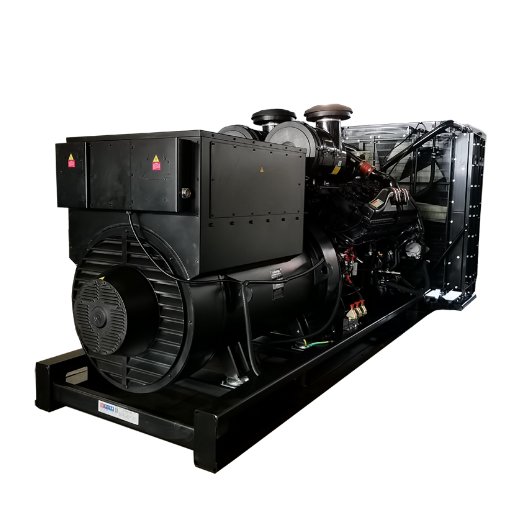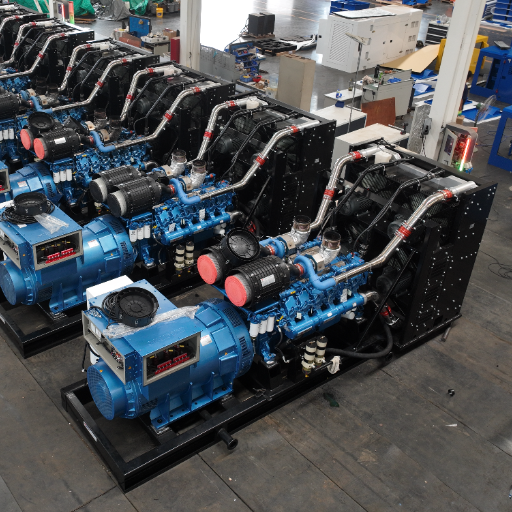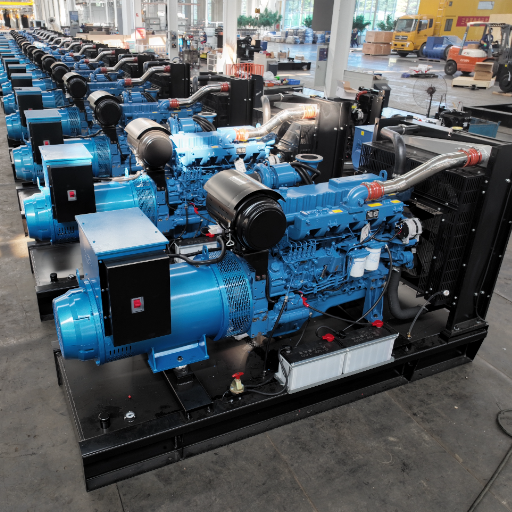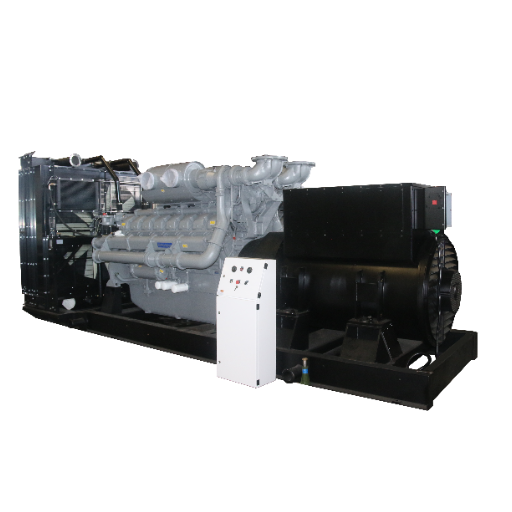

Selecting an appropriate whole home generator requires an extensive amount of financial resources that help to keep your house powered despite the power outages, ensuring that all the comforts are in place when you badly need them. Meanwhile, preparation associated with such expenses proves to be an overwhelming necessity long before deciding on the feasibility of such investment. This review will look into all the considerations that revolve around the installation of such a generator, from hardware cost and in house labour costs to other extraneous factors like accessories and other miscellaneous costs. Whether you are looking into saving your house from natural disasters or having a plan for a sustainable future, this paper shall aid in estimating the costs of a whole house generator installation.
Understanding Generator Installation Costs

There are three key factors that significantly determine the costs of generator installation. These include the type of generator, its size and its associated installation process, the cost of labor, and other relevant expenses such as permits and conformance with the building code. Typically, generators intended to power an entire home or building tend to attract a higher cost in terms of capital expenditure compared to the smaller ones. Costs of labor may be a function of the extent of current wiring in the house and thus the level of skill required from the tow in terms. Further requirements for works can be added where permits must be sought, and this should include making a pad of concrete or even extending the wiring infrastructure in the house. Such information is significant in ensuring that the installation does not exceed the available resources.
Factors Influencing Generator Cost
Generator Size and Power Output
The most important or possibly the prime ‘cost-driver’ of the power generation devices would be the ‘size’ or the ‘power output capacity’ of the device which is usually expressed in terms of ‘Kilowatts'(kW). For example, a small portable generator of 3-5 kW might range between a rate of $300 to $1,000 whereas a whole-house generator of 20-22 kW could cost about $3,000 to $6,000 or more. A generator of greater power than the commercial units that are above megawatt size can be well over $10,000, depending on the included features that are further below.
Fuel Type
Determination of fuel type and how it will impact the cost and the period a generator will be used is subject to the economic factors. Generally, when compared to other types, more petroleum-run generators can usually be bought at lower prices. For example, the fuels like diesel or natural gas and propane although they have a very good performance which compensates this higher cost and have a great useful life. Specifically, for the example of propane-fueled generators, it would be most likely that such generators would cost between 20%-30% more when compared to gas turbine generators.
Installation Costs
There is a vast range of installation costs extensively shaped by the kind of generator required, its size, and installation complexity. To explain, when one needs a complete standby power generator installed in their house, $2,500 to $5,000 would be the range within which the work is completed, which would include uploading, change-over mechanism set-up, as well as enhancing the electric network in a house.
Required Permits and Inspections
In many cases, standby generator installations cannot avoid permits imposed by local authorities’ offices in line with hazardous and power rules. The issuance of permits may cost from $100 to $500, depending on the policy in each area. Aside from going for this package, more efforts are enforced prior to using the equipment even make sure of its effectiveness in that, fixes are conducted in any place that does not conform to legal requirements.
Additional Features and Accessories
Such generators are usually more expensive as they are fitted out with automatic transfer switches, remote condition monitoring systems, and low-noise capability. If a customer buys a premium generator that has every bell and whistle, for example, a smart feature that he/she can control with a mobile, the standby generator price may increase by up to 20%.
Warranty and Service Plans
It is to be noted that significant expenses are also guaranteed by the acquisition-linked possibilities. One can get these benefits paying from normally $100 to unusually higher prices of more than $1000. These additional benefits may vary in price and coverage, such as service in a year or protection for mechanical components like the engine or alternator.
Average Cost to Install a Whole House Generator
The cost of placing a complete home generator is subject to significant challenges, influenced by different factors such as the ability of the generator, how the generator functions, and the difficulty of installation. The complete cost as a rescind generator installed by a professional can be anything similar to $5,000 and $12,000. This cost is exclusive of the generator itself, which ranges between $2,000 and $6,000, and charges for work and installation, which may vary between $3,000 and $6,000, depending on the filing of the individual working for and the local wages.
Budgeting for such items as cabling, permit fees, and the preparation of the site, such as, for example, the construction of a concrete base, may, in addition, escalate the expenses. Generators with greater outputs that are designed for applications in big homes or property with higher power interruptions would be on the costly side. Extra charges must also be factored in in the case of complicated setups like intricate or lengthened electrical projects or gas line systems to demand redeployment which conglomerately heighten the expenses. Lastly, an accurate costing estimate can only be drawn by an expert contractor after a study of what has to be done as well as the requirements of the user and how fittingly the system is to be installed.
Comparison of Whole-Home Generator Costs
Various costs of whole-house generators depend on many different factors such as the size of the generator, fuel type, brand and the level of difficulty for the installation. However, it is an undeniable fact that generators employing natural gas or propane for fuel have lesser operating costs as opposed to those powered by diesel, while there might be variations in the first cost and how these fees are added or integrated to the costs. More expensive providers often will compliment their generators with modern functions such as telemonitoring, increased life expectancy, and greater safety which contributes to the price factor.
In addition, the incorporation of equipment in the system can be significant as regards the overall expense, where labour alone may be estimated at between $3000 and $10000, depending on factors such as insulation challenges, etc., or the requirement of more adjacency to utility lines or more detailed electric grid configurations. Generators with power factors between 10 kW and 22 kW are good enough for most urban and rural private homes. For a small house dependent only on the basic comforts of life, a 10-12 kW generator design and installation adds up to an average investment of $5,000 to $10,000. Bigger models, at 20-22 kW, cost about $10,000 to $15,000 for more energy demanding households.
Types of Whole Home Generators
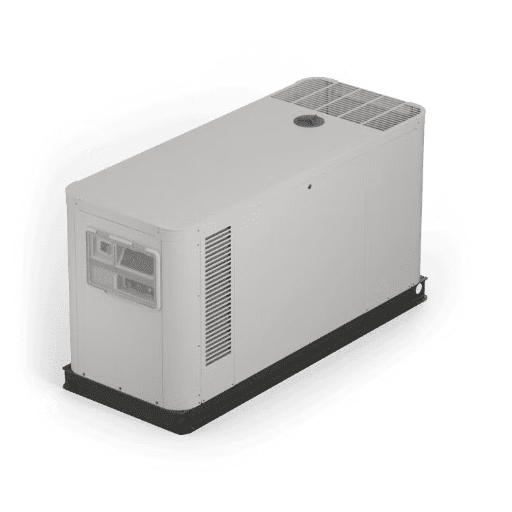
1. Natural Gas Generators
Such generators work on natural gas which is available at homes and thus a constant supply of fuel gas is available. These gas turbines are pertinent for natural gas-rich areas and other regions where such infrastructure is installed, and no refuelling is required.
2. Propane Generators
Propane tanks are versatile, and can use when it is inconvenient to use the gas. Such variants as propane fueled do not require similar storage measures which is convenient when using for backup power.
3. Diesel Generators
In most cases, Diesel generators are durable as well as efficient. They are therefore commonly used in either big projects or in commercial facilities, and also still make a good alternative options for domestic purposes only when one is looking into power rate and the continuous supply needed.
4. Dual-Fuel Generators
They can be connected to either natural gas or propane for operating. This features some level of fuel economy and options compartments for gas directions depending on the present availability and the price.
Standby Generator vs. Backup Generator
Fuel Types for Home Generators
Choosing the Right Type for Your Needs
An important process in designing and selecting a power system from the available resources involves taking into account a number of factors like availability of the source, cost of such power, its efficiency, the considerations of the environmental impacts and understand the nature of the task itself. For example, it is advisable to have a fuel operating gasoline generators to deal with a power emergency because it is readily available and cheap. However, its emissions are probably higher and must be re-filled frequently. In contrast, solar energy is preferable because it offers environmental benefits and the potential to reduce long-term costs.
Dual-fuel generators, however, provide diverse solutions for the end users by allowing the use of either propane or gas. It is noted that different situations exist that may require such flexibility because both fuels cannot be available at the same time, this is often the case. For example, the use of biogas in various applications has being described as farming or agricultural greenhouse where compartmentalized organic waste disposal bins are built right on the site. In verses such as these, advanced technology may not be very helpful. If it is not incorporated and if a decision is made not to use the most powerful forms of technology, like hydrogen-powered equipment, the power sources one can use will be very limited.
Determining the Size of the Generator

The accurate choice of the power unit becomes more significant if we take the maximum power consumed BY all facilities simultaneously during the two utmost periods of time into account. Firstly, make a simple addition in order to determine the atomic number out of all items and fixtures that the power generator has to bear. This includes the power required during use and at startup, as some devices, such as motors and compressors, draw additional power when activated. After the overall demand for power is calculated, it is rather necessary to provide a dispensable for these unexpected loads, or to use the generator for the next construction phase for 20–25%.
Importance of Generator Size
The physical size of a generator is widely understood as a key factor in determining the performance of the device, how much it is likely to fail or how well it is suited to a specific purpose. Very small generators which may fail to deliver the required power to connected appliances are at risk of falling apart after constant overuse or demand. From increase on current amount to unreasonable fuel consumption amongst other factors, very large generators create inefficiencies which might end up costing more in the end.
Inclusions within this decision are the total amount of watts that will be needed, what specific appliances or devices will be connected, and the nature of the loads – resistive or inductive. A resistive load like a heater or an incandescent bulb is quite straightforward as the power being consumed is constant and the load power of such a device is constant. For most compressors and air conditioners, rotary compressors have to be factored because they consume differentiated power.
In truth, today’s commercial spaces and residential properties consume more and more power as opposed to earlier times due to the use of electronic devices of a higher grade for which a clean and reliable source of electricity is paramount. Additionally, a margin of around 20-25% is added as assurance so that any unexpected rises or additional congestion does not tamper with the efficiency of the generator. By applying this trick, it is easy to achieve the best results while at the same time avoiding all the problems that come with power inadequacies.
How to Calculate the Size of the Generator Needed
Remember, before we can establish what size of a generator we will need, we have to begin by identifying the total wattage that all the electronics and appliances will consume. This step involves every item being itemized covering the starting watt of each item especially the devices capable of drawing a huge inrush current such as the fridges or air cons and the working watt. Moreover, aside from the working watt, the starting watt is commonly higher by a factor of between 1.5 to 3 times for most electric motors.
The sum of these wattage rating numbers is what is referred to as the connected load. In line with this, an additional 20-25% has to be added to that wattage rating so that it can take into account other noises, for example, sudden increases in demand, more devices being inserted later, and also when the usage is not stable. If, for example, one finds that there is a sum of 7,000 watts reached, the highest capacity generator must be designed so that it can produce power of at least 8,750 watts once a 25% factor is added in.
In addition, you should take into account the need for phase-to-phase or phase-to-neutral power sources in order to correctly design or select a generator. Furthermore, one should identify any delicate electronic gadgets which may require a modified sine wave output from the inverter type of the generator in order to avoid their destruction. The third and final aspect would be the check for the type of fuel and fuel consumption of the generator to ensure that it will fit your operating specifications and that there is a continuous source of fuel.
Common Sizes for Whole-Home Generators
Whole-house generators are available in multiple sizes typically including the end-user demands such as how much wattage they can generate with the rating normally given in terms of their power. The dishwashers, vacuum cleaners, refrigerators, and lights in modest homes can be conveniently powered and run without interruptions since the generators 10-14 kW are appropriate for their size. Power capabilities that are sufficient for more distribution boxes, air conditioning supplies, and some other power consuming devices are allowed for in the 15-22 kW generators that suit medium houses. If you live in a larger house or own property that does not interact with the power grid, you will normally use generators of 22-50 kW and up.
When choosing the right size, one has to consider the total power consumption of the house when the power supply is faulty. This includes finding the starting and running wattages of significant appliances and services. Engaging services of a professional electrician or using a load evaluation scale is recommended. Errors will also be prevented if the capacity of the generator installation in the house is matched with precise power requirements rather than inadequate or excess capacity.
Cost Breakdown of Whole Home Generator Installation

On average, it costs between $5,000 and $15,000 to mount a permanent household generator, while the actual cost may be influenced by several conditions including:
1. Generator Unit
The cost of the generator is usually about $2,000-$10,000 and depends on its size, brand and available power output.
2. Installation and Labor
Fees for the installation works reach $1,500 and go up to $5,000. This entails every phase of the work from the preparation of the locations, to the installation of the generator, connection to the electrical systems of the house and also ensuring the works meet all the requirements of the local governance structure.
3. Transfer Switch
The installation of an ATS on the generator can rise the total cost of between $500 and $1500 and enable the generator to work the specific duration of time in case of any danger from the power.
4. Permits and Inspections
There are usually financial obligations with regard to compliance with the government but they are usually very minimal and range from $100 to $500.
5. Additional Costs
Exorbitant costs may include the addition of fuel tanks, additional expense for batteries, or trying to alter standard product specifications to suit your property, these may cost anywhere from an extra few hundred to a few thousand dollars.
In these cases, it is better to ask a professional installer to quote the job as per the design of the house.
Long-Term Savings vs. Initial Investment
When defining the financial consequences stemming from acquiring a generator, the crucial aspect is to balance current expenses against future benefits. This simply represents the installation cost for a standby generator, like purchasing, installation, which sometimes includes optional upgrades as well, can be anything from $3,000 to $10,000 and possibly even more, based on the system’s models and sizes, including other factors. Nevertheless, coping with this single expense should be viewed as merely one side of the coin of protection that one should explore to get to the core of the matter and make up for it.
Long-term significant savings can be had in reducing operating losses and downtime caused by power cuts. Staying home is vital for preventing goods loss from cold, diminishing the cost of repairs to frozen pipes, as well as the operation of critical systems like medical machinery and work-from-home managers, for example. For commercial enterprises, power without interruption is able to reduce the financial loss, any organizational troubles, and the emergence of congestion of the produce stock. Moreover, contemporary generators, which are energy efficient, also function with reduced fuel use, allowing for the improvement of the operational return perspectives with time.
Moreover, standby generators are not only saving grace in bad weather conditions, but also can accelerate the sale of the house and raise its price so that a homeowner gets the money spent back in case they decide to sell the property. It is worth noting that homes with a standby generator are more attractive and they also move quite faster especially in the cases where a strong natural disaster occurs. Standby generators can also be installed in strategic buildings operated by businesses and local authorities. If the cost of procurement and installation appears daunting at first, it is advisable to keep in mind that the savings from not having one are often greater.
Financing Options for Generator Installation
As you think about ways to install a power generator, different financing schemes are set in place to take care of different costs and persons with varying income levels. In several cases, the available packages offer interest-free or low-interest rates to enable the consumer—usually the household or business owner—purchase a good or service, over a period of time. On top of that, financial institutions offer personal credit specifically designed for repairs or building, including installation of a generator, with competitive rates and favorable installments.
For those who are more energy conscious, there are often some local and federal programs where they can access incentives or preferential loans that help them in powering or heating immersion heaters and other backup devices which meet some environmental criteria. Through Property Assessed Clean Energy (PACE) programs, there are more environmentally conscious renovations that can be funded through property taxes faster.
For those who want something more immediate, a generator hire agreement would also be a good option. People can use a temporary power supply through a rental generator without having to pay any money in advance, but in the end, it may bring about a generator that will offer more to the person who uses it. It is essential to critically examine these approaches to be used in purchasing a generator so as to consider both short term and long term expenditure incurred in owning the power generating device.
Maintenance and Operational Costs

Operating expenses are just one part of owning any generator and can include periodic maintenance, air costs, and repair of defects, when necessary. For this post to fully meet its purpose, every generator owner should perform routine servicing regularly, including replacing oil, changing filters, and insulating the generator’s mechanical components. The cost of fuel will vary depending on the generator you have, its source of energy, diesel and natural gas being the cheapest possible in most cases.
But there are systems which may necessitate repair or replacement over time. Regularly scheduled tests are important for early detection of possible problems. The services of a third party should be provided at least once a year to keep safety standards at the recommended level. It is unequivocally true that maintenance decreases risks of cosmic failures and increases the life of the generator and its parts greatly.
Regular Maintenance Requirements
For improved efficiency, proper care of generators, including regular maintenance according to their specifics and usage, should be encouraged. The recurrent tasks in the preservation include checking the pollution control system, and replacing the air or fuel filters to avoid contamination and facilitate the improved performance of the system. There is a need to also keep tabs on the levels of oils to be used including setting specific periods within which they can be changed, usually after every 100-200 hours of operation or as per the manufacturers’ recommendations. It is very important to check corrosion of the battery leads and connections as this may cause starting system problems.
Diesel generator users must take precautions against prolonged storage-induced fuel contamination by regularly managing or draining the fuel system. Fuel contamination is caused by storing diesel engine for long periods with dirty fuel tanks. Aside from that, since the cooling system does not have a cooling loss, it is necessary to flush the coolant and refill it periodically so as to prevent it from overheating and damaging the parts. One of the most important points is load testing as it ensures that the generator can deliver the electrical load needed under practical conditions. With the help of a regular maintenance program, one is able to minimize the generator’s non-operational time and enhance its life expectancy.
Operational Costs During Outages
During outages or interruptions in power supply, some maintenance or expenses related to such interruption may vary greatly, for example, consideration of fuel, repair, and how to minimize or fully minimize the loads. Such is the case with the diesel generators where the hourly fuel consumption of one is generally between 0.4 to 0.9 gallons depending upon the generator rating. These expenses are also subject to constraints of fuel prices, which are not constant.
Besides that, the high number of while outages runs down the engines’ parts, which wears off, hence the costs of maintaining the diesel engine, such as the cost of oil change, the cost of the filter, and the cost of possible spare part purchases, among others, will be high. One more important difference to consider is power efficiency- it is widely known that generators produce more power per unit of fuel when they are closer to their maximum rating than when they are not. The total cost of operation with respect to these items underlines the usage of generators that match an effective ratio to power that is required in any facility to minimize the costs.
Warranty Considerations and Their Impact on Costs
The presence of warranties is an expedient factor for predicting the “total cost of ownership” for any kind of generator in such a way that it moderate all the financial risks that come with deterioration due any form of equipment malfunction or defect. In most cases, warranties are offered with periods of coverage typically extending from one to five years and may even offer extensions at a small fee. Typically, these will cover major components of the generators, ranging from engines to alternators, control systems, among others, while excluding components such as fuel filters and/or routine filters or general servicing, which is cost-effective.
It is crucial to distinguish between the scope as well as the suitability of a standard warranty’s cover, which often polishes manufacturing faults, and more comprehensive contracts – extended warranties may go as far as to include wear and tear. It is important for organizations to invest time and energy in finding out more about warranties so as to better their own operational requirements and surroundings with the terms of warranties being discussed.
For instance, other studies have found that the purchase of extended warranties, specifically for facilities that require tasks that overwork generators in harsh operating conditions and or through frequent power outages, can lead to 30% reduction in the cost of repairs in the long run. Besides, failing to observe the terms of the contractor or availing provided service maintenance as per the prescribed guidelines from the builder would amount to denial of that service by the warranty saver thereby legally obliging the client to injury costs for the restorations.
Whenever choosing a generator manufacturer that provides warranty guarantees and support services that are on call throughout, it is clear that there will be reduced system downtimes and lower costs that come from failures. As such, it is important for managers to ensure warranty quality, service clause, or any other related factor is taken care of in the decision-making process of acquisition plans. Requesting such opinions will optimize lifetime charges.
Reference Sources
- Tradeoff Analysis of Backup Power Generation Solutions for Military Bases
Read more here - Integration of Standby Generators into Distributed Generation Systems
Read more here
Frequently Asked Questions (FAQs)
How do I choose the right whole-house generator?
The first important step in picking a generator is to figure out how many kilowatts you will need to power both your most critical electrical devices and the entire house’s electrical system. Next, you need to make a decision on the type of generator you will require – whether a research shows that Generac is preferable or some other make. You should also check if perhaps the installation of the set of generators in the house will mean the need to change your breaker panel, the main breaker, and/or the gas meter. Get help from an electrician or generator specialist who can point out if the electric layout of your house is suitable enough for the generator without any issues.
What ongoing costs should I expect after I install a new generator?
In addition to the standard generator charges, anticipate future expenses for the safety equipment including expenses for planned maintenance, the usage of energy sources, fuel, performing load stresses depending on the regulations, and the need for possible repairs or replacement of the switching device. The load on fuel in a generator will depend on its being very powerful and longer in use of the utility power supply system; a generator with higher kW output will result in higher fuel consumption. It is wise to join annual maintenance programs that may be offered by the contractor or local dealer for any installation related assistance and or attempts at rectifying the fuel required to the standard of making it work.
How does a home standby generator supply power to essential appliances?
A standby unit is capable of automatically detecting an indefinite power supply failure, after which it will commence channeling power to the circuits that have been chosen using a transfer switch that is connected to the breaker panel. The system also has the option of being configured in such a way that the most necessary appliances and systems get used based on the electrical requirements of the house and size of the generator in terms of kilowatt capacity. Correct rating of the generator typically allows the generator to take the applied overload without tripping the main generator breaker or panel breaker. At this point, enlist the loads through your installation expert and ensure that the set can supply power sufficiently in case of an emergency.
How can I find a reliable local dealer to install the generator?
To choose the best local supplier, part of the necessary conditions is the presence of licenses, approval or reputation ratings on the market, help with installation is provided and the customer will be checked at the primary level. Installers need to be asked about how much they can do in installing a whole house generator, the conditions in which their workmanship guarantee applies and their attitudes even when they are allowed to make such cells. Multi quote to see the available prices and ask questions relating to installations in most cases, because we do not take short-cuts for fear of missing out on big switches, since it may involve missing out on changing the sub panel.