
Introduction to Home Generators

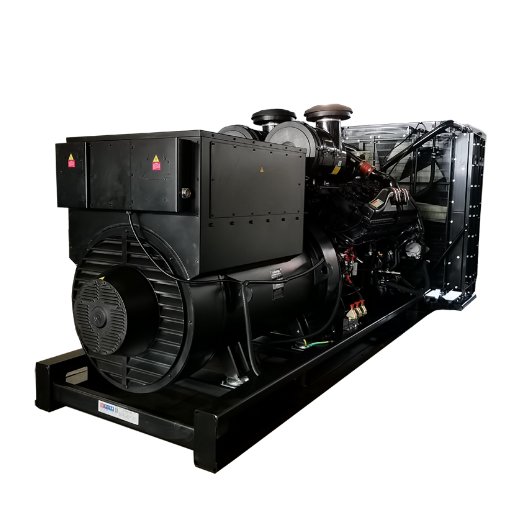
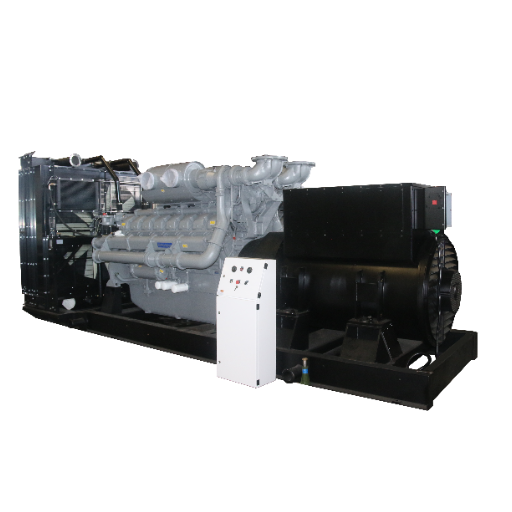
Generators installed at home allow for the supply of electric power in case of outages, thereby ensuring that important systems such as heating, cooling, work of the cold stores or medical equipment, work smoothly. These generators are available in two main groups: the smaller more affordable and easily moved portable variety is well suited to short term or local power needs while the more expensive and larger standby generators are the permanent kind where the generator starts supplying power in case of a power defeat. This is prolonged uninterrupted power availability. Some factors need to be considered in the decision about the most suitable generator such as the power levels one requires, the cost they are willing to incur and whether it is for home or commercial use. Proper sizing and installation are necessary if you are to obtain the required level of output performance and enhance safe use of the product.
Importance of Home Generators
Generators for home use play a crucial part in ensuring electricity availability even when the power networks experience downtime, a challenge that is on the rise, as a result of weather changes, poor infrastructure and escalating rates of energy supply. The most up to date figures on the power problems experienced in the U. S. indicate that more than 70 million people could not access electricity in this country and this has resulted to an underway quest and search for backup solutions that work effectively even in these moments of emergency. It is also in the same vein that home generators stand out in that they provide another source of power which is conducive to keeping on course the vital functions of space heating and air conditioning, refrigeration and, in extreme cases, the use of medical equipment.
Further, modern standby generators come with robust monitoring and energy-saving technologies, more so than the legacy options. Corporate and individual, this guarantees that the operating conditions are always conducive and the fuel consumption and pollution are minimized. Besides, there are benefits of owning a standby generator; it offers peace of mind that in case of any emergency basic human needs such as safety, security and productivity cannot be compromised.
Types of Generators Available
| Type of Generator | Fuel Type | Power Output | Best Applications | Key Advantages |
|---|---|---|---|---|
| Standby Generator | Diesel/Natural Gas | 7,000-150,000 watts | Homes, hospitals, businesses | Automatic operation, reliable |
| Portable Generator | Gasoline/Diesel | 1,000-10,000 watts | Camping, small appliances, tools | Lightweight, easy to move |
| Inverter Generator | Gasoline | 1,000-7,000 watts | Electronics, outdoors, RVs | Quiet, energy-efficient |
| Solar Generator | Solar Panels/Battery | 500-3,000 watts | Eco-friendly, small loads | Renewable, no emissions |
| Industrial Generator | Diesel/Natural Gas | 20,000-2,000,000 watts | Large facilities, construction | High power, durable |
| Dual-Fuel Generator | Gasoline/Propane | 4,000-12,000 watts | Flexible fuel options, home use | Versatile, cost-effective |
| Hydrogen Generator | Hydrogen | Variable | Future technologies, experimental | Clean energy, innovative |
Benefits of Installing a Whole Home Generator
- 1.
Uninterrupted Power Supply
A significant advantage for complete installation of a standby generator in a premises is that basic systems like heating, cooling and lighting will not be disrupted when the electricity is down. The electricity reliability compliance of most utilities worldwide normally cites the standard of 8 hours per year of interruptions which includes planned and emergency outages of a network, and beyond which system reliability is likely to start weakening. - 2.
Enhanced Security
Where residences are faced with power shortages, it is natural that one seeks to supplement the shortage by purchasing, installing alarm systems in houses. A total power backup sytem protects monitored circuits, to which they are cabled or wirelessly, such as burglary alarms, video cameras and so forth, and other forms of security from any inconvenience even under a blackout situation. - 3.
Protection Against Financial Loss
For homes or offices with cool rooms or refrigeration units, a power cut results in the loss of perishables and money. Any general refrigerator at some moment within the period of disruption is worth $150-$200, which could be easily achieved; a consumer may think of the concept of a refrigerator full of thoughts that she lost instead of using and selling it, which is yet wrong. This is an issue which can be solved by using a generator. - 4.
Convenience and Automation
Generators for whole properties are generally installed with a covering done in automatic transfer switches (ATS) associated with it itself to switch the primary source, including manual intervention. It helps to ensure that there is a continuous flow of activity without any interruptions from generation plants when they are induced. - 5.
Support for Medical Equipment
Families containing people in ill-health have no choice but to use such equipment: oxygen concentrators, and CPAP ventilators necessitate electricity to safely operate the equipments. A whole house generator is therefore invaluable, as any life-supporting equipment failure at any time could pose serious threats to one’s health. - 6.
Increase in Property Value
For prospective buyers, homes with all-round generators increase their appeal. Research finds that households having standby electricity generators can be valued up to 5% more when reselling, therefore the acquisition is an economically viable and beneficial.
Factors Influencing Generator Installation Costs

- 1.
Generator Size and Output
The size and power rating of the generator in use have a direct effect on the cost of the set up. It is possible that the generators with the power to run whole domestic are a bit pricier as compared to the smaller ones which cater for partial loads of energy as they do not only have more equipment to purchase but they also need more efforts to be put in the installation work which is apparent increase the cost of the generator. - 2.
Installation Complexity
In some cases, the costs are directly proportional to the complexity of the installation. The higher factors include the actual electrical connections present at the facilities, the need for new connections, and the desire to modify the existing restrictions which may necessitate higher manpower and financial allocations within the installation. - 3.
Fuel Type and System Requirements
Many types of generators run on many different fuels, which can be classified as either natural gas, propane, or diesel. Selecting a fuel-efficient generator that can work with the fuel in your home which further requires the proper connections to be established is a crucial point that can influence the total installation cost. - 4.
Permits and Compliance
The price estimate of the installation service can be greatly affected by the local norms and installation permit fees. In some regions, there are requirements for examining a generator or how it should get cabling which translates to the necessity of extended installation work and higher accompanying budget costs. - 5.
Location on Property
Furthermore, the installation cost can also vary depending on where the site of the generator is, viz., the distance it is installed from the power connection or how accessible the refueling sources are. The closer the location the higher the proposal therefore the more expensive it will be to install.
Generator Size and Capacity
The performance of a generator as well as its appropriateness for a particular venture solely depends on how large the generator at hand is and the amount of resources it can be able to accommodate. Generator size is primarily expressed in terms of kilowatts of power output, and such a size is usually found in the line of the sum of power consumed by the systems or machines that are magnetically driven. For stand-by power supply system designed for a home, especially one needed for the backup generator, the most common size of the generator ranges from 5kW to 20kW, because of this it can run most of the light, the fridge and even the fan or conditioner. However, in the case of an enterprise or industry, the need for a larger generator with a ratio greater than 100kW is more likely since such facilities require more electricity and they need to be operational at all times regardless of the status of the electricity sources.
In order to determine an appropriate size for a generator to choose, an assessment of load as well as the estimation of demand for electricity should be of paramount importance. Installation and operation instructions part helps in determining the adequacy of the generator system to permit starting and running of various connected equipment while avoiding problems of overloading the system. For instance, a majority of motor-driven appliances including refrigerators and air conditioning units will have a higher starting wattage relative to their steady power consumption. Larger generators have other disadvantages in that they increase operation costs due to high fuel consumption while smaller generators may not be capable of providing sufficient performance resulting in instability or failure of the equipment. This approach lets people plan for power requirements appropriately and ensures performance of the generator is optimum offering reliable supply of power for any given application.
Fuel Type Considerations
The choice of a generator’s fuel type is a major factor that significantly influences the costs of installing, running, and maintaining the engine long term. The most used fuel type for most industrial power generators is diesel oil and gas, as well as petrol and compressed natural gas, which are additional categories with explicit cost and performance features.
For example, Diesel generators often have a higher cost on an initial basis due to their improved construction, but, on the other hand, as they have generally remarkable fuel mileage and longevity, they will be found to be more cost-effective for prolonged heavy use. Among Natural gas-generators are cheaper to install, but require connection to a gas pipeline, which can increase site development costs in areas lacking these basic infrastructures. Propane generators are efficient as they are clean burning – however that is assuming the fuel prices are relatively consistent; the issue of which organization will look after the fuel does not enter as a factor since reformer plants are not generally used. Gasoline generators tend to be priced and cost the most to use, however, there are upfront costs required with the purchase of genset and other components.
Moreover, fuel availability inherently varies across the regions and influences the final cost. It may so happen that within the suburban area, diesel or propane gas is available while a single natural gas pipe will not be found. This disparity may alter the economical viability of the alternatives. Accordingly, end-users appraise the installation costs alongside availability of the fuel, efficiency, and total expenditure in order to make the decision of what generator configuration to adhere to.
Installation Complexity and Labor Costs
The overall installed complexity of a generator system can be high or low depending on the type of generator used and the fuel it uses and the place where it is to be installed. For instance, a typical case where a standby generator is not simply placed but rather wired and fueled will require a professional to provide its services because of obvious police issues pertaining to the electrical system of the house/offices and the stand-by power fuels like natural gas or even propane gas. On the other hand, workforce costs may be increased if specific enhancements are made for construction activity such as adding a concrete foundation, installing a switching unit or even potentially increasing the amp rating in some instances.
According to industry norms, one could get an average estimate of cost of setting up smaller portable generator in the range of $500-$1500, while for more complex and costly permanent back-up generators, labor costs could vary between $3000-6000 and above. Other such matters as permissions, excavation for gas pipes, and agreement to adhere to local building and electrical safety codes can also result in increased cost. Integrating such considerations helps in setting the budget for this safe and effective installation at the onset of the operations.
Cost Breakdown of Generator Installation

- 1.
Generator Unit Price
Since the cost of the generator itself is the most substantial, let’s start with that. Portable generators will go for something in the range of $500 to $2,500 while those that are standby will range in between $2,000 and $10,000 depending on the dimensions of the unit, say in kilowatts. - 2.
Labor and Installation Fees
Costs of installation by professionals vary, starting with $500 up to $1500 for portable systems, and much more for standby systems. Sometime during very difficult installations where extra equipment, wiring or connections are needed, the amount is always higher. - 3.
Permits and Inspections
The tactics of paying for local permits and calling in the services of professional inspectors may cost you and stretch you for between $100 and $500 nearly every time unless of course, the area has some special rules regarding the projects. - 4.
Additional Materials
Costs for fuel range connecting, building transfer switches, and getting the needed electrical items may require an extra $300 up to $2000 or even more depending on the system in use. - 5.
Site Preparation and Modifications
Some tasks, such as digging, slab construction, or any type of construction, can cause an increase in expenses ranging from $500 to $2500, especially when calculating the cost of buying standby units.
Average Cost to Install a Whole House Generator
Installation of a whole house generator involves a lot of costs, which never have constant amounts but usually range from $5000 to $15000. The bottom line of this expenditure usually involves the cost of purchasing the generator itself, which can be between $3000 and $10,000 if it is a stand-by type and also cost of doing the installation including labor. When it comes to costs of putting up this machine, most professionals experts the costs to range between $2,000 – $5,000. This is due to the fact that installation involves others duties such as fuel line hookups, wiring, and construction. In addition, when looking at the very expensive projects that involve things like lots of concrete work or working with high current transfer switches, these projects and the prices go up to very high numbers. The design of the backup power system should take into account not only the capacity of the generator, but also the power and energy profiles of the installation.
Standby Generator Cost Analysis
The total cost of setting up a backup generator depends on several key factors. One of them is the size and power of the generator in question, since bigger models that can generate enough power for an entire household tend to cost more as compared to smaller, under-powered alternatives. It also costs more to build and install certain types of generators as a result of the fuel used. This is the case with propane and natural gas generators where differentials appear in both the design of the infrastructure and the cost. The more complex installation requires installation costs, for example in cases where vast earth works are to be carried out such as where there is a lot of rock or where the power supply system is complex.
In addition, there are local regulations and other requirements which are approved by local administration through which the additional complications or cost increase for connection may take place. Because of this kind of reason, projects are required to follow certain codes which involves in engaging professionals for inspection and in most cases, the design itself had to be redone. There are higher advanced options in power quality such as use of remote monitoring systems, automatic voltage regulation and with sound proof attenuated units, which tend to make such an equipment more expensive from the prices of the per se and the other related manufacturers.
Whole-Home Generator Costs Compared
When it comes to cottages both inside and out, we can take into account a variety of important criteria which helps to estimate the overall purchasing and long-run maintenance expenses. A whole-house generator can typically cost anywhere from $7,000 to $15,000, including the cost of labour and the power tool itself. There are designs for necessary operations that are cheaper than the above-mentioned mode, while more sophisticated solutions that are expected to work throughout the power cutoff duration can even push costs higher.
The cost of any generator can increase with the fuel, the output, measured in kilowatts, and any additional enhancements placed on the system. Also, it is less expensive to operate a generator fueled by natural gas or propane other than diesel generators. However, the price of the diesel powered generator equipment is not the same as others. For example a 20 kilowatts standby generator for an average home might be estimated costs alone of between $5,000 to $10,000 and two more kilowatts, that is from 22 to 24 fitted with enhanced load control system could escalate the cost.
In addition to the original purchase and the expense of putting the system into place, one should also acknowledge the maintenance requirements together with the superfluous operating costs. Some of the procedures for a generator include oil changes, battery changeout, and general testing. The system will work as long as it is used and eventually require maintenance to remain healthy. In the span of a decade, the same maintenance activities are about six thousand in terms of the benefits that come with this. This is another reason why one is called upon to go for the best designs guns to infringe the CV with the costs during the usage period.
Post-Installation Advice for Homeowners
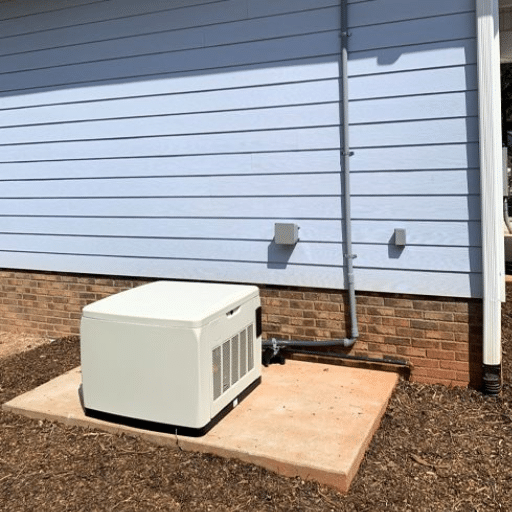
- 1.
Conduct Regular Maintenance
Ensure that all maintenance activities are in accordance with the manufacturer’s manual. This includes basic steps like oil change of the generator, replacing any damaged or clogged filters, and confirming that the battery is in working order so that any urgent needs can be met for the safety of the system. - 2.
Operate the Generator Periodically
According to the experts, you should turn on the generator from time to time and let it heat up to operate even if you don’t have a motive to enhance engine and engine cover instead. The principle will also assist in troubleshooting the chances of faults at hand soon after their development. - 3.
Secure Adequate Ventilation
Place the generator away from windows and doors so that it can perform safely without harming the occupants of the premises. Do not put it in a place with limited or no airflow, especially in a room configuration where there are no windows or any openings for air entrance or exit, as smoke, carbon monoxide, etc. can accumulate in these areas. - 4.
Stock Adequate Fuel
Stock proper amount of fuel and keep it in such a way that it is safe and according to the local laws. Regularly keep a check on the kind of fuel as fuel that is old or low quality will cause poor performance of the equipment. - 5.
Develop an Emergency Plan
Train your family members on how to use the generator and provide the necessary safety instructions. Make sure to practice it in advance so that you can use it in the event of a power shortage.
Maximizing Generator Efficiency
When thinking about using a generator, three main factors come into consideration. To enhance the performance of the generator, the issue of energy should be tackled prior to this. To begin with calculating all the connected loads that will be supplied by the generator and do not exceed the rated capacity of the generator. It should be noted that overloading a generator can damage or reduce its performance as well as cause temperature increases. Make sure to use green energy solutions and at best LED lights rather than the ordinary lighting technologies, which tend to utilize higher energy levels when in operation.
It is evident that continuous activities such as maintenance would have to be carried out to ensure the optimum levels of performance are consistently attained. Observe oil levels and change air filters as appropriate in order to run the sets before those services are due. While such impairments generally have an effect on obtaining these objectives, their being induced can also be related to it. In addition to this, the air filters should be cleaned or changed quite often as blocked filters cut off supply of air hence the engine tries to breath heavily and as a result uses a lot of fuel.
Optimum coordination of loads can also contribute to improvement of power output of a generator. Instead of using all available equipment simultaneously there can be limitations as to which equipment is most vital hence only the necessary gear is put in use and other equipment are kept switched off when not in use. It can further be practiced that power-intensive appliance usage has to be cycled to a certain degree; there is no need for full system usage all the time. Employ safety measures like switch-over designs or even load shedding devices that will help to ensure that encumbrances are not created when the generator is running.
Routine Maintenance Tips
- 1.
Oil Changes
For a generator to retain its high level of productivity, it is necessary to lubricate and maintain it. It is advisable to change the oil of most gensets every 100 hours of usage or a maximum average of 50 servicing hours depending upon the particular model and operational conditions. Make sure you always use the recommended engine oil in your ownership manual, i.e., SAE 10W-30 for many uses. This is so as to provide the required lubrication performance from the oil as envisaged. - 2.
Air Filter Inspection and Replacement
Within every 25-50 hours of the operation, you should check your air filter. You should replace it if it is clogged or look too dirty to be reused. A clean air filter allows the engine to function at its maximum potential rate, produces regulated emissions and reduces the particulates to a secondary extent. For generators operating most of the time in areas full of dust, the procedure is likely to be done in shorter durations. - 3.
Spark Plug Maintenance
Every 100 hours of the engine run time or once a year, protect yourself by verifying the state of spark plugs! If there is corrosion, carbon, burnt or even worn-down sections, consider getting rid of the old spark plugs. For those plugs that are still in good shape, it is good for effective combustion and starting by eliminating any combustion failures while starting or running. - 4.
Fuel System Checks
In order to prevent potential harm or gasoline pollution, adopt a practice of frequently scrutinizing fuel lines as well as other pertinent connections. Any worn out or malfunctioned parts should be repaired very quickly. Exhibit caution with regard to gas-fueled generators, apply fuel processing compounds, during their long-term conservation to prevent fuel degradation. Make it a point to changing the fuel every 12 months consistently. - 5.
Battery Maintenance
If your unit has an electric motor, first of all, the battery should be fully charged before use. If such a pandemic happens again, the terminal connections should be cleaned of plaque before subjection ofcurrent to them. The voltage should be checked every 3 months, and the batteries should be replaced after 2 years of purchase or as may be wished in the owner’s manual. - 6.
Cooling System Servicing
Perhaps it is fascinating how this one works without coolant, yet checked; this one is clearly working before over-heating. Operating instructions for 200-300 hours as maximum time before the compromise of the equipment to allow effective temperature control systems.
Choosing the Right Generator for Your Home Need

When choosing a power generation machine to buy for household purposes, you need to understand your consumption habits in terms of energy and the specifics of the device. In the initial step of this exercise, you are required to compute the required size of electricity in the household, looking at the key equipments such as refrigerators, cooking items, and health equipment. Among the options may be portable generators that find utility for a short term or just in case of any eventuality as well as the standby generators that have the capability of running automatically in case of a power black out.
Another key consideration is the fact that, the wattage of the generator should be able to sustain the peak use by estimating energy overload at 20-25%. Things to think about are related to the fuel to be used, like whether it will be continually based on gasoline, diesel, propane, or rather the use of natural gas, and, their accessibility, whether they are storable, and their prices. It is necessary to prefer additional options for permanent changeover and protection against undue loading. The manufacturers should also be responsible and follow all the factory production rules ones should also check the maker’s authorization within the country.
Evaluating Generator Size and Power Needs
Properly estimating what generator capacity is needed means, find out how many watts particular appliances and service systems consume power. You should find all necessary loads such as heating and air conditioning, refrigeration, lighting, medical equipment, and telecommunication equipment. Normally each piece of equipment comes with a nameplate stating both the operating and the starting power requirement which is much higher in the case of appliances having motors.
For correct sizing of all equipment intended to function at the same time, it is necessary to combine the total power to all systems and the biggest starting power of a single system. The reason for this procedure is to make the generator perform at its maximum capacity without excessive use / overloading. Moreover, it is important to leave room for further development as in the situation where there is a new customer to accommodate such a slight change in a higher output will be relevant.
Implementation of sophisticated methods including the utilization of a power meter or the manufacturer’s download of figures that help to calculate the power of any machine or appliance has evolved. To augment the efficiency and extend the lifespan of the generator, also one can choose not to use it, i.e., integrate energy saving equipments. With today’s environmental changes and technological advancements, significant aspects of these components have changed hence their satisfaction would depend on numerous aspects. Complete assessment and thorough comprehension of these factors are crucial in opting this effective cost device that will cater for your energy concerns.
Fuel Types: Natural Gas vs. Propane vs. Diesel
| Parameter | Natural Gas | Propane | Diesel |
|---|---|---|---|
| Availability | Widely available in urban areas | Requires storage tank | Readily available globally |
| Energy Efficiency | Lower energy output per unit | Higher efficiency than natural gas | High energy density |
| Storage Requirements | No storage tank needed | Stored as liquid in tanks | Requires large fuel tanks |
| Environmental Impact | Cleaner than diesel or propane | Clean-burning but emits CO2 | Higher emissions |
| Cost Stability | Generally low and stable | Price fluctuates with demand | Prices vary with oil market |
| Maintenance Needs | Minimal residue, low maintenance | Cleaner operation, low maintenance | Prone to clogging, higher maintenance |
| Power Output | Moderate, suited for light loads | Higher than natural gas | High, suitable for heavy loads |
| Longevity in Storage | Not stored, continuous supply | Long storage life if contained | Degrades over time |
| Weather Dependence | Reduced efficiency in cold climates | Performs well in all climates | Performs reliably in any climate |
| Initial Installation Cost | Moderate, depends on connection | Moderate, tank installation needed | High, diesel systems are costly |
Working with a Local Dealer and Installer
Working together with a reputable local distributor and an experienced contractor is the key to the success, safety and longevity of fuel or heating devices in any jurisdiction. Here, of course there are companies that should always be the first choice because they understand the geographical and regulatory challenges that have to be overcome, availablity of fuel, resources among other things, and understand the right solutions with the environmental conditions in place. More importantly, certified installers will apply the manufacturers installation guidelines and procedures to enable the most effective system operation and energy consumption.
In the same manner, when one compares natural, propane or diesel systems, the knowledge of the specialist is invaluable as it gives details on the cost on the onset of the projects, the care practices that should be met, and how goal effective the system can be in different situations. They may provide answers to logistic aspects like where to place a tank, how the tank is being fielded or where the vehicle can be refueled keeping in mind that all such installations have to be complaint with safety code and serve the intended purpose. In addition to the technical information, these professionals are also involved with financial arrangements, product and service warranties, and maintenance agreements, as per the situation in question.
Reference Sources
- How can a low-income household procure small-scale hybrid renewable energy system? A techno-economic and acquisition analysis
Read more on Emerald Insight - Grid connected hybrid solar and diesel generator set: A cost optimization with HOMER
Read more on Academia.edu
Frequently Asked Questions (FAQs)
How much does home generator installation cost on average?
In general, setting up a generator within a household will cost between $5,000 and $15,000 which is largely determined by factors such as the engine rating, type of fuel, and the transfer switch that plays an important part in the cost. Systems that are powered by gas and which serve a certain population usually cost less than those that serve an individual. When doing such upgrades, do not forget extra costs such as the need for the city to issue permits or in the worst case, changing the current circuit breaker to a bigger one if the “advice”.” Properly assess generator rating and obtain an estimate from a qualified installer to ascertain potential investments.
What factors influence the total home generator installation cost?
Costing factors that need to be taken into account are generator’s capacity, electric control switch between power mains and generator (off-line or automatic), fuel availability (generator can also be one run on natural gase, rather than diesel or gasoline), and hiring a contractor for the job. Further, civil works, electric board upgrades as well as permissions also form part of the entire expenses. Regions with low labor and permits’ charges and those with accessible fuels and specific brands can influence the equipment expenses. However, these considerations only projects them into the economic value and total depreciation in the long run and how to be financed that.
Do I need a transfer switch and how does it affect installation cost?
For sure, you need to install a transfer switch in your home so that it can link your power generator to the fundamental grid, and as a result, ratings and prices of installation doors are determined greatly. In cases of generators, auto switches are slightly pricier as opposed to the manual switches but are the best options for back-up systems due to excellent operation efficiency. The cost will also depend on power ratings and how well the design fits in with the site as well as generator size. It is important that the transfer switch be installed with the help of a competent contractor in order to meet safety requirements as well as codes.
How does generator sizing impact the installation cost and performance?
The size of the generator also impacts cost and customer satisfaction and its capability of meeting the intended power supply; larger kilowatt ratings incur high cost of equipments as well as the costs of installation. Undersizing risks frequent overloads and consequently more trips, and oversizing on the other hand contributes to wasteful expenditures on fuel and other accessories. Proper and effective load estimation enhances the performance of the installation and minimizes additional costs of power improvement such as purchase of additional feeders. The correct matching of load to generator capacity, may be done by a licensed electrician conducting a load calculation in order to correctly size the generator for use in a plan or replaced as part of the switch gear.