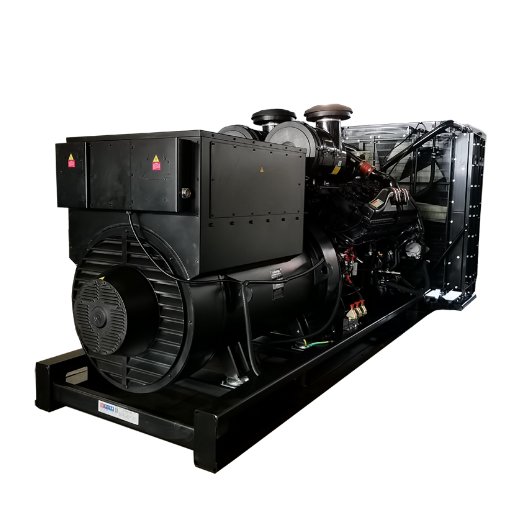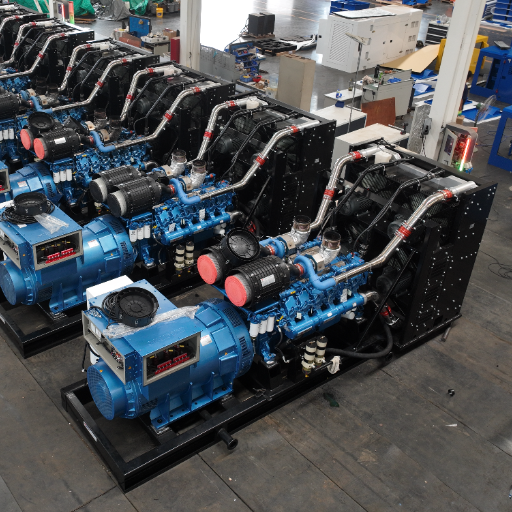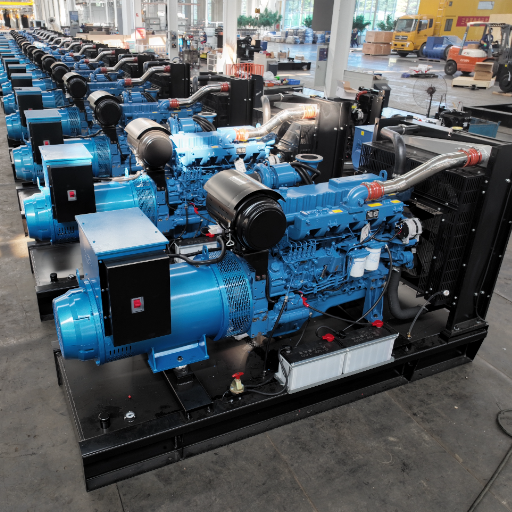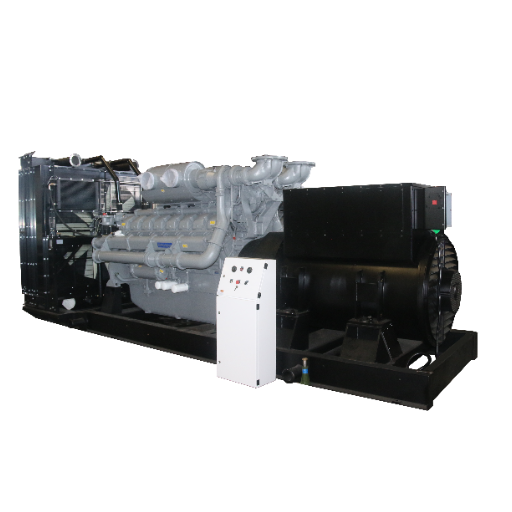

Generators need to be checked and maintained regularly to maintain them in good working condition, allowing the reliability and proper functioning of generators. Whether connected directly as the main source of power or act as replacements only when the main power fails, generators are components that serve both sectors, residential and industrial. In other words, where this essay relies on defining a list of standard provisions to follow while managing a generator, it simultaneously investigates troubleshooting techniques, issues identifiable by, e.g., a timely inspection, and their resolution. Hence, the readers of the article, thanks to the modern generators, also learn both why routine, comprehensive maintenance of them is necessary, but why a simple and straightforward approach to maintenance results in high costs, and what can be done to improve the performance of these complex, wide-area dredge pumps.
Understanding Generator Service

A generator is a very useful equipment in every home, office or any other structure because life in the present century has completely relied upon electrical energy in all operations. An equipment is only useful if you can be able to maintain it functional for a long time. Generator service is made up of certain operations that are meant to uphold the dependability and the service life of the generator. One of the major aspects of this service usually involves changing or servicing filters as well as liquid level checks such as oil and coolant in the generator system and examining the battery system in the event that there are any incidents of failure to charge on a regular basis.
What is Generator Service?
Generator care includes the engineered servicing and safety of the various systems in the machine that produce electricity. That means servicing and inspection of significant units like the prime mover, generator, cooling system, fuel system, and system controllers among the numerous used in the operation of the machine. It entails the changing of lubricants, checking, cleaning and inspecting filters as well as evaluating the wear on metallic parts so as to avoid any failure. In parallel, more sophisticated inspection mechanisms are used to address any electrical issues or power production shortcomings.
Contemporary generator care commonly involves predictive maintenance technologies that use data to predict and prevent failure by providing for timely maintenance. This requires keeping track of indicators like operation durations, power requirements and counting, harmonics and performing very exact settings. Also, the norms set by each particular sector of activity dictate the importance of periodically following the recommendations of the machine manufacturer in order to maximize the life and effectiveness of the generator. Properly conducted generator service will not only ensure that the equipment will be available when it is required in an emergency but also that it will meet the requirements of safety, environmental and health laws.
Importance of Regular Generator Maintenance
One of the most important components of proper repair and maintenance of the generators is the implementation of a complex of measures. Inspection and replacing of filters, greasing the parts, testing the fuel systems and load bank testing are necessary. The regular examination of oil properties can assist in evaluating wear and tear of related parts and components also provides the basis for taking actions before critical failure and problems occur. The state-of-the-art technology and applications like sensor-based monitoring can now supply instantaneous information, including vibration, temperature, fuel parameters, etc., which in turn changes the mode of maintenance into condition-based maintenance.
There are also very definite monetary consequences for neglecting maintenance, which can result in major repair, loss of efficiency, and even pose health-hazardous risks, which are linked to fuel spills and emissions breaches, and their conformance to the SOP. Such an evaluation indicates that generators checked on a usual basis, once every month and every three months, have from 20% to 30% reliability extension in comparison with those not requiring such checks. Last, the habit of maintaining systems when they are designed and put into useless downtime.
Key Components of Generator Service
Generators require many parts to work perfectly well. First, fuel systems have to undergo proper inspection and maintenance where impurities, blockages or leakages are among some of the issues to be looked into. Even a small amount of contamination in the fuel system can limit the engine’s performance or even destroy the engine in the long run. In addition, service life of the engine generally depends on the frequency and quality of oil and filter changes. It must be remembered also that engine components breakage might appear to be often impossible if lubrication is maintained.
Before they can even get to the actual servicing, there are other checks, available inspection as regards the batteries of the generating set. Among these, voltage, corrosion, and the tightness of connections of traction batteries have to be assessed regularly. Also, the aspects of the cooling system are carefully monitored, since cooling is a major problem area, when a generator has leaks or does not have enough cooling. It is vital that service specialists should check all cooling gear for the presence of problems, like the state of hoses, radiators, and coolant pumps.
The last stage in the process of generator servicing is the necessity of load testing. It aims to check the system’s ability to get completely operational and cope with the operation requirements. Moreover, the records and still pictures of the load tests would indicate some areas that may be prone to failures or inefficiencies that would not otherwise be noticed on the regular system check-ups. So fulfilled, all the functions constitute a maintenance plan which is carefully designed for specific purpose of the equipment. Being careful to prevent the unexpected premature failure of the machine or equipment and to ensure the life span of the equipment is achieved.
Preventive Maintenance for Standby Generators
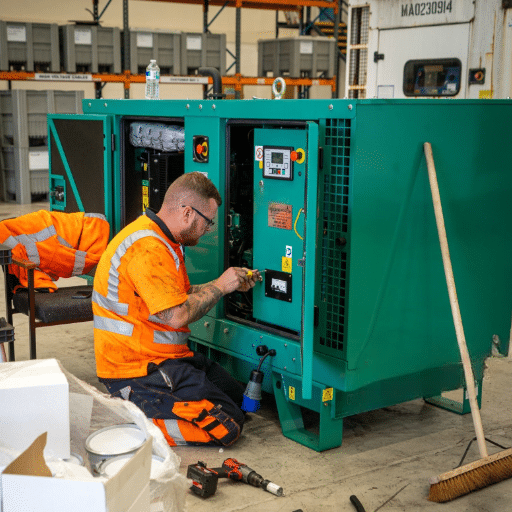
Maintenance, especially being attentive to regular checks and default parts replacement, is compulsory for a standby generator both to assure the availability of the generator and for the generator to serve its purpose when there is an emergency. This helps in eliminating the potential of system failure as it determines the problem prior to its occurrence through typical maintenance. Key activities may also involve load testing, monitoring of gas and air filters and protecting the lubricant drying on moving parts as little as possible to reduce wear and tear. It is fraudulently equalled to maintenance at regular intervals thus harmonized also with proper load testing as a necessity check up for the generator.
What is Preventive Maintenance?
The act of preventing problems from occurring in the first place is very important in any practice. It is defined as a form of maintenance in which equipment is regularly checked, maintained, serviced, and repaired so as to avoid any possibility of equipment failure or malfunction or functionality. Both directions focus on getting to the root of a problem as opposed to at the symptoms in order to prevent the occurrence of the same mistake in the future. Preventive maintenance is multi-faceted and includes elements like routine checks on the machinery, the replacement of worn-out parts, which involve a set occurrence in terms of quarterly visits, as well as performance testing to ascertain the operation og the machines.
It is common knowledge that mechanisms function much better and more efficiently if properly cared for. If well maintained, equipment not only works better but also poses almost no danger, is more productive and saves the time of workers by reducing the amount of time that the equipment breaks down and a good percentage of all the measures mentioned are already known and understood. preventive maintenance is one strategy for cutting on the clear maintenance costs over time and enhancing the performance and reliability of the equipment facets among sectors in which unprecedented stops are undesirable, hence it is a key source to implement in real industry practice.
Benefits of Preventative Maintenance
- Extended Equipment Lifespan
The role of machinery and equipment is directly targeted by the preventive maintenance. Industry Studies show that most of the equipment could gain a 20-50% prolongation in life, which avoids quick replacement and the cost of capital.
- Reduced Downtime
Having regular service checks helps discover potential problems before they escalate into problems affecting important processes. There is known data that organizations that maintain their systems will experience 30% less downtime compared to only 10% experienced by those that do not.
- Improved Safety
The maintenance plans to address both critical components of equipment aging and potential dangers in time, hence avoiding injuries both employees and the environment. Statistics from safety audits show employer organization that have safety preventive maintenance plans have recorded reduce accident rates by more than 25%.
- Enhanced Efficiency
It is common knowledge that the machines or equipment that are well kept work more efficiently than those in poor conditions and use less energy. A research stated that depending on the operational conditions, the energy consumed within an industrial set up can be saved by about 10-15%.
- Cost Savings Over Time
Preventative maintenance, furthermore, reduces the need for instances of major repair works which are usually more costly and time consuming. As per the research, the expenditure on reactive maintenance is 3 to 4 times higher than the cost of performing the scheduled maintenance checks of the equipment.
- Compliance With Regulations
Adhering to strict safety and operational restrictions is mandatory in many professions. One has to maintain the capacity of the assets according to the local authorities and international requirements offered herein in such a manner as to prevent, at least to a large extent, the payment of legal penalties or fines.
Creating a Preventative Maintenance Schedule
- Asset Identification and Prioritization
It starts with creating an inventory of assets and equipment across the organization. Individual information about each items such as modals and serial numbers, the manufacturers standby, age and how often it is utilized in this organization is very necessary. Assessment of assets, depending on their importance to production goals, must also be carried out. For example, if active or protective equipment is expensive and has high turnover, its repair should be a priority in the maintenance schedule.
- Analyze Historical Data
Maintenance history is a good source of information on defects made and on those deadly problems. Using the list of defects and the documents on the dead engines, any organization will nowadays identify those frequently worn out components that carry the highest level of risk of failing and come up with cemented maintenance plan.
- Determine Maintenance Intervals
Prioritize maintenance frequencies with references to the manufacturer’s recommendations, industrial norms, and historical data on the execution of similar works on such components. Without ineffective utilization of equipment/machinery, installation of being out of reach climate control, etc., equals enhancement of the frequency of protective systems in the form of internal scheduling rules.
- Assign Responsibilities and Resources
Assign definite operations to people who are qualified in those operations and provide the personnel with relevant manuals, the service tools, and stocking of spares. Therefore, roles signify functions and responsibilities, which make execution of the work more smooth and minimize downtime in the maintenance plan.
- Develop a Maintenance Checklist
Develop detailed activity-based plans for every single piece of equipment indicating how the assets are to be maintained, inclusive of defects fixing, disassembling for purpose of thorough examination, and replacing the parts that are in need of replacement. These schedules serve to systematize the repair operations and increase precision and equality in the performance of such operations.
- Utilize Technology for Schedule Management
Adopt Computerized Maintenance Management Systems (CMMS) which helps in the organization and execution of the tasks related to maintenance. The use of CMMS makes it possible to set up notifications of such tasks, check the availability of the necessary inventory in the store and control the works in real-time manner for efficiency and responsibility improvement.
- Monitor and Optimize
There should be no significant deviations between the planned preventive maintenance program and realization of such in terms of Mean Time Between Failures (MTBF) and Mean Time to Repair (MTTR). As such, it is essential to attain data at a satisfactory frequency to determine which areas requires attention, for continuous adjustment in the maintenance schedule to enhance the worth of the asset while keeping the cost to the minimum.
Annual Generator Service Checklist
- Inspect the Fuel System
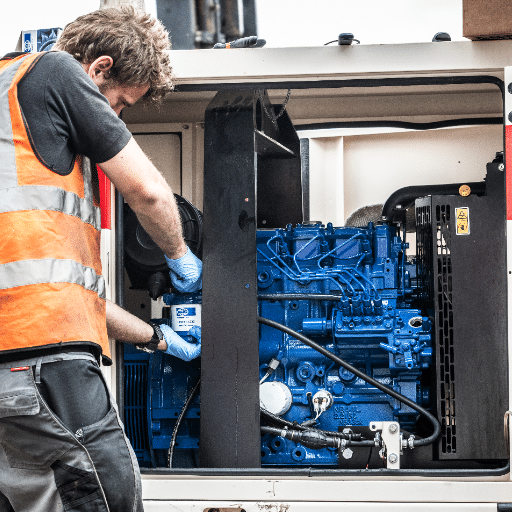
Visually inspect fuel lines, tanks, and filters for any leaks, sediment deposit, or contamination. Inspect – and replace if necessary – fuel filters for proper operation.
- Examine the Cooling System
Examine coolers for correct level of coolant and any leakages in hoses, cracks, or excessive wear. If necessary, refill or replace coolant as defined by the timely Manufacturer’s recommendations.
- Test the Battery
Carefully clean the surface of the battery before attaching terminals and verify the battery charge level.
- Check Lubrication Systems
With respect to oil, evaluate the quantity and quality and look out for any form of deterioration. Change the oil if the level of contamination is excessive and service the oil filter by replacing it after the oil change.
- Inspect Belts and Hoses
To avoid any situational complications, inspect the belts and hoses for breaks, damages, or any other form of deterioration and replace those components which have an unusual or severe appearance in every case.
- Assess Electrical Connections
Examine every wire as well as contacts on the electrical equipment for tight joins, and if there are any, use an anti-corrosive substance. Repair or replace component parts as necessary.
Essential Items on Your Checklist
Regular maintenance of the generator is very crucial. It is important to examine certain major aspects in order to make sure that it has been done in the most effective way. In particular, you should perform a check of the air filter to know whether it is clear of dirt or whether it has been covered, as an obstructed air filter could decrease the quantity of flow. For flakes, dirt or any other contaminants fuel should always be maintained and its health worries many. Treating fuel in such a fashion could cause problems in the engine and reduce its running hours. Caution should also be paid to the status and amount of charge in the generator’s battery, for failure to maintain it could lead to starting problems. The last point to consider is to study if the machine can handle the current rate of use and does not operate in excess which is detrimental to the long life of the machine. The said discussed issues ensures the efficiency of the machine and also assures less wastage of time.
Visual Inspection Guidelines
The principle of regular physical propioscopy is advisable as it assists in the early identification of possible malfunctions in the installation and improves its reliability. Do not jump to the internals; first look at the external surfaces and check if they have any flaws such as cracks, dents, or corrosion in the shell that could weaken its strength. There will thus be necessity of checking any fraying wires, unrepaired cable stoppers, and loose connections to verify as well as confirm their fitting or if there is any extreme discoloration and or charring at the high voltage electrical connections.
Also inspect fuel lines and tubes looking for sources of leakage or wear in the attachments since key aspects of safety and efficiency can be significantly impinged when smallest amounts are allowed to leak out. Furthermore, make certain that the coolant systems contain recommended levels of coolant and the air adequately flows to prevent excessive overheating when the equipment is in use. Specific care should be taken to check the air filters of equipment, ensuring that they are clean, knocking off any obstructions, since blocked filters can hamper air inflow, hence reducing the effectiveness of the equipment. Regular visual checks also allow for the detection and correction of minor faults before they manifest as major operational dysfunctions.
Load Testing and Its Importance
Load testing is very important to test how effective a generator performs, how reliable it is and how long lasting it is under straight away electrical loading. This means the aims of load testing involve running the generator at the maximum installed capacity, intensive use of equipment and close displacement of real life to investigate the Overload ability. In order to predict famages catastrophic failures, such as fuel, overload or cooling subsystems, load testing of course necessary.
Facts indicate that the detailed maintenance of automotive machines by regularly performing tests—load tests—greatly helps reduce unexpected crashes from happening with the assistance of the generated electrical power since loading testing helps in the identification of problems such as carbon residue, wet stacking, over-spray of the fuel as well as some other fuel combustion defects usually affecting lightly loaded systems. The performance evaluation procedures for parallel connected, reverse power, revenue meters and reliability tests for emergency systems and plans for carried out by records of the number of scheduled yearly loads as follows: within the specified limit parameter spinning reserve schedule, etc.
Moreover, compliance with the requirements should also be confirmed by conducting load tests so as to assure the provisions to the safety and regulatory control adherence in relation to the backup sources are fit and proper. Extending such tests to the preventive maintenance schedule definitely decreases the probability of operational interruptions, meaning the diesel generators are always in standby mode, ready to respond promptly in cases of emergencies or during high-demand periods.
Common Generator Repairs

- Battery Replacement
Failing or depleted battery is not a rare problem. Successful battery replacement is absolutely necessary to start the generator and operate it.
- Fuel System Maintenance
Any restrictions in the flow of fuel or the fuel being dirty cause the generator to malfunction. In many cases, this is corrected by replacing the filters, and/or put fresh fuel.
- Oil and Filter Changes
Frequent water pump coolant changes will remain the engine to fail and halt running. Dirty oil filters should also maintained during engine off service jobs and can be replaced as needed.
- Spark Plug Replacement
The problem of oversized or defective spark plugs can lead to difficulties when starting off. This is why it is necessary to have such spark plugs that have been worn to the required degree, depending on the manufacturer’s policy, and starting off will be easier after that.
- Cooling System Repairs
In case the car gets too hot and the radiator is blocked, or the coolant is not enough, we need to think of making cooling system repairs for this will save the engine in turn affecting other engine parts.
Identifying Common Issues
In the diagnosis of common car problems, it is mostly very critical to value certain central installations and their condition. The Jury is out but also common are situations of engine not firing cases which in most cases are brought about by ignition coil failure, spark plug wear out and in rare occasions an out-of-spec air –meter. These misfires may have a consequence of causing the engine to become less powerful, waste fuel and bring about numerous pollutants. The other issue is frequent turning on of the dashboard’s check engine light which is bound to have a loose meaning from the mentioning of a lost fuel cap to bigger concerns regarding the cats or oxygen sensors. One possible way out of the situation is using OBD-II scanners to decipher the diagnostic trouble codes (DTCs) that were previously triggered in the vehicle.
In addition, the problem of batteries’ performance being degraded over time due to rather extreme weather conditions is a topic, that is of vacciness to constructively discusses. For instance, a battery with corroded terminals, poor state of charge or other reasons such as an aged battery is likely to produce sluggish performance hence slow cranking or complete failure, in some instances. These brake malfunctions include squeaky brake sounds which are mostly caused by the worn out brake pads or warped rotors that present danger to the driver. Taking prompt actions such as those which are shown above, plays an important role in maintaining and troubleshooting such fatal damage.
When to Call for Emergency Service
One method to undertake hail emergency vehicle services is by spotting particular signs and symptoms that require immediate attention to avoid any dangers or consequences they might pose; when power steering or braking is concerned, it is characterized by an energy loss. Alternator breakdown may be involved in a situation when all components that are added in the electric system are non-responsive, these include the ignition system, lights and the dash board, this load is in room to the extent of Professional.
Strange noises, such as a loud knocking noise, a grinding noise during transmissions or a high-pitched noise can be possible indicators of mechanical failure like a timing belt or nucleus failure that will need to be repaired immediately. Also, if some dripping fluids like fuel, coolant or even brake fluid appearing under the vehicle is not normal and is very much a concern. Ignoring fuel or coolant leaks could bottleneck the engine and cause overheating, even leading to brake failure, or fire dangers, which are the worst. Recurrent evaluations and prompt action on the escalating severe conditions are the best consciously realized safety measures, especially in such demanding conditions.
Repairing vs. Replacing Your Generator
| Key Parameter | Repairing | Replacing |
|---|---|---|
| Cost | Lower initial expense | Higher upfront cost |
| Downtime | Shorter repair duration | Longer due to installation |
| Lifespan | Extends current lifespan, temporarily | Provides a longer operational lifespan |
| Efficiency | May not restore full efficiency | Restores maximum efficiency |
| Warranty | No new warranty coverage | Includes full manufacturer warranty |
| Environmental Impact | Lower waste generation | May require recycling of old generator |
| Technology Update | Limited to existing generator specs | Access to newest technology advancements |
| Reliability | May remain prone to future breakdowns | Improves reliability over the long term |
| Overall Investment | Better for minor issues | Best for major or recurring issues |
| Availability of Parts | Dependent on model age and parts supply | Not an issue with new models |
Diesel Generator Maintenance

- Regular Inspection
Conduct regular inspections to discover any kind of wear, fluid leakage, and loosened connection areas. Engines, oil, and battery charge are to be checked for any defects.
- Oil and Filter Changes
Replace the oil and the oil filter within the timeframe designated by the manufacturer. This helps to prevent lubrication wearing and tear of the internal parts of an engine.
- Cooling System Checks
Ensure that the vehicle’s coolant level is within the quantified limits of the specified domain and thoroughly inspect the system for any holes or blockages. This is necessary so as to minimize any chances of the vehicle overheating during operations.
- Fuel System Maintenance
Fuel contamination is also to be prevented by regular cleaning of the system and the use of fuel that has been polished. The accumulation in the injectors fades with good use of low sediments in the fuel.
- Load Testing
Occasionally run tests on the generator with heavy loads to check the capability of the generator for whilling to be operated. In the critical period usage, tests under a load will relax the chances of failing.
- Battery Care
Regularly check and charging the batteries as well. There should be no rust and the poles should always be clean and oxidation free to ensure a stable voltage source at electrical start up.
Coolant and Diesel Fuel Management
Ensuring proper operation of coolant and diesel fuel is very important for extending the time and reach of the diesel generators. It is essential to service the coolant systems in such a way that they do not bring about overheating as well as corrosion in the engine. Use a mixture of high quality recommended coolant and distilled water for the specified thermal conductivity factor. From time to time check the coolant level and its condition, and for the presence of any contaminants, such as something different color or solid like particles in the coolant which would give an insight into any internal problem with the engine. Carrying out a given amount of coolant flushing as may be prescribed by the manufacturer at devised intervals is crucial to keep away the formation of scales and deposits that may cause performance drop of the system.
Diesel fuel is the primary resource for stored power applications and its treatment must be carefully managed to avoid deterioration. Store the diesel product in a good environment that is clean and not humid and where it has been treated with additives to conquer bio-growth and rusting. Test the fuel periodically to ascertain its suitability for Purity and level of sediments as per the standard and lastly, introduce a core fuel schedule as and when necessary so as to use the old stock as it is the case with long term stored diesel fuel. Fuel degradation may occur within six to twelve months, though this timeframe can vary with surrounding conditions.
Regularly Scheduled Maintenance for Diesel Generators
- Engine Inspection
There should be an evaluation that should be conducted on every engine, with the sole purpose of identifying any signs of wear, corrosion, or leaks. An inspection too should be done to see to it there is proper lubrication to avoid risks of damage on the engine. In addition, oil traces will need to be changed at intervals ranging between 100 and 250 hours of operation, depending on the maker.
- Battery Performance
Regular testing of batteries will ensure their charge is within acceptable levels and that the connections are correct. Very frequent power inverters breakdowns can easily be blamed on corrosion or charge going low and assessments must be carried out to hinder it.
- Cooling System
Watch the coolant level and check for leaks or wear in the hoses and connections. Overheating and maintaining efficiency is fundamental and, in order to maintain the heat exchange performance levels, the coolant must be flushed and replenished approximately every 2,000 hours of machine operation or as is directed by the manufacturer.
- Fuel System
If the level of quality of the fuel will be analysed system integrity might be compromised, appropriate checks should be made on the fuel in conjunction with the personnel who is responsible for fuel quality analysis tests.
- Exhaust System
Determine by inspection of the exhaust gas control system for leaks, obstruction, or unusually large amount of soot, which may include possible engine problems or residues resulting from combustion.
- Electrical System and Load Testing
Check all plugs and load generator to make sure it can withstand a certain load in operating conditions within its power range.
Reference Sources
- “Adaptive power system scheduling using transfer reinforcement learning in generator maintenance scenarios”
Read more on IEEE Xplore - “Coordinated scheduling of residential distributed energy resources to optimize smart home energy services”
Read more on IEEE Xplore
Frequently Asked Questions (FAQs)
How does generator maintenance service ensure your generator is always ready?
Proper and timely maintenance works maintain the generator’s performance at its best by supervising regular checks, filter oil refills, inspection services, and coolant refill services as well. Routine maintenance checks, testing the transfer switch, and replacing old filters are very important because they are conducted onsite where the generator is installed and minimizes the chances of failure especially when needed; other than power failure during an emergency. In more than the absence of the power crisis, the above plan also facilitates cleaning of the existing power and extension of dependability by preventing wear and preserving features of the genset.
Why is load bank testing an important part of scheduled maintenance?
Since load bank testing indicates real-life loads, it serves as a perfect practice for running the generators under heavy loads, thus taking the caution against wet stacking. The exercise also helps in uncovering defects at an early time, tests the automatic transfer function and tests if the generator synchronises properly with the switch. Both industrial and standby generators may be subject to regular load bank tests to ensure efficient maintenance of these units for satisfactory levels of performance. A good number of service agreements will cover load tests of generators at intervals of 2-3 years latest, or as suggested by the generator manufacturer.
How often should I perform a visual inspection and routine maintenance checklist?
Getting a visual inspection every week or month is continuously needed, merely typical maintenance will have a specific time frame of once yearly or when the manufacturers’ prescribed run hours are due. Such a maintenance item is a backup plan that rises above simple inspection – it may be any number of different activities that will catch failures before they happen. It is important that these tasks be performed regularly so as to keep your generator in a condition where it will not fail during an outage and also delay the deterioration process of the generator. For portable generator use, also remember to check for gasoline or oil in the generator’s tank after every use as well.
What steps are involved in transfer switch inspection and automatic transfer testing?
Ensure that the inspection of the transfer switch focuses on the examination of the connections, mechanism, and control functions and, to this effect, ends with an automatic transfer test for a smooth switch over during power blackout. Re-energize the equipment by toggling the main supply off and on. Observe how the power generator transfers and supports load under loads specified by a percentage of the safety margin. The practice ensures that the load will transfer correctly hence preventing instances of load transfer failure or partial transfer. It is also possible for grounding or phase loss to cause a power backup malfunction.