

Common Reasons a Generator Won’t Start

Empty or Stale Fuel
The most common reason for generator malfunction is the use of bad quality or no fuel at all. Make sure that the fuel tank is filled with super unleaded gasoline because gasoline becomes unsteady overtime which makes it difficult for the combustion process. It also ensures that all the gasoline is used up and the system is not blocked from the use of fresh fuel.
Clogged Carburetor
Provided that the generator hasn’t been in use for some time, some fuel remains might grow within it hence blocks the fuel passage line in the carburetor. Substituting the carburetor or its cleansing can eliminate the issue.
Faulty Spark Plug
Sometimes the presence of a broken or dirty electrical plug in a generator engine can stop the fuel from firing. So, make sure that the spark plug’s tips are not worn out, unclean, or destroyed, and if they are, get a new one necessary.
Dead Battery
In electric start generator sets, origin of the problem might come in effect from a weak or dead battery. Determine the status and connection of the battery clocking. And if it is allowed, find a way to charge your depleted battery or procure a new one.
Air Filter Blockage
The demand for all generators is to have an air filter in place, which when clogged can inhibit the smooth flow of air, hence the process of combustion. All that you need to do is to discard the air filter and once it is removed make a decision whether to clean it or buy a new one.
Low Oil Levels
The majority of the generators on the market today have an oil level sensor component which is designed to prevent the engine from starting if the oil level is too low. It is advisable to inspect the oil and its levels and where necessary, fill it up with the recommended oil.
Fuel Issues: Empty Tank or Contaminated Fuel
A generator not working owing to an empty fuel tank is one of the most common causes. This is because quite often, the tank is one of the parts that we tend to forget in generator maintenance. Therefore, it is always very important to ensure that there is some amount of fuel in the tank before proceeding to dismantle the gadget. The fuel used, however, has to comply with the generator’s specifications as we may stick the wrong fuel only to find out that the engine has been damaged. Polluted fuel is also a problem abundant in startup failures and dismal performance.
On some occasions, the water can even condense inside the tank if it is exposed to humid air. Inadequate storage and undisciplined refueling may lead to fuel spoilage and one of the most common examples is that of petrol products which when stored for a long time without proper additives tend to spoil. Change often, the shop floor fuel in the tank ensuring at the same period that the tank is devoid of any contamination whatsoever and this is why there is a great need for fuel stabilizers when storing fuels for long periods. Furthermore, installing a fuel filter can also prove to be useful by trapping the foreign particles before they reach the combustion chamber. It is, crucial, as well to ensure that the fuel system is correctly checked and maintained in order to retain maximum functional capacity of the generator.
Electrical Failures: Battery Problems
In addition, generator batteries issues are the major downside as far as electricity problems are concerned. For most times the reason for the near absence of charge is airshed since batteries must discharge certain amounts by the end of a certain period. It is a situation that is primarily when generators stay inactive for quite long periods which cause the reduction of capacity of the battery; or the condition of the connecting linkages becomes worse. Looking at the battery, it is well advised to carry out regular checks in order to avoid the problem in question provided that the battery terminals are in an impeccable state and the links are tight.
Generally, the average battery life in most generators or more power systems is not longer than 2-5 years as this mainly depends on various factors such as weather conditions, how often the generator is used, and how well the generator is maintained in order to last longer. This marked especially on both very hot and very cold weather worsens battery performance which may interfere with the normal operation of the battery or even render it useless. So to curb or mitigate such power shortages or disruptions, it is recommended to implement a load test as one the scheduled maintenance practices. Also in the event the generator is not to be used for a while, best practice demands utilization of a trickle charge or battery maintainer to keep the battery charged at all times.
Ignition Problems: Spark Plug and Spark Issues
The significance of the ignition system in the performance of the engine cannot be ignored, specifically the spark plug is vital in this process. The spark plug takes the responsibility in igniting the air-fuel mixture contained in the combustion chamber and the engine tends to perform badly, causes misfires or otherwise fails to start when this one fails. As for spark plugs, due to their usage, they accumulate carbon fouling, electrode wear and tear and the gap widens, all of which contributes to decrease in the effectiveness of the ignition.
It is known that poor maintenance of spark plugs causes low fuel efficiency of cars by 30% and it tallies with statements about incomplete combustion of the fuel. In addition the failure and decay of coils of ignition unit (in other terms this term refers to ignition coils) that are mostly involved in the creation of those sparks will make the situation even worse. There are normal wear check procedures on the ignition plants in mileage range of 30,000 and 100,000 miles depending on the particular spark plug. Whenever the spark integrity is in doubt a top of the line spark tester can be used by lead technicians to prevent delays due to having to deal with an engine under repair or taking out or disassembling components just to expose the electrical system.
Step-by-Step Diagnostics for Generators
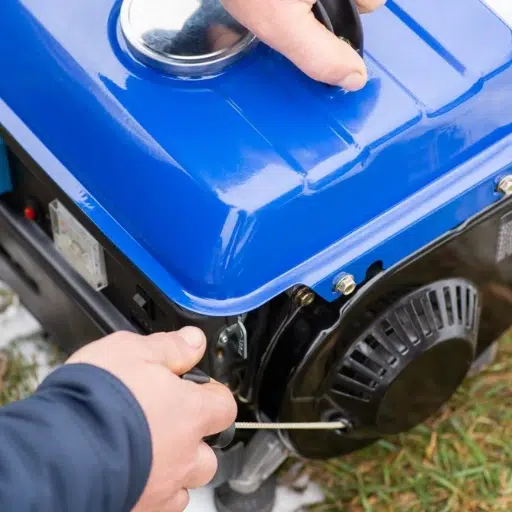
Check Fuel Supply
Make sure the generator is supplied an enough quantity of fuel and that the fuel cost is low. No one would want to encounter such issues when operating the generator such as having stale or dirty fuel.
Inspect the Battery
Ensure you have measured the battery charge and networks. Wipe out of any oxidation on the terminal gets and fix its any loose point for most generators commonly fail to function because their batteries are weak.
Examine the Air Filter
Please determine if the air filter is dirty or blocked. If the air filter is overly dirty – this can inhibit the air flow and decrease its productivity. Change if you must.
Assess the Spark Plug
Take out the electricity starter and determine its status. Check for any signs or marks of filed work, breakdown or cracks. Replace those ignition parts that are old.
Evaluate the Oil Level
Check the level of oil in relation to the volume provided by the manufacturing company. If the laws of mechanical behavior contain the word old or dirty then you use another scale clean the contaminated oil in the sump.
Test the Engine Start Mechanism
Run the electric starter of the petrol engine or the engine equipped with other starting mechanisms, assure the existence of frequent risks and take immediate remedies.
Inspect Circuit Breakers and Connections
Search for a trip on a particular circuit or loosen the connections. Look for any damage or oxidation. Any disconnected electrical outlet will have a significant effect on the running of a machine.
Load Test the Generator
Link a load and operate the set up generator and make sure everything is under permissible use and at the maximum and be on the lookout for any unusual noise, movements and behaviors during the operation.
Checking Fuel Levels and Quality
To prevent unforeseen problems and to achieve maximum performance, one should always monitor and control the fuel content in the generator. It is advisable to always have adequate reserve of fuel to not disrupt the work flow or activities in extreme cases like prevention of the fuel flow due to air locks. At the same time, great care should be taken to check the quality of the stored fuel. Diesel fuel may be of poor quality as time and use increase due to a number of factors such as oxidation, foreign material or water resulting in formation of sediments, bacteria, which reduce the output obtained from the fuel.
As requested, fuel analysis should be done for possible contaminants and further degradation using established parameters for fuel quality testing. In cases of water presence and potentially harming micro-organisms, it is necessary to filter effectively or decontaminate or treat the problem through other means. Really useful filtering equipment and additives allow for extended operational times for the fuel and engine as it combats the wearing of the generators fuel system elements.
Inspecting the Spark Plug and Ignition System
To make sure that you get the most out of your generator, it is necessary to regularly look at and inspect the spark plug and ignition system. The fuel and ignition supplies the engine uses will cause the spark plug electrodes to wear out and carbon or remove the electrodes. A damaged or defective spark plug can cause the engine to perform inefficiently, emit less mechanical power, or even have start up problems. It is also advisable to confirm the correct plug gap dimensions for spark plug installation are staggered and moderate gap dimensions are utilized to fill the reduced gaps.
Keep the high voltage lead, spark plug cap, and spark plug in good condition and to tighten them if necessary, since poor connection of these parts results in decreased transmission of an electrical signal and breakdown of coils. Do not tight any orifice in the valve cover. If some elements are affected, they require corrections. New diagnostics of such devices as the ignition coil and spark gap can be made with a modern diagnostic tool such as ignition coil tester. Secure the performance of the ignition system at the top level for the benefit of keeping the fuel used, the life of components, and unexpected breakdowns during operation.
Examining the Carburetor and Fuel Lines
The carburetor and the fuel lines of the generator have an essential objective as they are responsible for providing the right amount of air and fuel mixture for the burn. Start as following by making sure there are no issues with the carburetor involving wear and tear, blocking or dirt deposits. In this manner, the flow balance can be misaligned and performance is affected. Take a gas chromatograph with a suitable carburetor cleaner. This application will successfully eliminate dirt and other unwanted formations, and the carburetor will regain its operation.
After that, evaluate the fuel lines for condition and determine whether they have other issues such as, but not limited to, cracks, leaks, and obstructions which are impediments to fuel flow. Shut off the fuel flow and carefully take out the broken fuel hoses. Demolish any existing fuel hoses and reinstate them with those manufactured by the same company so that the design of the entire system remains unaltered. Moreover, make sure there are no air leaks by having the correct sealing on each connection that can impact fuel delivery.
Steps to Take Before Starting Your Generator

- 1
Check Fuel Levels — See to it that the fuel tank is topped up with the type of fuel the manufacturer recommends in the right quantity. Refrain from topping it up excessively, as this might result in spillage and the development of other related complications. - 2
Inspect Oil Levels — Check the oil level of the engine by using a dipstick. Depending on the readings, who is lower than required add more oil using from the manufacturer. - 3
Examine Air Filters — Kindly make sure the air cleaner is free of contaminants by giving it a once-over to ensure there are no voids. A dirty filter may obstruct and reduce airflow hence reduce efficiency of the home standby generator. - 4
Inspect All Connections — Following the same process, test all cabling and connections for any signs of rust or impairment. Always make sure that electrical connections are mechanically powerful and that no conductor is visible. - 5
Test the Battery — Check battery voltage and ascertain its operating state. If necessary, charge or replace the battery. - 6
Clear the Area Around the Generator — In places of insufficient ventilation, it is important for one to either move any obstacles that are present or away from such areas to avoid any chances of fire proneness. - 7
Consult the User Manual — Go through the operating manual from the manufacturer, and ensure that all relevant initial steps concerning activities for the model number are observed.
Routine Maintenance Tasks for Generators
| Key Point | Description |
|---|---|
| Inspect oil levels | Check and maintain oil to prevent engine wear. |
| Replace oil and filters | Change regularly to ensure efficient performance. |
| Test battery condition | Verify charge status and replace when necessary. |
| Clean air filters | Ensure proper airflow by removing dirt and debris. |
| Inspect fuel system | Check for leaks and ensure fuel cleanliness. |
| Test generator under load | Run periodically to simulate real operating conditions. |
| Check electrical connections | Tighten loose wires to prevent performance issues or hazards. |
| Monitor coolant system | Refill and inspect for leaks or overheating risks. |
| Verify exhaust system | Ensure exhaust pipes are unobstructed and functioning. |
| Lubricate moving parts | Reduce friction in hinges, bearings, or other components. |
| Examine alternator components | Assess for wear and proper operation during maintenance schedules. |
| Update software/firmware | Install updates for optimal performance and security improvements. |
| Inspect enclosure conditions | Check for corrosion, damage, or pest intrusion in the housing. |
| Keep logs of maintenance | Record tasks for future reference and regulatory compliance. |
⚠ Safety Precautions
Running a portable generator presents safety risks which must be avoided in order to prevent any accidents, machinery harm as well as any dangerous situations. It is a known fact that a properly working generator should be operated in a well-ventilated outer environment where it is unlikely for carbon monoxide poisoning to take place, therefore any gases produced escaping the room. Check that the generator will not vibrate much in operation and is not slanted. This simple procedure involving ensuring that the generator is placed on a level and firm surface minimizes the risk of tipping over or spillage of fuel. Do not use the engine with a fuel mixture not recommended by the manufacturer and refrain from filling the container too full because the fuel that escapes is very easy to catch fire. Ensure that the generator is set to the correct frequency voltage, and that a transfer switch is used when connecting it to the electrical system of the house is administered. This lowers the chances of back feeds which facilitate hazards and damages to the system that can be a risk to the workers. Lastly, always abide the schedule, which is also maintenance schedule so that you don’t suffer from breakdown and lose your gadgets easily.
Maintenance Tips to Prevent Generator Failures

Inspect and Replace Filters Regularly — Air filters and fuel filters dirty tend to clog up and thus affect sharing of air and also the fuel consumption rate of the engine. Therefore, it is crucial that you replace the filters following the rules of the manufacturer to enable the motor function efficiently.
Check and Change Oil — Check the oil level and quality of the engine on a regular basis. Follow a maintenance schedule as described in the manual and use fresh oil in the engine so that running it does not cause engine, components and bearings wear and tear.
Test the Battery — It is very common for generator problems to occur in the case when the batteries lose charge. Test and charge the batteries at regular intervals and replace the ‘not held charge’ batteries.
Keep the Unit Clean — Generator housing and components should be free from any sort of dirt, debris, or moisture. A well-kept environment is essential to avoid rust and to maintain the internal equipment.
Run the Generator Periodically — Always exercise the generator while on load but just for a short duration so as to keep the internal parts well lubricated hence preserving the functional efficiency of the generator during its use.
Inspect the Fuel System — Locate all the fuel tanks and ascertain fuel lines are not leaking and no obstacles are causing the blockages. It is also very important to store the generator, use fuel stabilizers in order minimizing the chances of the fuel being contaminated over time.
Regular Oil Changes and Maintenance
Timely replacement, maintenance and management of the engine oil is as well quite significant to keeping the efficiency of the generator’s engines at a high level. It is but obvious that with time the engine oil is weakened after prolonged heat exposure, action of contaminants and also the regular running which leads to the extensive energy loss through internal friction. In most cases, it is advisable to change the engine oil every 50 to 200 hours, depending on the generator and particular design, and please ensure the packaged manual guidelines are followed. Utilize the same make and brand of oil so as to avoid cases of engine’s performance being compromised or worse mechanical damage.
Other than the oil changes, it is important that they keep monitoring their oil levels, and if the oils are not enough, then they can top up. This is in instances where they fear that the levels of oils might become unhealthily low in certain mechanisms and aggravate wear and friction levels. And this takes place concurrently of all necessary adjustments made when the oil is changed as it involves components subjected to a lot of force like filters and gaskets. By expecting the above mentioned deviations in practice significantly they are benefits in so many ways as even the pressureless outages during the operation is extremely reduced.
Cleaning and Replacing Air and Fuel Filters
In order to keep the engine performing at its highest level of efficiency, it is necessary that the air and fuel filter are regularly maintained and changed when needed. In particular, the primary function of the air filter is to prevent any external contaminants, primarily dust, particles and debris, from entering the engine since this might result to wearing off and even breaking of the inner parts and of the entire system. On the other hand, the fuel filter maintains cleanliness of the engine’s fuel supply by filtering out any contaminants such as rust, dust or any other foreign particles that would clog the fuel system or foul the fuel injectors causing them to malfunction.
Given the current guidelines, regular air filter inspection is recommended at least once every 12,000 to 15,000 miles, or more often when such a vehicle is in motion in areas with heavy pollution that can result in reduced air flow and worse economy. A fuel filter should also be replaced every 20,000 to 40,000 miles depending on the vehicle brand and its related specifics. Over and above the traditional filter types, additional advanced equipment can now be utilized such as multi-layered filters, high-performance parts among others that are capable of increased filtration and resistance both of the filters respectively. As a categorical waste of resources clogging the system and cutting the engine’s life by three times, these parts can dock the vehicle to the slightly more powerful and economic engine manner.
Inspecting the Fuel Valve and Choke Mechanism
A good and thorough fuel valve and choke mechanism inspection is very important for the proper working and securing the fuel pipes from any leakage. The fuel tank must be clean, grease, scratch or wound free, and all the components must fit tightly. Valves in the fuel systems, particularly the inlet of the filter, are the sources of the four listed effects. Valves are mechanically powered by the valve train, axle, and overhead cams, and are the primary cause of transport expenditures arising from account costs. The engines that have fuel injection systems and insufficiently distorts seals in the valve head.
In order for the engine to start up correctly, especial attention is paid to the construction of the choke. For instance, close attention is paid to how the choke, the lever as well as the butterfly valves is kept clean or freely slide with the correct lubricants. Misalignment or jamming on one component can promote poor idling or even give onerous starting. Steps forward have been taken, with simple choke systems being replaced by mechanical applications that can adjust the amount of fuel in the system besides the air. However, these systems still require routine checks so that when problems, which is most probably affection the electric controls or the sensors, arises they can be corrected. Subjecting these parts to intense inspection as well as support mitigates the excess heat and improves the engine’s overall life.
Seek Professional Help for Your Generator

If you see symptoms of frequent power cuts, failure to start, or some unusual sounds, it would be better to ask a specialist to fix it. Another key thing is that if you see smoke from the device, a specific help light warning sound indicating that this particular component has light up on the dashboard, or if there is any sign that it is leaking fuel or oil, there might be a greater extent of other internal working relays systems malfunction problems. Extra activities, such as cleaning or replacing filters, are often possible but should be much avoided in case in-depth repairs which almost always pertain to the machine’s engine, the alternator, and the electronic relays are in situation. However, any work related to the difficulties should be entrusted to the contractor.
Identifying Complex Issues Beyond DIY Repair
There are however problems of generators of a certain degree of complexity, that go beyond the purview of basic system analysis and demands professional attention. One of them is an irregularity in the output voltage of the generator, which may be a sign of either voltage regulator malfunction or a fault with the brushes and slippers in the synchronous generator. As a rule, the implementation of such procedure requires application of precision electrical measuring instruments for airgap measurement and instrument for assessing the condition of internal parts. The other problem which cannot be left unaddressed is an issue of noise and vibrations being above normal level during generator spinning. The reason is that the situation prevailing in some derated vehicles including off-highway vehicles and gaseous fuels have poor fuel distribution.
Moreover, an overheating generator may also mean that some internal issues have occurred. Such may include clogged water passages, faulty winding, and broken insulation layers. Likely causes suspected, condition monitoring is conducted by plant engineers across some plants and those who have these tools test this in the oncoming rotating machinery using thermal imagers. These are sensitive transducers, which captures images after running and evolving load into the condition that is turbulent, to identify the rotor bars. To prolong the performance of the unit, it is crucial to manage well down to the issues. Attention should also be paid to the fact that only operations, maintenance, and diagnostics with the use of specialized equipment on rotating electrical machines should be performed by competent personnel or under their supervision.
Finding a Qualified Technician for Generator Repairs
Identifying a proficient and trained technician to undertake generator repair services is accompanied by a few prerequisites such as skills, experience, and goodwill. Upon recommendation is the eligibility of the technician which is in regard to fuel is he qualified to run a machine business such as possession of a certificates from the Electrical Generating Systems Association (EGSA) or any other recognized body proving that they can diagnose and rectify generator problems. This is even worse if there is an area of expertise that is a particular make or a model since lack of this piece of information can have devastating results on the customer’s genuine expectations of service.
It is essential to also factor in customer feedback as well product testimonials when assessing satisfaction rates and credibility. Companies working with online customer review platforms and local business directories are usually able to get user opinions on the type of services and the customer care. Referencing the corresponding website afford two ways of how effective their services are and what guarantees there are. Above all, prefer the services where the pricing is clear in their quotation and the estimates are confirmed prior to any works as this will avoid additional charges. With these few words, it will be important to say that in selecting the technician, make sure there is a equipment dealers network responsible for the installation and working of the equipment as part of the company.
Frequently Asked Questions (FAQs)
Reference Sources
- Grid Frequency Fluctuation Compensation by Using Electrolysis: Literature Survey
Read more on MDPI → - Modeling of a Microgrid and Its Time-Series Analysis Using the Prophet Model
Read more on Springer →