

Reliability of energy during emergencies requires the use of generators. A 12V generator battery is among the components which can be used to ensure power is continuous, although such batteries are not exclusive for generators solely. A charged 12V battery has the tendency to do wonders whilst there is no main electricity – whether it is in your house, office, or perhaps when you are using some recreational electronic. This post addresses everything you need to understand about backup power sources including services of the specified power battery and sustaining health for your 12V generator battery. We will identify the reasons to opt for a new piece, the relevant nominals, and the most effective methods to extend the battery’s working life. More so, be prepared to make a decision on this key power supply material as the article gives tons of details on the basic things.
Understanding 12V Generator Batteries

A 12V generator battery is a rechargeable battery used to start generators and provide extra power when they are not integrated. Types of these includes lead-acid or lithium leading the former to be the most common due to the low price and long life span of lead acid batteries. The criticality of this battery is evident when igniting the generator’s engine by rectifying into a different power form. which is needed for both domestic and industrial applications, for utilization, residential, and perhaps some offices. Having the wrong voltage, or in mitigation, power rating, that is whether adequate design that suits the generator very well must be imperative to avoid performance degradation, faults or the formation legally or generally considered appropriate for the purpose.
What is a 12V Generator Battery?
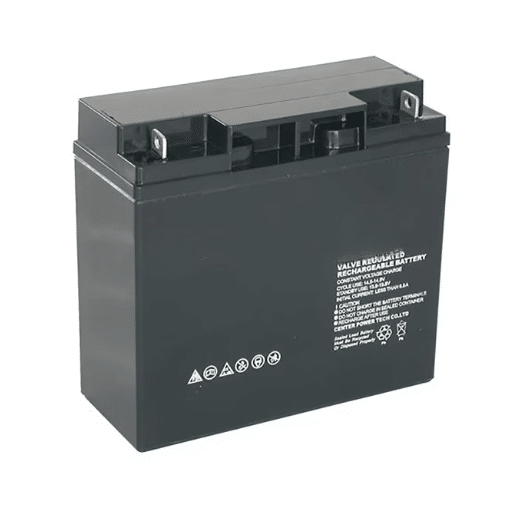
A 12V generator battery is typically a type of rechargeable battery designed to crank the engine over and power other systems for the generator. The nominal voltage for these batteries tends to be 12V which is the common type used in most medium to small generators. The most commonly produced varieties are of lead-acid type, but the latest Lithium-ion variants have been introduced with enhanced features such as improved energy densities, lower weights, and extended life cycles.
The productivity of a 12V generator battery, as often referred to in equipment specifications, depends on how much current it can provide over time. It is chosen by the generator’s rating; the intended work that the generator will be undertaking, and the earth in which it operates in. In the case of a bigger factory that has massive generators, it is prudent to have a battery which has a lot of cold-cranking amps (CCA) to help in starting the machinery as it is too cold in the place. Protocols like those which prevent the generator battery from over-discharging might be installed, as well as some which control the temperature; as a result, the battery usage’s efficiency increases, functioning is improved, and the battery is affected the least by such factors.
Types of 12V Batteries: AGM vs. Sealed Lead Acid
Applications of 12V Generator Batteries
-
- 1
Backup Power SystemsThe batteries are often incorporated with other electrical components to form emergency systems meant for homes, offices, and industrial facilities under which the generation of power is sustained for the every location whose energy can be credited to the battery including data centers, security systems, hospitals, etc.
- 2
Automotive and Recreational VehiclesWith a presence in a lot of cars, campers, and watercraft, 12 volt batteries are there to provide cranking current, as well as assist with secondary systems like lights, GPS navigation, multimedia systems, etcetera. They are engineered as such and deliver full functionality for different parts of various types of vehicles.
- 3
Solar Power SystemsSolar energy systems rely on 12V batteries to keep the energy generated from the solar panels. If not used immediately, they are stored for later use. And this is especially important in off-the-grid situations where for it is necessary to have the energy even in remote areas. They are also good for regular applications since they work similarly in water or snow and such other conditions.
- 4
Uninterruptible Power Supply (UPS) SystemsThese are the very batteries that are more in utilize in the UPS systems not only in most homes but even generally to provide a temporary boost when the event of voltage sag of off grid and such sensitive electrical equipment that is always active and loss of data and security.
- 5
Telecommunications Infrastructure12V batteries are implemented in order to stabilize the consumption of antennas, backbone equipment racks, and emergency power systems all over the facility. The problem is that these devices require a steady current contribution to guarantee communication connectivity specifically in areas where the power is not always within the limits.
- 1
- 6
Industrial Equipment and MachineryMost of the time, these batteries are used to carry out certain tasks associated with logistics such as operating forklifts, materials handling machines, and even in automation. They’re portable and these are very effective rechargeable form of power within the manufacturing applications.
Choosing the Right 12V Battery

- 1
Application RequirementsIt is important to define a goal for the battery. For example, deep cycle batteries could be much better for meeting high energy needs over time, whereas cranking batteries are better for providing high burst power momentarily.
- 2
Capacity (Ah rating)It is always advisable to ensure that the battery you choose matches the device you intend to use it with. Though batteries with a higher Ampere Hour (Ah) rating tend to have longer run times, they are also likely to be larger and costlier.
- 3
Battery TypeThe choice of whether to use a lead acid battery, lithium ion battery or an AGM (Absorbent Glass Mat) battery is also determined by other factors such as weight, life expectancy, and maintenance costs.
- 4
Durability and Temperature ToleranceIn case the battery is meant for operation in outstanding environmental conditions, it is advised to get one that performs well in varying temperatures, vibrations, and other associated environmental influences.
- 5
Brand and WarrantyEnsure that quality manufacturers are tasked and such individuals always offer a product warranty for the batteries that one is to use. In this case, recommendations could include geographies and technical constraints.
These elements indicate the right battery voltage that is suitable for your application peculiarities.
Factors to Consider for Battery Compatibility
When choosing the right battery for your needs, you need to consider two fundamental aspects: Voltage and Amp-hour (Ah) ratings of the battery. Voltage, especially, should remain within the limits of the system as not to either underperform or destroy the equipment. For instance, 12V standard batteries are commonly used as automobile, marine, power back up systems but even a tiny discrepancy in the voltage may cause power losses such as hardware malfunction.
However, charge rating is used describe the battery’s ability to maintain current energy levels within the acceptable range for the time specified. Therefore, choosing a battery with a required Ah rating will mean that the device or system has enough energy, that is, the right amount of energy, so that the device or system may run for a particular time duration. The demand in power for that particular application is needed in order to select a battery which can deliver and sustain the peak demands while at the same time minimizing the risk of premature discharging due to large voltage falls in the system.
Battery Capacity: Selecting Between 12V 5Ah, 8Ah, and 14Ah
Budget Considerations for Replacement Batteries
In the case of reviewing possible candidate batteries for buying, there is a need to take into consideration economic viability and operational requirements. It is true that quite often cost-effective cells are more than ready to be employed in applications with sufficient energy provision including emergency lighting systems or small uninterruptible power supply systems. Particularly in energy-centered emergencies, these alternatives, however, compromise sustainment due to technology obsolescence producing low rated charge and high susceptiblity to maintenance.
Middle cost batteries are also capable of fulfilling expectations and they are best suited for the users in the form of a mobility chair or medium-size UPS where enhanced performance combined with long service life is required. Battery packs such as those – also tend to possess an ability to discharge at a better rate and a significantly increased number of cycles, hence making them a convenient solution for many users who prefer to use the energy store for a long period of time without the need of frequent substitution.
Costly batteries within high-end styles serve for power-intensive purposes as in the operation of electric cars, equipment, or materials of industrial importance. Consequently, these battery types come with significant performance advantages hence extended life span, superior discharge, and better performance in the case of higher loadings. In such cases, the initial cost may be high but this is only because the unnecessary changes in the future will be avoided while additional performance would be expected from the equipment.
Maintaining Your 12V Generator Battery
- 1
Regular Inspection: Keep an eye on the state of your battery no less than once a month, if the terminals have any rust, errosion or the connections are loose. In that case, clean the contacts.
- 2
Charge Consistently: Make sure to always keep the battery charged as otherwise, it can get worn out due to over discharging. Use only the correct type of charger and take care not to let the battery overcharge even if possible.
- 3
Monitor Fluid Levels: For batteries that are not sealed, the electrolyte levels are to be checked and when necessary, topped with distilled water. Do not put excessive water.
- 4
Store Properly: If the battery is not going to be used for a long time preserved in a cool and dry place. However, to extend its life beware of storing it with a much lower charge in the battery’s case.
- 5
Test Periodically: You can check how much the battery is efficient in its functioning by using a multimeter, or by testing the voltage regularly so that the battery is neither overworked nor underused.
Following the above procedures will enhance the effectiveness and the service life of your 12V generator battery while increasing bearing performance losses.
Proper Charging Techniques
It is important that your 12 volt generator batteries arey charged in the right way to make sure their performance and usefulness is preserved. Always use the correct Charger for the Battery which is usually any charger having the correct Voltage and Current supplies. In Lead acid batteries, charge the voltage to the range of 13.8 volts to 14.8 Volts. Avoid overcharging or undercharging of cells since both of them might cause the battery to wear out permanently. The charging norms or limits from the battery provider or specific manufacturer is a figure between 13.8V to 14.8V. Unlike lead-acid batteries, lithium-ion batteries have stricter requirements and reportedly tend to exceed these figures significantly, so the charging parameters are controlled normally by a battery management system (BMS).
Moreover, the type of the charger’s work suggests the ambient temperature during the process. For most batteries in their normal operations, the optimal temperature for charging falls between 50°F (10°C) and 86°F (30°C) because charging under or over this generally accepted environmental condition can compromise the chemical stability of such batteries, which in turn diminishes their lifespan. All in all, the use of smart charge controllers with automatic switch off is also of great importance as they help curtail the supply of unnecessary energy when these batteries are fully loaded and at the same time the controller saves the battery from overheating.
Last but not least, stop discharging batteries too deep too often as this wears them out and decreases performance over time. In time after every use or when batteries have to be out of service for a while, it is better to charge them for some time or half the capacity. Using these principles more helps to increase the level of safety and at the same time helps to create a structure for charging operations that are most relevant today.
Storage Tips for Prolonging Battery Life
- 1
Store at the Correct TemperatureIt is important to note that batteries should not be stored at temperature between 20°F (-6°C) to 68°F (20°C) as this can lead to degradation of their chemical quality. According to researchers, high temperature encourages self-discharge and capacity diminution while low temperatures can destroy some rechargeable batteries.
- 2
Maintain a Partial ChargeGuidelines for battery storage are calculating with a storage of 40%–60% of its capacity. Lithium ion batteries, for example, have a much slower battery life when they are stored partially charged instead of using full charge or complete discharge.
- 3
Avoid High HumidityWherever batteries are stored, the best humidity conditions are less than 50%. Because if humidity is quite high, the moisture can attack battery casings and terminals leading to a loss of efficiency over time.
- 4
Isolate from Metal ObjectsIn case of a short circuit, even a minor one, a sudden temperature change will eventually lead to overheating of a supposedly idle battery placed next to metal objects such as keys, coins, or tools, handles of which are normally made of a material generating static electricity that creates this fault.
- 5
Utilize Protective Cases or Original PackagingThe physical enclosure of the batteries divert other objects that may be conducted into physical contact with the batteries like fear or any other metal materials. Hence, keeping them set apart not only enhances safety, but it also minimises thermal escalation and/or leakage in batteries in ways that are not attributable to the product on its own.
- 6
Check Storage Periods RegularlyThe power source should be utilized regularly and should not be left unused for long periods of time. It is highly advisable to recharge batteries such as Li-based batteries every 3–6 months such that the voltage does not fall below a certain level which could result in these batteries not being in the position to serve their intended purpose.
Cleaning and Corrosion Prevention
It is important to regularly service batteries so as to maximize their lifespan and enhance efficiency. Lack of maintenance can easily expose the batteries to terrible conditions and may result in corrosion, a typical problem that might increase resistance and also undermine the safety functions. Cleaning the battery terminals is managed by using a solution made by dissolving baking soda in distilled water and thus making the acidity harmless. It is convenient to put the solution into a soft-bristled brush before applying on the terminal so that cleaning removes all non-necessities. The cleaning agents are removed so as to avoid causing moisture on the terminals hence oxidation on its charging surface.
In order to reduce the corrosion, an application of a small amount of dielectric grease to the battery terminals has the ability to prevent corrosion from taking place. At the same time, it is important to check the batteries frequently for any evidence of corrosion and take appropriate actions to mitigate any damages due to the corrosion. To some extent, it is also helpful to ensure batteries come in a suitable environment, kept in a clean and dry area to prevent extremes of heat and moisture which can augment degradation. Implementing routine cleaning and maintenance procedures ensures the batteries’ maximum operational capacity and safe use.
Maximizing Battery Efficiency and Troubleshooting

Avoid practices that can overcharge or deplete the battery to the extreme during use. One can damage the battery by both under or sudden excessive charging. Possibly, a charging limit should be observed to extend the battery’s lifespan. This will also be done if and only if the charger is specified, as quality battery materials are present in the battery. In such cases, the temperature has a significant role. More energy is wasted if kept at a lower or higher place otherwise such battery effects are evident so always put the battery in good use.
In the event of battery problems, it is usually recommended to investigate the cable sockets and the electrodes first since chances of these parts failing due to power supply problems are quite high. If there is no power in the battery, maybe check other things like the charge retention of the battery, all which may be due to wear, sulfation of internal components or damage. Also, remember to always service the battery as per requirements and do this even when things are running correctly to avoid last-minute inconveniences.
Expert Tips for Enhancing Battery Performance
- 1
Maintain Proper Charge LevelsIn order to make the most of batteries available, the battery has to be charged within the limits that are given, which, in most cases, is in the range of lithiumion batteries, 40% to 80%. Pumping out less current to the battery or overcharging it will contribute to a reduction of the battery’s capacity. Based on all the information known there and all the evidence mentioned, most battery studies show that water cycling under 20% limits battery life, making it last up to 30% shorter.
- 2
Monitor Temperature ConditionsEvery battery works best with the electricity it requires and within the temperature it delivers its standard performance. Most batteries operate well between 20°C (68°F) up to 25°C (77°F). As a result, it is advised to avoid exposure to extreme hot conditions as they tend to hasten chemical decomposition which may also cause the batteries to bulge and leak, while very low temperatures above freezing limits will still the safety in the battery to about 50%.
- 3
Regularly Inspect and Clean TerminalsWhen corrosion accumulates, or debris, electrical connections can fail to function properly, leading in wasted electrical power or a total system failure for that matter. Sometimes through a processed water and soda mixture the ports ought to get wiped, drying them falls preference and after that Users can use an anti-corrosion spray. Proper maintenance of these terminals could even improve power transmission and heat transfer inefficiency by reducing up to 10–15%.
- 4
Avoid Extended Periods of IdlenessWhen batteries are left unattended, there is no servicing and formation of charge is diminished by lack of use. Even although the battery is healthy, if not in use, keep in 50% charged and keep in cool dry place. The study findings suggest that the degradation of charge held in batteries under storage conditions is very limited, only about 3–10% per month, which however depends of the battery type and working environment.
- 5
Utilize Smart Charging SystemsIt ensures that the charging rates adopted are in the correct limits and no overcharging occurs. These systems preserve the battery by introducing uniformly sustained flow of current and stopping charging that is not economical. Battery operate 20% further after application of these smart chargers and external battery will definitely be used.
- 6
Perform Routine Load TestingUnder load conditions, the battery has the ability to maintain an appropriate voltage, and as a result, it is important that users conduct routine test on this indicator. The procedure will offer an indication of any existing problems such tanks as cell unbalancing and capacity reduction. With regard to automotive batteries, make sure they are capable of providing not less than 9.6V within 15 seconds of load test time within fifty percent of their cold cranking ampere value.
When to Consider Battery Replacement
Keep in mind that the battery replacement can be viable if specific key indicators of decrement are present. Among them is usually the fact that battery has lost its ability to store charge and basically is discharged most of the time despite assurance of the battery restoring to full capacity after charging. As far as motor batteries are concerned of the drop of the capacity to less than 50% of the initial value or voltage which should not fall under 12.4 volts when charged should consider battery discharge, and the manufacturer should suggest the option of replacing the same in such an event. Age also matters, due to the fact that one is supposed to change the battery in 3 to 5 years for lead acid while the lithium-ion one goes for 8 to 10 years or even more but under the most suitable conditions.
In addition, easily noticeable physical damages, such as swelling, oxygen gas leaks from the valve, and discoloration of the terminal, are indications that the battery may fail soon and thus should be replaced without delay to avoid later complications. Even high-end diagnostic tools like conductance testers and battery management systems will give the detailed evaluation of the internal resistance and the general state of the battery to make the right call. Battery cycle life has to be tracked and maintained to specification for battery use for industrial and some other applications supplied by third parties. Monitoring mitigation measures and compliance of these procedures will eliminate unexpected outages and keep systems efficiency in line.
Innovations in Battery Technology

The recent works in lithium ion technology include energy calibration, which involves retaining power, speeding up charging, and make these batteries last longer and stand taller than the previous versions of lithium technology. For example, cathodes with high Nickel content increases the storage capacity of the battery and at the same time borrows less from the expensive material cobalt. Instead of utilizing graphite as in other normal batteries, Research is being put into the use of silicon anodes in batteries that have much better charge duration qualities as opposed to graphite anodes. Solid-state batteries represented by the advance are liquid electrolyte-free batteries, which are more reliable with the ability of high-density energy storage.
The Rise of Lithium and LiFePO4 Batteries
The topic under discussion is the positive results within innovation commercialization as far as lithum and lithium iron phosphate (LiFePO4) cells are considered to be a crucial component. Lithium iron phosphate in comparison to the ordinary lithium- ion above it system has a greater stability in high temperature and cannot quickly undergo thermal runaway even when at such conditions this is attributed to its chemistry. What is more, most LiFePO4 cells can comfortably bear a charge and discharge cycling rate of up to 2000 which is the reason why they are preferred in energy storage applications such as power grid and is ideal for most of the high performance electric cars.
These batteries are utilized in well beyond personal consumer applications and have penetrated effective functioning in industrial systems and inclusion in utilities/grid/or renewable energy. In appreciation of this fact, the solar storage systems have taken another form that was was enhanced, with the LiFePO4 batteries in use to allow for a deep discharge without much damage to the systems. These batteries have also seen a vast application in the aerospace and marine sectors, where they are operational in extreme and harsh conditions. Therefore, it is not correct to perceive these batteries, lithum and LiFePO4, as out-dated and to consider that global attaining of clean energy goals does not involve them.
Future Trends in 12V Battery Technology
When one looks at the development of 12-volt battery technology, one suspects that it will greatly improve within the next few years primarily because these batteries have become the number one choice for higher density energy designs and effective controls for heat and safety measures. How solid-state technology is used in power systems nutrition is, for instance, based on traditional lithium-ion technologies versus solid-state cell technologies; the former is known for being more explosive, although it provides a certain amount of improved charge capacity. Such batteries use solid compounds instead of the liquid electrolytes, as the gross motor physical devices for the batteries, solving the problem of thermal explosions and simultaneously making them compact.
But other trends, which are no less important, should necessarily be mentioned, as well. In particular, the compatibility of 12V advanced battery-management systems with batteries. These smart systems, in fact, monitor and control energy consumption of covering materials, which helps to increase the battery life expectancy as well as to increase operation, reduce losses and ensure battery safety. It should be noted that developments in rapid charging technologies make it possible to minimize recharging times and not harm the quality of the battery, a concern which most industries grapple with as their target is to minimize idle time.
However, it is not just about modernization that is vital today. Nature should be protected. Recycling activities are in place and the production of less harmful, more environmentally favorable materials like sodium-ion and zinc-ion will help to reduce the use of environmentally unsound either very expensive element such as cobalt and nickel. This is accompanied with the optimization and modernization of production processes, these techniques are aimed at a number of objectives of which among the primary are the decrease of carbon emissions and advocating for a waste-free society.
Therefore, all these tendencies together confirm the movement of 12V battery technology towards fairly more powerful and effective, as well as environmentally friendly and safe solutions. These advancements encourage a wide spectrum of use, encompassing from alternative power storage to automobile or industrial development purposes, and secure these changes as pertinent for the current demand.
Reference Sources
- Lead Acid Battery Monitoring and Charging System for Backup Generators — Read on IEEE Xplore
- Development and Evaluation of a Rechargeable 12V A3 Technical Drafting Board — Read on Semantic Scholar