
01
Understanding Emergency Power Systems
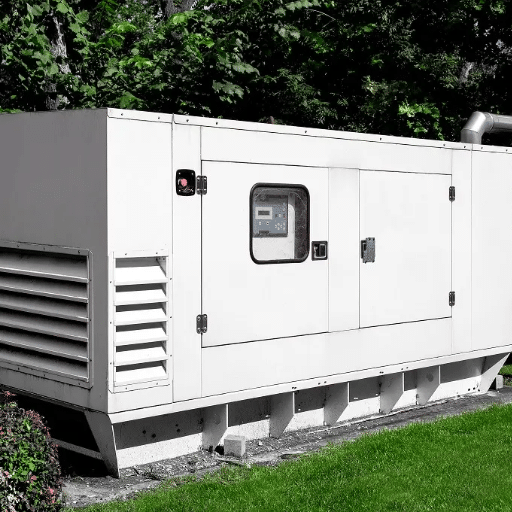
Emergency power systems are divided into several vital parts for proper powering off the battery in cases of power failures or when there are interruptions. Some of these parts include, but are not limited to:
- 1
Power SourceNormally, a generator or a battery power source. Generators are usually driven by diesel, natural gas or propane; while the science of batteries is such that they can include advanced storage technologies such as lithium-ion.
- 2
Automatic Transfer Switch (ATS)This is a system of this type that changes the power supply for the load from the main source to the element of alternative source.
- 3
Uninterruptible Power Supply (UPS)A UPS is used to supply power for a short period of time while the power is switching from the normal to the emergency. Therefore, in the event of the data center going down, the UPS shall provide well over a few minutes of backup power.
- 4
Control SystemControl systems are responsible for controlling the energy flow of any power-critical facility and are useful for energy optimization.
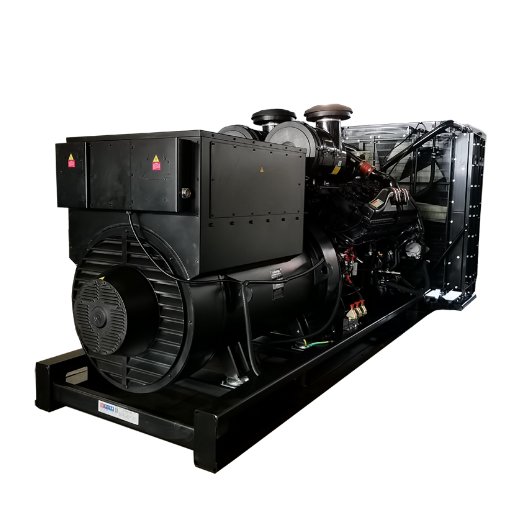
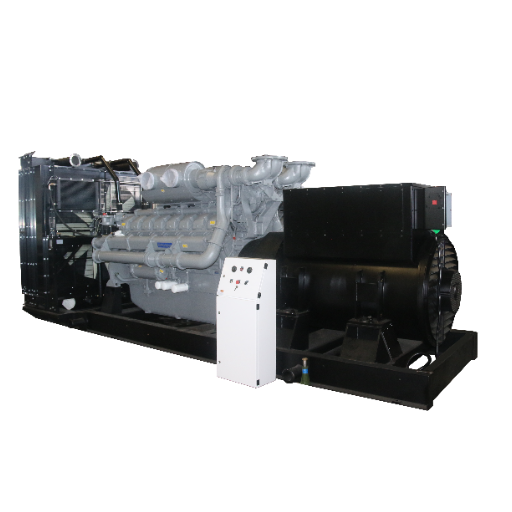
As is known, the generating unit is part of the emergency power system called a central breaker section. The central breaker section is made up of a generator or an engine driven alternator designed to run when electrical power fails without needing manual intervention.
What is an Emergency Power System?
An emergency power system is an inseparable part of any object that is responsible for feeding the secondary power supplies to the equipment such that in case the primary source of power fails then the emergency equipment has to be used to supply it. Such systems do not allow stop in operation of essential activities and their required duration within stratified intervals. These systems have been very efficient and popular since they were introduced, especially on important facilities such as hospitals, data centers, industrial plants and even on metal buildings that are used for offices/workspace. A typical Emergency Power System will include a generator, an auto transfer switch, an Uninterruptible Power Supply (UPS) as well as an Advanced Control System, with all these parts cooperating to effect a smooth shift between power sources.
The latest standby power solutions are designed in a way that they are able to support high value systems without failure using dynamic monitoring, load shedding mechanisms or system troubleshooting. In the contemporary world, due to the progressive technology, most plants are diversifying their designs through the use of renewable resources which include solar panels or energy storage to enhance their emergency backup capability. Emergency power systems are quite context specific systems because of quality and safety requirements, in cases where any interruptions are not permissible and this is why they are considered mandatory. Regular checks and maintenance practices must be carried out to maintain their high performance and availability during blackouts.
Importance of Emergency Power Supply
Emergency power systems cannot be overlooked in the modern era because they guarantee smooth running when blackouts and the like refuse to stop. Given they are in different spheres — medicine, IT, industry, law enforcement — where any gaps in service provision may expose the entity to financial losses, shoddy security, or danger to the lives of those involved. Emergency power systems have also come a long way with recent discoveries in this area showing extensive engagement of alternative energy sources such as the sun and the wind and the improvement of the technology by integration of deeper energy storage systems (li ion batteries) to make the backup options sustainable and resilient.
For example, it has been reported that the global market for UPS systems is likely to expand further in the forecast years owing to change in consumer habit towards industries intended for a continuing power supply. As a consequence, there is a noticeable trend within the industry towards the installation of monitoring systems that can notify operators about their power supply status and assess whether backup power is necessary. Furthermore, compliance with the specifics of recent standards such as NFPA 110 and ISO 8528 becomes possible only through a wide range of measures and provisions ensuring the redundancy of the power systems and effective troubleshooting in case of failures. All such instances vividly bring out the importance of emergency power solutions in maintaining the services and operations of infrastructure within a world that is increasingly reliant on electric power.
Standards Overview
Overview of NFPA 110 Standards
NFPA 110 is basically the standard that the whole spectrum of the performance and reliability of those systems that ensure the provision of back-up power amounts to at the time of an emergency. This standard focuses on the types of emergency power supply systems (EPSS) by separating them into categories, such as level 1 and 2. In the first type of systems power must be permanently supplied for people’s lives protection in an event of the primary power source failure, while the second, for less critical purposes. NFPA 110 establishes guidelines for system operation, installation, maintenance and performance. Under this agreement, a run time of any generator on stand-by must be practiced at certain intervals, stringent maintenance plans must be in place and also operational stand-by testing is required, for example.
Many instances of this technology including remote monitoring and automatic systems diagnostic checking have been the reasons behind the successfully enhanced NFPA 110 existence. It provides the facility managers with real time data of the operation of facilities, predicts possible reasons for failures especially of key components, and puts in place preventative measures as quickly as possible. Furthermore, the code puts in measures for guaranteeing that the generator systems will inherently survive during situations easier than even and specifically emphasizes the need for fuel supply, ventilation and fire protection in catastrophic condition. Following them is also very critical when considering the dependability of services to perhaps healthcare, data operations, and public safety.
02
Main Components of an Emergency Power System

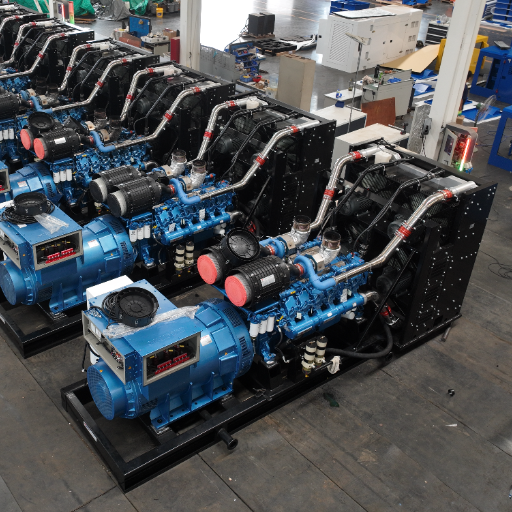
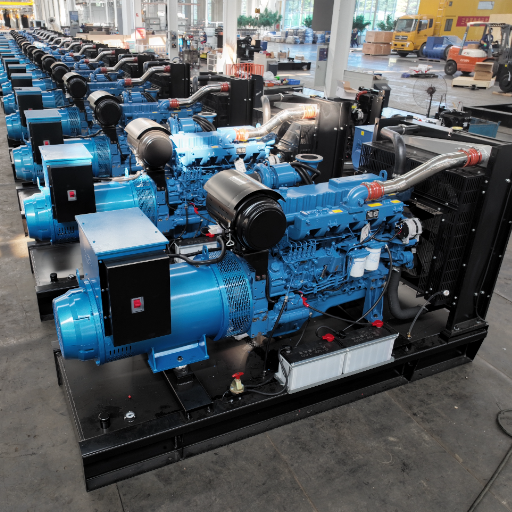
Power Generation Unit
This is usually either a generator set or a motor-driven alternator which the prime variation is in power supply after a power cut. The equipment in normal circumstances is set to auto switch on when the main power runs out of power.
Automatic Transfer Switch (ATS)
ATS is highly essential for managing the process of transferring the power system off the Grid from the primary source over to the standby power system. It is effective in its operations and ensures a quick and uncomplicated passage with minimum interruptions.
Fuel Supply System
A dependable fuel transfer system is required to make sure that the desired amount of fuel which is diesel, natural gas or any other forms of fuel for the generator is available for use as a backup power supply in case of power failure.
Control Panel
The controlling system ensures the operational parameters are with the predicted limits. This incorporates the unit/start-up and shut off shut down function.
Uninterruptible Power Supply (UPS)
Uninterruptible power supply complements the generator by providing power after grid’s power goes through extended power shutdowns, while preventing power interruptions due to delay in pickup of the generator – this is critical in case of sensitive loads.
Cooling and Ventilation Systems
They focus on maintaining optimal generator component temperatures as well as providing proper ventilation to prevent restoration procedures.
Battery System
Initially, electric power capacitors provide the necessary electric charge to be able to start the generator and give power to the other vital electrical aspects when commencing operations.
Generator Sets: Types and Functions
- 01
Diesel Generator Sets — Diesel power generators are also frequently used as they can rely on diesel fuel, which is known for its convenience and economy. Prime and stand gen sets are manufactured to provide continuous electricity overextended periods. Commonly found in power hungry areas such as heavy industry, building and high rise office buildings, they can even undergo high loads without making a fuss. In addition, the improvements in the diesel engine fuel consumption have led to transforming the current innovations of diesel powered generator sets into the most environmentally acceptable devices presently.
- 02
Gas Generator Sets — Natural Gas Generators or Gensets operators use natural gas which is propane or LPG as a primary fuel at this case. These systems have been considered greener as they release less pollutants and gases than the diesel powered generators thus minimizing the strains within the locality due to regulations on pollution. They can be installed in urban and suburban structures which have sustained decentralisation of the gas network or are used in the agricultural sector, applying each of the respective distances from each other.
- 03
Hybrid Generator Sets — Many modern cars are hybrids in the sense that they possess both a traditional petrol engine and some form of renewable energy source, which is particularly solar panels or wind turbines for the purpose of improving the efficiency of the energy used and also minimizing fuel consumption. These are commonly used in areas or situations where such technology is required in an energy giving sense and at the same time discouraging the use of excessive fuel.
- 04
Portable Generator Sets — Portable generators do not take up much space, are capable of being relocated, and are used for short term power needs. Portable power units are provided at outdoor events, on a construction site, or rather under appropriate emergency situations flexible and offer convenience. In spite of small size, portables are able to provide energy to numerous devices and equipment more than adequately.
- 05
Industrial Generator Sets — Industrial generators refer to those big and powerful devices that are used for commercial applications such as for instance huge mines, factories or other major industrial power users. Further, they are made in the manner that they can produce very high outputs and possibly advanced monitoring and control features to self manage under demanding scenarios.
Transfer Switches: Automatic vs. Manual
| Parameter | Automatic Transfer Switch | Manual Transfer Switch |
|---|---|---|
| Functionality | Automatically detects power loss | Requires manual switching by user |
| Response Time | Immediate transfer during power outage | Delayed due to manual operation |
| Ease of Use | Fully automated, no user intervention required | Hands-on switching, basic operation |
| Safety | Enhanced safety with automatic load management | Relies on user for safe transfer |
| Cost | Higher upfront and maintenance cost | Lower initial investment |
| Suitability | Ideal for critical systems | Suitable for non-essential backups |
| Complexity | Includes advanced control systems | Simple design with minimal components |
| Monitoring | Integrated system monitoring capabilities | Limited or no monitoring features |
| Installation | Requires professional installation | Can be DIY in certain cases |
| Energy Efficiency | Conserves power efficiently | May have higher energy consumption |
| User Skill Requirement | Requires minimal user expertise | Demands understanding of manual operation |
Fuel Tanks and Diesel Fuel Considerations
Aspects such as fuel storage tank and diesel fuel capacity existing at fuel storage installation involve certain difficulties in terms of efficiency, safety, and legal requirements. Storage tanks can be manufactured from materials such as aluminum or iron and are designed to have high resistance to weather and wear and tear. These devices should be well taken care of by ensuring that they are devoid of wear and tear leaks through regular checks to avoid any form of contamination that could make them prone to operational accidents.
Diesel fuel, as a principal energy source for most industries, requires proper handling and storage procedures to keep its quality and effectiveness intact. Improper handling, storage, and spillage, especially over a period of time, can mean the degradation of diesel fuel due to such reasons as moisture content and severe temperatures and contamination. For these reasons, phenomena such as diesel algae, commonly known in the industry as microbial contamination, and decrease in engine efficiency engine. Addition of fuel additives and regular cleaning of the fuel tank solves such problems providing for the effiicient operation of the fuel and equipment.
Moreover, chemical additives helps retard the natural deterioration and insures that the facility costs remains at minimum. Foremost, there has been a significant amendment in the design of fuel tanks that now feature functions of enhanced venting systems to reduce emission vapors among other features to comply with standards concerning containment issues. Observing the rules helps to ensure the reliability and effectiveness of fuel systems and elements as well as reduction in the negative effect on the environment and fulfilling the requirements established for such industries.
03
Standby Generators and Their Role

Auxiliary engine is vitally important when it comes to providing an unstoppable power supply in the wake of power cuts. Produced and utilized across industries, medical facilities and any home with an eye on normalcy, the entities are created to ensure operations will remain at safe prudent distances throughout any crisis. Moreover, the relevant power generation likewise plays an important role, since it supports any additional measures that are necessary in auto-saving a life. Even today many facilities use generators in such activities where industries use, for example, in operations of sensitive electronic or technical systems which elements require smooth uninterrupted current standby generators.
What is a Standby Generator?
Stand-by generating fuels mainly entail taking fuel such as natural gas, propane or diesel and converting it to mechanical energy that in turn is converted to electrical power by the means of an alternator. Upon the occurrence of a power cut-off, the automatic transfer switch of the system gets into operation by the building becoming disconnected from the grid and introducing power to the building from the generator. The smooth change is made so that there is little impairment.
Presently, there are also cutting-edge stand-by power system such as generators which are linked up monitoring and diagnosing power and thus other functions. They can also withstand various power loads; making them known as handover capability power sources, which are adept in domestic, commercial and industrial realms. As far as the generators are in use, it is necessary to maintain them at the levels expected of the power products. This involves all the procedures including running the generator after specific durations, fuel system checks, and performance checks, to mention a few, to ensure their performance is not compromised.
Installation and Maintenance of Standby Generators
To ensure that the emergency generator is properly installed, operated and maintained, it is a must that the manufacturer instructions are followed and local regulations are obeyed for the purposes of safety and efficiency. Such process of installation starts with the selection of equipment location, which must have adequate ventilation, satisfy all the set safety clearance requirements and ensure the absence of exhaust gases presence in the occupied space. Additionally, you ought to employ an appropriate transfer switch that goes along with a standby generator to enable a smooth switch over utility and standby generator supplies in the event of an outage. It is recommended to engage a professional in the installation process especially for the core drillings of the electrical and fuel components and verification of conformance.
Maintenance is a routine activity in which regular checks as well as tests for prevention of untimely failures are made. The main attention to these checks is the quality of the fuels and checking the fuel levels, in this case the oil and the coolant are inspected, battery status is monitored and the air filters are cleaned. Also, operational tests under load should be conducted at regular intervals to verify the generator’s ability to accommodate the expected usage. The new technology of remote monitoring has made it possible to diagnose problems that might be occurring, therefore users do not have to wait until the problem is so big to fix it. Proper maintenance measures must be put in place and management of the power-generating system is going to be more successful in the future with the help of relevant applications.
Common Applications for Standby Generators
Healthcare Facilities
Healthcare facilities such as hospitals rely on generators to sustain their critical load of medical equipment that is absolutely necessary for human life during state of emergency. Therefore in the case of hospitals, the National Fire Protection Association (NFPA) dictates that the generator should be capable of start and support the emergency power needs of the facility within 10 seconds.
Data Centers
When the cost of downtime can be as much as $9,000 for every minute lost of operational time (as per the Uptime Institute), the reasons for the prevalence of back-up power systems in data centers falls squarely into the need to protect critical IT infrastructure and to prevent loss of data and disturbance of business operations in such settings.
Manufacturing and Industrial Operations
To prevent the generators or any establishment from breaking down or keeping the waiting times caused by interruptions to the lower limit, standby generators are continuously used. Some processes such as pharmaceutical production facilities and chemical plants need a constant power supply because there are limitations of exposure to work areas.
Residential Homes
Generators have almost become a must have item for every household nowadays, especially in regions where extreme weather is likely to occur. This is due to the occurrence of frequent power outages that may prevail in a specific area of the region that tends to suffer very high or very low atmospheric conditions.
Retail and Commercial Businesses
Not even point of sale systems, light, security and refrigeration systems can only work on electricity but will be operational even when there is an air conditioner, cash register or computer failure impeding the sale of food and drinks or other restaurant services.
Telecommunication Networks
Standby generators keep wireless towers, communication hubs, and repeater stations active under natural disasters conditions. They are particularly useful at times when mobile and telecommunication industry and commerce are busiest and do not afford any delays.
04
Power System Components and Configuration

- 01
Generators — Generators are driven by steam turbines – the heat source – using mechanical motion energies, which are converted into electrical motion energies through electromagnetic induction to produce electricity.
- 02
Transformers — In order to increase the efficiency of power lines across long distances, transformers are put in place for purposes of controlling the voltage to reasonable levels.
- 03
Transmission Lines — For example, power plants located in remote areas contain high voltage and consequently use overhead transmission lines to connect to substations afar.
- 04
Substations — Substations reduce the different power levels for safety distribution to people living in the residential, trading, or industrial zones.
- 05
Distribution Lines — These feeders routes energy from the substation to the ordinary consumers, thus completing the delivery cycle.
- 06
Control Systems — Control systems are put in place to observe and manage the power grid to prevent it from failing, to distribute the power correctly and quickly address any network failure, if any.
Integrating Solar Power into Emergency Systems
Integrating solar power into emergency systems comes with several practical and logistical benefits, thus, boosting the sustainability of such systems. Incorporating distributed generation and renewable energy such as solar photovoltaic (PV) makes such acceleration possible considering the fact that emergency systems are secure and protectable from vulnerabilities resulting from centralized energy sources. This will come in handy in situations of disaster or other instances of grid collapse where on site power production is encouraged and there is minimal reliance on external power sources.
To further these advances, provision of solar power during the day, and at night, the systems will switch to battery power if these sun powered generators are not operational. Currently available and newer batteries (for example, lithium and solid-state) have improved greatly in terms of capacity and performance. These power storage facilities enhanced with a solar function provide power in those areas such as water treatment plants, health care systems and communication systems without using any onsite power making them more nature friendly.
Moreover, solar energy can be harnessed in a flexible and job-specific manner thanks to its ability to scale and adjust to the energy needs of the system. The inverter-based control technologies embedded in each solar array operate it more efficiently. The control system is dynamic and can meet the energy demands that arise translating to effective systems operation thus reducing energy wastage especially during emergencies. In that fashion, this capability helps in the effective planning of emergencies as well as other objectives of sustainability in the development of cities.
Backup Power Solutions for Critical Facilities
Power backups form an important cluster that is necessary for virtually all operators of fixed facilities in any industry where power failure risks are vital. And most of these systems are enhanced with state-of-the-art technologies such as Uninterruptible Power Supplies (UPS), or conventional standby Diesel or Natural Gas-powered generators as well as renewable batteries such as lithium-ion. These systems provide a boost of power during the time of crisis thereby saving time loss and protecting delicate equipment.
In the field of reliable power supply, hybrid systems particularly combine the traditional generators with renewable sources, including the advanced batteries in some scenarios. Help the permanent availability of power but cut down on dirty fuels more effectively. Let’s take an example of applying solar energy technologies within a given time frame; solar power systems in the day time and energy in storage or that generators whenever necessary. Due to intelligent network device communication, energy usage can effectively be managed in all areas, proactive in design and response to faults.
Facilities like hospitals, data centers, and emergency rescue services are often equipped with a backup power supply system. This is because the facilities must be able to uphold their duty- to protect and save human life- under all surrounding conditions. Downtimes in such a critical environment poses risks to losing critical data, rendering poor care to the patients or not having structured measures in the occasion of an emergency. The powered systems presently in use lay an emphasis in additional load bearing elements and redundancy so that a singular damage point will not bring down the entire structure. Due to the use of such systems, the capacities between the facilities can now be deemed as resilient operational stability and maintenance rates.
05
Types of Emergency Power

- 01
Uninterruptible Power Supply (UPS): — UPS is a very important entity in an emergency lighting system as it provides load backup during those few seconds the load transfer occurs. It ensures that systems that have to remain operational continue working with a minimum of irritation as they change over to a secondary source of power.
- 02
Backup Generators: — Types of systems are specifically designed to enrich the way energy is supplied which can be addressed for time being longer than normal due to the shutdown of power. Usually run on diesel, or natural gas and or propane, backup, generators come into play automatically in the event of power loss.
- 03
Battery Storage Systems: — Next-generation battery technologies, which can store energy, serve as burst power systems when power is disrupted. They are also often co-used with renewable energy sources like photovoltaic solar panels for the purpose power augmentation and reliability.
- 04
Automatic Transfer Switches (ATS): — Auto transfer switch allows quick and seamless changeover between two power sources, the normal power grid and standby generator, minimizing equipment downtimes.
- 05
Renewable Energy Solutions: — Renewable energy solutions (solar panels, wind turbines, hybrid systems) provide a cleaner and more sustainable backup power sources specially in areas where electric power systems may be grid-connected or in larger back up generator does not make much sense.
Diesel vs. Gas Generators
| Parameter | Diesel Generators | Gas Generators |
|---|---|---|
| Fuel Efficiency | Higher fuel efficiency | Lower fuel efficiency |
| Fuel Availability | Widely available, especially in remote areas | Readily available in urban regions |
| Operating Cost | Lower long-term cost | Higher long-term cost |
| Environmental Impact | Produces more emissions | Cleaner burning with fewer emissions |
| Maintenance | Requires less frequent maintenance | Requires more regular maintenance |
| Lifespan | Longer lifespan under heavy loads | Shorter lifespan under heavy loads |
| Noise Levels | Noisier operation | Quieter operation |
| Initial Cost | Higher initial cost | Lower initial cost |
| Power Output | Better for heavy-duty requirements | Ideal for lighter power needs |
| Fuel Storage Safety | Requires careful handling and storage | Safer and easier to store |
Solar-Powered Emergency Solutions
A solar powered backup generator is hands down the most sustainable and efficient, with respect to power supplies, to fill in energy gaps when and if there is a need for such interventions. Because instead of using fossil fuels, these are powered by ventilated solar panels that convert the heat of the sun into electricity thus these are helpful even in remote places which may not have a source of energy. The technology employed for solar power being operational is very effective as it has mechanical lips that turn heat energy into mechanical energy rather than fuel-based ones which are very expensive and difficult to maintain.
Advancements such as portable solar panels and solar floodlights integrated with power sources will enable such services to be affordable and accessible in many disaster affected environments. For example, if matters to do with the devices that aid in the relief of disasters and support such victims should be met with solar next panels, it can be easier to avail them at a less astronomical price without any obstacles. When you encapsulate a lithium-ion battery using the latest technologies, including power storage and charging through plain solar this gives enhanced power per unit volume with high propensity for long usage even for critical applications.
Developments in photovoltaic technology have led to the invention of portable, self-powered solar panels of various kinds. This trend is clearly evident from statistical data, showing a huge upsurge in emergency equipment coated with solar panels because they are mobile and do not harm the environment. These achievements show that solar energy still possesses its undeniable importance in the construction of durable emergency infrastructure.
Comparing Level 1 and Level 2 Emergency Power Systems
| Parameter | Level 1 Emergency Power System | Level 2 Emergency Power System |
|---|---|---|
| Power Output Capacity | Low (up to 1kW) | Medium to High (1-10kW) |
| Backup Duration | Short-term (few hours) | Extended (several hours to days) |
| Energy Source | Small solar panels or batteries | Advanced solar arrays or large batteries |
| Application Scope | Single device or light appliances | Multiple devices or essential systems |
| Setup Complexity | Basic, easy to install | Moderate, may need technical support |
| Portability | Highly portable and lightweight | Portable but bulkier |
| Cost | Low budget-friendly | Moderate to high investment |
| Maintenance Requirements | Minimal | Periodic monitoring required |
| Ideal Use Case | Individual emergency use | Household or community preparedness |
| Scalability | Limited scalability options | Offers modular expansion |
06
Frequently Asked Questions
How does an emergency power supply system detect a loss of power and switch to generator power?
A typical emergency power provision system operates by continuously checking the electrical input and identifying when the standard supply or grid fails. Once this is detected, the control panel of the genset will transmit a signal to the genset manufacturer’s equipment, allowing the attempted automatic start of the bigger Genset, and then the automatic transfer switch will enable the load to be powered from the backup or the standby power system, to continue power supply to the loads. This method ensures that critical emergency systems and the fire and life safety emergency loads are powered by the diesel generator set within the shortest time possible to prevent loss of life or any critical system downtime.
What are the primary components of an emergency power supply system for a hospital or similar facility?
The primary components are the generator set (referred to as a large generator), the fuel system, the cooling system, the exhaust system, the generator controller, the automatic transfer switch, and a secure generator room. Moreover, the backup power system must support level 1 systems and level 2 systems loads as defined by standard requirements and ensure that fire and life safety circuits are intact. For the purpose of identifying the capacity, the set shall incorporate the comparison between prime power and standby with respect to design loads and how to handle the source of the electrical power. Proper ventilation, sound attenuation, and compliance with NFPA 101 are also required.
How do generator controllers support the operation of an emergency power supply system?
Devices to control the generator are so-called generator controllers. They are also able to monitor engines and electrical systems, as well as to coordinate the changeover switch to allow for the transfer of power as necessary. They are designed to protect the devices such as high frequency, over-and under-voltage, and trip relay and are provided with reminiscences for maintenance purposes of the generator. In addition, they belong to the range of applications that need continuous power or long-term continuous operation, with the load control and parallel functions also being handled by the controller.
What differentiates emergency and standby power systems from prime power installations?
The Emergency and Standby Power Systems are basically set to serve as an alternative power source in the event the normal source fails. They are dimensioned to operate when power is lost occasionally but still be applicable for hours! As for prime power systems, they represent the main source of energy supply and they are designed to be in operation on a regular basis. Emergency standby systems (including level 1 and level 2 systems when applicable) are used to power those loads that are considered as life and safety and critical and are generally controlled under regulations such as NFPA 101 and other legally required standby.
Reference Sources
- [01]
Measuring and Enhancing the Resilience of Interdependent Power Systems, Emergency Services, and Social Communities
vtechworks.lib.vt.edu → - [02]
Dynamic and Responsive Distributed Energy Resource Education Solutions for Building, Fire, and Safety Department Officials
osti.gov →