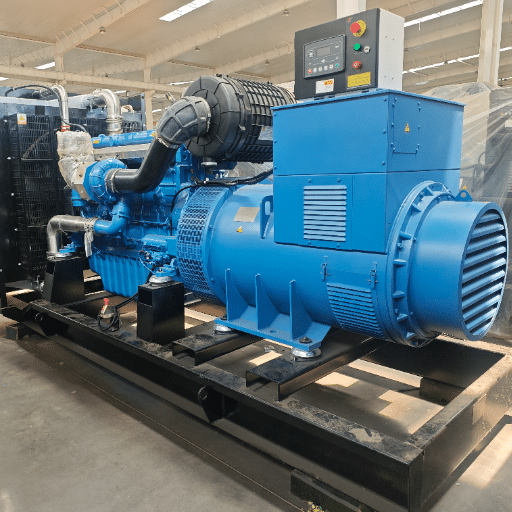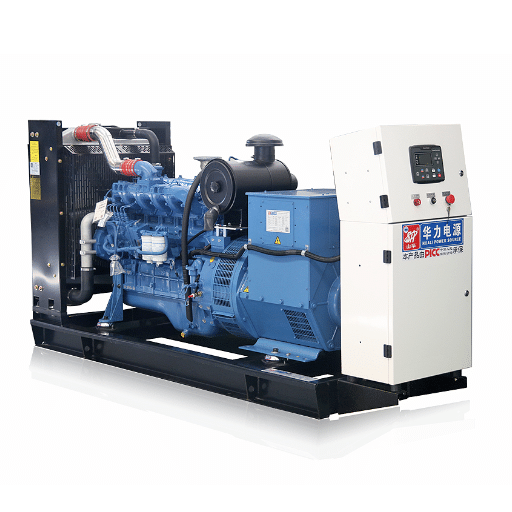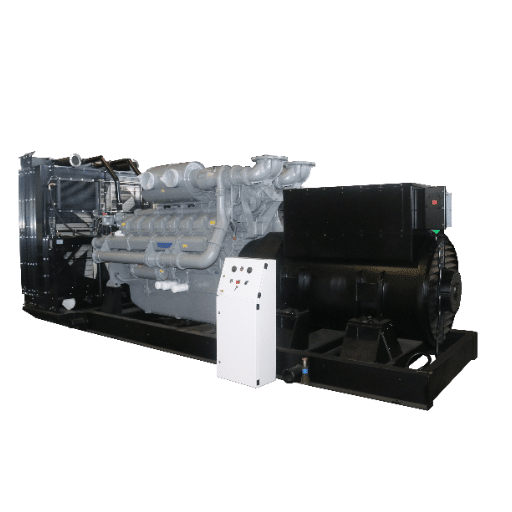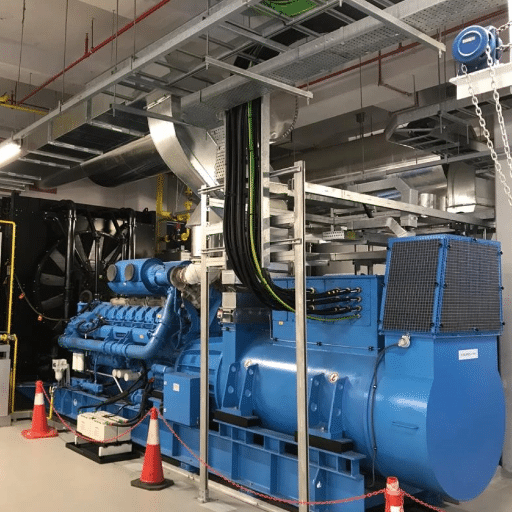


The installation of a Natural Gas generator comes across as a practical solution for any electrical power-steered domestic appliances which is not free from barriers anytime done. This includes, in particular, the correct operation of such systems in the course of the required safety guarantee, proper ventilation sizing, choice and positioning. In this blog post, we shall discuss the certain safety rules and ventilation measures that cannot be overlooked by any house owner or serviceman. From keeping risks of gas leaks to enhancing ventilation to increase the efficiency of the generator, the main points which should concern any user including you and your household. So do not hesitate with time, and if ever you venture to install a natural gas generator for the very first time, or when you are a seasoned professional this guide is for you: so let’s get back on the right track.
Pre-Installation Checks for Generators

- Inspection of Location and Space: Before installing any generator, first verify that the location complies with the manufacturer’s specifications and has been built in such a way that it is within the confines of the local building codes. This can be made even more specific by adding that the required location should have ample ventilation, be at least 5 feet away from the windows, doors, or vents, and it should not contain combustible materials.
- Electrical Load Assessment: Make a clear estimate regarding the total electricity requirements of the house or any other place where the generator is going to be installed in order to compare the generated capacity with these figures for purposes of ensuring matching. This also calls for the consideration of standby and peak power load other than core power loads.
- Fuel Source Accessibility: Ensure that natural gas, propane or diesel is within reach for use in the generator, otherwise check for availability of matching power sources and analyze their suitability. Also, look for supply mode and interior arrangement and confirm that the storage room or container is in accordance with the required safety measures and does not drip any fuel.
- Compliance with Local Codes: Before starting installation procedures, it is recommended to check with local authorities or professionals to make sure that all developments are in compliance with the necessary regulations including all wiring system and construction of the building.
- Equipment Inspection: Inspect the generator for any damage or blemishes on delivery. Inspect the connections, hoses, pipes and everything else, to make sure nothing is broken before installation.
Assessing Site Conditions
An effective evaluation is important to carry out before the installation of the generator can be done to ensure safety and efficiency and reliability of power operation. Start by assessing the load needs of the site to have an idea of the required generator rating. Knowing this, you consider the overall power requirements of all the devices connected to the generator and any power required during the starting period. Also, consider local codes concerning the site in question even standards on how the generators should be installed, including the aspects of how far they should be from the buildings, windows and any exhausts to avoid suffocation.
After that, carry out a comprehensive assessment of the soil conditions of the place where the generator is to be located. The ground’s top layer must have enough firmness and be sloped to prevent water accumulation that could infiltrate the generator and damage or compromise the ground casing of the machine. For larger generators, check the quality of concrete pads or steel platforms, as they should be able to sustain both static and dynamic loading conditions.
Understanding Local Codes and Regulations
Adherence to the local legislations and codes in place is an indispensable peculiar feature when carrying out a preliminary installation of generators. These norms and measures help to avoid the installation of generators that will operate in contravention of environmental policies or the relevant noise and zoning ordinances. Noise especially as prescribed by law, may dictate that the sources of sound are attenuated with some protective measures like enclosures or other sound proofing materials like fences so as to ensure it does not get beyond limits which are acceptable in terms of decibels. For that matter, operational requirements also cater for aspects where fuel-relevant design and certification of fuel tanks, emissions, and even exhaust systems are captured.
Obeying electrical codes such as those provided by the National Electric Code (NEC) or similar ones in each locality has been very important regarding several issues such as cable sizing regulations, transfer switch set up and the importance of grounding all buildings. Conforming to the laws also involves working in close collaboration with the permitting officials and using experts effectively to ensure that there is no breach that will lead to unwanted consequences regarding project completion.
Choosing the Right Standby Generator
Multiple aspects are to be examined in order to make a proper decision on generator alternative. In the first place you have to find out the device power, considering power consumption of all the necessary systems and equipment in case of power breakdown. Do not forget also to account for peak load figure which is starting power that is overwhelmingly higher than the rated running load of many devices like the HVAC systems. Particularly, the kind of fuel the generator utilizes is another significant consideration. Some of the different kinds include natural gas, gasoline and diesel among others, each offering different benefits. Their popularity can be attributed to their strength and energy efficiency leading them suitable for use in heavy or industrial work.
Generators using those are less polluted and reduce rather the need for tanks since such depend on supply and do not necessarily require storage help. Equally worth considering are the generators’ continuous use and care aspects about them. These ought to be more expensive and with a tank for feed or allowing them to operate for a more extended period during an emergency. Other key components such as automatic transfer switches or even remote monitoring devices are recommended to improve conveniences and ease of operation.
In order to receive relevant load calculations, ensure proper installation by recognized experts, operational safety is observed at all times in references, and ensure that equipment is properly maintained, it is necessary to engage professional expertise. When all these requirements are satisfied the standby power unit that ensures efficient and tailored-to-need power supply can be determined and be acquired.
Safety Standards for Natural Gas Generators

Safety practices with regards to operating natural gas generators commence with the selection of equipment that complies with existing national and international norms such as those laid by the National Fire Protection Association (NFPA) as well as Underwriters Laboratories (UL). Carbon monoxide poisoning is a danger therefore it is important to make provisions for the effective discharge or outtake of carbon monoxide. Therefore, a natal gas generator must always be installed outside in a covered but ventilated place free from fire breaks and windows, etc. Likewise, risks should be minimized by carrying out routine, fuel lines and connections to detect any leaking or wearing. In addition, it is relevant that all the operation of equipment on gas be according to the manufacturers guidelines and only expert persons for installation or repairing should be used in order to assure that safety and regulations are complied with.
Overview of NFPA Standards
In ensuring the safety and efficient operations of a gas generator, two National Fire Protection Association (NFPA) standards are of the essence. These are NFPA 37 and NFPA 110. The two sets of standards define several principles that everyone should adhere to in order to minimize the risk of fire and achieve high performance levels.
Operating bunkers with natural gas generators requires compliance with NFPA 37, which pertains to the use of stationary sized reciprocating engines including natural gas generators. In addition, these containers cannot be around structures or objects, which will present the risk of combustion. Regulations are also made regarding the dust and gas fumes and explains the need of a proper ventilation system.
NFPA 110 rules describe in detail the emergency and standby power supplies failure criteria, in particular as regards the reliability of the generator during a blackout. One of the most important of which is the resistance of the fuel supply system and regular testing and operational safety. The level of intensity for inspections is laid down, setting forth the times and kinds of tests that should be conducted to validate the operation of the system in different situations.
Specifics of NFPA 110 Compliance
Designing installations and/or specifications which will allow the use of natural gas generators together with gas storage but be compliant to NFPA 110 rules is an onerous task. The reasons here are because this regulation provides for the about provision of emergency power supply systems (EPSS), the required that such should receive periodic testing for system operational reliability during power failure. Gas systems are, for example, classified in Level 1 since they perform their duties perfectly whether it is in healthcare or in a situation where there will be an emergency.
In addition to this, a good infrastructure would also have automatic transfer switch (ATS) inspection and testing sequences in place which would help to validate the effectiveness of automatic transfer switches during electrical power changes. The efficiency of the fuel systems is another aspect, here, NFPA 110 advocates for the preventative monitoring that covers the activities to be performed against uncertainties or falls in pressure in terms of fuel supply whilst in use. To be compliant requires that all records are properly maintained to document every event that occurred including every test that was performed, at the same time every activity that was performed within the system either during the schedule maintenance or otherwise, is recorded for audit purposes.
Proper Ventilation Techniques

Good air circulation is vital for safety and the proper functioning of gas generators. To guarantee appropriate ventilation, locate the generator in a place with enough air intake, where gas emissions does not accumulate like carbon monoxide. The gas outlets should be draughted out, away from any rooms with doors and windows to lower risks of access. Keep the minimum gap as prescribed by the manufacturers so that there is enough spac for the air to go around the machine. Air ducts and exhaust paths should be inspected for obstructions or damages regularly and ensure it will fulfil the conditions of appropriate ventilation, or the given priorities by the local authorities, fire preventive regulations. Adequate ventilation assures compound rest inexpensively. It corresponds to safety and also contributes to the prolonged operation and the performance of generator.
Importance of Adequate Ventilation
Ventilation is an indispensable part of keeping natural gas generators perform satisfactorily. A situation where air is deficit induces a situation, where heat and exhaust fumes clog up industrial processes and may cause equipment breakdown. Elevated temperatures are capable of deteriorating lubricants, amplifying friction on moving parts and force the generator to shut down too early. Moreover, effective ventilation equally means harmful gases like carbon monoxide do not linger after production or usage, ultimately, this helps to reduce health risks posed to the workers and as well make the OSHA and EPA guidelines attainable and followed.
Ventilation System Design Considerations
When it comes to designing a proper ventilation system for natural gas-fueled generators, the quality of the system must comply with the health and safety regulations in force and optimize its work. Several key aspects have to be taken care of. As an example, to prevent the generator from overheating, the amount of air allowed through must be calculated, usually in BTUs, and aimed at fulfilling the generator’s heat dissipation requirements. In both the generating set air circulation systems to bring in fresh air and others that remove the combustion products, there has to be an adequate capacity in case of air flow as well imbalance in pressure must be circumvented. In addition, the skies will not fall if better and pricier labor will be used in making the air ducts in the first place and thereat is somewhat, for purposes of this section, a non-reinforced concrete.
Noise attenuation in generator is a very important factor, especially since many generators are associated with environments that are residential or commercial and hence whose noise pollution is regulated. Innovations in aural components such as noise reduction equipment plus its related silencing barriers have been able to address the issue of worsened noise levels at the expense of more pumping power. Moreover, local regulation standards and ordinances for example, NFPA 110 regulations governing the use of emergency and standby power systems, have to be respected during engineering and construction works. Combating these issues well can increase the operational efficiency of the system, cut down the preventive maintenance costs and increase the dependability of the generator system as a whole.
Common Ventilation Mistakes to Avoid
- Insufficient Air Intake and Exhaust Systems
Many individuals frequently fall into errors that relate to the poor design of the ventilation or parts associated with it. This type of systems will not operate optimally if all the assistance filled receives the required temperatures; meaning there should be enough supply of cooler air to prevent heat build-up and enhance combustion efficiency. Such flaws, however, can often cause the generator to overheat, degrade its performance and threaten it with component part wreckage over time. - Neglecting Heat Dissipation Requirements
Overlooking the heat that is given off by the unit and having it operate at a high temperature thanks to other sources can affect the internal cooling of the machine, operational efficiency and the life of parts in the system. The heat load should be determined accurately to avoid facing these challenges and develop air distribution systems that can handle such heat. The louvers, dampers, and fans have to be mechanically installed against the generator capacity. - Use of Improper Ducting Materials
It is not advisable to construct ventilation ducts using substandard or fragile components as this could severely weaken the structure of the system. For instance, installations made with materials not intended for high temperature or those that are susceptible to corrosion will invariably become faulty earlier and as such, there will be frequent need for repairs or replacement. - Overlooking Ventilation During Design Phase
It is often true that the lack of an appropriate ventilation system installation is not always a consequence of containing units. Indeed, ignoring the proper ventilation demands at this point can lead to haphazard retrofitting or non-compliance-related problems in the end. Proper modeling of the airflow phenomena through technologies such as computational fluid dynamics helps in achieving the needed design of the system before the actual construction, thus assisting in saving time and reducing errors. - Failure to Address Environmental Conditions
It is known that designs of mechanical ventilation systems depend on the outdoor environmental conditions. Without taking into account such a factor, the designer risks having a system that does not work. For example, hot climates usually mean that the ventilation must be closer to providing more air circulation to avoid an engine from overheating and catching fire. - Improper Maintenance of Ventilation Components
Frequently, the maintenance of various parts in the air system is not done such as fans, filters and ducting. The most usual problem is that these parts accumulate dirt particles, the wear in the fan blades or filters get blocked which can be further explained in the subsequent paragraph. Putting some stringent measures in place such as a maintenance calendar and performance checks solves this, therefore ensuring the generator yields this much power.
Installation of Standby Generators

- Site Selection
Select a suitable location which will not have any room for suffocation, will not create so much noise and conforms to the community building standards. This should also have a surface that is smooth and manageable for use in maintenance activities. - Foundation Preparation
Set up a foundation of the generator place which should ensure that the generated vibration of the machine while in operation does not destroy it. - Connection to Natural Gas Supply
It is a great idea to seek a professional help on how to tap from a natural gas supply line and do it safely. All stoppages ensure that the connections in place are safe and followed, that they were proper and also that there was no leakage at all. - Electrical System Integration
Put a screen mixer to the generating kit so that the electrical panel is reached by the voltage generated from the overturning relief. One is able to go either grid or generator power in situations of power failures without switches. - System Testing
Once the installation is complete, there should be a step-by-step breakdown through which all processes of simulating an outage and ensuring that the generator still works are done. - Routine Maintenance Schedule
This enabled a proactive schedule of maintenance that also supervises the machine accordingly. It involves regular checks and replacement of some parts, including oil and filters, to ensure maximum operational throughput, given the reliability factor associated with the machines that are an integral part of power systems and utilities.
By following these instructions, and by seeking the support of suitably trained engineers, the commissioning of emergency power in liquid propane gas environments is a safe and reliable process.
Electrical Connections and Safety
Guaranteeing suitable electrical connections for natural gas generators is of the utmost importance and has an impact on sustainable results and risks. This will include checking if the main transfer switch is safely installed and it is compatible with the capacities of the generator and the grid. This device is much needed so as to help change power sources to a generator and prevent electricity from being more produced and affecting the safety of the utility grid.
You will then need to use cables and connectors of the correct size that are recommended for the voltage and current available in your generator. It is quite often these connections which will be for example too big or too small due to current output and at the end of the day, they will fail. Grounding the generator as per the National Electric Code is yet another mandatory step in preventing electrical problems and achieving proper use of the unit.
Safety precautions are essential when installing the natural gas generator. Furthermore, you need to ascertain that you often verify the electrical units’ status. Wear and tear and damage should not be unfussy since some wear and damage may still remain even after installation of your electrical circuits. Lightning arresters also contribute and help to protect equipment against unnecessary strains due to their operations on the grid voltage.
Adhering to the policies and stipulations highlighted in the safety guidelines above will result in the exceptional operation of the natural gas generator in an excellent way on the part of risk. All work should adhere to the local laws and maintenance work should be performed by competent personnel to adhere to the safety and performance requirements.
Placement and Enclosure Considerations
When planning on the best place to install a natural gas fired generator, safety regulations, functions of the product in use, and the building codes are very important. Carbon monoxide generators must be mounted on a completely flat non-flammable platform such a concrete base which serves the purpose of reducing the risk and commercial support. To eliminate carbon monoxide, space should be five feet or greater from windows, doors, and upward opening vents as this is generally provided by the bulk of safety code. These include smoke detectors and other devices that are important in achieving the above clearances. Also, depending on the local building codes and manufacturer installation requirements, isolation zones from the boundaries and other buildings may be a requirement.
Ongoing Maintenance for Residential Generators

To guarantee that residential power generation systems operate well and are dependable, do the following maintenance practices:
- Regular Inspections
Monitor the various components or parts consisting the system for signs of excessive wear, corrosion, or the presence of firm connections that may cause electrical accidents. Some of the important components when looking for the above problems include the fuel lines, the electrical components and the exhaust systems. - Oil and Filter Changes
During every 50 to 200 hours of runtime – whatever comes first – do an oil change and if filter replacement is called for, do it as well. This will help to keep a motor well lubricated and save it from possible damage. - Battery Maintenance
The battery should be checked if it has a charge and all dirt on the terminals should be cleaned off. In consideration of how quickly batteries will lose due to chemical reactions, it is good practice to dispose of old batteries before they cause starting errors, especially in some working conditions. - Fuel System Checks
Check the fuel condition and its storage, looking for any signs of contamination or deterioration over time. Also, make sure that the stabilizers are added in the spiders, tighten all connections avoiding any discharge. - Load Testing
Regularly test how much the generator you have can produce and whether the automatic transfer switches are operational to facilitate its performance.
Performing regular maintenance according to these tips will avoid overload and guarantee that the generator works at the defined level without failing. When in doubt concerning the operation of the equipment, refer to the manual for the relevant type.
Regular Maintenance Schedule
The regulation maintenance of natural gas generators is important in order to ensure that they out stand and operate within range. Elements of the maintenance procedures should cover physical examination of the engine, evaluation of electronic ignition systems and monitoring of the pressure and gas. Normally, manufacturer-installed guidelines suggest an oil change and replacing a filter between every 50-200 hours of operation. As the condition affected by engine operation will vary, it is recommended that the intake valves be checked, fuel conditioning be changed if necessary and also the fuel be properly filtered within six thousand km or operating time, as appropriate. Spark plugs and fans should also be checked to ensure smooth flame and flow and may even be replaced during the check.
Furthermore, it is very important to perform regular maintenance in case of the chilling systems to ensure that adequate coolant quantity is available and all machines are working properly, because once they get hot, the consequences are terrible and would result to total wreckage of the engine. Just like the chilling systems, the battery systems of the generator should be looked at to ascertain the charge levels and corrosion situate the proper functioning of the generator in the event its only immediate use is to work as a backup generator. In addition, the exhaust system of the generator should be designed to be kept clean as any blockage in such systems is not only hazardous but also against all safety standards.
Monitoring Exhaust and Ventilation Systems
It is crucial to meet the standards that monitor the installation of exhaust and ventilation systems correctly. This is accomplished through routine and advanced monitoring and installation of the systems. One very important aspect is to ascertain that all the exhaust outlets are free of any materials that may block the outlet and also that they are adequately sealed to help in ensuring that the health of those around is not jeopardized due to gas leakage which may very well be catastrophic. It is advisable to also carry out tests using air flow meters to confirm that the ventilation ducts are well balanced.
In addition to filling out ventilation strategies, it is required to check if the ventilation system design such like outlined for instance by the EPA or OSHA is met since the design airflow rates are key to proper generator performance and avoiding undue environmental degradation such that, the ventilation system should be able to effectively draw out, in conjunction with fresh air, such harmful substances as the carbon monoxide gas where, its retention would seriously endanger human life, for example. In the current era, sophisticated diagnostics using real time monitoring and appropriate software based sensors are extremely useful in identifying threshold violations.
Reference Sources
-
Energy Integration in the US Natural Gas Sector: Corporate Strategies for Sustainable Energy Development
Read the document here -
The Role of Natural Gas in Future Low-Carbon Energy Systems
Read the thesis here
Frequently Asked Questions (FAQs)
How does an exhaust system affect generator ventilation and life safety?
An efficient exhaust system is a must-have for preventing the engine’s increased emission and high temperature and the accumulation of carbon monoxide. This in turn makes the environment uninhabitable for persons and life-saving appliances. The conditions of the exhaust design such that there will be an uninterrupted flow of air through the ventilation cover and no contact with any insulation on the interior of the structure and finally, the exhaust system will comply with the relevant standards and building regulations. Comply with the manufacturers’ directions, the relevant Code of Practice and regulations while planning the routing of the exhaust and adjust its position so as not to cause.
What are the standby generator enclosure requirements for ventilation and safe distance?
Each chassis of a gantry must not constrict air flow, and should hold exhaust pipe properly. It should also provide enough heat dissipation for the generator and a safe distance from the body panel or inlet air. There are many circumstances which dictate the distance of placement or the performance to be in accordance with the code NFPA 99 or another relevant standard so that when a remote location is applied, the design of the framework should not cause air being trapped. Hazardous materials or fuel management including storage of diesel or other fuels and natural gas appliances, must provide protection and comply with the local regulations.
Can a standby system exhaust system operate in extreme weather conditions?
Indeed, if the exhaust system gets restricted by snow, ice, or debris, it may impair proper ventilation and cause improper generator operation leading to power shortages in instances of blackouts or if the emergency generator runs in challenging climatic conditions. Caution must therefore be taken, particularly when locating the equipment outside with a history of weather patterns and an enclosure or with structural provisions to have controlled flows of air far from obstruction, violent elements. To operate safely and efficiently, it is necessary to see that the air intake and exhaust grills do not trap any items in the normal position. A generator can live up to expectations, if it is maintained, as and when necessary and installed as per the manufacturer’s instructions on the placement.