

Not all fuels have the same power when it comes to generator operation. The performance, efficiency, and durability of your generator depend greatly on the choice of fuel type. Although there are several fuel options, each one has its pros and cons, thus making it difficult to choose the right one. This guide will clarify the main differences of the usual generator fuels and will be useful regardless of the occasion like emergency, camping, or living off-grid. By the end of the guide, you will be certain about the right fuel type for your needs and thus will be prepared for any circumstance.
Introduction to Generator Fuels

Importance of Choosing the Right Generator Fuel
The fuel selection for your generator is a paramount factor, which strongly influences the reliability, efficiency, and economical aspect of the generator overall. The generator performance is entirely dependent on the fuel type, which varies in accordance with weather conditions, storage period, and utilization frequency. For example, the literature from the power industry reports that diesel generators, despite being primarily loud, have a very long life and are extremely economical regarding fuel, especially in cases where the application is heavy-duty or long-term.
Gasoline is the most available and, to some extent, most convenient of all fuels for small generators but has a short shelf life and does poorly in cold regions. In contrast, propane is a clean burning gasoline alternative that will not diminish in quality over time, thus, making it suitable for on-and-off use or long-term storage. The gas comparison studies indicate that propane emits about 12% less CO2 than gasoline for the same energy produced, hence, it is being accepted as a part of the eco-friendly energy solution.
Fuel Types for Generators: Overview
Gasoline
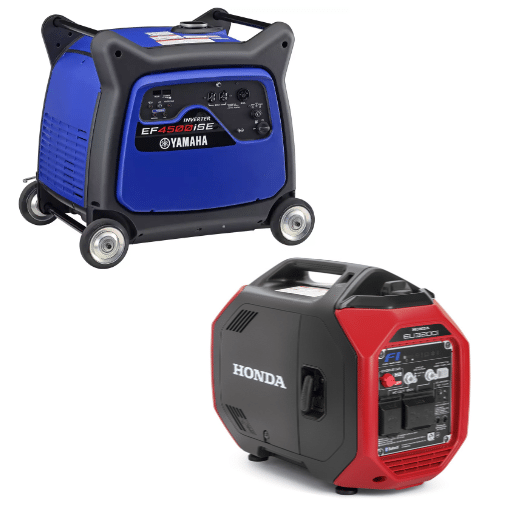
The most common fuel for portable generators is gasoline as it is always the most convenient fuel. However, its shelf life is six months due to its high volatility and its price fluctuates depending on the market. Gasoline generators are best for small and temporary operations but they are also significant contributors to the generation of greenhouse gases when compared with other fuels.
Diesel
Diesel is a very efficient and effective fuel in the case of large, heavy-duty, and continuous operations. They can be used for a long time and maintenance costs will be low as compared to gasoline engines. The current statistics show that diesel has higher energy density, meaning that a gallon of diesel fuel will give a higher output. Nevertheless, the advantages of using diesel come at the expense of noise and poor cold weather performance unless winter-grade fuel is used.
Natural Gas
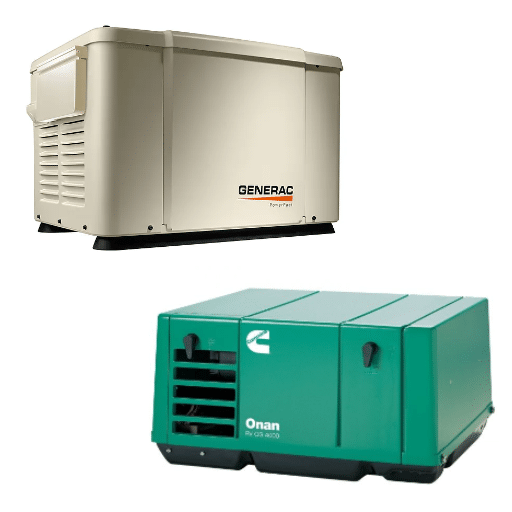
The use of natural gas-powered generators is an economical option as long as pipelines are supplying fuel to the areas where the companies have established the infrastructure. The elimination of storage of fuel is one of the advantages here. In terms of environmental effects, while natural gas plants pollute less than diesel and gasoline, natural gas´lower energy density necessitates that more gas be burnt for the same energy output.
Types of Generator Fuels

Gasoline Fuel: Pros and Cons
One of the major factors that still make gasoline the foremost choice for generators is availability on a wide scale and its very user-friendly nature. Generator sets running on gasoline are usually less expensive initially and are also sold in both portable and standby types. Every one of these factors provides a substantial benefit to the house holder and small-scale businesses that are looking for economical energizers. What is more, gas stations selling gas are found in every nook and corner, which implies that there would be no problem at all in refueling during emergency situations or when there is a power failure for many hours.
Still, there are certain disadvantages linked to gasoline as a fuel and one of them is that it is a highly combustible substance, which entails a risk to safety during its storage and refueling. Moreover, gasoline can only be useful for about 3 to 6 months at the maximum if no additive is used and that is the reason why long-term storage of it is not feasible. The problem of the environment also comes up, particularly in the light of the fact that gasoline produces more waste than other fuels like propane or natural gas. Gasoline generators can be totally ineffective if the weather is extremely cold since the fuel may thicken or may not be vaporized properly. 、
Natural Gas as a Generator Fuel
Natural gas is quickly gaining the ground as the fuel of choice for electricity generation due to its low cost, huge availability, and low environmental impact as compared to other fossil fuels. Moreover, combustion of gas is less polluting, which is the main reason why the emissions from the gas are really much lower than those coming from coal or oil power plants. The U. S. Energy Information Administration (EIA) report indicates that natural gas accounted for approximately 39% of total utility-scale electric power generation in the U. S. A. in 2023, thereby positioning it as the largest single source of power generation in the country, next to none.
From the economic point of view, natural gas is likely to be more beneficial almost every time, especially in areas that already have a gas pipeline. Natural gas prices tend to be less volatile such that they do not fluctuate as much as those of waste oil, thus operators can be assured that they do not have to factor in such uncertainties in their operations. Also taking advantage from natural gas are the residential and commercial users who enjoy not only high energy efficiency but also very good quality power. The development of technologies like the Combined Heat and Power (CHP) system has further increased the efficiency of natural gas production by enabling the production of up to 80% of electricity that is of very high quality.
Comparative Analysis of Generator Fuels
Cost-Effectiveness of Different Fuel Types
- Propane
Propane is a fuel that is continuously in the spotlight because of its price stability and great accessibility. Current statistics indicate that the price of propane in the US is usually around $2.50 to $3.00 per gallon. Propane-powered generators are strong and, due to the cleaner burning of propane, they are less likely to break down compared to those powered by gasoline or diesel. The wear on engine components is also reduced as the fuel is cleaner.
- Gasoline
Gasoline fuel is one of the easiest to get, but at the same time, prices can vary greatly from one place to another, with 2023 3.50 to 4.00 dollars per gallon being the average. Despite the fact that gasoline generators are typically less expensive in the first place, their overall operational costs can be higher due to the fact that regular fueling and maintenance will be needed, all this caused by the dirty-burning nature of the gasoline.
- Diesel
Diesel fuel has very high energy density, thus providing approximately 128,700 BTU per gallon. Diesel generators are very efficient and reliable, especially for heavy-duty or continuous use. The downside, however, is that diesel fuel prices will be about $4.50-$5.00 per gallon on average in 2023, which is definitely more expensive than propane or gasoline. However, the long-life durability of diesel engines could be a way of compensating for the higher fuel price by daily maintenance.
- Natural Gas
Natural gas is one of the cheapest fuels, with prices in 2023 at about $2.50 to $3.50 per MMBtu (essentially 1,031,000 BTUs). It is excellent for stationary generators as a pipeline supplying the gas allows always availability and no storage is needed. The only drawback is the initial cost of setting up a gas generator, and that there may be limited access to the fuel in certain regions.
Environmental Impact of Generator Fuels
Propane
Propane is one of the least harmful burning sources for generators. The U. S. Department of Energy estimates that propane emissions are more than 50% less than those of gasoline or diesel. This includes about 12% less CO₂ and one-twentieth the amount of CO. In addition, the burning of propane releases very small amounts of dust thus helping to clean the air.
Natural Gas
Natural gas is a great eco-friendly alternative and is widely used in generator applications. Just like propane, natural gas is considered to be a clean fossil fuel with the carbon dioxide emissions from it being around 30% less than those from burning diesel. It also produces very small amounts of sulfur dioxide (SO₂) and nitrogen oxides (NOₓ), the two main pollutants responsible for acid rain and smog, respectively.
Diesel
The main reasons why diesel power is used in generators are high energy density and efficiency. However, it has very significant environmental costs. Diesels emit more CO₂, SO₂, NOₓ, and PM than natural gas or propane generators. Based on studies conducted by the Environmental Protection Agency (EPA), diesel fuel is responsible for a contribution of 2.68 kg of CO₂ per liter consumed, and therefore, diesel is considered one of the least eco-friendly alternatives.
User Testimonials and Experiences
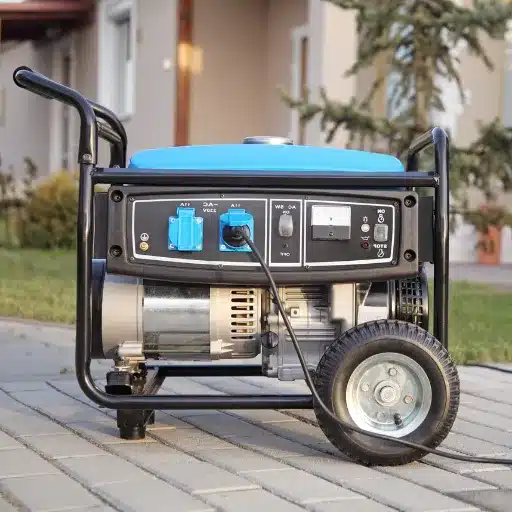
Real-Life Experiences with Gasoline Generators
- Reliability During Outages: One of the key things that connect user reviews together is the reliability of the gas generators during the emergency. For instance, one of the generator models, the Honda EU2200i, has been recognized a lot because of its user-friendly operation and its stable power supply during the power outage, therefore, allowing the most critical household devices such as fridges, sump pumps, and medical equipment to be in use.
- Noise Levels and Usability: The noise produced by the less modern gas-operated generators is one of the main aspects that turn off users. The Westinghouse iGen4500 inverter generator, on the other hand, is that it produces an extremely low noise of about 52 decibels when running with low loads, which could be a somewhat less tolerable noise if someone is to use it for such activities as camping or tailgating where silence is preferred.
- Fuel Efficiency and Runtime: The gasoline generators have slowly but surely made their way up in terms of fuel efficiency due to the technological advances made in their manufacturing. The Champion 4500-Watt Dual Fuel Generator is a case-in-point that can run on either propane or gas. When switching between these fuels, the gasoline-powered generator, for instance, would give about 14 hours of runtime at 25% load on a 3.4-gallon single tank.
- Environmental Concerns: Gasoline generators have their conveniences, but ceasing operation seems to be a major problem to some users with the ensuing air pollution being the primary culprit. The manufacturers see it as a problem, however, and even as a challenge they are trying to fulfill the needs of the consumers. On the one hand, cleaner-burning engine technology and other innovations that reduce the overall greenhouse gas emissions are making compliance with EPA and CARB regulations a standard for so many.
Diesel Generator User Feedback
Diesel power units have consistently proven to be the most reliable power sources in industrial and commercial areas. Users frequently refer to the Cummins Onan Quiet Series or the Caterpillar Diesel Generator as they are considering which one to choose, indicating the good performance under heavy loading and the trustworthy character of these gensets. The users’ comments report that the life span of diesel-powered industrial generators is longer than that of gasoline-powered ones, because they operate at a lower speed, thus less wear and tear on the engine parts.
The biggest plus of diesel generators over gas ones is the fuel efficiency. Diesel engines do consume 30%-50% less fuel than the equivalent gasoline ones, so, they are the least expensive option for operating over long periods of time. In addition, the technology is designed in such a way that new diesel generators are less polluting and a large number of them meet the most stringent environmental standards, such as EPA Tier 4 or EU Stage V.
Expert Recommendations for Choosing the Right Generator Fuel

Factors to Consider When Selecting Fuel Type
Cost of Fuel
Fuel prices constantly oscillate depending on the kind and place. Diesel is thought to be the most economical in terms of operations because modern diesel generators need 30%-50% less fuel than their gas counterparts. Nonetheless, one of the challenges that come with using a diesel generator is its high initial cost. However, gasoline can be the cheaper alternative in the long run if its continuous usage is taken into account even though it is usually more available.
Availability and Storage
It is a must that a fuel source be available especially in places that are far off. The two fuels, diesel and gasoline, are available everywhere, but each has its own specific storage conditions. Diesel has a longer life span and is less hazardous than gasoline, hence it is possible for gasoline to spoil quicker than it would if stabilized. In natural gas pipeline areas, gas could be the only fuel because it permits the storage of total zero dependency on refueling.
Energy Efficiency
The energy density of diesel fuel is much greater than that of gasoline which is the reason a diesel generator can output more power for a longer time with the same fuel. For example, it is said that diesel engines have thermal efficiencies of up to 20% compared to gasoline engines.
Environmental Impact
Sometimes, area emissions regulations may dictate the fuel type and usage by a large margin. The use of diesel has been always associated with the release of highly harmful compounds; however, the new-age diesel generators applying innovative pollution control technologies are now meeting the stringent standards prescribed by the EPA Tier 4 and EU Stage V.
Best Fuel for Different Scenarios
Residential Backup Power
Two main types of fuels for residential backup power are propane and natural gas. The latter has the advantage of the pretty long storage life, which makes it suitable for areas with uncertain outages. On the other hand, natural gas is very often the most convenient as it simply flows into the house through the pipe system so lack of need for tanks is there. The U. S. Energy Information Administration (EIA) states that propane provides energy content of approximately 91,500 BTUs per gallon, while natural gas gives 1,037 BTUs per cubic foot making the two sources still reliable but dependent on the existing infrastructure.
Commercial Power Supply
Commercial use almost always requires a high degree of reliability and scalability and thus diesel is the only best option. Diesel generators are characterized by powerful performance over heavy load and reliability during long running times. Industrial data have estimated the energy content of diesel fuel at about 138,000 BTUs per gallon which helps providing power to medium and large facilities consistently.
Remote or Off-Grid Locations
In the battle of fuels for remote and off-grid locations, propane is the winner due to its easy transport and storage. It is easy to access propane tanks and they can be used for years, thus they are very important in rural or remote areas where natural gas pipelines might not exist and also where shipping diesel is difficult.
Industrial-Grade Operations
The power source for large-scale power plants should always be a one that can provide uninterrupted and heavy demands support. This market is in the hands of diesel-powered generators due to the efficient and high reliability of their operation. Even though the environment has been the main concern for a long time, the industries are slowly turning their attention towards the use of natural gas which is about 25-30% less CO2 than oil, according to the Environmental Protection Agency (EPA) data.
Reference Sources
-
A Bibliographical Survey on Integration of Hybrid Renewable Energy Sources with Diesel Generator and Storage System
- Key Findings: This study explores the integration of hybrid renewable energy sources with diesel generators to optimize fuel consumption and meet peak energy demands. It identifies cost-effective energy solutions for various cities.
- Methodology: The research involved a bibliographical survey and analysis of hybrid systems combining renewable energy, diesel generators, and storage systems.
Read the study
-
Frequency Control of Microgrid System Based on Renewable Generation Using Fractional PID Controller
- Key Findings: This paper examines the role of supplementary generators, such as diesel generators and fuel cells, in maintaining frequency control in microgrid systems. It highlights the importance of fuel efficiency in hybrid systems.
- Methodology: The study utilized fractional PID controllers to optimize the performance of microgrid systems with renewable and supplementary generators.
Read the study
-
Hybrid System to Improve Fuel Economy in Bus Applications
- Key Findings: This research focuses on hybrid systems that improve fuel economy by 10–30%, even during braking. It discusses the use of generators driven by engines or fuel cells for efficient energy management.
- Methodology: The study analyzed hybrid systems in bus applications, emphasizing fuel consumption reduction through innovative energy recovery techniques.
Read the study
Frequently Asked Questions (FAQs)
Is diesel fuel the best fuel for generator use?
Generators that run on diesel often need less maintenance than other types of generators in residential use, while their reliability and stability, compared to gasoline, count in favor of using diesel for long-term business power backup and even for large-scale power on-site. The hourly cost of diesel standby units for heavy loads is lower, and although the diesel generator requires frequent carburetor servicing and spark plug replacement, the initial cost and fuel storage (gallon tank) for diesel should be considered.
How do I choose the right fuel for my generator?
When selecting the right fuel, matching the power source, runtime, and accessibility with the corresponding generator fuel type will do: gasoline for portable emergency backup, propane or natural gas for home standby with a constant fuel supply, and diesel for heavy-duty or long-term commercial use. In addition, consider the tank size, the need for a fuel stabilizer to prevent it going stale, and the type of fuel available at the local gas stations.
What is the right fuel for RV generators and portable units?
Gasoline and propane are the two main fuels used for RV generators; the former is the most frequently used for mobile RV units due to the generality of gas station access, while the latter has the advantage of being a cleaner burning fuel and easier for storage. Propane and gasoline dual fuel generators allow the user to be flexible in terms of travel and emergency backup as they will always be able to power the generator regardless of fuel availability.
Can dual fuel generators be the perfect solution for backup power?
Dual-fuel generators are often the perfect solution for those who want flexibility: you can use either gasoline or propane depending on the situation, which helps to decrease dependence on just one fuel source and to have a longer run time during power outages. This usual technique not only facilitates easier access to fuel but also helps to avoid problems with stale fuel by simply changing fuel or applying a stabilizer.
What common fuel maintenance issues should I watch for?
Stale fuel, clogged valves, carburetor deposits, and burnt-out spark plugs are just some of the problems that can arise from using old or low-quality fuel. Storing gasoline or diesel with a stabilizer added helps keep the fuel from going stale. Regular maintenance, proper care of the fuel tank, and using the correct generator fuel type will not only reduce repairs but also keep the engine running at its best.