
Your backup generators can guarantee your home, helping to secure it from unexpected power outages. Backup generators are an absolute necessity — every homeowner must have one. It helps you rest easy because you have the power source that will provide you with the means to get back on track after a sudden onslaught or outages. Prices for backup generators can be incredibly varied based on the design and the kilowattage of the generator in question. This article will, therefore, shift and talk about the financial and physical aspects of the comprehensive and standby generator models. Let’s look at the prices first and then move to the other costs, that is, installation and general value for money needed to put the merchant’s wife in a purchasing position in terms of what she lovingly needs for her home and electrical consumption in a new home setup and all the expenses thereon, fed by many hundreds of dollars depending on the specifics.
Factors Influencing Generator Costs
1
Generator Type
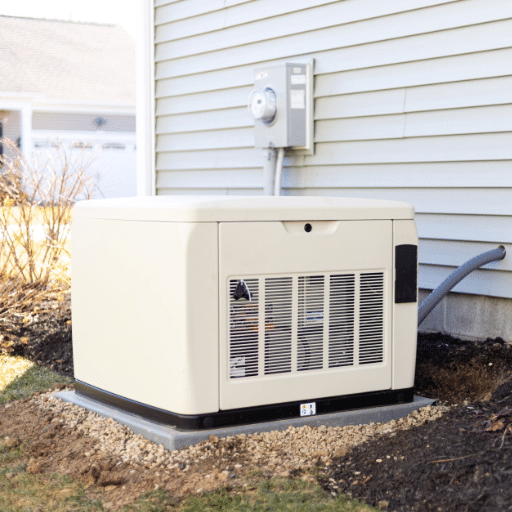
Alternatively, the type of generator will impact costs. Whole-house generators, serving the entire home, are more costly than portable units. It typically involves premium steps like transfer switches and installation when we think about standby generators, which are automatically switched on once an outage occurs.
2
Power Output and Capacity
Generators are electric-rated in kilowatts (kW). More expensive generators of more capacity are capable of carrying more machines and gadgets at the same time. You need to gauge this on your ideal operating power.
3
Fuel Type
Generators can be powered in natural gas, propane, diesel or gasoline. It can be a slight premium or a percent lower over life compared with natural gas or propane, but uses diesel or gas.
4
Installation Costs
One can easily justify the professional services of standby generators since the electrical installations, the plumbing (fuel connection), and site preparation with wire costs will comprise a significant portion of the cost. This cost will vary greatly from one place to another, depending upon the local prevailing rates and the complexity of the installation.
5
Maintenance and Operational Costs
One can easily think about the long-term costs of owning a generator when we talk mainly about things like oil changes and filter replacement. Also, another significant factor that should be considered in the overall cost is the fuel used for running a generator.
Size of the Generator
The generator size is one significant factor in maintaining reliable provision and supply capacity during an emergency. The usual rating for a generator case is in kW or kVA, these particulars making apparent what wattage can result from it. Regarding residential applications, the generator could be 7kW in size to 22kW in operating ability, a size range that is enough to power smaller-sized houses and keep basic appliances functioning. Over time, from 22Kw to 48Kw, one frequency of expanded generator outputs serves medium to greater-sized homes, which could run HVAC systems, and possibly multiple circuits. Generator power levels could approach several hundred kW in certain scenarios for industrial or business-related jobs.
Hence, in order to obtain the selection of the appropriate generator size, there is a need to perform calculations to determine the total power that would be required of all devices with their respective groups of systems operating concurrently, considering the start-up power versus the running power for critical pieces of high-energy-consuming equipment, such as air conditioning systems or pumps. Loads can be carefully estimated using an electrical input calculator or an in-person consultation with a qualified electrical engineer to ensure the generator size is sized appropriately to prevent both underperformance and overload.
Fuel Type Considerations
| Fuel Type | Advantages | Disadvantages | Best Use |
|---|---|---|---|
| Gasoline | Widely available, portable | Short shelf life, high emissions | Portable generators, small loads |
| Diesel | High efficiency, long engine life | Noisy, requires proper storage | Industrial, continuous power |
| Propane | Clean emissions, long shelf life | Lower power output, needs a tank | Home backup, occasional power |
| Natural Gas | Reliable supply, cost-effective | Requires pipeline connection, less portable | Permanent home installations |
| Solar | Environmentally friendly, renewable | Weather-dependent availability, low output | Eco-friendly setups, low loads |
| Biodiesel | Renewable, lower emissions, versatile | Limited availability, storage challenges | Eco-conscious industrial power |
| Dual Fuel | Fuel flexibility, versatile use | Higher upfront generator costs | Hybrid needs, extended outages |
Types of Backup Generators

Backup generators are primarily classified into three categories with respect to energy sources and applications:
1. Portable Generators
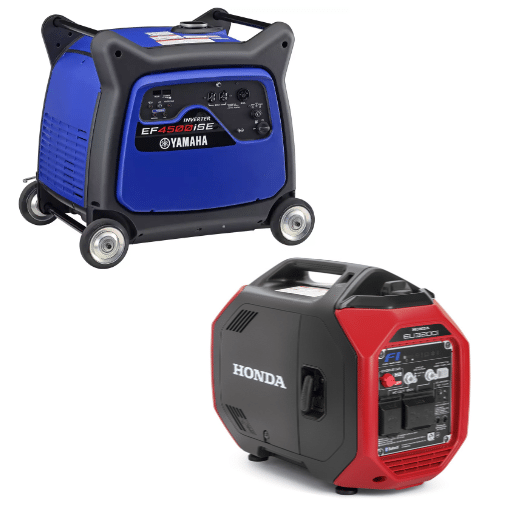
Portable generators, being small and mobile, are ideal for temporary power needs. These generators are used on-site either by gasoline or diesel fuel, and are more frequently used in outdoor events, construction sites, or inclement weather situations for a shorter duration.
2. Standby Generators
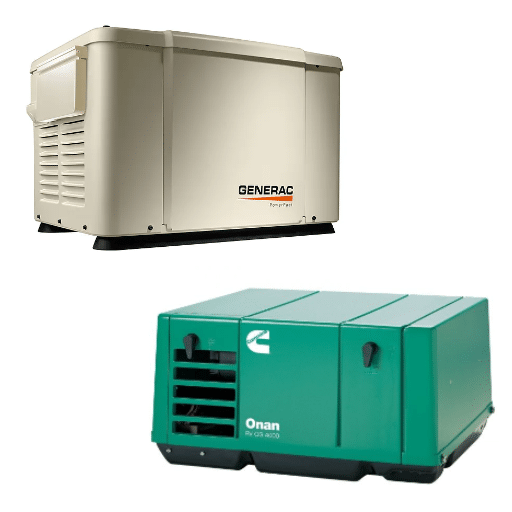
A handy standby generator, after professional installation, automatically pops up as soon as there is a power failure. These generators usually use propane or gas as the fuel and are the optimal choice for households or businesses expecting an uninterrupted power supply.
3. Inverter Generators
Inverter generators produce clean and stable power. They are thus truly energy-efficient and support sensitive electronic equipment. They work without much noise, making them ideal for camping and recreational activities.
Portable Generators
The portable power generation equipment that can be carried around, called portable generators, is made to create temporary power in various circumstances such as power cuts, worksites, and outdoor events. Normally, these types of power-generating systems use around 1,000 to 10,000 watts of power, if not more, and can accordingly run on gasoline or diesel. Over the past decade, there has been marked excitement in terms of developing portable generators’ tremendous fuel efficiency, noise pollution, and safety features. It contains present-day models equipped with in-built carbon monoxide detectors and an automatic shut-off for a regulated atmosphere to avoid hazardous exhaust emissions. Although portable, generators offer a suitable down-ratio for ease of transport between use areas. Hypotheses that carbon monoxide builds up necessitate such ventilation modes. Regular maintenance, such as oil changes and the use of fuel stabilizers, ensures overall high quality and long life. Users are now using this as a standby power supply for their residential usage as well as work-related applications.
Whole House Generators
They differ in every way from portable gas-driven generators. This equipment offers a permanent installation or are hardwired directly into the electrical system of a house, so as to give power to the system upon blackout of the main grid lines. Most of the whole-house types are fitted with liquid propane, natural gas, or even a diesel engine that allows the use of these fuels to provide uninterruptible electric power for days at a time.
Technology has enabled many improvements in the area of home standby generators, especially in terms of operational efficiency and monitoring. Most systems can now be monitored through an app on your phone; this provides running statistics on performance and fuel levels, and real-time information on the generator system. Some newer installations have cutting-edge noise reduction capability integrated with improvements in emission control so as to function well within the environment with minimum noise. Equipment sizing to meet weather-related loads is a pivotal part of the selection process. An average American home could survive on a generator between 22kW and 48 kW, covering all necessary appliances, HVAC units, and critical electrical devices in its ambit.
The cost of installation and running is higher than most but is not a concern because total house generators have a high credibility, in regions prone to hurricanes, snowstorms, and/or typical poor weather conditions that often cease power. In consideration of the longer periods without electricity service, hitting the high peak, DC energy fail demands would invariably be the recommended solution for households. Doing this system maintenance once every year then, is vital to serving the energy needs and making the sure cluster a useful device forever.
Standby Generators
Standby units are designed in a way that they can automatically provide constant power in any event that a power failure takes effect. These units are operated on either automated transfer switches, which detect power loss and, within a few seconds, start up the generator, thus making sure that there is hardly any disturbance to routine living or office operations. Most standby generator units these days run on either natural gas or liquid propane, which is energy-efficient and allows consistent operation. They are generally equipped with remote monitoring; the capacity for monitoring performance can now be trackable and maintenance alerts can be received via a variety of applications meant for handheld tools.
It is very critical for us to specify a suitable size of the standby generator for the maximized power supply of the indispensable household items and functions of the bunker. A standby generator for a resident usually comes in between 5kW and 20kW, with larger ones being primarily used for commercial or industrial purposes. Load calculation, which is done by basic power requirements of key circuits, is very important for the best performance without generator overload. It is the mistake of overloading or underloading these generators, ultimately consuming more fuel while failing to generate enough power, which in turn compromises the operating efficiency and affects the life of the system.
Engineers have lowered the standby generator noise levels. Many have also added enclosures and exhaust mufflers for quiet sound, which is awesome for the local noise ordinance. The standby generator is fully compliant with all current environmental laws. This means that standby generator technology is perfect for reducing emissions and improving combustion efficiency, ultimately a win-win for users and cleaner, healthier environments with respect to emissions.
Installation Expenses for Backup Generators

Cost Overview: The cost of installing backup generators can differ according to considerations which include size of the generator, the model, and the installation elements. On a general scale, expect $2,000 to $5,000 to incur in terms of labor, materials, and permits, depending on the generator price. Greater kilowattage output and the whole generator output can be brought about by requiring more electrical work. This, in turn, might also demand an additional fuel-consumption interface. Joyfully, going for licensed contractors would ensure strict compliance with local codes for the sake of safety. It, indeed, increases pricing but is most preferential for durability and security throughout the years.
Labor Costs
Various factors, such as the complexity of the project, the region, and the experience level of the contractor, determine the labor costs associated with the installation of a generator. Expenses incurred in labor are between $500 and $1,500 for basic installations using lesser units. Installations that must be given additional assessment tasks by upgrading the electric panel, burying more lines through the ground trench, natural gas line interconnection, etc., could lift labor costs to a much higher level, sometimes peaking at over $2,500. These figures emphasize the need for careful planning, while also encouraging homeowners to hire accomplished and licensed electricians. This will ensure that these homeowners not only comply with local electrical codes but also have trained, confident individuals at work handling the installation. Also, the cost estimations for labor have to consider the time for work to be completed, with completion ranging from a few hours to several days, depending on the specifications of the generator and site conditions.
Electrical Work and Permits
Generator installation entails observing various local, state, and national rules. This step is mostly about ensuring all necessary permits are acquired to make certain the installation is in accordance with all the safety standards and regulations. The price for a permit application can range anywhere from $50 to $200, depending on the complexity of the installation and the regulations at the local zoning department. Most installations will require an inspection of the wiring, grounding, and overall integration.
When installing a generator, the appraisal of the amperage capacity, transfer switches, and load requirements has to be considered. Electricians are experts in the National Electrical Code (NEC), and therefore are able to promise correct sizing and assembly of parts for the best performance and protection within such codes. For example, when interfacing with the primary electrical panel and utility systems, the use of an automatic transfer switch would need proper permit documentation.
Permission is a very important thing if we want to acquire the desired permissions or pass essential inspections. If your project is left without approval, even insurance coverage can become null, and safety risks become inevitable. Needless to say, experienced electricians have knowledge of local codes and permitting standards.
Additional Installation Fees
It’s always a good idea to keep additional charges in mind while going for installing a transfer switch, over and above the plain-jane cost of installation. The quantity of extra charges could vary, and the rates could be considered unappealing; some significant determinants include the complexity of the electrical system, the type of transfer switch that can be installed, and regional labor costs. Most of the items are things such as upgrading the electrical wiring, which is crucial when it comes to the compatibility between the transfer switch and established electrical panels. And sometimes we are left with the necessity of structural changes or a unique concrete pad to support an outdoor switch or generator.
Permitting fees are another typical expense, as most jurisdictions mandate submission to the main electrical system to be changed according to their approvals. These fees might vary from $50 to several hundred dollars, depending on the local regulations. Additionally, while inspections are mostly incorporated in the permitting process, the same might require additional fees. Besides, if the backup generator is being set up together with the transfer switch, further costs involved for the project rise due to load calculations, ventilation systems, or fuel line installations for generators powered by natural gas or propane.
To make better estimates for the total cost and directly share their quote, be sure to request a comprehensive estimate from licensed professionals. This can help provide transparent information and a clear understanding of any supplementing, hidden costs that could contribute to the final installation fees.
Choosing the Right Backup Generator

There are two main considerations wherein backup generators are rated as the best, compared to the couple; one is power rating, and the other is the fuel type. The first thing that has to be done is to calculate how much power will be needed; this is determined based on what must be backed up during an outage in terms of essential household appliances and life-support systems. Generator power output is usually specified in watts; select a unit providing just enough wattage while preserving a reasonable safety margin for additional power requirements.
After this step, the fuel type matching your immediate requirements has to be determined-a Diesel, Natural Gas, Propane, or Gasoline can take its place. Each has considerations to go along. For instance, both natural gas and propane are connected to utility lines so that the refueling will not be solid; diesel generators mostly give evidence of higher efficiency and durability. Upon these considerations, look at other features provided, for example, automatic transfer switches or noise levels. Doing this will ensure the generator meets your specific needs. Be certain to consult the manufacturer’s literature and obtain professional advice to guarantee an informed purchase.
Assessing Your Power Needs
This process of determining your power requirements depends on calculating wattage with respect to essential appliances and devices, with the utmost striving for work during an outage or operation. One should have an inventory of essential appliances such as refrigerators, HVAC systems, medical devices, lights, and communication links from appliance settings. From the user manual, there should be just about everything there (or at least pieces of data) from the labels. The next really effective things to combine would even be the running wattage of all devices plus the surge wattage required by specific appliances, such as air conditioners or refrigerators, during startup.
Typically, residential usage requires about 5,000–7,500 watts for basic functions, while estates or businesses call for power systems in excess of 10,000 watts capacity. With this in mind, provisions should be made for a buffer capacity to take charge of additional appliances or higher energy needs in the long run. Watt calculators or load assessment charts from generator manufacturers help at this point to give a more precise measure of the amount of wattage one may need. Ultimately, the more carefully one furnishes oneself with all the details of power requirements, the more effectively one can eliminate over- and undersizing, thereby optimizing performance and reducing costs.
Evaluating Generator Features
It is important to understand the key features that are directly liable for the proper and smooth functioning, as well as performance and efficiency of the generator that is being considered. One of the primary factors is the output power, usually measured in watts, that should correlate with one’s calculation of energy requirements. Another major factor is the type of fuel; the options include gasoline, propane, diesel, and dual-fuel systems, all with their availability, cost advantage, and efficiency. The noise generated by the generator is something to think about. An earache can result if the generators are operated in nearby surroundings. The product specifications do contain decibel ratings for easy choices.
In addition, modern generators have included advanced features, making it possible to gain more utility and convenience owing to the use of automatic voltage regulators and load stepping circuitry that checks the generator’s power output automatically against the sensed load, hence acting as a human mind. This generates an interference loop feeding instant voltage and current values to sensitive electronic components. Knowledge of the model that requires monitoring under the associated metrics data is transmitted into cloud storage, depending on performance criteria such as incentive packages. Generator design and portability should not be neglected since a focused effort, despite expense, in these areas shows results for users that require outdoor-rated power solutions for off-site or emergency applications. All these technical attributes could be thoroughly considered in designing the generator in a way that meets the individual’s needs with versatility and ruggedized robustness, with longevity and effectiveness.
Whole House Generator Costs
Several crucial factors affect the price one has to pay to acquire a whole-house generator. Among such factors, the importance of generator requirements becomes paramount, as most companies charge based on the unit’s size and design. The higher the required kilowatt rating, the more expensive the size, as the larger power supply permits the operation of more appliances that, naturally, cause more requirements and so more expenditures. Fuel is also an important element in this respect; natural gas and propane generators generally offer more efficiency and convenience, but, of course, the application might entail higher upfront costs for both equipment and fuel in the long run.
Creation costs could considerably change depending upon the electrical systems of the property and the need for modifications or supplementary equipment, e.g., the required transfer switch. Additional investments in the form of advanced features, including such new capabilities as remotely monitoring the system, attenuation of the generator’s sound level from the environment, and reinforcement of the generator housing for adverse weather conditions, increase overall investment in this case. Thus, armed with a correct awareness of these factors, a householder can make a prudent decision and budget appropriately towards purchasing and installing a generator.
Making an Informed Decision Based on Needs

Key Decision Points: Focus your attention on understanding the number of watts your home requires to operate. Verify that your emergency generator meets all your non-negotiable needs from a home heating, air conditioning, and refrigerator maintenance point of view. Make your choice in terms of fuel efficiency, the time it can run, the safety features that come along with it, and the lowest maintenance snags. For instance, make sure the generator comes designed with a shut-off mechanism when the temperature or oil level reaches an unhealthy level. Gratify your peace of mind with compliance with local electrical and safety guidelines by relying solely on a licensed and insured electrical contractor. Proper education and reliance on the knowledge of the experts can help one obtain a good trade-off between performance, durability, and cost.
Average Cost Breakdown
A generator’s overall running costs can vary enormously from owner to owner according to design, size, and features incorporated in it. For instance, a series of portable generators typically falls within the price range of $500-$2,000. Hence, portable generators are a relatively less expensive choice for lighter power demands. Standby generators, priced at around $2,500-$7,500 and installed either by the manufacturer or a professional electrician, depending on application needs, can cost well over $5,000. Jumbo industrial varieties designed for commercial use start at $10,000. Prices of such machines can range from a minimum of $50,000, depending on their load abilities and advanced features. No matter the category, the elevated running costs include natural gas and propane as an efficient form of gas consumption compared to others, like gasoline and diesel. Ultimately, annual maintenance costs will also come into play, i.e., $150 to $400 based on use and complexity of maintenance. Such knowledge will guide the prospective client as to how to go about budgeting towards the initial investment and long-term running costs.
Price Range of Different Models
Even taking only the generator types listed for comparison, the price varies at wide-ranging levels based on the type, power output, and also included features. Ferring on small and large sizes with small needs, portable generators could be found at $300-$1500 to fulfill. Mid-range includes inverter generators, well-recognized for noiseless operation, from a relative range of $500 to $3000. In addition, standby generators, which are the most robust and long-term solutions among the other types we have studied, are often found in the $2000-$10,000 range, depending on power and additional features: automatic start systems, remote monitoring, to name a few. There are some pumps too. But where once such heavy-duty tasks come into play, a high-performance industrial engine tends to find a place costing well over $20,000, especially when more kilowatt or other types of fuel requirements are considered. The wide range of these costs directly helps the user to balance operation requirements and price.
Long-Term Value of Backup Generators
The utility and necessity of standby-generators in the long run is considerable when the measure of operational continuity during a power outage they have the capacity to add is calculated. Scales for households or businesses to bear losses due to a timely decrease in output are steep. Literature reports suggest that a slight power failure could cost a small business up to a few thousand dollars; it only snowballs for a large enterprise or a critical facility such as a hospital.
The advancement of power generator technology, by which factors as fuel efficiency, the remote monitoring of performance, and longevity are becoming reasons for being identified with cost-effective longevity of operation, delivers new levels of benefits. Peerless incentives that go hand in hand with the introduction of future-friendly features and materials for automatic load management that can be employed not to squander fuel that has been supplied and to allow the rest of the components a considerable life span, are more efficiently contributing to the reduction of the fixed costs. Additionally, using green fuels like biogas and propane to power these generators will drop the environmental impact, as well as future-proof the investment against any steeper constraints on emissions.
Proper generator management and regular maintenance are very important for greater long-term value. The research points out that generators, when maintained well, can perform efficiently for 10-30 years, depending on their usage frequency and the quality of service provided. This means that good backup generators, coupled with energy reliability, are a practical and financially sound choice to fend off grid-supplied power’s uncertainties.
Reference Sources
- A Technical and Economic Study of Sustainable Power Generation Backup
Read the study here - A Comparison of Fuel Choice for Backup Generators
Read the report here - Evaluation of the Economic, Environmental, and Energy Performance of Generation Technologies for Use as Backup Sources
Read the evaluation here
Frequently Asked Questions (FAQs)
How much does a whole-house generator cost, and what affects generator cost?
The cost to install a whole-house generator can easily start at a few thousand USD, though installation costs could be hugely different depending upon a great many factors that all influence the final price. The size of the generator necessary to run central air, furnace, and any other large loads on the electrical budget, and if it is manufactured by Kohler or Generac, the cost of the entire system would change. With so many things running like a sump pump, well pump, heater, and loft fans, a generator for these loads becomes larger and costlier. Further, fuel type — should it use natural gas, a propane tank, or diesel with a storage tank — changes price and maintenance considerations.
Can I install a whole-home generator to protect against a power outage?
Yes, whole-home generators are intended to continue driving your critical systems in the event of a utility power outage, providing backup power in the process. Many homeowners are willing to invest in an automatic transfer switch (ATS) – meaning the generator automatically starts operating as soon as the power goes off, allowing the sump pump, furnace, and central air to continue functioning during the course of frequent power outages. Installation costs can vary based on the complexity of hookups, necessary fuel line work for either a propane tank or connection to the natural gas line, and permits required.
What generator size do I need to power large loads and whole-home systems?
And that’s how to choose the right size generator: the discussions will focus on the size of your house in square feet, the number of big loads like central air, well pumps, and heavy-duty household appliances, and the issue of running everything or running just the essential systems.’ The installation of a whole-house generator will require an estimate to size the generator, for which the required starting and running watts for devices such as the furnace, sump pump, central air, etc., will be listed, so the load estimator tool can be used to avoid going undersized. Whole-house generators require larger-capacity kilowatts than in-home portable generators and often require one to be set up with the help of an electrician.
How much does it cost to install a whole-home generator, and what factors affect installation costs?
There are various factors involved in making an estimate of the installation costs. For instance, expenses include permits and the difficulty in tying into your electrical panel. Should you require a propane or bulk storage tank upgrade, this tank will add another hefty bill to the installation. Therefore, you must also consider poured concrete slabs. Some examples of standard installations include ATS wiring of connections to gas or fuel lines and testing. The installer typically presents the entire installation quote for labor and materials. Costs to install an entire system might be given in USD and possibly with some options for discounts or payment plans for monthly installments.