
All portable generators are not the same when it comes to their power output and efficiency. These type of resources are reliable, effective and downright nifty. With a device contracted to ease in the power breakdown inconveniences the inverter series are the most able alternative. When using traditional sources of electrical power, it mostly leads to wastage with instability; however, this is not the case with their inverter counterparts. The total everything you need to understand about how the inverter generators work and perform, how energy efficient they are, and why the inverter generators are someone’s preferred option if there are other types of generators available.
Understanding Fuel-Efficient Generators
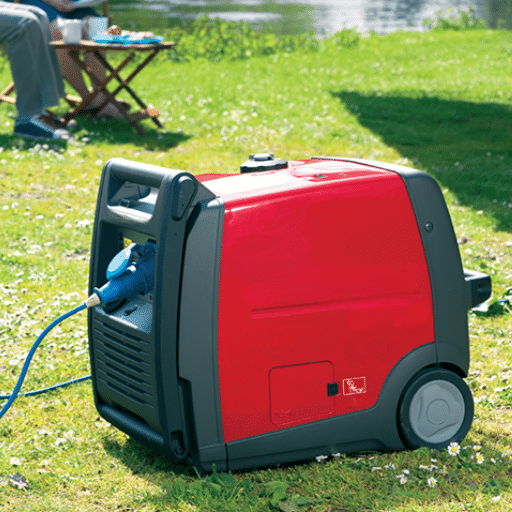
The shape of a power-saving generator is meant to lessen the intake of fuel while maintaining efficiency. These power saving alternatives will typically use some of the most advanced technologies, such as the inverter systems and other throttle control devices that curtail the engine speed on the basis of required power. Thus, they don’t consume power that is not required from the engines, making the respective fueling efficient. Those who use less gas power generators mostly depend on lightweight equipment which are easy to move from one place to another.
What is a Fuel-Efficient Generator?
A generator with a high fuel economy is a device that is used to generate energy in a manner that allows it to produce maximum energy with minimal fuel. One of the known concepts in these devices are the systems that include the electronic fuel injection (EFI) systems, load sense operations, and inverter technology to ensure that the specified levels of operations are upheld regardless of the condition. They function by responding to power demands for effective production of energy and to that end reducing wastage.
Advances in technology even suggest that the thermal efficiency of some of these can achieve almost 40% or more depending on the make and the use. A related aspect of their features is that they are characterized by a limited tendency to emit greenhouse gas components. These are more market-oriented preparing them competitively with increasing awareness that calls for environmental conservation and energy saving. Boilers, particularly, are of great importance in terms of being economical, especially if there is constant operation, because they reduce the number of refuelings and operational costs to a greater extent.
Benefits of Using Fuel-Efficient Generators
1. Reduced Fuel Consumption
Manufacturers of fuel-efficient generators put in a lot of effort so that the equipment uses less fuel. A good example in this case is current models that are provided with an innovative power inverter technology which can cut down on fuel usage by as much as 30%, thereby saving the amount of money one spends on fuel.
2. Lower Operational Costs
In this intellectual generation, running generators means also means the operational costs directly derive the coupling of the applications whether they are permanent of temporary in nature. For instance, in industries that are in operation 24 hours, the use of such models can help advance in cutting down on such costs by enacting such expensive models.
3. Minimized Environmental Impact
Economic generators consuming reduced fuel do not release many harmful gases and carbon pollution compared to the third centers of the same rating category. Accordingly, the report also acknowledges that many such generators have been introduced successfully to reduce carbon footprint up to 25% making them more practical in the current climate of greater carbon reduction ambitions.
4. Extended Engine Life
Running a machine smoothly actually makes it last even longer. This is because a few or no usage-related alarms means that it is prone to having a longer life. This is due to the fact that less effort is put in, over time, in carrying out services such as repairs and maintenance on the machine, which translates to time as well as money saving securely.
5. Quieter Operation
Quite a number of the fuel-efficient generators that one can find incorporate different types of high-tech noise-reducing devices, making them usable in particular places like areas with people in them, such as homes and shops, as well as hospitals, and even certain picnic setups that are noise-sensitive. Those who make noise as among those on low levels of efficiency may even go down to around 50 or 60 decibels when working with no load.
6. Portability and Compact Design
It is apparent that values of fuel efficiency will most often reflect the alteration level in design. As opposed to the older generation these generators are even more light weighted and even more suitable since they take less space thus they are very fast and easy to assemble on the basis that the ability and general performance is highly retained.
How Fuel Efficiency Affects Cost Savings
When it comes to generators, the fuel efficiency impacts the working cost directly. This is through the reduction of the fuel usage with time. Therefore, a new model of generator with high fuel efficiency rating is able to work longer while on one tank full of fuel compared to the older inefficient generators this enables one to save on money. According to industry estimates, up to around 40% of the fuel costs of gas and diesel generators which are efficient can be saved in more extended use scenarios. Furthermore, they save time during operation.
Apart from the short-term benefits, fuel efficiency assists in cutting down the costs incurred in featuring maintenance services, because the burners that have efficient burn less gas produce few dirt and less carbon that accumulates in the engine reducing engine wear and tear leading to an increase in service lube interval. Gen Cumulative savings can also be expected in the course of years due to this type of service being lesser hence promoting fuel savings further making these models economical. In a full cost analysis context, businesses and household users might find it essential to evaluate the projected lifetime costs, especially when determining certain assets, fuel economy being a key factor to the extent that it serves as a sanction cost.
Common Types of Fuel-Efficient Generators

1. Inverter Generators
These/even traditional generators are highly efficient in terms of fuel because of the functioning that changes the engine speed according to the power usage instead of keeping the engine at a constant speed. They are most suitable for powering appliances that are vulnerable to power surges and small home appliances because they provide electricity that is stable and does not surge quickly and least fuel consumption.
2. Portable Generators with Eco-Modes
Generators like Portable, which equipped with the Eco-Mode function and during the period of weak energy consumption fall out of their power, reduce fuel consumption and the level of waste released from the exhaust system. These generators are good for temporal tasks including such activities as camping or maintaining the function of a house in the absence of the power source.
3. Standby Generators with Advanced Engines
Furthermore, in the present time the standby generators consume less fuel as the engine within them was designed to use the less amount of fuel while burning. In most domestic and or industrial applications back up powers prefer such generators due to their efficiency and long term services.
4. Dual-Fuel Generators
For all the above-specified types of generators, this unit can work with gasoline and propane; fuel type choice could help to reduce the consumption of fuels or control it, depending on what’s available. They provide reasonable efficiency and functionality however and for a good number of applications, they are an acceptable vendor kind
The decision on choosing the right generator should be influenced by the power requirement, the type of fuel it has, the equipment in action whether there is a service needed or moving of the tools needed in the case of portable generators, or does it need back up power to be installed all times.
Inverter Generators vs. Traditional Generators
| Key Point | Inverter Generators | Traditional Generators |
|---|---|---|
| Power Output Quality | Consistent, clean power for sensitive devices | Fluctuating power, not ideal for electronics |
| Fuel Efficiency | Highly fuel-efficient due to demand-based output | Less fuel-efficient, constant power output |
| Noise Level | Quiet operation, ideal for residential use | Louder operation, may require soundproofing |
| Portability | Compact and lightweight for easy transport | Heavier and bulkier, less portable |
| Parallel Capability | Can connect multiple units for increased output | Typically lacks parallel functionality |
| Initial Cost | Higher upfront cost | Lower cost for basic models |
| Maintenance | Requires regular maintenance of advanced systems | Simple design, easier to maintain |
| Power Capacity | Lower power capacity (typically below 7,000W) | Higher capacity for heavy-duty use |
| Technology | Advanced inverter technology | Conventional generator systems |
| Applications | Ideal for camping, RVs, and home electronics | Best for large appliances or construction |
Portable vs. Standby Generators
| Feature | Portable Generators | Standby Generators |
|---|---|---|
| Cost | Lower upfront cost | Higher initial investment |
| Power Output | Typically 1,000W to 10,000W | Up to 20,000W or more |
| Installation | No installation required | Requires professional installation |
| Portability | Lightweight, easy to transport | Fixed, permanently installed |
| Power Source | Gasoline, propane, or solar | Natural gas or propane |
| Start Mechanism | Manual start or electric start | Automatic start during outages |
| Use Duration | Limited run time per fueling | Long-term operation during outages |
| Noise Levels | Typically louder, around 60-90 dB | Lower noise, approximately 50-70 dB |
| Maintenance | Easy to maintain with basic care | Requires regular professional maintenance |
| Ideal Applications | Camping, small tools, and temporary emergencies | Whole-home backup or commercial use |
Diesel vs. Gasoline Generators
Comparing and contrasting diesel and gasoline there are several issues that are needed to be considered on an equivalence basis such uses and inner confines of their powers. This distinction is based on the fact that there is more fuel economy in diesel generators than in gasoline ones. The reason for this is that due to the fact that each of the diesel generator units uses a smaller amount of fuel reactions to it for a single kilowatt hour of the fuel, indicating the better results in favor of the diesel ones performancewise, the well efficient diesel generators are the most efficient solutions of the resistance-loaded operation.
Another substantial consideration is the ability to perform effectively when the system is under strain. Diesel generators are effective in all power requirements, be it light, medium, or heavy, and moreover are more tolerant to the threat of overheating, which makes them an excellent choice for industrial work or having a primary source of power where one requires a backup system as well. On the other hand, petrol engine generators may run out of operational power in instances where usage is prolonged or extreme which means that it is suited for light duties only for irregular use where there is a need for backup at home or for outdoor recreation purposes.
Choosing the Right Fuel-Efficient Generator

Prior to making any decision regarding the green power supply device to change an old generator motor driven by fuel with a power-operated inverter in households, consideration must be given to the purposes, power requirement, and energy resources. When there is a need for an uninterrupted energy source driven by high output exploits and operating hours, the best solution here is diesel gensets. These machines are more robust and tend to work better even under load.
On the other hand, for houses of low or irregular utilization, such as those in remote areas, petrol generators are a more convenient and cheaper way available. Check the fuel consumption and running hours ratings of the machine as well as the provisions needed for keeping it in good condition for a longer and efficient use period. Efficiency is thus expected out of the machines, so it is best always to verify if the running machine is in line with the power required so as to avoid performing below the machine’s maximum efficiency.
Assessing Your Power Needs
Estimating power requirements entails finding out the total wattage of all the gadgets and equipment that you will need to use at the same time. First of all, note the starting watts (or brute degree watts) and the running watts of each and every gadget, which can be seen from the device manual or sticker. Remember to include the surge watts of strong-start appliances such as fridges or air conditioners because their running wattage is usually a fraction of that during startup.
Conventional wisdom says to get a power source that is about 20% to 25% bigger than the total watts that you have computed to provide a cushion for any unexpected load that may happen or added devices in the future. In this respect, another factor to be taken into account in using a generator is whether you need single-phase or three-phase power, particularly in industrial or commercial applications because many of these facilities shall utilize heavy equipment requiring three-phase power. Powergen calculators are an extensive and complex system of understanding these calculations.
Key Features to Consider: Portability, Noise Levels, and Budget
While examining the efficiency of the Crushing Machine, its simultaneous performance capacity is a fundamental condition, especially if the device needs moving from one place to another. Smaller and lighter versions are provided by models with wheels or hasps, which accept the specific requirements of the vehicle. Best silent design criteria in relation to air compressors is also available since continuous noise can lead to distress or even more severe issues whereby it might break the local council noise restriction—This again points to the fancy exhaust systems or encasements.
Companies should also consider budget limitations; the thought of investing in low priced units may be exciting but it’s often not the most cost effective thing to do. Such as purchasing a vehicle for example, it’s worth investing in vehicles with good fuel efficiency and lower startup costs because it saves maintenance and fueling money in the long run. Decisions regarding this matter can be difficult, and hence, product features and specifications, especially those that concern technical information like decibel readings, dimensions, performance, and endurance, with particular queries or demand parameters, may play a crucial role in making a good decision.
Maximizing Fuel Economy with Your Generator

- Run at Optimal Load: An optimal load to power plants is between 50% and 75% of the power plant. Avoid the extremes of overloading and underloading.
- Perform Regular Maintenance: Replace the air and oil filters as required, relubricate as needed, and regularly check for signs of wear to ensure consistent generator performance.
- Use Quality Fuel: Running through the pores of the fuel Smoke should be eliminated to reduce the workload on the engine due to poor combustion.
- Limit Unnecessary Devices: To lessen the energy consumed and further the drop in fuel used, make sure that only necessary devices or electric appliances are activated.
- Follow Manufacturer Guidelines: Follow the six working steps from the guidebook, as it solely talks about the maintenance requirements.
Adherence to these recommendations of energy-productive policy will help you in reducing consumption of liquid fuel spending while at the same time increasing the useful life of your equipment used.
Tips for Enhancing Fuel Efficiency
1. Perform Regular Maintenance
Regular proper care is what allows the engine to run on optimal fuel standards as highlighted in a research by Multiple Researchers at the U. S. Department of Energy, a good or rather a cared for engine can burn 15% to 50% less fuel. This also includes regular oil changes, air and fuel filter replacements, and ignition of spark plugs to ensure full combustion of air and fuel with no waste.
2. Monitor Load Levels
Fuel goes to waste when a generator is running on some other load other than what has been specified in the load curve of the generator. Some generators do not operate efficiently below 50%, in fact, this kind of operation results in extreme conditions such that about 30% of the more fuel is used. Proper loading requires that the load to be supported by the generator should lie within a certain efficiency range.
3. Use Fuel Stabilizers
Fuel preservation, on the other hand, is a function of fuel stabilizers that prevent oxidation and rapid evaporation of high volatility compounds as well as a decrease of fuel economy. Stabilized fuel has been proven to last for as long as one year and burn very effectively as well, hence saving more fuel for future applications.
4. Upgrade to Energy-Efficient Models
Switching to modern, more efficient generator units equipped with the advanced inverter technology provides the ability of 40% savings in fuel costs compared to standard applications of diesel gensets. The technology makes the generator very good in such applications as power sources of varying load.
5. Optimize Operating Conditions
If the engine is operated at high temperatures with poor circulation, the efficiency is decreased, with mechanical strain being high and heat removal less efficient by about 10 to 15 %.
6. Turn Off the Generator During Idle Periods
Running an engine that is idling can be considered as fuel wastage as well as wearing out of parts due to abrasion. According to research, it has been proven that doing away with the idling periods results in a reduction in fuel wastage, which over time could help in saving up to 5-10% off the fuel used.
7. Utilize Alternative Fuels
Some gas-fired electric power generators can run on other fuels like natural gas and propane, and these tend to be more climate-friendly and energy efficient. Propane emissions are between 10 and 20% lower than gasoline emissions but the efficiency is the same compared on energy output laps.
8. Use Power Distribution Efficiently
Efficient load sharing among the devices makes sure that the generator is not too loaded, preventing excessive fuel consumption. Connecting high-priority items before the portable generator and starting up the rest with time delay helps in getting the best out of the set up design and elements within it.
Common Myths about Fuel Economy in Generators
1. Running at Full Capacity is Always More Efficient
It is a mistaken belief that when a generator is run at full throttle, it is the most fuel-efficient. It is true that higher loads produce more net work output, within the efficiency zone. However, constantly operating the machine at 100% load will render the generator unusable; all equipment parts will be subjected to intense wear and as a result the service life reduced, which will be counterproductive in respect of the fuel consumed. In most cases, the greatest benefit one can get from a generator is to run it between 50% and 75% of its full capacity.
2. Smaller Generators Use Less Fuel
It is not always true that a smaller generator will have a lower fuel consumption. The size of a generator in relation to the load it serves is what determines the amount of fuel the generator will preferentially consume. When a smaller generator is placed on full load, it uses rather more fuel to displace a predetermined value of the output power as compared to a larger generator that is working in the optimum range. Calculating your load correctly and choosing a generator of appropriate size with that load will, however, save fuel as much as possible.
3. Premium Fuels Lead to Better Efficiency
There are those who believe that the use of a higher octane fuel or a premium grade fuel will benefit in terms of fuel efficiency. Most generators are engineered in such a way that they can effectively run optimally on the kind of fuels which have been recommended by the manufacturer. The use of premium fuels which exceed the normal requirements of the generator does not necessarily improve efficiency and may additionally escalate operational costs due to no performance gain.
4. Turning the Generator On and Off Frequently Saves Fuel
An excessive number of on/off cycles when using generator in order to save fuel, not only increases fuel consumption but also wears out the engine. With each the generator must first consume an extra volume of fuel and such wear can have some implications on the performance of the component. To maximize fuel efficiency, one should minimize stop and go operation of the generator by using it when the load is needed and leaving it turned off if the machine is not in use for an extended period of time.
Maintenance and Efficiency Tips

- Perform Regular Maintenance: It is a good idea to maintain the generator through such activities as the replacement of oil, the replacement of the air filter, and the examination of the spark plugs so as to promote its operational efficiency and longevity. Always consult the system’s manual for the recommended length of time on such tasks and the corresponding steps to be followed.
- Use Quality Fuel: Most importantly, the use of dirt-free and quality fuel can help to prevent the buildup of residues and hence avoid the potential of the fuel system experiencing diesel bug. Therefore, it is recommended using a fuel stabilizer for long term storage of the generator.
- Operate at Recommended Load Levels: Avoid running the generator as much as possible when the load exceeds the specified power, in order to prevent efficiency and increase in fuel consumption. The engine is also affected by maximum loads which result in increased rates of wear and tear.
- Inspect Before and After Use: It would be better to have all connections properly tightened, ensure there is no fuel leakage, and also that there are no visual signs of wear in the generator before using it as well as after. Such a meticulous inspection will prevent a possible escalation of the problem further.
- Store Properly: Out of usage period, see to it the generator is well kept clean and inside a dry place. In the cases of longer idle periods, see to it that the fuel is drained from the tank to avert fuel going bad.
How to Maintain Your Generator for Maximum Efficiency
Regularly cleaning your generator is necessary to preserve its efficiency, and extend its life. Clogging, overheating or decreased machinery performance due to dust, dirt and oil deposits is likely. When cleaning, use a soft, absorbent, and soluble cloth to get rid of any liquids remaining in the grooves and the fan trim sections. For inside areas, comply with the rules of the company, and don’t use unsafe methods of cleaning sensitive units. The next issue, which is important, concerns lubrication. This is the method that ensures that moving units like the motor as well as the alternator move without too much sticking.
Always opt for the type and viscosity of oil as written in the user manual and also take into account frequent changes in oil after 50 and 100 hours of running the engine or depending on the instruction of the manufacturer. To prevent any glitches, the battery of the genset as well as its electrical wiring must also be monitored by the administrative staff on a weekly basis. An individual may want to inspect the battery terminals for signs of rust and remove any excess residue. Thereafter, the connections should be checked to see to it that there are no loose ends, especially the electrical battery, once in a while, in order to ascertain that it is able to hold the charge.
Understanding Fuel Economy in Generators
Fuel economy in power generation depends on several factors that affect the overall performance and the operational cost as well. These factors include the design of the engine, the way the load is managed, the type of fuel which is used and the manner which maintenance is carried out. The modern engines are even more efficient designed since they have technologies such as electronic fuel injection which make them very economical in operation. This means that they can run for longer without any additional fuel consumption. One must carry an adequate load on the generator or avoid exceeding the generator’s rated kW to ensure the engine operates under optimal conditions.
Fuel type used also stands out in achieving economy in fuel consumed. For example, in comparison with gasoline engines, the diesel engines normally operate on less fuel due to the neat fossil energy carried by the diesel fuel. Propane and natural gas-powered engines, which have cleaner emissions, might achieve lower fuel efficiency compared to the diesel engines. For the overcoming of friction losses and the maintenance of good combustion, periodical water filter change, as well as appropriate application of oil, are necessitated.
State-of-the-art gasoline and diesel engines, for example, are getting employed in back-up generators to manage power demand in real-time such that only the fuel actually used is burned. This has made them very effective in domestic and business situations where it reduces effectiveness enhancement whilst keeping functionality costs to the minimum. Interpreting those factors helps in acquiring and running the power backup unit in a way that it gives the best of both effectiveness and security, in addition to coping with the over question of funds over the long run.
Reference Sources
1. Gas Power Generator
2. Control of Biodiesel Generator Set in Biomass Gasification Emulation for Use in Emergency Energy Module (EEM)
Frequently Asked Questions (FAQs)
What makes a fuel-efficient generator ideal for home emergency backup power?
The primary reason for having a fuel-efficient generator is to provide a reliable source of backup to homes in cases of an emergency situation, minimize usage of fuel thus also lowering the cost of operation and the number of refueling trips. Quite a number of them are designed with inverter technology for noise-less power and clean power output for the type of appliances used in this modern technology among them laptops and chargers. Such generators should have a large capacity fuel tank as well as a continuous power rating high enough to enable operation of essential electrical appliances without turn up and down after several usages.
Are diesel generators more efficient than gasoline models?
Diesel generators are well-known for their efficiency in handling high fuel requirement and performance standards, such as those experienced at construction sites or used for huge home emergency systems. They are often deemed to be more dependable and require longer overhaul periods, thus amortize better compared to other power classes even with the increased capital cost. Their energy content helps them generate more power over a longer period, although factors such as the availability of fuel and emission control should also be accounted for (EPA Standards). Inverters and/or surge protectors are advised when operating sensitive electronics.
Which generators available combine quiet power with reliable backup?
With many inverter generators nowadays, power generation is not only silent but also convenient as outputs are smooth enough for use for laptops and smart chargers. Hushed Super Quiets or Super Eco Models specifically cater for the need of reduced noise levels whilst maintaining high fuel efficiency which are suitable for both home, RV or tailgating or any such use. When inquiring, look at the rated watts and any of the protection from changes in electrical loads inherent. Besides, it is advisable to look at the ease of repair and procedures for maintenance to achieve continued problem free operation of the must have devices.
How do you adjust fuel efficiency and output on inverter generators?
Inverter type generators vary their engine RPM depending on the load and this, in turn, boosts fuel economy, and lessens noise production especially during off-peak times. Consequently, effective performance at a lower control costs. Another advantage is that it minimizes operating costs in cases of portable generators using up an entire tank of fuel. The effect of electrical and other equipment on the service life and maintenance of this generator thus makes this disadvantage manageable. Plus, lower fuel expenses may be achieved by sizing the generator according to the actual power requirement rather than over sizing.