

When considering generator arrangements, the selected type of fuel tank and base tank design play a central role in determining efficient, safe, and reliable operations. Whether for an industrial, commercial, or residential setup, it is always wise and prudent to understand the different types of fuel tanks available on the market and their purposes when making this decision. In this article, we shall look at the anatomy of the generator fuel tanks and base tank options by dissecting the structures of each component, the capabilities, how they are supposed to be installed, and how they adhere to the requirements of the respective profession. Subsequently, this helps the consumer make an informed choice of the fuel tank that best suits the operation of the power unit, ensuring effective functioning and long service life.
Understanding Generator Fuel Tanks

To design the generator fuel tanks and base tank options already discussed, factors such as use, positioning, and running time are to be considered. For this reason, the volume of the tank designed should be adequate to serve the amount of fuel consumed by the generator over a certain period. Almost always, fuel tanks are designed to resist the environmental impact and curtail fuel leakages, which are easily constructed from hard steels and plastics such as polyethylene. The above description of installation implies adherence to certain laws in the residence, the closing of all hatches and boxes, and the strategic placing of tanks. According to the general rule, it is desirable to clean a fuel tank promptly to prevent fuel from aging in the air or contamination from water.
What is a Generator Fuel Tank?
Fuel tanks are vital additions to most generators, which operate through their purpose of preserving fuel and supplying it regularly. This enables the generator to be active and have fuel to produce electrical energy. Generator fuel tanks are available in different sizes and range from portable tanks to stand-alone tanks, depending on the generator capacity and the purpose for which it is used. Depending on the material of construction, which is mostly steel or high-density polyethylene, fuel tanks can withstand the effects of corrosion, destructive forces, and elements in the outer environment. These include a fuel gauge, safe filling, and mechanisms for leak and overfill protection. Installation requires everything be done in accordance with safety standards and to plan all components, including air supply and containment. Fuel systems should be maintained, including cleaning and controlling dirt, in order to keep the system working properly without unnecessary failures.
Types of Generator Tanks
Generator tanks can be divided into several classes based on the structural design, site of the tank, and operation mode. These include the main forms:
Bases and Fuel Tanks
Tabletop base tanks are essentially tanks and bases combined, and the generator is placed on top of the combination. Such tanks are mainly used for stationary solutions of generator installations, and they do not occupy much space. They also store fuel for short and medium periods and include provisions preventing spillage.
Buried Fuel Tanks
Buried fuel tanks, on the other hand, are buried below ground level. They are good for places that do not have enough space or large generator fuel tanks because they have large tanks. Such tanks are subject to strict control to avoid soil and water pollution with high requirements for tightness, corrosion, and equipment monitoring or leakage.
Tanks Above Ground (AG) for Fuel
Fuel storage tanks outside the earth’s surface are installed on the earth’s surface, which makes them easy to access, maintain, and dismantle in case of replacement or relocation. They are available in different sizes, with some having the option of a spill inner tank to protect the environment. They are ideal for deployment in systems that require a minimal storage system and rapid refueling facilities.
Important Consideration: Each alternative has its pros and cons, but choosing the right alternative is based on variables that include the size of the generator, the structural site plan, and environmental concerns where the storage tanks are being installed.
Importance of Tank Size for Runtime
The capacity of the fuel tank, in tandem with the duration of the operation, determines whether the generator can sustain without refueling. Bigger tanks are long-lasting, fuel intervals are increased, hence less downtime when running out of fuel during moments of prime operations. However, the determination of the tank size is not just an easy task, as it must address factors such as how much fuel the generator consumes, its working environment, and when it is expected to be in use. For example, standby generator sets that support demand centers such as hospitals or data centers will require much larger tanks than home fills or standby units. More importantly, proper tank size in terms of capacity should consider the applicable storage requirements, temperature effects on fuels, and elaborate on measures taken to curb spills or overfilling. These items ensure that a generator works at its best and within the confines of efficiency and related laws.
Base Tank Options for Generators
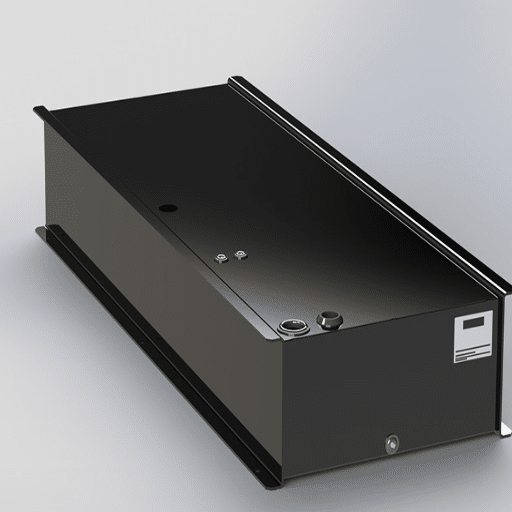
When it comes to generator fuel tanks and base tank options, the most common types are the single-wall and the double-wall tanks. The single-wall tanks are cost-friendly and are most appropriate to be used in situations with some existing secondary containment facilities. On the other hand, double-wall tanks offer extra protection because they have another layer on the outside that suppresses any overflow and, hence, are recommended in situations where environmental protection is of the utmost importance. Tanks can be made of different materials, most of which include steel or polyethylene, or any other material, and it is critical to evaluate them based on the type of fuel and durability. Sizing, conformance with codes, and the facility of attachment of accessories are very important when it comes to base tanks for generators and ensuring their proper functioning.
What is a Base Tank?
Under-the-generator fuel tanks are base tank options whose function is to provide fuel to the generator stored in the tank underneath. Because of their positioning, they need to be double-walled to avoid any leaks and meet environmental standards. Such a base tank should be made of steel or polyethylene as these materials are compatible with diesel, petrol, or other types of fuel and can also be used in adverse conditions. They come with vents, inspection lids, and gauges, among other essential features for full generator operation management. The choice of a base tank is usually in accordance with several factors, including the amount of fuel a generator consumes, the laws of a particular jurisdiction, and whether a safeguard for cases of overflow is needed. Base tanks are prominently used in power-generating equipment industries where there is a need for constant backup, and safety is always the number one priority.
Differences Between Sub-Base and Above-Ground Tanks
Definitely, below-ground and above-ground generator fuel tanks and base tank options have differences in structure, use, and regulatory concerns. Base tanks are positioned right at the generator’s bottom, and hence, they are monolithic in construction. These types of tanks usually include a secondary tank inside for reasons of safety and generally have spill stops and leakage prevention systems as well. They work perfectly well where the available space is very small or where the generator and its base have to be unitary.
Above-ground fuel storage tanks vary in terms of their construction and size, but they also differ in that they are manufactured separately from the generator and do not have a generator due to their size. This type of tank is more accessible for checks, repairs, powder after powder, and storage of fuel in/out, yet takes up considerably more space and incorporates heavy fire and environmental policies owing to the said studies. This type of storage is designed for the operations or entities where large fuel storage is necessary. While including a base tank is one of the main advantages and priorities in the design of sub-base generator fuel tanks and base tank options, they pose inhibitors, as mentioned above, to a wider variety of generation activities.
Choosing the Right Generator Base Tank
Determining an optimal generator fuel tank and base tank options is an important step, and it involves an assessment of operational and safety regulations, among other aspects. Whether it’s the additional tank capacity, proper usage of a given area, or avoidance of any legal breaches, these are the factors that need to be taken into account when designing upright tanks. These tanks may be utilized for the storage of huge amounts of fuel, therefore requiring a lot of space, and this includes strict regulations regarding infrastructure and fire safety. Unlike these, theoretical tanks consist of plane, structural members, knitted to form a surface, over which the field is visualized, and have the advantage of integration with the view, minimizing space requirements and reducing dangerous fuel spills. They, however, suffer the drawback of low fuel capacity, implying that the generator is heavier with the tanks filled and could need strengthening to accommodate the base weight.
Key Selection Criteria
- When it comes to the selection of storage tanks, fire and environmental standards are key considerations. Ensure all tanks are UL listed (e.g., UL 142 or UL 2085) for fire resistance and environmental safety, making sure they are built to last and meet the local regulations for storage tanks.
- Look at the amount of fuel consumed by your operations to identify the capacity – to enable delivery of the generator output for full load conditions for 24 – 72 hours, being the normal practice.
- Moreover, look at the challenges posed by weather conditions in the area apart from the mechanical refuelling and servicing of the tanks in place of the existing one other than enhancing defences for possible spills.
In the long run, the choice of generator fuel tanks and base tank options should afford maintenance, operational safety, and necessary infrastructure provisions needed for a stable supply of fuel.
Regulatory Standards and Safety

When assessing the fuel storage facilities for generators, it is crucial to ensure conformity to all relevant local, state, and federal rules and guidelines. Among critical regulations are the adherence to Environmental Protection Agency (EPA) policies, particularly the Spill Prevention, Control, and Countermeasure (SPCC) Rule, which requires control measures for above-ground storage tanks and those exceeding certain capacities. The other important regulatory framework is the National Fire Protection Association (NFPA) codes, such as NFPA 30: Flammable and Combustible Liquids Code and NFPA 110: Emergency and Standby Power Systems, which provide the requirements for storage, fire suppression, and system performance. Moreover, the system operators have to ensure that the secondary containment systems of the tank’s capacity requirements are fulfilled in case of a leak or a spill. It is also very important to carry out periodic inspections as well as labeling of the tanks appropriately as safety measures and for legal reasons.
Understanding UL-142 and UL-2085 Standards
The UL-142 and UL-2085 standards specify the design, construction, and application of flammable and combustible liquid storage tanks that meet the safety and performance criteria.
| Standard | Description | Key Features | Applications |
|---|---|---|---|
| UL-142 | Aboveground tanks built using steel materials for non-pressurized storage | Wall thickness specifications, weld strength, and leak resistance capability | Regular use of applications adhering to local and national fire safety codes |
| UL-2085 | Aboveground tanks with additional fire-resistance and impact-resistance measures | Inner tank with insulation, enhanced fire prevention measures | Areas requiring extreme safety levels, sensitive ecological regions, and congested areas |
As per UL 142, this aboveground tank is built using steel materials. Such tanks are suitable for keeping most applications, i.e., fuel, water, chemicals, and waste oil, and are not pressurized. Within the framework of UL 142, key specifications concern the thickness of the walls, the strength of the welds, and the capability to resist leaks. The tanks conforming to this standard can be mentioned for the programs of any regular use and shall adhere to the utmost local as well as the national fire safety codes.
UL-2085, on the other hand, offers protection for Aboveground Tanks, which utilize additional measures of fire-resistance and impact-resistance when in place. The placement of these tanks makes it a fire prevention measure because they have an inner tank that has insulation. This is mostly applicable to UL-2085 tanks in certain areas where safety levels would be at an extreme. Otherwise, strict adherence is optional within sensitive ecological regions or congested regions.
Critical Insight: Both these standards carry great importance when appealing to issues associated with work safety, protection of the environment, and maintaining appropriate standards. Whether to choose UL-142 or UL-2085 is decided in the context of a particular application that involves the likelihood of risk as well as risk acceptance levels.
Storing Flammable and Combustible Liquids Safely
It is an essential regulation that flammable and combustible fluids be appropriately contained and utilized in the correct amounts in order to eliminate any possible outbreak of fire.
Essential Safety Measures
The destructive capacity of any flammable liquid can be greatly lowered if the following measures are employed:
- Storage condition – or container – the present symbol of any standard which allows the immediate storage – must be an OSHA and NFPA container, especially for use with flammable and combustible substances such as flood waters and petroleum crosses. This limits the escape of any volatile solids and the ease of any ignition from outside.
- Area of storage and its ventilation – Liquid substances should be stored in such a manner that they are properly ventilated, preventing heating equipment, open flames, or enclosed electrical machines that may produce sparks, from coming into contact with them. There should be a sufficient degree of separation from occupied areas, and there should be adequate ventilation so that there is no concentration of hazardous vapor.
- Fire-fighting cabinet – This involves the use of storage cabinets that are fire-resistant and which are specifically made for flammable liquids in their containers. The said cabinets are required to be NFPA 30 and OSHA compliant in order to resist high heat and to prevent the spread of flames.
- Labeling and Segregation – Ensure that every storage location and container is labeled with the relevant hazard warnings without fail. Apart from this incompatibility of chemicals should be addressed by means of segregation.
- Quantity Limitations – Adhere to the stipulated storage limits according to the NFPA and OSHA standards. In case of indoor storage, regulate the carried quantities to levels lower than those that require fire suppression and other control measures.
- Spill Containment – Use additional containment step measures to reduce the risk of a breach or an outflow occurrence. Spill containment systems shall also have the minimum capacity to contain 110% of the volume of the largest container.
- Employee Training – Conduct refreshing training for the personnel in the safe handling of such goods, emergency conditioning, and utilization of equipment in the handling of flammable and combustible liquids.
If these measures are carefully observed, including the regulatory standards, for example, NFPA 30 and OSHA 29 CFR 1910.106, storing such chemicals becomes less of a hazard in such installations and is within the laws of safety standards. It is also pertinent for all studies to encompass additional searches on requirements unique to particular industries or local contexts, specifically the local, state, and federal regulations.
Compliance Requirements for Every Tank
In order to comply with the safety regulations that relate to the storage tanks, it is important to keep the following requirements. First and foremost, all tanks’ constructions should be in accordance with certain standards like API 650 or UL 142 dependent on the material of the tank and its type. Secondly, perhaps double-wall tanks or secondary cases should be introduced in controlling spillages and leaks, which is a requirement from environmental services (EPA) as per the SPCC rule. As if that is not enough, it is only right to have a way of venting the pressures that may arise with any of these tanks due to the changes in pressure, which is usually done in accordance with NFPA 30 or others.
The fuel tanks of the machinery should have all relevant labels for contents and risks present in these tanks, as their employers are required to fulfill the requirements in OSHA’s Hazard Communication Standard (29 CFR 1910.1200). It is necessary to periodically inspect the tanks for any corrosion or physical damage, as well as other conditions that may influence the safety or integrity of the tank; this needs to be done according to standards like API 653 tanks, which are required for inspection of tanks placed on the ground. Moreover, as a good practice, all the maintenance, inspections, and operational tasks and procedures must be documented in all plants, as part of the requirement for audit purposes and demonstrating compliance. Compliance with these requirements will enable effective risk management in terms of storing tanks while supplementing all the applicable local, state, and federal policies.
Fuel Tank Options for Diesel Generators

When choosing generator fuel tanks and base tank options, they both come in two main types: aboveground (AGT) and underground (UGT), each one with its own set of benefits.
Aboveground Tanks (AGTs)
Advantages:
- Easier to install
- Simple inspection and maintenance
- Easy top location access
- Suitable where room is available
Note: Strong secondary containment for preventing leaks is strongly recommended.
Underground Tanks (UGTs)
Advantages:
- Suitable for space-constrained areas
- Better aesthetics
- Less exposed to damage
- Protected from temperature changes
Note: A more demanding installation process and compliance with tough environmental laws are required.
Both types are usable with diesel generators and largely depend on the site itself, for example, whether there is room or not, the need to operate the equipment, and laws surrounding the use of diesel generators.
Benefits of Diesel Fuel Tanks
A diesel storage tank is a strong and durable tank in which fuel is stored for both commercial and industrial applications. The key advantage of diesel storage tanks is the supply of fuel to support the operations of equipment and generators, especially those that require diesel power, where there is a distance that is far from civilization or in the event of a power cut due to the weather or any other reason. Therefore, the present-day diesel tanks are built in such a way that they are eco-friendly and with high standards against leakage to limit the impact on the environment so prevalent before.
They also have an advantage because they do not get consumed easily. Most of the tanks are made from high-quality materials such as steel or polyethylene, which are mostly corrosion-resistant and can survive in extreme environments for long. Diesel tanks have safety features too for superior use, for instance, secondary containment of fluids or anti-siphon valves to prevent spillage or theft. In addition, many of them come as standard with control and sensor panels for fuel management, leakage detection, and operation. The upshot is that diesel fuel tanks play a central role in sectors depending on diesel engine technology.
Factors to Consider When Choosing Fuel Tank Options
The process of selecting the appropriate fuel tank should take into account factors that increase performance, standards, and cost-effectiveness of applications. The first thing to consider is the capacity of the tank against the requirement of the amount of fuel, and where that is driven by the operational needs. Determine where it is wise to apply one–wall or double-wall tanks, as the latter usually increases savings, enhances safety, and meets its surroundings. Analyse the appropriate group action model of the tank and its structure because in construction, tanks may be made of either steel, aluminum, or polyethylene, which have different durability, corrosion resistance, and density compared to the weight of steel, which is the most durable but among the heaviest.
One more consideration is the issue of any regulations that may be in place, and thus the tank should be safe to both local and national standards prescribed by the EPA, OSHA, or other bodies in power in order to avoid fines or interruption of operations. Furthermore, assessment should be extended to the tank’s accoutrements and other aspects such as advanced fuel level sensing systems, tank anti-theft mechanisms, and secondary containment. Lastly, the costs of maintenance and operation in the long run, with respect to cleaning, inspecting, and possible repair, should be evaluated as well, as it will help in identifying which strategy is beneficial to the sector you are in.
Emergency Backup Solutions with Fuel Tanks
Power failures and unexpected faults are unforeseen events that can be handled only when there is a backup available, and this backup can only be fuel tanks. Purchasing a fuel tank is as simple as buying any other market product, except that these things are specially made for emergencies and not any other day-to-day living requirements.
Critical Considerations for Emergency Backup
- Regulatory Compliance: This involves ensuring that the fuel tank purchased meets all the regulations at the national, state, and local levels. For example, there might be stipulations from the Environmental Protection Agency (EPA), the Occupational Safety and Health Administration (OSHA), or the National Fire Protection Association (NFPA) guidelines on how to store or move fuel safely. Following such guidelines guarantees that there is no danger of the fuel tank being used and no harm to the environment.
- Size Limitations: There must be a calculation of the energy needs of a given company before a tank is ‘correctly’ built. For use in emergencies, this means that one needs to include all possible downtimes in a given period, and how much fuel is supposed to be consumed by the generator fuel tanks and base tank options.
- Materials and Specifications of the Construction Materials: Tanks should be provided, using heavy-duty materials, such as steel or high-density polyethylene, which are not only rust-proof but can withstand weather extremes to be precise. On top of that, use a double-walled tank or a fitted stuffing vessel to avoid incidents of leakage or overflow.
- Ease of Access and Monitoring Capabilities: Provide sophisticated monitoring mechanisms, such as remote level monitors for fuel tanks, to give usage status of fuel levels and avoid any fuel complications, such as overfilling or shortage. It is also important in ensuring refueling and regular checks can be achieved effectively.
- Cost Savings: Consider initial costs vis-à-vis life span costs resulting from repair, cleaning, maintenance, and replacement of existing tanks. Advanced tanks that include features such as anti-theft devices and fuel filters are more competent in operations as they suffer less downtime.
- Customization Options: Different options are available specifically for each industry. Custom tanks can specifically be designed to fit the functional requirements and the safety guidelines, thereby providing a somewhat better and more reliable backup system.
Upon understanding these issues, the choice of fuel or generator tanks that will provide a hassle-free emergency operation, avert any non-conformance, and cause the least harm to the environment is envisioned.
Manufacturing and Design of Fuel Tanks

Manufacture and design of fuel tanks are mainly aimed at life, safe usability, and meeting the required standards in the industry. Primarily, this is because the containers are manufactured either in steel or high-quality plastics, which cannot easily corrode or lose their structure in extreme conditions. The design process is complete with features such as secondary containment to avert leakages, and vents to control pressures in the tanks for operational safety.
They were manufactured or designed to the application- capacity, mounting, and transporting requirements that come into play. This is such that to keep within the law, regulations, and system norms/standards that may be at different levels, for example, EPA, OSHA rules, among others, coming up with a regulatory-compliant structure is paramount. Therefore, sufficient controls must be in place before use to ensure that all structures are sound, through measures like subjecting them to pressure tests and inspecting them.
How Tanks are Designed for Safety and Efficiency
The design of tanks prioritizes safety and optimization by incorporating state-of-the-art materials, engineering techniques, and compliance with directives. Stainless steel, carbon steel, high-density polythene, and other high-strength materials are widely used to prevent them from being corroded, degraded, or impacted by any other types of sheds. To prevent overpressure, leakage, or exposure to dangerous material, engineers install, among other things, secondary containment, pressure relief valves, and ventilation.
The designing stage incorporates computational models alongside finite element analysis (FEA) with an aim of outlining areas of stress concentration whilst improving the strength of the structure, considering the range of applications the structure would be subjected to. Other factors that are considered include thermal insulation of any products that are affected by changes in temperature, ease of maintenance for access points, and any features regarding scaling up or down (tailoring) to suit the industry served. Compliance with very strict regulations and codes is also essential when constructing tanks – they should be API 650 approved, ISO9001 certified, and should conform to all ASME regulations, protecting people, the environment, as well as the equipment and other infrastructure of these tanks in different industries.
Materials Used in Fuel Tank Manufacturing
For materials utilized in fuel tank construction, I opt for advanced high-performance alloy elements as well as composites aimed at improving the strength and resistance to corrosion. Other less advanced materials employed include carbon for strength and economy, stainless steel to avoid corrosion and ease cleaning, while aluminum offers low-weight benefits in transport. But in some cases where the needs are specific, such as composite materials and polymers, these cases are used. This is done quite a lot because it makes those parts both chemical and structural proper. In all these choices, the mode of equipment operating conditions, where the tank is being used, and how unsafe such practices are, lead to the correct choice of the material of use to achieve maximum performance and also prolonged service.
Innovative Features in Modern Generator Tanks
Contemporary fuel tanks for power supply generators have gone through a significant transformation for purposes of enhancing performance, longevity, and safety. Notably, most tanks have incorporated innovations like double walling for purposes of checking against spillages or leakage that would otherwise impair compliance with basic environmental and safety principles. Built-in fuel-management systems are now equipped with sensors that make it possible to regulate fuel, temperature, pressure, and other aspects of the engine, maintaining the service and removing breaks in systems. Construction materials are used in the form of corrosion-free metals, like painted alloys or related plastics, to extend the life of the equipment, especially located in exposed locations with aggressive media or in heavily loaded industries. Apart from that, there is the trend of designing modular units, which are easy to expand or service if necessary, hence limiting working discontinuities and lowering costs. In conclusion, today’s fully comprehensive tanks appearing on the market include various automated safety provisions such as emergency shut-off valves and alarms, among others, which enhance the levels of safety to prevent any unfortunate incidents as well as meet defined health and safety codes and operating standards.
Final Thoughts
The selection of appropriate generator fuel tanks and base tank options is a critical decision that impacts operational efficiency, safety, and regulatory compliance. By understanding the various tank types, regulatory standards, safety requirements, and innovative features available in modern fuel storage solutions, you can make informed decisions that ensure reliable power generation for years to come. Whether choosing aboveground or underground tanks, single-wall or double-wall construction, the key is to balance operational needs with safety standards, environmental considerations, and long-term cost-effectiveness. Always consult with qualified professionals and ensure full compliance with local, state, and federal regulations to protect both your investment and the environment.
Reference Sources
Renewable Energy and Energy Storage to Offset Diesel Generators at Expeditionary Contingency Bases
Published in a peer-reviewed journal, this article discusses fuel storage and generator options in contingency bases.
From the Fryer to the Fuel Tank: The Complete Guide to Using Vegetable Oil as an Alternative Fuel
This book provides insights into fuel storage and pumping systems, relevant for alternative and traditional fuel tanks.
Published in ScienceDirect, this study explores the design and performance of hybrid systems, including diesel generator fuel considerations.
Frequently Asked Questions (FAQs)
Gasoline generator installation guide, together with fuel containers: How much fuel supply is provided by any secondary energy system?
Generator Fuel Tank and/or Based Tank: On-skid Tanks, Sub-base Fuel Tanks, Tanks for Storage Made of Steel, UL 2085 Fuel Tank. Available Tank Enclosures: Inositol Stocks. The tanks can offer different levels of gallons. These will depend on your backup power needs, ranging from small auxiliary equipment or transportable units to prime power plants, where it is required for registration purposes. Oftentimes, their tanks can be custom-designed to the desired footprint or investigational specifications to maintain constant fuel resources irrespective of earthquakes and blackouts, or cyclones, amongst other disasters.
sti: Can a comparative analysis between sub-base fuel tanks and the rectangular steel tanks’ pedestal height be conducted during the emergency confrontation?
Sub-base generator fuel tanks with STI certifications have been designed for generator safe storage on the ground, and quite often they have internal and external shells for containment in order to withstand impact. Tanks used for rectangular steel containers offer the most efficient use of footprint and are fabricated in accordance with tank code requirements as well as UL standards. The aforementioned materials provide an adequate fit for carrying fuels for generators and fuel tanks, and realistically, sub-base tanks like these can help with installing a generator, for they fill only as much area as the bolt pattern of the machine.
Generators and fuel tanks: Do we have to have UL-listed and UL 2085 fuel tanks in the regions that are susceptible to hurricanes?
There were UL-listed and UL 2085 fuel tanks because UL certification allows protection against the fire and impact tests of these tanks, making them effective in hurricane or violent storm events. These tanks provide improved fuel content and the sustains power availability or reserve power ability to avert lights-off for long periods, hence improving the safe running of fueling of generators and fuel tanks in very dependent systems.
sti: Could you elaborate on the tank requirements and specifications, and also the drawings, if any, that you would recommend that I submit to a supplier?
Inquire about comprehensive specs, including plans or blueprints indicating the gallon size, material (all of them steel in the case of a steel tank), STI or UL listing, bolt pattern or holes spacing, footprint, how it’s fixed to the surface, vents, secondary containment for the liquid inside, and fuel connections. This contributes significantly to tank requirements, ensuring the tanks constructed for a specific project will fit the purpose, will be of any scale, meeting the customer’s needs where needed, and will be compatible with the specific line of generator fuel tanks being intended for usage.
Generators and fuel tanks: In what ways would designing a specific fuel tank guarantee reliability and a consistently available power supply?
Custom tanks are manufactured by altering the capacity of the tank, the shape (be it rectangular or otherwise), and the addition of features like double-wall construction, fuel indicators, or impact protection systems. Such tanks comply with the need to keep the power supplied in such situations as backup and prime power, which enhances reliability and motivates users to install tanks in places of high priority.
sti: Are there any additional features that make storage tanks safe to use?
Storage tanks that are manufactured and installed following the guidelines of STI have certain safety features, such as an additional shell for secondary containment, a protective envelope for the tanks, tested and certified leak prevention devices, and approved structural soundness. These features enhance the tanks’ capacity to safely store generator diesel and other fuels, removing the threat of contamination and ensuring that the power source will still be available for the required time.
Generators and fuel tanks: How many gallons should my base tank hold for reliable backup or emergency power?
The size of the tank is determined by how much fuel the generator burns, how many hours of fuel are required, and to what extent the generator will be used. It makes use of the gal/hr figure at the average usage estimated, ending with the hours of operation required. When the proper size and function of generator diesel tanks is assessed by one’s generator supplier alongside these dynamic requirements within permissible limits.
sti: Is it possible to add generator fuel tanks within enclosures without breaching safety or EPA regulations?
Yes. Several sellers have designed tanks for enclosing generators certified to either meet UL or STI standards and specifications. This is done through the use of venting to control vapor pressure build-up, allowance of easy access to carry out maintenance when required, contain spells, and are aligned as per the bolt circle of the generator. These ancillary systems will attest to reliable fuel delivery and power supply without any safety concerns or performance issues.