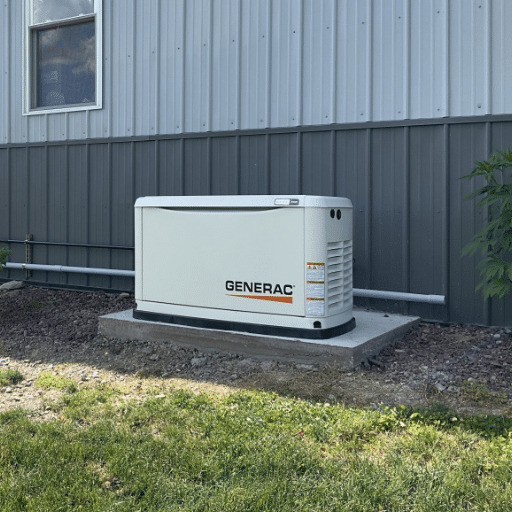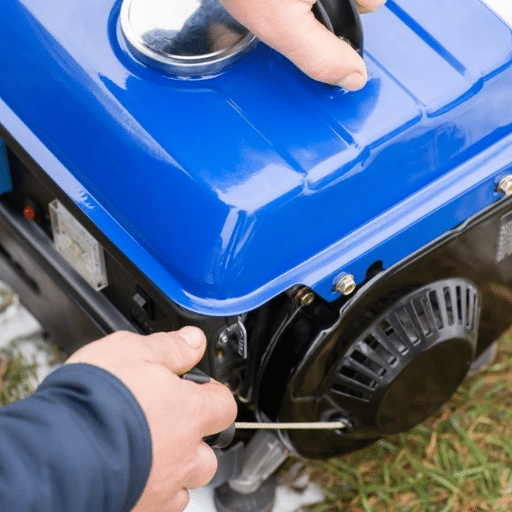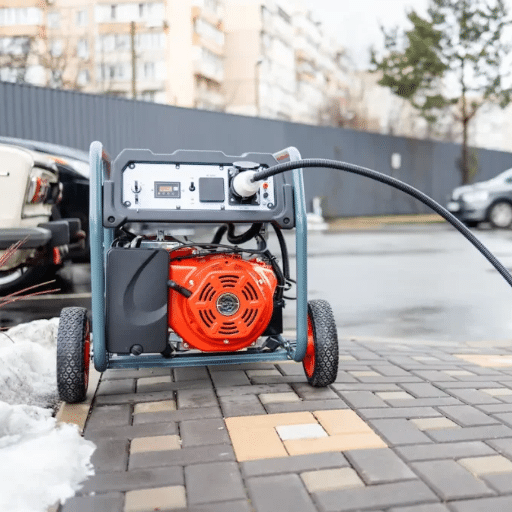

When operating a generator, a common situation is the occurrence of the generator set not starting. This can be in a case whereby a quick rental arrangement was made for electricity on a construction site, a standby arrangement in a house or office is needed or even emergency power. It takes the ability to differentiate and detect the resolution of the problem to ensure that lost can Be kept to a minimum and no expensive replacements are required. This manual is intended for those having a similar problem and provides assistance in simple approaches to resolving it, some expert hints and protection of the generator against wear. In the guidelines, you will explore ratings, agitate force installations, system troubleshooting strategies, and tips, best practices, locate common starting problems, diagnose, address, and eliminate mechanical, fuel, and electrical starting problems effectively and very fast.
Understanding Generator Components

Generators are machines which have various parts each of which is important for its correct operation. The engine as the power supply converts fuel to mechanical energy. The alternator as its name implies converts mechanical energy to electrical energy through electromagnetic induction. During energy conversion mechanical energy is converted into electrical energy the petrol system supplies the engine in full when the engine is operational and the cooling system helps to prevent overheating in long operational periods. There is also the stabilizer which makes sure that the electrical output voltage reaches the target value before starting the unit. The battery is an indispensable power source just to get the engine running and there is a control board also accessible for overseeing and controlling the electrical generator system parameters. It is important to learn how these parts operate to be able to implement solutions when a problem occurs.
Key Parts of a Generator
| Component | Function |
|---|---|
| Engine | Converts fuel into mechanical energy. |
| Alternator | Generates electrical power. |
| Fuel System | Delivers fuel to the engine for combustion. |
| Cooling System | Regulates temperature, prevents overheating. |
| Voltage Regulator | Maintains stable output voltage. |
| Battery | Provides power to start the engine. |
| Control Panel | Monitors and controls generator operations. |
| Exhaust System | Directs and disposes of engine combustion gases. |
| Lubrication System | Reduces friction and wear on engine components. |
| Frame | Offers structural support and houses components. |
How Each Component Affects Performance
Every single piece of equipment in an air conditioner is very important for its general use and efficiency. The generator engine, more specifically its fuel system, guarantees performance consistency and long-lasting operations since only a faultless fuel system can deliver a continuous output of power. One more thing; the sturdy and active cooling become essential in preventing system failure and working efficiency deterioration taking into account continuous overload of the equipment.
The use of a voltage regulator is very important as this is the only way to keep the generator’s output voltage within the fixed range of values especially to the loads attached to the power source to save them from severe damage. Furthermore, concern of smooth engine initial operability is taken care of through startings easily enabled by the battery – otherwise it would have sufficed for the purpose of operational readiness.
The control panel, on the other hand, is the administrative center of the entire system by providing the user (designated) with all the performance data and corrective buttons in real time, which speeds up control and recovery after errors and breakdowns. The exhaust system construction uses specific measures to ensure environmental protection and users’ safety particularly the removal and dispersion of harmful exhaust gases generated during combustion process.
For instance, the protection of the engine components is also sorted out by lubrication making sure that its life is extended. Besides, the frame of a power generator plays a dual role by providing strength and minimizing the vibration, as well as arranging the various equipment in an easy to handle fashion, thus impacting on the reliability and serviceability of the generator plant. Each part of the unit builds on the others, and their combined performance contributes to the effective operation of the generating set in different environmental conditions.
Importance of Brand New Parts
The original equipment manufacturer (OEM) specifications are the standards according to which the new spare parts are manufactured. Thus, new parts of machines can be best engineered to match with the specifications which countless assembly buildings are made. They are also made with the state-of-the-art technologies besides being energy saving, durable as well as safeguarding user’s safety compared to other second-hand parts. For example, they mainly utilize parts made of corrosion resistance or higher resistance to heat which are beneficial in increasing the labyrinth seal high temperature criteria when used in machines.
Moreover, new components come with a guarantee that shields the buyer against possible flaws, which can reduce the extent of losses in case of unscheduled machine breakdowns. The use of advanced manufacturing methods and state-of-the-art machinery decreases the propensity of systems to experience early failures and in turn ensures their operations under harsh environments. If analyzed from the viewpoint of expenses, there are certain situations when the new equipment is more preferable despite the fact that the initial outlay for equipment is rather high, the smooth performance of which is often appreciated when considering the long-term cycle of the equipment.
Common Causes of Generators Not Starting
- 1
Battery Failure
Vacant or undercharged batteries are the most prevalent factors that contributes to starting problems. This is due to the lack of servicing over time, corroded contacts, or months of battery inactivity. - 2
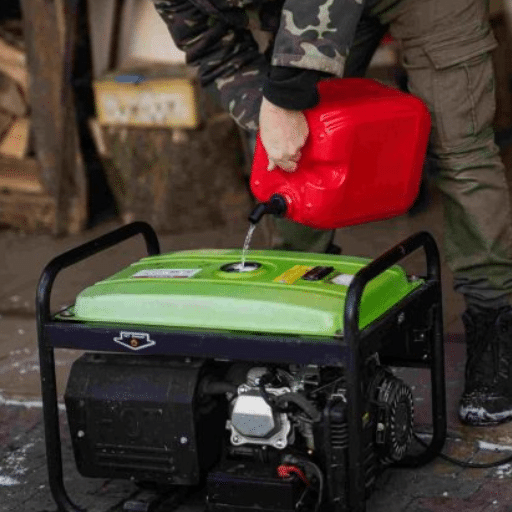
Fuel Supply Issues
A dirty, infected or ‘dead’ fuel can lead to a problem where the generator fails to operate. Further, there may also be problems in the fuel lines which can otherwise be solved after locating a fuel pump infidelity. - 3
Oil or Coolant Levels
The generator may fail to start due to low oil or occasionally overheating if the thermal safeguard for the generator cuts off the starter to prevent engine damage by overheating. - 4
Faulty Starter Motor
In the event that a problem has occurred at the engine but outside the starter, then it will not be activated and the generator shall fail to start. - 5
Clogged Air Filters
Engines cannot be started when their air filters are unclean or have creases in the filters where the passage of air flow is hindered, and the combustion process of the engine is interrupted, making it impossible to start the generator. - 6
Control Panel or Sensor Issues
Control systems and sensors often provide misleading signals about operations of the generator to the extent of triggering ‘stop’ process.
Checking the Battery
One critical element that determines if a generator will power on and work effectively is the battery. The user should check the battery first for visible signs of damage, including the presence of corrosion at the terminals or any evidence of fluid leaks. The presence of corrosion can cause resistance which restricts the flow of electrical charges and therefore impairs the generator efficiency. It is important for its voltage to be checked using a multimeter; fully charged batteries should read about 12.6 volts or higher in most models. However, a reading of a significantly lower voltage level suggests that the battery needs to be renewed or charged.
To double check the cables, overview their visual and tactile state to verify that they are stuffed correctly and the damage is not relevant. Even regular ways of keeping equipment in good order, for example the polishing of anode contacts with a mix of baking soda and water, are conductive for better performance. It would be wise to inspect the electrolyte in the top-ups of unsealed accumulators and pour in more water than is necessary, if need be. Carrying out these tasks periodically promotes confidence in the system and helps one to keep the battery working over a longer period of time and therefore making sure the power generator meets its purpose when needed greatly.
Fuel Issues and Solutions
Generators’ malfunctions caused by fuel are a common issue and is largely conformed provoke contamination, degradation, or probable incorrect storage of fuel. Fuel that has been stored for a significant period of time, typically diesel, deteriorates due to oxidation and microbiological activities, which can lead to the impairment of fuel supply further into injectors and other compressive mechanisms. To avoid similar instances, assessment of a fuel system, including cleaning the filters and tanks, is important. In addition to that adding stabilizers in the fuel can slow the process of fuel degradation especially in case of infrequently used generating sets.
One more significant flaw is the penetration of water, that happens in the fuel systems as tanks are filled and capped. Water has not only problems with burning heat energy but also helps the growth of bacteria, which results in caking and more importantly thicker lines. Among other factors which have been neglected, water separation filters should be included in fuel tanks, and the tanks should be washed after some time only if accumulation is present.
Obligatory use of prescribed grade of fuel is also a very important factor. As wrong or inappropriate grades of fuel can affect performance and create problems such as increase in emission or piston knocking. It is a practice to fuel machines with good quality fuel that is periodically tested and the generator will last longer any other type of fuel belched into the system.
Fluid Levels and Their Impact
The performance of generators can be greatly improved if ideal working conditions are maintained with a proper fluid levels. Following the guidelines of a manufacturer, there is a need to keep checking the engine oil, coolant and hydraulic levels and filling them up as required. It must be noted that the engine must have the correct engine oil otherwise than that encourages high friction levels as well as component wear. Also, without sufficient coolant, the engines can neither keep optimum running temperature without overheating nor maintaining coolant in sufficient thermal control levels can cause problems.
Research has shown that hydraulic systems can suffer from pressure imbalances, low pressure levels, lower efficiency and breakdown risks, if they are not adequately maintained. This is where heightened scrutiny utilizing fluid checks such as carrying out monitoring of the velocity, particulate matter, and the stability of chemicals, offered better insights to the status of these vital systems. Changing the behavior towards regular monitoring with checking on key indicators with no minimal toping up does not only reduce downtime costs to by the most possible extent, but also saves equipment from the necessity of repair and extends its efficient use.
Troubleshooting Steps for Generator Issues

- 1
Check Fuel Supply
To prevent any breakdowns while the generator is in use, enough and purified fuel should be installed. The use of impure fuel or fuel that is in short supply will result in multiple start-up failures in addition to working irregularly. - 2
Inspect the Battery
Don’t forget to go through the battery charge and the terminals as well. It is not unusual for a vehicle of any age not to start simply because major problems like loose or rusted connections or low voltage have not been addressed. - 3
Verify Oil and Coolant Levels
It is essential to check whether the safeguards for low levels of oil or coolant have been enabled. Make sure to top up as and when appropriate using the instructions from the company. - 4
Examine Air Filters
Dirty air filters can block the circulation of air space that can lead to poor performance or obstruct the startup of the appliance. Change or clean as necessary. - 5
Check for Alarm Codes or Fault Indicators
Interrogate the monitoring panel to understand the fault codes arising or any alerts appearing. Solutions for such situations are mentioned in the profiling manual in explicit detail. - 6
Inspect Spark Plugs (if applicable)
When dealing with small, mobile energy producing mechanisms, make sure that you take care of its spark plugs. Whenever they become worn out or show any signs of damage, those components have to be replaced. - 7
Test the Load Connections
Make sure that the connection of all loads is proper. Any hanging wires are capable of triggering power disconnections.
Initial Checks to Perform
Without proper assessment of all the pre-operational requirements before commencing operation of any diesel generator, there are high chances there might be breakdowns or injuries, if any that may occur. It is important to check the fuel level first in order to check the requirements for fuel; it is possible that insufficient fuel can lead to power failure or sudden shutdown of the machines. It is important to check the fuel pipes for any signs of cracks or leaked fuel as this may be very dangerous and even reduce the engine’s efficiency. The oil levels and the oil condition should be the next thing to be looked at since too little lubrication could wear out the components of the engine resulting in irreparable destruction with time.
Check the air filter for contamination, make sure it is not dirty or clogged – it is necessary to provide normal air intake and not to let anything harmful for combustion flow with it. Check the battery for layers of white dust or alien sediments that might be present, and also test how much power the battery can retain for quick starting. Mechanical failures can be minimized and the service life of the equipment extended if at these preoperational stages take place.
Identifying Clogs and Drainage Problems
Ensuring proper drainage function is important to the lifespan of machinery or plumbing as well as its reliable operation. First check the parts that are external of the area to see has water reactions such as blockages that are clearly visible such levels of debris or sediment around drains or vents. Also, in case there is need for an internal inspection use surveys with a plumbing snake or an inspection camera to sweep with a view of detecting any accumulation within a tube.
Most of the times obstructions are identified through observations such as reduced water flow, unusual sounds from the plumbing, or standing water at few places. Another indication may come from the results of the chemical investigation that may indicate the presence of deposits, fats and other substances within the drainage pipes increment. It is also feasible to install higher technology anti-clog sensors, such as flow meters, in measuring fluid flow rates, which also signal a lack of uniformity in rates, indicating the presence of flow restrictions. Restorative measures like activating channels with specific standards of chemicals or high–pressure water systems could be used to prevent blockage formations and ensure consistent satisfaction from discharge facilities.
Examining Electrical Connections
To ensure any system’s performance and operational security, specific consideration of electrical systems and connections becomes mandatory. Aggravation of the problem will occur with loose or corroded connections causing extra resistance, heating or even worse electrical fires. Most present-day instruments enable one to easily look at the level of concentration of electricity within electrical panels by, for instance, employing infrared thermal imaging cameras. Apart from that, the use of multimeters and continuity testers facilitates determining the amount of voltage, resistance or current to understand the scope of connection quality and presence of any faults in the system.
As one needs to allow an appropriate bracing angle, such a component is very effective during this stage. Compliance with the rules and regulations is important as under and over tightening fasteners can crack or damage the components. For instance, the industry norm or the NEC (National Electrical Code) has specifications on how tight the electrical connections should be. Regular inspection periods, when combined with the advanced monitoring systems, improve the useful life of the equipment considerably.
Preventative Maintenance Tips for Generators

- Regularly Check the Oil Level — Ensure the maintain the proper oil levels before and after every use and check the manufacturer’s suggested usage period for oil changing routines.
- Inspect and Clean the Air Filter — In order to boost the efficiency of the generator, special filters should be fitted into special ducts. Regular check of the filter should be done and replaced if necessary to maximize the efficiency of the generator.
- Test the Battery — Check that the battery is fully charged and in good condition. To avoid corrosion of the battery terminal clean them.
- Run the Generator Periodically — Run the generator for a short period once per month in order to maintain lubrication in the system, ensure full functionality.
- Inspect Fuel and Fuel Lines — Use good fuel and insure minimal leaks and obstructions in the system. And in case it’s not going to be used for a long period or the generator has a bail, then consider adding fuel stabilizer to the fuel.
- Follow the Manufacturer’s Schedule — To know the service frequency for your specific brand and model of generator, refer the guide, and closely follow the detail provided therein.
Regular Maintenance Practices
Maintenance practices for generators are necessary to avoid being inconsistent in their work operation and get rid of faults that shall more often discard its operational effectiveness. The most effective way to do this is to ensure the machine is up and running at least for few hours within certain time frames in order to avoid standing idle and not moving some parts which require lubrication. The machine should not be stopped completely for any purpose for instance; fuel should be allowed to flow through the system during use.
Besides, current standards and practices encourage the use of high quality stabilized fuels over long periods of inactivity to avoid degradation. Surveys of the fuel systems have to bear in mind the detection of fuel system leaks; corrosion evidences and possible obstructions that could interfere with fuel supply. Air filter maintenance is also important in that dirty filters will not only restrict air flow but will also reduce generator efficiency. As a result, the generator’s operational life could be extended by reducing the frequency of repairs and adhering to a long maintenance period as recommended by the manufacturer.
Seasonal Preparations for Your Generator
| Season | Key Preparation Task | Parameter to Check or Action |
|---|---|---|
| Spring | Inspect fuel system | Look for leaks, clogs, or corrosion |
| Replace or clean air filter | Ensure proper airflow and filtration | |
| Check battery charge and terminals | Ensure full charge and clean connections | |
| Summer | Test cooling system | Prevent overheating in high temperatures |
| Verify exhaust system | Ensure proper ventilation and functionality | |
| Inspect for pests or infestations | Clear debris or nests from enclosure | |
| Fall | Test load capacity | Ensure generator handles intended output |
| Inspect wires and connections | Look for looseness, fraying, or damage | |
| Refill and stabilize fuel | Prevent fuel degradation over time | |
| Winter | Add winter-grade oil or heaters | Improve performance in cold temperatures |
| Keep vents and intake clear of snow | Ensure proper air circulation | |
| Perform monthly test under load | Avoid cold-start failures or malfunctions |
Using Your Generator Safely
It is normal practice to ensure that a generator is used safely and efficiently while in operation. One important safety aspect would be providing natural ventilation to restrict the presence of carbon monoxide gases. Generation system should be used outside and not less than 20 feet from any doors, windows and air inlets. Moreover, the operation of a generator should be marked by earthing the system so reduce the hazards of electricity. You should also make sure that a generator is always connected to a transfer switch or a generator supplied cord and cap to avoid back-feeding which can harm the area utility workers and also damages electrical equipment.
Make sure there are no loops or exits for cords and plugs in a way that can potentially compromise the clear conductive path. Keep in mind that someone may plug into your power generator beyond the safety or usage ratings, which means no more than what is working. Also no matter how hard it is, never put any electrical load higher than the generator can withstand as it will cause equipment overheating or mechanical failure. Strive to place the load on the generator as recommended by the manufacturer, and always perform test runs under normal expected conditions prior to using it when it is really necessary.
When to Consult a Professional

- 1
Unusual Noises or Vibrations
If your generator suddenly emits a loud disturbing noise, or the vibrations become too much, there may be a problem with the motor that need diagnosis by an expert. - 2
Startup Failures
If you find yourself always having challenges with starting the generator even when the troubleshooting procedures are followed, seek professional advice. - 3
Frequent Power Fluctuations
When there is a power variance in controllable settings, there could be issues with the alternator or the voltage regulator that can only be resolved by a professional. - 4
Fuel or Oil Leaks
Whenever oil or gasoline is found dripping, one should immediately inform a professional technician to ensure no further unnecessary risks are created. - 5
Overdue Maintenance
Experienced technicians are the only ones who can help you if the power plant is not within communication with the user guide enclosed and requires a maintenance job. - 6
Error Codes on Digital Displays
Modern diesel generators are fitted with digital displays that it is common for them to break down, with technical staff available to solve the problem.
Choosing the Right Service Provider
The selection of a good generator maintenance or repair service provider is even more important to the owner of the plants for additional energy resources. Decent maintenance is crucial for generator dependability. Certificates, like the provider’s license to work or the requirements of the industry, to comply with the quality control standards, such as ISO 9001, even links to the organizations of Electrical Generators Service Association (EGSA) shall be reviewed. It is necessary to refer to the provider’s experience with the specific brand and model of generator as operating the manufacturer’s equipment may ease fault finding and rectification.
Response times as well as the availability of the service should be taken into account when assessing companies of interest, notably, in regards to emergency restrictions that might be there. Secondly, a good service provider must map out the various maintenance activities to be carried out at different times and make efforts to ensure the availability of a 24-hour support for addressing unexpected mishaps. For that reason, the other is to consider whether the provider has any customer feedback available in the form of reviews or even testimonials, which will help to approximate the levels of professionalism as well as the quality of service offered.
Finding a Qualified Technician
Finding the right technical expert always involves considering their education, years on the job, and acknowledged experience in the specific field your industry or even wider needs. The process should begin with checking the status of an expert’s certification in a field that is recognized within the industry. An example of such organization is NATE (North American Technician Excellence) for HVAC professionals, while another example is ASE (Automotive Service Excellence) for automobile works. When you consider industry-specific certifications, you tend to get professionals who follow industry standards; therefore, professional and career enhancement is continuous.
Consider as well the role of practical experience of a certain technician in charge, which includes the time their professional activities have lasted and the aspects of their work. The longer time a technician has worked, the more likely he is to acquire more advanced skills in diagnostic and problem-solving at unusual levels. It is possible to use the internet for complaints, reviews or awards received from the tasks undertaken. The perception of the support and services in terms of the clients’ concerns and achievement of the goals thanks to the different methods is also important. Take all these aspects into account when looking for a good and reliable specialist, and you will get what you want.
Reference Sources
- Automatic Start and Stop the Power Generator
Read the paper here - Design and Development of SMS Based Generator Start/Stop System
Read the paper here