
If the generator doesn’t start when you turn it on, you can feel frustrated and confused, especially when the situation is critical, and power has to be restored as soon as possible. This and similar issues should be addressed not just by quickly identifying and fixing their root causes, but also by investigating potential problems that may arise in the future. This post will be a helpful guide for diagnosing why your generator is not turning over, with actionable, field-tested tips and tricks. From checking for thermal faults to pointing out mechanical problems, you will surely find this manual to be your faithful companion, highlighting the places where trouble is most likely. Whether you have already been in the industry for a long time or have never used a generator before, your confidence in handling technical generator failures can be significantly boosted by this manual.
Understanding the Generator Crank Issue

The problems with the generator cranking are generally due to a few basic causes that are easily found and dealt with:
1Battery Problems
Cold or undercharged batteries are probably the most common culprits. So check the battery voltage and the connections to ensure they are tight and sound. Replace the battery if it no longer holds a charge.
2Fuel Supply Issues
A generator that cranks but does not start completely might have a fuel issue or a blocked fuel line. Check that the fuel tank is filled to a satisfactory level, and investigate the cause of any fuel line blockages or airlocks.
3Starter Motor Malfunction
A faulty starter motor is likely to stop the generator from cranking. At the very least, pay attention to any clicking sounds when attempting to crank, as this might indicate the motor is not working or that the solenoid needs to be repaired.
4Ignition System Faults
At engine start, spark plug or ignition coil malfunctions are the primary causes of interference. Dirt or wear may cause spark plugs to malfunction; in this case, replace them.
💡 Key Insight: By making a systematic examination of these vital areas, one can quickly determine the cause of almost all generator crank failures.
What Does It Mean When a Generator Fails to Start?
When a power generator encounters a startup issue, it signals a disruption of regular operation and results in a severe delay in power generation. The most frequent cause is the fuel system, whether it is an incomplete or nonexistent fuel supply, a clogged fuel filter, or contaminated fuel in the lines. This situation will prevent proper combustion. In addition, electrical issues such as a dead or faulty battery, corroded connections, or problems with the alternator can cause the electrical system to fail to supply the current necessary to start. It may also happen that mechanical failures, such as a decline in the quality of internal parts or even the malfunctioning of the starter, make startup impossible. The cold weather might make these issues even more severe, as it can make the engine oil more viscous or reduce the battery’s ability to provide the power needed. Thus, the ultimate test, which combines testing and visual inspection, is pivotal to determining the exact location of the problem sources. If these aspects are properly considered, the generator can be quickly and reliably returned to its proper condition.
Signs That Your Generator Is Not Turning Over
A culprit generator that is not starting usually shows many apparent signs that can help diagnose the issue. One standard indicator is a click when the generator starts, which may indicate a motor starter problem or a low battery. Also, there is another sign: the total lack of any action when the start button or pull cord is activated, which may be the result of electrical problems such as bad wiring or a faulty control panel. Moreover, the generation of light is also an issue because too much may soon dry out the battery; similarly, too little will lead to very low voltage. The fuel system’s milder problems could be one of the factors that cause the engine to make an uneven or sputtering noise during startup. To avoid operational failures, it is advisable to monitor these indicators and maintain the fuel system, battery, and other necessary components in accordance with the maintenance schedule.
Importance of a Properly Functioning Generator Crank
A well-functioning generator rotor is crucial for the reliability and uninterrupted functioning of residential and industrial areas. The generator rotor is a significant component of the engine, converting stored energy into mechanical energy. Failure of this part may lead to unsuccessful starts, idle operations, and unnecessary wear on the battery and starter motor, which can lead to premature failure.
Evidence shows that a defective crank frequently results in more expensive repairs, mainly due to the additional damage caused by multiple failed startups. Moreover, it might result in a random power output, which can even be dangerous to the equipment operated by the generator. Periodic inspection and oiling of the crank mechanism are recommended to keep it in good working order and to avoid operational risks. The use of high-quality materials and adherence to the manufacturer’s recommendations for the system are key not only to increasing the crank’s lifespan but also to improving the generator’s reliability.
Common Reasons for Generator Failure to Start
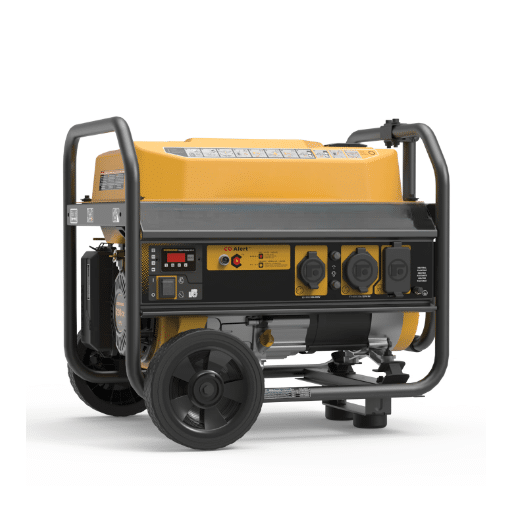
Insufficient Fuel Supply
A generator unable to start may be due to an empty fuel tank or to fuel collection and stagnation. The importance of regular checks and the use of fresh, uncontaminated fuel cannot be stressed enough.
Battery Issues
A drained, poorly heated, or improperly connected battery will prevent the generator from starting. The battery’s voltage and connection should be tested as part of the maintenance routine.
Clogged Air Filters
Dirty or blocked air filters restrict air movement, and the combustion process suffers. Cleaning or replacing air filters at regular intervals prevents most starting failures.
Faulty Spark Plug
A worn-out spark plug electrode could be the reason there are no sparks. Periodic inspection and replacement of spark plugs per the stated rules are mandatory.
Faulty or Stuck Carburetor
A carburetor clogged with debris or old fuel will disrupt proper fuel mixing. In most cases, one can resolve this problem by cleaning or repairing the carburetor.
Battery Issues and Their Impact on Starting
The starting system is powered effectively by the battery. Insufficient power reaching the starter motor due to a weak or exhausted battery can cause the engine to fail to crank properly. One of the most common reasons a battery is left discharged is sulfation, in which lead sulfate crystals form on the battery plates after prolonged periods of inactivity or deep discharge cycles. The battery’s ability to store and deliver charge is thus to be reduced.
Modern diagnostic tools can measure the battery’s voltage and cold-cranking amps (CCA) simultaneously. Most vehicles require a battery with a minimum resting voltage of 12.6 volts. The vehicle owner will start having problems if the battery drops below this voltage. Extreme weather conditions, such as heat and cold, can accelerate battery wear and tear, ultimately affecting its lifespan. Therefore, checking and maintaining the cleanliness and corrosion-free condition of the terminals and the alternator charging the battery within the normal range (13.7 to 14.7 volts when running) will help prevent starting related problems associated with the battery’s health.
Fuel Problems: The Role of Fuel Quality and Supply
Ensuring the quality of fuel will have a profound effect on how the engine functions and on the car’s overall operability. Dirty or low-grade fuel can cause blockages throughout the fuel system, making the engine inefficient or even shutting it down completely. New engines, which are precisely tuned and require the best possible combustion, are especially vulnerable to contaminants present in the fuel. On top of that, any other problem, for example, the fuel tank being built up with dirt and sediment or water penetrating the fuel system, will only heighten fuel delivery problems, which may eventually result in an inconsistent power supply or no start at all.
On top of that, the engine might not get enough fuel because the fuel pump fails, the fuel lines are clogged, or the tank pressure is insufficient, which in turn can seriously affect the engine by disrupting the correct air-fuel ratio needed for ignition. According to the most recent research in the field of automotive, fuel quality should always be stable because, among other things, it is a significant contributor to global warming and a cause of decreased engine lifetime. To improve the situation, the sources of gas should be carefully selected, filters should be cleaned or replaced regularly, and the entire fuel distribution system should be checked during car servicing to identify potential weaknesses.
Electrical System Failures: Connections and Components
Most of the time, when we talk about the breakdown of an electrical system in a car, we consider either loose connections or faulty parts. Several factors cause the circuit’s insufficient conductivity; the most common is poor connections. Loose wires, corroded terminals, and other issues that engineers put great effort into solving can serve as examples of the catastrophe that is the electrical circuit being on and off. For example, when the battery terminals are corroded, the power required to both start the engine and operate the car’s electronics can be significantly reduced.
Alternators, starters, and relays are usually the defective parts that cause the electrical problem. If the battery is not charging or the surrounding electrical systems are not receiving the proper voltage, the failing alternator could be the reason one would go home with dim headlights and/or a dead battery. The starter, on the other hand, can be a situation where it is impossible to ignite.
The implementation of the latest diagnostic tools and strategies has enabled technicians to be more accurate in identifying faults, using methods such as voltage drop testing and computerized diagnostics. Regularly checking and maintaining the vehicle’s electrical system is, in fact, among the most important things to do. For that, activities such as cleaning connections, tightening wires, and replacing worn-out components should be done correctly to keep one’s car in good condition without breakage that may lead to failure, and to keep it ready for your ride at all times.
Effective Troubleshooting Steps

1. Initial Visual Inspection
The source of your generator problem is first a visual inspection of the electrical system for apparent damage, such as frayed wires and corroded connectors. Working on the visible issues can save time or, in fact, prevent the situation altogether.
2. Check the Battery
Test the battery voltage with a multimeter. A fully charged battery should typically show a voltage reading between 12.6 and 12.8 volts. If the voltage is lower, recharge or replace the battery as necessary.
3. Inspect Fuses and Relays
The vehicle’s fuse box fuses and relays should be looked over. If any fuses are blown or the relays are faulty, they should be replaced so that circuit operation is possible again.
4. Conduct Voltage Drop Testing
To check for the problem, one method is to perform a voltage drop test. By looking for a poor-conductivity point or excessive resistance, and by testing connections and components, it is easier to identify resistance issues.
5. Utilize Computerized Diagnostics
By attaching a diagnostic scanner to the vehicle’s On-Board Diagnostics (OBD) system, trouble codes can be located and read, providing clues to the failing part of the system.
6. Test Individual Components
Investigate the key elements like alternators, starters, and sensors for their correct functioning by means of the corresponding checks and tools.
7. Verify System Performance
After the electrical system has been fixed or adjusted, run a trial to ensure it functions well and remains reliable. Take note and collect detailed information about the procedure.
Initial Checks: Ensuring Power Supply and Fuel
It is essential to ensure the power supply and fuel systems are functioning correctly for the publication and distribution of issues. The best starting point is to check the battery voltage with a multimeter and ensure it falls between 12.6V and 12.8V, which is the manufacturer’s recommended range for a fully charged battery. Look for corrosion or loose connections at the battery terminals, which may ultimately cause very low conductivity. Moreover, check the alternator’s condition to verify it is in a position to deliver power; a correctly functioning alternator should be delivering voltage between 13.5V and 14.7V while the engine is running.
When evaluating the fuel system, check whether the fuel pump is functioning by comparing its pressure to the vehicle model’s specified requirements. Thereafter, the fuel filter is to be checked for blockages that could cause flow restrictions. The fuel lines are another point of concern as they need to be inspected for bends, leaks, or other signs of damage. The fuel injectors should be your focus again; clean them and make sure they are working correctly. The output should allow combustion at a spray pattern suitable for the engine. These steps alone significantly reduce engine-related problems by identifying the major malfunctions, and they could eventually lead you to the main issues, which may include inadequate power and fuel resources for the engine.
Testing the Battery and Starter Motor
To assess the battery and launch system, begin by testing the battery’s voltage with a multimeter. A fully charged car battery should indicate around 12.6 volts when the car is stationary, and a value below 12.4 volts may indicate a charge deficiency. Then perform a stress test to verify that the battery can maintain the correct voltage. A substantial decrease in voltage during a stress test may indicate that the battery has reached the end of its life.
Make a visual inspection of all electrical connections near your starter motor to check for corrosion or looseness, as these can cause improper operation. While cranking the engine, use the voltmeter to measure the voltage at the starter terminal. Any voltage drop from 9 to 10 volts or below could indicate a problem with the starter motor or an underlying electrical issue. Also, audible sounds, such as clicking or grinding, might suggest mechanical issues within the starter assembly. These diagnostic steps are performed to ensure the starter motor and battery are functioning correctly and that the vehicle can start reliably.
Inspecting Electrical Components for Damage
It’s a must to look for both physical and operational variables that indicate failure of electrical components when breaking them down for a damage check. Common inspections should include observing easily recognized forms of damage, such as burned insulation, melted connectors, or corrosion on terminals, which are usually caused by overheating or prolonged exposure to moisture. The circuit’s validity can also be verified by continuity testing with a multimeter, which indicates whether the current flow is uninterrupted. Then the next most important thing would be to check for loose connections, frayed wires, and blown fuses, as these are the most common issues that often result in the malfunction of electrical components or complete failure. Knowing these signs, in addition to pointing out the affected areas, reduces the likelihood of recurring problems if acted upon immediately. By making regular inspections and running diagnostic tests, the electrical system remains strong and lasts longer.
Preventative Maintenance Tips for Your Generator

🔍 Conduct Regular Inspections
Wear signs should be detected by the presence of loose connections, damaged cables, or corrosion. A timely treatment of these problems may spare you the troubles of a bigger nature later on.
🔧 Replace Filters as Needed
Both the air filter and the fuel filter must be inspected and replaced at the appropriate times, as specified in the manufacturer’s instructions, to maintain the vehicle’s performance and prevent clogs.
🔋 Test and Recharge the Battery
Test the generator’s battery voltage periodically and charge it to the appropriate level to avoid unexpected malfunctions during operation.
💧 Inspect and Change Fluids
Monitor and maintain oil and coolant levels regularly. It is recommended to change these fluids according to the time intervals specified in your generator’s manual to avoid overheating or increased wear.
⚡ Run the Generator Periodically
Using a generator under load, on and off, gives the chance to keep it operating normally and prevent the system from standing still.
Best Practices for Fuel Storage and Quality
Fuel must be handled and stored properly so the generator can be more efficient and last longer. The first step is to use fuel stabilizers, which reduce oxidation and prevent the formation of varnish or gum deposits that can block fuel lines and carburetors. Get the fuel containers that are clean and high-quality, meant for storing fuel, and ensure their lids are tightly closed to prevent contamination and evaporation. After these procedures are done, you must ensure that the location where the fuel containers are placed is well-ventilated, free of sunlight, and away from any flammable substances.
It is necessary to store the old fuel quickly to reduce the risk of degradation; experts advise using good-quality gasoline for 3-6 months and diesel for 6-12 months if it has not been treated with proper stabilizers. What is more, using high-quality fuels with lower impurity levels is recommended to reduce the risk of corrosion and, of course, deposit formation. Don’t forget to go through the generator’s instruction manual to check the most suitable fuel types, and always use the ones indicated to prevent any engine damage and maintain the machine’s performance at top level.
Keeping Electrical Connections Clean and Secure
It is necessary to have a good, reliable connection, as it directly affects the generator’s performance. Contaminants such as dust, dirt, water, and oxidation will only worsen terminal and connector issues, thereby increasing circuit resistance and potentially leading to overheating or even short circuits in rare cases. Regular visual inspection and cleaning must be carried out to prevent such issues. The best way to go about it is to use a non-conductive cleaner or a contact cleaner that suits all electrical contact surfaces.
Besides, the fastening of the connecting wires should be tested for any slack or damage. They also need to be tightened as per the manufacturer’s recommended torque values. By applying a dielectric grease on the bare electrical connections, you can be doubly sure that any water or moisture won’t make its way in and cause the wire to corrode. Ground connections need extra care because poor grounding may compromise the overall system’s safety and operation. Following these routines regularly will significantly reduce system malfunctions and extend the life of your generator’s electrical components. Always adhere to the cleaning agents and maintenance techniques approved in your user manual.
When to Seek Professional Help for Your Generator
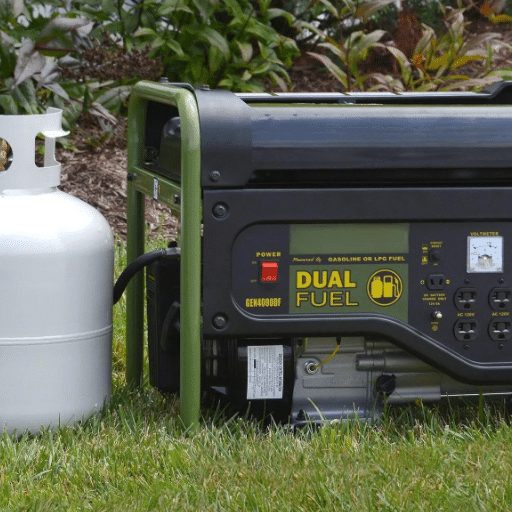
It is better to call the professionals if your generator has common failures, makes strange sounds, or exhibits excessive vibration. But you should still call a certified technician if the generator still does not start after you have taken all troubleshooting measures. For safety reasons and to properly repair problems such as electrical faults, fuel system leaks, or damage to internal components, every owner should hire a professional. Besides, having someone come once in a while to check the generator and ensure it meets the manufacturer’s requirements is a good idea; this may reduce repairs and servicing costs, as preventive maintenance has been carried out.
Identifying Complex Issues: Knowing When to Call an Expert
If standard troubleshooting isn’t successful, identifying the signs that deeper mechanical or electrical issues require referral to a specialist is still essential. For instance, frequent or abrupt shutdowns while the generator is running may be a red flag for a malfunctioning control board or a fuel system inefficiency, both problems that require specialized diagnostic tools that most users do not have access to. In the same way, strange noises, like grinding or knocking, could be the result of an internal component, such as worn bearings or an unbalanced rotor, all of which are the main reasons for the mentioned problems. Unless they are resolved, these situations will only get worse, leading to expensive system-wide failures and possibly posing a risk to users.
In addition to what was said before, it is worth noting that recurrent electrical faults, including wavering power and breaker trips, that may be occurring on the generator could be signs of internal malfunctions in the generator’s voltage regulator or wiring. It is possible that professionals who perform advanced operations, such as load testing and thermographic analysis, can identify faults with precision. Hiring a licensed expert to review these minor irregularities ensures that the repair work is done in accordance with industry rules and regulations and meets the manufacturer’s requirements. Taking the challenging route of engaging expert services for these complex issues not only extends the battery’s life but also reduces overall operating costs in the long run.
Weighing DIY vs. Professional Repair
Finding a Reliable Generator Technician
It is essential to check numerous factors to ensure high-quality service and long-term reliability when seeking a reliable generator technician. The ideal technician would be awarded a certificate from a prominent organization, such as the Electrical Generators Service Association (EGSA), that demonstrates technical expertise and compliance with industry norms. In addition to the certificates, a long history with various generator models and brands can also be a point in the technician’s favor, as it demonstrates their adaptability to complex systems.
The feedback and the ratings received from the customer play a vital role in giving an idea of the technician’s activities and behaviors. Moreover, it’s essential that the technician outlines the available maintenance programs and provides cost estimates transparently to prevent unwanted cost adjustments. Emergencies are beyond anyone’s control, so no matter how well preventive maintenance is performed or whether the equipment is newly installed, no one can guarantee it will not fail; repair services should be instantly accessible. In addition, it is beneficial to conduct regular reviews of these parameters to ensure the selection of a highly professional expert who not only fixes the problem but also enhances the generator’s performance and service life.
Reference Sources
Diagnosis of Inter-Turn Short Circuit of Synchronous Generators
Key Findings: This paper addresses inter-turn short circuits in synchronous generators, a fault that is difficult to detect in its early stages.
Analysis and location of Turn-To-Turn short circuit of rotor windings
Key Findings: The research investigates turn-to-turn short circuit faults in rotor windings, which can cause slight operational disruptions in generators.
Frequently Asked Questions (FAQs)
❓ Why won’t my generator turn over when I try to start it?
If the generator is not turning over, the first thing to do is visually inspect the battery and recoil starter for any visible damage, and also ensure the spark plug wire is connected correctly. Reasons such as low oil or an activated oil sensor can cause the engine to hesitate to crank; in this case, one must check the oil level and add oil if needed. Gasoline that is too old or still sitting in the system, whether in the carb or the fuel line, can gum up jets and the filter housing; hence, consider adding new gasoline or draining and replacing it with fresh gas. Not the least, a closed fuel valve or a clogged fuel line would lead to no fuel pressure; in such a situation, open the fuel valve and look for a clog.
❓ What should I do if the generator started briefly, but now it won’t start again?
In case of starting and stopping the generator, suspected fuel-related issues include stale gasoline, a clogged fuel filter, or a loose fuel valve. You must determine whether the fuel pressure is adequate and whether the fuel valve is fully open; it’s not a bad idea to put in fresh gas and jog the old one out. You need to clear the spark arrester and measure the spark plug wire for contamination; replacing or cleaning the plug might be the solution. Furthermore, you should check the oil level and the oil sensor, as low oil can trigger the engine to shut down to protect it. When the unit starts and runs poorly, you might want to consider carb cleaner or a carb rebuild, as the jet or carb may be clogged.
❓ How can I tell if the low oil or the oil sensor is causing my generator not to start?
A few generators lose oil and stop working, so you should constantly monitor the oil level and refill it if necessary. Suppose the oil level is correct, and the generator still will not start. In that case, the oil sensor must be tested or disconnected in accordance with the manufacturer’s instructions to determine whether it is defective. A leak at the valve cover and filter housing is another possible cause of oil loss, so these parts should also be thoroughly checked. The only correct oil grade for a small engine must be used to avoid costly, if not permanent, damage to the valve train and a shutdown. If in doubt, contacting the generator model’s technical support is the best option before the user disconnects the electrical safety devices.
❓ Can fresh gas or old gas cause a generator not to turn over or fail to run?
If gasoline is old and stale, it can deteriorate and block the carburetor, jets, and fuel passages, which often results in a generator not starting (no-start condition) or running poorly. Adding fresh gasoline and running the engine can sometimes lift minor varnish. Still, with heavy deposits, it may be necessary to clean the carb or even disassemble it to clean the internal components. Use a fuel storage stabilizer for standby generators and keep the fuel in safe places to prevent future problems. If you notice fuel contamination, change the fuel filter and check the filter house for sediment. For propane models, verify the correct fuel pressure and regulator operation before investigating gasoline problems.