
Generator replacement is a very important project that needs meticulous scheduling, technical knowledge, and exploring the options of different technologies. Whether your choice of actions includes handling an unforeseen breakdown of the machinery, renewing old systems, or embracing a greener technology, the knowledge of generator parts and possible substitutes is very helpful. In this article, you will get to know the generator’s primary parts, their roles, and the wear or failure indicators that may call for a replacement. Moreover, it will discuss advanced substitutes for the traditional generators, thus facilitating your decision-making in tune with your operational requirements and future objectives. It will take no more than the reading of this article to put yourself in possession of all the comprehensive knowledge regarding the fundamental factors to be taken into account, which will guarantee the hassle-free and cheap process of generator replacement.
Understanding Generators
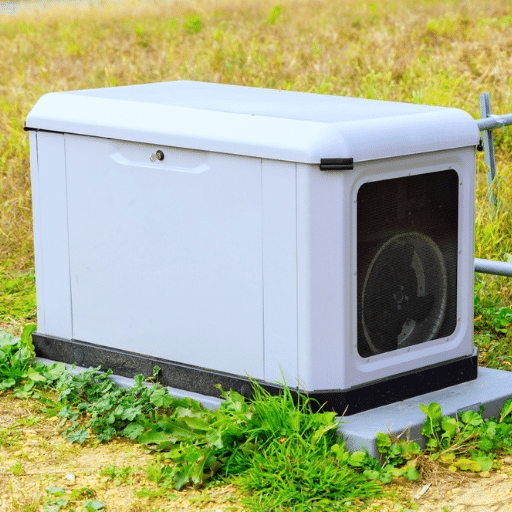
Generators are machines that change mechanical energy into electrical energy, thus providing a reliable power source during power cuts or in areas without a utility grid. The process involves rotating a rotor inside a magnetic field, which leads to the formation of an electrical current in the stator. The most popular fuels for generators are diesel, natural gas, and gasoline, all of which have their own pros and cons in terms of efficiency and availability. Taking good care of a generator—by inspections, oil changes, and fuel checks— is necessary for its long life and good functioning.
What is a Generator?
A generator is a device that converts mechanical energy into electrical energy through the principle of electromagnetic induction. The mechanical energy generally produced by an engine or turbine is used to rotate a rotor within a magnetic field, inducing voltage in the stator windings, which in turn creates an electrical current. Generators are extensively used in residential, commercial, and industrial settings as they are crucial for providing backup power sources during outages or in off-grid applications. The most common fuel sources are diesel, natural gas, and gasoline, each with its particular advantages, like high efficiency and availability. Conducting regular maintenance, which consists of inspecting engine parts, lubricating, and taking care of the fuel system, is very important for the reliable and continuous operation of the generator.
How Generators Work
Generators work by using electromagnetic Induction to transform mechanical energy into electrical energy. The whole process starts with an engine or some other source of mechanical power, like a turbine, which rotates the rotor in the generator. The rotor, which is inside a magnetic field, turns in the stator, which has the stationary coils. The rotation causes the electric current to be generated in the stator coils, thus providing usable electricity.
The generator setup usually consists of several important parts that together ensure the operation and efficacy of the entire system. The alternator generates electricity, while the engine supplies the required mechanical energy to the alternator according to its capacity. The fuel system is that part of the engine that supplies it with warm diesel, gasoline, or natural gas, depending on the type of engine used. Furthermore, the voltage regulator ensures that the electricity produced meets the required standards for utilization by maintaining a constant output voltage, which is the crucial role of this component.
Besides the control systems, cooling mechanisms are also fitted to modern generators to enhance their performance and increase their life span. These systems control the output, monitor the engine performance, and the environmental factors to avoid overheating and failure in the operation. Generators are widely appreciated for their dependability and flexibility as they are used in various applications ranging from home backup power systems to industrial power solutions.
Types of Generators
Generators are subdivided into different types according to the source of fuel, their application, and the design. The main types are as follows:
Portable Generators
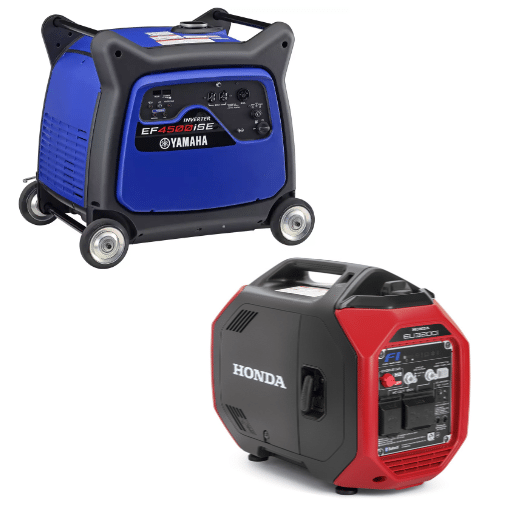
Portable generators are very adaptable, and they are used mainly for a power supply that is not permanent, especially in residential or small-scale applications. These generators normally use either gasoline or diesel as fuel and come with normal power outlets for appliances that are not so power-hungry during power outages or at open-air events.
Standby Generators
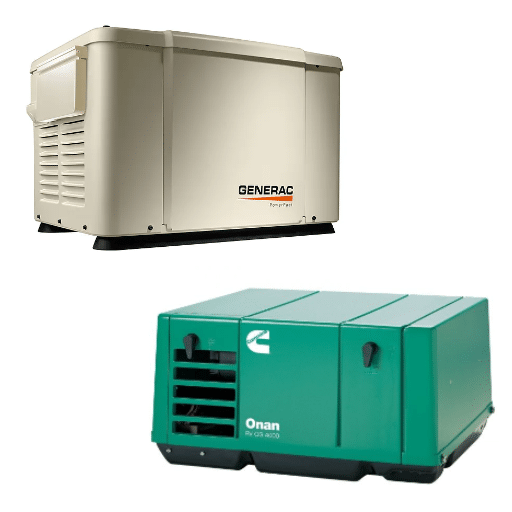
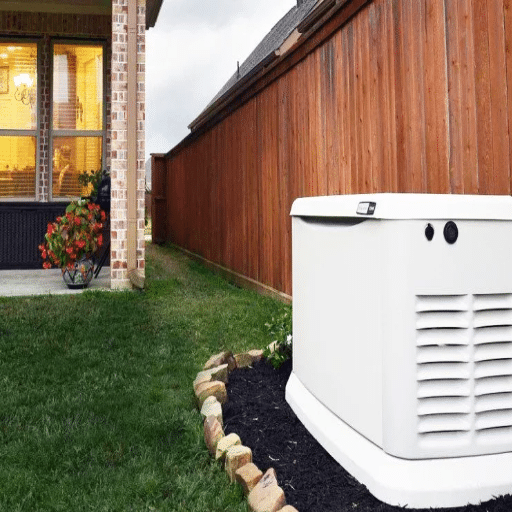
Standby generators are those generators that are installed in such a way that they provide backup power automatically upon the failure of the grid. These generators are part of the electrical system of the building where they are installed and can choose to work on either diesel, natural gas, or liquid propane. They usually cater to residential customers, but also to industries and commercial sectors, to provide a constant supply of electricity.
Industrial Generators
These generators are the main large-scale units that are built to power a wide range of applications like factories, hospitals, data centers, and similar environments. Industrial generators are made of heavy-duty materials and equipped with advanced control systems that allow them to work at high efficiencies even under continuous or very demanding conditions. Diesel and natural gas are commonly the fuel options available.
Solar Generators
Solar generators are made with photovoltaic technology, which helps in turning sunlight into electricity. This is stored in batteries during the day and used at night. These machines are perfect for places where there is no electricity or for those who want to use renewable energy only. Solar generators have limited capacity compared to conventional generators, but are still being adopted due to their being eco-friendly and requiring very little operational cost.
Gasoline and Diesel Generators
Gasoline generators are the cheapest power source among the different types of generators that are short-lived, while diesel generators are the opposite of gasoline generators, being less expensive but very durable and efficient for a long period of time. One of the main reasons for the adoption of diesel generators in industrial environments is their overall reliability, which allows them to consume less fuel than gasoline-fueled models.
Important Note: Every type of generator has a specific application that it is good for, hence it becomes critical to weigh up the factors like energy requirements, availability of fuel, and operating conditions before going for a specific model.
Importance of Generator Replacement

Generator replacement is important for a reliable power supply and for avoiding unexpected power cuts. The generators suffer from gradual wear and tear, which has an impact on their performance and efficiency. If a generator that is already getting old or has been damaged is not replaced, it will lead to higher maintenance expenses, decreased power, and possible disruptions of crucial business activities. Assessing the performance of generators frequently and following the manufacturer’s guidelines for replacement will provide operational continuity, safety, and energy efficiency.
When to Replace Your Generator
Choosing the right moment to get rid of your generator is not an easy task, but it can be done only if you have a wide knowledge of its performance, life expectancy, and service history. In general, a generator that gets proper maintenance can last anywhere from 10 to 30 years at the most, with the life expectancy depending, of course, on the usage and manufacturers’ conditions. Nevertheless, some particular circumstances indicate that the generator should be replaced:
Frequent Repairs and Increased Downtime
When the repair works are done so frequently that the total costs either equal or exceed 50% of the whole generator’s price, then the only reasonable thing to do is to replace it. No matter how long the repairs take, the power cuts to the companies can be unplanned and thus prompt the companies to incur extra costs.
Decline in Performance and Efficiency
The generator’s electrical power is getting lower, the voltage or the frequency is fluctuating, and the essential loads are not being supported anymore; all of these signal the end of the generator’s life and operational efficiency decline. The situation might already have been affecting your critical systems, or your energy needs may already not be met.
Obsolete Technology
The old generator might be dead in terms of parts; it may find it hard to coexist with modern energy systems, and it probably won’t even be able to cope with smart grid technologies and emissions standards. The only way out in such tech death is to shift to a new generation. The new one will be, among other things, more dependable, compliant, and productive.
Rising Operating Costs
If the generator consumes more fuel than usual or if it becomes extremely noisy, these are probably signs that the engine is deteriorating. With time, the operational inefficiencies may also lead to prolonged cost increase, making the use of the generator impractical eventually.
Safety Concerns
Aging generators are more susceptible to hazards such as carbon monoxide emissions or electrical failures. Therefore, if the equipment is corroded, there are exhaust leaks, or any other problems that may cause safety issues, an evaluation should be done immediately.
Professional Assessment: If at any time you are not sure how much longer your generator can last, it is strongly recommended that you get a certified technician who will do a professional assessment for you. Replacing it on time reduces the chances of unexpected system breakdowns and improves operational reliability in the long run.
Signs of a Failing Generator
Detecting the signs of a failing generator is of utmost importance if safe and efficient operation is to be maintained. The indicators usually observed are as follows:
- Trouble in Starting: A generator giving issues at starting up, needing several attempts, or totally failing to become active may have battery, ignition system, or fuel delivery problems.
- Uncommon Noises: Noises that are loud and knocking, or grinding in nature, or quite unusual noise, a mechanical problem might be the case, like bearing wear, damage internally, or loose components.
- Lower Power Production: Voltage decline or not being able to meet the demands of the load consistently indicates that the alternator, fuel system, or other internal components are likely to have issues.
- Physically Visible damage: Cracks, corrosion, leaks, or any other visible damage can compromise the generator’s structure as well as its proper functioning.
- Performance that is Fluctuating: Stability in operation, indicating problems with fluctuation or frequent power interruptions, may point towards fuel supply issues, sensor malfunction, or electrical failure.
- Harmful Emissions and Carbon Monoxides would be Excessive: Dark smoke or residue may point to incomplete combustion or blocked exhaust systems, potentially leading to harmful emissions.
Technical expert advice should be sought, and symptoms dealt with quickly, as this will not only ensure the generator’s good performance but will also minimize safety risks, and the lifespan of the generator will be extended. Regular inspections and preventive maintenance are vital to avoid extensive repairs or unanticipated failures.
Benefits of Timely Replacement
The quick replacement of faulty or old parts in a generator has several critical advantages, such as first guaranteeing operational reliability. This means no surprise interruptions during peak demand times, which can be very important in case of an emergency. Second, the practice of timely replacement not only prevents the risk of minor interconnected systems being damaged but also lowers repair costs in the long run. Third, it improves fuel efficiency and power at a higher level. New parts are quite capable and work to their fullest, thus less energy is wasted, and smooth operation occurs. Besides, the practice of proactive replacement aids in meeting the laws concerning safety and the environment by reducing to a minimum the harmful emissions from malfunctioning components. Ultimately, sticking to a regular replacement pattern will not only provide you with the maximum life of your generator but also the least downtime for operations.
Generator Replacement Parts

When it comes to changing generator components, you should give priority to those parts that are most important for performance and reliability:
- Filters – This category covers oil, air, and fuel filters, which together allow clean operation and stop any contaminants from going into the system.
- Spark Plugs – They are absolutely needed for the best engine ignition and uninterrupted operation.
- Batteries – They are the ones that deliver the required power for starting the generator and keeping the electronic systems running.
- Belts and Hoses – They are the ones that deliver the required power for starting the generator and keeping the electronic systems running.
- Control Panel Components – They are the ones that keep the monitoring and management systems operational for safe and efficient use throughout the periods when the generator is used.
Periodically inspecting these parts helps to maintain performance and at the same time, minimize the chance of sudden malfunctions. Follow the manufacturer’s recommendations for replacement or do it according to the usage and condition.
Overview of Essential Generator Parts
Generators have many important parts that work together to produce and manage electrical energy. Below is a brief description of the most important components, along with the verified knowledge from top sources:
Engine
The engine of the generator is the source of mechanical energy, and therefore, the size and type of the engine determine the power output of the generator. Moreover, oil levels, fuel quality, and air filter condition are key maintenance checks that help keep the engine working consistently.
Alternator
The alternator is the part that changes the mechanical energy of the engine into electrical energy. It consists of two major elements, the rotor and the stator, which form an electromagnetic field with their interaction. Good inspection can help to avoid the wear of brushes and bearings, and thus maintain the performance.
Fuel System
The Fuel system is what generators depend on for operation, and it is mainly diesel, gasoline, or natural gas. The main parts of this system are the fuel tank, the fuel pump, and the injectors, all of which need to be cleaned and inspected regularly to avoid clogs and to provide a continuous fuel supply.
Cooling System
To avoid overheating, the generator has a cooling system, which could either be air or liquid. It is important to regularly check the coolant level, the airflow, and the efficiency of the radiator in order to prevent thermal damage and to maintain safe operating temperatures.
Control Panel
The control panel is the interface for operation and monitoring, which allows the users to control the output voltage and observe performance parameters such as runtime, frequency, and system temperature. The panel is kept functional by regular software updates and hardware checks.
Key Takeaway: Maintenance of the most critical parts that are indicated by the manufacturers must be done routinely in order to maximize the efficiency, longevity, and reliability of the generators.
Generator Alternator: Key Component
The generator alternator is a fundamental part that transforms mechanical energy, by electromagnetic induction, into electric energy. It basically comprises the rotor and the stator. The stator has the winding coils where electrical output is produced, whereas the rotor makes a rotating magnetic field that is driven by the engine or prime mover.
An alternator’s performance is very much dependent on the right amount of voltage regulation, cooling methods, and the use of good materials. Voltage regulators maintain the voltage at a constant level, and this could not be too high or too low; otherwise, connected systems could be damaged. Cooling systems, usually air-based or liquid-based, help to keep the temperature down during heavy loads. Making it a point to carry out regular checks on the bearings, brushes, and insulation within the alternator will help you to keep failures due to wear-and-tear at bay and also make the part last longer.
To achieve high efficiency and reliable performance over time in generator sets, it is necessary to have proper operation and maintenance of the alternator along with the application of industry best practices, such as load testing and alignment verification. Accurate performance monitoring makes it possible to detect abnormalities early, which is very important for minimizing both the downtime and the cost of repairs.
Common Replacement Parts
Components are most likely to be replaced because of damage or wear during maintenance or repair of the alternator. These include:
Brushes and Slip Rings
Brushes and slip rings help to move electrical current from the rotating part of the alternator to the stationary components. With the volume of current, the friction generates brush loss over time, whereas slip rings might experience damage or corrosion with the passing of time, which undermines their conduction.
Bearings
Bearings are meant to support the rotation of the rotor inside the alternator and meet the requirements for its success. Bearing failure is caused when excess heat, vibration, or contamination exists, which requires their replacement in order to keep the rotor from misalignment and the ensuing damage to the system.
Voltage Regulator
The voltage is regulated so that the alternator output voltage is as constant as possible, providing a stable input voltage for the connected systems for the current as well as for the under-voltage. Erratic levels of voltage are expected if the voltage regulator is failing… hence, immediate replacement helps maintain steady performance.
Rectifier
It converts AC from the alternator into DC, which could be used by electrical systems through the diodes present in the rectifier. This part has integrated diodes, which can wear out and lead to irregular power output, reduced charging efficiency, and so on.
One more important thing is the stator and rotor windings, because the alternator’s operation is significantly dependent upon them. Damaged or weakened winding insulation could reduce the power output of an alternator. Thus, the issue that arises is when you have the windings damaged, and how you go about repairing the windings.
Choosing the Right Generator Replacement
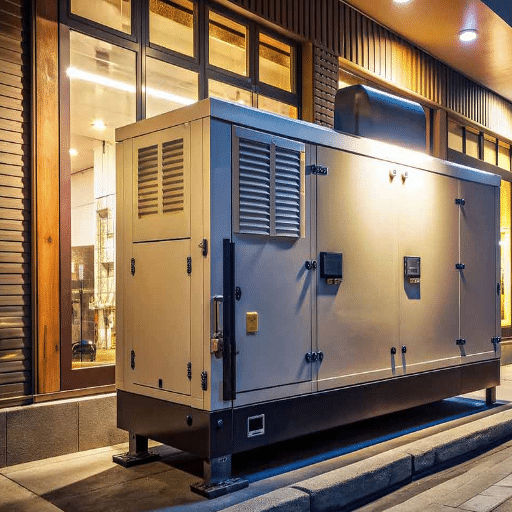
When it is time to figure out the best generator replacement, which will not only meet your specific need for power but also be a perfect match with your system, the evaluation will have to be done very carefully. The first step towards this assessment lies in determining how such a specification would end up sizing. The generator must ideally complement your current equipment, ensuring that the voltage, frequency, and connection type are the same. Manufacturers having an acceptable reputation as regards performance and durability should be among your preferences. Last but not least, before you opt for a purchase, ask the dealer about the generator’s acceptance as regards safety and performance, apart from ensuring that it integrates overload protection for the long-term running of the generator.
Assessing Your Power Needs
Calculating starts by adding up all devices (with their watt rating) and systems likely to be operated on the generator, and thus, summing up their total watt rating occurs. Everything must be included here, starting from the washing machine and the induction stove, influenced by the power consumption, savings, and the standalone energy class. Going practical above all, note that a number seldom drops below one; thus, if no scaling or coherence reference is given, the energy-consuming capability of the device is best assessed, or, without disclosing the quadratic measurement contained in the pertinent reference level. It is also an intelligent idea to allot a store lower down for the later surprises in life and unforeseen use of some kind.
Yet, the generating apparatus should be able to adapt to your recommendations concerning its voltage and frequency application and should feature at least 120V, 60Hz in the United States. In this sense, the vista of a generator made up of several voltage options could be contemplated. Fuel compatibility and availability (gasoline, diesel, or propane) in terms of cost, storage, and easy refill; indeed, transferable security for the short-term typical duties, or higher power for the formal, very highly critical, demanding settings.
Last but not least, the priority should be colored as “efficiency and reliability”. Select a generator that comes from a time-honored company known for excellent service and high-end products. Make sure your model has the safety features of an automatic voltage regulator (AVR), low-oil shutoff, and overload protection. Following this outline will help to ensure that you select exactly the generator desired for the electricity demands and site of operation.
Portable vs. Standby Generators
Portable generators, fundamentally, are a kind of versatile unit meant to be used on a temporary basis for various power needs, such as use in homes or businesses during outages or at events. They usually run on gasoline or propane and require manual operations, including refilling and starting them.
While a standby generator is a system that is installed permanently and attaches to the electrical systems of a home or business, providing automatic relief during a power failure. Normally, the power supplied to numerous electrical systems is through natural gas or propane. These standby generators require very little manual intervention and provide power backups in a neat, inexpensive, concentrated manner. They are expensive upfront, but are justified for applications ruling out power-critical ones. Above all, they afford sheer convenience during long outages and mental peace.
Top Brands for Generator Replacement
Generac
Generac is celebrated for its creativity and dependability in the generator world. The leader of the clan of generators, Generac, specializes in various portable, standby, and inverter generators for residential, commercial, and industrial use. Its generators are hailed for their strength, ease of service and maintenance, as well as the latest mobile-monitoring features, making them a top choice for a reliable, efficient power backup.
Kohler
Generators by Kohler are famous for their good build quality and equally good dependability in both home and industrial use. Among other attributes, quality engineering ensures these generators are designed for moderately quiet operation and extended operation. Kohler generators also present an optional automatic transfer switch and excellent warranty offers, making their purchase appealing to anyone seeking a dependable power solution.
Cummins
Cummins has a history of making high-performance power systems, and innovation is now associated with it. Cummins generators are a great fit for providing power solutions that are economically and long-lasting, regardless of setting-residential, commercial, or critical. The potential of remote monitoring and the fuel-saving design were adjusted at Cummins to make it a strong contender in the generator market. Publicly known for reliability and sustainability, Cummins adds to its already solid reputation.
Conclusion: Meanwhile, because of these top brands, which are the lauded leaders in the market, they nearly always meet a variety of requirements from their customers with their advanced technology, reliability, and customer support in place. There is never any true single-greatest choice due to individual paths and varying aims over power generation in each of these top brands.
Maintenance Tips for Generators

Here are the seven major rules—gleaned from years of experience—that will lengthen the lifespan of both the generator and its engine subsystem. Benefit from your exploration!
Conduct Regular Inspections
Watch for rust, wear, leakage, or anything else unacceptable. Fuel lines, connections, and components should be checked to ensure that integrity is maintained without a hitch.
Change Oil and Filters
Always change oil and filter as recommended by the manufacturer to allow for the engine’s top-performing performance and prevent damage to the engine.
Battery Test
Check whether the battery has a charge and there is no corrosion on it. Install a new battery when the old one is dying.
Make Time for Running the Generator
The generator should be operated at any time within a month’s time for slight lubrication indeed, and to be prepared for an emergency.
Protect Fuel Freshness
Use fuel stabilizers and observe proper storage intervals to save fuel from clogging and spoiling.
Change the Air Filters
Dirty or oil-clogged air filters cut efficiency and can damage an engine. Change those filters as needed.
Adhere to Manufacturer’s Maintenance Schedule
Always refer to your owner’s guide and strictly adhere to your model’s maintenance schedule.
Regular Maintenance Practices
Provision for the regular renovation of your generator’s function is also present. Below are a few fundamentals born out of the best opinions available:
Inspection and Test
Inspection for any sign of wear, cracks, leakage, or failure accruing from the generator is performed. An over-demand test is advised every month or as per the manufacturer’s specification, to ensure that it can meet the power demands of an emergency load.
Oil and Filters
As per the manufacturer’s recommendation, oil must be changed, and filters replaced annually every 50 to 200 hours or so, to maintain the engine at its best power output.
Battery Maintenance
This will require inspecting the battery leads for any corrosion and ensuring that the battery is fully charged. Replace every two to three years as recommended.
Fuel System Detox
Visual inspection should be carried out at various intervals to check for cracks or leakage on the fuelline. Use fresh fuel treated with a fuel stabilizer to avoid clogging. Generators should not be put into storage without a fuel run-in interval. In order to prevent the fuel from going bad.
Checking the Coolant System
Check the coolant levels for liquid-cooled generators and flush the cooling system as needed to avoid the risk of overheating, especially in high-demand scenarios.
Keep It Clean
Any type of dirt or debris can obstruct airflow and cause overheating of the generator. Clean the vents, dust them off, and store them in a clean, dry, well-ventilated spot.
To maintain the performance and dependability of the generator, these steps should be carried out in conjunction with the manufacturer’s maintenance schedule.
How to Extend Generator Lifespan
I prioritize oil changes, the routine filter changes, and spark plug inspections to enhance the generator’s operational period. It is crucial for the gen to be running within properly rated limits to avoid overloading, which can likely cause heavy wear on the optimally operating components. If the generator breaks down someday, I shall focus on intense cleaning, get rid of all forms of dirt and debris impeding its ventilation, and maintain it in a good drying and cleaning area to minimize the hazards of environmental conditions. Adhering to these rules and all the attendant implementations might avail a generator with good running speed as well as durability over time.
Utilizing High-Quality Replacement Parts
The durability and functionality of the generator are directly affected by quality replacement parts. Such parts have been specifically designed to meet or surpass original equipment manufacturer standards, further ensuring compatibility and performance metrics. If substandard Viagra parts are used, problems may arise, such as malfunctioning, ill-fitting components, increased wear and tear, or a breach of the system, leading to inefficiency. Consistent functioning and minimization of breakdown possibilities are guaranteed if you go for good original parts from renowned brands, which indeed prove compliance with industry standards for things like filters, spark plugs, and voltage regulators. Additionally, such parts also come with some warranty, promising a good value for their good quality. Thus, incurring the extra mileage improves generator safety and availability to help shorten downtimes.
Reference Sources
-
Stanford University: Steam Generator Degradation and Its Impact on Continued Operation – This paper examines the challenges and decisions utility managers face regarding steam generator degradation and replacement.
-
Western Carolina University: An Overview of the Steam Generator Replacement Project – This document provides an overview of the project management elements involved in a steam generator replacement outage.
-
University of North Texas Digital Library: Radiological Assessment of Steam Generator Removal and Replacement – This study updates the radiological impact analysis of removing and replacing corroded steam generators, based on practical experience.
Frequently Asked Questions (FAQs)
Engine: How will I know that my generator engine is in need of replacement?
If you see signs such as frequent starting failures, too much smoke, knocking noises, low compression, and repeated breakdowns despite regular service, your generator engine may need a replacement. Search in the maintenance registers and ask a trusted supplier or technician whether it should undergo repair, alternator rebuild, or complete replacement. Which option should be followed for a powerful performance and peace of mind?
Portable generators: Can I change a portable generator unit myself, or should I rely on an expert?
For simple models, the replacement of the portable generator unit is to be performed by proficient DIYers. It must meet proper safety standards and power capacity sizes. Pairings must be optimal for adequate amps to volts, and all maintenance kits are installed to ensure your generator works well and will give no more troubles, like dust getting into it.
Alternator generator: What purpose serves the alternator, and when might one need to be replaced?
An alternator generator converts mechanical energy into an electrical output. Symptoms of an alternator failure could be irregular voltage readings, blown circuit breakers, or the inability to charge batteries in an RV or home standby generator. Replacing the alternator, or going in for an overhaul on the generator, can remain the best option to go for in restoring power “supply” and inhibiting collateral damage to the electrical components.
Electrical: What electrical checks shall I do after a generator replacement?
After a generator has been reinstalled, load test its voltage and amperage output, check the functioning of the transfer switch, verify the grounds and bonds, and ensure that all circuits are receiving power correctly. Consistently maintain the system and study manufacturer specifications on power output and special connections; if intended, this could help one learn from maintaining the system’s full integration into the house’s standby and/or utility systems.
SP: Anything specific to think of when I need to change the RV generator had to ponder prominently?
RV generators come with certain constraints: size, weight, ventilation, and noise. Make sure you match the replacement generator’s power ratings and specifications for your RV while maintaining the goods’ required amp and volt output. Fostering maintenance kits and regular servicing helps keep the generator running smoothly, combined with food, in a safe and versatile manner.
Amp and Volt: How do I choose the right amp and volt rating for a replacement generator?
When choosing a replacement, you must find one that meets or slightly exceeds your combined load rating in terms of volts and amps. You must learn to establish your peak and continuous loads, anticipate some starting amps from motors, and safely account for power usage for future needs, and so on. Trustful suppliers, who can offer a fair power comparison that should suit your power requirements for home standby and portable generators, can thus ensure that you get the most profitable option.
Solvency & carrier: What do utility customers or carriers think about before planning to replace the generator?
The generator replacement must be carried out by the utility or carrier in compliance with stringent reliability and safety requirements. Actually, it entails local utility codes, working in conjunction with the site-specific requirements, environmental protection concerning dust and corrosion, and maintenance needs. Therefore, high-grade industrial generator suppliers can construct a lasting, dependable backup generator faithful to the suppression of power disturbances.