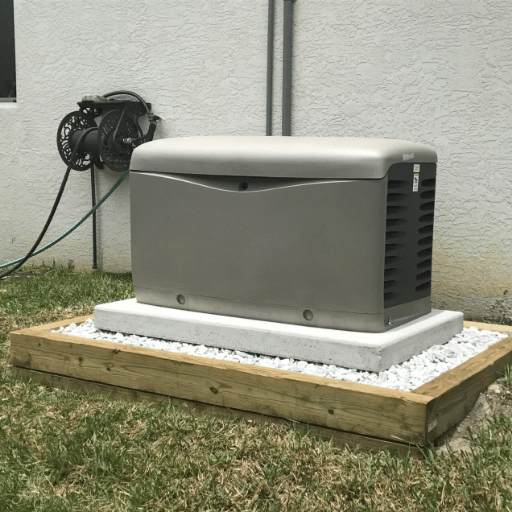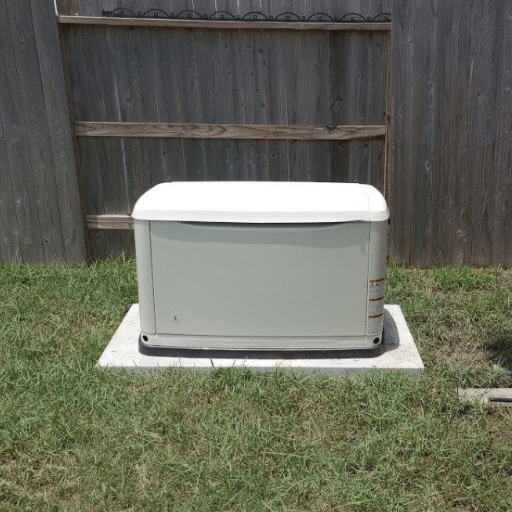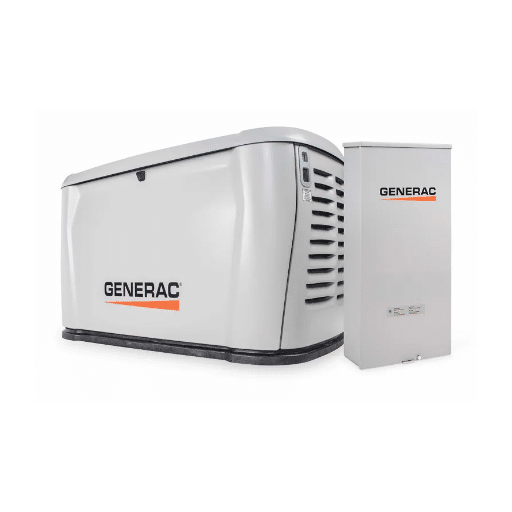

In situations where there is a sudden power failure, such as when there is no electricity in the house, a home generator comes in handy. Most mechanical systems fail to last without some regularly plans of maintaining it and the generator is no exception. This article has been specifically crafted to provide the already stressed generator owner with simple yet clear procedures to make sure they don’t have to break the bank repairing something, the equipment’s lifespan is prolonged as much as possible and the generator’s power is has when it is needed. This article features tips and advice that will help you as an experienced generator owner or as you’re hoping to buy one for the first time.
Importance of Home Generator Maintenance

House generator is an interesting thing. When you have one, you are far more comfortable with the power breakdown since you can get literally lost with a power redirection. Communication with an entity that is devoid of power is nerve-wrecking. Nonetheless, maintenance is the key thing here. Your generator is no exception in this case as well. Irrespective of the fact that a larger initial investment can reduce subsequent costs, keeping the equipment in good condition for the long term is important and can be quite economical. Failure to carry out periodic service and repairs will mean wear and tear leading to failures and expenses for a very long period of time. Most equipment manufacturers have a rigid maintenance schedule of replacing its oil and air filters and cleaning the engine from top to bottom.
Why Regular Maintenance is Important
Undertaking continuous maintenance not only adds life to machines but also ensures that they function to the optimum thus making them safe. In the absence of servicing, the working of mechanical parts of a machine undergoes gradual efficiency losses over time, as a result of wear and tear, rust, and accumulation of dirt. This can be illustrated by an instance where generators that are not serviced well may lose as much as 20% of their utility which is evident in the increased costs incurred in fuel. In addition to that, the so-called aggravated machines experience a number of outages which are difficult to control. Tasks performed at designated intervals reduces risk by eliminating the chances of facing unpleasant surprises, following the manufacturer’s instructions, and conforming to the established rules on the application of defective materials.
Benefits of a Well-Maintained Generator
-
1Enhanced Efficiency and Performance
A well maintained generator will produce electricity without power losses since it is performing at its maximum capacity. The repair work, such as the replacement of filters and fuel system examination, aims to enhance the efficiency of the generator by 15–20% which, in turn, results in fuel savings. -
2Extended Equipment Lifespan
Carrying out regular maintenance prevents failures such as wearing and tearing of major installations such as alternator, engine and cooling systems. Statistics have it on the agenda, even if all the other factors are involved, that servicing increases the life of a generator by 30-50% improving its payback period. -
3Improved Reliability During Emergencies
Generators that are monitored and maintained as per the schedule, have low chances of the operations stopping in the middle of a mission. This is even more important for the critical services that services like medical and data centers offer. Interruptions of power in such cases can still lead to deadly situations. Therefore, the maintenance of such services incorporates the examination of the available secondary sources of power. -
4Lower Repair Costs
If a major issue were allowed to pass by, routine examinations would help to find small but easier-to-fix ones, which by their nature could not require as many finances as what would be necessary to fix the former problem by full replacement of an engine, which gather will profitless and additional capital losses. For example, the inspection of old sick and tired drive belts and gaskets is a lot less expensive than replacing the entire engine, which also involves downtime and lost revenue. -
5Compliance with Safety and Regulatory Standards
Most authorities have in position regulations or standards prescribing the safety and cleanliness of generators, especially with regard to the emission of gases and the levels of noise they produce. Keeping a generator as undesired repairs will prevent getting fines and charges while doing good to the environment. -
6Optimized Fuel Consumption
Generators that have not been looked after are normally found to be burning fuels at very high efficacy levels because of defects on which involved clogged filters, badly working injectors and wrong adjustment. Preventive maintenance practice will make very sure that the fuel system functions according to the requirements of the equipment and becomes non-productive on average by 10%-15%.
Understanding Your Home Generator’s Role
A residential standby generator comes in handy when one needs a constant power supply amidst power losses, fluctuating grid power, or in areas with no grid power. These types of standby systems are engineered to detect power loss and switch on almost instantaneously in order to provide continuously the essential household appliances and systems. Standby generators acknowledge the need for instances of load shedding and asymmetrical power management from the largest to relatively dispersed grid connections for maximum between-zone power exchanges. Generators also cut power from areas such as air conditioning and lighting in peak hours, hence bleeding off the energy use for the entire population is cut down.
Recent advances in the manufacturing of generator is more on energy efficiency as also in the reduction of the emission and the delivery of advanced control system as well. An example in this available technology is the smart energy management systems currently provides capabilities of viewing the electric load real-time and altering the distribution of load accordingly thereby enhancing performance but at the same time releasing the load on the genset. There are also technological improvements in the fuel system such as dual-fuel engines that create an opportunity for environment-friendly reuse of either propane or methane with flexibility and cost effective options. Understanding the function and performance of your own domestic generator can assist in selecting the appropriate device that will efficiently produce energy for you.
Key Components of a Whole Home Generator
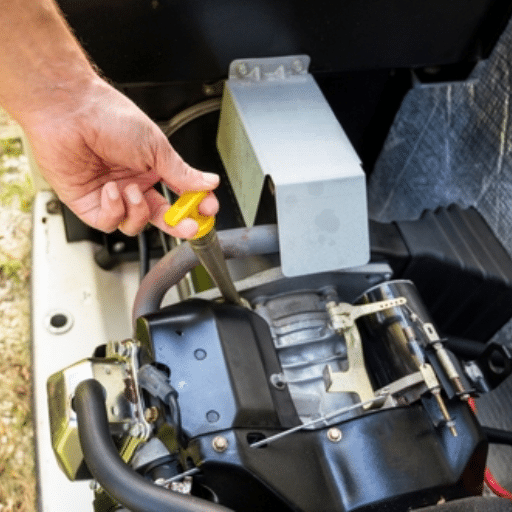
1. EngineThe engine is the principal power unit, which transforms fuel into motion to be utilized for electricity production. Its imperative that the power plant has a durable and efficient engine in order to produce consistent output of the power plant.
2. AlternatorThe alternator is responsible for converting the motions produced by the engine into electrical power. Quality-made alternators guarantee a constant current flow throughout the machine’s operation.
3. Transfer SwitchThe transfer switch comes into action when the source of electricity changes over from the system to other back-up system such as generator or vice versa and does so without backfeeding specific terms and ensuring a more proper power distribution.
4. Fuel SystemThe distribution system stores the fuel and supplies the engine only with the necessary, in quality or/and quantity, fuel. The fuel system, capacity and substance, should correspond with the power levels and other energy crises expected arising from fuel consumption.
5. Control PanelControl panel’s main function is to facilitates the monitoring and regulating the inflow performance of the generator. Possibilities can include different information boxes and locks, such as the condition of the mosquito protection system, analog volumes of the information on previous outputs, or indicators of some malfunctions.
6. Cooling and Exhaust SystemsThese mechanisms are responsible for monitoring the engine temperature, and making sure exhaust gases do not build up within the engine, as it is a risk for overheating.
7. BatteryPowering the Generator comes from the backup battery and shirks the need to go through power failure messing everything up. They need to check whether going concern concept could be sustained by looking at the battery system on a regular basis.
Overview of Essential Generator Parts
| Part | Key Points | Parameters to Know |
|---|---|---|
| Engine | Converts fuel into mechanical energy | Fuel type, power output |
| Alternator | Produces electrical output via mechanical input | Voltage capacity, efficiency |
| Fuel System | Supplies and regulates fuel for the engine | Tank capacity, fuel type |
| Voltage Regulator | Maintains output voltage stability | Voltage range, response time |
| Control Panel | Control and monitor generator operations | Indicators, automation features |
| Cooling System | Regulates engine temperature | Coolant type, flow rate |
| Exhaust System | Expels combustion gases | Noise level, emission standards |
| Battery | Assists with startup and readiness | Voltage rating, charge status |
| Lubrication System | Reduces engine wear and friction | Oil type, maintenance schedule |
| Frame/Enclosure | Protects internal components | Material, durability |
Significance of the Transfer Switch
The transfer switch is the module of the electrical system that is indispensable in order to maintain reliable operation after the installation of a standby power system. The main purpose of the system is to interconnect utility and generator power in a way that they cannot logically operate together so that they back feed neither building loads nor cause injury to personnel. When a normal condition is lost and power from the utility is not forthcoming, the transfer switch detects the event and issues a start order to the generator. As soon as the generator voltages and frequencies are within the acceptable limits, the switch changes the line and the load is served by the generator rather than the utility.
Load management capabilities and the ability to monitor actual power usage are some innovative features of recent transfer switches. With the help of these and similar functionalities, users can easily choose to prioritize some load circuits over the others when a generator is being operated so there is less over-reliance on the generator. There is a strict prerequisite of transfer switches meeting certain requirements, such as those set forth by the standards of the National Electrical Code (NEC). Correct selection of the transfer switch comes in against its determining parameters, e.g., the ability to handle loads as well as the kind of switch (between manual and automatic) and whether it is compatible with the rest of the generator system or not, is of great importance in the effective management of electricity in residential, commercial, as well as industrial uses.
Role of the Spark Plug and Air Filter
Internal combustion engines’ performance and consumption efficiency are greatly affected by spark plug and air filter properties. The spark plug has the electric charge that ignites the fuel and the plug. Again, the engine boasts of the spark plugs that provide the electric charge which helps ignite the fuel. Good working spark plugs will elevate the internal combustion in the engine, hence its power output and even the pollution. While the increase of fuel through the engine increases power misfires, as well as efficiency, can be spurred by old and contaminated spark plugs.
The purpose of the filter accumulating air is to protect the engine from getting clogged tanks filters that contain debris such as sludge and dust suck through the supercharger. Clean air is absolutely central to the maintenance of the air-fuel ratio to promote effective combustion, any other percentages of air toxins would be unacceptable. Should in any instance the outlet be blocked by/inhibited the flow of air inwards, will the air-fuel ratios be disturbed to give underpowered conditions, and in worst cases more emissions. Frequent servicing of such parts as well as the air filters enables the engines to live longer but also allows a smooth operation in accordance with set standards without excess emissions and fulfills the emitters.
Home Generator Inspection Checklist

-
Check Oil Levels
Check the oil level through the dipstick and establish that it is within the set limits. If it is outside the levels provided, either refill or replace the oil in accordance with the manufacturer’s procedure. -
Inspect Fuel Levels and Quality
Others include, confirming that the fuel available is enough for the generator, and that the fuel has not gone bad. If there is fuel that has gone bad then fresh fuel that is stabilized is added to take the place of the old one that was contaminated. -
Examine the Air Filter
Make sure that the air filter is in top condition and is not clogged with any dirt or any other debris. In case of blockage or excessive clogging it is recommended to use another new one. -
Test the Battery
Check if the battery is holding charge and that it is still able to perform its functions. Check also if there is any build up on the terminals and also clean them. -
Inspect Spark Plugs
Pull out the spark plug and check if there is any soot build up or if the insulator has worn out. In case it is obscured, damaged or no more useful, get a new one. -
Test the Generator Operation
Run your generator and allow it to work roughly for 5 to 10 minutes. During this time, try to perceive abnormal sounds and look for any signs of malfunction. -
Inspect Electrical Connections
Kindly make sure that you check every single electrical connection to ensure everything is fixed in its place, without fail, in addition to looking at anything that seems to have gone wrong in terms of physical force application such as if the wires have been cut or rusted. -
Check for Leaks
Also, remember to observe fuel leaking or oil leaking out of the generator, as many oil or fuel leaks may seem trivial, but it is better to fix them as soon as possible in order to avoid any risks.
How to Inspect Key Components
-
1Engine Oil Levels
Insert the dipstick in the engine, check the level of the oil, and clean the dipstick again. This involves checking if the oil level is within the high and low levels as well as its thickness. Low oil or harmful particulate containing oil will cause a significant amount of abuse to the engine. The oil specified and the frequency of its changing can be identified from the data given by the manufacturer. -
2Air Filter Condition
Take out the air filter and the dust in the engine, check for Prussian or any other blockages which could obstruct air flow. In case of a clog in the air filter, this acts as a bottleneck and this results to a loss of power and requires the engine to burn more fuel. Replace the filter as it is if it is also heavily soiled with dust. -
3Cooling System Efficiency
Clean with care a radiator and cooling fins so that they are free from any dust, grime and obstruction. Make sure that there is enough antifreeze inside the coolant reservoir while identifying and attending to any hoses that have splits or leakages. The way temperature rises to undesirable levels and hinders optimal operation and duration of a generator. -
4Fuel System Integrity
All possible fuel tanks along with hoses and nozzles need to be inspected for such gaps, leaks and corrosion provided there any. The quality of the fuels being delivered has to meet the highest standards; this is in order to avoid any situations in which, for instance, the fuel that is going to be used is looking weak or unclean. In case fuel remains unused in the tank, it is advisable to add fuel stabilizer for such long periods of downtime. -
5Battery Health
You will need a multimeter to verify that the battery is meeting the necessary power output level. Please verify that the battery terminals are in the absent of any dust or rust, and that they are properly fixed. If there are corroded places on the terminals, please clean the parts accordingly. -
6Spark Plug Operation
The final system checks would involve removing and examining the engine spark plug that might be on the helicopter, paying close attention to any carbon residues, signs of breaks and any deformities. Use a gap gauge to check the distance and verify tolerance. Should there be wear and tear or contaminants on the spark plug, change it as necessary. -
7Exhaust System Examination
And finally, the exhaust system will also be checked for any obstructions, breakages or presence of unnecessary buildup of carbon. Malfunctioning exhaust systems decrease the ring performances and lead to higher emissions. Plumbing the generator ensures appropriate ventilation to prevent the deadly gas from accumulating, i.e., carbon monoxide.
Signs Your Generator Needs Service
When a generator is doing things that you have never experienced before, it’s a high time to see a professional who will rectify it to prevent it from becoming worse. Random electricity flow and any form of inconsistency in voltage patterns would suggest some form of a breakdown in the electrical works or degraded material failure. Equally, there is a telltale sign of poor output in terms of increased specific fuel consumption which may be due to insufficient factors like old worn out spark plugs, choked air filters or faulty fuel system. Unrecognized sounds such as banging, spluttering or rasping observed during work can be the reason of breakage of certain parts or problems with bolts. In addition, high level of smoke or abnormal flavors caused for example by the leaking of fuel or oil indicate that the equipment deviates from the set parameters. Service events within the extended time period play an important role in early detection and rectification of these states, ensuring operational capacity and economical performance of a generator in the future.
Creating a Maintenance Schedule

-
1Establish Maintenance Intervals
Frequency of the checks varies with the use of the generator and applies the recommendation of the manufacturer. For example, generators consumed every day may probably require daily checks as opposed to less critical recommended like intense checks. -
2Outline Key Tasks
Also, establish such chores as changing used oil, replacing air filters, examining the condition of spark plugs, and check the fuel system. Always enlist those that are known to depreciate faster. -
3Document and Track Activity
Do create clear records on all performed works with the dates and defects on the generators to ward off such maintenance schedules. That way they will more likely fall apart far less quickly than would normally be expected. -
4Set Alerts for Inspections
Consider installing a software or service that will remind you about routine tasks or schedule their performance. Use machines to improve maintenance standard of your systems. -
5Adapt Based on Performance
Find out the condition of the generator regularly and change the frequency of service if needed. Worn out parts may call for fine-tuning hence an increase in the cost of maintenance.
How Often Should You Perform Maintenance?
Generally speaking, the upkeep of a generator depends on a number of criteria such as the make, model, usage pattern, and the geographical position of the generator. For backup generators, an average needs utilization of 6 to 12 months or is reached at around 50 hours of operation. For portable generators post operation check-ups should be done every 100 running hours or more frequently, but not exceeding once per year of usage. In addition, certain environmental conditions including temperature, humidity, presence of dust or other impurities can decrease the lifespan of the generator and require more frequent maintenance. In case of powerful and high quality generators that have to run for hours, the maintenance can be in the form of quarterly checks for the smooth running of the generator. Manufacturer requirements play a significant role in these instances because, they are designed for specific equipment hence allow peak performance and extend the working life of the equipment.
Developing a Customized Maintenance Plan
Planning of the maintenance of a generator should begin with the understanding of the operational conditions and trends in usage at the place of application. The very nature of the generator size, its fuel-thirst, and the frequency of service, to mention one or two. For example, some Diesel generators operating backup power for mission critical systems may serve monthly for oil, oil filter, and coolant inspections, requiring the bi-annual flow of back-up diesel generators that serve a lower load. This article emphasizes the importance of time logs, fuel burning records, and the history of service of machines as it helps the personnel anticipate any upcoming challenges considering the experiences and responses to these.
Enhance the maintenance strategies of technology has introduced methodologies and uses remote monitoring systems of the machinery that are transmitted to the control or prevention of further damage systems which are used to access real-time data on performance measures, for example, voltage, frequency, operational temperature with respect to how they perform. Operators handling maintenance are in a position to manage and make a prognosis of the maintenance measures involved even before such failures are fully realized and the resulting damage is very extensive and very expensive to recover. It is said that the remote monitoring ones attached to the gensets are able to reduce the downtimes by about 15 – 25% provided that the planned inservice inspections and maintenance are also performed.
Expert Maintenance Tips for Homeowners

It is highly advisable to provide the operating generator with a preventive check-up after it has run for a period of 200 hours or 100 hours, and thus it is encouraged that it be serviced twice a year. The routine checks include checking the level of oil, change of air cleaner, and checking of the spark plug and the battery as well as checking the efficiency of the system under a load. If the generator frequently powered on or works under harsh conditions, such as excessive hot or cold, the usual duration may range from one to twelve months. Nevertheless, the manual of the generator on the guidelines of the manufacturer has to be referred for the maintenance and the care of the product.
DIY Maintenance Tasks You Can Handle
-
1Replacing the Air Filter
Clean airflow is essential for the engine of a generator and hence the significance of an air filter. At one point or another, the screen may accumulate all this dust and other particles thus cutting down its effectiveness to the desired values and facilitating in wearing out the entire power train. Nonetheless, replacing the filter is an easier task since it involves, disengaging the protection shielding, removing the existing filter and then carefully replacing it with one supplied according to the guidelines provided by the manufacturer. This process is basic and should be done after 100-200 hours of operation guidelines in the manual. -
2Checking and Changing the Oil
Oil in the engine of your generator can be compared to the human blood that circulates for you to live. Using a dipstick, you can gauge both the level of the oil and its quality—this means that if the lube becomes very dark or starts to provide friction, it has to be replaced. Oil board the new way of thinking, this means that the old oil has to be removed the filter if possible and then the gearbox filled the new specified oil as suggested by the engine manufacturer. This is crucial to keep the engine temperature at a safe level and to minimize tear and wear especially in cases of excessive or heavy operation. -
3Inspecting Spark Plugs
Engine power may suffer when the vehicle is old and when the vehicle has clocked much mileage and dirty spark plugs may prevent you from starting the engine your vehicle properly. Mistakes associated with one and more spark plugs can be eradicated when metal scans, as well as distortion measurements, are done. Alcohol can also be applied to the tips of the sparking plug or, if out of bounds, replacing the plug or cleaning it will free the engine of hindrance. Check your generator’s normal operating maintenance form to fill out the correct word and gapping requirements for the spark plug. -
4Cleaning and Inspecting the Battery
The battery is used to provide power to generators during starting. Inspection of the battery includes checking the condition of the terminals for signs of corrosion and ensuring all cable connections are not loose. Where there is dirt, use a mild composition (water and baking soda), clear all terminal blocks followed by also cleaning the clamps and smearing them with an antirust white grease. It’s also recommended to check the battery level every now and then using a multimeter so that it can within the prescribed operating limits, as indicated in the manual. -
5Testing the Generator Under Load
For regular operation, it is necessary to test the generator with load in order to emulate practical conditions. Basically, this will comprise of connecting devices or a resistor load to the genset, balancing it and leaving to operate for around 20 or 30 minutes. Monitor the performance parameters, pay attention to the noise pattern especially the kinds you have not been familiar with and the same applies to any changes in the output voltage. In the event that one experiences inconvenience, they ought to invite a specialist, especially when often-protracted power outages are anticipated.
When to Call for Professional Generator Service
An expert in the field of generators should definitely engage their service to diagnose and fix a problem or any symptoms indicative of potential damage in its operation or the safety of its usage. A failed start of the generator may be caused due to the problems in the fuel system or a dead battery as well as in any of the ignition-related components which might necessitate the services of a technician. Also uneven voltage levels on the outputs and frequent unexpected disconnections due to utility failure may mean that the alternator, voltage regulator and/or the control panel are in tact thus justification for some in depth assessment as well as maintenance. The latter excessive rise in fuel consumption does indeed signify that there may be a leak or that an engine is not being operated efficiently.
Additionally, high levels of noise, amounts of smoke, and smells that are really shocking while the generator is being run are usually associated with a high percentage of wear of the other internal parts such as shafts, liners, rings, and therefore should be turned over to a professional. Certainly, these are the works of professionals, oiling, changing filters, and performing other detailed performance appraisals, for example inspections, which increase the operational efficiency of a generator and also contribute to the safety of a generator in the industry.
Reference Sources
-
1“Assessment of House-Keeping Practices of Generators Used As Alternative Source of Power in Residential Buildings”
Read more here -
2“New Generator Technology”
Read more here