
There are many things homeowners can do to prepare for a sudden power outage. Still, nothing seems to beat a whole-house backup generator. But, how much would it cost to get a generator? This is a big question for many people who are still weighing the advantages of a constant electricity supply against the cost. The unit cost, installation, maintenance, and the possibility of upgrades are all aspects that directly affect the overall cost. This article aims to give readers an in-depth view, thus enabling them to understand the costs of the generator and the primary considerations and differences that come with the various solutions for one’s home. Whether the consumer is in the process of gathering information or about to make a purchase, the guide will be available to provide all the information needed and help the person make an informed decision.
Introduction to Backup Generators
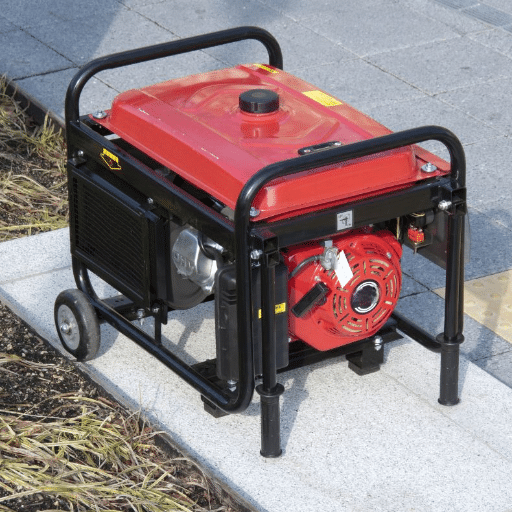
Backup generators are a line of devices designed to provide electrical power during outages or disturbances in the main power supply. These generators work with different kinds of fuel, such as natural gas, diesel, or propane, and use an internal combustion engine to generate electricity. These systems are essential for the continued operation of homes, businesses, and other critical facilities when utility power is unavailable. When choosing a backup generator, you start by considering the following factors: power, fuel, installation, and reliability. The power breakdown problem is solved with a well-chosen generator and proper installation, ensuring the property’s comfort, safety, and productivity during a power failure.
What is a Backup Generator?
A standby generator is an alternative power source that automatically or manually starts during a power cut. The mechanism of such systems is an internal combustion engine and an alternator, which convert mechanical power to electrical power. The generator can use various fuels (e.g., diesel, natural gas, propane, or gasoline) depending on its configuration. Presently, generators are equipped with transfer switches for integration and switchover that is accelerated compared to the generator. The process is set up to be fast and facilitate the reliable supply of electricity to the connected system, thus reducing the inconvenience caused by the interruptions. Durability is also a feature of backup generators, as they come with features such as overload protection, voltage regulators, and advanced cooling systems, all of which are geared toward high efficiency and a long lifespan.
Importance of Home Generators During Power Outages
Recently, there has been an increase in the frequency of power outages, which are the primary causes of grid failures, and extreme weather events; natural disasters(earthquakes, hurricanes, and tornadoes) have also played a significant role. In the United States alone, statistics show that the number of customers without power has been on the rise alongside the above disastrous occurrences. It is for these reasons that home generators have become the most dependable power solution during power outages. They run the heating and cooling systems, the refrigeration, and the lighting too, while also supplying electricity to the medical devices used for health and safety.
Many modern home generator units already include advanced features, including the ability for homeowners to remotely monitor fuel levels, electrical usage, and maintenance requirements. Furthermore, fuel efficiency and noise reduction are among the areas of improvement that make the units very easy to use and, at the same time, more sustainable in the long run. For homes located in hurricane- or severe-storm-prone areas, standby generators with automatic transfer switches that can start within seconds to restore power are needed; hence, very little time is lost. It’s a fact that getting a generator of the right size and professionally installed can significantly increase the household’s resilience to unexpected power cuts.
Types of Backup Generators
| Type | Fuel Type | Capacity (kW) | Usage | Key Features |
|---|---|---|---|---|
| Standby Generators | Diesel/Natural Gas | 7-150+ | Homes, businesses | Automatic activation, permanent install |
| Portable Generators | Gasoline | 2-20 | Temporary, outdoor use | Easy to transport, manual start |
| Inverter Generators | Gasoline | 1-10 | RVs, sensitive electronics | Quiet operation, stable power output |
| PTO Generators | Tractor PTO | 10-100 | Farms, large outdoor sites | Tractor-driven, high power capacity |
| Solar Generators | Solar Panels | 1-5 | Eco-friendly, remote locations | Sustainable, no fuel required |
| Dual-Fuel Generators | Gasoline/Propane | 2-12 | Versatile, home and outdoor use | Switchable fuel options |
Understanding Generator Costs

The generator’s price is one of the key factors that greatly affect its cost. The portable generators, which range from $300 to $1,000, are small and suitable for simple tasks. The larger units, such as standby or PTO generators used mainly for home backup or agricultural purposes, can cost $2,000 to $10,000 or more, depending on features and output power. Solar generators, on the contrary, are priced in the middle, i.e., between $500 and $3,000, in a handful of cases where their photovoltaic and storage capabilities justify such a high price. The wise consumer does not rely solely on the purchase price but also factors in running and maintenance expenses and the possibility of installation when dealing with the heavier models. Therefore, the choice is between a considerate investment and an expensive product that might not be the best fit given the costs.
Factors Influencing Generator Cost
The total cost of a generator depends on various factors, such as technical features and environmental details. The generator’s power output is the main cost factor, since systems with higher wattage command higher prices. Moreover, another important factor that determines generator cost is the generator type—inverters, portable generators, or standby models —each with different levels of efficiency, portability, and reliability, which also directly affects product costs.
Fuel type is a paramount factor as well, since diesel and gasoline generators are usually less expensive upfront but still lead to higher long-term fuel costs and greater environmental pollution. However, natural gas, propane, and solar-powered generators, despite being more expensive to purchase initially, are popular for their lower emissions and minimal regular maintenance.
Last but not least, new technical features, such as internet-based supervision, automatic operation control, and sound filtering systems, could be factors that drive up the price of the generator, yet they will provide greater convenience and performance. When computing costs, the electricity needs and performance expectations must be reflected in the different costs to determine the most economically viable investment.
Average Cost of Backup Generators
Backup generators have a wide price range, depending on their type, capacity, and any additional features. To give an example of home backup generators, the smaller portable models that can run essential home systems during power outages are usually priced from $500 to $2,500. As for standby generators —the professionals’ top choice, which can power your whole house and are installed as a permanent solution —these usually cost from $3,000 to $10,000, not including installation!
At the same time, industrial-grade backup generators, which are typically large units with extended operating hours, might cost $50,000 or more, depending on the scale and setup of the project. The erection of the generator unit, as well as the connection of it to the house or business, can cost $2,000 to $10,000, with the cost highly dependent on factors like the level of the ground being leveled, the complexity of the required power links, and the wages of the electricians working in the neighborhood.
Moreover, the costs of installing new features, such as automatic transfer switches, remote monitoring systems, and noise-reduction technology, can be significantly higher. The overall expense is a vital factor to consider when choosing the investment’s size to ensure operational power and reliability are well-balanced in the future.
Whole House Generator Cost Breakdown
The cost of buying and installing a generator for the entire house generally includes the generator unit, installation costs, and ongoing maintenance. The price range for the generator unit is very wide and depends on capacity and size. For instance, a smaller 10 kW generator meant for small homes may cost you between $3,000 and $5,000. On the other hand, the larger ones, like 20 kW and 30 kW, can power larger properties, and their prices range from $6,000 to $15,000, or even more. Installation expenses are a significant factor to consider, and they can vary based on factors such as the complexity of electrical connections, site preparation (e.g., concrete pad installation), and labor costs, which vary by location. Usually, expenses fall between $2,500 and $10,000, but if major modifications to existing systems are needed, costs can be higher.
Besides the initial investment, homeowners are also advised to factor in ongoing maintenance to maintain the unit’s performance. For the yearly maintenance alone, which includes the unit’s inspection, oil changes, and replacement of worn-out parts, homeowners should set aside a budget of $200 to $500. Eventually, neglecting the proper maintenance of a generator can result in not only costly repairs but also the need for regular servicing. Moreover, the total cost will include a factor if one opts for optional system upgrades. For example, installing a weatherproof casing, using an advanced load management system for electronic appliances, and reducing noise through enhanced design are possible but entail an extra outlay. The strategic assessment of available alternatives in light of power production needs and financial capabilities is of utmost importance for sound decision-making.
Generator Installation Details

Site Selection
The best place for a generator is probably outdoors, on a stable, level surface, to ensure sufficient ventilation and prevent the accumulation of dangerous exhaust gases. It is of utmost importance to adhere to the local codes governing minimum distances from buildings and structures in the vicinity.
Power Requirements
Assess the total wattage required to run all necessary equipment and appliances in your home or building. This figure will give you an idea of the generator size that best suits you.
Electrical Connections
It is advisable to find and hire an electrician with a valid license to do the work. The professional should install a rated transfer switch to ensure the generator is properly connected to your home electrical system and to prevent any possible backfeed to the power grid.
Fuel Source
The best generator type for you would be one that runs on the same fuel you already use, such as natural gas, propane, or diesel. Plan accordingly for the fuel, making sure you always have a reliable source available and do not run out during the emergency.
Permits and Regulations
Before starting any project, one must ensure that permitting and other requirements and regulations are addressed. This would also cover limitations set on the amount of noise emitted, types of emissions, and even the intended use of the property. Compliance with all rules has to be ensured by the generator owner.
Cost of Installing a Whole Home Generator
Several factors determine the price of a whole-home generator installation. These factors include the price of the equipment, the cost of installation, and the price of the equipment. The generator itself varies widely, from $2,000 to $15,000, depending on power output and brand. In most cases, the price for setting up the house includes place preparation and generator mounting, and the connection of the genset to the grid ranges from $3,000 to $6,000. Homes whose circuits need updating or require additional inspections spend more, with an average of $1,000 to $2,500 for the former.
Fuel factors can also significantly affect total expenses. One option is linking the generator to an existing natural gas line, which may cost less than installing a new propane or diesel storage system. Maintenance contracts, which are typically proposed to ensure the generator will always work when needed, cost from $300 to $1,000 per year, depending on the plan. Users also need to consider regional differences, such as labor costs and regulatory compliance fees, which may lead to significant variation in the final cost. Considering these factors will help users understand the total cost of ownership of a whole-home generator.
Steps to Installing a Backup Generator
- Assess Power Requirements
A good starting point is to assess the home’s power requirements. The power generation size will then be determined by the specifications of all critical systems that need to be powered, such as HVAC, refrigeration, lighting, and medical devices. This ensures the chosen generator is well-suited to the household’s power requirements and won’t overload the household.
- Select the Appropriate Generator
Select a generator from the two types —standby or portable —based on the power analysis. Standby generators, which kick in automatically during power cuts, are generally a better fit for residential or business areas’ power supply. Look at the generator’s fuel type as well — natural gas, propane, or diesel —and double-check the unit with the local utility companies’ infrastructure.
- Obtain Necessary Permits
Before installation, you have to check the local zoning regulations and obtain all necessary building and utility permits. The property being up to electrical and safety codes is a must, which can vary by location.
- Choose a Suitable Installation Location
The selection of the site is essential. One of the main criteria is that the generator be placed on a stable, elevated surface to prevent flooding. It also has to be a good distance from walls and windows to ensure the required air circulation and safety. Additionally, local noise and environmental regulations may affect the installation site.
- Install the Transfer Switch
A licensed electrician must install a transfer switch to connect the generator as a power source for the home, and this work does not pose a risk of electrocution. It is his duty to connect the generator to the house most efficiently and safely, avoiding direct backfeeding into the utility grid, which could endanger utility line workers.
- Connect Fuel Supply
In the case of a stationary generator, it is wise to use the same energy source as the home uses—be it gas or propane. It is also essential that the homeowner has the correct size gas lines and that they have been pressure-tested for leaks or failures.
- Complete Electrical Wiring
The generator should be connected to the transfer switch, and all connections should be of the highest quality in accordance with the National Electrical Code (NEC). This is the most effective way to prevent short circuits and get the most out of the system.
- Conduct Comprehensive Testing
Only after installing the generator should it be tested under load. This exercise aims to verify the system’s performance, such as the auto-start function and the switch, in general, before you can speak to the generator’s full operational status.
- Schedule Regular Maintenance
When it comes to maintenance, you must always follow the manufacturer’s official routine. The manufacturer’s recommended maintenance schedule for the generator, along with the list of routine inspections and servicing, e.g., oil changes, battery checks, is a key factor in ensuring its long-term reliability and efficiency.
Cost Considerations for Different Generator Types

The price of a generator is influenced by its size, its type, and its intended use. Portable generators are generally the first choice, priced in a range that may be considered very acceptable —$500 to $2,500 —most likely because they are suitable for the power needs of a temporary or limited kind. Standby generators, which are permanently installed and designed for continuous operation to provide power during outages, are on the higher end of the cost scale—usually between $3,000 and $10,000, not including installation costs. For very power-hungry businesses, the cost of commercial generators can exceed $50,000 due to a combination of higher capacity and longer lifespan.
It’s also essential to take operational costs connected to the choice of fuel into account. The prevailing and most economical refueling options for power backup are gasoline and diesel generators. Although diesel models are usually more fuel-efficient, they are also pricier. Using natural gas or propane may result in a higher initial installation cost due to the need for a fuel line; however, it can also be a greener option with a longer runtime. Both the up-front and standard costs need to be included in the decision-making process to find the best fit for your power requirement.
Standby Generator vs Portable Generator Costs
Standby Generators
Initial Cost: $5,000 – $10,000+
Installation: Professional required
Features:
- Automatic transfer switches
- Whole house coverage
- Permanent installation
- Advanced technology integration
Portable Generators
Initial Cost: $500 – $2,500
Installation: Manual setup
Features:
- Easy to transport
- Limited capacity
- Manual operation
- Lower initial investment
When comparing the prices of standby and portable generators, the purchase price and future maintenance costs should be considered equally important. A standby generator would usually require a much higher initial investment, $5,000 to $10,000+, including professional installation. The provision of contemporary automatic transfer switches, integration with the household electrical system, and the ability to serve the whole house are among the advanced features that standbys present, and the high initial investment covers these.
On the flip side, mobile generators are a much cheaper option. Their prices generally range from $500 to $2,500, and, of course, vary depending on wattage and brand. The only problem with portable units is that they take up space, require more effort due to manual mode, and have limited capacity, meaning they may only get the job done for a few specific pieces of equipment or devices. What is more, the maintenance of portable generators and eventual replacement after a short life span could be key factors in long-term expenditure, especially if the total cost is already high, given the possibility of frequent repairs or replacements.
Fuel Type and Its Impact on Generator Costs
The fuel a generator uses will significantly affect its operational, economic, and energy-efficiency performance. Common fuel types include gasoline, diesel, propane, and natural gas, each with its own distinct characteristics and disadvantages. For instance, the gas-powered one is the least expensive at the beginning, but it can cost more in the long run, and there will be restrictions on fuel use and hours of operation. On the other hand, diesel generators are generally the most efficient and durable, resulting in the lowest long-term fuel and maintenance costs; however, the initial cost can be quite high.
Propane generators are considered cleaner alternatives for consumption but require specialized storage and refueling infrastructure, which may entail additional costs. They differ significantly in energy output compared to diesel, gasoline, or turbocharged models. Natural gas generators are preferred because they are supplied and have very few problems with costs and losses, especially in operational regions where gas prices remain unchanged. Yet, the natural gas generators’ weakness is that they require a continuous supply, which can make them very costly these days, as alternatives such as power from other sources will result in much higher costs. One who wants no networks and unsophisticated fuels may explore further with biomass or solar generators. In this way, the question of how to select the most cost-efficient generator is solved, with a slight edge over other factors, such as reliability, especially during the summer, and this can be done through enterprise-wide big data analysis.
Long-Term Value of Backup Generators

Backup generators are very valuable in the long term, as they ensure a steady power supply during outages, which is of utmost importance at this point in time. They keep downtime costs low and provide significant operational resilience. In addition, they help with data loss prevention and, to a large extent, prevent material loss. The property will be valued almost the same after installing a good backup system; however, there will be a big difference in how people and things are handled, and acceptance from all angles will be much more likely. Maintenance visits to the generators need to be done regularly, and choosing a generator that balances efficiency and durability is key to long-term benefits.
Cost Savings During Power Outages
Businesses may suffer substantial financial hardship if a blackout occurs, especially those that rely on a continuous power supply to operate, such as medical facilities or telecommunications companies. Nevertheless, with the installation of generators, these companies can prevent interruptions to their income caused by power outages. Studies show that the loss from an hour of downtime in the business sector can amount to thousands of millions of dollars, depending on the size of the business. People who live in residential homes with backup generators will have an easier time when the power goes off because, mainly, the spoiled food does not mean much, second, renting a hotel room for a short stay is unnecessary, and, lastly, there are no lost wages incurred as the home office operates without disturbance. In addition, the latest power generators come with fuel-saving technology that can result in considerable cost savings over the long term. On top of that, they can eliminate the high cost of emergency procurement during unforeseen outages, offering a very cost-effective solution for property owners and businesses alike.
Benefits of Home Standby Generators
Reliable Power Supply
The introduction of home standby generators is widely acknowledged to be a seamless process during power outages. They detect interruptions on their own and restore power within seconds. According to the U.S. Energy Information Administration, the average American experiences about four power interruptions per year, totaling about 8 hours. A standby generator would mean continuous power, so any breaks in daily routines and critical home systems would be the least of the household’s worries.
Protection of Essential Appliances
The stated technical term for these machines is that they can power essential household appliances, such as refrigerators, heating and cooling systems, medical appliances, and security systems. The uninterrupted operation of these machines during outages eliminates most of the issues like food spoilage, discomfort due to temperature regulations, or reduced safety. The Agriculture Department, for example, estimates that a typical household may lose up to $200 in spoiled food during a single power outage.
Energy Efficiency and Cost Savings
The latest features of modern home generators, such as variable-speed engines and more innovative load management, make them quite efficient. They require only a small amount of fuel compared to previous models, so the operating costs go down over time. For example, natural gas generators are rated at 7 to 10 cubic meters of gas per hour at peak, and this is generally cheaper than gasoline- or diesel-powered generators with the same load capacity.
Preservation of Home Offices
Uninterrupted electricity has become a necessity for work in this era of remote work. A home generator helps ensure that computers, an internet modem, and other office gadgets remain active, preventing work disruptions and income loss. In fact, a recent Statista study found that 32% or more of U.S. employees are working from home, underscoring the need for a home power supply.
Enhanced Safety Features
One of the main advantages of home standby generators is that they are equipped with built-in safety features, such as automatic shut-off systems, overload protection, and carbon monoxide sensors. These functions are essential for reducing the risks associated with long-term generator use, thereby ensuring household safety and the equipment’s safety.
Increase in Property Value
Having a home standby generator installed is a good idea, no matter whether we consider it as a real estate value booster. The available data from different studies on home sales and the impact of the system’s presence on the time it takes to sell the property and the price obtained for the house indicate that, at the very least, homeowners can expect to recoup half their investment in the system’s installation cost.
Maintenance Costs Over Time
There is a significant difference in the total maintenance cost of a residential generator, mainly due to the following factors: generator type, frequency of use, and climatic conditions. A typical allowance for yearly maintenance is $150 to $300, spent on services such as oil changes, filter replacements, and system checkups. It is not unexpected that the total cost of maintenance over ten years will be $1,500 to $3,000, which would be a reasonable purchase for stable, reliable performance.
The other side of the coin is unexpected repair costs, for which it is indeed essential to make a solid budget, as they may arise from continuous device operation or the improper failure of a part. For example, a battery replacement costs usually fall between $100 and $300, but for a larger repair, such as fixing or replacing the alternator, it could cost $500 to $1,000. The development of generator technology, including automated detection systems, has made it possible to avoid large outages by identifying problems at an early stage, thus minimizing the risk of failures that are very expensive to fix.
Moreover, when you choose the professional maintenance contracts route as a homeowner, you get a package of services at a discount, with lower per-service prices and faster help during power outages. In general, such contracts range from $200 to $600 per year, depending on the scope and size of the generator. But if the generator owner follows a maintenance plan, the outcome will be two: less time and money spent on unscheduled repairs and a longer life for the electrical infrastructure.
Reference Sources
Cost-Benefit Analysis of a DG Integrated System
Key Findings: This paper evaluates the costs associated with implementing distributed generation (DG) technologies, including backup generators.
The Energy Cost Analysis of Hybrid Systems and Diesel Generators
Key Findings: The research explores the levelized cost of energy (LCOE) for hybrid systems that include diesel generators.
Frequently Asked Questions (FAQs)
What is the likely cost of a whole-home generator?
It is estimated that the cost of a whole-house generator may be between ($5000-$15000, taking into account several parameters such as the size of the house, the type of generator, and the requirements based on installation. The price typically includes the devices, various permits, and labor fees. Going for a top brand like Kohler or Generac may bring the price a bit high. Additionally, the cost of electricity generated will depend on the fuel type, with the most common being natural gas or propane. By and large, installing a whole-home generator system can be a comforting solution during prolonged power outages.
How much does generator installation cost?
Generator installation expenses can be highly variable, depending on the complexity of the installation and the generator one chooses. On a mean scale, it is a value between $2,000 $5,000, which may include the cost of labor, material, and fuel line connection. Other factors, such as the size of a house and the distance to the fuel source, can also be cost determinants in the installation process. One must absolutely bring in a competent technician who has their diligence drilled down to your particular generator model’s stiffness. If the installation is done right, that implies the generation will operate well, and you will have a backup power supply in case there is a power cut. It is vital to estimate the establishment cost for the installation using multiple quotations.
What factors affect the average cost of a home standby generator?
The price of an average home standby generator is determined by several factors, including the generator’s size, the brand, the fuel type, and the complexity of the installation. Generators that are bigger and can support key systems in a larger household generally cost more. Furthermore, exclusive brands like Kohler or Generac might be a bit expensive, as they are known for reliability and unique features. The fuel the generator uses will also affect the total cost: natural gas units may have different installation rules than propane units. The costs of installation vary depending on labor rates in the area and whether the proper permits have been obtained; thus, this is a very important factor when estimating cash flow for a home standby generator.
What maintenance is required for a backup generator?
For a backup generator to be ready during a power outage, it must undergo regular maintenance. A service visit quite often entails the oil level checks, the fuel type examination, and the battery testing. In most cases, consumers set annual inspection appointments with a duly employed technician to ensure all parts are in the correct order. Aside from this, regularly cleaning the generator and keeping it free of debris may also help eliminate operational issues. Some companies, like Kohler and Generac, make it easier for you by providing such maintenance methods that are product-specific. By correctly maintaining your generator, you will not only gain peace of mind but also a non-diminishing operation when needed.