
If you are looking to secure your residence or business against sudden power outages, installing a generator would surely be an excellent investment. But, the property owners’ most immediate concern remains the installation of a generator: “How much does it cost?” The answer to this question is not, however, easy, as factors such as the type of generator, installation complexity, and property-specific requirements can lead to significant price differences. With this guide, you will get to the bottom of generator installation prices as we dissect the factors that drive price fluctuations and ultimately help you make a wise choice. Suppose you aim for a standby generator installation to ensure continuous power flow or portable options. In that case, we will explain everything you need to know, equipping you with the knowledge necessary for effective budgeting and for selecting a solution that meets your requirements.
Introduction to Generator Installation Costs
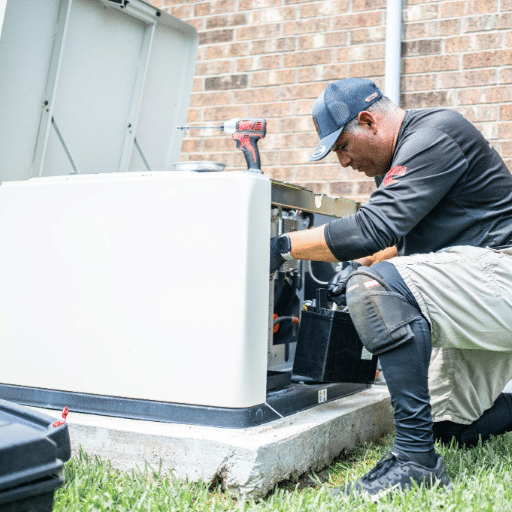
The cost of installing a generator is primarily determined by the type and wattage of the generator, as well as the complexity of the installation. Generally, standby generators with permanent installation and connection to a home’s electrical system are more costly than portable generators because of their larger size and the need for, among other things, a transfer switch.
When changing the base document for the generator installation, the most important considerations are site preparation, such as foundation stabilization, electrical rewiring, and connection to fuel sources. Among the total expenses, local labor charges and any necessary permits or inspections will also be considerable. On average, the installation cost of a generator ranges from $3,000 to $10,000, but the actual cost can vary widely depending on the specific situation. With good preparation and help from licensed professionals, a very close estimate of the total expenses for equipment and labor can be provided, depending on the home, the generator, and the complexity of the job.
The Importance of Having a Home Generator
A home generator is crucial because it provides power that never goes out due to unforeseen circumstances such as extreme weather, grid failures, or natural disasters. Power cuts, in particular, disrupt the operation of the essential systems in a house, such as heating, cooling, refrigeration, and medical devices; thus, they may lead to significant financial losses and safety risks. Modern standby generators can automatically switch on when power goes out, providing uninterrupted operation and helping homeowners avoid lengthy outages. Recent statistics show that weather-related power outages are becoming more frequent, with extreme events such as storms and heatwaves the main culprits, and the need for backup power systems is growing. On top of that, technological innovations have led to the development of more efficient, less polluting generators, which, in turn, have made them more affordable and eco-friendly over the years. Not only does buying a home generator increase convenience, but it also protects vital infrastructure, providing peace of mind during uncertain times.
Overview of Generator Types
| Generator Type | Primary Fuel | Power Output Range | Portability | Noise Level | Typical Applications | Cost Range |
|---|---|---|---|---|---|---|
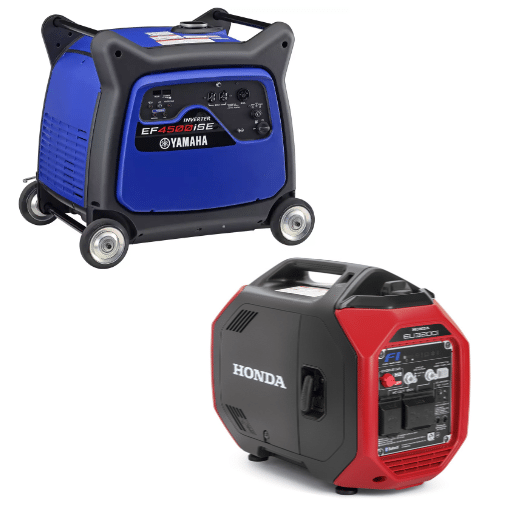
| Portable Generators | Gasoline/Diesel | 1-20 kW | High | Moderate to High | Home backup, outdoor use, construction | $500-$2,500 |
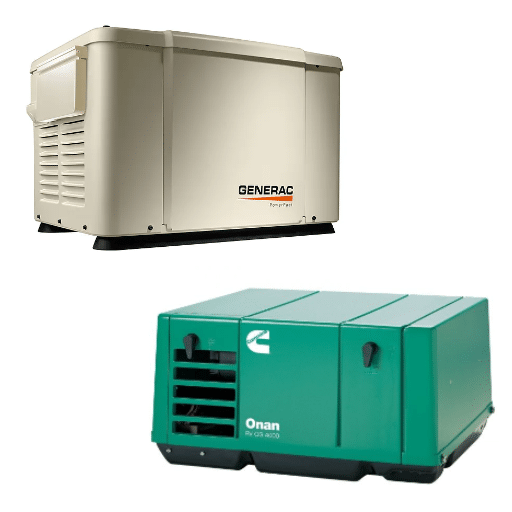
| Standby Generators | Natural Gas/Propane | 10-50 kW | Fixed location | Low to Moderate | Emergency power for homes/businesses | $2,000-$10,000+ |
| Inverter Generators | Gasoline | 1-5 kW | High | Low | Electronics, camping, small appliances | $400-$2,000 |
| Solar Generators | Solar Panels | 0.5-2 kW | High | Silent | Off-grid, eco-friendly applications | $500-$3,000+ |
| Diesel Generators | Diesel | 10-2,000 kW | Variable | Moderate | Industrial use, large-scale power backup | $3,000-$20,000+ |
| Gas Generators | Natural Gas/Propane | 5-50 kW | Fixed location | Low | Continuous power, residential use | $2,000-$10,000+ |
What to Expect in This Guide
The primary purpose of this guide is to deliver nothing short of a complete and thorough presentation of the different types of generators, along with their advantages and disadvantages, technical specifications, performance metrics, and applications. Using the latest information ensures the most accurate recommendations for both residential and industrial applications. You will gain access to information on power output ranges, fuel efficiency, noise levels, and potential use cases, which will help you determine the best generator for your needs. Moreover, the handbook focuses on price evaluation across different technologies and provides essential information for informed decision-making. If attention is drawn to portability, the environment, or heavy-duty performance, this handbook offers concrete information tailored to your power requirements.
Average Generator Installation Costs

The cost of installing a generator ranges from $1,500 to $7,500, depending on factors such as the generator type, output, and installation difficulty. The installation cost for portable generators is typically lower, even as low as $500, but remains within the $500-$2,500 range. On the other hand, the installation of residential standby generators, which are used year-round, will require permanent placement and connection to the electrical system; hence, the cost ranges from $2,500 to $7,500. Expenses such as permits, electrical upgrades, or site preparation could also add to the installation cost and need to be considered. It is a great idea to have a certified electrician or contractor help you with the estimate and include all the actual conditions of your area and device to get an accurate price.
Cost Range for Different Generator Types
The price of a generator can fluctuate widely depending on the type, wattage, and features. Prices of portable generators (meant for short-term use) usually range from $500 to $2,500. These models are perfect for powering a few essential appliances during an outage (and are left online all the time, but are the property of the utility company) and don’t require permanent installation. On the other hand, standby generators are designed to operate with a constant flow of power at higher wattage, and prices for such units range from $2,000 to $10,000 or more. High-capacity standby generators, those capable of providing power sufficient for large houses or commercial properties, can actually cost more than this range, depending on the amount of power they produce and the high-tech features they are equipped with, e.g., autoregulation.
Moreover, inverter generators, which are known for their low fuel consumption and quiet operation, are generally priced from around $1,000 to $4,000. They are commonly used for outdoor activities or when a constant, pure power supply is needed for sensitive electronic devices. For diesel generators, widely installed in factories and large businesses, prices range from $5,000 to $15,000, and even higher, due to their durable construction and low long-term fuel consumption. Understanding price differences is essential for finding the right generator that fits both cost and operational needs.
Factors Influencing the Average Cost to Install
There are a few significant reasons that all go into the final cost of setting up your emergency generator. First and foremost, the individual pull of the generator and the size matter a lot, i.e., bigger systems that can deliver more power will naturally have a higher installation cost. Moreover, the need for installations that require electrical wiring, cables, and related materials, or for building modifications, will also drive labor and material costs up.
Furthermore, the cost of the local permit, which may vary by location, should be included in the total amount. The area is also another factor that makes the expense different—a manual or automatic transfer switch is another point to mention here. Usually, automatic transfer switches are costly, and their installation to connect perfectly with a building or business’s electrical system requires precise work. From the project plan through the first snag to the final connection powered by the installed switch, the seemingly seamless operation is only made possible by the skillful work of a professional. Now, the last item in the cost list that is highly affected by regional factors, i.e., the kind of electrical system the location is known for, etc., is the professional charge. It could simply be said that this charge is a blend of the electrician’s labor expertise, which is the hardest to estimate, the local differences, and the project’s time pressure, all of which coalesce to determine its value and directly impact the overall installation cost.
Cost Comparison: Standby vs. Portable Generators
There are a few essential factors to consider when estimating the costs of both standby and portable generators comprehensively. Usually, standby generators are priced higher at the beginning, as unit prices may range from $2,000 to $10,000, and there are additional installation costs of $3,000 to $5,000. Budgeting for generator maintenance, though not extensive on an ongoing basis, is also a significant factor to account for in the total cost of ownership.
Portable generators, in contrast, are the more affordable option, with prices usually ranging from $300 to $2,000 depending on wattage and features. The cost of installation is something the user can do themselves, thus cutting expenses at the very beginning. Yet portable generators may result in higher operational costs, e.g., fuel, which might amount to a significant sum over time, depending on how often they are used. Moreover, the small power output and the need for manual operation may make them less user-friendly for long-term use; hence, a single unit may not be enough, or auxiliary solutions may be needed.
Factors Affecting Generator Installation Costs
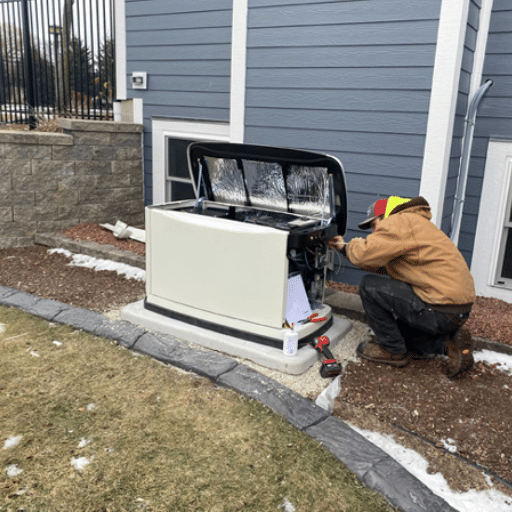
Generator Type and Size
The price mainly differs with the generator type and size. For example, larger and standby generators require a more complex installation process than smaller, portable ones.
Site Preparation
The higher the level of preparatory work, such as land excavation, waste removal, or laying a concrete foundation, the more the installation cost will be directly affected.
Electrical Work
Connecting the generator to the main breaker panel is a crucial step. The complexity of the process, particularly in older homes or custom-made electrical systems, can lead to higher labor and material costs.
Permits and Regulations
Local rules issued by local governments may require permits for installing generators. The charges for these permits depend on the location and should be considered when estimating the total cost.
Distance from Power Source
Connecting the generator to the primary utility connection at a greater distance requires more wiring and larger conduit, which will increase the installation cost.
Optional Features
The addition of features such as automatic transfer switches or remote monitoring systems can make the system not only more user-friendly but also more costly due to installation expenses.
Generator Size and Power Output
The central aspect of top-notch performance and avoiding system errors, such as overload or inefficiencies, is choosing the right generator size. Generator size is commonly expressed in kilowatts (kW), which indicates the maximum power a generator can deliver. To figure out the right size, what is critical is to calculate the total wattage requirements for all appliances and systems that the generator will power during operation, while also accounting for the starting wattages of devices that require high initial power, such as air conditioners or refrigerators.
Smaller residential generators range from 5 kW to 20 kW. In comparison, larger whole-house models can exceed 20 kW and are usually suitable for high-energy-consumption homeowners or homes with multiple cooling or heating systems. On the contrary, industrial and commercial generators most often exceed 50 kW, with high-output devices designed for larger operations. Moreover, the choice of generator size should be influenced by variables such as fuel type, efficiency, and long-term frequency of use, in direct relation to operational and maintenance costs.
Brand Impact on Costs
The price of a generator is heavily influenced by the brand, which in turn is shaped by reputation, build quality, and technological innovations. Recognized brands usually receive the highest bids because of their excellence and strong market position, which come with warranties and good customer service. For instance, luxury brands are almost always accompanied by features that make every new model the best, such as fuel efficiency, noise-reducing technology, and the most innovative controls, which is why they are priced high. Conversely, lesser-known or still-growing brands might offer the same power options at lower prices but may have fewer service points and may not offer the most advanced features. Apart from this, the availability and compatibility of replacement parts with industry standards are major factors one must bear in mind, and they mainly depend on the brand, which is the factor that initially and throughout the life of a product affects prices.
Installation Complexity and Site Preparation
The process of setting up power generation systems is influenced by many factors, among which the system size, type, and installation site conditions are most critical. Big systems, like heavy-duty industrial generators or solar panels, usually require extensive preparation; they must be carefully assessed on the spot, and personnel must perform the installation very professionally due to their complexity. The key factors in this process are the system’s weight and size, which determine the requirements for the base structure or mounting hardware. For instance, solar installations often require a roof inspection to confirm load capacity, whereas ground-mounted systems focus on grading and trenching for optimal alignment and integration.
The complexity of electrical and mechanical connections can be a barrier to installation, too. For instance, the precise wiring required for a high-capacity generator to operate safely and stably often requires compliance with local electrical codes and standards. Furthermore, site preparation includes, but is not limited to, environmental factors such as drainage systems to prevent flooding and optimal ventilation to avoid overheating during operation. Also, zoning regulations in residential or urban areas may require installing noise-control measures, such as soundproofing enclosures or vibration dampeners. Naturally, installations in places like offshore platforms or remote areas will, as a rule, be more costly due to the additional logistics and equipment required. Site preparation must be excellent, and the installation protocols must be followed. This is the only way to ensure the system operates reliably, safely, and efficiently throughout its lifecycle.
Types of Generators and Their Costs

Diesel Generators
Diesel generators are ubiquitous as both primary and backup power sources because they are considered highly dependable and long-lasting. To get a small residential diesel generator, you will need to prepare at least $3,000, while prices for larger commercial models can exceed $50,000. Operating costs are one of the factors that affect operating costs, along with diesel and regular maintenance costs.
Gasoline Generators
Typically, gasoline generators are more economical, with light-duty models priced between $500 and $2,500. Nevertheless, they usually do not last as long, and their operating costs are higher due to fluctuations in gasoline prices.
Natural Gas Generators
They can be a better option for clean energy in areas where natural gas is already available. The lowest prices are around $2,000 for small ones; for bigger industrial machines, prices can reach $30,000 or more.
Solar Generators
There has been a significant rise in solar-powered generators as a customer-friendly option, often combined with battery storage systems. Homeowners are spending anywhere from $2,000 to $10,000 to have a solar power system installed, but the long-term cost of power would be nonexistent, as it would be generated by the sun.
Standby Generators
Standby generators are intended to be part of the consumer’s day-to-day life and will start up automatically in the event of a mains power failure. The range for acquiring such a generator is $5,000 to $15,000, with installation costs not included. Their user are mainly driven through diesel, natural gas, or LPG.
Portable Generators
Portable generators are among the most sought-after power sources because of their versatility and ease of mobility, making them ideal for temporary power needs. Selling prices usually fall between $300 and $2,000, depending on wattage and features, and offer a significant advantage in both power and pricing.
Standby Generators: Features and Pricing
Standby generators are rich in features that provide a stable power supply during outages. They are usually connected to an automatic transfer switch, which enables the system to detect a power loss and instantly power on to restore electricity. Usually, they are equipped with rugged, weather-resistant enclosures and are thus suitable for long-term outdoor installation across a range of climates. Also, a good number of them come with high-level monitoring systems, and users can track performance and runtime metrics via mobile apps or control panels.
Standby generator prices vary widely and are determined by the amount of power their batteries can deliver and the additional functions they offer. The lowest quality machines provide up to 12,000 and cost approximately $5,000 to $8,000. The middle of the range produces are usually suitable for households, which are more or less in the middle of the range, and their prices range from $8,000 to $12,000, with up to 20,000 watts. High-end devices intended for commercial or whole-house use can deliver more than 30,000 watts, but the cost will exceed $15,000. Given the complexity of the task, installation expenses—including wiring, gas piping, and concrete platforms —contribute to the total cost and are in the $2,000 to $5,000 range.
Whole Home Generators: Installation and Expenses
The very first step in installing a whole-home generator is carefully choosing the location where it will be installed. Setting it up might require installing a concrete pad beneath the generator. A safe place will prevent it from moving, even during heavy rainfall or vibration. Installing a unit by a professional means connecting the generator to the automatic transfer switch, which is an essential element in case of a power outage. The total cost of installation always varies from $2,000 to $5,000, depending on the electrical system compatibility, the length of wiring required, and whether alterations to the fuel lines will be made.
At the same time, one type of fuel can determine both setup and continual expenses. Propane, natural gas, and diesel are the most commonly used fuels worldwide, each with its own specific infrastructure requirements. For example, if a natural gas line were involved, that would mean cooperating with local utilities and possibly obtaining permits. Generators for whole houses are estimated to range from $8,000 to $15,000, depending on power capacity, and additional features such as weatherproof casings or remote monitoring may further increase the cost. If installation is included, the total amount to be paid may exceed $20,000 for large units designed for large houses or even commercial buildings. Good maintenance practices, such as regular inspections and fuel top-ups, may seem expensive overall but will result in long-term hassle-free performance.
Additional Expenses to Consider

1Fuel Costs
When you purchase a residential standby generator, one of the first things that comes to your mind is the never-ending expense of fuel. Different types of generators may need either natural gas, propane, or diesel fuel. People who live in houses already connected to a municipal gas supply system might opt for natural gas, as it is often the cheapest and most convenient option. In contrast, the latter two options may involve higher costs and more frequent refueling.
2Professional Maintenance
Another factor to consider is that scheduled professional maintenance must be carried out to maintain the generator’s maximum performance and long life. Furthermore, the most common professional services a generator needs are oil and filter changes, battery checks, and system diagnostics, which range from $200 to $500, depending on the complexity of the installation.
3Replacement Parts
It should also be noted that, at some point, the generator’s critical components, such as the battery or alternator, will need to be replaced. The prices of the components vary, but most are between $100 and $500 per piece, plus the cost of the work.
4Electrical Upgrades
In some cases, houses may need to update their electrical wiring and distribution systems, for example, by installing circuit breakers or transfer switches, to accommodate the generator. These changes typically add up to between $1,000 and $5,000 in expenses, the final amount depending on the property’s electrical situation.
Permits and Regulatory Fees
The whole process of installing a generator often involves complying with local regulations issued by municipal or state bodies. In some jurisdictions, permit costs range from $50 to $500 and depend on the area and the difficulty of the installation. The approval process can be affected by factors such as neighborhood zoning laws and noise regulations. In some regions, additional checks must be performed on the installed generator, which would usually entail extra fees. The idea behind these laws and regulations is to prevent the generator from posing a safety hazard and, at the same time, integrate it into the system as effectively as possible. Working with an electrical engineering firm that holds the necessary local permits is key to the success of such projects.
Labor Costs for Installation
The cost of labor for generator installation may vary significantly, as it depends on the complexity of the work, the labor rate in the region, and the type of generator being installed. When one has in mind that setting up a survival generator is often done by a licensed electrician, and that it might involve a plumber for the gas or propane line connection, one can already anticipate a higher labor cost. Electrician tasks usually include checking your house’s electrical system, ensuring proper load balancing, and installing an automatic transfer switch. According to statistics, such expenses may range from $500 to $3,000 to cover the labor portion of the entire project, which also includes property modifications.
Trenching, custom mounting, or significant electrical upgrades that may be necessary to meet current code requirements are among the possible extra costs. When these additional costs are taken into account and well negotiated with certified professionals, the overall installation cost will be minimized while maintaining very high safety and operational standards. Of urgent necessity in aligning the work plan with the specific power backup needs is the initial identification and discussion of the labor scope with the consultants.
Potential Electrical Upgrades and Modifications
Integrating a backup power system entails improving and modifying the electrical system in some respects to align with the existing infrastructure. One common requirement for older buildings is the need to upgrade the electrical panel. Many earlier panels cannot take loads from a generator or a renewable energy system, so a higher-capacity panel must be installed using modern circuit-breaker technology. Furthermore, updating the grounding system might be necessary to comply with new safety standards and reduce the risk of electrical faults.
Installing a transfer switch is yet another significant alteration. This piece of equipment is critical for safely transitioning from the primary grid to backup power. Transfer switches are usually of two types—manual or automatic —and automatic models are smoother during a power cut, though they may require more complex wiring. It is also possible that a user may opt for a surge protection device, as it is designed to protect sensitive devices from high-voltage spikes further.
Moreover, the use of advanced monitoring systems in the background is increasingly part of the regular setup. These systems provide real-time tracking of power usage, battery capacity (in solar or hybrid setups), and overall system performance, enabling regular, efficient energy management. By consulting with a licensed electrician, these new setups can be sure to meet local, state, and national codes, thus reducing the chances of future disruptions.
Reference Sources
Cost analysis of solar thermal power generators based on parabolic dish and micro gas turbine: Manufacturing, transportation and installation
Key Findings: This study provides a comprehensive cost breakdown for small-scale Concentrated Solar Power (CSP) generators.
The energy cost analysis of hybrid systems and diesel generators in powering selected base transceiver station locations in Nigeria
Key Findings: This paper compares the operational costs (OPEX) of hybrid energy systems and diesel generators for powering telecommunication base stations.
Frequently Asked Questions (FAQs)
❓ What factors affect the generator installation cost?
The complexity of installing a generator, its size, and (though not actually on cost) the geographical position determine the labor rates for the installation. Another factor might be modifications needed to adapt to your home’s existing electrical infrastructure, which could increase the cost of installation. On the other hand, regional location affects labor prices. It is highly recommended to get expert advice on all these matters from a professional in the field of generator installation. Being aware of the financial implications of these factors helps you plan better for your home generator installation.
❓ How much does a whole-house generator cost?
Usually, one needs a budget of $ 10,000 to $ 20,000 for the generator and installation costs if a whole-house generator is preferred. The cost of generator installation, and hence the total cost, depends on the generator’s size, how well it’s built, and how power demands in your house are met. With high-quality brands such as Generac, the price may be high, but the machine is more likely to be reliable and feature-rich than those from lower-quality brands. What’s more, the installation cost for a whole-house generator varies depending on your residence’s electrical system and the complexity of the installation. To get the best price, it’s recommended to go for several price quotations from a variety of home generator installers.
❓ What is the cost of installing a backup generator?
The cost of installing a backup generator can range from $3,000 to $7,000, with generator size and the complexity of the installation process being the primary factors. Besides these two factors, the generator’s power capacity, the possibility of moving it, and whether it is a permanent or temporary supply are other things to be taken into account. The cost will be even higher if the equipment to be bought is cutting-edge technology and has all possible extra features, including remote monitoring. It will be necessary to contact a home generator specialist and discuss the technology and the power required by the house in detail to obtain a more accurate price quote.
❓ How can I get a quote for a generator installation?
The first step to getting a precise estimate of generator installation costs is to talk to several licensed generator installers in your area. The majority of experts would have no problem providing you with a free consultation to review your home’s electrical system and power needs. You should expect to discuss the size generator you need and the availability of features such as remote start and ATS (Automatic Transfer Switches). The generator installer should issue you with a written quote detailing the costs of the generator and installation fees after reviewing your needs. Getting and comparing quotes from different installers is a wise move when deciding.