
When selecting a generator, you must be able to differentiate between a conventional generator and an inverter generator so as to be in a position of making an informed choice. Both types are used for giving energy but vary significantly in design, performance and utilities. Therefore this post elaborately compares the two forms of generators since it can be presumed that all will have peculiar needs suited by one of the structures differently. This envisions that you will require one for a camping safari where you need electricity, reduce the voltage for use by sensitive equipment, or insure that there will be power whenever an emergency occurs. Before you finish reading this text, it will be known which option is best for you and where is the reason behind making such a conclusion.
Introduction of Inverter Generators

Another amazing generator that you must mention is the Inverter Generator. Inverter generators are a more advanced model of a power generator, delivering a more stable and purer form of electricity due to the latest electronic and innovative technology related to the engines. According to the inverter technology, electrical energy is first transferred into direct current (DC), which is then restored in the form of alternating current (AC) that preempts any voltage variance. This feature allows a minimum voltage range that ensures zero sensitive components in electronic devices like laptops and smartphones. Indeed, inverter types of generators are developed with a special focus on amazing fuel efficiency, made less noisy as well as smaller in size than the standard design, hence making them more convenient especially for carriage, such as while camping, traveling with recreational vehicle, or when it comes to home use (as a backup power source).
How Does an Inverter Generator Work?
An inverter generator uses complex electronics and magnetic system for generating power. First, AC power is produced in its simple form once the generator is turned on as is the case of normal generators. Then this power is changed to Direct Current using a rectifier. Later, DC power is changed back to a very specific and stable AC power. The changed in energy is in two stages this means that the output will be of a smooth, continuous wave with very less harmonics, frequently below 3% hence it is used for households where they have sophisticated electronics like long-term care facilities, hospitals, schools, homes, offices, and small business enterprises such as shops and restaurants.
Unlike fixed-speed generators, inverter generators that are highly ‘smart’ can increase or decrease the engine running speed based on the power demand. The asynchronous tender of the engine allows to control the speed of the prefecture system to a maximum destruction. Such changes rather decrease than increase in potential operation of the engines. When such movements are made relatively costly technologies are utilise that when applied may lead to a problematic operation of the machine that made such movements.
Advantages of Inverter Generators
- Fuel Efficiency
Unlike non-inverter generators in which the engine runs at a constant speed irrespective of the load on it an inverter generator’s engine can adjust to the load automatically using advanced Microprocessor technology. As a result, the fuel consumption is curtailed, sometimes up to 40% based on the device and its application. - Cleaner Power Output
The inverter generator is known for its ability to deliver output with minimal total harmonic distortion (THD) which generally does not exceed 3%. This confirms the compatibility of this unit with modern electronic gadgets such as laptops, phones, and even medical equipment which puts performance at risk since it may fail to work with a power that keeps fluctuating more often referred to as “dirty” power even with average traditional generators. - Reduced Noise Levels
In order to reduce noise levels within inverter generators, adjustments in engine design have also been considered such as employing sound deadening tactics along with the optimization in engine mechanics. Thus, these generators are usually designed to operate in levels of 50-65 decibels at varying loads which is very much lower than that of most non-inverter generators that can be noisy and even be as high as 70 decibels and above. - Portability
What makes many people like using inverter generators as opposed to others is their small size and lightweight design. They weigh around 30 to 60 pounds on average with some to the extent of having carrying handles. This makes it possible to carry inverter generators for camping or even in construction sites or places where there is the need of electricity supply in case of an emergency. - Parallel Capability
Many inverter generators and the newer technology in general, include a feature for parallel capability which is the ability to connect two typical units so that the power can be doubled. This is a highly convenient feature as it can help the user with increasing power without having to go through the trouble and expense of purchasing a bigger standard generator that may also not be easily movable. - Environmental Benefits
Because inverter generators are operated at different speeds structures emit less greenhouse gases compared to the traditional ones by the use of the same gasoline. As a result they are an environmental substitute that will manage to meet the regulations governing emission controls in many instances.
Regular Generators Explained

Conventional generators, or otherwise referred to as standard generators, are a type of generator that works by running a combustion engine at a constant speed to produce electricity. In general, these types of generators do not efficiently control the voltage levels, as a result rather unstable power especially required for the systems in which sensitive electronics are used, will be produced. This type of generators is heavier and bigger so they are less mobile, but they provide more power, which is why they have been designed for industrial or strenuous applications. In contrast to inverter generators, standard generators are typically more fuel-intensive and quite harmful when it comes to the environment. Despite that, they are known for being produced at a lower cost making them an interesting choice for the user who gives precedence to power rather than efficiency or mobility factor.
How Regular Generators Operate
Typically, conventional engines take in mechanical in the form of fuel which may either be diesel, petrol or even propane, and use it within the system to bring about electrical energy within an alternator. This is the use of the engine, which means that the alternator rotor is caused to rotate through an inner rotor mechanism. As the metal rotor rotates, the manuscript contained in the text of the generator spins around with it in the mechanical apparatus, creating a magnetic flow that makes electric current flow using the electromagnetic principle. The speed depends upon the engine. In order to generate power in a consistent manner and effect the required frequency (if any), the frequency is indicative of a regional standard, for example, such standards are set at 60 Hz.
While there are several critical elements like voltage regulators that regulate the generator’s voltage output to provided a constant voltage draw changes in the load, and other conditions exist, thus maintaining a constant load. Feed gas is supplied to the engine through a fuel system to keep it running, with cooling and exhaust working to lower the fuel temperature and discharge the gases produced by combustion. They are intended to be flexible in weight, even though their capacity and performance can be affected due to factors such as engine capacity, operation time, and maintenance. Small-scale generator sets find several applications, ranging from household power insurance in urban areas to full-energy laboratories, which speaks highly of their durability and flexibility despite the disadvantages of noise and pollution.
Benefits of Regular Generators
- Reliable Power Supply
All-coded conventional energy sources produce stable and convenient energy, which is essential for use in homes, offices, and factories. They do not stop even when there is no power because these generators will supplement the delivery and use of power. For example, data centers use generators to avoid delays and in some cases some generators work as efficiently as 99.99% provided the conditions are perfect or ideal. - Versatility in Applications
These generators come in various power ranges suitable to any load demand from small residential applications to intensive industrial plants. A common portable generator for a home may provide 3000-6500 watts while some large generators for industries have a capacity of over 100 KW indicating their adaptability to different environments. - Cost-Effective Solutions
Diesel engines used by standby power equipment are often less expensive than renewable sources of energy or giant capacity storage networks it can also be called ‘deep discharge’ systems. This is due to the fact that these engines have lower upfront and operational maintenance costs thereby making is more affordable to most end-users. - Ease of Maintenance
Provided timely maintenance is undertaken for diesel generator sets; they have long service lives and can be quite dependable. Tasks of air filter, oil and oil filter changes or general checking of other parts are quite simple. For instance well serviced diesel unit may be employed for a 20,000 to 30,000 hour without the necessity to perform a big overhaul. - Immediate Response in Emergencies
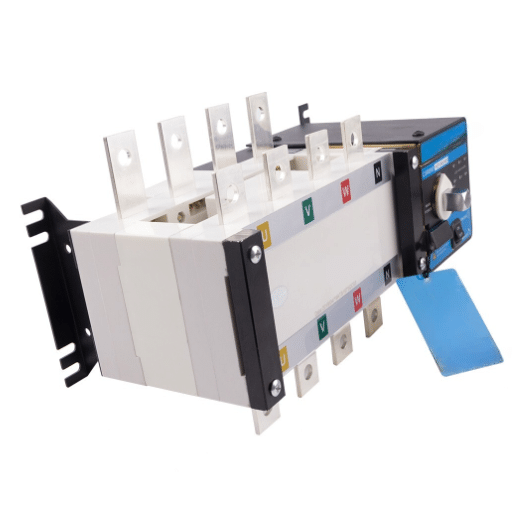
Electrical generators with an automatic changeover function can be incorporated with an automatic transfer switches (ATS). The ATS-fitted generator comes online immediately the utility power ceases. This is prudently observed in applications such as hospitals where power plays a critical role in the operation of life support equipment. - Operational Durability
The majority of generators on sale today are heavy duty and are likely to last a lengthy period without any issues. What is more, all industrial generators are encased in a robust housing. As a matter of fact, they are intended to be used at any temperature ranging between those as low as -20°F and as high as 120°F which significantly increase their life expectancy under that operating condition.
Inverter Generator vs. Regular Generator

- Power Output Quality
Inverters, proper for laptops and other highly sensitive devices, are responsible for clear power with low harmonic content and high precision. Although power output can be varied since the power of ordinary generators that do not have inverters is flat and unsafe when connected to the said equipment. - Fuel Efficiency and Noise
Generally, inverter type generators are more advanced in their designs and technology and hence are more energy efficient as they run at the speed of the load. They also work with less noise as opposed to the ordinary generators which work at a fixed speed regardless of the load. - Portability and Size
One can say that the next generation in compact generators is inverter models. Unlike traditional gasoline generators, inverter ones are more convenient as they are smaller and weigh less, thus being easy to carry and store. - Application Suitability
For normal use generators are great for camping, backup of small house appliances or even running delicate equipment. In need of more power options for example in the construction sites or power needs for bigger backup generators, normal generators will come much in handy. - Cost Considerations
There are two different problems regarding the cost that struck the possibility to that point. After-sales costs are not a significant issue with inverters, as they are efficient & work pretty well over the long term. Normal generators are cost-effective to purchase, but fuel costs are a concern, especially when used continuously.
Differences Between Inverters and Regular Generators
| Key Point | Inverter Generators | Regular Generators |
|---|---|---|
| Power Output | Lower wattage, ideal for smaller devices | Higher wattage, fits heavy-duty equipment |
| Fuel Efficiency | Highly efficient, lower fuel consumption | Less efficient, higher fuel consumption |
| Portability | Lightweight and compact design | Heavier, bulkier |
| Noise Levels | Operates quietly, suitable for residential use | Louder, less suited for quiet environments |
| Cost | Higher upfront cost | Lower upfront cost |
| Power Quality | Produces stable and clean energy | May have power fluctuations |
| Durability | Best for occasional or residential use | Built for rugged, prolonged usage |
| Technology | Advanced, includes microprocessors | Simpler, lacks advanced technology |
| Startup | Easy, often includes electric start options | May require manual startup |
| Maintenance | Generally lower maintenance | Typically higher maintenance requirements |
Power Quality and Stability
The quality of the power implies that the appliances that require power should operate properly and efficiently when fed with power regardless of the fluctuations or faults that prevail. It is pertinent that a constant power wave should be maintained for sensitive equipment such as medical devices, computers and modern equipment, which require fixed voltage and less than harmonic waves for effective operation. In this regard, advanced power generators may utilize Inverter Technology or Automatic voltage regulation (AVR) to help in the control of power supplied effectively to the users. Such control systems are in contrast to the conventional methods that may provide excessive or inadequate voltage depending on the load’s behavior.
Moreover, qualitative electric power prolongs the life of equipment significantly on the one hand, while relieving tension from the electronic components; on the other hand, it lowers or completely eliminates the risk of its breakdown or just makes it less destructive in terms of the hazard coming from bad power sources. The statistics gives a lot of understanding regarding the fact that the quality of work of the devices in the conditions of bad power is 30% lower than in the conditions of the availability of stable power grids. The maintenance of such constructions, in addition to the construction process, may be called upon in economic terms, in view of the need to increase operational reliability and reduce maintenance and repair costs.
Noise Levels and Operation
Noise is one of the critical efficiency factors of the operation of a piece of equipment, especially in situations where a lot of precision and continued activity are needed. An extended research has also shown that extensive noise has been shown to cause tiredness of workers and decreased operational efficiency and in some instances resulted in several technological breakdowns.
An example of such an eventuality is where there is a very loud noise there tend to be motion to such items causing knocking and in that process the items spoil and cause a lot of noise whenever the owners want to use them. The occupational health and safety also has guidelines for health care facilities and even noisy industries and other organisations. For instance, in the case of Large cities of the federation the safety limit of the noise in any location should not exceed 70 dB. The system’s ability to also record the noise level in real time allows it to operate within the confines of the laws and regulations without experiencing a lot of stress.
Applications for Inverter and Regular Generator
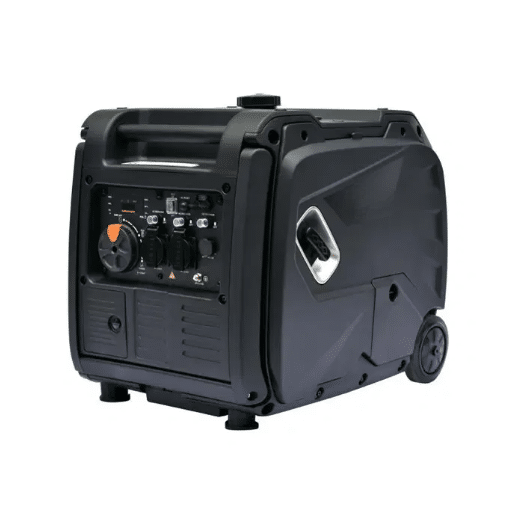
Inverter Generators: They are designed for applications where there is a need for a reliable and smooth power source. They are especially useful for fragile electronics like laptops, mobile phones, and medical devices since low-distortion power is produced. Their convenience in carrying them around means that they are very well appreciated in camping, outdoor activities, or as emergency power in a small home.
Regular Generators: These are designed primarily for heavy-duty use in numerous industries, offering PTO generator power that is efficient, heavy-duty, and reliable. Applications of regular generators are very common in daily life and most business establishments, that even standard specifications for constructing properties incorporate backup power. Also, conventional generators tend to have a much higher power output which allows them to take on large loads.
When to Use an Inverter Generator
When it comes to needing power on the go and silent operations, an inverter generator beats petrol and diesel units at all length and width interval levels. Plus, maintaining a sine wave pattern is essential for powering the likes of computers, smartphones and small medical equipment. Now, these devices, some of which are more suitable to use in populated areas, are capable of providing electricity without the risk of spikes, sags or surges that may damage or disrupt the operation of any electrical appliance.
They come in handy when one is to engage in outdoor activities especially camping or having a tailgate as silence and ease of carriage are among the many virtues expected of such a power source. For this reason, in a situation of a power failure, inverter generators are among the best for long term survival since they do not consume much. This is mainly because they operate in varying speeds that correspond to the use of power and is very efficient with energy and fuel for that matter versus other type of conventional gensets. Consequently, this happens to be the best for those who opt for portable electricity units with a kcal or watt, and certain square boundaries.
When to Opt for a Regular Generator
Conventional generators are the equipment of choice for applications demanding high continuous power supply, particularly ones where movability is not a critical factor. Such gensets find application in large residential premises, expansive building projects or factory installations as they cater to high energy consumption. This is because unlike the inverter generators, they are characterized by working at the same speed without any variations, which provides ample power for electrical devices drawing excessive amount of energy.
Whilst non inverter generators are generally noisier and less efficient when compared, they are better off in that they usually are of higher wattage rating and for that, are suited for use where there is a heavy load. Moreover, they are cheaper to buy outright compared to inverter generators, so people in need of capacity and cost effectiveness instead of quietness and ease of handling can use them. Therefore, factors to consider while determining the appropriateness of non inverter generators include but are not limited to operational hours, the type of fuel used and the total energy consumption of the system under consideration.
Choosing Between Inverters and Regular Generators

It is better to choose inverters and inverters vs. generators based on power demand, financial capabilities and conditions under which it will be utilized such as noise tolerance, fuel economy and portability needs. With respect to ease of operation and portable purposes, it is better to use their means of productions, whereby the use of the inverter generators is suitable. It can also be easily used for smaller devices items, including and not limited to outdoor recreational activities such as camping or outdoor trips.
On the contrary, conventional generators would be more suitable to be used in the place of application as it is applications with a high usage, for instance construction sites or home use backup power buildings that have a higher output and lower unit price. Consider such factors as power use time, noise immunity limits as well as the total wattage in other to determine the most appropriate product. Choose an option which corresponds to the foreseen usage of the equipment and safety parameters.
Assessing Your Power Requirements
You should evaluate the power usage to guarantee it is as per the needs of devices and equipment that will be on the generator. This involves computing the power of all devices and equipment that will be on the generator at once; that is to say under normal conditions. For every other device or appliance, compute the running wattage and, for thrill and excitement, compute the surge wattage as well, for it indicates the amount of over-power required during initialization. For example, assemblages including chillers and motors will have higher starting wattage than running wattage. Then this data should be organized so that the generators, be it an alternating pair or a hoe, can cater for such highest loads at the desired time.
A further important point is the duration it is operated. Critically, if a generator is expected to be in use for non-ordinary span of time, one needs to assess its efficiency in terms of fuel consumption as well as remember to check on the fuel tank to avoid any breaks from the basic operation for fueling. Moreover, it is reasonable to consider the sound levels allowed by generators especially for residential or recreational applications, requiring possibly the use of quieter machines. Lastly, find out what fuel the genset uses, be it a gasoline, diesel, or a propane, as this information may later influence the expense, and resources such as clean air availability or perception. By paying heed to these aspects one can understandably single out an generator designed with respect to one’s personal security, dependability and effectiveness needs for energy supply.
Budget Considerations
Evaluating costs related to generator investment naturally involves considering both the capital as well as the running costs. Being an asset, it is thus necessary that such a gadget has to be bought. To start, there are fixed expenses whose worth is relatively higher since there will be several variable changes throughout the cycle of the generator. This will depend on such parameters as the generating capacity, fuel type and whether it comes with additional functionality such as automatic transfer and soundproofing enclosures. For instance, a stationary stand-by generator for a home would cost more as compared to a portable generator but the latter may or may not give as many capabilities or power.
Look also at the percentage of the dollar which goes into purchasing the generator and the work it will do and compare how many hours can be saved by using energy. Using fuel is also another equation therefore considering fuel consumption per hour and working sustenance costs on fuels such as gasoline, diesel and propane will come in handy in analyzing the future operating expenses. Amongst other things, it is also vital to incorporate maintenance and repair expenditure in the budget, in particular for systems with higher technical requirements and or uncommon fuels, i.e., gas. These considerations will consequently lead to a balanced budget that acknowledges the fiscal obligations coupled with power demand.
Long-term Value and Maintenance
When analyzing the lifetime value of a fuel generator, durability, depreciation, and warranty policy terms of the production company are all very critical factors. Majority of the generators that incorporate premium parts, corrosion resistant covers, and large capacity fuel tanks, generally survive longer and are usually more reliable resulting in minimal replacement costs. There is a particular nuance of that – users will also have to consider all repair services that are stipulated in the generator warranty. That is, generators which utilize end spars with accessible replaceable components and start/stop controls minimize the time required to service them thereby reducing the possible related expenses.
Reputation and reliance ratings, concerning the durability and lifespan of the equipment, should be given priority. Advanced online services now allow for the direct comparison of the terms of service, consumption and long-term effectiveness of the machine. Particularly beneficial are the generators equipped with sensors and what is known as predictive maintenance where the necessary data is provided to the user in real-time. This allows managers to have a better understanding of the maintenance requirements of the equipment before it fails, and thus ensures better preventative measures. Every aspect of your equipment’s cost of ownership is available on the basis of previous research and optimal care and repair will enable you to enjoy your return on investment until the end of its life.
Reference Sources
- Comparison and Selection of Topology for Three Phase PV Inverters based on Power GaN Devices
Read the paper here - Portable Off-Grid Solar Power Generation System for Emergency Energy Supply
Access the study here
Frequently Asked Questions (FAQs)
What is the difference between an inverter and a conventional generator?
There is a fundamental discrepancy in the transfer method of power between an inverter generator and the average portable generator, considering the fact hat the inverter converter transforms mechanical waves into regulated electric waves while the generator that has made it all, offers untouched waves that can easily get spoiled. In addition, however, how inverter generators are distinguished from oily machines is through their relatively reduced audible, fuel efficiency measures and soundproof appearance which is suited for use by the RVs and camping enthusiasts.
Are portable inverter generator units safe for powering household appliances during an outage?
Household electronics like televisions, radios or mobile phones with internet can be operated quietly and effectively without disruptions, through the use of portable inverter generators, since they have safety features, such as control of the voltage and frequency from the power source. It is important to check the power consumption (running wattage and starting wattage) of heavy equipment like the appliance, wherein the refrigerator and air conditioner must not put a strain on the generator and cause it to malfunction. In some cases to cater for the whole house or very power-hungry appliances, two inverter generators, one after the other or a single larger conventional generator may be installed.
Can I run power tools and workshop equipment on an inverter generator instead of a regular model?
Inverter generators can operate several power devices at once, but their lesser peak and continuous power capacities compared to some common portable generators will discourage the use of high-powered tools for any period. In case you want to use more than one tool, and thus more power, the better option maybe getting a larger portable model or running two inverter generators on parallel setup as the starting and running watts increases. In the case of construction sites, high power is always required that is why a regular portable generator would offer more stable output.
Can I parallel two inverter generators to get enough power for larger home appliances?
Some inverter generators allow two inverter generators to be run in parallel for the purposes of expanding the total running and starting watts. This in turn increases the capacity of inverter generators to handle much larger loads including virtually any size refrigerators or air conditioners. Paralleling is considered the best bet if more electrical power than what can be offered in one portable unit is required and yet noise and economy of fuel are key considerations. Make sure to adhere to the provisions of the parallel kit when it comes to introducing more inverter generators, in order not only to allow their appropriate running but also to avoid damage to electronic devices.