
When it comes to ensuring consistent power during critical times, reliability is not a choice at all. Natural gas generators have emerged as a strong, reliable standby source, providing instant service whenever an outage occurs. Unlike the traditional diesel or gasoline generators that operate on fossil fuels, they operate on natural gas, which is abundant, clean-burning, and mostly unaffected by interruptions in the supply chain. This article discusses the benefits of using natural gas generators, where performance, efficiency, and operational resilience specifically come into perspective across residential, institutional, and industrial settings. Whether you are preparing for extreme weather conditions, enduring grid instability, or searching for a viable and sustainable power system, understanding the reliability of natural gas generators remains paramount. Enjoy the following write-up showing how you can deploy these systems as pillars in response to an energy-resilience strategy.
Understanding Natural Gas Generators
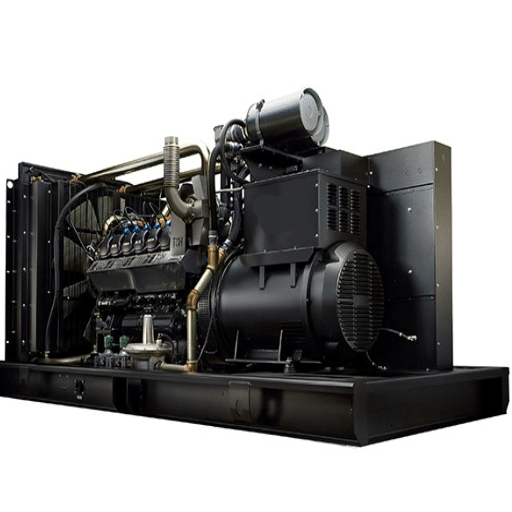
Natural gas generators operate on the same principle of burning natural gas and converting its energy into mechanical energy that is then converted into electrical energy by a generator. They combine the best attributes-long-term and reliable operation, high efficiency, and a lesser environmental impact-consumption-wise than their diesel counterparts, as much less air pollution is generated. Given their wonder-making performance in every compliance, natural gas generators are easily capable of backup or prime power service, particularly in emergencies or regularly.
What is a Natural Gas Generator?
A natural gas generator is a type of power generation system that burns natural gas as fuel in order to create electricity. These types of systems usually work by channeling natural gas into an internal combustion engine, where it is burned to drive a mechanical process to create electricity. These generators are commonly used for both primary and backup power applications in residential, commercial, and industrial settings. However, with respect to diesel or gasoline generators, natural gas generators exhibit a higher level of efficiency, emit fewer greenhouse gases, and are cost-beneficial over the passage of time. The chief benefits would consist of line connection to natural gas pipelines, assuring a continuous flow of fuel, as well as a tremendous capacity for running for hours with lower hazards to the environment.
How Natural Gas Generators Work
The principle behind natural gas generators is converting chemical energy to mechanical energy, and thereafter changing it to electrical energy. The system begins with natural gas getting into the combustion chamber of the generator and mixing with air to result in ignition with a spark plug. The controlled combustion powers a group of pistons that serve to push and pull an attached crankshaft to produce mechanical energy. This princkshaft in motion powers an alternator generating electricity via electromagnetic induction.
The primary fuel for usage is natural gas, which acts as a reliable option attached to a natural, uninterrupted gas pipeline. These generators come with cutting-edge control systems in order to monitor the output requirements and ensure safe operation. Natural gas generators do not have to carry their own fuel along with them to minimize operational complications and all the wicked volatility of it, which is in contrast with diesel-based machines. Natural gas generators are eco-friendly and valuable, and are ideal for diverse applications with high efficiency.
Key Components of Natural Gas Generators
Engine
An engine is itself a natural gas generator’s main drive source happening where natural gas is burnt to obtain mechanical energy. These engines are devised for maximum possible integrity and efficiency and operate with either spark ignition or compression ignition to convert chemical energy to useful energy hygienically.
Alternator
Now coupled directly to the engine, the alternator basically converts the mechanical energy resulting from the engine into a usable form of electricity. It is made up of a rotor and stator system that would provide continuous and dependable electrical output as demanded, whether commercial or residential, like never before.
Control Panel
The control panel is an operator interface for real-time monitoring and management of the generator’s operation. It comes equipped with useful digital features to easily access current data, such as voltage, frequency, fuel pressure, and oil pressure, rather than other critical data on the engine performance. Furthermore, it includes the safety system designed to auto-shut down as a result of overload or mechanical shutdown.
Fuel System
Natural gas is directed to the engine for maximum burning by the fuel system, which comprises filters, fuel lines, and regulators that ensure adequate pressure, enabling smooth flow and optimizing emissions.
Cooling System
The system for cooling cools away any heat generated from the generator during operation. While the radiator and fan work hand in hand with coolant, they will keep the generator running peacefully and efficiently.
Exhaust System
Exhaust systems are part of the machine constructed to dispose of any exhaust or gasses such as carbon dioxide by-products, that are produced during the combustion. They are advanced systems designed to meet environmental standards and reduce noise and emissions in order to substantially comply with safety regulations and ensure ease of operation.
Lubrication System
Generators are equipped with a lubrication system as a kind gesture to prevent undue wear on the working parts. Oil pumps and filters ensure the compression with a consistent minimum pressure, thereby extending the internal components’ respective life spans.
These major components combine to make natural gas-powered generators more resilient, efficient, and enduring, hence designed to accommodate any power requirement.
Benefits of Natural Gas Generators

Natural gas generators offer several essential advantages:
Cost-Effective
With natural gas far cheaper than the price of other fossil fuels, such generators could work to their advantage over a long period.
Eco Friendly
Natural gas generators produce much less unwanted byproducts, and so they are also relatively friendlier to nature when compared to the diesel or coal generators.
Fuel Disponibility
With an abundant natural gas infrastructure, the steady availability of fuel is almost guaranteed in most areas.
Operational Efficiency
Natural gas generators not only give out a steady or constant power production rate but also make them fuel efficient for certain short-term operated or standby modes as a result.
Low Maintenance
From the extensive maintenance that they require, natural gas generators benefit from simplified maintenance processes because the turbines burn gas more cleanly, thereby cutting down on carbon buildup on moving parts.
Reliability and Performance
Natural gas generators are widely reputed for their strong reliability and can maintain continuous performance in both residential and industrial applications. This reliability owes itself to technologically advanced combustion processes that enable an even delivery of power with negligible fluctuations. As such, notable sources in the industry suggest that natural gas generators can quickly be pushed to achieve potential uptime rates upward of 90%, with a reasonable condition value and automated controls making them ideal for critical installations. This is to include various applications such as constructor’s power plan, the fast-track project power plan, the utilities power plan, and also, of course, the usual purpose power plan.
Moreover, these generators are built for a high thermal efficiency, with efficiencies ranging between 40-50%, depending on the type and loading conditions. Oper‐ ation at excellent efficiency will reduce fuel use and its environmental impacts. Besides, the natural gas system typically has fewer moving parts than the diesel option, thus accelerating levelling of wearout, reducing instances of failure, and extending the time for which maintenance services can be administered. The cumulative effect of this is increased reliability and working life of DG sets.
Cost Efficiency Compared to Diesel Generators
Comparatively speaking, natural gas generators are quite reasonable vis-à-vis diesel gen-sets, mainly because of their lower operational and fuel costs per unit of energy generated. Therefore, they use energy at considerably lower costs. Stability and lower levels of the energy provided through natural gas, when compared to petroleum, have transformed the outlays to predictable and increasingly limited costs. Moreover, in its implementation of cleaner combustion processes, the natural gas engines show fewer deposits (the primary determinant of combustion wear), leading to longer maintenance intervals, away from maintenance procedures and full-scale compressions of repair costs. Investment across gas has a considerably increased service life over diesel genset systems, contributing further to savings in the valuation of assets, spotlighting their cost efficiencies.
Environmental Impact of Natural Gas
It is a widely held notion that natural gas is much more helpful for the environment. Correct smoking is much less than coal and oil. Because of this, it spews noxious gases, including carbon dioxide (CO2), sulfur dioxide (SO2), and nitrogen oxides (NOx), resulting in decreased contributions of greenhouse gases and less acid rain. But the trouble is that adverse effects may be elicited by the activity of extracting and distributing it, especially by the commencement of hydraulic fracturing (fracking) and methane leaking. Methane, which is a strong greenhouse gas, may be emitted during the process of extraction, processing, and supply, thus partly wiping out the climate benefits of natural gas when not properly managed. Moreover, in some places, fracking has been noted to cause groundwater contamination and seismic activity, thus raising environmental and public health concerns. Natural gas will, therefore, serve as a bridge energy with lower emissions than other fossil fuels, powering the full view of environmental impacts, technology, and stringent management standards to mitigate those ill effects.
Choosing the Right Natural Gas Generator
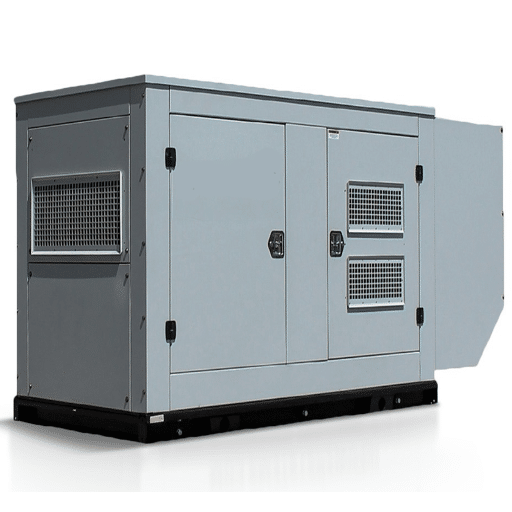
The selection of a natural gas generator depends on the appraisal of a few key requirements that must be met in any circumstance. The assessment usually starts with the power output required, which must correlate to your demand, being residential, commercial, or industrial. Recounting and comparing the fuel efficiency and operational cost of the particular unit will grant the owner mental satisfaction. Also, with the generator’s emissions in compliance with environmental protective laws, the resources required for these criteria will have to be given a cursory glance. Therefore, the generator size, the ease of moving it if necessary, and, again, its noise perception must be evaluated in terms of its operation within the fitted environment. Lastly, let preference be given to reliability by sticking to models with a long-standing reputation, sturdy warranty, and/or maintenance support.
Assessing Your Power Needs
The first step is to know how much electricity you will be using; the next step is to add up the “total wattage” for all devices and appliances that you will run off the generator. The list could take into account the startup wattage (this could be required for refrigerators or power tools that gulp loads of electricity during startup) as well as the running wattage. Sometimes this information can be found on tags attached to the device, or can easily be tracked down in the user manual.
You must now make sense of whether the power requirement will be continuous or discontinuous; the former would mean acquiring units with smooth power delivery. An additional 20-30% is termed as a “cushion,” this margin being critical for easy accommodation of future requirements. If one finds it difficult to make accurate calculations, many online power calculators can help provide a deep insight.
Decide on a single-phase or three-phase genset based on which power source would best meet your equipment needs and what extra features you need extra features, eg, inverter technology, for sensitive electronics. This careful consideration of these elements would enable you to have your generator handily serve your full-power needs.
Factors to Consider When Choosing
Power Output and Capacity
Determine the total wattage requirement for equipment at your disposal, taking into consideration running and starting watts in case of motor-driven appliances. Typically, residential needs range from 3,000 to 6,500 watts, but industrial or commercial applications will require significantly more capacity. Consult a reliable wattage calculator for the best estimate.
Fuel Type and Efficiency
Focus now on the fuel type-gasoline, diesel, propane, or natural gas-being compared according to its availability, price, and storage capabilities. Diesel gensets are good associates in terms of fuel efficiency and ruggedness under heavy use, though propane and natural gas offer clean-burning options, and in both cases, there is a reasonable level of continuous supply through a natural gas distribution system. Consider a long-duration runtime with fuel consumption.
Portability and Installation
Portable generators are apt for temporary or mobile use, whereas for long-term or high-demand scenarios, the stationary kind is preferred. See weight, size, and easily transportable or wheelkits placement. For standby generators, arrange the proper installation with a transfer switch and set up by a technician.
Noise Levels
Noise measurement is recorded in decibels (dB) and has a terrible effect on the level of noise outside. If you plan to use a generator in a noise-sensitive environment, consider operatives with lower-noise ratings or install insulation.
Technology and Features
Modern generators come equipped with features such as inverter technology for power stability, automatic voltage regulation (AVR) for equipment protection, and Internet monitoring. To ensure safe operation, protection against overload and low-oil shutdown shall be incorporated.
Budget and Maintenance
If you are very concerned with either of the following design characteristics-is step down the selection of the best generator for efficient operation.implementing generator operations. In order to ensure maintenance and for repairs, generators of lower KW output need not be serviced every day.
Comparing Diesel and Natural Gas Generators
While deciding on the best choice for specific applications, it is essential to carefully consider some key criteria while comparing diesel-powered generators and natural gas-powered generators. Here is a consolidated examination based on generally acknowledged factors:
| Criteria | Diesel Generators | Natural Gas Generators |
|---|---|---|
| Fuel Availability and Cost | Widespread availability makes it an excellent primary option. Reliable in off-grid locations and emergencies. However, diesel prices are more variable. | Natural gas is cheaper with a cleaner burn. May be problematic in areas without reliable pipeline connections. |
| Efficiency | High efficiency with an intrinsic capacity to handle heavy-duty applications. Excellent for industrial or demanding circumstances. | Slightly less efficient in energy conversion but produces consistent output with reduced greenhouse gas emissions. |
| Maintenance Requirements | Require more ongoing maintenance, including routine oil and fuel filter replacement due to combustion residues. | Require less maintenance due to clean combustion. May be susceptible to fuel line problems or supply failures. |
| Environmental Impact | Emit substantial amounts of particles and CO2, creating more air pollution. | Emit fewer pollutants with relatively lighter emissions. Concerns about methane emissions from mining and distribution remain. |
| Reliability and Usage | Stand out in emergency power scenarios with uninterrupted availability for the entire lifespan. | More fault-tolerant for continued power in steady urban environments or where eco-suited technology is warranted. |
The Systematic Generation Selection
Taking the above potential hazards and the actual operational and sustainability aspects into consideration, decides which type of generator best meets your requirements perfectly by combining established reliability, cost-effectiveness, and ecological compatibility.
Cons of Natural Gas Generators

Dependency on Fuel Supplies
Natural gas generators thrive on a resolute supply of natural gas. However, this supply can decline and even stop in case of pipeline breaks or lack of gas availability, which rather gives them lesser worth at such times.
Higher Installation Cost
The installation of natural gas generators tickles a roaring need for being able to get connected to the existing gas system. Consequently, this kind of setup could be time-consuming and expensive.
Mobility Sucks
Natural gas generators are not the best at portability compared to diesel generators. They depend on stable gas pipeline networks, making them less likely to fit into mobile applications.
Reduced Power Output at Extreme Conditions
For instance, natural gas generators probably will not work at 100% of their ability under cold conditions, as flow and pressure may be impacted.
Efficiency in terms of Isolation
Many places have no connectivity to the natural gas pipeline, and so there is no way that the generator could work. This shrinks the usage and use of this generator for setting it on an off-grid site.
Limitations of Natural Gas as Fuel
Natural gas as a widely utilized energy source on the other side has remarkable limitations. One of them, many commodities are required as a natural gas pipeline-only infrastructure, denying many areas the availability of the resource, particularly remote and off-grid regions. The transport costs of natural gas are extraordinary and require it only in the connected region. Also, all in all, its combustive characteristics are relatively better than those of other fossil fuels globally. Methane, however, has a greater global warming potential than greenhouse gases. There is, therefore, still greater need for caution. On top of these, dependency on geopolitical issues, such as trade action, and simultaneous demand fluctuation, pose particular risks to long-term reliability. There is perhaps even more urgent need than before to replace natural gas with renewable safeguards from the aforementioned challenges.
Maintenance Considerations
To maintain the operational efficiency and safety of the energy infrastructure, it is essential to set down effective maintenance protocols for systems that depend on natural gas. Scheduled maintenance programs involve regular checks of pipelines and storage facilities to spot leaks, corrosion, or structural fatigue, the latter being essential to prevent methane leakage and minimize environmental risk. Advanced monitoring technologies such as sensor-based systems and real-time diagnostics go a long way toward early detection and precise targeting of maintenance needs. In addition, statutory requirements would go a long way to reduce potential risks and ensure seamless service delivery. Investments in worker training and improvement of the existing, aged tools with modern alternatives would lead to enhancing system reliability and thus curtailing any unscheduled downtimes. An assertive maintenance strategy, therefore, adds to environmental sustainability, as well as cost-effectiveness.
Potential Reliability Issues
Failures and system unavailability caused by system infrastructure could arise from one of various causes, such as interrupted maintenance wishes for old transformers, or poor monitoring mechanisms. Common problems include wear and tear on components, eventually leading to unexpected system failures, and environmental factors such as temperature or humidity, degrading functioning over time. Plaguing redundancies negatively reinforce these problems. Systematic problems with monitored maintenance ensure reduced failure via tailored responses. With proactive tools designed for an integrated predictive maintenance system, they have to leave no stone unturned. We introduce real-time data analytics into our evaluation of prospectus cases so that all best design principles are entrenched with reliability and resilience built into the system for a long-term vision.
Natural Gas Standby vs. Backup Power Solutions
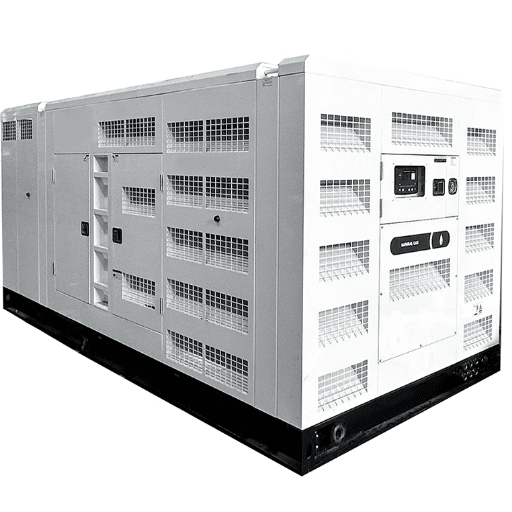
The Natural Gas Standby System is made of normal, durable equipment capable of being continuously used, though the mere presence of an interruption of normal electrical power usually does not disrupt its operation, as it is fueled from natural gas. The process of inflowing gas for autonomy from diesel resilience ensures control in most areas concerning power backups, making it run more efficiently. The backups concentrate on components during periods of portable energy—such as exercises in spate, unexpected failures, catastrophes, etc. Diesel is fast to deploy, and it is also ready to go, but varies in frequent filling and maintenance checks; so, over a longer-term autonomous-running event, the diesel generator becomes both more expensive and wasteful. Natural gas standby systems are what is typically the better choice for cost-effective productivity for basic and sustained power applications.
Defining Standby Generators
Standby generators are essentially permanent backup power systems that supply electricity automatically during a utility outage. They are immediately hardwired into buildings’ electrical systems and driven from fuel sources generally outside the building, such as natural gas, propane, or diesel. The major difference between standby generators and portable systems is that the standby units have an automatic transfer switch (ATS) that detects power loss and, within seconds, starts the generator. The purpose of the switch is to have a seamless transition.
Are typically used for industrial and residential applications, and these standby generators have earned a reputation for not failing and maintaining power support for crucial loads during extensive times. They are capable of feeding precision power loads, which can be tailored to fill particular energy needs. Regular system maintenance (including inspections) is crucial to ensure optimal performance of the systems that are usually set up on critical infrastructures.
Advantages of Natural Gas Standby Generators
The reliability of a natural gas standby generator basically comes from the fact that the generator has access to fuel that it always gets uninterrupted and smoothly. It follows that by using a natural gas stand generator, it is possible to eliminate on-site fuel storage and refueling requirements and concerns. Natural gas stand generators are preferred to other diesel generators due to their relatively low-emission characteristics; in other words, the natural gas stand generator is a lower-pollution generator. This would enable those using the generators to maintain various environmental compliance laws. Determined by one’s perspective, natural gas generators are also efficient; thus, more savings can be made in the long run as long-term power provision in residential, commercial, and industrial establishments is met.
When to Choose Natural Gas for Backup Power
Natural gas is an impeccable source of fuel for backup power, especially with reliability, environmental protection, and cost-effectiveness sitting as top priorities. With a natural gas pipeline located at your site, this option is notably compelling as it allows one to be interested in the least thinking of hassle while taking fuel from time to time, given that the pipeline would ensure an unbroken supply during times of extensive outages. Supplying booster power to sites in communities with stringent environmental regulations is a good idea, as the greenhouse gas emissions released from petrol-driven gensets are much less disadvantageous. Additionally, they find greater scope for further installation and operation over a long period, either in residential or commercial setups, with less and less need for maintenance, thus driving down the cost of the operation. If steady and reliable power with little impact on the environment is the need to address, then let your thoughts circulate on how wonderful natural gas would be for providing backup power.
Reference Sources
University of Pennsylvania – Kleinman Center for Energy Policy
This source discusses the reliability challenges associated with the growing reliance on natural gas for electricity generation.
National Renewable Energy Laboratory (NREL)
This report provides reliability estimates for natural gas prime generators, emergency diesel generators, and combined heat and power systems.
Congressional Research Service
This document addresses natural gas reliability issues, particularly in the context of increased renewable energy use.
Frequently Asked Questions (FAQs)
Why does my organization need a load bank?
The backup power source is meant to ensure the running of essential systems when there is a power shortage caused by natural disasters, storms, or infrastructure failures. A standby natural gas generator or any back-up generator not only guarantees that continuous power is served to the heating, refrigeration, medical devices, and safety systems, but can also keep your home safe and prevent loss through spoilage, setting a substantive consideration ahead of the usual means of convenience. By design, the generators can start automatically when the power of the grid is good, making this option a strong fit for families who experience constant outages or who take an aggravating amount of time to put power back on.
What is the difference between natural gas and diesel generators?
Natural gas versus diesel fuel includes many conflicting goals. Natural gas generators connect to local gas services, which obviates the need for on-site fuel tanks or refilling diesel fuel during extended outages-the only comfort possible when the utility is up and working. Diesel generators usually have a higher energy-stored per unit of fuel used; upon analysis, this latter fact may be more appropriate for reasons of remote settings, e.g., severe disruption to the gas utility supply. However, both show the contrast in installations: e.g., diesel fuel to be stored and treated with stabilizers and other chemical fuel additives, while natural gas requires the storage of an adequate virgin gas supply via fine piping; comparison of natural gas to diesel generators will depend on the issues of available fuel and reliable running, emission, maintenance, and economic ratings
Should I use diesel or natural gas generator sets for standby service?-Tonnes of diesel or stoves of ever-growing natural gas?
The decision to go with diesel or natural gas generators would depend on the specific priority that is most favorably processed. Diesel generators have always been used when long-term utility independence is required for power generation, as they run on stored diesel fuel; however, diesel fuel degrades and must be managed carefully. Natural gas generators are those more expected to have continued access to utilities’ natural gas supplies, and second best on-site fuel storage when you tend to minimize handling, and at the same time. Still, if the location is at risk of natural disasters and network breakdown, then natural gas feed without electricity will also make the generator on gas no good, while by no means would diesel or bi-fuel generators be a heavily-sustainable alternative.
Can a natural gas generator run for very long during a power outage?
A standby natural gas generator can continue to produce power indefinitely so long as the natural gas supply and the natural gas utility are running properly. Therefore, these generators are intended for extended operation. But care should always be taken to ensure longevity. These would include regular maintenance and an adequately sized generator to ensure continuous operation. If a community is likely to undergo extended gas service interruptions during natural disasters or infrastructure failures, then there is always the need to consider backup plans in the form of portable natural gas generators, diesel fuel reserves, or dual-fuel options to keep the lights on.
What do I do regarding the gas line and installation requirements when I set up a natural gas generator?
Installation of a natural gas generator normally requires the coordination of certified installers and, often, the utility of natural gas. Apart from that, the existing gas line may need upgrading in order to meet the generator’s required gas pressure and flow. Permits may also be necessary. A licensed and qualified technician will have to calculate the required quantity of natural gas, install appropriate piping and regulators, and make certain the generator has no breach of local codes. The correct placement reduces the risk that generators have backup energy whenever needed.
Is a portable natural gas generator a plausible alternative to standby systems for backup generators at a house?
Portable natural gas gensets mostly serve as stop-gap arrangements and are generally faster to set up wherever needed, considerably cheaper than what would be required for installing a complete standby system. These do have multiple limitations. Portable units typically have to be manually connected, and for some home-integrated generation systems, the whole house may need to be energized. Many require connections to gas or propane lines. Portable backup generation may only be useful in a low-polluted but short-duration power cut or circumstances when disconnection is necessary. However, for the seamless protection of your home- that is, automatic transfers and home-wide coverage-a professionally installed standby generator fueled by gas usually is a better idea for bulletproof-home care.
What should I think about when evaluating the purchase of used generators as contrasted with new models when it comes to natural gas or diesel fuel?
When considering the choice of a used generator, consider evaluating maintenance history, runtime working hours, inclinations toward recent load generation tests, and whether the generator can seamlessly function on either natural gas or diesel fuel. Wear patterns in a natural-gas generator are not the same as in a diesel unit. Used generators can be a cost-effective way of owning a generator, but they may incur costs for refurbishing or getting spares. Ensure the generator meets the required energy capacity and is suitable for your gas- or diesel-powered system. Proper installation may lead to the prompt testing and implementation of backup power.