
Gasoline generators are essential devices that can provide backup power during outages or even serve as the primary power source for remote work sites. However, just like every mechanical equipment, they can be easily damaged, and that is why regular maintenance and sometimes necessary repairs are essential to achieve the best possible performance. We created this manual to provide you with the essential knowledge and solutions to address various problems with your petrol generator. We will go through the most important components of engine problems and the techniques of troubleshooting, providing you with the best practices of professionals that will, in turn, save you time, cut your costs, and guarantee the generator’s efficiency when you need it most. Whether you are a seasoned technician or a homeowner who likes to fix things yourself, this comprehensive guide will boost your confidence and help you handle generator repairs with a firm, accurate hand.
Understanding Generators

The gasoline generator generates electricity by converting the chemical energy of gasoline through electromagnetic induction. The generator consists of an engine and an alternator, the main components. The engine consumes gasoline to produce mechanical energy, which causes the alternator to rotate. The alternator converts mechanical energy into an electric current, which is then distributed to the devices connected. Generators come with a variety of control systems that monitor voltage and switch off power if any issues are detected. These devices are therefore essentially power failsafes when there is no electrical supply, or when one is living off the grid. Users who are knowledgeable about these will be in a better position to not only choose but also to service their generators.
What is a Gasoline Generator?
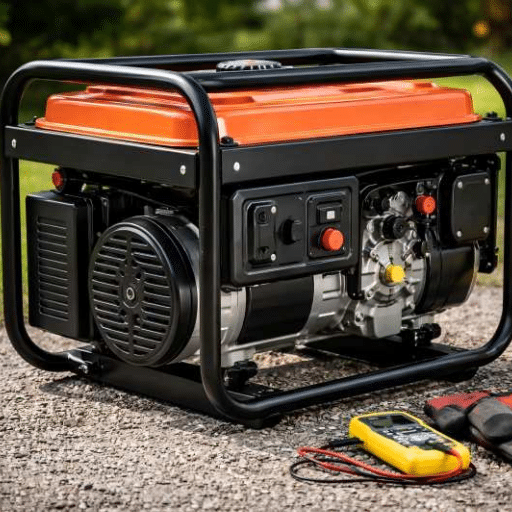
A gas-powered portable generator is an all-purpose, easy-to-move tool designed to convert gasoline chemically into electricity via its internal combustion engine. Its operation is as simple as lighting a gas cylinder, converting the resulting mechanical energy into rotor rotation in the alternator. The alternator, by utilizing the rotation, would then output an electric current used to power devices or the system outdoors. These kinds of generators, widely known as inverter generators or inverter-type generators, are water-cooled and designed for continuous operation, e.g., in everyday life, industry, and outdoors, providing a high-grade electrical power supply independent of grid fluctuations.
Modern gasoline power stations have become more sophisticated by the provision of such functions as automatic voltage regulation (AVR) to secure output, low oil pressure shut down devices for the protection of the engine, and inverters by which to turn out electric power in the form of a clean sine wave suitable for sensitive electronics. Through some relative increase in efficiency and pollution and gas emission controls, the fuel consumption and environmental effects of the generators have been curbed compared to earlier generations, notwithstanding performance.
Components of Electric Generators
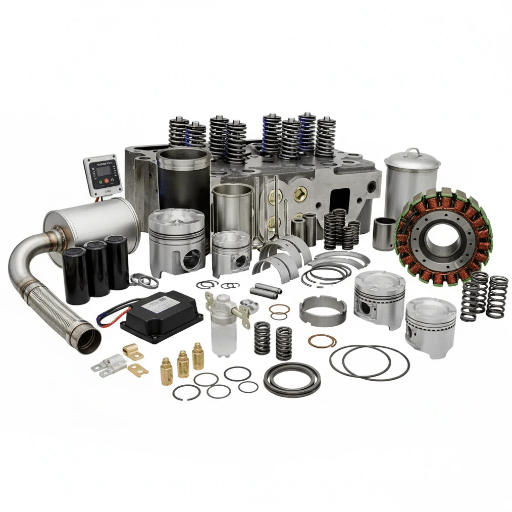
| Component | Description |
|---|---|
| Engine | Converts fuel into mechanical energy. |
| Alternator | Converts mechanical energy into electrical energy. |
| Fuel System | Stores and supplies fuel to the engine. |
| Voltage Regulator | Maintains consistent output voltage. |
| Cooling System | Prevents overheating during operation. |
| Lubrication System | Reduces wear and tear on moving parts. |
| Battery Charger | Keeps the generator’s battery charged. |
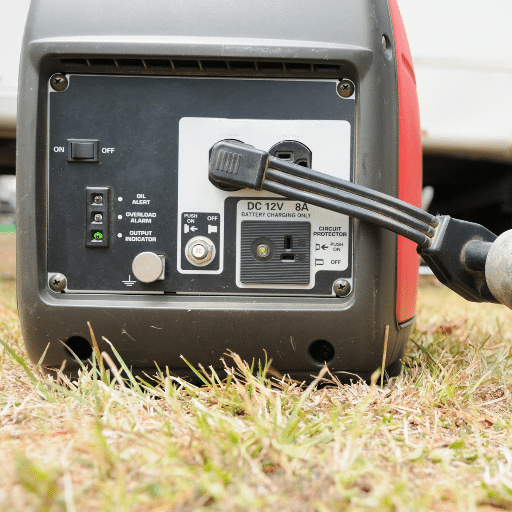
| Control Panel | Enables monitoring and control of the generator. |
| Main Frame | Structural base holding components securely. |
| Exhaust System | Expels engine combustion byproducts. |
How Generators Work
Generators operate on the principle of electromagnetic induction, in which mechanical energy is converted to electrical energy through the interaction between magnetic fields and conductors. The whole process starts with the generator’s engine, which burns fuel to create mechanical motion. The motion turns the alternator, one of the most important components that houses both a rotating rotor and a static stator. The rotor, made of magnets or an electromagnet, mostly moves within the stator, creating a dynamic magnetic field and generating electrical energy.
Once the magnetic field interacts with the conductive coils in the stator, there will be an occurrence of the electric flow event. The current is in the form of alternating current (AC), and this is controlled by the voltage regulator so that the output remains constant and is not limited from the perspective of the equipment to be powered by the generator. To suit direct current (DC) systems, rectifiers are tasked with converting AC power to DC. Everything works perfectly in tandem; however, it is worth noting that the generator will never give trouble under continued use because the entire system is cooled and lubricated. On the other hand, the control panel is equipped with the instruments for real-time monitoring and operational control of the user. It is the exhaust system that ensures the safe removal of all hazardous emissions produced by combustion, yielding optimum safety for both the equipment and the environment. This long-drawn-out affair reveals the intricacies and marvels of the modern generator systems.
Common Issues with Gasoline Generators

Starting Problems
Gasoline power plants are usually unable to be woken up because they can run out of fuel, the carburetor can get clogged, or the battery’s life is over. The mentioned problems and others can be avoided through regular technical checks, carburetor cleaning, and other measures.
Fuel Contamination
Fuel that is contaminated or in poor condition can cause the engines to stall and operate at a lower-than-normal level. The topmost necessity is the consumption of freshly prepared premium gasoline, and there is a proper way to store fuel to avoid contamination.
Overheating
Overheating, on the other hand, might happen because of poor ventilation, insufficient amounts of oil, and run without turning off for a long time. It is good practice to keep the generator in a well-ventilated area and to monitor oil levels continuously.
Electrical Output Fluctuations
The real cause of irregular power supply can be the faulty voltage regulator or the worn-out brushes. Regular electrical component checks can help maintain consistent performance.
Exhaust Blockages
A generator’s efficiency can decrease when operating continuously. One can hinder the process by allowing clogging to develop in the generator’s exhaust system, which, in turn, is a disastrous issue. Regular examination and cleaning of the exhaust system will not only keep the generator in proper operating condition but also in a safe environment.
Identifying Frequent Problems
To take care of the generator problems that are so easy to come by, it’s only with the help of a very structured diagnostic method that you will be able to reach the root cause. First and foremost, one has to take the time to look at the symptoms properly and see if there are any indicators of the problem, e.g., flame-watchers, electrical changes in the environment, or strange noises. The diagnosis can be checked using diagnostic tools, e.g., a multimeter and pressure gauge, to verify the voltage, current, and oil pressure against the manufacturer’s specifications. Besides, the electrical components like capacitors and the voltage regulators, if they are a part of the generator system, should be checked as these are usual places to find mechanical faults. Further, fuel quality and air filter conditions should be examined, as they are possible causes of blockages or contamination and can degrade generator performance. Very systematically keeping attention to all these not only ensures the proper positioning of the critical factors but also reduces outages and subsequent damage to critical components.
Symptoms of a Failing Generator
It is essential to identify the symptoms of a failing generator to avoid operational problems and costly repairs. One of the most well-known issues is the difficulty starting the generator, which might be due to a dead battery, faulty spark plugs, or problems with the fuel system. Moreover, unstable or changing output power is another significant indicator, typically due to alternator damage, worn brushes, or voltage regulation issues. Still, the knocking or grinding noises that are sometimes heard may be the first signs of mechanical wear on bearings or belts. Furthermore, excessive smoke or smelly air may result from fuel combustion; this is particularly noticeable when the exhaust system is blocked and may lead to a more serious internal problem. In addition, the generator may be overheating due to low coolant levels, lack of radiator access, or a defective system. Very close monitoring and quick response to these symptoms through regular diagnostics can really help the generator address its problems and prolong its life.
Diagnosing Electrical Failures
There are different ways electrical failures in generators manifest, from extreme voltage output to total lack of power to varying frequency. Generally, the problems can be traced back to the alternator, which may have damaged windings, worn-out brushes, or defective diodes. Also, open or corroded wire connections can reduce system efficiency, leading to periodic service disruptions. Resistance, continuity, and insulation inspections along the line are often part of diagnosing faults. Apart from that, the Automatic Voltage Regulator (AVR) with its disturbances is not to be forgotten either. It is present whenever the voltage levels are fluctuating. Rarely, the cause of the power failure is not the overload of the circuits, short circuits or the distribution system. Therefore, large-scale load testing is necessary. To sum it all up, troubleshooting involves carrying out these tests and using monitoring tools. This helps ensure that faults are correctly identified, thereby reducing the time the system spends lying idle and saving time and money.
Routine Maintenance for Generators

Regular maintenance for generators is a must to keep operations running smoothly, extend the life of the equipment, and minimize unplanned failures. A key advantage of regular maintenance is that it keeps the equipment free of problems such as carbon buildup, clogged filters, or contaminated fuel. All these can lead to a decrease in the equipment’s functionality over time. The opposite side of the coin is true as well —that is, not maintaining will not only make the system more likely to fail but also decrease its efficiency, leading to higher operational costs. Following a maintenance program that includes regular inspection, cleaning, and replacement of the entire unit is a sure way to keep the generator ready to work flawlessly when needed. The last phrase from above brings us back to the point that if we are talking about critical systems, such as healthcare or data centers, the generator must receive routine maintenance so that the power supply will be uninterrupted and secure.
Importance of Regular Maintenance
The lifespan and performance of a generator can be stretched to the fullest only through a concerted effort to implement several maintenance strategies. The mechanical and electrical components of the generator must be inspected regularly to detect problems such as corrosion, loose connections, or wear and tear before they worsen and become more expensive to rectify. The reduction of friction, as well as the prevention of premature failure, becomes more possible on the condition that the moving parts, including bearings and shafts, are properly lubricated. Contamination that could reduce the generator’s performance will be avoided through the fuel system maintenance, including cleaning and filtering, and the regular monitoring of fuel quality. On top of this, maintaining coolant levels and ensuring the cooling system is functioning properly are very important for preventing overheating. Predictive maintenance techniques such as vibration analysis and thermal imaging can be used to anticipate potential failures, reducing the need for emergency downtime repairs and budget and time requirements.
The maintenance efficiency of equipment after sale can be achieved by following the maintenance manual, considering usage and environmental factors as well. For instance, the periodic examination of generators in extreme-climate areas will be more frequent. The best idea would be to go with the advanced, effective, and least expensive approach: an automated alert system for maintenance and monitoring. Machinery is really of great significance to the industry, and any failure in the same, such as a power cut, would not be a wish of anyone in the area. Regular testing must be conducted to ensure the generator can perform its function under a variety of conditions, including load bank testing.
Enhancing the Life of Your Generator
When a generator’s life expectancy is extended, a company needs to follow specific rules. One of the vital things that must be done is proper equipment storage. Generators are supposed to be placed always in a well-aired, low-humidity, and stable-temperature environment to prevent internal corrosion or rust. Fuel quality maintenance is also essential, as stale or contaminated fuel sources can damage internal components over time. This is why it is a must to test and polish fuel regularly. Using data-driven maintenance techniques, such as predictive analytics, users can predict component fatigue and thereby optimize service schedules, thereby significantly reducing the risk of unexpected failures. Moreover, for generators with self-diagnostic systems, inefficiencies can be detected too early, providing the basis for maintenance interventions targeting the specific location/device. The combination of regular maintenance and high-tech solutions results in maximum generator performance and a much longer service life than would otherwise be the case.
Repairing Electric Generators

Identify the Problem
Common problems to look out for include low fuel or oil levels, damaged wiring, malfunctioning circuit breakers, or odd noises during operation.
Inspect Key Components
Even if parts are still available, it is worth inspecting the alternator, engine, and control panel for not only parts that have seen their last days, but also for potential corrosion. On top of this, common electrical issues such as loose connections and blown fuses may also be present.
Replace Faulty Parts
In case of wear, corrosion, or other damage, replacement is required. The original manufacturer’s spare parts should be used at all times, regardless of the situation, to maintain device compatibility.
Run Diagnostic Tests
By correctly connecting a multimeter to a source, such as a pure multimeter, one can regularly monitor the power output and hence the correctness of the generator.
Perform a Test Run
After the renewal of the main components, one must test the unit to determine its capacity to operate under load and whether this action has eliminated all problems.
Guidelines for Safe Repairs
⚠️ Safety First
Before beginning any repair work, ensure all safety protocols are followed to prevent accidents and injuries.
Disconnect the Power Source
As a general rule, as mentioned in the user manual, first disconnect the generator from its power source before undertaking any repairs; moreover, ensure that the fuel and batteries are disconnected so that no power is present that could lead to accidental startup during the repair process.
Work in a Well-Ventilated Area
Generators are a source of carbon monoxide, a colorless, odorless, toxic gas. The maintenance must be carried out outdoors or in well-ventilated areas so that no humans are exposed to the gas.
Utilize Insulated Tools
Always when working with electric equipment, use tools having insulating handles to reduce the hazard of electric shock.
Wear Appropriate Protective Gear
Wearing safety gloves, goggles, and the like as a protective measure against burns, cuts, or contact with harmful substances such as oil or fuel is always recommended.
Inspect for Fuel Leaks
Look for and fix any fuel leaks before engaging in maintenance activities. A confined work area can reduce the risk of ignition from spilled fuel.
Follow Manufacturer’s Guidelines
The generator’s operation manual must be read to find the instructions for the model that needs repair, and in that way, all repair methods will comply with the manufacturer’s standards.
Check Grounding Systems
The generator’s grounding must be verified during repair to ensure electrical safety and minimize the risk of electrocution.
Dispose of Waste Properly
The old oil, filters, or other parts that have been replaced need to be taken out and disposed of in accordance with local laws to prevent pollution and to ensure no one gets hurt or sick from the chemicals.
Common Repair Procedures
1
Inspect and Replace Worn Components
Maintenance of key components, namely belts, bearings, and connectors, should be performed at regular intervals, e.g., monthly. These components may be monitored for signs of wear, cracking, or corrosion throughout their lifetimes. It is advised to replace the said parts as soon as possible to ensure a smoothly running operation and prevent further problems caused by failures cascading from the initial ones.
2
Battery Maintenance
Be sure that the generator’s battery is fully charged and free of corrosion. Using a mixture of water and baking soda, neutralize the acid buildup at the battery terminals. Be sure not to leave it on the battery for a long time. Voltage levels have to be checked, and new batteries should be fitted as they come to the end of their life cycle.
3
Oil and Filter Changes
One should conduct the oil change task at the recommended intervals, like every 100 to 200 working hours or as per the manufacturer’s specified schedule. Another important thing is to replace the oil filter at the same time to ensure proper engine lubrication and to limit engine wear.
4
Fuel System Cleaning
Over time, contaminants can accumulate in the fuel system, impacting efficiency and performance. Drain old fuel, clean fuel lines, and replace fuel filters to ensure a steady, clean fuel supply.
5
Cooling System Checks
Verify the radiator condition and coolant levels to prevent overheating. Clean the radiator fins to promote airflow, and replace the coolant as per the manufacturer’s specifications to avoid corrosion or scaling.
6
Spark Plug Evaluation
Assess the spark plugs for signs of carbon buildup, fouling, or shortened length. Do the cleaning, and then adjust the spark plugs if necessary; the best assumption is to replace them if there is a significant change in their performance.
7
Testing Automatic Voltage Regulators (AVRs)
AVR ensures the voltage remains stable. It is essential to perform AVR tests regularly to verify calibration and implement processes to prevent voltage fluctuations; otherwise, this could damage the equipment connected.
8
Software and Firmware Updates
For electronic or smart generators, do check if any software or firmware updates are available. Up-to-date devices are not only compatible with external devices but also reliable in use overall.
Troubleshooting Complex Problems

When dealing with tough problems that occur in the generator unit, it is highly advisable to follow these simple yet very efficient steps to discover and correct the problem:
Identify the Symptoms
First, look and record the exact symptoms. Write down any change in the voltage, strange sounds, hot spots, and the failure to get started. This will be a great aid in finding and eliminating the possible causes of the problem.
Inspect Critical Components
Go through the itemization of the fuel system, battery, filters, and connections, looking for visible damage, stopped flow, or tarnishing. Also, it is essential to check the AVR’s operation to ensure the output voltage is within the specified limit.
Run Diagnostic Tests
Perform diagnostics using the tools already in the generator, or use external analyzers. Get your efficiency check focused on the three main points: voltage stability, frequency, and the capacity load.
Check for Software/Firmware Errors
In cases where electronic or innovative systems control the generator, check that the system’s firmware is up to date. Using an outdated software version can lead to persistent communication and operational errors.
Consult Manufacturer Guidelines
For any detail related to the problem or the generator’s operation that you do not know, always consult the user manual. This is to avoid the mistake of experimenting back and forth with the same issue by being adequately informed through the manual.
Seek Professional Assistance If Necessary
If the problems do not go away even after you have completed the above steps, use the services of a qualified technician or seek advice from the manufacturer for more advanced support.
Following these steps should guarantee that you handle the difficulties in a very methodical way thus avoiding any possible further damage to your equipment.
When to Seek Professional Help
The need for expert help should always be in mind when a detailed examination of the case identifies issues that can only be resolved with specialized tools, knowledge, or training. In case of electrical problems, computer malfunctions, and system software failures, diagnostics may not be effective. Moreover, suppose the fault poses a security risk, such as a component overheating or a cable left uncovered. In that case, a professional must be involved, as they will ensure not only that the issue is appropriately resolved but also that it is done without risk. Professional engineers with access to industry introspection and sophisticated analysis tools will not only efficiently pinpoint the cause of the malfunction but also apply the most appropriate solutions, thereby reducing the time to resolve the incident and preventing it from happening again.
Cost Considerations for Repairs
In case you are to assess repair, pricing becomes a pretty daunting task owing to the complexity of the repair, the time required for execution, and the cost of replacement parts. More specifically, the kind of repair that involves specialty parts and/or high-tech items, such as high-efficiency HVAC units or digitally integrated equipment, will naturally cost more due to the skill and accuracy required. On the other hand, the repair will be cheaper in some areas than others because of the significant differences in labor and material costs across regions.
Another point is to consider the potentially significant financial impact of fixing versus replacing the unit in the future. The costs of immediate repairs may seem lower than replacement, but the disruption and waste of aging systems could impose ever-increasing operational expenditures. It is a common finding in industry reports that older systems, especially those lacking energy-saving technologies, tend to have higher utility costs. One must be a sage calculator; the only way to go is to make the decision, and it will eventually save considerable sums of money.
Advanced predictive maintenance technologies are enabling more effective system monitoring. Companies can and should invest in such technology in order to reduce the out-of-pocket costs of the repairs that are unexpected, thus saving the company money and extending the lifespan of operational systems. Another way is that companies can also take into account the buying of warranties and service contracts, as these can help to avoid out-of-pocket expenses for big repairs and at the same time to assure the financial predictability.
Reference Sources
- Metodología para solución de fallas en los generadores
Summary: This paper discusses a methodology for diagnosing and resolving faults in gasoline generators. - TESIS DE GRADO: Mantenimiento de Generadores de Gasolina
Summary: This thesis focuses on maintenance practices for gasoline generators, including the replacement of air, oil, and fuel filters, as well as checking the condition of belts.
Frequently Asked Questions (FAQs)
Q
How do I diagnose common generator problems?
If you want to diagnose common problems with a generator unit, the first thing you should do is check the fuel system if it uses gasoline as the main fuel, and make sure there is no dirty or clogged fuel. Do not overlook the oil level and the condition of the oil as it may lead to electrical and mechanical breakdowns as the oil becomes thinner and dirtier. The weak battery system and the transfer switch need to be checked, or the generator electrical system turned on to rule out a fault in any electrical component. Also, be on the lookout for oil or fuel leakage and make sure to take the necessary steps as the two fluids are very harmful to the environment. If the fault persists, you must call a field technician or a professional generator repairperson to perform an in-depth diagnosis.
Q
What maintenance should I perform to keep my generator reliable?
Regular maintenance of a generator is reasonably necessary, as it ensures the equipment operates for a longer period. The oil and oil filter should be changed on the basis of the manufacturer’s list and before each use, the oil level must be checked to stop the wear process. The user should also inspect and clean the air filters, replace the fuel filters, and run the generator for a specified period to ensure the fuel system is working correctly. The equipment should be kept in a clean area or in the shade, and it is a good idea to inspect the control equipment and connections to prevent corrosion visually. You may also hire a technically trained generator maintenance professional or an authorized service provider to have the generator professionally maintained.
Q
How much does it cost to repair a gasoline generator?
The price to fix a generator depends mainly on the type of work and whether the generator or the fuel system requires parts. Replacing spark plugs and cleaning fuel lines are instances where costs are lower than for activities like repairing the alternator, system control, or major engine work, which will double the price. Service charges change depending on the place and whether it is an in-field generator repair technician or a workshop repair service, so ask for the exact pricing before proceeding. With some older units, the solution may not be repairable due to a lack of parts or an unreliable unit, and in such cases replacement would be the only alternative. Finally, and most importantly, one must always trust the right professional who guarantees long-term performance and ensures that the repair is safe.
Q
When should I replace parts rather than repair the generator?
Whether to repair or replace the electric generator depends on the level of wear and the availability of parts. In the maintenance plan, consumables such as spark plugs, filters, and oil should be replaced at regular intervals, as they keep the emergency equipment ready. For major failures, such as a damaged alternator or an engine block, the generator’s value in the area of use should be compared with the cost of parts and labor. If the equipment is old and has periodic operating problems, mainly the source of power that is the cause of failures, then the repair costs will eventually exceed the generator’s value, making replacement soon a more reliable and efficient power solution. The best course of action should be evaluated by a specialized technician or a professional service during a consultation.