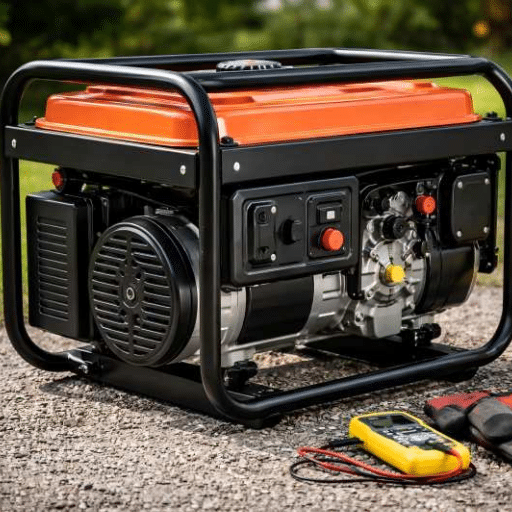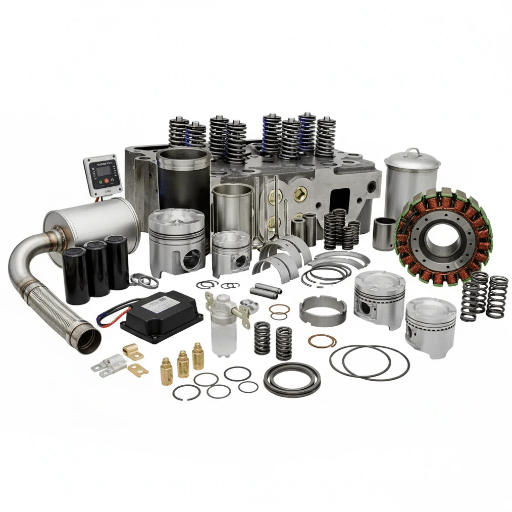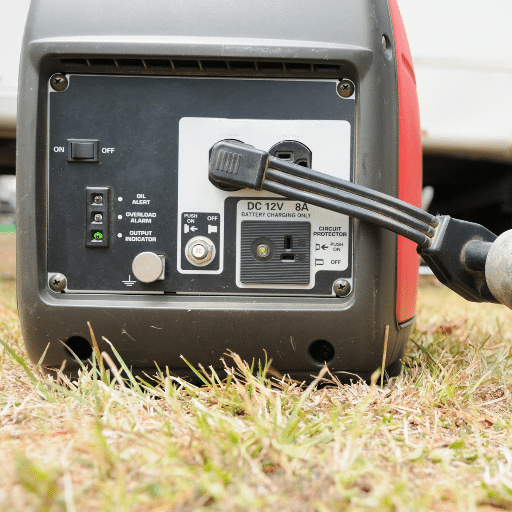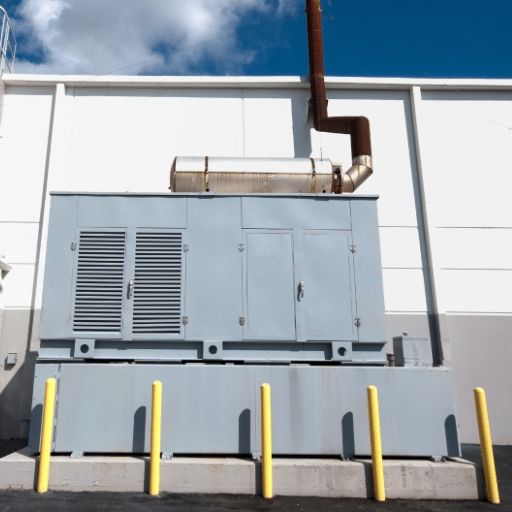

Generators require periodic maintenance and occasional repairs. And when it comes to their worst-case function, it’s important to keep them well serviced because you need them more, especially during power outages. As disturbing as it is, generators often fail to serve their purpose due to easily rectifiable operational obstacles. It may range from engines not starting or starting but unable to give the required electricity. It can be due to wear and tear of the parts, the fuel system, or an electric circuit. The following paragraphs will discuss the most common generator service issues and their respective remedial actions. This manual will take out the need to look for someone to service the generator and give you some pieces of information to avoid breakdowns for facility managers, those who have one for home use, or even technicians who can oversee the operations to a certain extent.
Understanding Common Generator Problems

Problems With The Supply Of Fuel
One of the most common generator service issues is fuel shortage, which may also occur due to contamination. It is highly advised to always check levels and store the fuel in the right conditions to avoid contamination.
Battery Malfunction
Mostly, startups due to weak or dead batteries will fail. Always check the battery installation, overall condition of the battery, and condition of interconnecting wires through tests and maintenance.
Blocked Air / Fuel Lines Or Filters
Full filters can hinder the entry of air or the provision of fuel, thus causing failure in working. Change the filters as specified by the manufacturer.
Failure To Service The Unit
Overlooking the maintenance schedules comes with the consequences of wear and tear of the mechanical parts, and also reduces the system’s efficiency. There is a need to have a defined time-scheduled servicing to prevent this.
Key Insight: Addressing such issues on time can enhance the quality of the generator services as well as their durability.
Overview of Generator Issues
Even though generators are very common and reliable, they can have problems that would hinder their usage. The following problems gathered from the majority of sources are some of the most common generator service issues, together with their respective preventive measures:
Failure of the Battery
One of the most common problems with a generator is the battery, because it can lose conductivity through sulfation, loose connection, or charging poorly. Always look out for any corrosion on the terminals of the batteries. Maintain a charging routine and change the battery if it is old.
Problems Concerning Fuel
Fuel that has been stored for a long time and contaminated fuel might cause generating sets not to function. Lines containing fuel may clog. This problem can be overcome by ensuring that only new fuel is used, adding fuel stabilizers for storage for a long time, and flushing the fuel lines once in a while.
Oil Errors
Driving a vehicle without adequate levels of oil or with leaks might cause failures of the safety systems or the engine itself. Oil level should always be checked, oil changes should be done on schedules set by the manufacturer, and leaks should be checked to eliminate any chance of leaks.
Failure of Cooling Components
Yet another one of the most common generator service issues occurs when the engine knocks due to loss of coolant or due to defective radiator parts. Check the whole coolant priming circuit, including the levels, condition of the radiator and hoses, and breathers after the specified period.
Old Spark Plugs
Spark plugs that are damaged or not properly fitted may lead to ignition failures, which can make the engines reluctant to start. As part of engine servicing, it is important to clean or change the spark plugs as standard maintenance in order to ensure that the engine operates at peak efficiency.
Remember: Preventive maintenance service practices, along with taking care of such occurrences promptly, will assist users in prolonging the life of their generators and provide them with seamless service at the same time.
Common Reasons Generators Stop Working
Generators experience failure for several reasons, but it is always good to have such failure at the barest minimum level. The paragraphs below expound on the possible factors that influence the most common generator service issues.
Weak Batteries
Among the elements that contribute to generator breakdown, batteries are the most prone due to complications associated with loose connections, sulfating, or insufficient charging. This can be avoided by periodical checking of the battery and its terminals, and providing enough charge at all times.
Dirty Fuel Issue
Fuel systems are most likely to face this challenge, especially in cases involving water, sediments, or algae in the case of diesel. The filters and the injectors are blocked with the impure fuels, which leads to engine performance-related issues or even the failure of engines that use clean fuel at all times, and also use fuel stabilizers and additives to kill micro-organisms on occasion.
Low Engine Coolant
If the coolant levels are low, the engine overheats, which has the potential to cause internal damage or even halt engine functioning. Always make sure to check the coolant levels, identify any leakages, and utilize high-quality coolant.
Insufficient Oil and lubrication
If the engine is not properly lubricated, friction will increase, causing extensive wear that may lead to the breakdown of the engine. It is essential that there is an oil change performed regularly, as well as checking to see if the oil pressure is within the needed limits.
Control Panel Problems
If the control panel of a generator is malfunctioning and has faults in the starting sequence or automatic transfers, for example, it will affect functionality. Check that there is a routine maintenance schedule that includes an inspection of the control panel and that all electrical connection is intact.
Maintenance Tip: Following a strict maintenance schedule, rectifying these typical troubles, and using good components can extensively enhance the reliability and efficiency of generators.
Important Note: Please note that these are very basic problems, and trying to solve them might cause a lot of other problems in the machine. We study people solving the most common generator service issues, and then only recommend solutions.
Identifying Generator Problems Early
Timely detection of generator faults is necessary to avoid expensive replacements and maintain optimum operation. The most common generator service issues to be on the lookout for include sub-standard knocks, banging, or clattering noises signifying the mechanical loss or defect, and operation under excessive vibrations. Abnormal power fluctuations or constant circuit disconnections can heighten the possibility of electrical faults. Oil and anti-freeze, for example, demonstrate the extent of the compromised seals, dismantling, or leakage into elements, while high consumption of fuel is an anomaly in that it triggers a suspicion of a faulty engine or fuel lines, among others.
This is another necessary management, which involves viewing the panel’s warning lights or error indicators regularly, since they often indicate specific system problems. During load bank testing, the equipment is put under stress and helps identify the most common generator service issues. As for the maintenance log review, it helps establish the patterns or recurrent issues. These symptoms can be overcome by adapting this attitude and, most importantly, by servicing agents on time. This reduces the downtime and increases the life of the generator.
Common Generator Failures

| Failure Type | Description | Prevention Method |
|---|---|---|
| Battery Problems | The most common generator service issues are caused by undercharged or poorly prepared batteries. | Regular check-ups and charging |
| Trouble With Fuel Systems | Contaminated fuel, blockage, or lack of fuel causing system malfunction and stalling. | Use clean fuel and regular inspections |
| Overheating Due to Coolant Loss | Leakage of the cooling circuit is causing rapid overheating and breakdown. | Regular coolant level checks and leak repairs |
| Not Every Machine Starts | Failure to start due to a weak starter, a broken panel, or a weak battery. | Routine electrical system maintenance |
| Overloading of the Commercial Genset | Thermal cutout or serious damage due to overheating and overloading. | Monitor load capacity and avoid exceeding limits |
| Poor Maintenance | Increased wear and tear is causing unexpected breakdowns. | Follow scheduled inspection and service routines |
Prevention Strategy: Regular servicing and inspection in order to avoid the indicated problems, including generator failure, can greatly help.
Dead Batteries and Their Impact
Generators frequently require battery replacement in the most common generator service issues, which include the battery, which is no doubt caused by improper maintenance, long periods before usage of the battery, and low levels of liquid in lead-acid batteries, as the main generator battery problems. When a generator battery is not working properly, the automatic startup system also fails to work. This is very critical for any compensation systems designed for disasters since reliance and confidence are key components in the design of such systems. In order to avoid any destruction of the battery or sulfation as well, it is also advisable to test the batteries from time to time, read battery voltages, and charge them to avoid any cementing of the plates. Trickle chargers, load tests, and replacements at appropriate cycles are some of the means of minimizing such challenges as battery failures. In resolving battery issues faster, operators can extend the operational integrity of their generators.
High Fuel Level Alarm: Causes and Solutions
An alarm indicating excess fuel level in the Generators or fuel tanks activates when the level of fuel reaches its limit or surpasses its threshold. There are, however, some issues that are responsible for this occurring, such as mistakes or misjudgments in operations or procedures. For instance, when one is filling up the fuel tank and overfills it, poor performance of level sensors or setting up faults in the monitoring systems, and the most common generator service issues everyone faces, just to mention a few, among others. There is another issue that makes the fuel level rise in an unexpected way. This includes fuel within the tank expanding, especially when it gets warm outdoors.
Solutions for High Fuel Level Alarms
In order to attempt the proposed solution, the operators will need to check the fuel level sensors more than once to make sure the readings are provided correctly. The possibilities also include keeping the sensors and the control system going as per design, with frequent inspections and recalibration. As a precaution, refuel only as much as is allowed and try to facilitate fuel expansion to get rid of alarms. When the problem still occurs, the faulty components, such as the damaged floats or sensors that have been worn out, will have to be checked and replacements made if they are needed. Redundant fail-safe techniques, such as the incorporation of second alarms or valves that cut off the fluid flow, increase the functionality of the link or device and shield against the hazards related to it.
Leak and Clog Issues in Generators
Leakages and blockages account for the most common generator service issues, which are a result of any complications within the fuel system, cooling, or exhaust parts. For example, when fuel lines are damaged, not tight enough, or improperly sealed, fuel may leak, which in turn may cause the machine to operate less efficiently and pose safety concerns. Clogged systems are especially common in fuel filters, fuel injectors, or coolant passageways, mainly because of accumulated dirt and other debris over time.
Solutions for Leaks and Clogs
To solve these dilemmas, preventive maintenance is very important. If possible, check these fuel lines, seals, and filters to make sure they are not worn or clogged, and if necessary, clean up the clogged parts. As for coolants, check the levels and make sure that all radiators are devoid of any obstructions that might cause overheating. Furthermore, performing clean-ups of the air filters and the exhaust systems also reduces the chances of clog-ups. Leakage or blockage that is diagnosed and resolved earlier eliminates further destruction and guarantees the perfect working order of the generators.
Generator Maintenance and Service

The Engine Does Not Turn On Easily
If the generator does not start immediately after the first attempt or after a couple of tries, it could mean fuel is not reaching the engine, the battery is dead, or the spark plug is faulty.
Abnormal Sounds or Vibration
Loud grinding sounds or excessive shaking probably mean something is loose inside, the bearing is broken, or something has worn out internally.
Power Reduction
When there is a marked loss of power, it can be due to blocked filters, brushes that are used up, or electrical issues.
Pouring Out Oil Or Too Much Smoke
Puddle of water, other fluids, or a cloud of smoke are usually a manifestation of blown-out gaskets, fuel system, or even heating problems.
Recurrent Stalling
Sudden stopping of equipment in the course of running could be due to a fuel measure in case the level is low, a sensor, or a heat-accumulating element.
Professional Attention Required: These symptoms should be addressed as soon as possible by a skilled mechanic to counter the most common generator service issues without necessarily having to spend a fortune afterwards.
Importance of Regular Generator Maintenance
It is very important to properly service gasoline/diesel generators regularly to keep them reliable for long term for best performance. With time, vital replacement parts such as fuel systems, filters, and batteries, among others, wear out while in use or break, causing a malfunction. This way it is feasible to diagnose the expected problems in advance, such as worn-out elements, a few drips, sensor faults; a postponed breakdown of these components can cost significant sums in repairs or result in an undesired halt of work. Gear up, the engine will be cleaned, fuel will be consumed in a more effective manner, and warranties from the manufacturers will be met, as well. Generation getting on the barricades can be significantly prolonged, without the need to use back-up power, by maintaining a planned maintenance system, inclusive of such activities as changing oils, checking the status of the cooling systems, or performing load tests.
Key Components to Check During Service
There are a number of components that need to be inspected in order to maintain the most reliable and productive generator. Such aspects that are essential in every maintenance schedule are:
Fuel System
Check that there is enough fuel and that the fuel supply lines are not leaking or clogged. Change the fuel filter or clean the fuel from time to time to ensure fuel induction and avoid contamination.
Cooling System
The coolant level should be checked, as well as the manufacturer’s specification. Inspect the radiator and hoses for any leaks, rust, or obstructions, which may restrict the dissipation of heat.
Lubrication System
Check the levels of oil and its condition, and change the engine oil, including the oil filters, regularly to reduce wear and tear of the moving parts. Check for any damage or leakage in the seal and gaskets.
Battery and Electrical Connections
Check the battery voltage and capacity, as well as the condition of the battery. Ensure connecting cables do not interfere with electrical paths and that connections are tight and clean for trouble-free electrical performance, as well as starting capability.
Air Filtration System
Check the air intake filters so that either dirt is removed or the filters are changed in order to avoid any debris intake that will impede combustion, thus affecting engine performance.
Exhaust System
Check for any possible causes of unsafe or inefficient use of the case or collapse, and any presence of leaks or soot in the exhaust components.
Control Panel and Alarms
Make sure that every element of the control panel, indicators, and alarm devices performs in accordance with the schedule as expected.
Load Bank Testing
Execution of load bank tests at certain intervals, which mimics generating unit work and proves the unit’s ability to work under load.
Maintenance Benefits: There are several benefits of performing such analysis, which include identification of the malfunctions and aid in restoring the generator to working order before it is needed in crucial circumstances.
Common Generator Problems and Solutions
Fuel System Matters
Obstructions due to dodoy cavity content or shredded fuel in the fuel can lead to lowered performance or the generator turning off.
Clear every six months, treat natural complaints, and refresh the fuel. After adding a suitable fuel shock to stabilize the fuel over time, ensure that the fuel compartments remain clean to avoid bringing in any contaminated oils.
Battery Failings
The failure to start caused by a dead or depleted battery has been common in the actual types of generators. The presence of dust and corroded connections makes this even worse when the generators are not charged properly.
Check the battery voltage often, make sure the terminals are clean, and replace the batteries if they are damaged or otherwise old beyond their usage point. An established practice of charging also helps avoid discharging the battery below the permitted levels.
Leakage of Coolant or Heating Up
Cooling down the engine can get hard due to leakages, low levels of coolant, or mechanical failures such as propped open radiators or water pumps.
Take a look at the cooling system very often. Maintain proper levels of coolant, fix any leaks found, and check if the radiator and thermostat are working fine.
Control Panel Faults
Considering that control panels, if or when broken, will not allow the generator to run, the most common failure of the panel is the communication between it and the generator.
Check the panel operation and wiring. Check to see if any of the components could be replaced, and update the control panel software if advised by the control panel’s manufacturers.
Oil or Lubrication Issues
If the oil in the engine were left to run dry or continue using some of the used oil, it would be worn out, and the engine would be greatly stressed.
This is why it is imperative that every time there is scheduled maintenance for a generator, oil should be supplemented or replaced, as well as leaks looked for. THE main consideration should be the quality and recommendations of the oil to be used. Finally, vervangen is recommended to mitigate some positive aspects.
Key Takeaway: When these kinds of everyday problems are dealt with through preventative healthcare of such devices or observing the manufacturer´s instructions, it is possible to greatly increase the useful life of any generator and avoid downtime from sudden equipment breakages.
Troubleshooting Generator Issues
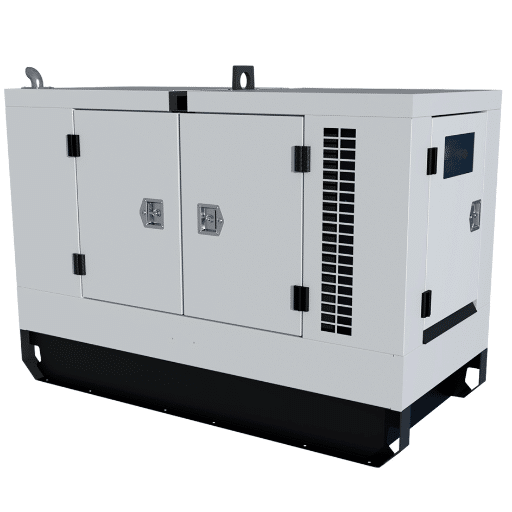
- Check your Fuel: Make sure there is an adequate amount of fuel in the tank and that the fuel supply valve is turned on. If there is old or bad fuel in the tank, it would be best to remove it and fill it with new fuel.
- Test the Battery: Ensure the battery is charged and connected to the generator properly. Corrosion on the terminals should be cleaned, and the voltages across the terminals should be tested with a multimeter.
- Check the Oil: If there is no oil or very little, this may activate safety features that will not allow the generator to start up. If necessary, top up the oil with the recommended oil.
- Check the Spark Plug: Remove the plug and assess its condition for wear and tear. If the plug is messy and defective, clean it or install a new plug.
- Check the Air Filter: If the air filter is blocked, it will limit the air flow and cause operational problems. Remove and clean the air filter or change it as appropriate.
Best Practice: These major causes of startup problems can be addressed without much difficulty. It is a good practice to always consult the specific user’s guide for the most common generator service issues.
Steps for Effective Troubleshooting
- Self-check the Fuel Tanks and Oil Reservoirs: Tank. If there is enough fuel in the safety tank and oil is ready for use, avoid damage to the engine. If improper fuel is present, change it with the proper one as described in the owner’s manual. Any fuel that has stayed stagnant and becomes contaminated should be drained and replaced with fresh fuel.
- Check Out the Battery: Check the battery cables and the charge state of the battery. Faulty terminals and or low battery charge can cause malfunction. Ensure that the battery terminals are cleaned and the battery recharged or replaced if required.
- Inspect the Spark Plug: Unscrew the spark plug to see whether it needs replacement or cleaning. Misfiring or failure to start can be caused by a bad spark plug. Wire brush it or put in a new one, depending on the condition.
- Assess the Air Filter’s State: If the air filter is dirty or blocked, it hinders airflow, which causes the engine not to perform well. Either replace the dirty or clogged air filter or clean it before use as needed in order to meet its purpose.
- Evaluate Electrical Parts: Check for external wear and tear on the cables, connection points, and fuses. The malfunction of the system may be attributed to any exposed or damaged cables; in addition, any blown fuses should always be replaced.
Important: With the approach taken in these systematic methodologies, acquired technical problems or inefficiencies are resolved to a great extent. Remember to always refer to the user manual for specific assessment and troubleshooting methods on the equipment.
When to Call a Generator Repair Service
Even if you are very meticulous in this regard, you will eventually encounter an instance where professional help will be needed to keep your generator working safely and efficiently. In these instances, a generator repair service is recommended:
Often Fails to Give Power or to Start
If the generator does not start often or gives power sporadically despite servicing, it could contain defects such as a bad starter, fuel issue, or a broken control panel that may necessitate expert intervention and repair.
Continued Fuel, Oil, or Coolant Leak, Etc.
Any visible stains of oil, fuel, or coolant may be the result of faulty sealant, a cracked hose, or an inappropriate fitting. Not only do such problems adversely affect the functioning of the generator, but they also generate hazards in terms of safety and environmental aspects that necessitate the assistance of safe and competent personnel.
Smoking, Unusual Sounds, or Vibrations
The following issues are some of the most common generator service issues, yet they are key pointers that the generator requires the intervention of a maintenance specialist.
It can be noted that grinding and development of noise and increased vibration in the engine can be associated with mechanical or internal failure, such as broken or their worn out parts that are out of alignment. Also, don’t ignore sudden smoke emission in the form of black, white, or blue as a sign of contaminated fuel, failure of combustion or lubrication systems that should be addressed by a skilled operator.
Faults in Electrical Systems
Include, but are not limited to, a trip switch repeatedly being pulled down, fluctuations in current, or failed appliances that are faulty components, such as an alternator and worn-out circuitry. These problems require an expert diagnosis and intervention.
Codes in Control Panels
The majority of present generators are equipped with Revised Part numbers and use them in all their mounted products that can be used for the diagnosis of faults using call-out codes. In the event a code has not been cleared after the troubleshooting process, it is essential to seek professional assistance to be able to interpret and wrap up the issue properly.
Professional Service: By being aware of these warning signs and calling a professional repair service early, it is possible to minimize the damage, extend each generator’s life span, and ensure a steady power supply to the critical activities. Nevertheless, do check for certifications and parts necessary for the repair service provider for the particular generator model.
Note: The most common generator service issues, such as mechanical problems, worn parts, or aged components, are generally repaired by following the above mentioned steps.
Ensuring Generator Safety During Repairs
Safety considerations are very critical when carrying out any operation on the generator to avoid accidents or damage to the equipment. Before working on it, ensure that the generator is switched off and also disconnected from every source of power, including batteries and petrol tanks of any nature, to avoid the risk of contact with live wires or sparks. Adequate air circulation is also important when working on the generators, as fuel, even leftover in some cases, can be explosive.
Always read and follow the manufacturer’s instructions that are applicable to the respective model of the generator, as well as wear the proper personal protective equipment (PPE) such as rubber gloves, eye protection in the form of goggles, or shoes with non-skidding soles. Do not risk operating the generator in areas that are wet because water and machines co-working can pose electrical risks. In fact, these are some of the most common generator service issues.
Engaged professionals are highly recommended for high-powered repairs of internal parts, as these require proficiency and in-depth knowledge to perform diagnostics or replace parts, as well as the availability of appropriate tools. Limiting the contamination of the work area, ensuring intense lighting, and removing all combustible substances will help to step back from threats even more. Remember to observe these rules meticulously in order to guarantee the safe and proper functioning of the generator during repairs and service.
Preparing Your Generator for Use

- Inspection of the Generator: Look at the generator to see if there are any obvious injuries, loose cables, or erosion of any kind. Check that all the parts are available and it is well attached.
- Fuel and Oil Checks: Refill the generator’s fuel tank with the appropriate fuel specified by the manufacturer. Check the oil levels for sufficiency.
- Battery Testing: If the generator has a battery, check the status of the battery to make sure it is charged and attached.
- Air Filter Inspection: Check the air filters to make sure they’re clean and empty of any debris. If the air filters are dirty or clogged, change them so that the engine runs more smoothly.
- Consult the Owner’s Manual: Follow the manual and check if any special steps and procedures must be followed when starting up specific models of the generator.
- Make Space for the Generator: Set up the generator on a solid, even, and open space, distant from walls or any flammables.
- Perform the Test Run: Switch on the generator as per the manuals and confirm its proper working condition prior to attaching any gadget or appliance.
Preparation Benefits: In this way, you make sure that your generator is in a normal operating condition, and you will not be disappointed in it when the need arises for such work.
How to Ensure Your Generator is Ready
The generator maintains operational readiness by following a series of guidelines listed below:
- Fuel quality check and refueling if necessary: Check whether the generator has enough fuel, and the fuel stored has not gone bad. It is advisable to use a fuel stabilizer in case of fuel storage for long periods of time.
- Maintenance: Change or clean components periodically that include parts such as the system’s air filtration unit, spark plugs, and the pipes carrying fuel into the generator. Change worn-out or broken components as per the manufacturer of the respective product.
- Testing a load: Connect load banks or domestic appliances once in a while to the generator to ensure the full capacity of the generator can be sustained with no issue.
- Battery condition and electric start operation: On those machines possessing an electric start, inspect the battery for voltage and operative functionality so that there is no breakdown during usage.
- Oil Change and Fluids Replenishment: Oil the engine and change the oil within the recommended interval. If applicable, check the coolant level and add more if necessary.
- Operate the Generator every month: You should turn on the engine and operate the generator for no less than 15-20 minutes one month after the previous use. This helps keep the fluids moving and the parts working.
- Inspect the Electrical Connections and the Transfer Switch: About the connected generators through the transfer switch controls, it would be wise to test this system for uninterrupted electric service during power failure periods.
Ongoing Maintenance: Hence, by ensuring this procedure is done, you will keep your emergency generator in good shape, make it ready for use any time you need it, and ensure it is used safely. Routine servicing of the machine can avoid breakdowns and premature wear of the equipment.
Final Checks Before Operating a Standby Generator
There are a few critical elements that must be considered before using a standby generator. First of all, I check any fuel and oil levels and make sure they are sufficiently filled. This is usually followed by making sure that all the connections are tightened correctly and that any cables or wires are not damaged or split. I look at the air filter to see if it is not dirty and also check whether the battery is charged. The last thing I do is visually scan the area surrounding the generator, examining the area in order to avoid any dirt or obstacles that may endanger the generator’s usage. Going through these actions step by step, I can utilise the generator, knowing that every aspect is in order.
Maintaining Oil and Coolant Levels
Generator operation requires oil and coolant levels to be monitored and topped off as needed, whenever required. First, switch the generator OFF and allow it to cool down in order to avoid burning of skin when checking levels. To inspect oil levels and test this, find the dipstick that measures the level of oil, take it out to clean it with a rag, dip it back in, and then pull it out for checking. If it falls below the recommended mark, raise the level to the optimum level using a specified oil, to avoid frustrating stapler damage. Also, check the coloration of the oil and whether it has any particles, as this might be telling when the nail bees need to be changed.
To do a top-up of the coolant, know where the coolant reservoir is and do a check of the coolant level to see if it is between the limit marks. Read the generator manual and do not put any different coolant other than the recommended one, as it can cause damage to the generator. Whenever you need to add more coolant, remember that the system should not be under pressure; otherwise, spills would occur, or some individuals would be hurt. Also check the coolant pipes and gaskets for tears or wear and leaks since they can cause the generator to overheat and damage. Practising these tips avoids the most common generator service issues due to premature failures as well as higher peaks in generator performance.
Reference Sources
Published by the University of Nebraska Medical Center, this document discusses testing, inspections, and maintenance for standby generators.
Safe Operation of Emergency Generators
Published by Cornell Cooperative Extension, this resource covers maintenance considerations and tips for emergency generator operation.
A Model of Correlated Generator Failures and Recoveries
A working paper from Carnegie Mellon University that presents a statistical model for understanding generator failures and recoveries.
Frequently Asked Questions (FAQs)
What issues prevent a generator from starting?
Generators very often break down at times because most likely, the generator would just fail to start, and some of the reasons why a generator would fail to start are because the battery is empty, a fuel filter problem, an oil level that is too low, or, in some cases, fuel that is no longer fresh. When attempting basic troubleshooting of generator problems, these actions should be carried out: inspect the generator for any disconnections, charge the battery and confirm its terminals, check if there is enough oil and fuel, and lastly, check if the choke and the primer are in place. If, after all these steps, the generator is not coming on, then the generator might be having some very serious engine or electrical problems that might require servicing or carrying out repairs by generator professionals.
Are users aware of the 8 typical issues with the generator and how maintenance resolves those problems?
A generator is a vital piece of equipment that should be serviced on a regular basis. To extend the life of a generator and avoid service calls, the most common generator service issues are: the air fuel mixer or gas valve is dirty or clogged after long use, it has low oil or oil gauge indicator, worn out plugs, corroded battery terminals, generator applications with cooling system, aged gasoline or other fuel types, and hoses of the heating inside the block heater are all blocked. Such measures have led to the introduction of maintaining the generators by carrying out periodic maintenance, including inverter activations, battery tests, coil replacements, and hose evaluations to help reduce service interruptions.
Can you explain why the filter is an important component and how a clogged fuel filter can cause the generator not to start?
Being one of the basic needs of the engine, oil cannot be dispensed with. Most engines will not start. The fuel and the air filters represent an impediment to impurities reaching certain parts of the generator only. Sea or air filtering cannot allow any solid particle flow to the discussed areas unless the filters are destroyed, in which case their function is nullified, most common generator service issues. Finally, filters need to be replaced, which includes both the fueler and the air filters.
How often should I change generator oil levels, and what causes generator engines to run low on oil?
Before every long usage, monitor the generator oil level or at least once every month for quick-standby units. If the oil level is above the allowance, then the engine will be shut down, as there is no other suitable way to prevent the engine from locking up. In such cases, the reliance on oil is on consumption only, and that is how the engine remains running; however, it can still lead to testimony. The low oil level in the generator could be because of several reasons, including but not limited to oil piping leaks, consumption higher than average, or due to negligence in servicing outlet portions. So in order to avoid the hard starting and excessive repair costs of the generator, we have the habit of checking routinely as well as topping up.
What factors in maintaining a large-scale industrial generator should owners remember?
As a generator owner, you have more constraints to worry about, such as load management, fuel quality, or the temperature of the coolant circulating the system. Owners of industrial generators should be aware of possible failures that may accompany the system, such as the generator engine being too hot, the fuel system being choked, or parts wearing out due to prolonged use. Attention should be drawn to regularly testing industrial generators for backup power, diesel batteries’ fuel polishing, checking the hoses of the block heater, and employing qualified generator technicians.