
Winter has come, and the cold has caused a lot of discomfort. Now, the alternative power system of your residence has become a must-have. It’s not only the issue of comfort when getting the generator ready for the winter, but also a reliable performance during unexpected power outages. This article will present you with the most efficient and effective ways of winterizing your generator, including the necessary maintenance activities and expert guidance on making the generator work in super cold conditions. The tips and insights shared will be helpful, no matter if you are a generator pro or a first-timer setting up one. So, always be ready, enjoy the electricity supply, and then go on through winter without interruptions, all by applying these very effective preparation tips.
Understanding the Importance of Winter Generator Prep

The cold season can be quite challenging when it comes to power supply, and proper preparation of the winter generator is the key to having a reliable power supply. When the weather is cold, fuel might thicken, batteries might discharge, and engine parts can become so stiff that they either won’t start or will be working at a reduced efficiency level. But the use of regular, such as checking the battery, inspecting the fuel lines, and topping up the oil, can help you avoid unanticipated breakdowns. Furthermore, adopting cold-weather accessories like block heaters and having a generator storage that is clean and dry are other ways of preventing the generator from freezing or being damaged by moisture. All these efforts mean that your generator is always ready to provide power at your greatest need.
Why Winter Generator Maintenance is Crucial
The winter servicing of generators is a must to keep their performance and reliability at the very peak during the cold season. The freezing temperatures may cause fuel to solidify, batteries to run down, and engine parts to seize; all this cumulatively would mean that the failure of the whole system would be more imminent. Nevertheless, maintenance properly done through such as winter-grade oil change, fuel and air filter checking and cleaning, and battery voltage measuring can actually cut down these risks a lot. To add, routine checks will help identify the minor problems that could lead to generator malfunctions, such as moist or rusty areas that may impede its efficiency. It is also recommended to equip the generator with cold-weather accessories like block heaters and insulated enclosures which will help not only prevent the critical parts from freezing but also guarantee that the machine is always ready to run. Implementing a complete winter care program for your power generator means you are not only protecting the equipment from the elements and extending its life but also ensuring that there will be a continuous power supply during emergencies.
Effects of Cold Weather on Generator Operation
Cold weather has a great impact on the operation of generators, and the mechanical and electrical components of the generator are also affected. One of the main problems is the low temperature, causing the engine oil to thicken, which leads to increased resistance and, consequently, the engine gets hard to start. However, the fuel system suffers a lot too; for instance, at very low temperatures, diesel fuel can either freeze or turn into a thick gel-like substance, thus blocking the fuel from reaching the engine and making it less powerful or even stopping it in some cases. Also, with the decrease in temperature, the battery voltage drops; therefore, the generator’s starting power, which is required to create the spark for ignition, is also reduced.
Cold weather problems can arise from moisture condensation in several ways, one of which is that electrical systems have faulty connections due to corrosion, and thus the electronic components, like wiring and circuit boards, are not working properly. Moreover, winter conditions may break critical parts of the generator, especially if it has not been winterized properly. Regular oil changes, fuel additives, block heaters, etc., can be seen as the methods to combat the winter and consequently let the generator work more easily even at very low temperatures. Therefore, the life and the efficiency of the equipment are also prolonged in winter when it is very cold.
Common Generator Problems in Winter
| Problem | Description | Solution |
|---|---|---|
| Fuel Gelling and Contamination | One of the primary issues that can result in the clogging of fuel lines and filters is the gelling of the diesel fuel, which is caused by low temperature. Moreover, freezing of the moisture present in the tank is another reason where the blocks and contamination may occur. | Winter-grade fuel or anti-gel additives help find a definitive solution for these related problems. |
| Battery Failure | During the winter season, the battery would give less performance and eventually fail to start the generator. The generator won’t start because the main reason is that the battery’s chemical reaction is slowed down. | Currently, battery maintenance, which includes charging and testing, should be kept up with in the winter. |
| Oil Thickening | When the temperature drops to very low levels, the engine oil gets thicker, and this causes the engine to have a harder time starting because of the friction that has increased. | Winter-grade oil or synthetic additives are recommended so that low-viscosity oil can be maintained during freezing weather to ensure properly functioning components. |
| Condensation and Moisture Buildup | During the process of condensation inside the generator caused by temperature fluctuations, rust, corrosion, and electrical failures all come in as the downside of the generator’s problem. | The solution to this problem could be approached through a systematic manner involving the aforementioned prevention methods of regular maintenance, moisture control, and covering. |
| Frozen Coolant Systems | The process that leads to the damage of hoses and radiators even at very low temperatures is caused by the freezing and subsequent expansion of antifreeze, which brings about the destructive force. | The supremacy of the “antifreeze” mix is seen through the contrast of supremacy, and thus enabling the car behind the layperson, or her surrogate as a caretaker, to keep running smoothly. |
To address these winter-related issues, the generators will remain the ultimate ally to provide services even under the most severe conditions.
Key Steps to Prepare Your Generator for Winter
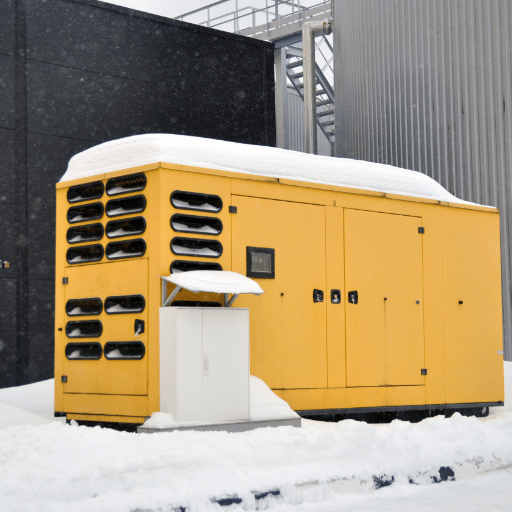
- Conduct Regular Inspections: Look for signs of wear, damage, or loose connections in the generator system. Do not postpone taking care of any issues, as that would help maintain reliable performance.
- Check Battery Condition: The battery must be charged to its full capacity and should be functioning properly. It is advisable to replace old batteries so that they do not fail during cold weather.
- Fuel of Winter Grade: To prevent gelling due to temperatures falling in the winter, switch the diesel-powered generator to winter-weight fuels. Employ a fuel stabilizer to manage the long-term stability of the fuel.
- Oil and Filters Change: Alter the oil and filters with the ones identified for wintry conditions to ensure the smooth running of the generator without facing any viscosity problems.
- Examine and Support the Levels of the Coolant: Before the beginning of winter, remember to drain any of the milky antifreeze and replace it with fresh, never-milky antifreeze.
- Generator’s Protection: Either cover the generator or put it in a weatherproof box so it won’t get damaged by ice, snow, and water. If the generator has proper ventilation, it will not overheat.
- Generator Activation: fire up generators of auxiliary equipment every so often to make sure everything functions as it should and to prevent any part from becoming frozen.
If you observe these practices, the performance and dependability of your generator will be increased during the cold season.
Inspect Your Generator
It is of utmost importance to perform regular checks on your generator as it can not only allow you to work at your best but also prevent failures. Start by looking at the general condition and inspecting the outer parts for any signs of wear, breakage, or rust. The fuel lines, electrical connections, and battery terminals must be inspected very carefully to confirm that they are tight and free from any cracks or wear. The air filter should be checked and cleaned so that there will be no stoppage of air flow and hence, there will be no clogging.
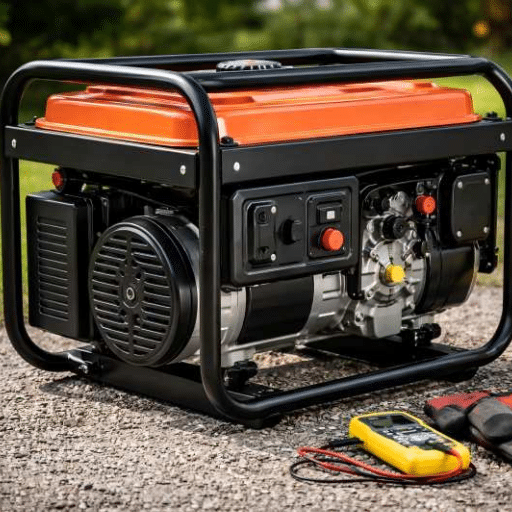
Next, check the oil and the coolant (if there is any) and place them according to the manufacturer’s chart if necessary. The spark plugs should be examined for fouling and changed if so. A multimeter is to be used to check the voltage output of the generator so as to make sure that it does not exceed the limit. Besides, an exhaust system should be inspected for blockage or leakage to guarantee safety and smooth operation. Hub inspections, along with preventive maintenance, would render the generator very reliable and operational even under heavy use or adverse weather.
Maintenance Tips for Reliable Power
- Regular Oil Changes: After every 50 to 60 hours of operation, it is advisable to check the oil level, and the manufacturer’s recommendations for oil changeare usually after 100 hours of running. To get the best out of your engine, use the grade of oil recommended in the owner’s manual.
- Air Filter Maintenance: Every 100 to 200 working hours, air-cleaning or air-filter replacement is suggested; however, if the environment is extremely dusty, clean or replace the filter frequently. An unclean air filter will restrict the air flow into the device, which might cause it to work less efficiently and even lead to oan verheating condition.
- Inspect and Clean Batteries: The generator’s batteries need to be checked regularly for corrosion and loose connections. The terminals must be cleaned, the appropriate charge level must be maintained to avoid starting problems, and the old batteries must be replaced with new ones.
- Check Coolant Levels: Prior to powering on the models with liquid cooling, inspect the radiator’s coolant and cap for any indications of harm. To guarantee that there will not be any overheating or freezing damage, fill up with the proper antifreeze mixture.
- Fuel System Maintenance: Cleaning of fuel lines is essential, and also the inspection of fuel tanks and filters for dirt or water should be done as well. Removal of old fuel is necessary to keep the system from getting clogged, and if the machine is to be operated for a long time, a stabilizer can be put in.
- Run Periodic Load Tests: Load testing of the generator should be carried out to check if it can produce the required power with the best efficiency. This will ensure the reliability of the generator and minimize the possibility of unexpected breakdowns.
- Verify Wiring and Connections: Check each of the electrical connections for signs of wear, fraying, or rust. If you detect any loose connections, tighten them up, and get rid of the damaged wires to prevent the loss of power and the arising of safety risks.
The generator’s extraordinary powers and also its staying even in the most challenging environments are the results of such always-up-maintained maintenance practices. Having all the maintenance operations as well as their corresponding results written down will enable the establishment of comprehensive records for future consultations.
Winter Prep Tips for Your Home Generator
Precautions with home generators in winter will be effective under even the harshest weather conditions. Nonetheless, the following are the thorough procedures for the power supply maintenance and the safe generator use:
Fuel System Maintenance
Check, i.e., gas in the tank or oil in the drums, then put fuel stabilizers that are suitable for the fuel type used, if necessary, to avoid fuel degradation, which can lead to clogging of the critical engine parts. In the case of diesel generators, use a winter-grade diesel to prevent the formation of the jelly-like substance that occurs at low temperatures. Always keep the fuel in the approved containers and store it far away from the fire or potential causes of fire.
Battery Health Check
In the event of cold weather, the battery’s efficiency could be reduced by as much as 50%. Therefore, check the generator battery for charge plus corrosion at terminals plus make cleaning of battery terminals and testing of voltage a scheduled activity. Replace the old batteries before they become a problem out of the blue.
Oil and Filter Servicing
The oil has to be changed and the filters replaced according to the manufacturer’s guidelines. This not only makes sure that there is always enough lubrication but also that there are no problems with the viscosity in cold weather. Always use the oil grade that is recommended for cold weather.
Enclosure and Ventilation
The generator’s housing should be robust enough to withstand the harshest of weather conditions and not get frozen or be covered with snow. It is also important to keep the ventilation openings clear of any obstructions, and snow or debris should be removed from them regularly to prevent overheating or airflow restriction from occurring.
Test the System
Conduct a performance test on the generator while it is fully loaded to detect any performance anomalies. If you encounter any unusual noise, smoke, or vibrations, take care of them right away so that a breakdown will not occur in the future.
By adhering to the steps indicated earlier, your generator will operate efficiently even in the harshest winter conditions. Periodic inspections will be carried out on your part, and should technical assistance be necessary, the risks of breakdown will be reduced, and the longevity of the unit will be increased.
Protecting Your Generator During Winter Storms

- Keep the Generator Dry: The snow, ice, and humidity can lead to electrical faults. It is advisable to provide a shelter for the generator in the form of a canopy, a tent, or any other covering that would protect it from such conditions.
- Store Fuel Properly: Make sure you use fresh gas and keep it in an appropriate container. To prevent spoilage, adding a fuel stabilizer is a good idea, especially for the fuel that remains in the tank all winter long.
- Perform Pre-Storm Maintenance: Checking oil level, air filtration, and spark plug checks are crucial for keeping the generator in great working condition before the storm hits.
- Position Safely: Additionally, it is important to make sure that the generator is always placed outside, in a well-ventilated area, and at a distance from windows, doors, and chimneys to prevent any carbon monoxide accumulation.
- Inspect Cords and Connections: It is recommended to use and inspect heavy-duty extension cords that are weather-rated for fraying or damage. Ensure that the connections are safe and dry to prevent any electrical issues.
If the worst is expecting you in the winter season, do not worry. This four-squared and four-phased generator meets all the safety requirements as stated above, and with proper handling, it can be described as ideal even in a climate of bone-chilling cold as it purrs with heat, while the earth actually shivers.
Best Practices for Generator Safety in Cold Weather
- Perform Regular Maintenance: Generators need regular inspections and servicing to get the best out of them and to prevent sudden breakdowns during their usage. Maintenance should include checking oil levels, changing filters, and spark plug inspections.
- Fuel Storage and Handling: To keep fuel from being damaged, only fresh, stabilized fuel should be used and stored in approved, airtight containers. In addition, all fuel should be handled according to safety guidelines to reduce the risk of fire and contamination.
- Test Before Use: A small test run of the generator before the major storms will let you know that the system is working properly. This will involve checking the startup method, output voltage, and all the components attached to the system.
- Generator Cover or Shelter: The generator should be protected from snow, ice, and rain by means of a generator cover or shelter approved for use that allows airflow while at the same time protecting it from harsh conditions.
- Monitor Carbon Monoxide Levels: A battery-operated carbon monoxide detector can alert you to the build-up of dangerous gas in your home that is caused by the generator. This is especially important for the safety of people living in enclosed or semi-enclosed areas.
Generators can perform, be reliable, and be safe during cold weather if these best practices are followed. Manufacturer manuals should always be consulted for specific directions, and compliance with local safety measures is a must.
How to Shield Your Generator from Harsh Winter Weather
It is very important to protect your generator during the winter season if you want to keep it functional and to have it last longer. First of all, it is highly recommended to get a fitting generator enclosure or a generator shelter to add protection to your generator. The enclosure or shelter will protect the generator from snow, ice, and freezing temperatures while allowing ventilation to prevent overheating or exhaust buildup. Weatherproof covers are also a good option as they protect against rain and moisture while permitting airflow.
Next, make sure that the generator is on a stable, raised area that is not going to be under the water or ice due to the melting of the snow. Removing the debris, ice, or snow from the generator and in its vicinity will not only readily ensure airflow but also keep the vital parts from getting damaged.
The last point is that you have to set up a regular maintenance schedule in winter to fix problems like oil thickness and battery life, which, by the way, are the areas that are affected the most by the cold. You can also use a cold-weather kit, like block heaters and battery warmers, which are recommended by manufacturers, that will further enhance performance in freezing conditions. The proper preparation and care are of utmost importance as they will determine how reliable your generator will be during the winter months.
Generator Battery Care in Freezing Temperatures
The proper care of generator batteries during freezing temperatures is the key to their reliable performance. The cold weather can cause a drastic reduction in the capacity and the power of the battery to crank, which may lead to the battery being unable to operate at all. To counteract these effects, you should make sure that the batteries are completely charged before the cold season, as batteries with low charge are the most likely to freeze. In addition, regularly check the battery terminals for any signs of corrosion, and also check the connections to see that they are not loose because loose connections can cause a drop in voltage.
It is a good idea to use a battery warmer, especially in areas where it is freezing or below freezing. These devices keep the battery at a certain temperature and thus prevent it from going below the operational temperature. Moreover, when the batteries are not in use, store them in a place that is dry and insulated and also follow the manufacturer’s maintenance schedule for inspections and checking the electrolyte level. At last, consider your generator battery system with cold-weather-rated components and chargers to ensure the best performance even in the harshest conditions. By adhering to these practices, the possibility of unexpected failures occurring during the most critical moments will be greatly reduced.
Tips for Ensuring Proper Generator Operation

- Observe the Manufacturer’s Guidelines: Stick to the suggested maintenance timetable for your particular generator model. This encompasses oil changes, filter replacements, and component checks.
- Fuel Quality Check: Look for spoiled or tainted fuel, since this might reduce the generator’s efficiency. Regularly get rid of the old fuel and think about using stabilizers for long-term storage.
- Run Tests at Intervals: Run the generator at least once a month to make sure it works and to avoid the seizing of parts.
- Inspect Electrical Connections: Look into and change the tightness of all connections so that there are no issues or risks related to power delivery.
- Clean and Debris-Free Environment: Keep the generator neat and its surrounding area clear of debris so that proper ventilation is maintained and overheating is prevented.
Cold Weather Generator Operation Techniques
If you have to use a generator when the weather is too cold, it is absolutely necessary to take proper precautions so the unit can perform reliably and at the same time get protection against damage. Below are the detailed guidelines for cold-weather generator operation:
- Use Cold-Weather Kits: Have a cold-weather kit that has been approved by the manufacturer and made up of components such as battery warmers and engine block heaters installed to make sure that the engine starts without any problem in freezing temperatures. Without these, oil and other fluids might become thick and slow down the operation.
- Fuel Management: Check if the fuel is suitable for cold weather. Use treated fuel to avoid gelling in diesel generators and ensure proper storage to keep fuel quality in extreme weather.
- Battery Maintenance: Battery performance goes down in cold weather. Keep on charging the generator’s battery regularly and check its condition, making sure that it is 100% operational when the time comes.
- Proper Lubrication: Cold-weather recommended low-viscosity oil should be used, as it will keep the right flow rate and make sure that the generator’s parts are no less than adequately lubricated.
- Pre-Warming Procedures: Before starting, the generator should be allowed to warm up gradually with pre-heating mechanisms that are built in or with external heaters where applicable. This step reduces the strain on the internal components.
- Shelter and Ventilation: Use a suitable enclosure or shelter to protect the generator from snow, ice, and wind. However, make sure there is enough ventilation to get rid of exhaust gases and keep the generator cool.
- Regular Testing: During the cold season, you should test the generator periodically to see if it starts and runs without a problem. This preemptive measure not only ensures the device is ready for emergencies but also helps to spot any issues early on.
By following these guidelines, you can achieve the maximum generator performance, elongate its life, and provide a reliable power source even in the most severe winters.
A Generator is Used During Winter Emergencies
Generators are crucial backup power sources during winter emergencies, especially when they are affected by outages caused by severe weather conditions. They guarantee the uninterrupted operation of crucial systems like heating, lighting, cooling, and medical equipment. It is essential to minimize the waste, to use a generator that exactly matches your power needs, and to obey the safety measures rigorously. The generator must be placed in a very airy place, far from windows or doors, so that there is no carbon monoxide accumulation, which is one of the consequences of burning fuel and is very dangerous. Furthermore, performing regular upkeep operations such as changing oil and examining will keep the generator in the best condition. If you are correctly prepared and your generator is properly utilized, you will have a continuous power supply, thus reducing the anxiety and dangers that might come along with winter power failures.
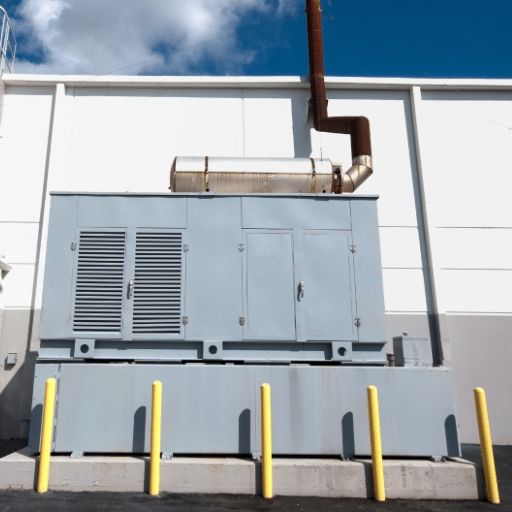
Winter Generator Tips for Industrial Applications
- Fuel Management: Verify that your fuel inventory is adequate and keep it in a temperature-controlled spot to avoid gelling in super cold weather. The use of winter-grade fuel and/ or the installation of fuel heaters can be a performance enhancer in low temperatures.
- Battery Maintenance: Cold weather drastically decreases battery effectiveness. Therefore, regularly checking, charging, and testing the generator’s battery must be done to prevent starting issues at the time of use.
- Prevent Moisture Damage: The powerful industrial generators must have a weather-tight enclosure and a sheltered location to protect their delicate parts from moisture, snow, ice, and rain.
- Pre-Winter Inspection: Do a very detailed inspection of the critical systems, which include coolant, lubrication, and exhaust, in order to find and fix potential failures even before they occur.
- Load Testing: Load testing in winter conditions will be done to ensure that the generator will not stop working due to the inability to meet the operational demands.
- Regular Monitoring: A monitoring system should have been installed to keep track of generator performance, and in this way, any anomalies will be identified in real time, which will significantly reduce the downtime during the demanding winter operations that are demanding.
The adoption of these practices is a must if we want industrial generators to work well and reliably during winter, and this will, in turn, continue to provide the required safety and operational support.
Conclusion and Final Thoughts on Winter Generator Readiness

The winterization of generators is a very essential step towards keeping the operations and safety of the cold-weather areas uninterrupted. Organizations can effectively reduce risks by doing a detailed inspection, maintenance services, and repairs of any weak spots before the cold season. The combination of these practices and preventive monitoring aids in the non-occurrence of unexpected failures and the performance of reliable generators. Winter preparations for industrial generators are not merely preventive steps but rather a necessity in contributing to the reliability of operations.
Review of Essential Winter Generator Prep
The right winter generator preparation is necessary for the best performance and the protection of the equipment. The main procedures are as follows:
- Inspect and maintain the fuel system: Investigate the fuel system for possible contaminants like water or sediment, which can block the system and create problems in cold weather. If necessary, change old fuel, and make sure that the fuel tanks are filled to the recommended levels to prevent condensation.
- Battery and electrical system check: Low temperatures may affect battery performance. Make sure that the battery is charged to full capacity, the terminals are clean and tight, and the charging system is working. Do load testing to check if there are enough cold-cranking amps.
- Optimize coolant and lubricants: Use the proper mix for the coolant in the sub-zero temperatures, as per the manufacturer’s instructions. Make sure that the oils and lubricants are suitable for winter regions since the cold can alter the viscosity and performance.
- Air and exhaust system examination: Check the air filters and change them if they are dirty to allow the combustion to be efficient. Remove any blockages in the exhaust system to avoid reduced efficiency or even safety problems caused by the build-up of exhaust gases.
- Load bank testing: Carry out load bank tests to confirm that the generator is capable of bearing the required electrical loads under cold weather scenarios. This is to ensure that the backup power systems are reliable.
- The use of heating for the enclosure: When the generator is placed outside, use block heaters or enclosure heaters to maintain engine heat. This will not only prevent issues due to freezing but also make it possible for the system to start and work properly in extremely cold conditions.
Following these steps helps to not only prepare the generators but also the entire organization to support adequate operations and thus not incur the high costs associated with downtime. The combination of preventive measures and regular monitoring will not only optimally perform but also prolong the generator’s life.
Encouragement to Prioritize Generator Maintenance
Generator maintenance plays an important role in the overall operations, and I will definitely keep it as a priority. Moreover, the time spent on the upkeep will guarantee the equipment’s reliable performance, less expensive downtimes, and also the possibility of a longer lifespan. The precautions taken are not only for the safety of the operations but also for the peace of mind in the case of emergencies.
Final Tips for a Worry-Free Winter Generator Experience
The best performance from the generator during the whole winter season will be achieved by following an organized and rigorous maintenance schedule. One of the most important practices is to run the generator every month to do it regularly—the idea is to test the machine and find out any problem before it becomes critical. Another important point is the fuel system, which must be kept in good shape; expired fuel can lead to clogs in the system and can even cause the generator to shut down, so it is better to use fuel stabilizers or change the old fuel when necessary. Furthermore, the oil levels must be checked, and one should think about using synthetic oils as they perform better at very low temperatures, and their ability to provide lubrication during harsh weather is unmatched.
Proper battery maintenance is another very important aspect. Cold weather can make batteries lose their charge faster, so they have to be checked and tested frequently to ensure that they are at full charge and have no corrosion. A battery warmer can also be a good option to protect the battery from extreme cold.
The air and fuel filters should never be neglected. Air and fuel filters that are dirty or blocked will make the generator work harder and output less power. One of the good things about maintaining the performance of your generator is replacing these filters periodically.
And last, but not least, use or store your generator always in a place with good ventilation, away from windows or doors, to prevent carbon monoxide from building up. Besides this, installing a carbon monoxide detector will also ensure the safety of your home or office. By addressing these matters skillfully and consistently, you will not only prevent failures and maximize your generator’s efficiency, but also secure its support to last through the demanding winter months.
Reference Sources
Generator Source – Winter Generator Prep Tips
This source provides a detailed checklist and practical tips for preparing generators for winter, including coolant checks, block heaters, and battery maintenance.
MRO Generator Winterization Program
A report by the Midwest Reliability Organization (MRO) detailing best practices and lessons learned for generator winterization to ensure reliability during extreme cold weather.
Frequently Asked Questions (FAQs)
How can generator performance in cold temperatures be affected by a change of filter?
The cold weather will probably make the oil thicker and also clog the air and fuel filters, and these problems might lead to the generator not starting or even generator failure. To make sure your generator remains operational during winter, it is recommended to replace or clean the air and fuel filters before the winter season, use winter-grade oil if that is the case, and keep spare filters in a cold-weather kit so that when needed, you can quickly restore the generator’s performance.
What are the most important safety tips to follow during winter when using a generator?
The safety tips suggest that the generator should be kept at least 20 feet away from doors, windows, and vents, and that the area surrounding the generator should be kept free of snow and rubbish so that the exhaust cannot enter the house. Install carbon monoxide detectors, do not run the generator indoors, and switch it off before adding more fuel. By taking these simple safety measures, you can be sure that your generator will provide reliable power backup without putting any occupants at risk.
How do cold temperatures affect the starting of generators, and what measures can I take to ensure that my generator starts?
Cold winter weather brings about the loss of battery capacity, thick oil, and the harder flow of fuel, which are all reasons that a generator might not start. To assist in the success of the starting process, it is best to keep the battery fully charged using a maintainable, use a winterized oil, warm batteries in a sheltered place, and do regular test runs — test your generator at least once a month during the winter months to confirm that the generator will supply power whenever you need it.
What kind of winter prep do I have to do to keep my standby generator working?
Winter preparation steps for a home standby generator include: ensuring that the generator vents are clear, scheduling maintenance service, topping off the fuel or propane, and giving batteries and fuel lines a winter kit. Make sure your generator doesn’t get snowed in and that the vents and intakes are kept clear so that there is no interruption of the power supply from the generator during winter.
What is the role of a generator in cold climates, and how to prepare if the need arises?
The primary usage of a generator in cold climates is often in the heating system, and in absolute necessity, supporting a refrigerator, a medical device, and keeping sump pumps operational. What you do to your home generator to prepare it is to ensure that the fuel lines are treated against gelling, keep the extra fuel in a safe place, test the transfer switches, and confirm the backup generator is sufficiently sized for essential loads so it will supply power when a winter strike.
How can I make my home generator winter-proof and maintain it in such a way that it can perform throughout the winter?
To winterize your generator, change the oil and filters, coolant and antifreeze levels, check where applicable, and replace spark plugs according to the manufacturer’s instructions. Create an area around the generator that is free of snow, and think about getting a windbreak or heater for the battery. Regular care of the generator and scheduled testing will not only keep the generator running but also ensure it performs reliably during the entire winter season.
What do I do when a cold snap azures generator failure during a power outage?
In case of cold weather threatening generator failure, start by checking that the generator is not covered by snow or ice and that the vents are free from obstructions. Look at the fuel supply and battery charge, and also try to start the generator to check if it is working. If you feel that the generator is not working properly, get in touch with a qualified technician; having a cold-weather kit and spares can reduce the time it takes to rectify the problem and restore power from the generator.
In winter, what measures should I take to keep my generator safe and the area around it accessible?
Make sure your generator is placed on a flat, raised platform so that it does not get buried under the snow, and regularly clean the area around the generator and the backup fuel connections from the snow. Use stakes or reflective markers to indicate the pathway to the generator so that you can access it even during heavy snowfall and carry out regular visual inspections to make sure that vents and exhausts are not blocked and that the safety tips are followed to prevent carbon monoxide hazards.
Are there any special checks that could assure the performance of your generator after long winter usage?
Yes, you need to test your generator under load from time to time, look for clogged filters and fuel lines, replace batteries if necessary, and make sure that automatic transfer switches and controls are working properly. Make a maintenance log to keep track of test start dates and issues, and arrange for a technician to service your home standby generator yearly to address wear that can hinder generator reliability during prolonged winter use.