


Las causas más comunes del sobrecalentamiento del generador son un nivel bajo de refrigerante, un radiador obstruido y un termostato atascado. En conjunto, estas tres causas son responsables de la mayoría de las paradas por alta temperatura, y todas ellas se pueden prevenir con un mantenimiento rutinario.
He aquí por qué esto es importante. El sobrecalentamiento de los generadores es la causa de aproximadamente el 40 % de todas las fallas de generadores diésel, una cifra que coincide con los análisis de sobrecalentamiento de la industria, lo que convierte a este en el modo de falla más costoso que la mayoría de las instalaciones experimentarán. La buena noticia es que la reparación suele ser sencilla. La mala noticia es que ignorar la advertencia convierte una reparación sencilla en una reconstrucción completa.
Estar frente a un generador con una alarma de alta temperatura del refrigerante en el panel es un momento estresante. La unidad se está protegiendo y el tiempo corre en su sistema de respaldo. Para conocer la gama completa de fallas en generadores, nuestra guía de solución de problemas abarca el panorama general; este artículo profundiza en la falla que causa los daños más graves. Aprenderá qué significa la advertencia, las 10 causas más comunes clasificadas según su frecuencia en las devoluciones de servicio, cómo relacionar el síntoma con la causa y la revisión de 15 minutos que puede realizar antes de llamar a un técnico.
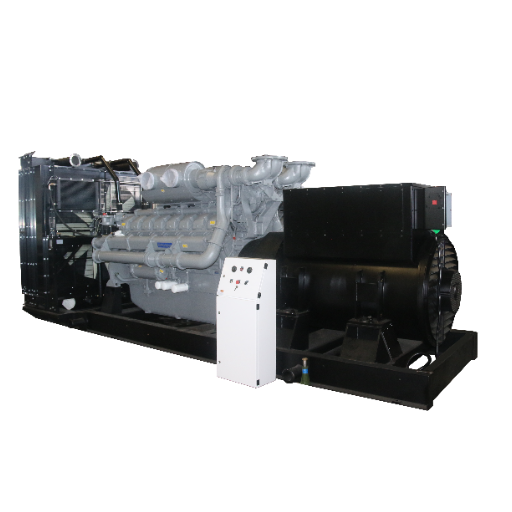
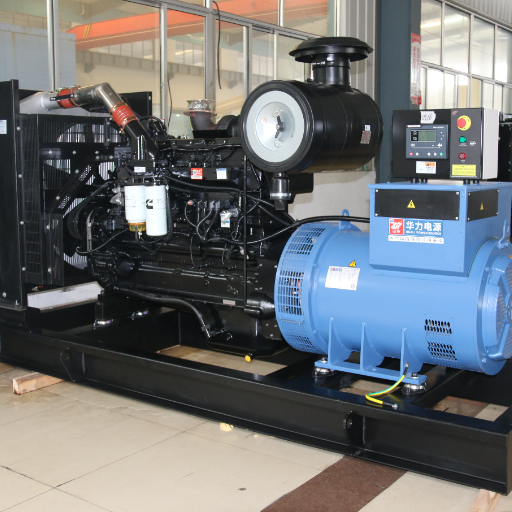
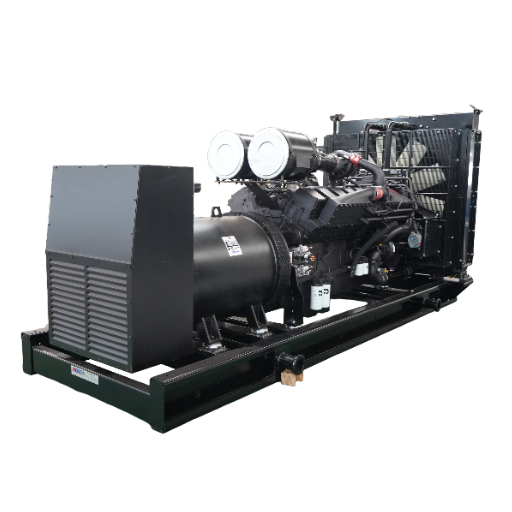
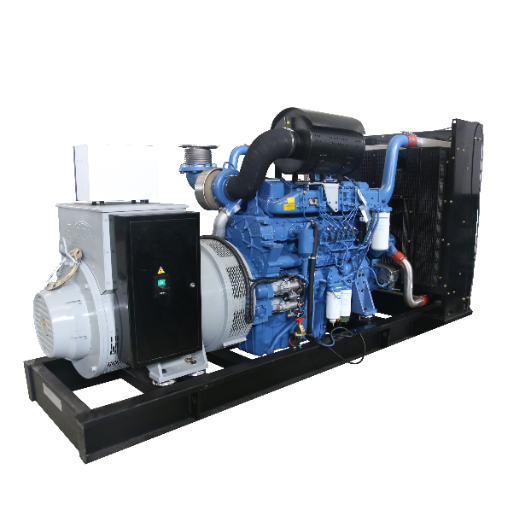
Fabricamos grupos electrógenos diésel con motores Cummins, Perkins, Weichai y Yuchai, y nos encargamos de la garantía y el soporte técnico en caso de avería. La clasificación que aparece a continuación se basa en datos reales, no en un modelo teórico, por eso comienza donde comienza.
Puntos Clave
- Las causas más comunes del sobrecalentamiento de un generador son, en ese orden, un nivel bajo de refrigerante, un radiador obstruido y un termostato atascado.
- Un generador se sobrecalienta cuando el refrigerante supera los 95 °C. La mayoría de los controladores emiten una advertencia entre 100 y 105 °C y se apagan entre 110 y 115 °C.
- Primero hay que fijarse en el síntoma y luego en la causa: un radiador frío con un motor caliente indica un termostato atascado, no un problema del radiador.
- La sobrecarga también provoca un fallo en el sistema de refrigeración. Los controladores emiten una alarma cuando la sobrecarga alcanza aproximadamente el 5 % y se apagan cerca del 20 %.
- La mayoría de los problemas de sobrecalentamiento se detectan y solucionan con una revisión in situ de 15 minutos, mucho antes de que sea necesario reconstruir el motor.
¿Qué significa realmente el sobrecalentamiento del generador? La escala de temperatura

Un generador se sobrecalienta cuando su refrigerante supera aproximadamente los 95 °C, y para cuando se activa la alarma entre 100 y 105 °C, aún quedan unos minutos de margen. La mayoría de los controladores inician entonces el apagado automático entre 110 y 115 °C para proteger el motor. Estos puntos de ajuste varían según el motor y el controlador, pero la escala es la misma, y una guía de sobrecalentamiento ampliamente consultada cita los mismos valores.
La temperatura del refrigerante es solo una de las cinco temperaturas que conviene conocer. La tabla que aparece a continuación muestra los rangos normales, de advertencia y de parada para los principales puntos de control de un grupo electrógeno diésel.
| Punto de vigilancia | Rango normal | Advertencia | cierre |
|---|---|---|---|
| Refrigerante (agua de la camisa) | 75-95 ° C | 100-105 ° C | 110-115 ° C |
| Aceite de motor (cárter) | 90-110 ° C | ~ 115 ° C | ~ 120 ° C |
| Escape (colector) | 400-550 ° C | ~ 600 ° C | 650 ° C + |
| Bobinado del alternador (aislamiento de clase F) | 60-90 ° C | ~ 120 ° C | ~ 155 ° C |
| Aire de admisión (después del intercooler) | 45-55 ° C | ~ 65 ° C | ~ 75 ° C |
Tenga en cuenta que los puntos de parada protegen la máquina de usted, no a usted de la máquina. La advertencia es su oportunidad para actuar. Un generador que alcanza el punto de parada ya ha estado funcionando fuera de su rango de funcionamiento óptimo, y cada minuto que pasa fuera de ese rango supone un coste adicional.
Estos rangos normales presuponen un generador cargado y estabilizado. Justo después del arranque o con poca carga, todo funciona a menor temperatura, por lo que conviene tomar medidas ante una advertencia que solo aparece bajo carga.
La alarma de alta temperatura del refrigerante del generador es la falla más común que registramos en nuestros paneles de control, y es el punto de partida, no el diagnóstico. La verdadera pregunta es qué parte del circuito de refrigeración dejó de funcionar. Si desea saber exactamente qué le indica su controlador cuando se activa esta advertencia, nuestra guía sobre la alarma de temperatura del refrigerante del generador explica los puntos de ajuste, las etapas de advertencia y el significado de cada una antes de la parada.
Las causas más comunes de sobrecalentamiento de los generadores diésel, clasificadas

Si abres una solicitud de servicio por sobrecalentamiento del generador, este problema casi siempre aparece en este orden. Los clasificamos según la frecuencia con la que se presentan, no según lo alarmantes que parezcan. Aquí tienes la lista clasificada:
- Nivel bajo de refrigerante o fuga de refrigerante
- Radiador obstruido o bloqueado
- Termostato atascado cerrado
- Fallo de la bomba de agua
- Fallo del ventilador de refrigeración o de la correa del ventilador
- Sobrecarga del generador
- Mala ventilación o alta temperatura ambiente
- Aire atrapado en el sistema de refrigeración
- Fallo interno del motor
- Sensor o medidor de temperatura defectuoso
1. Nivel bajo de refrigerante o fuga de refrigerante
El refrigerante es el medio de transferencia de calor de todo el sistema. Incluso una pérdida del 10 % permite que se acumulen burbujas de aire y vapor en los puntos más altos del bloque, donde se ubican los sensores, creando puntos calientes localizados mucho antes de que el nivel sea crítico. Un nivel bajo de refrigerante generalmente indica una fuga externa lenta en una manguera, la junta del radiador o el sello de la bomba de agua, o una fuga interna debido a una junta de culata defectuosa.
2. Radiador obstruido o bloqueado
El polvo, las fibras de algodón, la película de aceite y la hierba obstruyen los conductos de aire entre las aletas del radiador, y estas se deforman con el tiempo. El motor genera el mismo calor, pero el radiador no puede disiparlo. En entornos polvorientos e industriales, esto puede ocurrir en cuestión de semanas, no de años.
Emeka dirige una fábrica textil cerca de Lagos, y su generador de reserva se apagaba por sobrecalentamiento del refrigerante en cada parada programada durante el verano. Su equipo asumió que era un problema del motor y presupuestó una reparación. Al revisarlo, vimos que las aletas del radiador estaban completamente llenas de polvo de algodón proveniente de la nave de producción contigua, y la rejilla de entrada de aire no tenía filtro. Una tarde limpiando las aletas y añadiendo un filtro solucionó un problema que habían presupuestado como una reparación importante.
3. Termostato atascado en posición cerrada.
El termostato se abre al calentarse el motor para permitir el paso del refrigerante por el radiador. Si se queda cerrado, el refrigerante circula únicamente dentro del motor, que se sobrecalienta rápidamente mientras el radiador permanece frío. Este es el caso típico en el que la manguera de entrada del radiador está fría, pero el motor está caliente.
4. Falla de la bomba de agua
Un impulsor desgastado o erosionado, una correa de transmisión floja o una junta con fugas interrumpen el flujo de refrigerante. Un caso de sobrecalentamiento en embarcaciones documenta un aumento de la temperatura del agua de la camisa en el momento en que la presión de la bomba de agua dulce cae de 2.0 a 1.7 kg/cm². La señal reveladora es el goteo de refrigerante por el orificio de drenaje de la bomba o una polea oscilante. Si aún no comprende las funciones de la bomba, el termostato y el radiador, nuestra explicación sobre cómo funciona un sistema de refrigeración de generador describe el circuito cerrado desde la bomba de agua a través del bloque hasta el radiador, de modo que cada causa que se describe a continuación se corresponde con una pieza real.
5. Fallo del ventilador de refrigeración o de la correa del ventilador.
El radiador solo disipa el calor cuando el aire circula a través de él. Una correa del ventilador que patina, un embrague del ventilador defectuoso o un motor del ventilador eléctrico averiado provocan que el núcleo se caliente y que el motor se revolucione. El radiador se siente caliente, pero no circula aire a través de él.
6. Sobrecargar el generador
Si se hace funcionar un generador por encima de su capacidad nominal, produce más calor del que el sistema de refrigeración puede disipar. Los controladores suelen activar una alarma con una sobrecarga de aproximadamente el 5 %, y la protección se dispara cerca del 20 % para proteger el alternador y el motor. El funcionamiento continuo por encima del 110 % de la capacidad nominal provocará el sobrecalentamiento del motor de forma natural. La carga es una variable que afecta a la refrigeración, no solo a la electricidad.
7. Mala ventilación o alta temperatura ambiente
Cada sistema de refrigeración de un grupo electrógeno está diseñado para una temperatura ambiente de referencia, generalmente 40 °C. Por encima de esta temperatura, la capacidad de refrigeración disminuye, y una sala de máquinas caliente agrava el problema. Si el aire de descarga del radiador recircula hacia la entrada, el sistema intenta enfriar un motor caliente con aire caliente. La ventilación de la sala y la temperatura ambiente del lugar deben considerarse junto con la temperatura del motor. Cuando el lugar se calienta demasiado, la solución rara vez reside en el motor, por lo que nuestra guía para operar un generador a alta temperatura ambiente explica cómo el calor por encima del punto de diseño reduce el margen de refrigeración y qué cambios se deben realizar cuando esto sucede.
8. Aire atrapado en el sistema de refrigeración.
Tras un cambio o reparación del refrigerante, el aire atrapado puede bloquear una sección del circuito e interrumpir el flujo. El sistema indica un nivel bajo de refrigeración incluso con el depósito lleno. La mayoría de los sistemas cuentan con puntos de purga precisamente por este motivo.
9. Fallo interno del motor
Una junta de culata dañada permite que los gases de combustión se filtren al refrigerante. Una culata o un bloque agrietados provocan fugas de refrigerante o sobrepresión en la camisa del motor, y los anillos o cojinetes desgastados generan calor por fricción. Estos son los problemas más graves, y suelen presentarse junto con otros síntomas: humo blanco en el escape, aceite lechoso o desaparición del refrigerante sin fugas externas.
10. Sensor o indicador de temperatura defectuoso.
A veces, el sobrecalentamiento no es real. Un sensor descalibrado, una conexión suelta o un indicador defectuoso pueden activar una falsa alarma de alta temperatura. Esto ocurre con bastante frecuencia, por lo que merece estar en la lista de problemas más comunes, ya que genera llamadas de servicio innecesarias y asusta a los operarios que no experimentan sobrecalentamiento.
Otra posible causa merece una nota al pie: en el ámbito eléctrico, una excitación insuficiente o un regulador automático de voltaje (AVR) defectuoso pueden generar corriente reactiva a través del estator y sobrecalentar los devanados del alternador, incluso cuando el refrigerante del motor está en buen estado. Este es un mecanismo de falla independiente, que se describe en nuestra guía de especificaciones del alternador, en lugar de en el circuito de refrigeración.
Matriz de diagnóstico de síntomas a causas

La forma más rápida de encontrar la causa es observar primero los síntomas. La tabla a continuación relaciona lo que observará con la causa más probable.
| Lo que observas | Causa más probable |
|---|---|
| La manguera de entrada del radiador está fría mientras el motor se sobrecalienta. | Termostato atascado cerrado |
| El radiador está caliente, pero apenas circula aire a través de él. | Ventilador, embrague del ventilador o correa del ventilador |
| Nivel de refrigerante bajo, sin fugas externas, aceite lechoso. | Junta de culata dañada o fuga interna |
| El refrigerante burbujea o se desborda, el depósito está lleno. | Fallo del tapón de presión, aire atrapado o refrigerante demasiado débil. |
| La lectura de temperatura fluctúa o marca valores altos sin que haya calor real. | Sensor, cableado o indicador defectuoso |
| Advertencia solo en caso de carga elevada o en clima cálido. | Sobrecarga o sistema de refrigeración insuficiente para el sitio. |
| Advertencia después de un cambio de refrigerante | Aire atrapado en el sistema |
La primera comprobación más importante es revisar la manguera de entrada del radiador. Tóquela con el motor en marcha. Si permanece fría mientras la temperatura del motor sube hasta el nivel de advertencia, el refrigerante no llega al radiador, lo que indica un problema en el termostato o la bomba de agua. Si está caliente y las aletas del radiador están sucias, ha encontrado la segunda causa del problema.
Para comprender completamente cómo funciona este circuito, nuestra guía completa del sistema de refrigeración del generador describe el circuito cerrado desde la bomba de agua hasta el radiador.
Secuencia de diagnóstico in situ de 15 minutos
Antes de llamar a un técnico, siga esta secuencia en orden. Cada paso toma un par de minutos y ayuda a reducir la lista de posibles causas.
Paso 1: Detenga el equipo y deje que se enfríe. Si la unidad aún no se ha apagado, reduzca la carga, déjela en ralentí y luego apáguela. Deje que el sistema se enfríe antes de abrir cualquier pieza. El refrigerante caliente a presión puede causar quemaduras.
Paso 2: Compruebe el nivel de refrigerante. Una vez frío, revise el depósito de expansión y el radiador. Un nivel bajo indica una fuga o un problema con la junta de culata, así que busque goteos en las mangueras, las juntas del radiador, el orificio de drenaje de la bomba de agua y el tapón del depósito de expansión.
Paso 3: Inspeccione el radiador. Observe las aletas desde el lado de descarga. Si están atascadas o dobladas, límpielas con aire comprimido en sentido contrario al flujo normal. Compruebe que los conductos de admisión y descarga no estén obstruidos.
Paso 4: Compruebe el ventilador y la correa. Con el motor apagado, inspeccione la correa para detectar grietas y comprobar su tensión, y asegúrese de que el ventilador no esté suelto ni dañado. Si el ventilador gira libremente cuando no debería, sospeche del embrague del ventilador.
Paso 5: Verifique el sensor. Apunte un termómetro infrarrojo hacia la carcasa del sensor y compárelo con la lectura del panel. Una diferencia de varios grados indica que el sensor o indicador no funciona correctamente y que el supuesto sobrecalentamiento podría no existir.
Paso 6: Compruebe la carga. Confirme que el generador esté funcionando dentro de su carga nominal. Si supera el 100 % de forma habitual, ha encontrado la causa y la solución consiste en gestionar la carga o utilizar una unidad de mayor capacidad, no en repararla.
Linh administra un centro de datos en Ciudad Ho Chi Minh, y su unidad de 750 kW falló dos veces en un mes debido a la alta temperatura del refrigerante. En ambas ocasiones, el sistema de refrigeración estaba limpio. Cuando el equipo de servicio apuntó un termómetro infrarrojo al sensor, el panel marcaba unos 10 °C de más. La causa principal fue un sensor de temperatura defectuoso, y la solución fue reemplazar el sensor, no realizar una visita del técnico. Ya le habían dado un presupuesto para una reconstrucción completa.
La línea de parada. Si las comprobaciones anteriores no dan con la causa, o si observa humo blanco, aceite lechoso o paradas repetidas, deténgase y llame a un profesional. Los daños internos del motor no mejoran con el uso. Este es también el punto en el que un historial de alarmas claro resulta fundamental: anote el código exacto que aparece en su panel, ya que los códigos de alarma en su panel de control suelen indicar el circuito defectuoso.
¿Ha detectado una alarma de alta temperatura repetida y desea una segunda opinión? Envíenos el código de alarma y las condiciones de su instalación, y nuestros técnicos le indicarán la causa más probable antes de que abra la unidad. Es gratuito y le evitará tener que adivinar.
Prevención del sobrecalentamiento del generador
La prevención no es glamurosa, pero funciona. Nueve de las diez causas de sobrecalentamiento del generador mencionadas anteriormente son problemas de mantenimiento o decisiones de diseño, y ambas están bajo su control.
Siga el programa de mantenimiento del sistema de refrigeración. Cambie el refrigerante en el intervalo especificado por el fabricante del motor, enjuague con agua limpia y reemplace el refrigerante que se haya debilitado o incrustado. Es tan importante usar el refrigerante adecuado como respetar el intervalo de mantenimiento, por lo que nuestra guía sobre el anticongelante para generadores diésel explica la mezcla correcta, por qué el refrigerante debilitado o incrustado pierde capacidad de transferencia de calor y cómo enjuagarlo correctamente. Pruebe el termostato calentándolo en agua; uno que funcione correctamente se abre de 8 a 10 mm. Verifique la holgura de la cubierta del ventilador, ya que la separación radial debe estar entre el 1.5 % y el 2.5 % del diámetro del ventilador, y un sello de la cubierta desgastado reduce silenciosamente el flujo de aire de refrigeración. Para un programa paso a paso que puede colocar en la pared, nuestra guía sobre el mantenimiento del sistema de refrigeración del generador detalla los intervalos y el procedimiento para cada tarea.
Proporcione aire limpio al sistema de refrigeración. Mantenga limpias las aletas del radiador, la entrada de aire filtrada y asegúrese de que la sala del generador cumpla con los requisitos de ventilación. En entornos polvorientos o fibrosos, una entrada de aire filtrada no es una mejora, sino una medida de supervivencia.
Respete el diseño ambiental. Si la temperatura en su sitio supera los 40 °C, el radiador estándar podría no ser suficiente, y la solución sería un radiador de mayor capacidad o un radiador remoto, no un motor más potente. Fabricamos grupos electrógenos con estas opciones en toda nuestra gama de generadores diésel. La misma lógica se aplica en altitud, donde la alta temperatura ambiente reduce la potencia nominal antes de que el motor alcance la temperatura óptima.
Controla la carga. No sobrecargues el generador y evita patrones de carga que provoquen sobrecalentamiento o acumulación de refrigerante. Nuestra tabla de consumo de combustible para generadores muestra cómo la carga influye tanto en el consumo de combustible como en el calor que debe disipar el sistema de refrigeración.
Omar opera una unidad de generación de energía primaria en una planta de Dubái donde la temperatura alcanza los 50 °C todas las tardes. Su grupo electrógeno se mantenía diariamente al límite máximo de temperatura, y él suponía que el motor estaba fallando. No era así. El sistema de refrigeración se había dimensionado para un punto de diseño de 40 °C, temperatura que la planta simplemente superaba. La solución fue instalar un radiador remoto con un ventilador de mayor potencia, y desde entonces el motor no ha vuelto a estar cerca de la temperatura de advertencia.
Lo que cuesta ignorarlo: reparar versus reemplazar.

Cada causa en esta lista tiene un precio estimado, y este aumenta cuanto más tiempo espere. Las opciones más económicas incluyen una recarga de combustible, una limpieza de aletas o el cambio de una correa. Las opciones intermedias son el termostato, la bomba de agua o el ventilador, piezas que rara vez cuestan más de unos pocos cientos de dólares. Las opciones más costosas son una junta de culata defectuosa: una reconstrucción, una culata deformada o bobinados del alternador quemados pueden costar más que un motor nuevo.
Ese es todo el argumento para actuar ante la primera advertencia. La diferencia entre un termostato de 50 y una reconstrucción de 20,000 es una decisión de ignorar el panel.
Cuando un motor es viejo y ha sufrido un sobrecalentamiento severo, la pregunta clave es si repararlo o reemplazarlo. Si el bloque y la culata están en buen estado y el resto de la máquina funciona correctamente, la reparación suele ser la mejor opción. Si la unidad tiene muchas horas de uso y la reparación cuesta casi la mitad que un motor nuevo, lo mejor es reemplazarlo. Un buen proveedor le indicará claramente cuál es la mejor opción, en lugar de intentar venderle la más cara.
Preguntas frecuentes
¿Cuáles son las causas más comunes de sobrecalentamiento de los generadores diésel?
Un nivel bajo de refrigerante, un radiador obstruido o bloqueado y un termostato atascado en posición cerrada son las tres principales causas de sobrecalentamiento de los generadores diésel, en ese orden. Le siguen una bomba de agua defectuosa, un ventilador o correa rotos, una sobrecarga y una ventilación deficiente, y todas ellas se pueden prevenir con un mantenimiento rutinario.
¿Qué provoca que un generador se sobrecaliente?
Las causas más comunes son un nivel bajo de refrigerante, un radiador obstruido o bloqueado y un termostato atascado en la posición cerrada. La sobrecarga, una bomba de agua defectuosa, un ventilador o correa rotos, una ventilación deficiente y un sensor de temperatura averiado también provocan sobrecalentamiento, y en conjunto, estas causas representan la gran mayoría de las paradas por alta temperatura.
¿A qué temperatura debe funcionar un generador diésel?
La temperatura del refrigerante del generador diésel suele oscilar entre 75 y 95 °C. La mayoría de los controladores emiten una alerta cuando la temperatura alcanza entre 100 y 105 °C e inician el apagado entre 110 y 115 °C. Las temperaturas del aceite del motor, los gases de escape y el bobinado del alternador tienen sus propios rangos normales.
¿Por qué se sobrecalienta mi generador pero el radiador permanece frío?
Esa combinación indica un termostato atascado en posición cerrada o una bomba de agua defectuosa. Si el refrigerante no circula hacia el radiador, el motor se sobrecalienta mientras que el radiador permanece frío. Toque la manguera de entrada del radiador con el motor en marcha; una manguera fría con el motor caliente es la señal clásica de un termostato defectuoso.
¿Puede un generador sobrecargado sobrecalentarse?
Sí. Hacer funcionar un generador por encima de su capacidad nominal produce más calor del que el sistema de refrigeración puede disipar. Los controladores suelen activar una alarma con una sobrecarga de aproximadamente el 5 % y se apagan cerca del 20 %, y el funcionamiento continuo por encima del 110 % de la capacidad nominal puede provocar un sobrecalentamiento por sí solo.
¿Por qué se sobrecalienta mi generador en invierno?
El sobrecalentamiento en climas fríos suele deberse a un sistema de refrigeración que no se regula correctamente, generalmente a un termostato atascado en posición abierta o cerrada, un radiador obstruido o un ventilador funcionando cuando no debería. El invierno también implica un funcionamiento con carga ligera, lo que provoca acumulación de humedad en lugar de sobrecalentamiento, pero conviene descartar esta posibilidad, ya que ambas situaciones suelen indicar problemas en el motor.
¿Por qué se sobrecalienta mi generador en verano?
Las altas temperaturas ambiente reducen el margen de seguridad de un sistema de refrigeración, y el polvo y las fibras de algodón del verano obstruyen rápidamente las aletas del radiador. Un grupo electrógeno dimensionado para una temperatura ambiente de referencia de 40 °C pierde capacidad por encima de ese punto, por lo que una carga que funcionaba bien en invierno puede sobrecalentarse en julio. La limpieza de las aletas y la instalación de filtros de admisión suelen solucionar el sobrecalentamiento del generador en verano.
Conclusión
Las causas del sobrecalentamiento del generador son predecibles, se clasifican y son casi totalmente prevenibles. Un nivel bajo de refrigerante, un radiador obstruido y un termostato atascado son las principales causas de la mayoría de las paradas, y una revisión rápida de 15 minutos en el lugar permite detectarlas antes de que generen gastos importantes. Recuerde la siguiente regla: la advertencia es la oportunidad para actuar, la parada es la última línea de defensa y el síntoma siempre apunta a la causa.
Cuando la causa es el mantenimiento, hay que solucionarlo. Si el problema está en la instalación, la solución podría ser un radiador mejorado o remoto diseñado para la temperatura ambiente, que es precisamente el tipo de configuración que nosotros fabricamos. Si el problema está en la máquina, hay que detectarlo a tiempo y decidir si reparar o reemplazar basándose en datos, no en la suerte.
Si su generador se desconecta y no está seguro de la causa, envíenos el código de alarma y las condiciones de su instalación. Nuestro equipo de ingeniería lo revisará con usted y le indicará la solución antes de que la advertencia se convierta en una reparación.