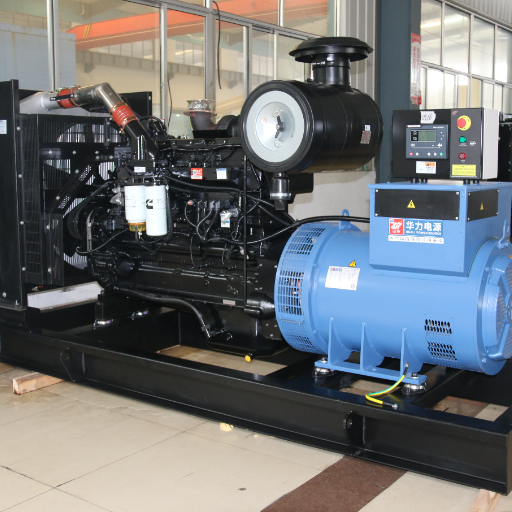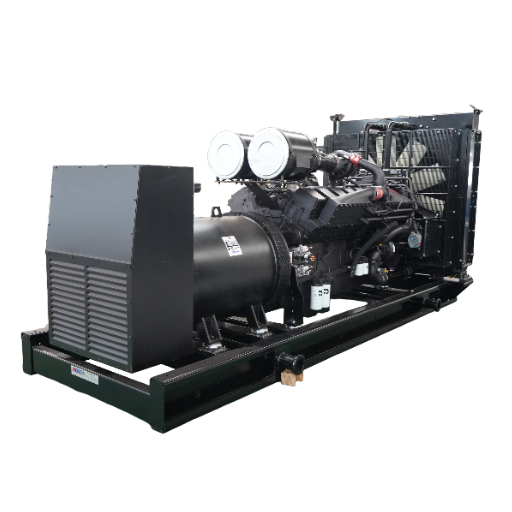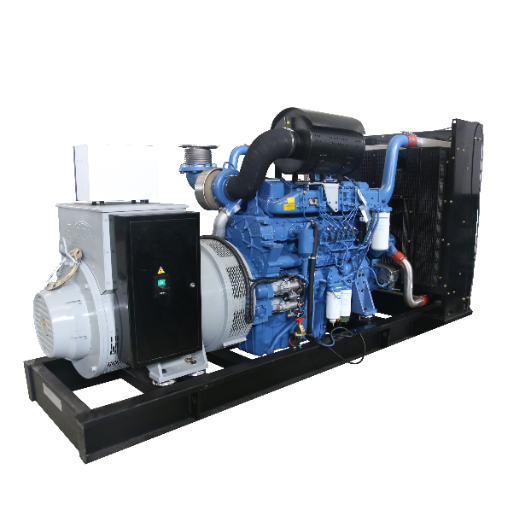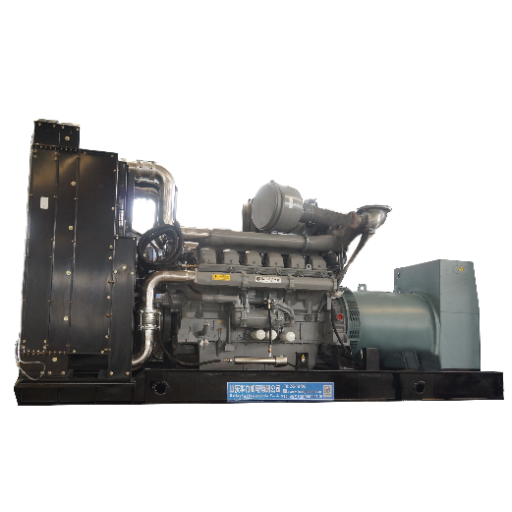

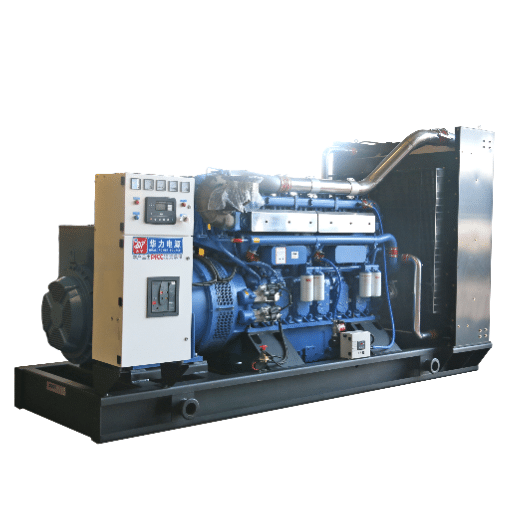
El mejor generador diésel industrial a la venta en 2026 es aquel que se ajusta a su ciclo de trabajo, perfil de carga y entorno normativo. No se trata simplemente del precio más bajo.
Comprar un generador diésel industrial es una decisión de inversión importante. Una capacidad o un proveedor inadecuados pueden resultar mucho más caros que el propio generador. Esta guía le ofrece un marco práctico para comparar opciones, evaluar especificaciones y elegir un proveedor fiable.
Aprenderá a dimensionar correctamente un generador, interpretar las especificaciones de potencia ISO 8528, comparar precios de 2026 según la capacidad, comprender los plazos de entrega y elaborar un presupuesto real del costo final. También abordaremos los errores comunes que cometen los compradores y le proporcionaremos una lista de verificación para la inspección previa a la compra.
Puntos Clave
- Los generadores diésel industriales varían desde aproximadamente 4,000 para un silentsetto de 10 kVA4,000fora10kVAsilentsettoMás de 400,000 por una unidad premium de 1 MW.
- Las clasificaciones ISO 8528 son importantes: una unidad con clasificación de reserva utilizada para servicio principal fallará prematuramente.
- Los plazos de entrega para 2026 varían desde 2 a 6 semanas para existencias de segunda mano de concesionarios hasta 52 a más de 110 semanas para grandes producciones de fabricantes de equipos originales occidentales.
- El costo real de entrega incluye flete, aranceles, transporte terrestre, puesta en marcha, fluidos de llenado inicial y un paquete de repuestos.
- Solicite siempre un informe de prueba de carga, documentos de aceptación de fábrica y comprobante de cumplimiento de emisiones antes de realizar el pago.
¿Qué significa realmente “Generador diésel industrial en venta”?

Un generador diésel industrial en venta es una unidad de energía fija o móvil diseñada para uso comercial, de infraestructura o industrial. No es lo mismo que un pequeño generador portátil para respaldo doméstico.
Las unidades industriales están diseñadas para soportar mayores horas de funcionamiento, cargas más pesadas y entornos más exigentes. Suelen incluir motores diésel industriales, alternadores sin escobillas, sistemas de control digital y carcasas resistentes a la intemperie o insonorizadas.
Al buscar un generador diésel industrial en venta, generalmente se encuentran cuatro tipos de compra. Las unidades nuevas incluyen garantía completa, cumplen con las últimas normativas de emisiones y tienen el plazo de entrega más largo. Las unidades usadas o con pocas horas de uso ofrecen mayor disponibilidad y un precio más bajo, pero requieren una inspección minuciosa. Las unidades reacondicionadas cuentan con componentes principales restaurados, tienen un precio intermedio y suelen llegar más rápido que las nuevas. El alquiler o arrendamiento es una buena opción para proyectos a corto plazo o para cubrir emergencias.
Cada opción se adapta a un perfil de comprador diferente. Un centro de datos que necesita cumplir con la normativa Tier 4 Final casi siempre comprará equipos nuevos. Un contratista que necesita energía temporal en la obra puede preferir una unidad usada o de alquiler.
Comprensión de las clasificaciones de potencia ISO 8528
La Organización Internacional de Normalización (ISO) define cuatro niveles de potencia en la norma ISO 8528-1. Estos niveles determinan cómo puede funcionar un generador sin dañar el motor.
ESP (Emergency Standby Power) se utiliza únicamente en caso de fallo del suministro eléctrico. Las horas de funcionamiento anuales están limitadas, generalmente a menos de 200 horas, y se permite una sobrecarga ocasional. LTP (Limited-Time Power) es similar a la energía principal, pero restringida a un número determinado de horas al año. PRP (Prime Power) gestiona cargas variables en funcionamiento continuo con un número ilimitado de horas anuales. COP (Continuous Operating Power) se utiliza para cargas base constantes durante un número ilimitado de horas, sin permitir sobrecargas.
Carlos, gerente de compras de una empresa minera peruana , estuvo a punto de adquirir una unidad de reserva para una mina de servicio principal porque era un 20 % más barata. Tras solicitar la ficha técnica ISO 8528 y revisar su perfil de carga, optó por una unidad china OEM de 500 kW con clasificación PRP. La instalación tardó 30 semanas, pero ahorró aproximadamente 40 000 dólares al evitar fallas prematuras del motor y tiempos de inactividad.
Tipos y aplicaciones de generadores diésel industriales
Los generadores diésel industriales vienen en varias configuraciones. La elección correcta depende del lugar y la forma en que operará la unidad.
Según su ciclo de trabajo, los generadores de reserva solo funcionan durante los cortes de suministro eléctrico. Son comunes en hospitales, centros de datos y edificios comerciales. Los generadores de potencia principal funcionan de forma continua con carga variable. Suministran energía a obras de construcción remotas, operaciones mineras y fábricas aisladas de la red eléctrica. Los generadores de potencia continua funcionan con una carga casi constante durante un número ilimitado de horas, a menudo en aplicaciones industriales de apoyo a la red eléctrica y de carga base.
Por su diseño y movilidad, las unidades abiertas tipo patín son las más económicas y funcionan en interiores o dentro de salas de equipos protegidas. Las unidades con cubierta impermeable protegen el motor y el alternador de la lluvia, el polvo y el sol. Las carcasas supersilenciosas reducen el ruido a 60-65 dB(A) a 7 metros y son obligatorias cerca de zonas residenciales, hospitales y eventos. Si el bajo nivel de ruido es una prioridad para su instalación, nuestra guía sobre generadores diésel silenciosos en venta explica cómo el diseño de la carcasa, los silenciadores de escape y el flujo de aire trabajan juntos para cumplir con los estrictos límites de decibelios. Los generadores en contenedores caben dentro de un contenedor de envío de 20 o 40 pies y son comunes en centros de datos y grandes instalaciones industriales. Los generadores montados sobre remolque son portátiles y se utilizan en la construcción, la recuperación ante desastres y proyectos en múltiples ubicaciones.
Las aplicaciones varían ampliamente. Las oficinas pequeñas y los sitios de telecomunicaciones suelen usar unidades de 10 a 50 kVA con cabinas insonorizadas. Los edificios comerciales y los hoteles necesitan unidades de 50 a 150 kVA con interruptores de transferencia automática. Los centros de salud requieren 50 kVA o más con cumplimiento de UL 2200 y NFPA 110, además de un tanque de combustible de 24 horas. Las plantas de fabricación necesitan unidades de 100 a 1,000 kVA de potencia nominal continua o principal con capacidad de arranque de motores. Los centros de datos escalan de 500 kVA a 3 MW o más y necesitan capacidad de paralelismo, monitoreo remoto e integración de combustible. Para proyectos de clase megavatio como estos, nuestra guía para elegir un proveedor de generadores diésel de 1000 kW explica cómo evaluar la capacidad de paralelismo, la refrigeración y el soporte posventa a esa escala. Las operaciones mineras y de petróleo y gas usan 250 kVA o más con respuesta transitoria de servicio pesado y opciones para gran altitud. La construcción y las operaciones remotas prefieren unidades portátiles de 10 a 50 kVA.
Si necesita ayuda para seleccionar la configuración adecuada, solicite un presupuesto y nuestro equipo de ingeniería podrá analizar su perfil de carga.
Precios de 2026 por capacidad (unidades nuevas)
El precio de un generador diésel industrial en venta depende de la capacidad, la marca del motor, el tipo de alternador, la carcasa, el nivel de emisiones y el sistema de control. Los rangos que se muestran a continuación presentan precios realistas para 2026 de unidades industriales nuevas, silenciosas o con cubierta. Para comparar ofertas en igualdad de condiciones, conviene analizar el coste por kilovatio. Nuestra guía sobre el precio de los generadores diésel por kW explica por qué este valor disminuye a medida que aumenta la capacidad, hasta que las primas de marca y de emisiones lo hacen volver a subir.
Un generador silencioso de 10-50 kVA suele costar entre 4,000 y 12 000. Los motores suelen ser de fabricantes chinos o de gama media. Estas unidades son adecuadas para pequeñas oficinas, tiendas y centros de telecomunicaciones. Una unidad de 50-150 kVA funciona entre 10 000 y 28 000 con motores de fabricantes chinos, Perkins o Baudouin. Entre las aplicaciones más comunes se incluyen hoteles, pequeñas fábricas y clínicas.
Una unidad de 150-350 kVA cuesta entre 22 000 y 22,000 000. Los motores en este rango incluyen Perkins, Cummins y Baudouin. Los compradores los utilizan para la industria mediana y el sector salud. Una unidad de 350-650 kVA oscila entre 45 55,000 y 45,000 95,000 con motores Cummins, Volvo o MTU. Los proyectos industriales pesados y los centros de datos se incluyen en este rango. La clase de 500 kW , ampliamente especificada, se encuentra justo en este nivel, por lo que si esa capacidad se ajusta a su proyecto, nuestra guía detallada de precios de generadores diésel de 500 kW desglosa exactamente qué determina la cotización para este tamaño.
Una unidad de 650-1,650 kVA cuesta 90 000-90 000-250 000 o más. Las marcas premium como Cummins, MTU y Kohler dominan el mercado. Estas se utilizan en grandes plantas e instalaciones de misión crítica. Una unidad de 1 MW se sitúa entre 125 000 y 125 000 y 400 000 dependiendo de la marca. Las construcciones chinas de OEM o Cummins-Perkins se encuentran en el extremo inferior, mientras que un Kohler KD1000 puede alcanzar los 299 000-299 000-400 000. Las unidades de 2-3 MW o más suelen cotizarse a medida con motores premium de OEM occidentales para empresas de servicios públicos y minería a gran escala.
Ejemplos concretos ilustran el rango de precios. Un grupo electrógeno silencioso Lister Petter de 20 kVA se vende por aproximadamente entre 5,000 y 6,800 dólares; una unidad de 200 kVA totalmente equipada puede costar hasta 40,000 dólares; una unidad OEM china de 1 MW puede oscilar entre 125,000 y 180,000 dólares, mientras que una unidad Kohler KD1000 de la misma capacidad de 1 MW cuesta entre 299,000 y 400,000 dólares.
Priya, directora de instalaciones en Nairobi , necesitaba una unidad de potencia principal de 250 kVA para una fábrica textil. Recibió presupuestos de entre 32 000 y 58 000 dólares para equipos con especificaciones similares. La diferencia radicaba en la marca del motor, el origen del alternador y si el panel de control permitía la monitorización remota. Al priorizar los datos de consumo de combustible y la disponibilidad local de repuestos, eligió una opción intermedia de 41 000 dólares que ofrecía el menor coste total de propiedad a cinco años.
Para obtener información más detallada sobre los niveles de proveedores, consulte nuestra guía de proveedores de generadores diésel.
Nuevo vs. Usado vs. Reconstruido: ¿Cuál debería comprar?

Cada tipo de compra tiene un escenario de uso óptimo bien definido. Las unidades nuevas tienen el precio más alto, pero también el menor riesgo. Vienen con garantías completas, generalmente de 24 meses o más, y cumplen con las últimas normativas de emisiones. La personalización es total, pero los plazos de entrega varían de 18 semanas a más de un año, según el tamaño y la marca.
Las unidades usadas o con pocas horas de uso son las más económicas y llegan más rápido, generalmente en 2 a 6 semanas. La garantía es limitada o inexistente, y el cumplimiento de las normas de emisiones puede ser anterior. Son ideales como repuestos de emergencia o para proyectos cortos. El mayor riesgo es el desgaste oculto. Siempre solicite las horas de funcionamiento, los resultados de las pruebas de carga, el historial de análisis de aceite y los registros de mantenimiento antes de comprar. Si prefiere una unidad de segunda mano para ahorrar dinero, nuestra guía para la compra de generadores diésel usados le explica la inspección y las verificaciones de historial que distinguen una buena oferta de una inversión costosa.
Las unidades reacondicionadas se sitúan en un punto intermedio. Cuentan con componentes principales reacondicionados, precios de gama media y garantías típicas de 12 a 24 meses. Los plazos de entrega suelen ser de 4 a 12 semanas. Son una opción atractiva para compradores con presupuestos limitados que, sin embargo, necesitan una fiabilidad esencial para sus operaciones.
Las unidades nuevas son la opción ideal cuando el cumplimiento de las normas de emisiones, la garantía y la personalización son importantes. Las unidades usadas son una buena alternativa cuando se necesita disponibilidad inmediata y se pueden verificar las horas de funcionamiento y los registros de mantenimiento. Las unidades reacondicionadas cubren las necesidades de los compradores que buscan un equilibrio entre costo, velocidad y confiabilidad.
Plazos de entrega y disponibilidad para 2026
Los plazos de entrega son una de las variables más importantes en 2026. Muchos compradores dan por sentado que un generador se puede entregar en semanas, pero las grandes unidades industriales suelen requerir meses.
Los equipos usados o de concesionario suelen enviarse en 2 a 6 semanas, aunque la selección es limitada. Los equipos chinos de fabricantes de equipos originales (OEM) estándar tardan de 18 a 30 semanas y ofrecen una personalización más rápida a precios competitivos. Los equipos occidentales de fabricantes de equipos originales (OEM) estándar tardan de 26 a 52 semanas, con sólidas redes de servicio y precios más elevados. Las unidades grandes o para centros de datos pueden tardar de 52 a 110 semanas o más, ya que la asignación de motores se ha convertido en un importante cuello de botella.
Los plazos de entrega son largos porque los generadores industriales se fabrican bajo pedido. El aumento de la demanda derivado de la construcción de centros de datos, las limitaciones en la asignación de motores y la escasa disponibilidad de alternadores han provocado que algunos fabricantes de equipos originales occidentales extiendan sus plazos de entrega hasta 2027 o 2028.
Planifique su cronograma de adquisiciones con anticipación. Si su proyecto necesita energía para una fecha fija, confirme la asignación de motores y el cronograma de envío antes de firmar un contrato.
Especificaciones clave a evaluar
Una hoja de especificaciones puede resultar abrumadora. Céntrese en los parámetros que afectan al rendimiento en el mundo real.
La potencia de salida es el punto de partida. Los kVA representan la potencia aparente y la potencia nominal del generador. Los kW representan la potencia real y reflejan el consumo real del equipo. Para la mayoría de las unidades industriales trifásicas, los kW equivalen a los kVA multiplicados por 0.8 con un factor de potencia de 0.8.
La regulación de voltaje debe ser de ±1% en estado estacionario. Se prefieren los reguladores automáticos de voltaje digitales para cargas sensibles. La respuesta transitoria es crucial para el arranque del motor. El generador debe recuperar el voltaje en 3 segundos después del arranque del motor. Una respuesta transitoria deficiente provoca caídas de voltaje y la desconexión de los equipos.
El consumo de combustible afecta directamente al coste total de propiedad. Solicite datos para cargas del 50 %, 75 % y 100 %. Los motores diésel industriales eficientes suelen consumir entre 200 y 220 gramos por kWh con una carga del 75 %. El nivel de ruido es otro aspecto importante. Los modelos supersilenciosos alcanzan los 60-65 dB(A) a 7 metros. Las cabinas estándar registran entre 70 y 75 dB(A), mientras que las unidades abiertas superan los 85 dB(A).
Otras especificaciones importantes incluyen arranque eléctrico de 12 V o 24 V, motores refrigerados por agua para uso industrial, salida monofásica o trifásica, grado de protección IP de la carcasa y la marca del sistema de control. Deep Sea, Smartgen y ComAp son opciones comunes.
Emisiones, certificaciones y cumplimiento regional
Las certificaciones determinan dónde puede operar legalmente un generador y para qué aplicaciones puede servir.
La normativa EPA Tier 4 Final es obligatoria para la mayoría de los generadores diésel nuevos en Estados Unidos. Algunos estados, como Illinois, la exigen a partir de diciembre de 2026. La normativa EU Stage V se aplica en muchos países europeos. El marcado CE indica el cumplimiento de las normas europeas de seguridad y emisiones. La norma ISO 8528 rige las clasificaciones de rendimiento y las pruebas de los generadores. La norma ISO 9001 indica que el fabricante sigue un sistema de gestión de la calidad. Las normas UL 2200 y NFPA 110 suelen ser obligatorias para aplicaciones en el sector sanitario, centros de datos y seguridad vital.
Confirme siempre los requisitos de permisos locales antes de comprar. Un aparato que sea legal en una región puede no cumplir con las normas de emisiones o de interconexión a la red eléctrica en otra.
Cómo elegir el proveedor adecuado de generadores diésel industriales

No todos los proveedores cumplen lo que prometen. El proveedor que elijas influye en la calidad, el plazo de entrega, la documentación y el servicio posventa.
Los fabricantes de equipos originales (OEM) occidentales de alta gama, como Caterpillar, Cummins, MTU y Kohler, ofrecen servicio global, larga vida útil y un alto valor de reventa. Son ideales para proyectos críticos de alto presupuesto. Marcas consolidadas de gama media, como Perkins, Baudouin, Volvo y Scania, ofrecen un equilibrio entre costo, calidad y disponibilidad de repuestos para usuarios industriales.
Fabricantes de equipos originales (OEM) de gran valor, como Shandong Huali, LETON, MECCA y BAIFA, ofrecen precios competitivos, personalización y entregas más rápidas. Son ideales para compradores con presupuestos ajustados que realizan proyectos. Los distribuidores autorizados ofrecen stock local y asistencia técnica más ágil. Los distribuidores de equipos usados, como Woodstock Power y Turnkey Industries, garantizan disponibilidad inmediata a precios más bajos para suministro eléctrico de emergencia o temporal.
Esté atento a las señales de alerta. Una empresa que afirma ser fabricante pero no puede proporcionar videos de la fábrica ni registros de pruebas de carga es sospechosa. Precios muy por debajo del mercado sin explicación, falta de certificación ISO 9001, ausencia de documentación sobre emisiones y falta de referencias regionales son señales de alerta.
Un fabricante directo suele ofrecer mayor personalización, mayor transparencia en las pruebas y plazos de entrega más cortos que una empresa comercializadora. Si desea hablar directamente sobre su proyecto con nuestro equipo de ingeniería, contáctenos.
Lista de verificación de auditoría de fábrica e inspección previa a la compra
Antes de realizar un pedido grande, verifique las capacidades del proveedor y el estado del producto.
Para una auditoría de fábrica, confirme que las certificaciones ISO 9001, CE o equivalentes estén vigentes. Revise las fotos o videos de la línea de producción para las áreas de soldadura, ensamblaje y pruebas. Inspeccione el centro de pruebas y solicite informes de prueba de banco de carga de muestra. Verifique los certificados de origen del motor y del alternador. Compruebe la calidad de la pintura, la carcasa y el aislamiento acústico. Solicite referencias de compradores en mercados similares. Revise las prácticas de embalaje y protección de envío. Confirme los términos de la garantía por escrito. Pregunte sobre la disponibilidad de repuestos y un paquete de repuestos recomendado. Solicite una muestra de los manuales de operación y diagramas de cableado.
Para unidades usadas, verifique las horas totales de funcionamiento y compárelas con la antigüedad. Solicite los registros de mantenimiento y análisis de aceite. Pida un informe reciente de prueba de carga. Inspeccione el estado del sistema de refrigerante, aceite y combustible. Verifique la resistencia y el aislamiento del bobinado del alternador. Confirme las funciones del panel de control y el historial de fallas. Verifique el nivel de emisiones y el estado de cumplimiento. Revise las condiciones de envío y elevación.
Marco de Costo Real Adquirido
El precio de factura es solo una parte de lo que pagas. Una estimación precisa del costo total te ayuda a comparar ofertas de manera justa.
El precio FOB es el costo unitario base negociado con el proveedor. El flete marítimo añade 800-800-8,000 o más dependiendo del volumen, el peso y la ruta. El seguro suele ser del 0.3-1.0% del valor de la carga y a menudo se exige mediante carta de crédito. Los aranceles de importación y el IVA varían del 0-25% o más dependiendo del país y el código HS 8502.11. El transporte terrestre desde el puerto hasta el sitio puede añadir 200-200-3,000 . El costo de descarga y colocación es de 500-500-5,000 dependiendo de las necesidades de grúa o montacargas.
Los fluidos de llenado inicial, incluidos el aceite del motor, el refrigerante y el combustible, cuestan entre 500 y 3,000. La puesta en marcha y el arranque tienen un costo de entre 1,000 y 10 000 e incluyen pruebas y programación del ATS. Un paquete de repuestos cuesta entre el 2 % y el 5 % del valor de la unidad y debe incluir filtros, correas y juntas. La capacitación del operador y del personal de mantenimiento suele estar incluida.
En un plazo de cinco años, el combustible y el mantenimiento suelen superar el precio de compra. Un generador que cuesta un 10 % más inicialmente, pero consume un 8 % menos de combustible, puede resultar más económico a largo plazo.
Errores comunes que cometen los compradores

Evitar estos errores puede ahorrar decenas de miles de dólares.
Comprar una unidad con capacidad de reserva para uso principal provoca acumulación de residuos húmedos, acumulación de carbonilla y fallo prematuro del motor. Ignorar los factores de reducción de potencia es otro error. La altitud y la temperatura elevadas disminuyen la potencia, por lo que conviene dimensionarla con un margen de seguridad del 20-25 %. Es común subdimensionar el motor para el arranque. La corriente de arranque puede ser de 3 a 5 veces superior a la corriente de funcionamiento, por lo que conviene comprobar los requisitos de kVA de arranque.
Priorizar el precio sobre la disponibilidad de repuestos es arriesgado. Una unidad barata resulta cara si las piezas tardan meses en llegar. Omitir la prueba de carga es un error, ya que una unidad que funciona en ralentí puede fallar a plena carga. No confirmar el cumplimiento de las normas de emisiones puede impedir la instalación o acarrear multas.
Preguntas Frecuentes
¿Cuánto cuesta un generador diésel industrial?
Los nuevos generadores diésel industriales tienen precios que van desde aproximadamente 4,000 para un generador silencioso de 10 kV hasta más de 400 000 para una unidad premium de 1 MW. Las unidades usadas pueden costar entre un 30 % y un 60 % menos , pero requieren una inspección minuciosa.
¿Qué tamaño de generador diésel industrial necesito?
Calcula la carga total en funcionamiento en kW, añade la corriente de arranque del motor y, por último, un margen de seguridad del 20-25 % para mayor fiabilidad y futuras ampliaciones. Una carga de funcionamiento de 200 kW con arranque del motor suele requerir un generador de 300-350 kVA.
¿Cuál es la diferencia entre la alimentación en espera, la alimentación principal y la alimentación continua?
La alimentación en modo de espera es solo para uso de emergencia. La alimentación principal soporta cargas variables de forma continua. La alimentación continua funciona a carga constante durante un número ilimitado de horas. El uso de una potencia nominal incorrecta anula la garantía y reduce la vida útil del motor.
¿Cuánto tiempo se tarda en conseguir un generador diésel industrial nuevo?
Los plazos de entrega oscilan entre 2 y 6 semanas para productos usados de concesionarios, entre 18 y 30 semanas para unidades fabricadas por fabricantes chinos, entre 26 y 52 semanas para unidades fabricadas por fabricantes occidentales y entre 52 y más de 110 semanas para grandes unidades de centros de datos.
¿Debería comprarlo nuevo o usado?
Adquiera piezas nuevas para aplicaciones críticas, de larga duración o sujetas a normativas de emisiones. Compre piezas usadas para repuestos de emergencia, proyectos a corto plazo o presupuestos ajustados, pero siempre inspeccione y realice pruebas de carga previamente.
¿Qué certificaciones debo buscar?
Busque las certificaciones ISO 8528, ISO 9001, CE, EPA Tier 4 Final o EU Stage V, y UL 2200 / NFPA 110 para su uso en el sector sanitario y en centros de datos.
¿Qué se incluye en el costo real de desembarque?
El costo real de entrega incluye el precio FOB, el flete, el seguro, los aranceles, el transporte terrestre, la descarga, los fluidos de llenado inicial, la puesta en marcha, los repuestos y la capacitación, no solo el precio unitario cotizado.
¿Cómo puedo verificar que un proveedor es un fabricante real?
Solicite el vídeo de fábrica, los certificados ISO, los informes de las pruebas de carga, la documentación del motor y las referencias de clientes. Un fabricante legítimo se los proporcionará sin dudarlo.
Conclusión
Elegir el generador diésel industrial adecuado implica considerar más que solo el precio. Asegúrese de que el ciclo de trabajo cumpla con la norma ISO 8528. Calcule el tamaño adecuado para la carga real, incluyendo la corriente de arranque y la reducción de potencia. Compare el costo total, no solo el precio FOB. Y verifique la capacidad de fabricación y la certificación de su proveedor antes de comprometerse.
Si busca un generador diésel industrial para una fábrica, centro de datos, obra o instalación remota, comience por definir claramente el perfil de carga y establecer un cronograma de adquisición realista. La unidad adecuada le proporcionará energía estable durante años, mientras que una elección incorrecta generará tiempos de inactividad, problemas de cumplimiento normativo y costos inesperados.
¿Listo para encontrar el generador ideal para su proyecto? Explore nuestras soluciones de generadores diésel industriales o solicite un presupuesto y nuestro equipo de ingeniería le ayudará a dimensionar y configurar la mejor opción.