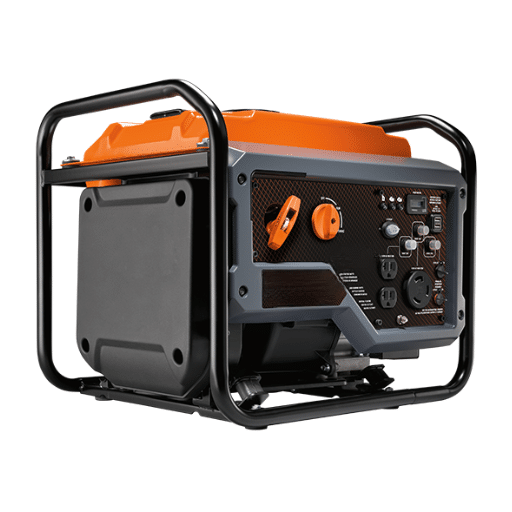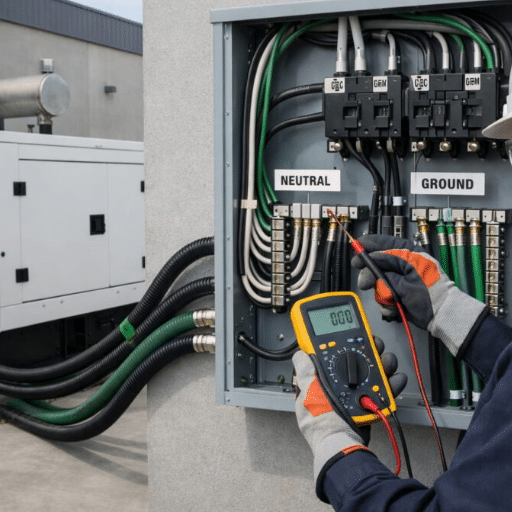

When you are in the process of acquiring or purchasing a generator, a key factor that you have to consider is the voltage that the generator gives out. The stakes go from using logic to question whether a 120V or 240V generator variant is the ideal miracle to enable you charge your gadgets and machines properly, a strategy to better prepare for any disaster, the duty of managing a construction site or simply enjoying some free time courtesy of the generators. This paper expounds on the 120V and 240V generator models explaining in detail how they differ and how they can be used, advantages and disadvantages associated with them. As a result, you all will know which model pays more attention to one area over the other and which one to go for and the reasons why.
Brief Understanding of Generators
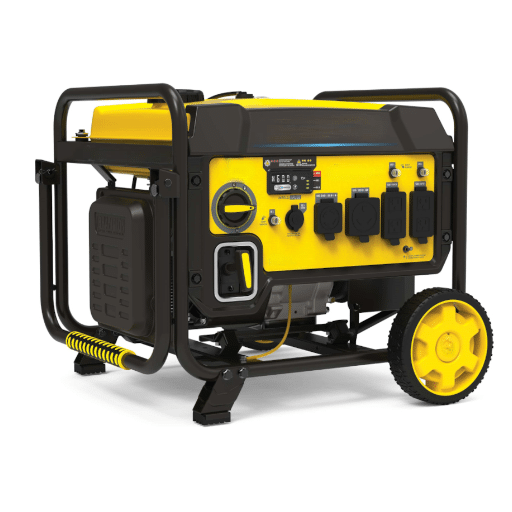
Generators are machines that are made to give electricity in cases where the usual sources of electricity are either not available or are not reliable. This is because they work by converting mechanical energy, usually produced by an engine, and fueled either by gasoline, diesel or pneumatic, into electrical energy. This is the reason generators are necessary especially in instances demanding an emergency power backup, for example, during power blackouts, whilst in places where electricity is required but not available, i.e., off the grid, or at sites where lots of work outlet devices and special tools are needed to be fuelled. Generators are commonly categorized into two main capacities—120V and 240V—which is the voltage that is specified when noting the exact power output and sizing depending on the requirements of the equipment or systems will give rise to variations in capacity, either compact or large and to this end the prevailing markets are winning the competition.
What is a Generator?
Generators are mechanisms that are constructed for the sole purpose of changing the form of energy from mechanical to electrical by using the techniques of electromagnetism. Essential parts of a generator are a motor, a generator, supply of fuel, controls and devices that help maintain or regulate voltage, like a cooling system, a system of disposal of exhaust heat, oil mains, and so on. The energy that is transformed and used for the purpose of power can come from various types of sources, including but not limited to chemical plant, particularly internal combustion engines, that run on such fuels as petrol, diesel or LPG, some power plants can also make use of renewable things like wind or water to power certain types of generator.
The electrical power produced by generators can either be in the form of alternating current (AC) or direct current (DC), out of which AC is mainly used in transportation, in residential and industrial buildings as well as in most types of electrical machines on account of the ease of power flow over long distances. This electrical energy is produced as a result of the turning of the engine in which the alternator is driven, i.e., the shaft of the engine is turned; the movement of the rotor of the engine in a magnetic field causes electric current in the stator windings to bear the electrical energy generated. Generators are necessary in many industries for various purposes from guaranteeing energy provision during power cuts to powering machinery in inhospitable or another area with no grid electricity, and to supplying vital energy support to facilities like hospitals, data centers and telecoms infrastructure during power loss.
Types of Generators
| Type of Generator | Description | Key Features | Typical Applications |
|---|---|---|---|
| Diesel Generators | Powered by diesel engines. | High efficiency, long lifespan. | Backup for industries, hospitals. |
| Gasoline Generators | Operate using gasoline as fuel. | Portable, lightweight, easy to start. | Home use, outdoor activities. |
| Natural Gas Generators | Use natural gas for fuel. | Clean energy, lower emissions. | Residential and commercial applications. |
| Propane Generators | Operate on propane fuel systems. | Longer shelf life, clean burning. | Residential and off-grid locations. |
| Standby Generators | Fixed units for emergency power. | Automatic operation, high power output. | Critical infrastructure support. |
| Portable Generators | Designed for mobility and temporary use. | Compact, versatile, easy transport. | Construction sites, camping, small events. |
| Solar Generators | Harness energy from solar panels. | Eco-friendly, renewable energy source. | Remote areas, low power applications. |
| Wind Generators | Leverages wind energy for electricity. | Sustainable, energy efficient. | Farms, remote windy zones. |
| Hydrogen Generators | Use hydrogen as a power source. | Zero emissions, future-oriented technology. | Research, clean high-tech energy. |
Importance of Voltage in Generators
Just how well a generator performs various tasks is heavily reliant on the voltage it attains. The voltage is used as the potential difference and this helps in the flow of electricity from source to destination which therefore allows the achieving of power generation to power all other connected systems in the electrical devices. The efficiency power appliances and tools are put through by these currents is dependent in availability of steady and reliable currents free from any kind of disturbances caused by non-constant voltages.
In specific applications, appropriate voltage levels are often required. To give an example, a residential generator provides approximately 120/240 volts which are standard for domestic electrical appliances. On the other hand, industrial or commercial power generation involves use of bigger machines hence heavier voltages will be needed. Generators these days even come with Voltage control regulators to help in maintaining the optimum accuracy and reliability of the machine under all load conditions.
Additionally, the output determines directly the generation of the generator and its efficiency during power transmission. Thus, in modern power applications, high-voltage levels are required for long distance power, hence the large machinery for grid power generation operates at higher voltages. Moreover, grasping what each generator requires and choosing the proper one with the related specifications to fulfill the need of energy, greatly preserve resources efficiently, and therefore can work on a low scale in the home environment as well as on a high scale in industry.
Key Differences Between 120V and 240V Generators
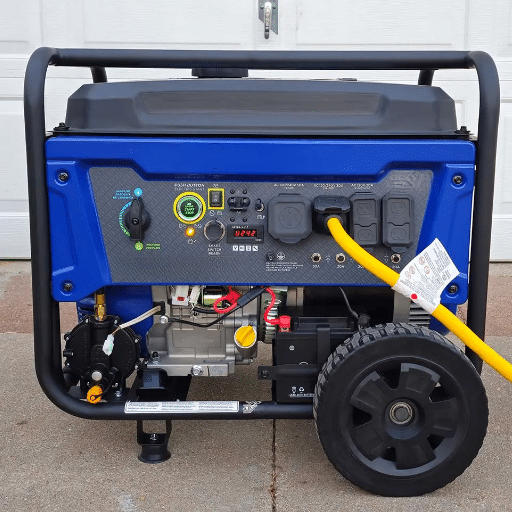
Voltage Output
A 120V generator is one which supplies a single phase voltage appropriate for typical exfoliation and small equipment. On the other hand, a 240V generator will produce a higher voltage output in order to supply requirement for larger equipment and heavy electrical such as heating, ventilation and air conditioning works or big factory machines which might be hazardous.
Applications
Residential 120V generators are perfect for lighting up people’s homes and electronic devices including refrigerators and TVs. On the other hand, 240V generators are the most popular choice among businesses that have industrial and commercial equipment requiring higher power.
Power Compatibility
High voltage power generators are also fitted with dual voltage allowing them to be used with both 120V and 240V devices. This is in contrast to the 120V generators as they can only be used with 120V appliances and can operate as 240V does.
Circuit Design
Typically, a 120V generator is designed around one circuit, a 240V many circuits allowing for the greatest flexibility to install more circuits with the infrastructure necessary to run several devices simultaneously, as overuse has its restrictions.
Voltage Explained: 120V vs 240V
In the United States and many other parts, a 120V power voltage is used in almost all residential buildings since it provides enough energy to operate light bulbs, televisions and kitchen appliances. Besides its easier for the user, the use of a low voltage at which there is no risk of electric shock is recommended for use in the house, as outlined within the guidelines. However, 240V power is widely adopted for more strenuous purposes which are more strenuous and need more power than can be supplied by 120V appliances. For making systems work, wind up for instance HVAC machines, extended plants and systems, electrical resistances, powered industrial equipment especially plant machinery. When this is put into context, one realises that resistance leads to energy loss and is especially important in large assemblies and where extended lengths of cables are used.
Now and again while working outdoor electrical tasks, the specific danger from higher voltage increases – any undesired incident or an equipment’s malfunction will become more risky if it is powered by 240V. In addition to that, there is a need for one to know the various definitions and differences of these two voltage categories and where they are applied in order to effect any electrical remedy for domestic power, industrial and commercial electrical problems. This is because such an approach seeks to achieve the most functional compatibility. Not only that, but it also addresses concerns related to safety and energy saving precautions.
Power Output and Efficiency
While examining the power capabilities of 120V and 240V generators, it is important to consider the scope of the work they were built to engage in, and the energy requirements of the loads. When it comes to the needs of the user, a generator of 120V is created for use in lighter applications which include household appliances and power tools as well as luminaries. In general, these types of power generators do not have a very high electric production capacity which can be termed as the things that make them suitable for use in homemade standard electrical circuits or when one is out in the bush where only portability is key. Equally, 240V generators are custom made for supporting bigger and equipment that require more power, more specifically operational equipment such as plant machinery, air conditioning and oversized industries.
A generator’s ability to generate electric power is determined by the design of the engine, the kind of fuel used, and also the load it is intended to transmit at a particular period. In most cases, the 240 volts is considered ideal particularly in the generation of power which is high demanded in the market. This is because the configuration of dual voltage in the 240 volt generator allows even distribution of power that goes to the loads hence the current drawn in high resistance wiring will be minimal (thus decrease energy loss). There are also cases in which the 120 volts suit the occasion best especially when the lightest to the moderate load is in need, as the single phase generator which is designed for them, surpasses inefficient operation.
Another critical feature to look for is the 240V generator’s capability of working with both 120V and 240V supplies, elaborating on the adaptability of the arrangement for a hybrid utilization context. Such flexibility offer clear benefits in situations where low – voltage equipment has to operate along with high-power installations at the same time. Nevertheless, it is essential to have a generator whose wattage rating is commensurate to the demand. This ensures that the machine is from neither underutilized nor overladed as both of these can negatively affect its efficiency or degradation of the lifespan. Straightforward computations and safety regulations need to be followed within these capacities; any risk or wastage will ensue.
Typical Applications of 120V and 240V Generators
Common Applications
120V generators are common and generally accepted in use within living places. Their more frequent usage is for the reasons of providing power to light duty apparatus such as fridges, television sets, electric bulbs and appliances. The best part about these generators is that they are more effective in devices that do not have huge power consumption requirements, so they are preferred for use as standby power during power outage and also in mobile applications such as emergency vehicles and mobile food outlet vehicles.
Common Applications
Generators rated at 240 volts are very important and especially in the production of some demanding equipment. They are being most commonly applied in the industries and work sites for powering up devices like welders, air compressors as well as large units of heating, ventilation and air conditioning. In agriculture, it is a routine for there to be farmers using 240-volt generators for the operation of pumps so as to ensure the success of irrigation activities among others grain drying processes. Furthermore, there is a trend of increasing use of dual voltage generators that can supply both 120V and 240V and they are very handy in different electrical operations. This is advantageous as they are affordable and can be used for general use as well as in industrial settings where the tasks are more demanding.
Understanding 120V Generators

Residential and small commercial applications often use 120-volt generators due to their ease of plug-in to the standard household installations. These devices are suitable for running such home equipment as fridges, air conditioners, television sets, mobile phones and even large electronic devices especially in the event of a power failure. Their small size and simple construction allow for transport in mobile devices making them very convenient especially when going for outdoor camping activities, open spaces and light crane usage. Finally, 120V generators despite being cheap are very economical in terms of fuel consumption since they are low power units. They are simple in construction and are operated in a very easy way which has played a big part in them being used as a source of everyday power supply needs.
120V Generator Overview
120 volt generators are built with several possible tasks in the installation being considered in the underlying aspects of the task as is the case with any other multiple voltage generator. 120 volt generators are essential in several installations around the homestead while sometimes in applications that are less demanding but still requiring above 100 volts. Additional 120 volt generators are equipped with the latest inverter which offers reliable energy and can even be used to charge up personal electronics. Such as laptops, cell phones and even medical equipment. The actual wattage of these powerhouse machines would generally range in between 1000 to 4000 watts only, which is good enough to power the most crucial utilities such as ducks, lights, and heaters.
Moreover, many models have been equipped with more tranquil operational systems and reduced fuel expending levels. The duration of a single refuel now exceeds 8 up to 16 hours contingent on load levels. The new trend is the introduction of smart consumption monitoring systems which make it possible for users to measure power and fuel consumption using their smartphones. The traditional meets the modern in making 120V generators and they ensure that they still remain practical to all types of energy needs.
Common Uses and Appliances of 120V Generators
120V power generators are very useful in a wide variety of both home and industrial applications enabling one to supply power to all the tools and equipment in a different operational environment. Also, in most cases owing to their design advantages and more specific the modified sine shape, these devices have been greatly positioned to help in situations such as lack of electricity where the required residential household appliances like refrigerators and freezers remain functional. The same machines come in very handy for very many people when it comes to construction sites where such generators are used in order to operate such devices as drills, saws, generators, compressors, etc.
Active in more frequent usage are also the recreational applications, and this in turn is explained by the 120V generators that campers use to power the portable kitchen appliances, charge mobile devices as well as making lights stay on in the outdoors. Another case where such generators are often used in business settings is in many locations as emergency electricity supply for point-of-sale terminals, communication systems and alarm systems. Therefore, the continuous need for 120V generators may be attributed to their far-reaching applications, as supported with the latest enhancements in fuel consumption for efficiency and output stability to meet the various energy requirements of the current world.
Typical 120V Use Cases
- Residential home appliances (refrigerators, TVs, lighting)
- Charging personal electronics (laptops, phones, medical devices)
- Construction site tools (drills, saws, compressors)
- Outdoor recreational use (camping kitchens, lights)
- Emergency backup for POS terminals and alarm systems
- Mobile food outlet vehicles and emergency vehicles
120V Outlet Compatibility
120V outlets are built to cater to a wide range of electronic devices and appliances, and are therefore parts of service groups in residential as well as in commercial settings. Fortunately, being the outlets in question, it is assured that they are compliant with the electrical standards and such that the devices that utilize such outlets are running within safe voltage levels. Modern 120V generators are fitted with more than one port to allow for use of multiple appliances or tools at the same time, such as refrigerators, television, small power tools and even medical equipment. Advances in outlet design also include new developments in the form of several protection features such as ground and circuit interrupters, to prevent short circuits or damage due to overload. In this regard, 120V outlets are favored as the most practical domestic solution and it is easy to switch between different operating conditions.
Understanding 240V Generators
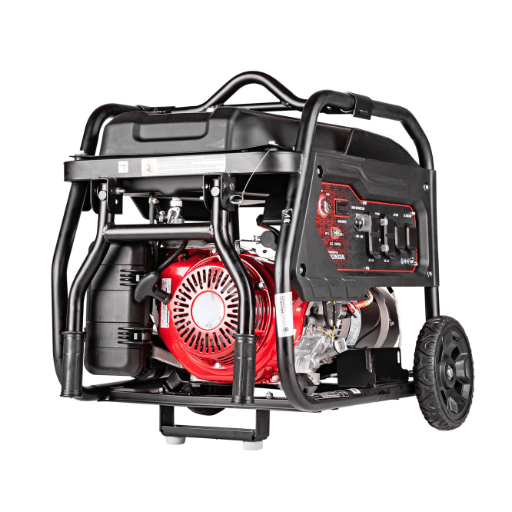
Generators running on 240V deliver substantial voltage, which is needed for various challenging tasks and thus is superior for industrial and other harsh environments. Many applications include heavy-duty tools such as industrial equipment, giant chillers, and power tools with advanced power consuming features as they cannot be efficiently powered by a 120V power supply. Generators with these technical characteristics are also used for domestic installations as back up to power failure situations in many homes, supporting heavy loads like electric cookers, tumble dryers, and so forth. Thanks to the presence of user-adjustable voltage and frequency, these generators keep good power generation capability in the event of voltage and frequency variations, whereby sensitive equipment is also guaranteed dependable functioning. The dependence on these generators in the demand of high loads is critical in residential as well as commercial applications.
240V Generator Overview
The 240V generators boast multiple improvements in design that not only have increased functionality but also the reliability of these generators. With high capacity inverter technology, the generators are able to produce clean and stable power that is safe for sensitive electronic devices such as computers, medical electronic equipment and sophisticated instruments. These models may come equipped with automatic voltage regulators to maintain power supply output within a set range to avoid fluctuations and keep the connected devices safe from voltage hikes and drops. Furthermore, the recent 240V generators are now able to perform with dual-fuel units. Users can use the generators on gasoline or propane, thus optimizing the fuel usage and the overall operation convenience in different situations. Besides, quite a few diesel generators also have the noise reduction advancement, which diminishes the level of noise from the operations of the machines making them suitable to be used in places that requires no loud noise.
Advantages for Whole-Home Power
One of the great things about having a 240V generator for the whole house, is that it is engineered in such a way that it can provide power to high wattage appliances efficiently. In view of the fact that it outputs at 240 volts these machines can be able to power up essential gadgets e.g., heating ventilation air conditioning (HVAC) machines, geysers, and large refrigerators effectively every one of them without failing even for a moment when power goes off. Apart from that, there is also the ability to equally distribute the electricity capability over various circuits reducing the over-utilization of individual items making the power system better and also safe.
The recent progress made in inverter technology incorporated within a few selected 240V generators have made it possible for the machines to produce an extremely stable and clean energy that is suitable for delicate electronic equipment operation like computers and medical appliances. They have also been programmed with automatic transfer switches. This simply helps much in that it helps to switch over to the alternative source of power, at the drop of the high, maintaining the energy in the system without rehabilitation. The latest dual-fuel or increased runtime systems also entail most economic users depending on consistent power with 240V generators applying for whole house services. These latest additions have assured homeowners of bucking the fear and shame of power blackouts.
Key Advantages for Whole-Home Power
- Powers high-wattage appliances (HVAC, water heaters, large refrigerators)
- Distributes electricity over multiple circuits for balanced load
- Produces stable, clean energy via advanced inverter technology
- Automatic transfer switches for seamless power source switching
- Dual-fuel capability (gasoline or propane) for extended operation
- Noise reduction advancements for residential suitability
240V Appliance Requirements
When applied in real usage, portable power generators have to cope with satisfying the needs of high demand appliances among which are air conditioning equipment, clothes dryers, dishwashers, cooking ranges and ovens, combined with many others that run at 240 volts or have such a huge wattage that possible care should be taken. A typical air conditioner can require close to or between 3000-5000 watts on average to work effectively whereas a clothes dryer consumes approximately 4500 watts. This is to say that presuming the loads including those due to the motor starting are incorporated while sizing or setting aside wattage for operating a load, it is always advisable for an adequate power rating to be designed to avoid any changes in the normal conditions of operation or use of the appliances.
To the maximum extent that one is provided any limited circumstances or particular applications, publications suggest ways how the appliances to be used can help in providing both steady and maximum current power, that is, the assistance and the need with dynamics. Souring merely of the machine and in productivity leaving physical modification of credentials a disadvantageous direct consequence. Palm systematic consideration of the power requirement of the refrigerator.
| Appliance | Required Voltage | Approximate Wattage |
|---|---|---|
| Central Air Conditioner | 240V | 3,000 – 5,000W |
| Clothes Dryer | 240V | ~4,500W |
| Electric Range / Oven | 240V | 2,000 – 5,000W |
| Well Pump | 240V | 750 – 1,500W |
| Refrigerator / Freezer | 120V | 100 – 800W |
| Television / Lighting | 120V | 50 – 400W |
Choosing the Generator Between 120V and 240V

When the dilemma is about 240-volt vs. 120-volt generators, the one that is best suited to your particular needs of consumption should always be the easily identified choice for you to make. Lighter devices and tools and some less heavy machinery, such as light bulbs or fridges and television sets, mostly require a 120V generator. For situations where you wish to supply power to more of heavy machinery or systems, e.g., in the case of spring water extraction or room coolers, a 120V generator would not be sufficient.
In cases where the devices to be powered operate on both 120V and 240V, it goes without saying that a dual voltage generator would be the best option as it can offer the two output voltages within one physical machine. Always make sure you inspect your devices for the power requirements then go for the one whose capacity is slightly above it to allow for fluctuations in the power needs. Failure to do the same will force the equipment to operate abnormally consuming more energy than what has been provided.
Assessing Your Power Needs
One of the most crucial parts in picking a generator is the power analysis, specifically for home, industry, or business purposes. Primarily, it is required to compute the total power consumption of the equipment or appliances or machinery to be utilized. In doing so, it is necessary to know the two wattages of each appliance or equipment, which are the starting or surge wattage and the normal or active (also termed continuous) wattage. For instance, motor powered devices such as freezers, air compressors, and other such equipment generally draw more starting wattage, also referred to as surge or boost wattage, than their operating watts.
The current requirement from the previous point is also very vital. Household appliances, for instance, generally work perfectly well using 120V power although some may even require 240V especially if they are HVAC’s or machine tools. On comparing the generators to be ran simultaneously, it is therefore recommended that you use a dual voltage generator as it will be completely compatible and simple to run. The total percentage of generator output also determines the kind of generator you will buy as you should avoid not having too few generators which may cause over voltage or overload the running appliances or spoil them.
When using a generator, attention should first be paid on how to manage power capacity, that is, to find an appropriate optimal load that should be connected to the generator in order to keep the output of the generator neither overloaded nor underloaded. This factor depends on the type of load being applied and the intended duration for which it will be used. There may be complications everything from the safety of the generator to power delivery in the equipment and the customer will be adversely affected if proper measures are not taken to identify and determine the most appropriate load for the generator.
Quick Power Assessment Checklist
- Powering home lighting & small appliances
- Camping or outdoor recreational use
- Budget-conscious purchase
- Need portability and easy transport
- Emergency backup for basic needs
- Running HVAC, dryers, or electric ranges
- Industrial or construction site operations
- Whole-home backup power required
- Agricultural pump or irrigation systems
- Need dual voltage (120V + 240V) flexibility
Cost Implications of 120V vs 240V Generators
When deciding between a 120 volt generator and a 240 volt generator, significant costs are incurred such as the initial purchase cost as well as the running cost of the equipment and its potential use for a long period of time. Normally, for generators that carry 240V, the cost of installation is higher because more power supply is available and is able to deal with excess loads. Nevertheless, in cases where more power rating is required or voltage from two supplies is necessary, e.g., running larger size appliances, heavy equipment, big sized kitchen appliances or backup system arrangement at home, the cost of a 240V generator is usually inconsequential.
As for 120V generators, they are cheaper – people who have a low budget can buy them at ease. However, this is only feasible for much simpler uses that do not require industrial generators. People may also find it much more efficient to use these generators for transformation of the lesser load to one that is larger. Generating sets with such power though may struggle with bigger and more power-demanding services thus more units may be required which hence may increase the total costs.
Fuel use patterns and maintenance costs are also taken into consideration when summing up the cost of the equipment. The design of some 240V units which service load much more efficiently bears fewer maintenance expenses in comparison with those having many 120V machines. Instead, there are certain 240V categories built to adjust to peak loads, which is most valuable as it ensures lower fuel bills in the long run despite the higher initial bills. Nonetheless, while conducting cost analysis, one should not forget to establish the amount of power required for specific serial application. Selecting an appropriate power generator avoids any unnecessary costs on high powered equipment or even in the event of small powered equipment malfunctioning.
Reference Sources
Design, Construction and Evaluation of 1.5 kVA, Fuel-Less Generator by Self Induction
Explores generator designs and their voltage outputs, including 220V and 240V systems.
Off-Grid Generators and Gen Sets
Covers the principles, efficiency, and voltage control of synchronous generators, including 120V and 240V systems.