

The right size matters a lot when deciding on a home generator. Too big an appliance would only increase the costs of this investment, so much so that if you judge it larger than what is necessary, you are right to be confused about what you want. We intend to address the main points to situate the 14kw and 20kw generators against each other, helping you make an informed choice of power capability for your specific household. Further, we will discuss matters from the wattage capacity to analyzing the scenarios of typical usage so you end up having the most effective and cost-efficient choice for your property. Therefore, this article can be helpful for anyone preparing for storm season or working on home power backups. It will provide the most serviceable guidelines for informed decision-making.
Understanding Generator Sizes
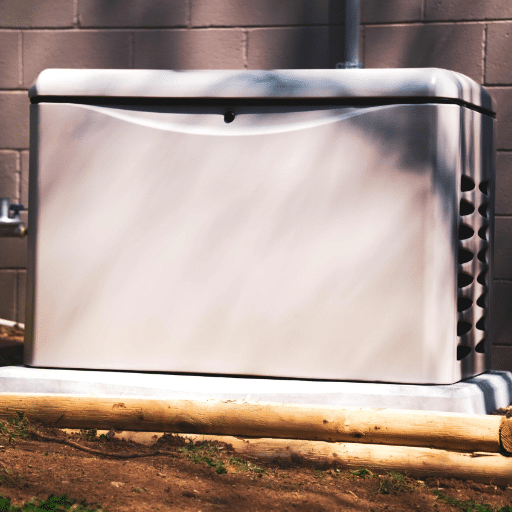
When quoting the size, one is speaking of the wattage of a unit, implying the highest potential of that particular generator to provide power in any given scenario. For example, an appliance of size 14kW would work appropriately in much smaller residences or any circuit required to run some major appliances. These major appliances may include the refrigerator, lights, radiant heat, central air, etc. On the other hand, larger dwellings or properties with a multitude of power-gobbling devices would be better off with a larger than 20kW generator, which would allow the whole house backup in most situations.
Make a list of the wattages of all the appliances and systems you plan to maintain and act on simultaneously. A generator rather close but not less than this total wattage is the choice for maximum performance and dependability. Always refer to the local electric codes or a licensed electrician for actual analysis of your needs.
What is a Standby Generator?
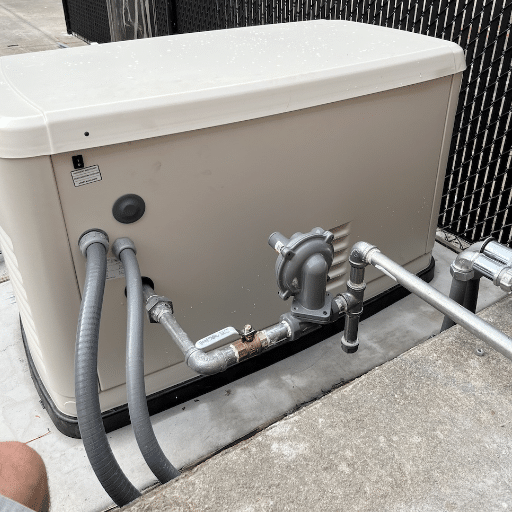
A standby generator is a lifeline system for permanent backup energy and an automatic power supply during a power cut. Rather than being temporarily installed, a standby generator remains stationary in one place outside the house or building and assumes a direct link with the electrical system through an automatic transfer switch. A standby generator is most probably fed by natural gas, propane, or diesel and provides a consistent and reliable source of power. The desirable feature about standby generators is that the system is always monitoring the utility power and turns on automatically within seconds in case of detecting a loss of power with minimal disturbance. The modern standby generators are equipped with hi-tech features, offering high efficiency, quiet operation, and monitoring from afar. They show utility both in residential houses and commercial places, and hence bring peace of mind and shield against prolonged power outages.
14kW vs 20kW: Key Differences
| Feature | 14kW Generator | 20kW Generator |
|---|---|---|
| Power Output | 14,000 watts | 20,000 watts |
| Home Coverage | Partial home coverage | Whole home coverage |
| Fuel Consumption | Lower fuel consumption | Higher fuel consumption |
| Size and Weight | Smaller and lighter | Larger and heavier |
| Initial Cost | More affordable | Higher cost |
| Maintenance Costs | Generally lower | Potentially higher |
| Running Appliances | Powers fewer appliances | Powers more appliances |
| Ideal For | Small- to medium-sized homes | Large homes or commercial use |
| Installation Space Needed | Requires less space | Requires more space |
| Noise Levels | Typically quieter operation | Slightly louder operation |
How Generator Sizing Works
Selecting an appropriate generator size for meeting specific power requirements at hand is highly crucial. This includes a series of factors to consider regarding the utility, appliance being switched on or off, and electrical requirements for starting. In addition, as these considerations are dealt with, the issue of the unit’s total wattage always emerges, so given the need for surge power during startup, what extra capabilities or appliances should be accommodated at the first level? High on the performance list due to the heavy demands made on them by their function and power requirements are the loads that include HVAC systems, refrigerators, lighting, and some medical equipment, among others.
A fundamental parameter for generator sizing is distinguishing between running and starting watts: the former representing the power requirement when the appliances are running to keep maintained and, in contrast, the latter to momentarily cope with the high current surge some motors create upon start-up. To be able to size a generator accurately, one must calculate the running watt requirements of all of the most important appliances in a home or commercial building, and add an applicable margin for starting watts so that the generator can meet peak demand without being overwrought.
Other factors influencing appropriate sizing include fuel economy, the effects of altitude and temperature on performance. It is clear that undersizing a generator will either strain the system, impairing the lifetime of the critical load appliances, or result in true inability to effectively power them, whereas oversizing will result in extra running costs and unnecessary operational inefficiencies. Rigorous load calculations, usually adhering to professional standards, make for the best way to provide assurance for a generator’s optimum selection.
Comparison of 14kW and 20kW Generators
- Power Output:
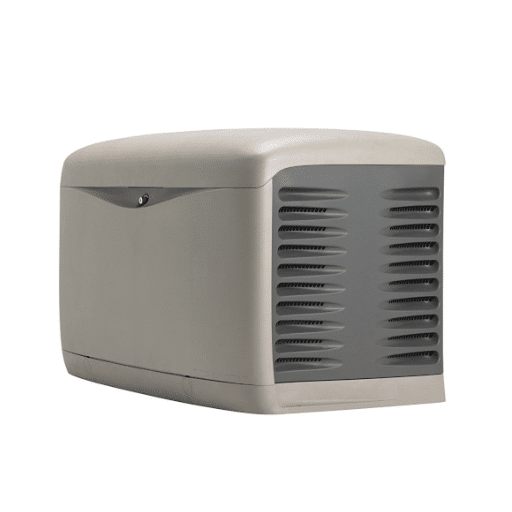
The first one is the power output itself. A 14 kW generator would be more effective for buildings with little power requirements, such as for keeping some basic appliances like lights, heaters, and refrigerators going. Conversely, a 20 kW generator can power larger houses or support existing electrical service for more high-consuming appliances, such as central HVAC systems. - Application:
A user is inclined to choose a 14 kW generator as it is the cheapest to provide emergency power to a house. In contrast, a 20 kW generator generally works better for properties with higher energy consumption or in cases where uninterrupted power to larger-scale systems is of paramount importance. - Fuel Consumption:
Like this, it will tend to draw more fuel in operation compared to the 14 kW model. For those intending to save energy, it is crucial to consider the fuel consumption rate in terms of daily fuel usage and the subsequent demand for the power supply. - Cost:
The 20kW pump costs so much more than a 14kW pump. This general higher initial price might possibly increase the operational expenses because of the fuel it consumes and wear. - Load Capability:
A 14kW generator provides enough capacity for starting and running small loads mixed with light loads and even allows fewer numbers of electric meters to work simultaneously, whereas a 20kW generator is designed with an additional enlargement for running heavy loads on a sustained basis or many appliances at one time.
Power Output and Efficiency
When 14kW and 20kW generators are compared in terms of energy output and efficiency- factors that depend on the load-the best approach is to consider the energy demands of the application. For instance, a 14kW generator should suffice in a smaller home or mid-sized business with a moderate power requirement for the support of key systems, e.g., HVAC, lighting, and common household appliances. On the contrary, a 20kW generator is able to operate loads with more scope and many high-energy-consuming devices at the same time, making it an obviously better choice for larger properties or systems running on enormous energy reserves.
In terms of efficiency, one might reckon that the larger recipient (20 kW) may function optimally at a level that a smaller source might not be able to meet while, say, a 14 kW generator may be more fuel-efficient for smaller power needs as the closer to the optimal load condition you can keep a generator, the greater the thermal and mechanical efficiency. On top of that, present advances in technology related to generator application, such as variable speed control and fuel-use performance enhancement, have led to even greater efficiency in the two categories across the board, with the promise of waste and emissions reduction without compromising performance reliability.
Compatibility with Household Appliances
While weighing household appliances for compatibility, it is important to draw on their power demands and the effect of those on the generator in a mixture. Nevertheless, a 14kW generator is mostly suitable for medium to large homes, owing to its ability to power the most essential of units such as heating, cooling, water heaters, lighting and extra small appliances like microwave ovens and televisions. On average, air conditioning units alone may need around 3-5kW, while a refrigerator operates at 600-800 watts on average. In comparison, a 22kW generator not only provides for the basics of life but also allows other large items, such as an electric stove or a sump pump, to connect at the very same time in a disastrous event.
Use the model’s dual generator capacities in conjunction with a precise load assessment of appliances in a home. Modern generators integrating new smart load management systems allow prioritization of appliances, thus automatically balancing the loads and avoiding overloading. Among other things, the latter ensures uninterrupted power supply services and activates increased comfort and confidence in the system, offering household energy needs.
Performance in Backup Power Situations
Contemporary backup power systems utilize state-of-the-art technology ideal for performing at their best during interruptions so that critical systems are not deprived of servicing due to power cuts. Response times, fuel efficiency, and capacity utilization are arguably the most important indicators for assessing the reliability of backup generators. An example would be that many advanced models guarantee a response time of less than 10 seconds between power failure and full load cycling, thus putting downtime and risk of a power failure as low as possible.
Innovations in generators have been made to reduce fuel use. In addition, fuel efficiencies of diesel and natural gas have been enhanced by up to 30% relative to earlier models. This reduces operational costs and makes longer run times per unit of fuel possible, rendering these types of systems beneficial for extended outages. Further innovations in generator designs have allowed for the author’s assertion as to the modular generator, meaning power delivery can be easily increased and decreased in line with the demand. The systems deployed in the industry emphasize prediction, and diagnostic maintenance technologies include real-time data on these extensive assets, aligning them as the industry-leading option for intrusion power supply within residences and smaller corporations.
Cost Considerations for Generators

The main factors that matter when comparing the costs of 14kW with 20kW generators include the initial purchase price, installation costs, fuel consumption, and long-term maintenance expenses. Now, while 14kW generators come as cost-effective solutions from the beginning with a lot cheaper purchase and installation prices than the 20kW babies, no doubt that the 20kW generators have more power capacity and are therefore better suited for larger homes or businesses with, perhaps, more energy needs.
Fuel efficiency is also a critical consideration. While the efficiency ratings of both 14kW and 20kW power units make both of them decent options, a 14kW generator is nothing but a gas guzzler due to its small engine size, but it is way better in terms of fuel efficiency, whereas a 20kW model is a more fuel-consuming machine.
In principle, maintenance costs for both types of generators are pretty much the same for any given generator capacity; hence, the higher-powered 20kW generator could naturally have slightly more expensive service expenses at a later stage due to the extra components and wear. In the end, the decision on whether a 14kW or a 20kW specification should be taken, harmonizing with the specified electrical power needed, budget, and long-term benefits desired.
Upfront Pricing of 14kW vs 20kW Generators
By comparing wattage on a 14kW/benchmark and 20kW/respective generators, it is essential also to consider the price spread attributable to each. Standard quieter 14kW units range from approximately $3,500 to 4,500. The units cover the typical medium-large homes or the essential circuits-and-appliances loads during power outages. In contrast, the bigger more powerful 20kW units accommodate correspondingly higher energy-use houses and have prices usually ranging from $4,800 to 6,500.
The installation costs of a standby generator depend on the manufacturer’s reputation-also on higher-end products, those such as remote monitoring, and accompanying installations like transfer switches. The contractor fees to have the generator installed can anywhere from $2000 to $5000 in addition to the cost of the generator, depending on the complexity. Knowledge of fluctuations will ensure an informed choice made atria energy needs and budget constraints.
Installation Costs and Requirements
When comparing both the installation costs and requirements of a 14kW unit versus 20kW types, such a comparison is vital to an efficient and precise installation. Conventionally, a 14kW unit consumes less fuel by way of having a smaller footprint. This helps save space and other resources in the cost equation. The installation cost for a 14kW machine may range between $2,000 and $4,000, depending primarily on how complex the electrical configurations are and the preparation work needed at the site.
On the contrary, a 20kW generator, which is designed specifically for heavy-duty applications, faces some high setup costs on account of its oversized presence/figure and calibration; it gets installed with not less than $5,000, depending on supplementary requirements to accommodate the associated load, like a bit high-end load management system or a dedicated fuel source, such as bigger propane tanks. Furthermore, there may be some local formalities stating compliance and broader clearances between the genset and its neighbors or noise pollution. That said, installation costs would rise further.
Long-term Operational Expenses
Consideration must be given to an array of factors when evaluating the expense of long-term operation of the 14 and 20kW generators. Among other factors to consider is the question of fuel. Larger generators, such as the 20kW unit, tend to consume much more fuel than their smaller counterpart do. When the generator produces more power, so does it burn more fuel. If, for instance, the 14kW generator may go through approximately 1.8 gallons of propane per hour at 100%, the 20kW generator would consume up to 2.5 gallons of fuel on the same load condition. This inequality in fuel efficiency is the major means by which operational costs differ.
Another such cost would be maintenance expenses. As per most situations, both need the same standard maintenance upkeep-oil changes, filter replacements, and installation checks-although much will depend on the service intervals and labor charges. The 20kW generator will naturally have to face more regular maintenance frequencies as compared to the 14kW version, particularly if used frequently or continuously.
The generator’s lifespan dependence on the operation load is another consideration. A 14 kW generator operational most of the time absorbs more wear and tear, increasing the costs of maintenance and other repairs at a higher rate. This is not the case with a 20 kW inverter running below peak capacity over most of its operational life because few mechanical strains on the equipment contribute to a longer life span and to a lower percentage of failures.
Determining the Right Size Generator for Your Needs

Choosing the right generator power for your project involves understanding your electrical necessities; what appliances or systems you want your generator to power; and your consumption in regard to such in a given time. While the enclosure layout was to be up for discussion, smaller households usually find a 14kW generator enough to power the necessary equipment, such as fridges, lights, and air conditioners, during blackouts. However, if your home carries no easy demands, such as electric water heaters, substantial HVAC systems, or a few major appliances operating at once, opting for a 20kW generator would prevent overloading.
Before deciding on purchasing a generator, the user should calculate the load in kilowatts. The wattage requirements of all the circuits to be backed up–whether they are necessary or luxury items– should be added up. One other consideration that may affect the future prospects is oversizing the generator. Larger is better, as far as losing capacity is concerned. In case you are not comfortable doing it yourself, a licensed electrician can also evaluate your load for you so that the generator you’ve selected is able to meet the provisions worthy of its performance.
Assessing Your Power Requirements
Other important considerations in ascertaining power requirements are the starting and running wattages of the electrical equipment. A number of apparatuses, particularly machines operating on initial load, start up under a large surge of power, called starting wattage. Note: It may be some multiple of the running wattage of that machine; therefore, it is important to cater for this peak demand to avoid overloading your generator. Each appliance using interim usage at any given moment sums opinions, and the corresponding sum should sidestep the generator’s sustained operating power. There exist tools of load estimation that regulate matters related to power consumption, which hold with more precision than a calculator due to their adept ability to regulate data flow in real time. Pool a generator manufacturer or an energy equipment expert for directions on how to work a load calculator in deducing the maximum release of power: this provides for a much suitable and reliable power supply at any time of failure.
Which Generator Size Is Best for My Home?
When determining which generator to purchase for your home, 14kw or 20kw, important factors to consider are power demand, appliance requirements, and how often there are power outages in your area. Thus, 14kw has a capability to generate sufficient power to fuel your daily-life necessities such as a refrigerator, lighting, heating systems, and some small electronics, and offer a desirable pick for homes with moderate energy needs. There is a good side to the 20kw generators, which come with high capacity, which run parallel with large houses, central air-conditioning, large heating units, and a huge number of appliances can be run at the same time.
Central air conditioning units alone can cost between 3,000 and 5,000 watts, depending on the unit’s size and efficiency. Once you add this to your baseline load, you can easily see the need for a 20-kW generator if you’re bent on maintaining full serviceability during outage periods. Also, the inclusion of a 20kW generator would provide extended versatility to homes with electric storage water heaters or a well pump, as either can quickly draw several thousand watts during operation.
Determine the total wattage of your home. This must include surge power, as in the case of considerable variations in some demanding appliances (such as fridges or water pumps). It has generally been right to suggest a 14kW model for a more regular household, albeit not too intricate; the bigger 20kW model in turn could prove to be a choice for the homeowner with a larger household, a 20kW generator, to ensure a more reasonable backup. A talk with an energy consultant would help perfect the correct-sized generator fitment for your needs with the needed reliability and effectiveness.
Maintenance Tips for Generators
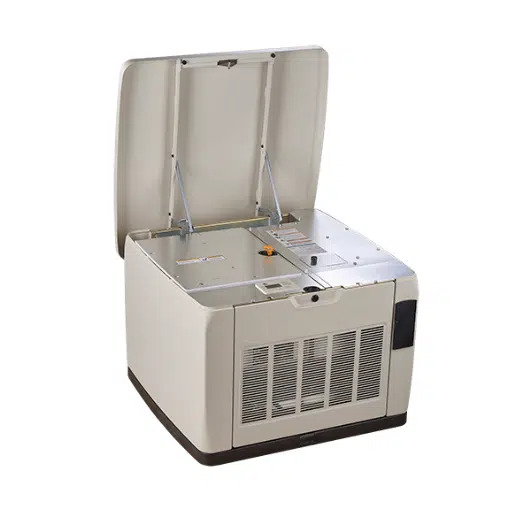
- Regular Oil Changes: Make sure the oil level remains original and gets changed according to what the manufacturer has described, every 50 hours of operation to a maximum of 200 hours; additionally, use the recommended grade of oil for the correct system operation of your equipment.
- Inspect and Replace Air Filters: Air filters that are usually clogged will hamper efficiency. From time to time, test them and make sure to replace them when the air flow to the engine is affected.
- Test the Generator Periodically: Try starting the generator for about 20-30 minutes under load on a monthly basis to prevent mechanical problems while ensuring its well-being.
- Check Fuel Quality: It is imperative to use fresh fuel and, if the generator will not be in use for a while, a fuel stabilizer should be added to the tank. Bad or contaminated fuel can be the cause of starting problems.
- Clean Battery Connections: To guarantee that the electric start-up generator’s battery connections prevent corrosion and lead to good starts.
- Follow Manufacturer Service Intervals: All maintenance activities should first follow the generator’s user manual. Device maintenance needs to be done in conjunction with fixed intervals for the purpose of providing endless long-term potency.
Troubleshooting Common Issues
- Generator Fails to Start: Often, this problem is fuel-related, with poor gasoline or outright gas. Make certain the gas is clean and the tank is full. Spark plug insulation can be suspect and can burn, adding to the engine-cutting-off scenario.
- Surging or Erratic Operation: An irregular generator mainly signifies a blocked carburetor or obstructed air filters. Clear out the carburetor and change the air filter if it is found loaded with dirt. Also, inspect if the fuel lines are blocked or if the lines easily break apart, restricting the proper flow of fuel.
- Overheating: This really depends on even ventilation at any time, or frequent overloads causing overheating. It is always advised to keep the generator out in the open for good ventilation as well as avoiding any debris that could block the free run of fresh air. Just as any man would avoid hiking uphill effectively, putting the electrical load within the required capacity will avoid overworking the engine.
- No Power Output: Generator is running but no electricity. Check the circuit breaker; if it is necessary, reset it. Check that all connections are correctly attached and the wires are not suffering any damage. Loss of magnetism in the generator field coil could be the reason, which requires demagnetization by a professional.
- Battery-Related Problems (for Electric Start Models): Battery is flat-charge it. If the starter still failed to work, check up and clean up the battery terminals so that they do not corrode or loosen up; after all, give it a go again using a new battery.
Extending Your Generator’s Lifespan
In numerous ways, discipline and use are pivotal to extending the life of a generator. The key practice would be changing oil, done to build or replenish the lubricant that is essential for keeping the mechanism from wearing by friction and heat; this wear and tear may be caused by contaminated oil and eventually require surgery. Also, filters must be replaced on a regular basis, such as air and fuel filters, to prevent debris from accumulating and endangering the operation or causing internal damage.
The way the load is managed is another hugely important factor. The maximum utilization of a generator is achieved when it is utilized approximately at the level of the maximum load for which it has been rated. Running a generator under very high loads can load the engine, while very light loads running for long periods can lead to carbon accumulation, reducing overall efficiency and long-term life. Also, the site must be well-ventilated to prevent coal-related matters and facilitate proper airflow when they start to overheat or throw the exhaust gas out safely.
Generators should not be overlooked in terms of storage conditions as one must know that they would be stored not on the concrete floor, but a place removed from excessive humidity, which leads to rust and corrosion. For generators not used periodically, the fuel stabilizers should be considered to prevent fuel degradation, and starting the generator every now and then would ensure that its parts would be lubricated and in proper working condition.
Reference Sources
- Paired Storage Distributed Energy System Design for a Local Community Farm
Access the study here - Kampung Capacity Report by Berkeley’s Renewable and Appropriate Energy Laboratory (RAEL)
View the report here
Frequently Asked Questions (FAQs)
Which generator do I need for my house?
Deciding on whether to buy a 14kw or a 20kw generator will be based on the number of appliances you plan to use and the situation in which you will need to power the whole house or only vital parts. A 20kw whole house model like Generac or Kohler can bring power to the whole house, including HVAC, furnace, and big loads, whereas the smaller one could be enough for the core systems. Calculate Amps x Volts to get an estimate of the load and think of a 200 amp transfer switch in case you have a 200 amp service. To run the house completely, select a higher capacity unit in order to prevent the generator from being overloaded during the startup time.
How does generator sizing affect running my HVAC and AC unit?
The generator sizing decides whether or not your generator will be able to manage the peak of an AC or furnace while starting up, all the while the generator being able to run everything at the same time. Normally, an 18kw or 20kw unit that operates a central AC is considered a standard size when considering other electric appliances. However, a 14kw may not be as strong when dealing with a large AC and other heavy loads. When it comes to the generator system, consider factors such as load shedding that help you prioritize the circuits to draw power from, thereby preventing an overload of the generator.
What size generator will power the whole house?
In most contemporary trendy residences, you have to have the minimum size of twenty kilowatts for the whole house or even bigger if you have electric heating or you have more than one AC unit. However, smaller generator sizes like 10kw or 14kw should be fine if you only want to run a few things. To figure out the size of the generator for your home, you must take into consideration the different appliances you want to power and the total amps x volts calculation. In the case of very large loads or even whole-house backup without load shed, it might be necessary to go with a 24kw or larger generator.
Can a home generator run on natural gas or propane?
A lot of portable house generators produced by the known brands Generac and Kohler are powered by either natural gas or propane which of course is a blessing in the form of an infinite supply of fuel. No need to think beyond natural gas or propane when it comes to the fuel of choice for whole house generators as the fuel delivery problem for the portable generator is solved with this choice. Make sure that the generator has the capability to manage the caloric variation of the fuels and that the installation occurs in accordance with the local codes. An example would be the use of a natural gas-powered generator for the backup of the whole house, which seemed like a very good idea.