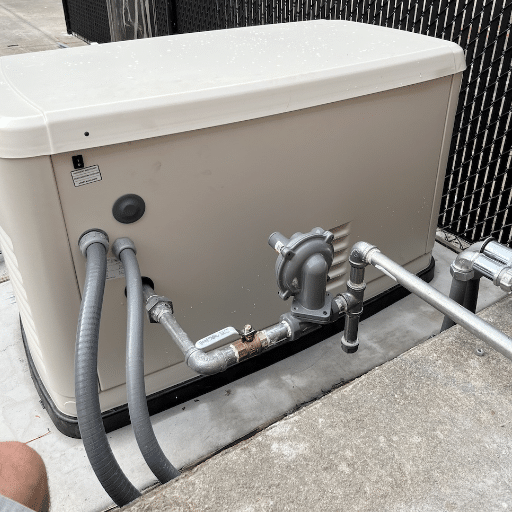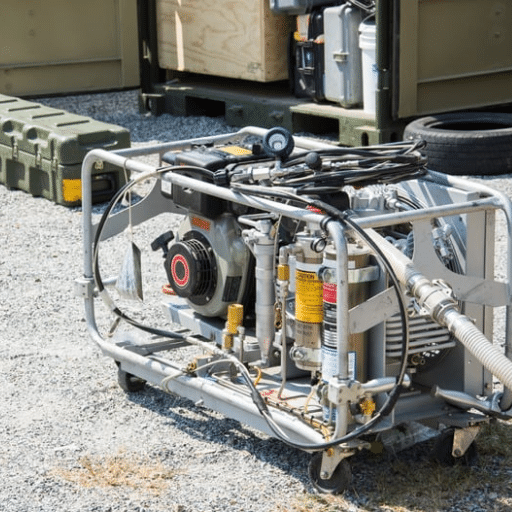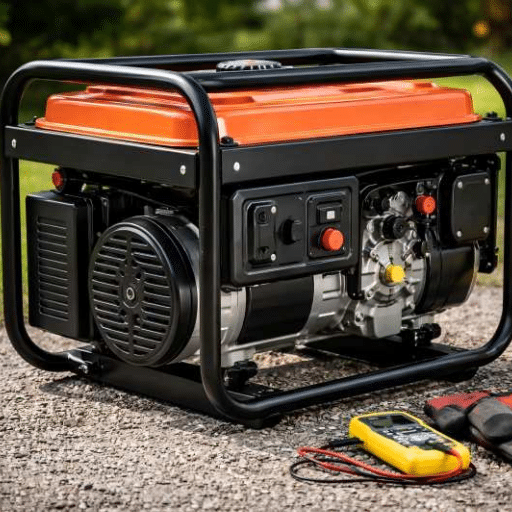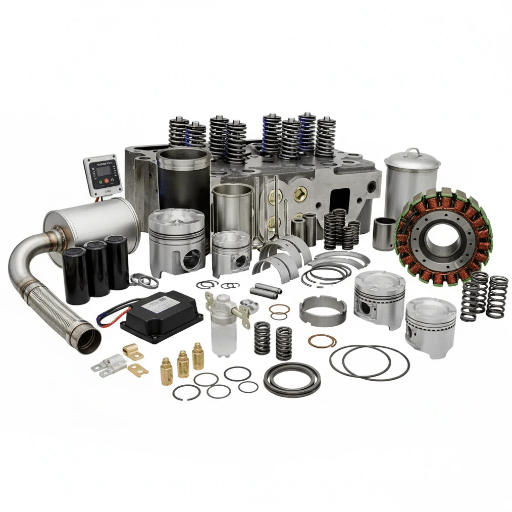

When procuring a generator for your energy necessity, the primary factor among others that have to be set into consideration is its operational speed and most specifically, whether or not it is 1800 RPM or 3600 RPM. These two major speeds also have a big impact on a generator’s performance, robustness, energy efficiency and sound emissions. But the question is, which one is the best pick for you? This study will deal with the major differences between the 1800 RPM and 3600 RPM generators by giving you the relevant data to be able to decide. The differences have to be known; you are not supposed to engage in any energy backup purchase for your home, an application for business, or an industrial facility without having the knowledge. At the last part of this article, you will get a full insight into the benefits and sacrifices of each speed that will make it easy for you to go for a machine that is a perfect match with your needs.
Understanding Generator RPM

RPM, meaning revolutions per minute, is the number of rotations that the generator’s crankshaft completes in one minute. The most common RPM values for generators are 1800 and 3600. 1800 RPM generators are generally less noisy, cheaper to run, and last longer because the wearing down of parts is minimized. On the other hand, 3600 RPM generators may have the above negative traits; however, they are more likely to be compact and cost-effective, but may produce more noise and their life-cycle may be shorter. Awareness of these differences is pivotal when picking the right generator for your purpose, which will very probably involve a trade-off between durability, noise level, and budget constraints.
What is RPM in Generators?
RPM, or Revolutions Per Minute, is among the most important metrics intended to be measured by generators. It informs us of the total number of revolutions the engine’s crankshaft makes in a complete circle in one minute. The said parameter has a direct effect on the generator’s output, efficiency, and life span. In a way, a 1800 RPM generator usually operates at a lower speed, which, in turn, results in less wear and tear of the elements, as well as quieter and less vibration operation, and better fuel consumption, making it suitable for unattended or long-term use.
On the opposite side, 3600 RPM generators, even though they are faster and smaller in size, often produce more noise and suffer from an increased rate of wear as they age, which, in turn, make them the best-suited for portable or for the needs of power for short periods. It is crucial to make the selection of the RPM rating depending on the power generation needs for the specific situation and still have the compensation in noise level, operational durability and fuel consumption considered. Technological progress has even more promoted the RPM variations that have made the generators for commercial and residential purposes more reliable and adaptable.
How RPM Affects Generator Performance
The fuel usage of a generator can be greatly affected by the revolution speed of the engine in relation to a minute, and to a large extent. The generators running at lower RPMs are usually the ones with the least fuel consumption because of the lesser combustion cycles the engine goes through in a unit of time thus the decrease in the overall energy use. For example, the standard generators that work at 1,800 RPM are usually more fuel efficient, as they spend half the energy compared to 3,600 RPM operated analogous machines, especially in non-stop and long-time applications. Nonetheless, the weaker engine power at this former speed might necessitate larger engine parts that can, in turn, affect the system’s initial cost and space technologies requirements.
An increase in RPM would normally make a car noisier and the effects of vibration more pronounced because the inside parts are being moved quickly. This situation can become problematic when the surroundings require the use of quiet solutions, be it residential neighborhoods or technologically delicate industrial units. Also, as time passes, the very high noise levels might even have adverse effects on the components, leading to more frequent maintenance needs. The noise, to some extent, could be dampened through the use of the latest technology, such as noise-insulating materials, vibration-dampening systems, and balanced engine designs, which were among the few that were approved.
Types of Generators Based on RPM
Differences Between 1800 RPM and 3600 RPM Generators
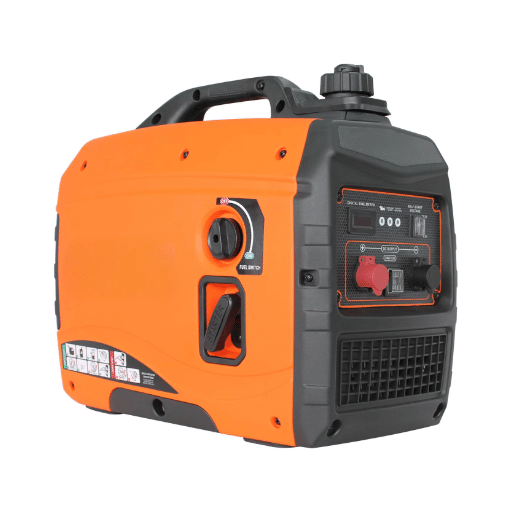
- Efficiency: The lower 1800 RPM rotation speed generators have been reported to be the most efficient in continuous usage scenarios, as they incur less wear and tear. Their slow turning rate minimizes mechanical pressures; hence, they are the most suitable for heavy-duty service, which is invariably of a continuous nature.
- Durability: A 3600 RPM generator, in general, is bound to be noisier due to its higher rotational speed as compared to a 1800 RPM generator. This results in the former being more energy-efficient and less expensive in the long run.
- Noise Levels: The 3600 RPM generator is the louder of the two, but keeping in mind noise-sensitive areas, a 1800 RPM generator is a better option.
- Size and Weight: The 1800 RPM generator is naturally bigger and bulkier while the 3600 RPM unit is more compact and portable and thus lighter.
- Applications: Depending on the situation, the emergency backup generator can vary from a 3600 RPM generator to an 1800 RPM one for industrial purposes, which is running continuous operations.
Speed and Efficiency
In the examination of generators, the speed and efficiency aspects serve as the focal points, and the one aspect that has the greatest priority is the operational RPM. All of the previously mentioned parameters, including fuel consumption rate, generated heat, and the output’s steadiness, depend heavily on the RPM. 1800 RPM generators, on the other hand, do not run as fast as the higher RPM ones; this fact clearly means that there are fewer mechanical losses and less damage done to the internal parts. The lower speed is one of the main contributors to achieving better fuel consumption and it also allows the machine to operate for a longer time on a full tank, thus making it very good for rough and long-hour work.
3600 RPM generators, on the other hand, are units that are more powerful but smaller in size. This is because the fact that they run at a faster speed means they would give off relatively more power. The generators might be consumers of fuel over a short period and heat producers, but undisputedly, their utilization in the peak demand scenarios is the most efficient among all. This is a great feature for the needs of emergency power, where quick deployment and small size are foremost conditions.
The efficiency of the generators according to the particular operational purpose comes out to be the outcome of the analyses that are data-based. For instance, the fuel consumption rates, the operation of the cooling systems, and the distribution of power in the long term or the sustainable power delivery – all this varies between the two types, and all this is indeed the reason for the RPM difference. However, by mastering these technical issues, specialists will be able to choose wisely and in accordance with the business operations and in such a way that they can get maximum operational profit.
Fuel Consumption Comparison
In the comparison of fuel consumption among high-RPM and low-RPM generators, there are several technical aspects to be taken into consideration. It is a general rule that high-RPM models that operate faster also burn fuel at a higher rate, thus leading to more wear and heat generation within the system. These kinds of generators are usually the ones powered by 3600 RPM and they are good for situations where power needs are short-term and efficiency of output is above all. In the case of low-RPM generators, which typically run at 1800 RPM, the scenario is quite different. The low-speed operation allows for a lessened amount of mechanical stresses and heat losses, hence the units can be run for a much longer period with less fuel being consumed.
Recent analyses even accentuate the penetrating effect of engine load on fuel use in either of these structured cases. Specifically, at higher loads, the low RPM generators consume lower amounts of fuel in a more uniform manner than the high RPM units which may cause a very abrupt increase in usage under the same conditions. This is why the low RPM generators are the most suitable for the operations where power supply is constant over a long period of time, since they reduce the cost of operations without affecting the stability at all. Thus, the power requirements were indeed defined as the most critical criteria for making the choice and controlling the performance in a cost-effective and reliable manner, which will be mentioned.
Comparison Table for 1800 RPM vs. 3600 RPM Generators
Advantages of 1800 RPM Generators

- Durability and Longevity
Generators spinning at 1800 RPM last longer than their 3600 RPM versions due to the fact that they have lower wear and tear on their parts. This is especially great for activities that demand continuous or frequent use. - Enhanced Power Output Stability
The slower operation of these generators provides a uniform and stable power output, which makes them perfect to be used for delicate equipment or the maintenance of vital loads. - Lower Maintenance Requirements
The velocity of the rotation of the machinery is reduced, and thus less strain is put on the generator, which in turn leads to a decrease in the number of times one has to service it and the amount of money one has to spend on the process. - Efficiency in Industrial Applications
Such generators are the best choice for the industry and heavy-duty applications where a continuous and reliable power supply is a must. - Reduced Noise Levels
Moreover, the slower speed results in generally less noise than the high-speed models, making them more suitable for use in noise-sensitive areas.
Long-Term Durability and Lifespan
The strength of the lower 1800 RPM generator failure is prolonged by the solid and robust design of these products and the lower operational stress compared to the faster rotating alternatives. The rotation at the slower speed not only prevents the wear and tear on the inside parts but also boosts the thermal performance of the generator. It is important to have a thermal solution since the overheating part is mainly the reason for early equipment breakdown in a 24/7 power supply.
In addition, the main reason why these generators became more reliable was due to the adoption of the latest technologies in the material science field and the application of more effective manufacturing processes. In fact, the new stator and rotor assemblies that are used in the majority of cases are made of high-quality heat-resistant alloys that have undergone years of engineering work to last for a very long time. Moreover, bearings and other parts that might become problematic are continuously made better by being combined with advanced lubrication systems that cut down the friction and lengthen the service life to a considerable extent.
Various research studies show that a lot of 1800 RPM generators run for effectually 20,000 to 30,000 hours or even more if they are cared for according to the manufacturer’s recommendations. This is why many businesses that are looking forward to making a long-term investment and needing equipment to be durable highly favor this kind of generator, which also proves to be very cost-effective with reference to nuclear set-up.
Maintenance Requirements
The 1800 RPM power units can be seen as one of the main components of ensuring that the generator’s long-term reliability and performance are up to the mark. Thorough and regular maintenance by visual inspections and servicing schedules very well lets one know the root of the problem before it hits the bank balance. One of the most crucial maintenance activities is the periodic replacement of oil and filters, which generally is in the interval of 250-500 hours, if not earlier, depending on the conditions under which it is used, as well as the recommendations of the manufacturer. The use of an oil of the grade as prescribed by the generator manufacturer or even one that exceeds it is likely to offer great help in the long run in terms of the engine’s performance and sturdiness.
Furthermore, vigilance over the cooling system is required to avoid the cooling system from overheating. Having the coolant inspected and flushed at regular intervals helps to keep the radiator fins in optimal condition, which also means the correct and unrestricted discharge of the heat. Similarly, the fuel system analysis should be performed in such a way that the fuel filters are cleaned and fuel quality is more frequently tested to fight off any possible clog and/or performance drop caused by impurities.
Typical Use Cases
1800 RPM generators are in use in a whole range of applications where there is a need for constant, efficient, and durable power. The major market for them is usually the industrial sector, where they are used in manufacturing plants and construction sites for running heavy machinery and equipment. Residential sites have also been part of the market where they enjoy a high demand as the quietness and efficiency which make them a great choice for power backup consistently and automatically admit of their empowerment in this sector during power cuts.
Data centers are among the list of significant applications where the presence of a steady power supply is an absolute necessity in order to keep server operations functioning and data from being lost. The 1800 RPM generators’ consistent operation and the 1800-year life span make them well-suited for this kind of environment, provided they are backed up with the use of uninterruptible power supply (UPS) systems. Additionally, these machines are heavily used in agriculture; for instance, they are sources of power for irrigation pumps, grain dryers, and other farm equipment in places where the grid’s reliability is at a minimum. The ability of 1800 RPM generators to be flexible across various industries is a strong reason that these generators are integral to the conduct of operations in non-grid and grid areas.
Advantages of 3600 RPM Generators

- Compact Design: Generally, these types of generators are a lot smaller and lighter because they have a higher speed of rotation than their slower RPM rivals, which already speaks of easier mobility and handling.
- Cost-Effectiveness: Due to their limited dimensions and simple design, the 3600 RPM generators are usually credited with lower costs for production and maintenance, so they are a wise pick for businesses that have a tight budget.
- High Power Output: These generators will have enough power to totally cater for smaller-scale duties or temporary needs, like backup power in outages or the use of tools in job sites.
- Quick Start Capability: High speed is their thing, making them suitable for situations where power is urgently needed and response time should also be fast.
- Ideal for Short-Term Use: Short and efficient performance, along with an operational cycle that is faster than the rest in the market, are the things that define the 3600 RPM generators as such that they are the best to be used in applications that have been known for requiring the use of power for a few seconds rather than hours.
Initial Purchase Price
The cost of the initial purchase of 3600 RPM generators can vary greatly from one another. This is because of the brand, model, and power output the unit is capable of. Generally, less powerful lights and easy-to-move units eat up less of the budget, at around $300-$500 for the cheap versions. However, if we talk about the larger-sized generators for the industry or commercial use, the price can be up to or higher than $3,000. In principle, the more the generator costs, the more features such as superior fuel efficiency, noise reduction, and smart controls it will have. Typically, the fuel type that is chosen—gasoline, propane, or diesel—will make a big difference in the purchasing expenses, since the fuel-efficient and durable diesel-power generators are usually priced higher with a premium to pay.
Power Output and Response Time
Generators with 3600 RPM are expected to work at high speeds, which is the main reason they can give so much power when they are contained in such a small space. In essence, they are small powerhouse units, and their power output usually falls in the 3kW-15kW range, thus are available in the configurations suitable for all the applications stated, as well as for residential, lightening commercial, and portable installations. Another part of the story is that the very high-speed concept allows a much more efficient alternator operation, thus reliable energy production comes to the fore.
3600 RPM generators have a very quick response time as the most important benefit. Therefore, if a load is added, these generators can adjust their power output almost immediately and, thus, no interruption is caused to the connected devices or systems. That is why they are ideal for backup power systems where there is no option of a stop in the power supply. On the other hand, the high-operational-speed scenario can give way and hence introduce higher mechanical wear and noise levels than lower RPM models. This underscores the significance of regular maintenance as a way of ensuring longevity and the power of the system initially.
Typical Use Cases
Generators operating at a speed of 3600 RPM have been part of a wide range of applications thus far. The reason behind this is that they are able to produce more power in less space than most other generator types can. Therefore, generators of this kind are generally used since practically almost all the power solution markets are covered, i.e., the construction sites, outdoor events, and emergency situations. Besides that, they are ideal for these markets – their mobility and reliability are very important features. Therefore, the market is reluctant to stationery generator-wise preference, which has surpassed the capability of an automotive battery, to be useless for a certain period, like a week, would be the intelligent market to target.
3600 RPM generators are also essential in a number of small-scale commerce operations like mobile medical units, food trucks, and remote communication stations. The main reason for this is the high speed of the generators so that all of the important power supply equipment, such as refrigeration systems, medical devices, and communication gear, gets a steady performance. But at the same time, the machinery must also be maintained at certain intervals because the higher RPM operation is wearing out the machines quite fast, making it necessary for the machines to be serviced at the right time to keep peak efficiency and the expected life of the machines.
Making the Right Choice for Your Needs

- ✓
Durability and Longevity: If there’s an operation that requires continuous and, at the same time, long-term use, 1800 RPM generators are the best choice. Being slow lowers the amount of wear and tear, which in turn makes them more durable and thus more reliable for the extended workloads that ensure constant pressure all the time. - ✓
Portability and Compact Applications: When it comes to the fields of intermittent and compact applications, 3600 RPM generators for those who need power in small packages and carry them around in food and mobile trucks with a small size and the highest ratio of power to weight still have the tendency to be the most space-saving and weight-saving over 1800 RPM generators. - ✓
Noise Levels: Imaging such a scenario in which residential apartments and medical clinics are located, and a high-power generator is running, the 1800 RPM generator would be the wisest choice, as it is quieter of the two. - ✓
Cost Efficiency: If we compare the 3600 RPM generators in terms of initial costs, the former is cheaper than the latter. Nevertheless, the 1800 RPM generator that has a longer life will eventually result in recurring savings of maintenance and replacement. - ✓
Operating Environment: When thinking about different types of production, that is, heavy-duty or industrial ones, the 1800 RPM models are definitely very good, but in some cases, it might be better to use the faster-running, more compact 3600 RPM units.
Assessing Your Power Requirements
It is simple to determine the power needed for the equipment, operations, or the environment when you know the specific needs. Start with adding the total wattage needed by all the devices or machines that will operate based on the generator which mean running watts (power constantly needed) and surge watts (extra power during the startup).
It’s equally important to consider voltage stability, frequency requirements, and the possibility of a power surge. A good example is the highly stable voltage output always needed by sensitive electronics and medical equipment, which is necessary to protect against harm or to function perfectly, often involving the required usage of generators. Besides, take into account the period of time you intend to use the generator and the fuel efficiency you want. The best option for generators that have to be running all the time or close to all the time is possibly the one that provides lower RPMs and better fuel efficiency. Last but not least, the generator system’s scalability options must be reviewed, so as to allow for the addition of devices or more power in the future, in such a way that it will still be adaptable for a long time and it will still be reliable.
Final Recommendations for 1800 RPM and 3600 RPM Generators
Whenever 1800 vs 3600 RPM generators are the topic, what you should think about is what your particular operational needs and usage habits are. 1800 RPM units are the common choice for the case of uninterrupted, high-duty applications, like in big companies or emergency power systems. They run at a lower rate, which in turn decreases both the dropout and the distortion. Consequently, they are not only longer-lasting but also quieter. Besides, the 1800 RPM models are better at fuel-saving across the lifetime; therefore, for constant applications where one has to secure reliability and economy over a long time, they are considered the best choice.
In contrast, 3600 RPM hard drives are better suited for less regular and less intense workloads. They are smaller, lighter, and in general cheaper to buy at the beginning than 1800 RPM drives. They are also used for portable applications or rapid deployment situations like recreational activities, building sites, or temporary backup solutions most of the time. However, the users should be aware of the more frequent maintenance and rather high noise levels due to the use of these models.
So far, the 1800 RPM models have the best longevity and efficiency for continuous use over time at high demand. For the short-term or portable case where the budget and ease are more important, the 3600 RPM models are a good choice. The most important thing is to align these requirements with your operational targets and thus ensure that the proper maintenance prescribed is carried out to prolong the operational life of the power generator.
Reference Sources
- Duke University – Control of Biodiesel Generator Set in Biomass Gasification Emulation
Read more here - Texas A&M University – Comparison Of Two-And Four-Pole VSD Motors Up To 4000 RPM
Read more here - Academia.edu – Permanent Magnet Generator
Read more here
Frequently Asked Questions (FAQs)
What is the main difference between 1800 RPM and 3600 RPM?
Not only is the frequency (60 Hz and 50 Hz, where the pole count determines the voltage), but also the engine speed and shaft speed, which are almost always measured in the number of revolutions per minute, that can be directly related to 1800 RPM and 3600 RPM. In general, portable and a certain standby generators tend to utilize 3600 RPM and then they turn out to be the more light weight and higher power output per kW, but, on the other hand, the 1800 RPM drive keeps the temperature down, mostly they have the air-cooled and water-cooled cooling systems, and are required for applications that need the quietest operation and for maximum life applications.
Are 3600 RPM generators better for portable use?
3600 RPM generators are usually more compact and are a regular sight in small portable models as they employ a higher RPM, which can also mean a smaller and lighter generator for the same amount of power. Yet, these generators may have their fuel consumption increased and noise levels higher than the 1800 RPM models; thus, it is advisable to understand their differences and still try to ensure that the generator is the best size for the application by considering the factors of noise, fuel consumption, and generator size among others.
Why might you choose a 1800 RPM generator for standby use?
It is worth noting that standby generator applications usually go for 1800 RPM generators as their favored choice; they are less prone to vibration, which in turn leads to less strain on the components and longer life, the property that is the most desirable in case of the extended power outages. The four pole generator designs are another advantage feature of the 60 Hz (or 50 Hz in case of configuration) gen-sets with a slower shaft speed and pretty much the same as flexible power source inverter pairing and load application. They can be found in diesel generator sets and liquid cooled industrial settings where they are more closely related to the durability aspect rather than the absolute compactness.
How do RPMs directly affect generator performance?
Revolutions per minute control the engine’s speed directly, thereby varying the frequency stability, vibration, and the mechanical stress on parts; at the time, high rpm is often synonymous with high power density yet the downside is more wear and tear. Units running at 3600 RPM can have a grade of instant reaction to changes in the load and therefore are the favorite for small portable appliances like the inverter-driven ones, while the 1800 RPM generators are more suitable for heavy applications and are still quite steady when running continuously. The latter also affects the fuel efficiency, so that the 3600 RPM models, for instance, may show an increase in the consumption of fuel at some particular loads.