
While controlling generators to produce a constant load is absolutely necessary, voltage regulation and controlling the voltage generated by such generators is of paramount interest. In this case, there are two main categories of solutions—automatic and manual voltage regulators. Even though both of them serve the same main objective, they are implemented in completely different methods. These will give us a prospect of whether it has any additional problems and benefits as observed. This post aims at resolution of the issues as to how and why this technology is in use. Ones who are experts in the field and want to improve the level of the power systems functioning will also benefit while those who are geniuses of the generators and want to know the generator technology more this guideline will also be of help.
Overview of Generators and Voltage Regulation
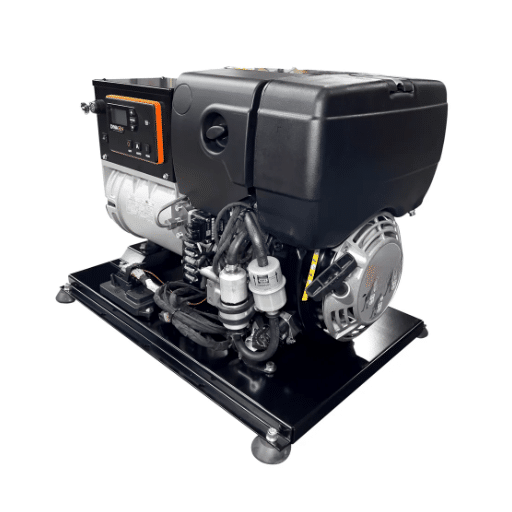
Generators are electric devices that transform mechanical energy into electrical energy, predominantly with the help of electromagnetic induction. They are employed across the different industry fields, varying from domestic use to satisfying the diverse critical needs. Voltage regulation regarding generators ensures that the generator continuously maintains its voltage output steady, even though the system loads or the input varies, which is attainable through devices like automatic voltage regulators (AVRs), which control the excitation voltage of the generator to make the output stable. An effective voltage regulation results in the correct function of the system, does not harm the mechanism through which the power has to travel, and enhances the overall efficiency of the power system.
What is a Generator?
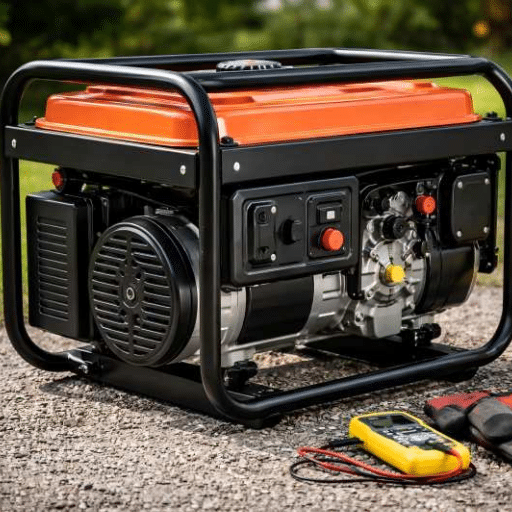
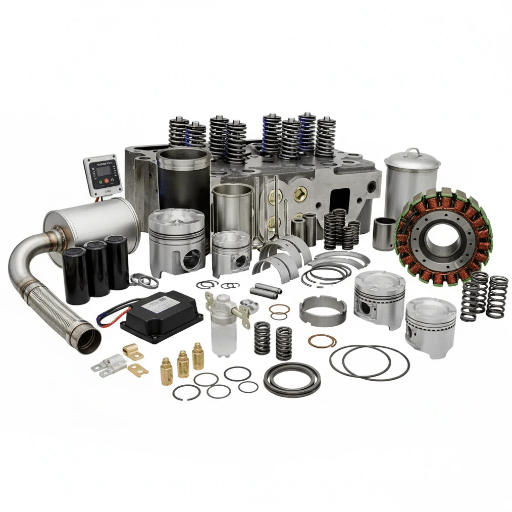
A generator, in its simplest form, is an electrical device commonly employed in the conversion of mechanical energy into electrical energy via electromagnetic induction. It usually emanates as a motionless prime mover, either in an internal combustion engine, a steam turbine, or a water wheel. A generator is composed of two main parts- the rotor (or armature), and the stator, which are the key parts responsible for electric current generation.
As the armature’s motion relative to the stator also causes the flux change in the stator winding, electromotive force is generated in the stator windings. The motors are highly functional and are found in a wide range of use from a residential, domestic, and commercial electric supply to as complex as a grid systems for emergency situations. The rise of sophistication has seen to the incorporation of technology in the production of voltage which has a throttle control system to eliminate noise as well as other unnecessary discomforts, making it possible for the users to obtain the current in uniform and stead manner. There are also more advanced generators that can be well fitted as backup for renewable energies in different use conditions.
Understanding Voltage Regulation
Voltage regulation is a most important feature of the generators as it suggests an amount of stability to the generation of electricity. Another practical application of the voltage regulator exists to stabilize the generator output voltage so that it does not go above or below the set reference level, despite changes in the loading or operating conditions. This control characteristic is then modified through variation in the excitation output which provides control action to the magnetic field in the generator alternator.
There are mainly two categories of voltage regulators usually used in respective to generators – electronic and mechanical voltage regulators. The traditional mechanical regulators used for controlling the voltage are the old-school ones, and they use factors like physical springs and levers, but nevertheless, the newly developed electronic regulators depend on the weird scientific concepts of circuitry, hence offering more performance and efficiency. With respect to the growing need to maintain power quality in communications equipment and to tie such equipment to an electric grid, electronic voltage regulators have become the most common choice.
The integration of new techniques into voltage regulation has also seen an improvement in some aspects, such as quicker onset and release times, among them, lower levels of harmonic content, as well as the use of state-of-the-art monitoring devices. For example, in some up-market generators, there are also what are known as Automatic Voltage Regulators (AVRs) with the ability to adjust their mode of operation so as to take into account relevant factors and this ensures that quality is maintained at the load terminals for both protected facilities as well as possibly the operation of such facilities which are very sensitive in nature.
Types of Generators: Automatic vs Manual
| Parameter | Automatic Generators | Manual Generators |
|---|---|---|
| Start Mechanism | Automatic start upon power outage | Requires manual start intervention |
| Use Case | Ideal for critical infrastructure | Suitable for small-scale applications |
| Monitoring Systems | Equipped with advanced sensors | Basic or no monitoring features |
| Maintenance Requirements | Automates diagnostics, less frequent | User-dependent, more frequent |
| Cost | Higher initial investment | Lower initial cost |
| Efficiency | Optimized via system controls | Dependent on manual operation |
| Reliability in Emergencies | High due to instant activation | Delays due to manual activation |
| Power Output Control | Adaptive adjustments supported | Fixed settings, limited flexibility |
| Installation Complexity | Requires professional setup | Relatively simple installation |
| Primary Users | Industrial and large facilities | Residential and small businesses |
Automatic Voltage Regulators (AVR)

Automated Voltage regulating controllers as a device often undertake task of maintaining and regulating the voltage level of an external power source or component at the desired level. The device aims to prevent any voltage fluctuation within the system by adjusting the excitation of the generator or transformer which is automatically affected by the load or power variations. This way, it reduces the risk of voltage saturation, ensures that the connected equipment is not damaged by waves, and increases the system’s overall efficiency. AVRs are a key component in ensuring continuous and reliable power generation, especially for installations that require unfluctuating voltage, such as most industries and critical infrastructure.
How AVRs Work
Automatic voltage regulator (AVR) serves mainly as a part of the mechanisms that perform protection and control. It performs the regulation of the generator output voltage or transformer output voltage. It is equipped with voltage sensing circuits. The AVR continuously observes the output voltage from the generator or transformer. When the AVR perceives any change in the voltage that is greater or lesser than the targeted voltage, it will compensate accordingly. The AVR compensatory action is exexcuted through the control system which manipulate
Today’s AVRs are provided with many facilities and functions that are generally included with monitoring any systems or reticular protective system. Indeed, it produces a load voltage regulation system so as to maintain the stability of the output voltage with changing loading conditions and accessories guarding the AVR, such as overvoltage and undervoltage relays, CTS, and distance protection. Use of digital technology, depending on the level chosen, facilitates more accurate operation, more diagnostics and minimal operational costs in terms of remote management systems supporting in situ repair and operation, essential technology in operation of modern power systems.
Benefits of Using an AVR in Generators
1. Voltage Stability
The AVR gurantees stable voltage output from the generator even if there is change in load and position. This operation makes it impossible for sensitive electrical equipment connected to the generator to get hurt as they will work uninterrupted.
2. Enhanced Efficiency
The use of the AVR system ensures the use of energy where it is necessary and avoids the wastage of power. This results to low level of emission and maintenance costs on account of less fuel consumption.
3. Protection Against Electrical Disturbances
The AVR is so designed to serve a purpose which is to reduce the excessive voltages and any other transient disturbances that arise, that distress the equipment which the generator leads into. This may help in protecting certain equipments such as transformers and motors, as it helps in enhancing their usage time.
4. Improved Load Handling
Generators powered by an automatic voltage regulator (AVR) can be able to handle the unwanted situations more smoothly. The AVR automatically tunes the output voltage to match the load requirement, eliminating the chances of voltage sags or power spikes in critical applications.
5. Compatibility with Digital Control Systems
Digitally-enhanced AVRs are convenient to use because they function as analytics, monitoring, and controlling elements for advanced generator monitoring and control systems. Such an arrangement ensures that maintenance and operations of the equipment are done with more information in hand.
6. Reduced Harmonic Distortion
VARs facilitate reducing the overall harmonic distortion within the electrical output, especially in applications where electronic control systems are to be operated. This assists in the protection of information and also avoids the heating effect in the electronic devices attached to the system.
Common Issues with Automatic Voltage Regulators
1. Failure of Internal Components
Automatic Voltage Regulators (AVR) are known to have certain shortcomings one of such problems includes the malfunction of the elements of the regulator primarily capacitors, resistors or diodes. These malfunctions may be caused by such reasons as too high temperatures, never or having done a little ventilation and or long withstand of electrical over-voltage which may result in fluctuations in the voltage output or complete shutdown of the system.
2. Voltage Instability
Challenge with maintaining a steady output voltage can be experienced by AVR firsthand under certain circumstances. Such instances are common in areas where the main power supply is not stable or frequent power interruptions are conducted and hence causes a lot of strain to the device and its peripherals.
3. Overheating
One of the major reasons of concern is when the AVR is used under conditions of constant heavy loads or in cases where all the necessary air flow is not provided, which can easily lead to the AVR overheating over a long period of time. Very high temperatures can harm such elements as the insulation, and nip other consumable parts in the bud, leading to a marked decrease in efficiency and life of the apparatus.
4. Incorrect Sizing and Overloading
Usually, when there is incompatibility between the size of the AVR and the corresponding requirements of the user, there is too much to be desired in terms of performance. For example, incorrect setting of VR’s may automatically result in breakdown, regardless of whether any equipment or further services are going to be provided.
5. Malfunctioning Sensors
Voltage and load monitoring sensors that are incorporated in the AVR can suffer deterioration or malfunction because of aging of the components, wear and tear or poor workmanship. This inappropriate voltage regulation leads to possible damage to the integrated voltage regulator and the devices working at a lower level.
6. Aging and Wear of Mechanical Components
In case of electromechanical AVRs, the units are enriched in moving elements, which in due course are subject to wear, mainly brushes and slip rings. And this wear often leads to breaks in contact, eventual breakdown of the brush gear flash over arching and persistent sparking all that followed by the device failure.
Manual Voltage Regulator Generators

Manual control systems necessitate active intervention so as to maintain the set voltage output limits each time and always ensure safe and efficient operation of the generator. These setters, unlike the automatic ones, do not take settings realizing the load changes or changes of input voltage to account. It is also the responsibility of the operator to keep checking the instrument design for any deviations and addressing them in time. They may be easy to handle and less dependent on many electronic devices, but they definitely call for a highly skilled and knowledgeable operator who can experience some significant incidents of voltage control challenges in situations needing quick and accurate regulation of power.
Understanding Manual Voltage Regulation
Traditional, manually-controlled voltage regulation relies heavily on a set of basic but key processes and components engineered for handling and rectifying electrical power systems. Most importantly, these features are made of transformers, variacs, and voltage gauges. Step-down and step-up of minor and major voltages is achieved by means of transformers. In contrast, variacs are utilized for manual variation of voltages, as taps or sliders are moved, which enables greater precision adjustment of the output. As a rule, voltage gauges are present on the apparatus used to determine whether the operation of the system under discussion is to be continued or stopped in the interest of its safety.
These portions team up to keep systems high-performing in their manual settings and in those where automatic systems are neither available nor suited for use. Nevertheless, the effectiveness of human-controlled systems varies depending on the expertise and dexterity of the operator, since even slight inaccuracies in setting may contribute to related inefficiencies or equipment destruction. Consequently, it is essential to be well versed in the function of these parts in order to achieve the smooth operation of the system in line with the change of voltage in the system from time to time.
Benefits of Manual Regulators Generators
1. Customizable Voltage Adjustment
There is also the aspect of how the manual regulators come in handy in allowing tuning of voltage to a point, especially where there is an intrinsic need to keep to set limits. The applicable changes may emphasize the requirements of the delicate equipment or the changes in the load being carried by the system over time.
2. Enhanced System Control
Given the way that humanity is made, electronic systems have some disadvantages in that they are extremely automated and based on relative rigidity, which may not be favorable to real-time responsiveness in critical system situations such as testing and maintenance procedures.
3. Cost Efficiency in Low-Scale Operations
Manual actuators can be very useful in the case of smaller plan operations or facilities with relatively consistent and limited (within limits) space of acceptable errors in usage because costs of automation easily escalate. This means that operators can use such systems at lower cost but high quality in service delivery
4. Lower Maintenance Requirements
If reinforced manual systems also reduce the number of things that go wrong, whether they are overused, or if people keep on tampering with them, the effect upon repair is also lessened. Also, they can be long-living given proper sensitivity and proper setup (indices are key), to the point that systems can go for long periods without being turned off.
5. Improved Fault Isolation Capabilities
While evidence that manual operators are more effective is scarce, their attention, coupled with visual and operational cues, enables them to notice various disturbances much more quickly. With high application, this advantage is highly appreciated especially in some industries such as power generation or manufacturing, where the dimensions are critical.
6. Resilience in Non-Automated Environments
Manual means of generating speeds are particularly suitable for configurations where it is not expedient to employ automatic control or where such a control does not exist – a typical scenario with rural installations or for countries with poor electricity systems. This is due to the ease in configuration of these generators, and coupled with anthracite, makes them operate effectively in numerous states.
Maintenance Requirements for Manual Regulators
For various applications to maintain their longevity, service of manual regulators is essential. Regular assessments are necessary to ensure to examine physical state of components like the knobs, wires, joins for degradation, rust or other failure conditions. Manual regulators also have to be calibrated at intervals because they lose their voltage control, regulation precision with time hence adjustment has to be performed regularly to correct any changes that would have occurred. Varying settings for example discrepancies and shifts leads to uneconomic or most likely overload of the equipment in the downstream section.
Whenever a machine is operated and there is friction, it is necessary to lubricate moving parts if prevention of wear is to be achieved. Besides, the conditions of temperature, moisture content and vibration intensify the speed at which the parts become inefficient. They will then need to be used only where their operating conditions can be guaranteed. It is also necessary to disinfect the device so that it is free from any dust and dirt, which clog up the device and make it not work.
Comparative Analysis: Automatic vs Manual Voltage Regulators

Automatic Voltage Regulators, commonly referred to as AVRs, are designed to maintain a stable voltage supply without the unnecessary fuss from human intervention. These apparatuses work by continuously monitoring the output voltage levels and adjusting accordingly to ensure stable power, safeguard expensive equipment from destruction due to excessive or low voltage. They are suitable for applications where loads are subjected to abrupt changes within short periods of time as is commonly realized in industries or large power distribution complexes.
Different from automatic voltage regulators, manual type ones are easy to use and control. But the main advantage of manual type AVRS that comes up against some practical issues, is the absence of automatic regulation of the voltage increase and decrease in the downstream side of power line as well as rapid adjustment of voltage utilizing such characteristics that generation interval of voltage.
Cost-Effectiveness of AVRs vs Manual Regulators
Economic competition between operators using Automatic Voltage Regulators (AVRs) and those resorting to manual voltage regulators should not only take into account the first costs, but also the long term benefits in terms of effectiveness. The initial cost of AVRs is usually higher than in the case of manual regulators due to the advanced technological services, such as the availability of features like a microcontroller-based monitoring system, automatic regulation mechanisms, and failure protection devices, etc.
Organizations have to look at their own situations to decide which one of those options that are out there factors in to be the most cost-effective. For the purposes of systems focussed in industrial, military, and in some cases sophisticated civil infrastructure, precision and fast response rates to changes are usually more pronounced and in such cases, AVRs more sustainable. While at other times, such as warehouse and factory applications, where utilization might not be as expansive, and the operability is not expected to fluctuate much, manual voltage regulators may be included as one of the feasible options that is cost-effective.
Ideal Use Cases for Automatic and Manual Voltage Regulators
Automatic Voltage Regulators (AVRs) are designed to be used in places where voltage stability is crucial, for example, a hospital, a data storage facility, a production plant, a computer facility, etc. Such settings require changing the voltage instantaneously in order for power to be stable and equipment not to be destroyed. Unpredictable loadings at higher levels and unstable grid situations are innovations that allow AVRs to operate accurately without any manual adjustments. Attendant use of this equipment also secures efficiency of the generator reactions and prolongs the equipment’s service life when damage is controlled and minimized, including level transitions and/or extreme rises and falls in the power.
In contrast, normally, those settings that exhibit time virtually constant heat loads prefer manual voltage regulators, as they cool the needs or even working out of automatic systems which are considerably more critical in the mentioned situations in terms of cost. Typically, they are available in small industries, garages, and home applications, these are those power loads that are not very heavy. Techniques that are operated by hand come in handy in cases where the necessity of voltage change seldom arises and there is a simple and less intricate mode of operation.
Choosing the Right Generator Based on Your Needs

Deciding an appropriate regulator, either manual or automatic, for your generator, depends largely on the prevailing conditions of your operational system. Automatic regulators are the best for systems where voltage varies all the time or is very precise. These regulators are fitted to most machines due to their phenomenon of changing their settings and turning on to a specified voltage in case some level of adjustment is required without human intervention owing to the kind of work done such as work in hospitals or industrial areas.
However, manual regulators are recommended in fairly steady state work where voltages do not rise or fall very frequently and are considered as preferable over automatic types in such cases. They are naturally cheaper to purchase and upkeep and are also suited for smaller scale applications or those with secondary or tertiary back-up power units.
In conclusion, it is rational to consider how certain you are of power, the necessity of adjusting its level unaided, whether such automatic systems are able to bridge the gap, and the financial issues that are relevant to such decisions. Every option has an advantage, but the adequacy with which they fit the extraction priority of the organization is what calls for accurate behavior.
Factors to Consider When Selecting a Generator
1. Power Output Requirements
Compute the total wattage required to power the necessary devices, appliances, and systems during operation. Compute the wattages at runtime or while starting the equipment to avoid overload situations that might affect the capability of the generator. It might be necessary to incorporate a larger generator is there is a load requirement in workplaces.
2. Fuel Type and Availability
Compute the total wattage required to power the necessary devices, appliances, and systems during operation. Compute the wattages at runtime or while starting the equipment to avoid overload situations that might affect the capability of the generator. It might be necessary to incorporate a larger generator if there is a load requirement in workplaces.
3. Runtime and Tank Capacity
The operational requirement is also important, how long can the generator last on a full tank of fuel at fifty percent load? A proper runtime is desired in cases of prolonged power loss in remote areas or industrial use. More fuel storage capacity mostly allows for a lower fuel consumption but most probably causes an increase in the size and weight of the generator as well.
4. Startup Mechanism
The operational requirement is also important: how long can the generator last on a full tank of fuel at 50% load? A proper runtime is desired in cases of prolonged power loss in remote areas or industrial use. More fuel storage capacity mostly allows for a lower fuel consumption but most probably causes an increase in the size and weight of the generator as well.
5. Portability vs. Stationary Units
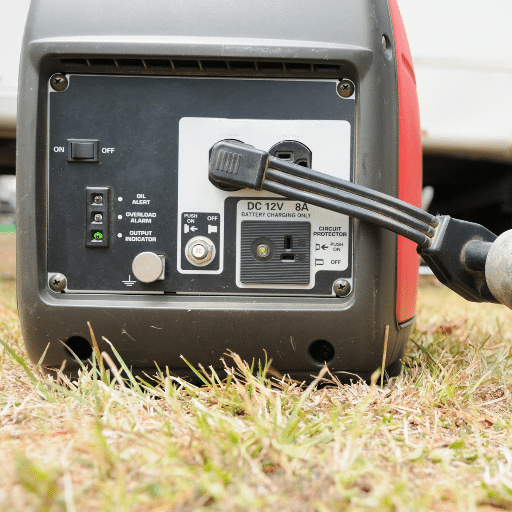
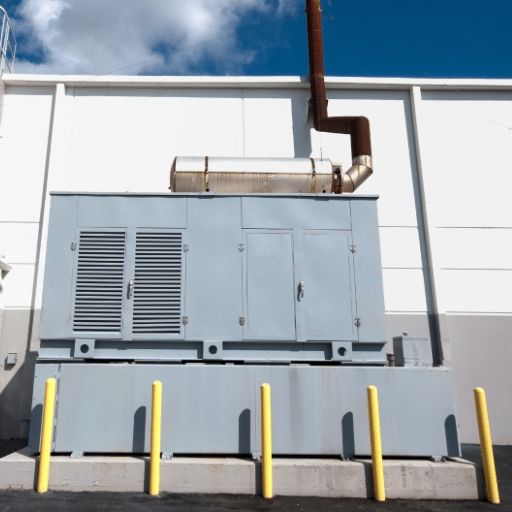
Portable electric generators are convenient for jobs that will take you a few days or in situations where there is a need for a temporary power source, while industrial-grade generators are meant for huge bodies and long lifespan use. Consider the amount of space and the location where you intend to install in case you go for a fixed model.
6. Noise Levels
Laws in your region or in the company where you work also need to be taken care of when picking the generator set. The operation should conform to the decibel levels of the generator operation including ensuring that the present laws are followed as well as ensuring a friendly working environment.
Reliable Power Solutions: Making the Right Choice
The energy needs determine the correct selection of the energy source. These requirements are estimated as the total power that back-up devices and facilities use, considering extra watts for devices with significant start-up power. Home use system might require a generator with power of 5,000 to 10, 000 watt while most corporate system may not operate without 20,000 watts and above generators. You can also use a load calculator or talk to an electrical engineer on the strength characteristics of your load.
Most of the new or advanced power generators are presented in various fuels’ types for example diesel, natural gas, propane, and bi-fuel engines. In such face, these diesels are mostly preferred due to diesel engines’ efficiency and convenience along with their high maintenance load capacities. It should be noted that while natural gas and propane do have lower emissions and require less refilling, access to fuel might be a challenge bearing one’s location and infrastructure in mind. Also, when there is a need to optimally use the generator while minimizing on cost, your decision can be influenced by the fuel consumption rates.
Progress in technology makes everything easier and has a feature that no human can resist as far as enhancing capability of the machine is concerned. Conventional generators are suitable and dependable only if they have automatic transfer switches, so that when the power goes out, they just engage on their own, with no real hustle to do that manually. Additionally, smart technologies, such as cell phone applications for surveillance and repair, enhance the availability of local generators. In particular, emphasis should be placed on the choice of a system where overload protection and voltage control are available to prevent damage to expensive and sensitive electronic devices.
Reference Sources
- IEEE Xplore
Title: Automatic Voltage Regulator
URL: IEEE Xplore - IEEE Xplore
Title: Design, Analysis, and Comparison of Automatic Flux Regulator With Automatic Voltage Regulator-Based Generation System for DC Marine Vessels
URL: IEEE Xplore