

One has to carefully weigh the differences between the backup and prime power generators in order to find the most suitable one for your power needs. The dissimilarities of the two generator types come out in a very obvious way, and usually, they are not at all the same. There can be a situation where one has to supply power continuously to a far-off mine or to a data center with no power interruption; in these cases, the choice of the generator type will have a noticeable impact on the efficiency, reliability, and total cost. This article is all about a comprehensive comparison between backup and prime power generators, showing their unique functions, and providing information about the applications and the key elements that could help you evaluate the product before buying it. By the time you are done with reading, you will be much better placed to decide which product fits most with your particular demands.
Brief Overview of Generators

Electric generators are essentially machines that are designed to convert the mechanical power passed through the engine to electric power, thereby offering a steady power supply in case of any blackouts or in places where the grid is not available. The operations of the machines are made possible due to the principle of electromagnetic induction. The rotor is set in motion by the engine in a magnetic field leading to electricity production.
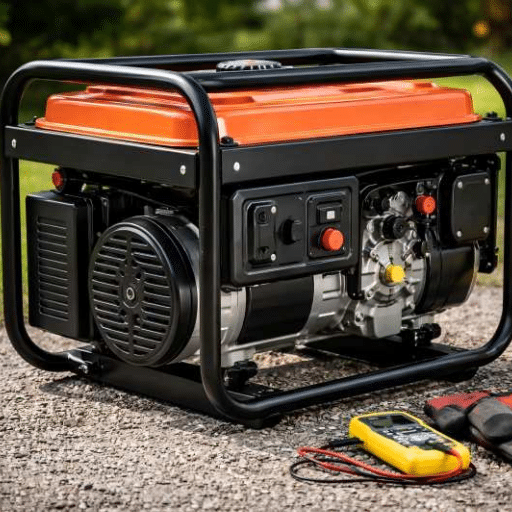
There are basically two main categories of machines that are used based on their application namely; the backup and the prime power generators. Those which are labeled as backup are deployed in order to provide temporary and uncertain power during the time of a black grid but are mainly used in homes or emergencies. On the other hand, the prime power generators are the ones that provide a continuous supply of electricity for long periods, generally in remote areas and in industrial plants. Being able to differentiate between these two is the major factor which will contribute the most to selecting the most suitable genset to meet a particular power need.
What is a Generator?
A generator is an appliance which transforms mechanical energy into electricity of various applications. This mechanical energy usually comes from sources like internal combustion engines, turbines, or wind systems. The conversion process works on the principal of the electromagnetic induction, where the conductor moving in the magnetic field makes an electrical current. Generators are key in cases where the electricity from the grid is not available or it is even unstable such as the ones in building sites, post-disaster relief areas, or in rural places where there is lack of infrastructure. The performance and output power of a generator take forms and are determined by the design, fuel type, and the target use. Also, modern generator technologies have paved the way for better fuel economy as well as less noise production, and environmental impact, hence, making them a must-have for all and sundry either for business or home use.
Types of Generators: Standby vs Prime Power
| Feature | Standby/Backup Generator | Prime Power Generator |
|---|---|---|
| Purpose | Backup during power outages | Continuous operation, extended duration |
| Operating Hours | Limited, during emergencies only | Continuous for long periods |
| Fuel Efficiency | Optimized for intermittent use | High fuel efficiency for long-term use |
| Application | Residential, commercial backup | Construction, mining, remote operations |
| Cost | Lower initial cost | Higher due to robust design |
| Load Handling | Handles variable, infrequent load | Handles constant, heavy load |
| Maintenance Frequency | Lower, infrequent use-driven | Frequent due to continuous operation |
| Power Fluctuation Tolerance | Limited | High |
| Environmental Suitability | For short-term environmental needs | Suitable for harsh environments |
| Availability | More commonly available | Specialized, fewer options available |
Applications of Generators in Various Industries
1Healthcare
When there is a power outage, the ventilators, surgical devices, and refrigeration units for medicine storage and other essential equipment in hospitals and medical facilities are provided power by the backup generators that the facilities have. It has been reported that almost two-thirds of the hospitals in the United States use high-capacity generators to prevent power outages from causing any interruption in life-critical services.
2Construction
It is rare for construction sites to be connected to the main power grid; hence, generators are the only solution to the demand for power. Portable generators are typically used with power tools, lighting, and heavy machines for work. The construction industry is the buyer of almost a quarter of the portable gensets sold globally.
3Manufacturing
Industrial-grade generators are being used by manufacturing plants to maintain continuous productions during grid crashes. Generators are the ones saving energy-intensive sectors like automotive and electronics manufacturing from the losses caused by downtime, whether financial or operational. According to surveys, so many facilities were found to have standby systems whose capacities go beyond 1 MW.
4Data Centers
Data centers have become a part of the exponential growth of digital infrastructure. Over time, the reliance on uninterruptible power supplies (UPS) and backup power for these facilities has become more and more significant. These systems are there to make sure that the critical servers and hardware are fully supported and that there is no data loss or service interruption. The global job market involving diesel generators in data centers is anticipated to be up by 6.5% per annum until 2030.
5Agriculture
Generators are used for irrigation systems, grain dryers, and cold storage facilities in farming. It is a must for the agricultural sector to have reliable power backup situations as the agricultural process is intensely season and weather-dependent. Generators that are specifically built for off-grid and remote terrains are in high demand.
6Retail and Hospitality
Emergency generators are necessary for retail shops, shopping centers, and restaurants that have hotels, to make sure that customer care operations go on during power outages. According to reports, the major hotel chains rely on generators not just for the sake of power supply, but also for HVAC and for the safety system of the guests.
Understanding Backup Power Generators

Backup power generators can effectively fall into three main categories when characterized by the fuel source and the operation manner:
1Diesel Generators
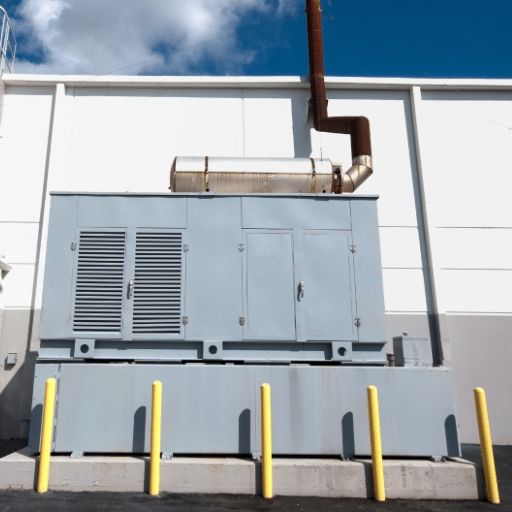
Diesel generators are so strong and effective that they remain the most widely used types for providing a backup power supply. They are heavy-duty, reliable and can work for short-term as well as long-term. This makes Diesel generators perfect for industrial, agricultural, and commercial applications.
2Gas-Powered Generators
Gas generators are the next in the line. They are considered as environment-friendly, producing fewer emissions compared to diesel generators and being able to be connected to the natural gas pipelines. These items are mostly used in residential and small-scale commercial areas.
3Portable Generators
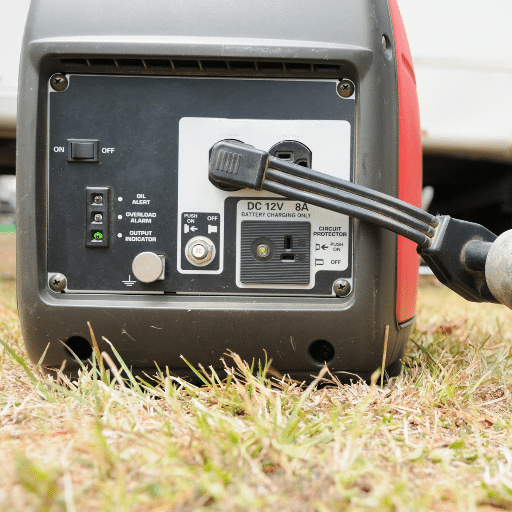
They operate on gasoline as fuel and are characterized by their low noise, compact size, and mobility. Users like them since they can immediately power on with no refueling time and also be taken from one place to another, i.e., they are not limited to one location each time.
Definition and Functionality of Backup Generators
Backup generator is a device that is designed and made to be utilized in times when the main power source fails to supply electricity. Such systems, in general, work by transforming mechanical power, which is usually provided by an internal combustion engine, into electrical one with the help of an alternator. Designed to be dependable, the backup generators are equipped with the new transfer switches that are capable of automatically sizing up power outage, thus making it easy for the main grid to be replaced by the generator-powered electricity.
The capability of modern generators to operate with the grid without outage and to be used in conjunction with data centers has made them an indispensable cog in the wheel for network reliability. Thanks to UPS batteries or other on-site generators, power failures at hospitals, for example, can be devastating to all critical care and life support systems such as operating room power, ventilators, and dialysis machines. Aside from lives lost due to carelessness or equipment failures compromising human welfare when systems are not maintained properly, there are costs of the patient care that will double if this situation persists and their condition deteriorates from increased suffering or more severe diseases such as cancer.
Key Features of Standby Generators
-
Automatic Transfer Switch (ATS)
The transfer switch that is controlled by its own circuit is the integral part of the standby power generator sets. It senses right away the power outage and instantly shifts the electrical load from the main utility supply to the generator in a matter of seconds thus providing a smooth power supply. The majority of ATSs can meet the requirement of responding to power loss within 10-30 seconds caused by the factors that are most common by the industry standards.
-
High Fuel Efficiency
Modern standby generators are made to be very fuel-efficient, by means of state-of-the-art engine technology which not only eliminates fuel wastage but also makes the machine very economical. Diesel generators, for example, may run at a rate of up to 35% thermal efficiency, whereas the natural gas models can fit with the already existing fuel supply system, hence can be run continuously.
-
Scalability and Power Range
Generators that are kept ready to be operated are present in a wide variety of power capacities, ranging from 7-10kW, which are small in size for home purposes, to giant-sized ones with power output capacities of more than 2000 kW for huge industrial operations. So, this makes them universal in such a way that they can be used in any industry.
-
Noise Reduction Technology
On the other hand, super quiet enclosures and exhaust systems which are there for the peak performance of the generator, make a huge reduction in the noise level in the operation. In fact, rather than using negative language, one could say that there are operations out there as low as 50-60 dB, so you may say that such operations are possible in noise-sensitive places such as hospitals and residential areas.
-
Weather Durability
Designed to survive unfriendly environments, lots of the engines embrace promptly damped housings, steel structures built better than regular, and top-quality coatings to safeguard against rain, snow, and extreme temperatures. The quality of the designs is such that the machines will surely run well even in tough climates.
-
Remote Monitoring and Diagnostics
Ingeniously designed control panels, along with IoT-powered systems in the current generators, have enabled the holistic monitoring of essential parameters with ease, including fuel levels, load conditions, and fault alerts. The system has an added advantage of real-time diagnostics which aids in maintenance efficiency, thus, leading to the reduction of the idle time through early servicing.
Exploring Prime Power Generators

The purpose of prime power generators is that of supporting various applications that need a steady and long power supply. With the help of these machines, the potential demand for electric power is naturally fulfilled in places such as remote areas and construction sites or through primary power sources in places where there is no stable electrical grid. Unlike the engines that are just used during emergencies, prime power generators can be operated at all times and thus require maintenance on an hourly basis. The major factors that affect the prime power generators are fuel type, output power, and reliability of these machines to fulfill the needs of the user. It is essential to do regular maintenance and strictly follow the manufacturer’s guidelines in order to get the best performance and life of the system.
What is a Prime Power Generator?
Prime power generators are distinguished by their designs that are specifically made not only to produce power continuously and stably but also to last for a long period, hence, they are commonly found in critical applications where reliability and long-term operation are a must. Prime power generators which are dissimilar to emergency generators that only work during power-cuts have been created to be the only source of power in distant locations, factories and off-grid areas. The prime power generators are designed for the accommodation of any kind of demand, and at the same time, they keep on delivering power which is their main performance under different operational conditions.
Among the different technologies, electronic fuel control systems and remote monitoring are the most significant in the modern prime power generators, which are meant to reduce the amount of fuel and as a result the emissions, thus meeting the current regulatory standards. Their efficiency of operation, as well as strong construction, helps the machines take a front seat in the industries where the power being on is a thing not to be taken lightly.
Applications of Prime Power in Industry
1Mining Operations
Mining is mostly taking place in far-off areas without the availability of a steady electrical supply. Key power generators do keep the major systems like the drilling equipment, the conveyor belts, and the processing plants up and running all the time. Studies have been done, and it has been declared that the world’s almost 40% mining is powered by the diesel-operated prime power it has to offer. You can hardly find any other reason behind that than the prime power’s steadfastness and handiness.
2Oil and Gas Sector
In the case of the oil and gas industry, their operations always require the use of power systems at an exploration and production site that offers high efficiency; the majority of these sites are located offshore or in areas that are isolated. Prime power is the only option when it comes to using pumps, compressors, and refining infrastructure without any interruption. Likewise, for these applications, offshore rigs should not miss generators with a power range of 1 MW to 10 MW to meet extensive power demands and stringent safety requirements.
3Manufacturing Facilities
Large-scale manufacturing plants are the main consumers of the energy needed for their non-stop production processes to proceed. Such kind of businesses as steel, chemical, and food ones, without somehow tainted electrical energy, are not able to keep the high pace of their production, thus hampering their productivity and reducing the quality of the product. It is said that more than 25% of the world’s electricity consumption can be credited to the manufacturing sectors where prime power plants chiefly contribute to the seeming redundancy in power and the possibility of power scaling.
4Agriculture and Farming
For instance, remote agricultural operations consisting of giant farming land, the food processing stations, and even the ice-cold storage compartment are some of the examples that are very heavily dependent on prime power generators. These generators not only feed but also are the backbone of the modern farming technology network of the regions with not very reliable electricity grids. By and large, it has been shown that a little above 15% of the world’s farms do resort to off-grid power solutions; and that mainly due to the prime power systems.
5Construction Sites
Construction sites frequently will need temporary electricity, making generators operating as prime power the very vital equipment in such sites. The generators feed not only heavy-duty equipment with power but also provide lighting and power for site administrative buildings. Thus, the generators have been critical in many areas of urban and infrastructure projects where they usually have a capacity of 50-500 kW ranges that can maintain all the project activities on their timetable.
6Telecommunications Infrastructure
The communication towers and facilities that have data centers, on the other hand, are commonly located in areas that are far away from the city, or in places where there is no other source of power except for the one generated. On the other side, prime power units either way reduce the risk of a power failure disabling the network operations. An estimation was made that the telecommunication market in the whole world which amounts to about $1.8 billion yearly will continue to need steady power sources.
Comparing Backup and Prime Power Generators

Backup and prime power generators are mainly different from each other due to the purpose they are intended for and the capacity of their use. The backup generators are aimed to give power temporarily when there is no electricity from main power, which usually implies them being switched on automatically during the outages. These systems are made to be used intermittently and as a result are not liable to work for a long period of time.
The primary power generators, though, are the ones that run continuously as the main source of power, usually in places like remote areas or those with a poor electricity grid. They are tested to be more durable and can keep on working at the same load for long periods. Moreover, the prime power systems normally come with stronger parts and more efficient fuel management systems that will cater for continuous work.
Cost Analysis: Backup vs Prime Generators
In comparing the costs of backup and prime power generators, it is very important to look at both the initial expenditures and the long-term running costs. Naturally, backup systems are not expensive at the beginning because they are just for use in emergencies and so do not need the strong components of prime power systems. For illustration, the general cost of a backup generator could be from $2,000 to $10,000, which would depend on power output, brand, and installation requirements. That said, they cannot be expected to last as long under continuous use or when handling heavy loads as they are constructed in a lighter way and so, wear out faster.
Prime power generators, conversely, need more money at the beginning, usually not less than $10,000 to $50,000 for industrial-scale systems. For these machines, high-quality engineering, the latest in cooling devices, and the systems for extremely efficient fuel use have been blended to satisfy the rigors of non-stop production. While the cost to own a prime power generator might put the buyer off, most of the time they are very energy-efficient, and their maintenance costs are less due to being so strong in design. Additionally, “prime” power generators are able to efficiently manage varying power needs that helps to reduce the cost of downtime or inefficiencies with the help of the equipment.
Regarding the two types of systems, there is a significant difference in terms of the operational costs as well. The generator motors of the backup source are often made of cheaper and hence more delicate materials, which may need to be serviced quite often if they are worked beyond their capacity. On the other hand, the prime power generators are designed to be almost new all the time, thus their maintenances are very little in the long run. When it comes to making a decision between a backup and a prime power system, one should definitely think about the operation requirements which are very specific, the rate at which they are going to be used, the budget for a long period of time and even more so to get the best possible performance and the most cost effective systems at the same time.
Performance: Power Output and Efficiency
The performance of power generators largely relies on their physical appearance, fuel used and the way they operate. The new power plants are structured to provide power steadily and effectively, very often reaching almost 45% for gas-based and about 40% for the diesel-driven models according to the producer’s and model’s criteria. Power plants are set to be used without stoppages and with no significant power-load shifting, the latter being of prime importance in sectors that cannot tolerate any interruption in energy supply.
Backup generators, on the other hand, are intended for brief periods and can achieve only slightly lower efficiency when kept running for longer hours. This gets pronounced when they are not in full load, resulting in a fuel and power ratio that goes contrary because of inefficient combustion cycles. Also, the generator performance is mostly determined by the temperature of the surrounding area, the altitude above sea level where it is located, and the variability of load that it has to cater to. First-class units have been fitted with modernized technologies such as electronic governor control, and variable cooling systems to avoid overheating and to retain constant and reliable performance.
When automatic load management and real-time monitoring are among the features added, overall power usage and efficiency are still improved, hence the operators can still react to the prevailing energy demands and produce the least amount of waste. The final selection of the right generator system means the process of efficiency metric evaluation at different load levels, as well as their balancing against the operation requirements for the sake of ensuring the optimum real-world performance.
Choosing the Proper Generator

Determining the power needs and finding it with the help of a generator most beneficial to the process is the first step. Let’s check the energy requirement in total or power in watts of the critical equipment and home appliances, on peak demand. To make our choice of the fuel the one that fits our expectations best, we need to choose, in general, at least, dedication to our usage, gasoline, diesel or propane which differ in terms of availability, cost, and the environment or, we might say, in a more specific way. The last factors are also to be considered, but the narrow margin goes to the fact that you should look for an option that will give you a generator which is the most effective and robust among those currently available. Lastly, there are other aspects that are not negligible such as the noise of the generator, the ease of transportation, and the lack of time used for the setting up of the machine that might be induced by the fact that the machine has an automatic switch. In consideration of the above, one can easily get a generator that will meet their requirements at the best level by executing the steps in the right order.
Factors to Consider When Choosing a Generator
1Power Output Requirements
You should first calculate all the power consumers and devices combined to see the total wattage. The generators are usually divided into groups according to the amount of watts they can supply such as portable models (1000-8000 watts approximately) and permanent models (10000-20000 watts and over). A generator that is not powerful enough can lead to an overload, while a very high power supply may result in wastage of fuel.
2Fuel Type and Availability
Fuel sources for generators include gasoline, propane, natural gas, or diesel. Gasoline is quite easy to get but it cannot be stored for a long time. Propane is a cleaner burning fuel that can be stored for a long period, while diesel is more fuel-efficient. Natural gas may be the best choice for places with residential access to gas, but it may be inadequate for distant events. The locality of your residence should be checked for fuel availability and storage requirements before making your final decision.
3Runtime and Fuel Efficiency
Please assess the generator’s runtime at 50% and 100% loading. Increased runtimes with efficient use of fuel lessen the requirement for frequent refueling. A portable generator can be used and refueled for 6 to 12 hours straight as long as there is still gasoline in the tank, yet another type of standby generator, which is bigger in size, could easily last for days if it is linked to a diesel supply, giving its user continuous power availability.
4Portability vs. Stationary Models
Portable generators, being light and having wheels for movement, are made to be used either temporarily or in small areas. Standby generators are to be found in positions where they run their duties efficiently while another power source fails. The trade-off factor between the convenience of portability and the reliability of mounted systems is a major issue to consider when you choose your generator based on your usage.
5Noise Levels
Sound level (decibel) output is a very important factor, especially for residential use. The major part of the population is affected by portable generators that are in the range of 60-90 dB level, which is almost the same as a vacuum cleaner or a lawnmower. Select those models that have fewer noise features, like a muffler or eco-mode, to keep the place free from any noise disturbance.
6Automatic Transfer Switch (ATS)
Generators designed with an ATS are like having an always-on electricity supplier, as these units are able to automatically steer the power load to and from the generator based on the grid failure. This feature is very important for the standby generators that power the life-saving appliances, e.g., medical equipment or security systems.
Successful Generator Implementations
One key point to keep in mind is that successful generator implementations depend on detecting what power the user really needs and then fitting a detailed and well-coordinated process to the whole system, so that it functions perfectly without failure. For example, in the case of commercial establishments, like data centers, the use of generators is a must. To make sure that the operation is truly unaffected due to the electrical network failure, the generators are used in the form of a parallel system and the loads are shared in the very first place. Such industries as the health sector that cannot afford any power breakdown are increasingly heading towards the use of diesel or natural gas generators in conjunction with uninterruptible power systems (UPS). This is primarily to safeguard the very important medical equipment from being shut down, even for a very short time. In addition, the use of Internet of Things (IoT) technologies to keep an eye on generators creates new horizons and possibilities for generator makers and operators.
Reference Sources
- Electric Power Generation Technology
Read more here - Emergency Power Supply for Load Point Reliability
Read more here - Distributed Energy Resource (DER) Reliability for Backup Power
Read more here