
It is very important in relation to the choice of a generator to find out exactly the differences between the models of China and the USA. One of the big advantages of each is that they are able to meet the needs in their markets. But which to choose in the most critical areas such as performance, reliability, efficiency, and cost-effectiveness? This guide goes quite extensively over the pros and cons of Chinese and American models, thereby making it easier for you to decide between the two. Whether you are going for the high-tech, long-lasting, or economy, this paper will supply you with a full analysis that will lead you towards your decision. Let us explore the whole thing down to quality of the build and the array of features and learn from the markets they operate in.
What Are Generators and How Do They Work?
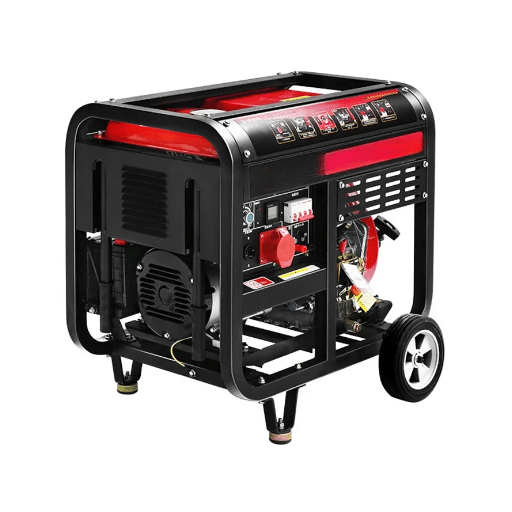
A generator is a machine that is meant to transform power stored in the form of mechanical energy into electrical energy. A generator is used mostly in situations when there is no primary power source or when it is too unstable. Generators work on the principle of electromagnetic induction, where a conductor, e.g., a coil of copper, is moved inside a magnetic field to produce the electricity. This concept is the basis for most, if not all, present-day generators, no matter what their history or manufacturer might be.
The quality of power that a generator supplies is dependent on the most important parts that are the engine (that powers mechanical energy), the alternator (that converts it into electrical energy), and the regulators that provide a constant output of voltage. Even if they have different power supplies and features, all the generators are used to do one thing, and that is to supply power that can be used without any interruptions in the power supply for various activities such as industrial, commercial, or domestic use.
Types of Generators
| Type | Fuel Source | Key Features | Best Use Case |
|---|---|---|---|
| Diesel Generator | Diesel | High efficiency, durable | Industrial and heavy-duty use |
| Gasoline Generator | Gasoline | Portable, easy to fuel | Residential and light tasks |
| Natural Gas Generator | Natural Gas | Clean burning, reliable | Continuous power supply |
| Propane Generator | Propane | Long shelf life, eco-friendly | Backup for homes and offices |
| Solar Generator | Solar Energy | Renewable, silent operation | Off-grid or eco-friendly use |
| Standby Generator | Varies (Diesel, Gas) | Automatic switching, permanent | Emergency backup for buildings |
| Portable Generator | Gasoline/Diesel | Portable, compact design | Temporary power on-the-go |
| Inverter Generator | Gasoline/Diesel | Stable current, quiet | Sensitive electronics support |
| Hybrid Generator | Multiple Fuel Options | Versatile, fuel-efficient | Adaptable across scenarios |
| Wind Generator | Wind Energy | Renewable, no emissions | Large-scale energy production |
Importance of Generators in Modern Life
Generators nowadays are very much needed as the demand for power is growing and also due to the growing global consumption of energy and it is also a solution to the infrastructure problems. Their function does not stop at emergency services; the present-day generators have become a mainstay in the industries, public services, and individual uses. The best instance is when data centers and IT facilities are needed to have a constant power supply for the sake of operational flow, thus preventing all the vital systems to be down during the power failure and their primary source is the backup generator.
The adaptation of the industry to cleaner energy resources like wind power generators, fully justifies the shift toward eco-friendly practices and the elimination of carbon dioxide pollution. Such technologies increase the grid’s strengths as well as reduce the need for fossil fuels thereby converging with the objectives of global emissions control. Further to this, generators have been observed as the most appropriate installations in such circumstances to give the people some hope for maintaining the energy supply in the areas affected by natural disasters.
Comparative Analysis of Chinese and American Generators
- Manufacturing Standards and Quality
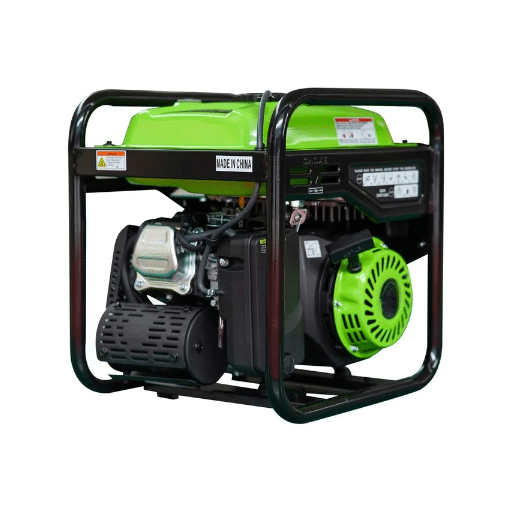
In most cases, the Chinese-made generators are more inclined to be cost-effective in their manufacturing thus giving this as an indicator of ebb and flow in the quality and durability of the generators. While the American counterparts opt for the production of the generators under more stringent conditions and, thus, are the most probable providers of long-term good performance and reliability. - Pricing and Affordability
Chinese-made generators are generally less expensive and hence, a popular option for consumers who don’t want to spend too much on them. Even though American generators are costlier, many times they make their higher price reasonable with the help of the extra features and better backing of the warranty. - Technological Advancements
American manufacturers are very good at strapping the trends of the technology and have been using quite a few in the case of generators, like remote monitoring systems and improved fuel efficiency. The Chinese generators have been constantly upgrading and gaining closeness in this regard but they are not always the ones who provide the same level of innovation. - Market Focus
Chinese producers design their products for the price-oriented, developing markets with advanced features being less important than the price ones. On the other hand, American producers are very much concerned with higher performance and, therefore, cater to the professional and industrial sectors where they often meet the specific needs. - Durability and Local Support
The majority of the American generator brands are known for their wide and professional after-sales network, the quality of the components being long-lasting and, thus, clients are always content. On the other hand, Chinese manufacturers, depending on the brand and distributor, can actually offer only a little local support and the lifetime of the service may as well be shorter.
Build Quality and Durability
The comparison of the quality of construction and the resilience of Chinese and American generators highlights a number of revealing details. The American generators are usually made of high-quality components with an emphasis on being robust and delivering stable working even under the most difficult conditions. They are subjected to very strict quality control regulations and thus are allowed to carry the ISO 9001 and ANSI marks, which all contribute to their outstanding durability aspect.
Chinese generators, on the other hand, offer a wider range of build quality. Few high-end Chinese models have become a lot better in the last few years as they have taken on advanced engineering practices and new parts; nevertheless, many of the budget options still stay with the low-class material that is easy to wear out or to demand frequent maintenance chores. Also, most of the American products have got tough protective systems in place such as coatings that are corrosion-resistant and cooling mechanisms that are advanced.
In the end, the generator’s durability will be shaped not only by the care taken during the manufacturing process but also by the querstion of how easy and fast the parts will be in case they need to be replaced along with the lunch locations and sizes. Traditionally, American generators are the top dogs in this respect, with their tremendous after-sales services and reliable maintenance points, whereas Chinese generators have to struggle with the lack of consistent after-market support that greatly depends on the capability and the distribution of the regional dealer and the brand goodwill.
Material Durability in Different Conditions
The very quality of a generator is linked primarily to the place and the harshness of the surroundings it is used in. As an example, the generators in America without a doubt have the best construction using top-grade steel and corrosion-resistant alloys, making them ideal for the places with extreme cold and heat, even near the sea. These particular materials are chosen very frequently, their durability is highly regulated, they are also certified, which results in the industrial and commercial sectors getting quite an assured performance.
However, Chinese manufacturers tend to opt for lightweight models balanced with material quality when it comes to generators. The common practice for the models is the use of aluminum or mixed alloys. This helps reduce two main costs: metal expense and staff hand labor. On the other hand, the latter materials’ performance might be a little bit risky due to uneven quality level of the many factories producing them. However, in a protected environment like inside buildings or under mild climates, the generators made of these materials will not greatly differ from those made of steel in performance aspect.
Some superior brand names in the two regions could now bring to the market using their manufacturing technologies weather-resistant features, which included ones such as nanocoating and UV-stabilized enclosures, the latter of which serve to perform better under harsh conditions. The study based on the comparison nominated the power generators of the U. S. that comply with the regulation and give priority to the quality of the material used as the more durable choices over a longer span of time.
Performance and Fuel Efficiency

In comparing the fuel economy and output power of Chinese and American generators, it is the design priorities and technical investment that create the primary differences. It is the combustion systems that are advanced with the Americans and the engines that are highly optimized that the Americans will particularly lower their fuel consumption per kilowatt-hour and the American generators most often deservedly behave excellently in terms of fuel economy. Conversely, though, Chinese ones are less efficient than their American counterparts but their main concern is to make them more affordable and easier to maintain, which is a big plus in the eyes of certain users.
Performance can also different because of output consistency and lifespan. The U. S. generators typically get better marks for being under extremely heavy loads over a long period of time. This is due to their very strict quality assurance and standard requirements. In China, the generators are not Energy Star rated to be fitted for the US market. Thus, the possible reason for the heavy flows in output or the short operational lifespans might be because there are so many less-durable components used in the generators. The approximate transition from one type to the other depends on the specific terms of the demand, as well as the budget and the needs of the future being documented here or there.
Fuel Types Used in Generators
| Fuel Type | Description | Advantages | Disadvantages | Common Applications |
|---|---|---|---|---|
| Diesel | Derived from petroleum; widely used | High efficiency, long lifespan | Higher emissions, noisy operation | Industrial, heavy-duty applications |
| Gasoline | Widely available, lightweight fuel | Easy to obtain, portable | Higher cost, shorter lifespan | Small, portable generators |
| Natural Gas | Gaseous fossil fuel, piped or stored | Clean-burning, cost-effective | Requires supply infrastructure | Fixed, residential power |
| Propane (LPG) | Stored as liquid in pressurized tanks | Long shelf life, clean-burning | Requires storage, less efficient | Backup systems, remote areas |
| Solar | Uses photovoltaic panels for energy | Renewable, no emissions | High upfront cost, weather-dependent | Off-grid, eco-friendly usage |
| Biogas | Produced from organic waste decomposition | Renewable, reduces waste | Limited availability, infrastructure | Sustainable energy solutions |
| Hydrogen | Combusted or used in fuel cells | Zero emissions, high efficiency | Expensive, limited infrastructure | Emerging clean energy applications |
Comparative Fuel Efficiency: Chinese vs. American Models
A lot of other features need to be taken into account like the user interests, prices of fuel, oil and eco-friendly products, regulations controlling these and/or in favor of fuels and electricity. Still, the result of that is that the electric cars will be the future leaders in this industry, the main reason being the vehicle driving range/autonomy that is no longer an issue for electric cars.
Even though the main electric vehicle market players Tesla and Ford also advocate for the use of eco-friendly and energy efficient models, the market still has a lot of gasoline and diesel generators which are big and not fuel efficient. Tesla’s Model 3 is mainly known for its long driving distance and splendid fuel efficiency in the American market, the latter being enhanced due to the fact that it can reach up to 4 miles/kWh. On the other hand, however, the U. S. industries still have weak points in current gas and diesel, although an effort is being made to bolster these with the electrification of the drive train – the aspects of product reliability and the systems’ operating cost being the most impactful factors.
Even though both countries are at the forefront of the game when it comes to cleaner tech, it can be said that presently the Chinese automotive sector is neck to neck with the U. S. in terms of fuel efficiency. They are doing so through the widely spread-out investments in the electric-powered platforms and, their very tough laws about energy efficiency. The U. S.’s automotive sector is simply reflecting the consumers’ wish for big and traditional cars and also at the same time going forward in the electric vehicle(EV) scene revolution.
Performance Metrics: Output and Reliability
Modern automotive engineering takes into account a lot of factors when it comes to performance metrics for the outputs and the reliability, such as engine durability, drivetrain efficiency, and overall system longevity. Chinese electric vehicle (EV) manufacturers made a lot of progress, and now the uptime percentages of many models are very competitive as a result of manufacturing processes that are highly streamlined and battery designs that are very advanced. For example, the recent breakthroughs in lithium-ion and solid-state battery technologies brought to the market higher energy densities and better charge/discharge cycles, and, consequently, increased reliability over the years.
On the other hand, American manufacturers continue to focus on the specification of high-power engines and strong towing capability as the main features in their internal combustion engine (ICE) vehicles. Yet, these manufacturers’ EVs, which are the most popular with Tesla and Rivian leading the way, are setting new performance standards in the powertrain, with the ultimate power outputs frequently being over 1,000 horsepowers for sporty applications. The reliability tests not only show fewer driveline issues but also reveal longer service periods, which could be credited to the fewer moving components in the electric motor compared to the ICE system.
The aforementioned countries are slated to integrate AI-powered maintenance systems through predictive diagnostics that would even more increase the reliability indicators. These systems are fed with data and as a result, fast and precise performance evaluation and even failure anticipation, the equipment failures being the main cause of the problem, are possible through the systems. This is just one of the benefits, as another one with more coherence between the two is the implementation of smart technologies over traditional mechanical ones, that is gaining over today.
Price Points and Value for Money

Chinese power generators are usually sold at a lower price point than those from the United States. The main reasons for this are cost-effective manufacturing methods and Chinese workers’ lower wages overall. Hence, Chinese-made machines are ready to win the hearts of the budget-conscious customers who just look for getting the job done and are not picky about it being pretty. Nevertheless, the downside is that they would leave the customers high and dry in terms of durability and advanced features.
American power generators are, in general, the pricier option, but, in as much, they are also the one that can be more relied on, comforted with their higher quality and luxury. The available warranties are also quite a bit longer. It is true that these machines are very often manufactured in facilities that are strictly inspected and that use the highest quality parts which is why they are the first choice of the users who prize both the power and the long-lasting nature.
To sum it all up, the preference for either of the above two varieties of generators relies entirely on the buyer’s conditions and the money being spent. Pay a low price and get the basic functionality with a Chinese generator whereas an American model offers much better reliability and value for the price in long term.
Initial Costs: Chinese vs. American Generators
One of the most important considerations when it comes to buying a generator is the initial cost, which is very different between Chinese and American models. Chinese manufacturers tend to produce more affordable machines, and their bottom-line units are usually being sold for 20 to 40% less than those of their US counterparts. This is mainly due to the decreased expenses of making and a production process that has been made more efficient. However, Chinese generators not only provide the consumer with a cheaper option but also come with limitations such as a longer pull-cord that’s harder to use and an oil drain that doesn’t completely drain the oil.
In contrast, American generators claim their share in the premium price bracket, and the starting prices are fully in accordance with using the best materials, state-of-the-art engineering, and extended warranties. To illustrate, on the American market, power generators with high capacity and the attributes of the best leading brands could be as expensive as $1000-$5000 or even more, depending on the required features and power output. This higher financial involvement is backed up by the products’ increased durability, power, and long-term operation.
Chinese generators might be considered a good choice for both individuals and businesses that only have the need for light or rare usage and want to enjoy reasonably-priced products. On the other hand, American-made generators are likely to be an attractive choice for those who demand high-quality, constant power delivered around the clock irrelevant of the price difference.
Long-Term Cost Considerations
When we calculate costs and benefits for the whole lifetime of the product, one of the most important factors is the anticipated years of effect. In comparison, it is not uncommon to hear the phrases, lower price but shorter lifespan when you are talking about the cheaper Chinese generators. Still and all, they are often just the opposite as far as the American-made generators are concerned; they are configured to last for a very long period of time, mostly using the best materials and the most advanced technology.
Apart from those up-front cost differences, the maintenance and repairs of those options is also another issue to consider. The made-in-China generators are a good example. They cost less at the beginning; however, they might be more costly if the generator needs frequent repair or even replacement parts, leading to the higher cost of this generator in the long run. While this is mostly the case with the Chinese or the American generators, the American ones, rather than the Chinese ones, are always the most likely to have the fewest problems. The warranty and the spare parts availability play a major part in the lower maintenance cost in the long run.
Taking a total cost of ownership viewpoint into consideration, the immediate cost reductions provided by the Chinese generators may in the long term be more higher from the point of expenses cumulated over the operational life. Enterprises that are highly dependent on a 24/7 power supply and uninterrupted power and whose infrastructure is mission-critical, normally see the more substantial investment in US generators to be abated by the availability of spare parts, increased productivity, along with the need for less maintenance.
Long-Term Reliability and Maintenance

The key factors that should be taken into account when making a comparison between Chinese and American generators are product quality, as well as the durability of the components and the availability of after-sales customer service. In general, the American generators are the ones that are being made from the best suppliers and, in those cases, where problems still occur, strict quality control procedures are always implemented. Because of this, the American generators last longer and their maintenance is not needed very often. Also, there are many different service centers that are closer to the end user, and the user can get the right parts and technicians in no time.
While Chinese generators are generally less expensive at the beginning, they might not have the same durability or service structure. The need for maintenance may be more complex and more available support could be less wide-ranging generally because of the fact that Chinese components are used. In contrast, the quality of Chinese machines has become a major concern for the last couple of years. They have gradually become very reliable and some top brands even offer to their customers excellent machines if proper attention and care are given.
Factors Influencing Long-Term Reliability
- Component Quality and Materials
The durability and reliability of compounds and raw materials used for the fabrication of electric power generators are interrelated. Elements like top quality metals, specifically made components that work perfectly, and protective layers, which are resistant against corrosion, are refuted the premature failure of undeniably made models. Accordingly, the copper windings, which are used in alternators, are ahead of the aluminum ones in terms of conductivity and longevity; thus, the steady performance even when used continuously is guaranteed. - Manufacturing Standards and Processes
Having a careful following of manufacturing norms is one more main factor. Apart from their being ISO features, the generators are also passed through several quality inspections and made with minimized defect generation. The latter may, for example, contain process innovations like the robot’s role in fine-tuning the products for more accurate and better product output. - Maintenance and Serviceability
Ease of acquiring routine maintenance features can give a big push for a generator’s existence. Equipment designed with modularity and simplicity of access to critical components support a low repair time and a highly effective preventive maintenance program. Moreover, the availability of top-notch replacement parts and a strong service network furthers the reliability. - Operating Conditions and Usage Patterns
The surrounding environment, like very cold or hot weather, high or low humidity places, and loads that keep changing are also important factors. Generators under the same conditions, too high or too low temperatures, or the like, and which one can’t do proper load management are subject to fast wearing out. - Technological Advancements and Monitoring
Predictive and proactive maintenance are key concepts in the new era of the IoT and their incorporation, in turn, will provide a significant boost to IoT technology even further. It is needless for anyone to stress how important it is for businesses to carefully monitor and manage their systems, but consider that the IoT goes a step further and not only reports but acts ahead of time by eliminating the causes of potential problems. Thus, the costs incurred due to downtime and all the debugging and maintenance activities are reduced to almost nothing. - Brand Reputation and Expertise
Well-established manufacturers who are experienced in the field of mechanical are usually investing considerable sums in the research and development sector to enhance the quality, performance as well as the life expectancy of the products. Their slighting ease with the new modalities of the industrial game together with really big guarantees and after-sales services give purchasers more confident deals without any reference to the high price.
Maintenance Costs Over Time
In the evaluation of equipment owning, the necessity of long-term maintenance costs cannot be overemphasized for the total cost of ownership (TCO). The frequency and complexity of necessary maintenance are usually related to both the initial engineering quality and the materials used. Good machinery is expected to be maintained less frequently because of its better build and component design which is optimized. Furthermore, the use of predictive maintenance technologies such as condition monitoring sensors and IoT-enabled diagnostics enhances the availability factor for the operator to proactively deal with wear or inefficiency leading to a great cut in unplanned repair costs.
Moreover, in this article, they put an extra emphasis on the monetary gains of switching to the predictive or preventive models rather than sticking to the reactive. Predictive systems are the frontrunners in this case and they have been backed up by AI and data analytics in many instances. Predictive systems, usually driven by Artificial Intelligence, have proved that they are the industry standard in the new era of asset management because they have brought about a notable reduction in both repair and downtime costs. Besides, it has been proved beyond doubts that these innovations are the positive impacts of the technological evolution in the sphere of maintenance strategies especially in the case of not letting the long-term maintenance budgets get out of hand while maintaining operational reliability.
Reference Sources
- Chinese to English Introductory Cover Letter Generator
Link to source - Historical and Current US Strategies for Boosting Distributed Generation (Chinese Translation)
Link to source
Frequently Asked Questions (FAQs)
How does China’s role affect Chinese vs American generator comparisons?
The rapid growth of China in the field of power plants and power generation has created new ways, such as the chinese-made diesel generator and the components for the AC that is made in China, which have affected the global market greatly. Many Chinese brands deal with the decrease in the price of power which is due to the vast difference in power ratings or the highly competitive nature of the market, and as a result, these brands have become points of attractions for power importers and contractors operating in South America and other places. The quality of Chinese-made units varies widely; therefore, both procurement and technical requirements must be scrutinized.
What should buyers consider when choosing a Chinese diesel generator?
In the event that you are doing an analysis of a Chinese diesel generator or generator set, the manufacturer’s license, warranty, and export experience should be scrutinized for meeting the local regulations. To judge the generator’s power production specification being KVA or KW, the ability to work with AC control system, and obtaining marine use certifications if the generator is to be used on a ship or for an offshore power station. Look at the price for power vs. lifecycle costs, and get the opinions of the purchasing and contractor references about the quality of the Chinese made units and the after-sales support.
How do export rules impact purchasing Chinese vs American generator equipment?
Trading policies are a key factor in transportation times, the granting of permits, and just the general freedom to export generator set parts or whole power plant machines worldwide, with China at one end and the U.S. or South America at the other end. Compliance with the stated can cause taking documents from procurement, contractor responsibility, and compulsion of certification for the usage of power stations, inflammable materials, and marine vessels. There are cases where import limits and tariffs lead to their energy end users paying more and having alternative supply sources or even moving to assemblers who work under their plant’s licenses to remain in compliance with the technical requirements.
How do generator sets from China compare to American options in terms of performance?
Generator set performance is not only a function of the origin but also of factors like design, control systems, and the quality of components, such as turbines, alternators, and AC regulators. Chinese brands usually provide excellent price points and quick development cycles, while American manufacturers might give more importance to proven reliability and having a well-established service network. Leaving kw and kva ratings to be compared with the technical requirements of the application, no matter if it is a small contractor job, a power station backup, or a full power plant supply.