
A reliable backup power source selection often ends up circling around these two main alternatives—solar power and diesel generators. Both kinds of alternatives have their advantages and disadvantages that are easily distinguishable and the right choice is mainly based on such elements as exposure to the strength of energy, money issues, environmental, and maintenance in terms of The long run This write-up is going to organize a deep comparison between solar power and diesel generators and will bring to light the efficiency, costs, sustainability, and overall practicality of the two. No matter if you are integrating an emergency preparedness plan, electrifying remote sites, or looking for the most affordable option, this tactical guide sits you with the knowledge necessary. We’re here to present the primary distinctions in the next sections and to give you the answer as to which power source actually dominates over the others in terms of your backup energy needs.
Introduction to Power Solutions
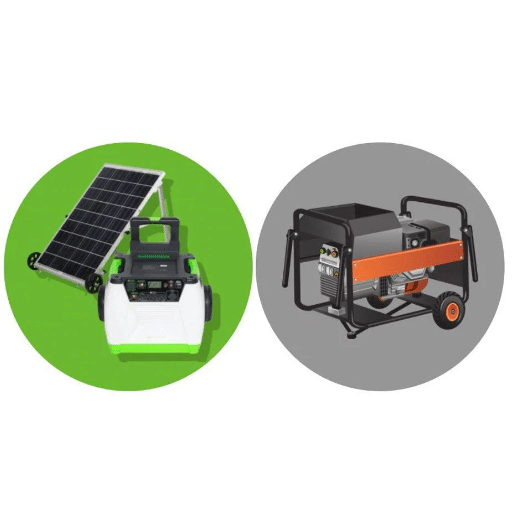
It is essential to back up the power so that the electricity is continuous and there are no outages or situations where the power grid is not reliable. The backup power solutions are very important they serve various functions like the continuity of energy supply to the businesses thus avoiding the loss of power-sensitive equipment. The solution could also be remote area power. Solar power system and diesel generators are the two most common ones among other available options having their specific advantages and limitations. The decision on the correct solution is influenced by factors such as the energy demand, the financial budget, environmental care, and maintenance requirements.
Understanding Diesel Generators
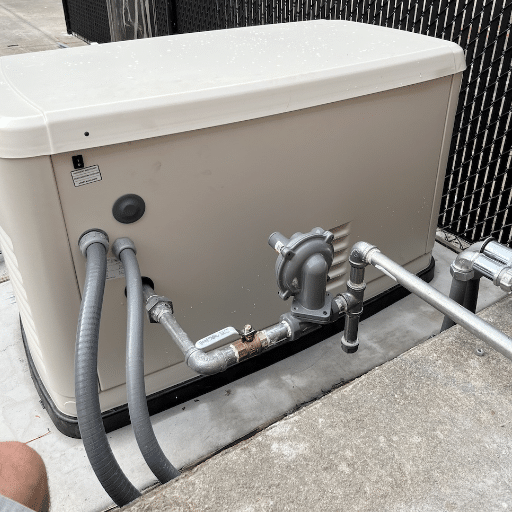
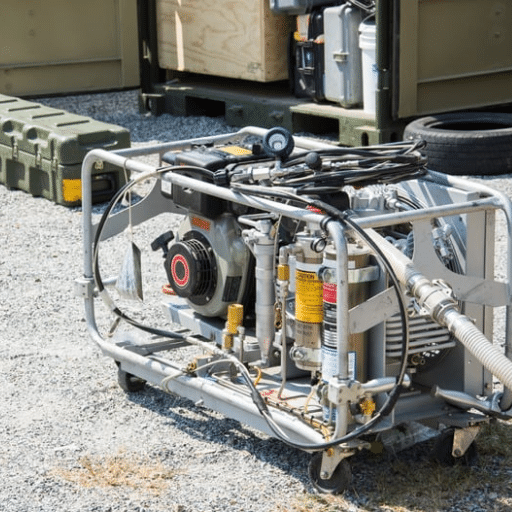
Diesel generators are machines distinguished by durability and dependability which transform diesel fuel chemical energy to electric power via an internal combustion engine and an alternator. These generators are widely used in both primary and backup power applications because they can deliver stable energy output. Contemporary diesel generators are offered in many capacities, usually as kilowatts (kW) or megawatts (MW), catering for different scale requirements from the smallest household to the largest industrial installation.
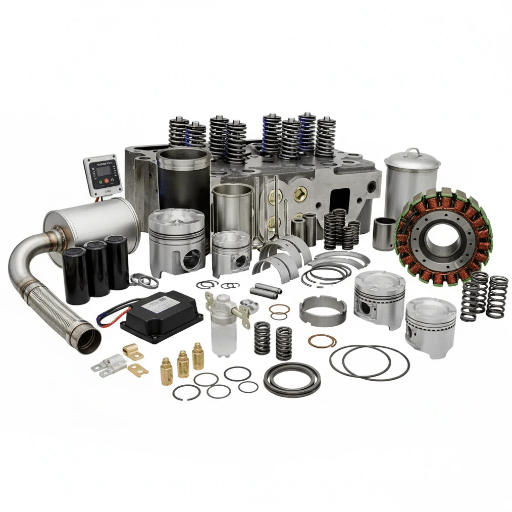
One of the primary benefits of diesel generators is their efficiency and fuel economy which are better than the gasoline-powered alternatives. Diesel engines have higher thermal efficiency and hence they use less fuel for the energy produced. Moreover, they are built to last long and always be operated, provided they receive the necessary maintenance. The most recent models often come with and even more advanced features like automatic startup systems, remote monitoring functions, and technologies that reduce emissions to meet the most demanding environmental regulations.
Overview of Solar Power Generators
The use of Solar power systems is growing significantly; it represents a more sustainable and cost-effective scenario in terms of energy production, converting solar energy into electricity using photovoltaic (PV) cells. They are also related to the use of renewable energy which means there are no greenhouse gas emissions coming from them directly while they are being operated. The technological advancements of today that have been concentrating on these systems have raised their reliability and made them more flexible and efficient. So, it has been possible to integrate storage solutions like lithium-ion batteries, and guarantee energy availability even at night or during not very sunny periods.
The former setup includes the facility’s maximum power point tracking (MPPT) for overall solar energy production optimization, as well as the intelligent inverter technology for power in a hassle-free way to the grid. Having life span usually lasting between 20 to 25 years and very low maintenance standards, solar power plants are the choice in the majority of cases with the need of conventional energy sources. Developing in recent times, it is the aspect of flexibility that the industry is in fact aiming at, thus these systems are becoming and will be more and more common and will be applied from the small residential areas to big industries.
Differences Between Diesel Generators and Solar Power Generators
| Feature | Diesel Generators | Solar Power Generators |
|---|---|---|
| Energy Source | Diesel (fossil fuel) | Solar energy (renewable) |
| Operating Cost | High fuel costs | Low, no fuel costs |
| Environmental Impact | High carbon emissions | Minimal emissions |
| Noise Level | High noise | Virtually silent |
| Maintenance Requirements | Frequent maintenance | Minimal maintenance |
| Power Generation Time | On-demand power | Power depends on sunlight |
| Installation Flexibility | Requires ventilation, larger space | Compact and versatile |
| Lifespan | 10-15 years | 20-25 years |
| Scalability | Limited scalability | High scalability |
| Efficiency | Consistent efficiency under all conditions | Weather-dependent efficiency |
| Initial Investment | Lower upfront cost | Higher upfront cost |
| Availability of Resources | Reliable diesel fuel supply | Dependent on sufficient sunlight |
| Suitability | Ideal for continuous, heavy-duty needs | Best for long-term, sustainable use |
Initial Costs of Diesel and Solar Power Generators

The starting costs for diesel generators are generally smaller in comparison to the solar power generators. Diesel generators, consequently, are ones that are installed at a lower cost level regarding the equipment and the installation. Conversely, solar power generators face the first cost that consists of the solar panels, inverters, batteries (if necessary for storage), and installation.
On the other hand, the extra cost of solar power always triggers once, and this one-time cost of the solar power may be slowly abated, depreciated, and spread over the life of the system. Diesel generators, though they have a moderate initial price—they being very expensive to begin with—have high rates of fuel consumption and require an onerous and constant procedure of maintenance. The catalyst for purchasers when choosing between these two options is the consideration of the initial budget’s limitations and the benefits of long-term operational savings and usage patterns that might be expected.
Upfront Investment in Diesel Generators
Compared to other power generation systems, the amount of the first payment the buyers will need to pay in purchasing diesel generators is low. The market has a wide range of prices for generators that run on diesel, which from can go from a couple of thousand dollars for a home-use smaller one, up to tens of thousands for the large industrial-use models. The reason that these devices have a lower price tag is that the components used in their manufacture are of a lower grade than those used in solar panels, for instance, and that they are widely used thanks to the economies of scale enjoyed by the diesel technology sector.
Moreover, the acquisition comes with further expenses, like for instance, freight, installing the unit, and the potential requirement of additional equipment like manual transfer switches or fuel tanks. Additionally, meeting the emissions and noise standards set by the industry might become another difficulty and, particularly in places with strict environmental laws, the cost for this could be high. This makes it even more critical for potential buyers to be clear/aware of all the additional costs before they buy, hence a thorough evaluation of all these factors will be very beneficial.
Costs Associated with Solar Power Installation
The basic work that comes with solar power system installation contains various costing units that have an extension beyond the main cost of solar panels only. It is mainly the cost of photovoltaic (PV) modules that constitutes a big chunk of the total expenditure and is subject to panel efficiency, manufacturer, and technology type (e.g., monocrystalline or polycrystalline) influences, although there are the costs of other materials to be considered. Such costs as feed-in tariff, administration and maintenance costs, which may increase year by year, should also be included and all quantities must be calculated using appropriate inflation rates.
Labor costs represent another key issue that includes system design, installation, and electrical work. Those costs can be different based on the local wage rates and the complexity of the project. The other thing is that permitting and inspection fees that are usually affected by the local regulations also play a role in the total expense. Besides that, homeowners have to think about the possible addition of battery storage systems, which will increase the initial investment considerably but will also result in improved energy independence and reliability.
By and large, residential solar installations for the year 2023 are in the bracket of $16,000 to $30,000 for the system size, location, and optional features being the deciding factors. The cost is not just tax credits and rebates that are available at federal, state, and local levels can significantly bring down. A good example is the federal solar Investment Tax Credit (ITC) that now makes it possible for a homeowner to deduct a 30% of the installation costs, which is a large financial stimulus for many homeowners.
Long-Term Operational Expenses of Generators

The costs of keeping diesel and solar generators running in the long term continue to be very different as their fuel and maintenance needs are worlds apart. The only thing that keeps the diesel generators going is their ongoing fuel consumption, with costs that depend on, among others, the proximity to and the current price in the market. Not only that, but further to the above-mentioned costs, one also has to pay for the provision of consumables and plant parts in addition to the labor costs for the mechanics. Apart from that, there is another of the major disadvantages of having a diesel generator; the moving components. The costs of such components are additional and, hence, are high enough to rival the energy bills.
Solar power generators, in contrast, possess low operational expenditures once they are installed initially. These generators rely on sunlight which is free and thus, it is advantageous for them in certain locations that receive plenty of sunlight to be economically feasible. Regular maintenance is done by cleaning the panels and inspecting the system to guarantee that it performs optimally. The absence of moving components in the system significantly minimizes the possibility of problems occurring mechanically, thus lowering the costs of servicing and repair. Eventually, solar systems are usually more cost-effective, especially if combined with subsidies and developments in solar technology that make them more efficient and durable at the same time.
Fuel and Maintenance Costs for Diesel Generators
Diesel generators are known to be good sources of energy that are both reliable and high in performance, but they cost a lot in terms of fuel and maintenance. Cost of diesel can vary quite a bit due to market which makes it difficult for the operations to predict the conventional way of using solid energy sources. Fuel consumption of diesel generators varies depending on the efficiency of the generator and the load demand but it is approximately 0.4 liters of fuel per kWh at the average.
Diesel generators as well as the rest of the engines should be maintained regularly with oil changes, replacement filters, and engine components inspections to ensure proper working conditions and prevent potential damage from happening. The intervals required for service may be different from one to another, but in general, they go from 250 to 500 hours of running the engine, obviously depending on the engine’s properties and the workload. Unattended problems may bring up to higher repair costs and also lower the performance in the future.
What is more, the lifecycle of diesel generators is affected by the time they are operational and the quality of maintenance they receive. On condition that these generators are well taken care of, they can work for about 10,000 to 30,000 hours. Although they have the disadvantage of consuming oil-based materials, which result in greater cost but also make them a major source of the greenhouse effect, the issue of sustainability and environmental impact is among the critical issues that need to be addressed by the application of alternative energy sources, which are less damaging.
Operational Costs of Solar Power Generators
Solar power generators offer a budget-friendly option for traditional energy systems in terms of using them over a long period. The major cost factor is the solar panels’ initial set up along with inverters and other things. Nonetheless, take away this capital and solar generators will only demand a little maintenance. Such as the example of photovoltaic panels which have a life expectancy of 25–30 years and mostly come with warranties that take care of a big part of this period unlike diesel generators; their life only depends on diesel input, along with the expenses which are recurring and also can be very high.
The evolution in solar technology has contributed impressively to the increase in energy conversion efficiency, hence supporting the optimization of cost per unit of energy over the lifetime of the system. Regular panel cleaning and the somewhat occasional inverter swap are the prevailing maintenance costs, both of which are fairly low when compared to the ongoing fossil fuel costs. Research on the total cost of ownership shows that the switch to solar energy can result in huge savings in energy expenses for many years, particularly in areas that enjoy a lot of sunlight. Generally, the above variables indicate that solar power can be considered a secure investment for the resources in the form of financial expenditure and a nature-friendly energy generation alternative.
Environmental Impact of Diesel and Solar Power Generators

The environmental side of diesel generators is quite a strong one with a great number of emissions, especially gases that cause a greenhouse effect, particles, and nitrogen oxides, and hence, these generators are major contributors to the air pollution and climate change. The primary greenhouse gas carbon dioxide comes to the atmosphere from the diesel fuel combustion process, which is also a cause of noise pollution, and the other drawbacks such as refueling and, therefore, possible fuel spills, which at the end may loosen the contamination of soil or water sources.
Compared to that, solar power stations would be inherently free of direct emissions and therefore be a greener option. Throughout the power generation process that includes no pollutant release, the primary difference in carbon footprints with diesel generators is very high. However, the process of fabricating solar panels includes material extraction and energy use the amounts of which are so high that the environmental impact is usually negated by the long operational life and the renewable energy production of the panels. Energy production via solar power systems provides a highly sustainable choice; this energy is available at reduced long-term environmental prices.
Carbon Footprint of Diesel Generators
Emissions of Diesel generators towards the air and climate change are actually very strong, with the most important factor being their dependence on the burning of fossil fuels. Induction of the diesel fuel leads to the release of carbon dioxide (CO2) among other pollutants like nitrogen oxides (NOx), particulate, and sulfur dioxide (SO2). With the most updated statistics, a diesel engine of common make and model emits around 2.68 kg of CO2 per litre of diesel used, thus being a major source of carbon emission for industries and activities that are heavily reliant on electricity continuously. The operation of these machines in cases where they are not continually used then is followed by black carbon emissions, a climate pollutant with the potential to do more harm over a shorter period of time than does CO2. The need to have more sustainable and more environmentally friendly power sources is thus imperatively recognized also in the recent heavy use of the generator activity, especially in locations where grid infrastructure is weak and thus poor.
Benefits of Solar Power for the Environment
1. Reduction in Greenhouse Gas Emissions
Solar panels are a far better alternative to fossil fuels when it comes to GHG emissions, decreasing them by a large amount. They do not release CO2 or any other poisonous gases into the air while in operation, which is not the case with traditional energy sources. For example, the US Department of Energy claims that with a usual home solar photovoltaic (PV) system, one can cut down 3 to 4 tons of CO2 yearly, which is the same as having over 100 trees.
2. Minimization of Air Pollution
Solar power is the development reducing air pollutants such as sulfur dioxide and nitrogen oxides, which are the main sources of emission by coal and gas-fired power plants. These pollutants are the causes of smog and acid rain which consequently lead to respiratory health and ecosystems. The shift to solar power not only brings about a decrease in the use of fossil fuels, but also reverses air pollution to just fractions of its previous level.
3. Decreased Dependence on Non-Renewable Resources
Solar power is a very large amount of renewable energy that comes from the sun and that is more than the whole world uses in a year, and it can do this in an hour. The use of solar power decreases the need for a continuous supply of finite fossil fuels, and the same time, it makes these resources conserved for only critically needed purposes and also secures the energy needs for the future.
4. Reduction in Water Usage
Power plants, especially the ones that burn coal, natural gas, or uranium, are large water consumers for their cooling purposes. On the contrary, solar panel systems need very little or no water to operate. A comparison made by the Union of Concerned Scientists says that solar energy systems help in saving thousands of gallons of water in a year compared to the conventional power production methods and thus making it a suitable choice for dry regions.
5. Mitigation of Land Degradation
Solar farms possess the potential to be more land-efficient by using the techniques of amalgamation between farming and solar energy production (better known as agrivoltaics). Contrary to fossil fuels that require mining and drilling which are the main polluters, solar installations are a much cleaner source of energy contributing not only to conservation of habitats but also a significant reduction in soil erosion.
6. Support for Circular Economy via Solar Panel Recycling
Even though it is not yet the prevailing trend, the solar panel recycling technology is up to par with the advancements and making the solar industry one of the key players in a circular economy. Recycling the panel materials and getting the precious metals like silicon, silver, and aluminum out of them, in turn, does not require as much raw material extraction; thus, having a new solar panel will contribute even less to the environment.
Reliability in Various Use Cases

Diesel generators have a reputation for their robustness in handling rough surroundings, where they provide uninterrupted energy and even in cases of outages, they do this via a reliable fashion. This quality enables them to be used in a variety of such places where they are the only option according to criteria like hospitals and industrial sites amongst others and in which the power usage can’t be stopped even for a single second.
Solar generators, on the other hand, provide more reliable power in areas where there is constant sunlight. They are perfect for off-the-grid areas, residential or commercial systems that want to use green energy solutions for the long term. Nonetheless, these generators work only when there is sunshine and need to be backed up by battery systems for days when the weather is cloudy or darkness.
Diesel generators are found to be better suited for high-power output immediately when compared to solar generators, which are the opposite due to their ability to supply long-term, sustainable, and stable energy. The choice of one over the other directly relates to the use case requirements including but not limited to the energy need factor, environmental matter, and operational conditions.
Residential Applications of Diesel Generators
1. Powering Essential Appliances
Diesel generators are the most commonly used power sources for the almost all essential household appliances – refrigerators, freezers, HVAC systems, and lighting. As a familiar example, a 7.5 kW diesel generator is capable of providing power to several appliances simultaneously, thus making sure the basic household functions to go on during power outages.
2. Home Offices
With the broader practice of remote working, the constant power supply has become a guaranteed desire with the purpose to maintain the productivity of the teams. Diesel generators are a means of reliable energy that helps with office equipment like computers, internet routers, and so on, thus reducing the number of interruptions in case of a blackout.
3. Emergency Situations
Providing electricity during a disaster of a natural cause or through an extreme weather situation can only be done through diesel generators making them the last resort. In these instances, the electricity could be used to charge communication devices, run medical equipment or operate water pumps. Besides, a 5 kW portable generator is sufficient to cater these emergency needs for small households.
4. Heating and Cooling Systems
Diesel generators are widely used for the purpose of providing a controlled climate during power outages, which in turn, will result in uninterrupted operation of heating systems in winter or air conditioning in summer. This is a great help for those houses located in zones with the most demanding climates.
5. Electric Vehicle Charging
Diesel generators can also indirectly support the charging of electric vehicles (EVs) at home during a blackout. A medium-sized generator, approximately 10 kW, is normally efficient in providing energy for EV battery recharging, thus avoiding any effects on the people’s daily transportation needs.
6. Outdoor and Recreational Use
A few instances in which some of the more substantial properties or countryside residences use portable diesel generators are those outdoor activities that do not have access to the primary residence’s utility power. Some of the uses consist of providing light for garden parties, setting up the sound systems, and usage of tools or equipment.
Solar Power for Home Use and Backup
Solar power is now an option for household power needs and in the same time is, in many cases, seen as a very reliable backup power source because of the development in (PV) technology and the availability of energy storage systems. Residential solar panels nowadays generally made from monocrystalline or polycrystalline silicon can be very efficient (over 20%) capturing the sunlight to make it usable electricity more than the early models. With the help of efficient inverters, these systems can provide power for the whole household, including, but not limited to, the HVAC systems and even the cars that run on power.
For the case of an electricity cut, the combination of solar installations with lithium-ion storage systems such as those represented by brands like Tesla Powerwall or LG Chem is an excellent provision to homeowners to save the day by storing the extra energy produced during the day and utilizing it at night. The amount of energy held in the battery usually ranges between 5 kWh and 15+ kWh which varies according to need, this bringing the possibility of running power for hours or even days.
Critical in the designs of today’s solar power installations are advanced energy management systems which are indeed the smartest way to enjoy using and having power without any interruptions. At the same time, with these systems monitoring energy production, consumption, and battery levels, their owners are warned about any potential issues. Solar installations can take advantage of being an environmentally friendly choice when tax incentives, grants, or rebates are offered in the regions. Additionally, this is very much a favorable option for getting energy free in the long run: you only pay a onetime cost for the installation.
Reference Sources
- Solar PV systems to eliminate or reduce the use of diesel generators at no additional cost: A case study of Lagos, Nigeria
Read more on ScienceDirect - Comparison between three off-grid hybrid systems (solar photovoltaic, diesel generator, and battery storage system) for electrification for Gwakwani village, South Africa
Read more on MDPI - Assessment of the carbon and cost savings of a combined diesel generator, solar photovoltaic, and flywheel energy storage islanded grid system
Read more on MDPI
Frequently Asked Questions (FAQs)
What are the main cost differences between a diesel generator vs solar?
Diesel generators are usually less costly than solar generators in terms of the initial investment made but more expensive than them in terms of running costs as well as maintenance. In the matter of a lifetime, the comparison of expenses sometimes may be on the side of the solar power if we take into account the saved fuel and probable governmental bonus payments. Additionally, battery storage may make the solar panel system more costly at the beginning, but at the same time it helps to increase the capability of the system to be a backup provider of electricity. So you have to also consider installation, funding, and the prediction of the prices for the total cost of ownership when you compare different systems.
How do diesel generators and solar compare in efficiency?
Diesel generators are devices that convert chemical energy into electricity with a fair thermal efficiency of 30% to 45% on an average. On the contrary, solar panels are relatively less efficient with an energy conversion range of 15% to 22% through the use of sunlight as the main source of energy. Real-life directional performance of modules, shading, inverter losses are factors that limit the overall efficiency of solar systems, while these do not have much impact on the generator plant that is normally affected by load and maintenance activities. However, a good overall system efficiency for hybrid systems can be obtained if the two sources and intelligent controls are used in combination.
Which option has a lower environmental impact: a diesel generator or a solar system?
It is possible to say that solar energy is a very eco-friendly power source and its entire life cycle greenhouse gas emissions are almost close to zero. This has the effect of making the technology produce the least possible impact on the environment; as it were, even in comparison with the ancient diesel generators. The other sedimentation of the fossil fuel-based generators is the emissions of NOx, CO2, and small particles. Even though the Life cycle of the Solar power plant is tied to the energy and materials used in the manufacturing and disposal of solar panels and batteries, this issue is usually seen as small in comparison to the ones resulting from the disuse of extended diesel.
Which is better for backup power: a diesel generator vs solar with batteries?
Diesel engines supply continuous electric power wherever you need it. The fuel-powered supply of energy has a run duration limited to the availability of fuel. Therefore, if the refueling is managed the generators will also stay online. Thus, their principal function is during extended outages. Conversely, fuel cells and battery storage that closely co-operate can produce the required electricity without any emissions and more enduring as well providing some extra added benefits. However, the power duration would still be limited by the size of the battery and the electricity generated by the grid.