
Choosing the right generator based on your power needs is typically between gas and diesel models. Of course, both have their good and bad sides, and so getting to know the distinctions between them is very important, making an informed conclusion of what to be expected. Be it that you are installing a generator at home for safety reasons in case of a blackout, a contractor who wants an energy source by the building site, or a company needing a generator as a power backup, you will find this article on the diesel and gasoline generators very useful. So from the fuel consumption and the maintenance costs to the power output and the green impact, let us help you with the tips you need to find out which suits your needs better. Do not skip and be in suspense on how the two champion types match head-to-head and which one will be the superlative choice for your very own applications.
Introduction to Diesel and Gas Generators
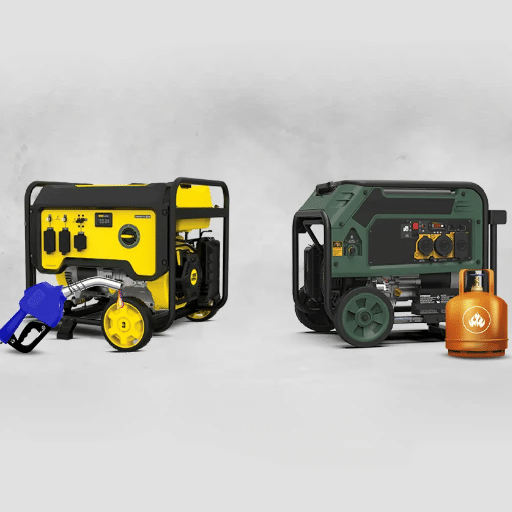
The development of diesel and gas generators has made them two of the most broadly used power sources, but still, they are two quite different technologies because of the different fuel, performance, and user requirements. Diesel engine generators are famous for their economy and tough design and are best used in scenarios that call for high power and days and nights of operation, like in factories or construction sites. When it comes to gas engine generators, on the other hand, they are mostly given priority because of their cheaper purchase rate and lesser harmful emissions which can prove to be a plus in residential and businesses with not-so-often power cuts. Actually, the choice between diesel and gas is a matter of operating expenses, environmental concerns, and the actual needs of the process itself.
Importance of Choosing the Right Generator
It’s crucial to pick a proper generator if you want to get the utmost in system dependability, and at the same time, save resources. The development of technology resulting in generator models that are eco-friendlier, quieter, and longer-lasting is one of the most sought-after achievements in the energy world. These days, inverter generators are very popular for infusing the market with their potential to deliver pure, stable power that is most suitable for use with delicate equipment like computers and medical devices. Besides that, hybrid generators are becoming one of the popular green power options by combining conventional fuel sources with renewable energy alternatives. It is a must to be aware of load variations, expected runtime, and maintenance requirements so that one can get the right generator that perfectly fits the operating conditions. Moreover, compliance with regional emission regulations and availability of fuel must also be taken into account when deciding on a generator, both of which need to be considered in the context of long-term environmental and economic benefits.
Overview of Fuel Types: Diesel and Natural Gas
| Criteria | Diesel | Natural Gas |
|---|---|---|
| Fuel Availability | Widely available globally | Available in urban areas |
| Storage Requirements | Requires on-site storage tanks | Supplied via pipelines |
| Energy Density | High energy output | Moderate energy output |
| Initial Cost | Lower upfront cost | Higher installation cost |
| Maintenance Needs | Requires regular servicing | Less frequent maintenance |
| Fuel Efficiency | High efficiency under load | Lower efficiency under load |
| Environmental Impact | Higher emissions levels | Cleaner burning fuel |
| Reliability | Suitable for critical loads | Dependable but pipeline reliant |
| Noise Levels | Moderate to high noise | Quiet operation |
| Lifespan | Long operational lifespan | Durable and reliable |
Context of Use: Residential, Industrial, and Portable Applications
Residential Use
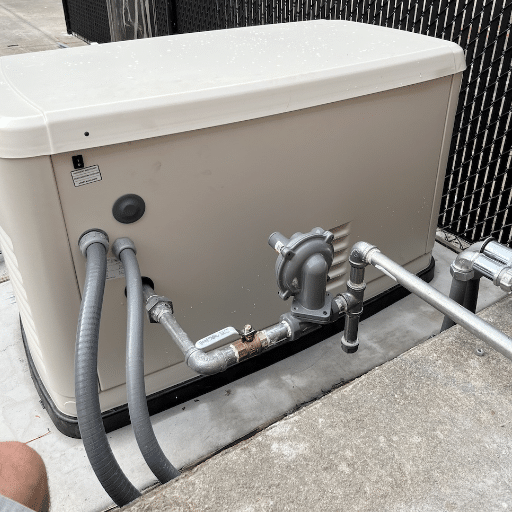
In residential applications, generators are the key products that provide the continuity of power during blackouts or act as a backup system for vital household appliances. The equipment for residential use is designed with the user’s household environment as the priority, with features such as ease of use, quiet operation, and a compact design, all of which benefit the home. In an attempt to address the situation of power instability, many households now turn to the inverter generator with the attribute of a stable power quality, which is actually safe for the sensitive electronic devices that normally include computers and televisions.
Industrial Use
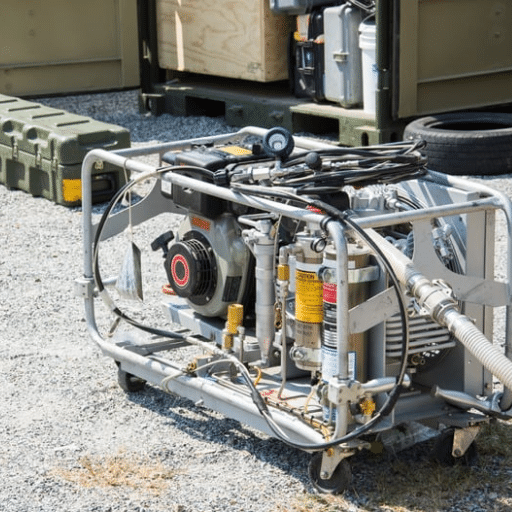
The core features of industrial generators are the high power output and the super-high quality of the power output, along with the long life and the super efficiency of the equipment. They are often configured with the most advanced power-sharing features, thus enabling them to have a seamless power-handling experience throughout the entire plant. Additionally, these generators come with many safety products, such as the automatic shutdown systems and the remote monitoring tools, for users to increase their performance in managing the operations.
Portable Use
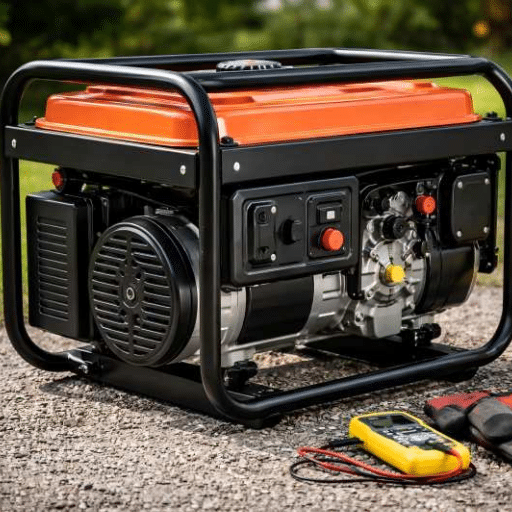
Portable generators are preferred by many users because they are very flexible and can be moved around easily. It is thus commonly used both during indoor and outdoor activities. It is easy to size units that can go anywhere from camping to mid-sized units that power more tools or devices, or even whole small businesses. It is even common to see fuel technology that mixes the two main types, allowing the generators to be used in even remote locations where the unpredictability of the power sources is high.
Performance Differences: Diesel vs Gas Generators

Diesel generators are the right choice for the consumer who is looking for the best fuel economy and the most reliable engine. Diesel generators have the capability to run very efficiently on fuel, hence consuming even less fuel than a gas generator does during heavy loads. This, therefore, would be a good reason for preferring them in continuous and long term applications. In terms of maintenance of the engines that diesel generators are operated with, the whole process is less demanding, and work is seldom required because of the simplicity and reliability of the engines, and the fact that there are no spark plugs.
In contrast, gas generators normally come with the feature of being quieter and costing less money, which is usually a one-time expense. The capacity of gas generators is appropriate for less demanding power situations, and there is a possibility of using them for a short while, especially in the home environment. Nevertheless, they will use more fuel most of the time and there will be a need for extra care in the case of maintenance.
The selection between the two options rests upon the specific application, length of operation required, and financial matters. Diesel generators are the best choice in the field of industry and the more demanding duty scenarios, while gas generators are the way to go for sporadic and light tasks.
Power Output and Efficiency
When speaking of power deployment, diesel generators usually outshine gas generators in terms of reliability and continuous output in heavy load conditions. Diesel engines are installed in such a way that they have a higher torque output, hence they can be used for a longer period of time in such commercial or industrial setups. On the whole, diesel generators are usually higher in overall energy consumption, but they possess a better energy efficiency ratio, meaning one will be using less fuel per kilowatt produced in comparison to the gas ones.
Gas generators, despite having a little lower efficiency, present a trade-off between undifferentiation and a lower first expense due to their commodification and use of multi-fuel sources. However, gas generators may be the most economical solution for on-off or very light-duty cycles. On the contrary, gas generators are known to experience a step-by-step degradation of efficiency while working under heavy continuous loads, which ultimately leads to higher fuel consumption over time.
With the aid of updated generator technology, there are now available hybrid systems and electronically controlled machines that can manage fuel efficiency effectively for both generator types. In the case of diesel generators, for instance, Tier 4 compliance engines are the reason pollution and energy production are not opposing each other any longer. Simultaneously, gas generators get their energy from the most modern technologies, such as automatic load adjustment, which makes fuel consumption rates better during varying operations. These changes show that both types are moving towards the same performance metrics, which would mean they are catering to a wider and less efficient energy demand category at the same time.
Start-Up Times and Load Handling
Startup times and load handling are the two main performance parameters that are used for the evaluation of generator systems. Diesel generators are very quick in comparison, starting up probably fully in the blink of an eye within an optimal range of 10 to 15 seconds. A significant reason for that is the simple mechanical structure and direct fuel injection systems, which make it possible to start them right away.
Gasoline generators, on the other hand, have to deal with a longer period of time to become fully operational, usually 30 seconds to a few minutes, depending on the system. This is because there are gas mixture preparation and ignition components that need time to function, and so forth. But the newer technologies, for instance, the pre-ignition controls, and the cutting-edge regulation of gas as a fuel, have made very large reductions in the starting time for gas turbines.
Diesel generators are very good at managing load changes by having a high starting torque, which means they can be adjusted quickly when changes are needed. Gas generators, although not as good as the diesel ones at handling spikes of power, rely on some of the most modern technologies, like dynamic response control systems, to facilitate the transitions and maintain power delivery. One can witness the achievement of both kinds of generators in reliability and efficiency with these latest reproductions in different operating conditions.
Noise Levels and Operation
It is of utmost importance to discern among generator types and their respective sound impacts when one is looking at noise levels and operational performance. The diesel generators top the list for the reason of their higher noise output while working; the biggest sources in this case are the combustion process and the moving parts. Still, remarkable progress has been made in the last decade with the application of acoustic enclosures, muffler systems, and isolation technology that are mostly mechanical and have led to a major reduction of noise pollution. This created a chance to meet and even exceed the strictest noise regulation standards that apply to the residential and commercial areas. Gas generators, on the other hand, are likely to be the least noisy because they are powered by less harmful and less laborious burning, which makes them the first choice for areas like hospitals and residential neighborhoods where the sound pollution problem is the most pressing.
Operational efficiency also relates to regular maintenance and advanced design features. Most of the recent systems integrate noise monitoring systems and smart control mechanisms to manage engine performance dynamically, thus optimizing both noise and operational integrity simultaneously. These novel solutions represent constant work to harmonize performance with environmental and auditory aspects, thus making the system adoptable in a great variety of scenarios.
Fuel Efficiency and Costs

No matter whether we talk about fuel consumption or overall emissions, in a way, they are right here in the vein of human activities. It works like a chain reaction, for fuel use is the first parameter here and emissions are usually the last. However, the heavier human reliance on fuel, the higher the amount of emissions we have to deal with. At a certain point, the two, human activities and the so-called greenhouse gas effect, became so perfectly intertwined that they could not be seen separately anymore. The main culprit of the warming of the earth is the use of fossil fuels, which has a link fairly loose in the chain of human handiwork. This led to the endless rise of the gases that humans had once used primarily as the only source of warmth, light, and communication. Thus, a new era emerged with the discovery of petroleum and its products.
Initial Purchase Costs of Diesel and Gas Generators
Different things could play an important part and should be taken into account when it comes to the purchase costs of the original diesel and gas generators. Such considerations include the product output, the known history of the product brand, and even the use of an example of an already proven product that has high reliability, which are all factors of influence. One of the leading comparisons that can be made is the upfront cost of diesel and gas generators, the former typically being built of heavier, more durable materials than the latter and having the ability to be used in long hours of high-demand operation. For example, for a mid-range diesel generator giving out 50 kW of power, the price could vary from as low as $13,000 to as high as $20,000, depending on the specs and extras, while the gas generator with the same features would be around $10,000 and could go as high as $18,000.
In addition, the analysis must incorporate the new cost factors like the integrated automation systems, the noise reduction, and the emissions-compliant components, which might have a considerable impact on the prices of the two categories. The greater industrial models with advanced emissions control technologies may even be sold for prices over $50,000, while the small and portable residential models are lower in price and therefore, usually available at prices below $5,000. The decision to go with diesel or gas generators should take into consideration the long-run operation and maintenance costs, the exact application necessities, and the dedication to environmental policies, thereby ensuring the best performance possible on the budget side.
Operational Costs: Fuel Prices and Consumption
The price of fuel and the number of gallons burned are two factors that chiefly determine the cost of running a generator. Diesel generators are a fave due to their great fuel mileage, only about 0.4 to 0.6 gallons for smaller ones and so on for larger industrial ones. Diesel fuel has its inefficiency compensated by the higher energy concentration which is why it gets more done per gallon than gasoline. But long-term expenses are very sensitive to the fuel prices, with diesel typically being a slightly more expensive per gallon than gasoline in many regions. Gasoline generators, on the contrary, guzzle fuel faster, with the average consumption being between 0.6 and 1.5 gallons per hour, depending on the size and the workload. This lesser fuel mileage, when coupled with fluctuating gasoline prices, puts them at risk of being more expensive to run over time.
Operational expenses and their size are strongly influenced by fuel storage and shelf life, among other factors. The storage life of diesel is 12 months or even longer with the use of the recommended additives, which makes it a good choice for the backup systems requiring a high level of readiness all the time. In contrast, gasoline is subject to more rapid degradation, usually within three to six months, requiring either frequent refueling or the use of stabilizers. Thoroughly evaluating fuel usage in combination with regional price trends can help end-users in making a selection of that generator which corresponds to their specific operational needs in the most effective way and still taking into account the three parameters that are efficiency, budget, and the user.
Long-Term Cost Comparison for Different Applications
In order to find the applications with the lowest lifetime costs, one needs to think of operational efficiency, fuel type, maintenance requirements, and usage patterns specific to the application. Residential diesel generators usually result in a lower cost per hour over the long run because of the fuel efficiency, higher energy production, and longer engine life. On the other hand, the gasoline-saving generators, which are usually cheaper in the beginning, will still have more refueling stops and could be the cause of high fuel costs and a worn engine.
Gas generators driven by natural gas are particularly beneficial for industrial or commercial cases characterized by substantial electricity consumption. This holds true especially in areas served by natural gas pipelines, as fuel will always be available and the costs for meeting emissions standards will be low. The drawback, however, is that the costs of gas line installations or storage facilities need to be taken into account while calculating the entire cost of ownership. On the other hand, pure renewables such as solar paired with storage, which have large setup costs, might turn out to be the most economical over time solution, especially when situated in areas with high electricity prices or enjoying government support.
The integration of fuel pricing trends, the expected number of usage hours, and the target of gaining back the investment up-front over a certain period by the users is possibly the most vital ingredient of the decision-making process. The fundamental key to a cost-efficient technology is to locate the best trade-off between the expenses when the system is put into operation and, to an extent, the expected lifetime of the system as compared to the selected application.
Environmental Impact of Diesel and Natural Gas Generators

It is a well-known fact that diesel generators are major producers of greenhouse gases, such as carbon dioxide (CO2) and nitrogen oxides (NOx), especially. These are also the main contributors to both air pollution and climate change. Besides, the burning of diesel also lets out fine ash and soot particles in the air, which can be very harmful to both air quality and human health. On the opposite side, natural gas generators typically give off lower emissions of CO2 and practically no particulate matter compared to diesel generators, and are therefore considered as a cleaner alternative to diesel generators. Nonetheless, there are environmental impacts associated with the use of natural gas, featuring the risk of methane leakage throughout the extraction and transportation stages. The drawback of both fuel types makes natural gas the less harmful choice when well managed.
Emissions: Comparing Diesel and Natural Gas
While discussing diesel and natural gas generators, efficiency is what leads to emissions being a significant factor. In the case of diesel engines, they are associated with the features of high thermal efficiency, which is still the case up to 40-45 % for the latest models. Consequently, a large share of the fuel energy will be transferred into mechanical energy. Nevertheless, this kind of efficiency raises the problem of higher carbon dioxide (CO2), sulfur oxides (SOx), and nitrogen oxides (NOx) emissions. Another diesel combustion by-product is the fine particulate matter affecting the quality of the air, as well as posing a public health risk.
Conversely, the tradeoff in the natural gas generator is its slightly lower thermal efficiency, with 30-40% typically situated in the range. However, they can deliver the same NOx emissions in much smaller quantities, as well as cut back on SOx and particulate matter emissions because of the clean characteristics of the natural gas property. The existence of the latest power plant technologies with combined heat and power (CHP) facilities powered by natural gas can lead to an overall efficiency of more than 80% through the utilization of waste heat in various areas. Nevertheless, the key role of methane emissions at any stage of the natural gas supply chain has been identified, necessitating the mitigation of potentially higher environmental losses that could result if the gas is not carefully managed.
Impact on Air Quality and Regulatory Standards
The significance of employing different sources of energy in air-quality attainment and regulatory standards is undeniable. The burning of fossil fuels like coal and oil largely gives rise to particulate matter (PM), nitrogen oxides (NOx), and sulfur oxides (SOx), which are a few of the worst pollutants that have been linked to health concerns in the respiratory and circulatory systems. On the other hand, natural gas, in its combustion process, generates a much smaller quantity of these pollutants in comparison to the other two, which makes it a cleaner alternative to reduce the local air pollution level. Besides, the next step along the way would be to start using renewable fuels like bioethanol and hydrogen, among others, since it has been predicted that such a transition will cause a much greater overall decrease in pollutants that are harmful to health, whereas the hydrogen combustion releases mainly water vapor as a result.
Tighter air quality standards compelled by regulation had been the reason why industries started adopting cleaner types of fuels and technologies. The boundaries set by the pollution levels, which are secured in regulations as the Clean Air Act in the U. S. and the Air Quality Directives in the European Union, have made it compulsory for industries to install the latest air pollution control systems like selective catalytic reduction (SCR) and flue gas desulfurization (FGD). The companies that follow the same standards not only reduce the level of pollution but also support the penetration of energy production and energy efficiency, improving technologies. However, making sure that these rules are followed everywhere uniformly is a tough task, and a lot of monitoring and reporting systems need to be established so that environmental and public health goals can be attained.
Maintenance Requirements for Diesel and Gas Generators

- Regular Inspections: Do the regular inspection work, so, visually inspect the components for example, fuel lines, hoses, and belts, to detect any leaks, wear, or damage. Do the necessary repair work at once to prevent breakdowns.
- Oil and Filter Changes: Service oil and filter following the recommendations given in the owner’s manual. In most cases, this task will be carried out every 100 to 200 hours of engine operation or as directed in the maintenance manual.
- Cooling System Maintenance: Look for the presence of any matter in the radiator and cooling system as well as verify the coolant levels of these to be done regularly. Also, the use of the correct coolant specified by the manufacturer is a must.
- Fuel System Checks: Drain the fuel system of any water or other impurities and change the fuel filters as required by the maintenance schedule. Keep track of the fuel quality so as to prevent injector clogging.
- Battery Health: Check batteries for the possibility of corrosion, check for electrolyte high and low levels, and test the connecting the battery to the correct polarity. You should always check the battery charge periodically to make sure that your car starts without any problem.
- Air Filter Replacement: Clean or replace the air filters with respect to the dust levels prevailing in the area and as per the time that is specified in the user manual to keep the engine running smoothly and saving fuel.
Frequency of Maintenance Tasks
A positive influence of regular maintenance tasks is the case when the equipment operates for many hours and in environments that affect it. For instance, the provision of oil and filter, usually according to the manufacturer’s specification, can be made every 250-500 hours of operation to keep the engine efficiency and longevity. The same type of replacement may happen to the air filters, which could be after 200 hours in dusty places or 500 hours under normal conditions. Usually, battery health checks are recommended monthly, with a higher focus on the charging system testing in order to prevent any spontaneous failures. In the case of fuel systems, separate the water from the fuel by a sldr separator every day in high-humidity places and check the injectors during planned servicing, like every 1,000 hours, so that you preserve all the systems’ optimal functionality. By maintaining the schedule discipline of maintenance tailored to the above rules, the downtime is minimized, and the equipment’s reliability is increased to the maximum.
Complexity and Cost of Maintenance
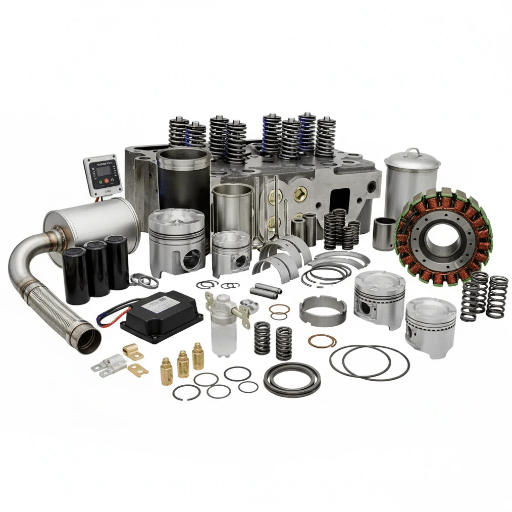
The maintenance of modern equipment necessitates a “high-tech” way of dealing because of the now ubiquitous advanced systems and technologies. The factors that make the situation complex are electronic control units (ECUs), sensors, and extremely accurate cutting, all of which have a need for the work of specific technicians, more sophisticated tools, and knowledge for fixing and diagnosis. To illustrate, revealing the faults in computer-controlled installations can require special software and extensive technical training, which will directly imply an increase in the cost and duration of the maintenance activity. Moreover, the use of energy-efficient solutions like hybrid powertrains and high-pressure fuel injectors has made it even more complicated to follow specific procedures of maintenance and find replacement parts that are compatible.
The use of advanced diagnostic tools and training sessions is one of the major contributors to the cost part. The cost of both items is quite high, but at the same time, it is quite necessary considering the health and overall success of the business. The expense resulting from a preventive maintenance program is another dimension of cost and is a matter of debate among major industries today. A study by professionals in this field reveals that such a program can significantly cut long-term cost by preventing the occurrence of major equipment failures, which are more expensive to fix at a later stage. Operating in the most efficient way by meeting technology and at the same time, the regulatory requirements is the point of utmost priority.
Reference Sources
- Evaluation of Medium Speed Diesel Generator Sets and Energy Storage Technologies
Read the article - Comparative Analysis of Engine Generator Performance Using Diesel Oil and Biodiesels
Read the paper - The Impact of Diesel/LPG Dual Fuel on Performance and Emissions in a Single Cylinder Diesel Generator
Read the study
Frequently Asked Questions (FAQs)
Which gas generator or diesel generator is the right generator for backup power?
When it comes to choosing the right generator that fits your needs well, the intended purpose is usually the biggest factor. Thus, whether you plan to only have a house backup or complete industrial natural gas generator equipment is the difference to keep in mind. Diesel or natural gas are the two most popular types of generator fuels, which will also determine the generator’s performance and the maintenance schedule to be followed. In addition, diesel engines also usually require more frequent oil and filter changes. Gas engines that are lighter and less polluting are also a popular choice for portable use, whereas diesel engines that produce more energy than natural gas have a higher energy density, making them better for longer runtimes.
What are the pros and cons of diesel and natural gas generators when comparing fuel types?
The benefits and downsides of the diesel versus natural gas debate are about the fuel availability, emissions, and long-term running costs, where diesel fuel stands out due to the possibility of storing it as an emergency measure, while, on the other hand, natural gas is piped to the house. Diesel fuel can be stored so it is available during emergencies, whereas a natural gas supply is dependent on the gas line. In addition to the lower particulate emissions, natural gas engines generally produce lower emissions in total and, thus, are a more environmentally friendly option. On the other hand, diesel engines are usually more efficient with their fuel consumption, and also, they give higher torque for bigger loads.
How do differences between diesel and natural gas affect generator emissions?
A clear picture of the discrepancies between locomotives powered by diesel and those by natural gas can be seen in the emissions profiles: in general, natural gas generators produce less NOx and particulate matter when compared to diesel generators. Fuel type is the determining factor in the pollutants produced by the generators, and for the most part, the generators that use diesel emit more soot and particulate matter, which might be controlled by a separate treatment system. When leaks happen, natural gas is leaking more methane, a key natural gas point that should be handled by a proper positional and monitoring process.
Are gas and diesel generators different in terms of fuel storage and safety?
The storage of diesel and gas varies a lot; the former can be held for weeks on site, but to rely on gas, one must have a pipeline connection, except for the case of propane or LNG. As diesel is less combustible than petrol and often less hazardous than propane, the overall management of the reliability of the safety stance might be easier for backup generators. The only concern is that the storage of fuel can cause damage, and the maintenance program will be required to include fuel examination. The presence of natural gas pipelines does away with the necessity of on-site storage, but also makes you dependent on infrastructure, which may be a negative point during some disasters.